A return flight from London to Copenhagen the week before Christmas: roughly £140 with SAS or Norwegian if you book three weeks ahead. The same flight in the third week of July: £290 to £340. A four-night stay at a mid-range Vesterbro hotel that costs €240 a night in mid-July sits at €130 to €160 in early December. So the trade is real. You save half on the flight and almost half on the bed. The question is what you actually get for that, and what the daylight chart does to the day you have.
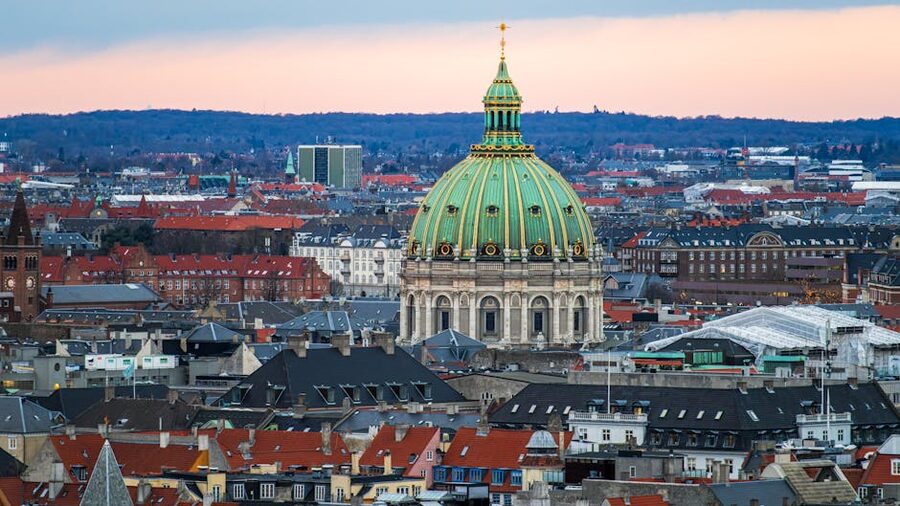
On 21 December the sun rises in Copenhagen at 08:34 and sets at 15:40. That gives you 7 hours and 6 minutes of daylight. Compare it to 21 June, when sunrise is 04:22 and sunset is 22:00 (that’s 17 hours 38 minutes), and the differential is 10 and a half hours. Half your December day is dark. The other half tends to be flat and grey, occasionally bright, sometimes lit up by an actual snow event that the Danes treat as a small civic miracle. So this article is about whether the trade is worth taking. My short answer is yes, with caveats. The long answer is the rest of this piece, which compares Denmark’s winter to Stockholm’s, Helsinki’s and Reykjavík’s, lays out what’s actually open and what’s effectively closed, and walks through Copenhagen, Aarhus, and the empty Roskilde Cathedral that I’d argue is the best winter day out you can have in Denmark.
In This Article
- The honest verdict, up front
- How Denmark’s winter compares with the rest of the Nordics
- What’s open and what’s actually closed
- Copenhagen, Aarhus, Aalborg, Odense, Roskilde, Helsingør
- Skagen, Grenen, Læsø, Anholt, the north Jutland coast
- Bornholm
- Funen, the Wadden Sea, Møn, the Lolland-Falster coast
- The Tivoli Christmas season, with the history nobody mentions
- The Copenhagen Light Festival is the underrated trip
- Hygge, defined precisely once and never used as decoration
- A coffee crawl in Vesterbro
- Saunas and winter bathing, the working version
- Gløgg, properly
- Mikkelsmas, which nobody outside Denmark explains
- The day-trip you should actually take: Roskilde Cathedral in winter
- The CPH-Malmö winter day-trip: be honest, it’s a hard sell
- Eating in Copenhagen in winter, briefly
- Where to stay in Copenhagen in winter
- Castles, Christmas markets, ice rinks: the practical inventory
- Practical: clothes, transport, the bicycle question
- Where Aarhus fits in
- The cross-link cluster, briefly
- The Skagen Painters in winter, a small detour
- The Round Tower at the dark hour
- So, is winter Denmark worth booking?
The honest verdict, up front
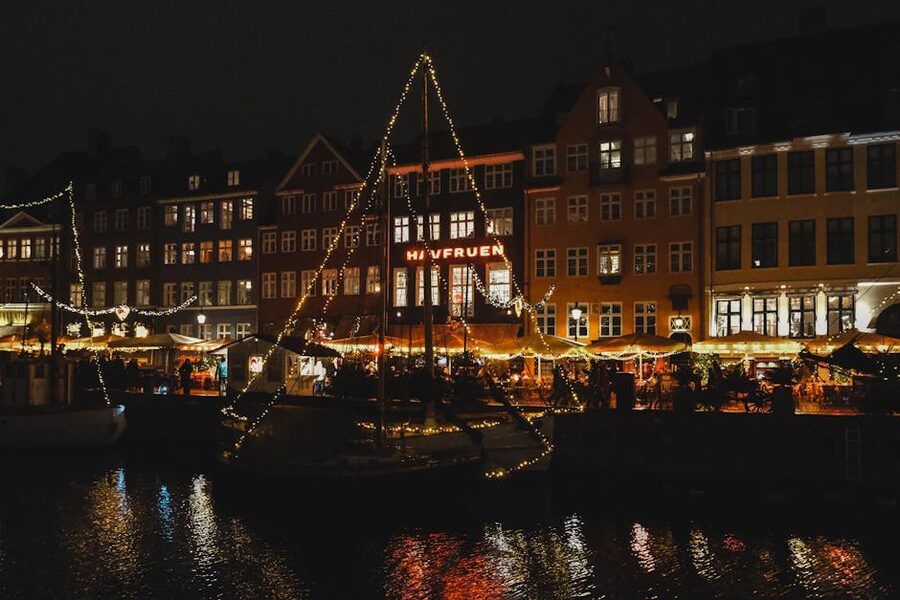
Denmark has the easiest of the five Nordic-country winters to actually visit. The temperatures hover around freezing rather than well below it. The infrastructure runs normally. Trains keep their timetables. The streets are clear most days. Copenhagen’s restaurants are fully open and you can usually walk into the second-best ones the night you want to eat. The Christmas markets at Tivoli, Nyhavn, Hans Christian Andersen and Kongens Nytorv all overlap from mid-November to early January. The Light Festival in February is the underrated one and the reason I’d push a winter trip towards the second half rather than the first. And by mid-February you’ve got daylight back to about 9 hours and climbing, which feels disproportionately good after the December trough.
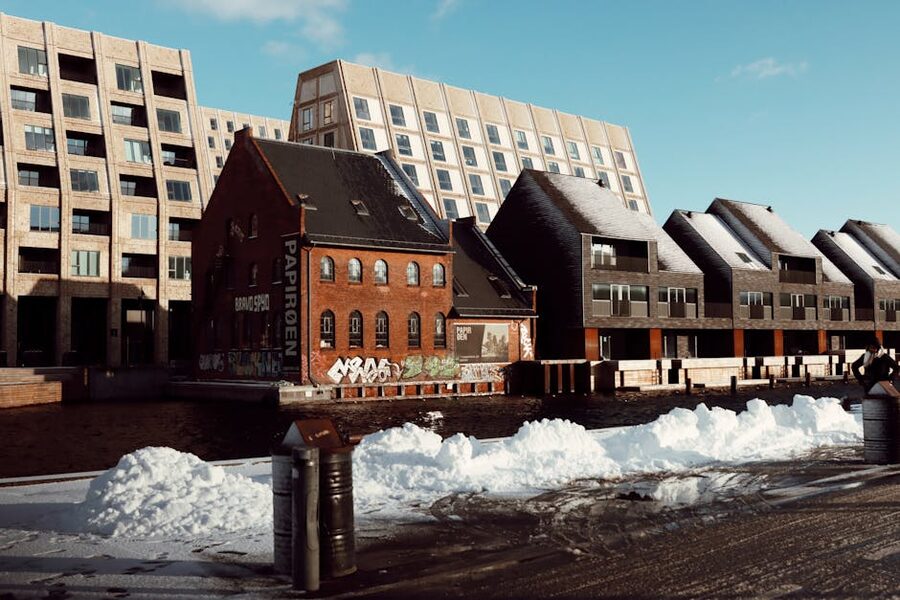
The downside is honest. Skagen, Bornholm, most of Funen, the Wadden Sea, and the painted-villages of north Zealand are effectively shut for visitors from mid-October through to the spring. Restaurants there close, hotels reduce to weekend-only opening, the Sandormen tractor at Grenen stops running, the Christiansø ferry from Bornholm runs once a week if at all. Trying to do “Denmark beyond Copenhagen” in January is fighting the country’s own seasonal rhythm. Stay urban, and you’re fine. Try to go coastal, and you’ll find half-shut towns and grey water you don’t want to look at for long.
How Denmark’s winter compares with the rest of the Nordics
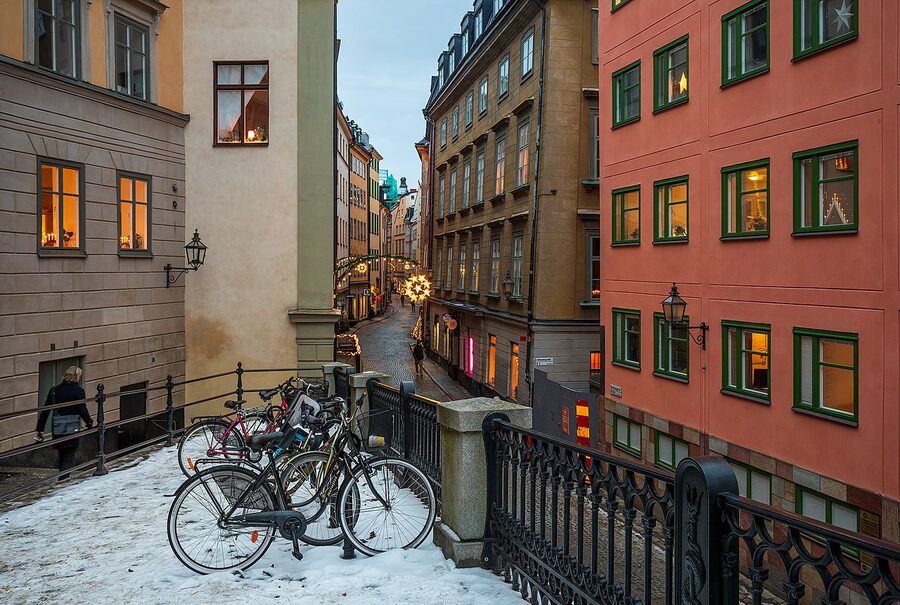
This is the comparison the brand is built on, and it’s the section nobody else writes. Here’s what 21 December looks like in the five Nordic capital cities, plus Tromsø for a polar contrast.
| City | Sunrise (21 Dec) | Sunset | Daylight | Avg Dec temp | Snow probability |
|---|---|---|---|---|---|
| Copenhagen | 08:34 | 15:40 | 7h 06m | 2°C | Low. Most days you get cloud and rain. |
| Stockholm | 08:40 | 14:51 | 6h 11m | -1°C | Medium-high. Lying snow likely from late December. |
| Oslo | 09:14 | 15:15 | 6h 00m | -3°C | High. Lying snow expected. |
| Helsinki | 09:20 | 15:16 | 5h 55m | -3°C | High. The harbour starts freezing in cold years. |
| Reykjavík | 11:17 | 15:34 | 4h 17m | 0°C | Mixed. Wind is the bigger story than snow. |
| Tromsø | polar night | polar night | 0h (twilight only) | -4°C | Very high. Sun doesn’t rise from late Nov to mid-Jan. |
If you want lying snow and a city that looks like a Christmas card, you go to Stockholm or Oslo. If you want northern lights, you don’t go to any of these capitals (you go to Tromsø, Abisko or Finnish Lapland). If you want hot springs and dramatic landscape and a flight that’s longer than it sounds, you go to Reykjavík. And if you want the trip that requires the least adjustment, where everything just works and the food alone is worth the flight, you come to Copenhagen.
For the actual aurora chase, the relevant pieces are the Tromsø vs Abisko comparison, the Finnish Lapland guide, and when and where in Iceland. Denmark is too far south for reliable aurora viewing, and any blog telling you otherwise is selling something. What Denmark does instead is comfort in winter, which is its own kind of trip.

What’s open and what’s actually closed
Be specific about this because the existing English-language guides are mealy-mouthed and they don’t tell you the truth. Here’s the truth, by region.
Copenhagen, Aarhus, Aalborg, Odense, Roskilde, Helsingør
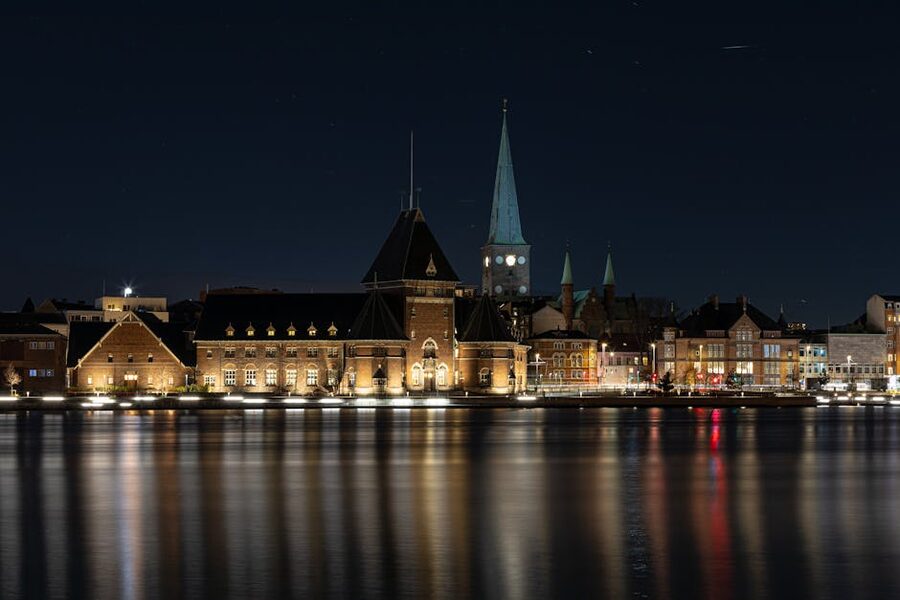
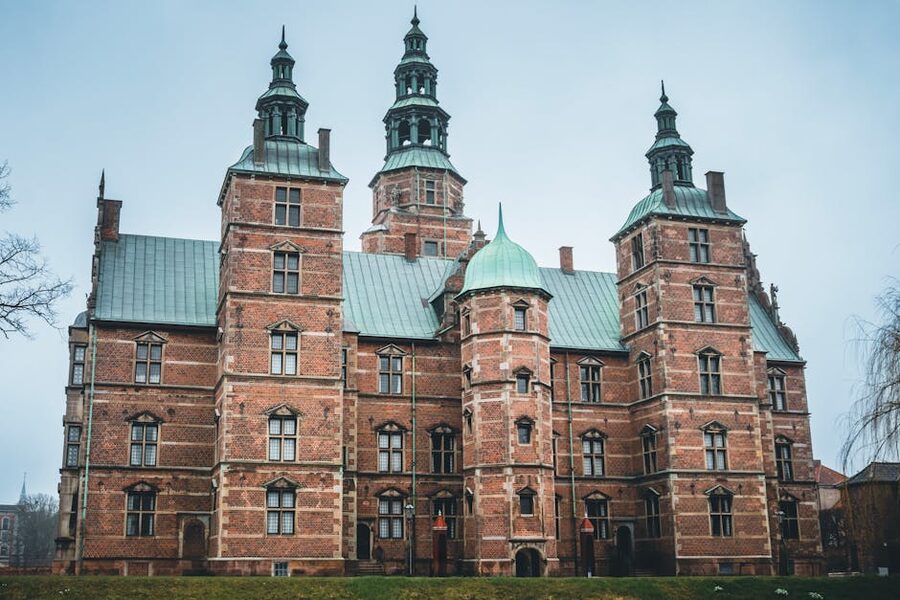
Fully open. Restaurants run normal hours, museums all keep winter timetables (mostly closed Mondays, open seven days in the run-up to Christmas), the train network runs to schedule, hotels are 30 to 50% cheaper than summer, and the streets are full of locals because Christmas season is when Danes actually shop in their own city centres. Tivoli runs its Christmas season from around 14 November through 1 January. Aarhus’s Den Gamle By open-air museum runs Christmas in old houses through December. Aalborg has a small but well-attended Christmas market on Boulevarden and around Nytorv. Odense leans hard on the Hans Christian Andersen connection and runs a market in front of his birth house. Roskilde Cathedral, the royal burial church, stays open year-round and is glorious almost empty.
Skagen, Grenen, Læsø, Anholt, the north Jutland coast
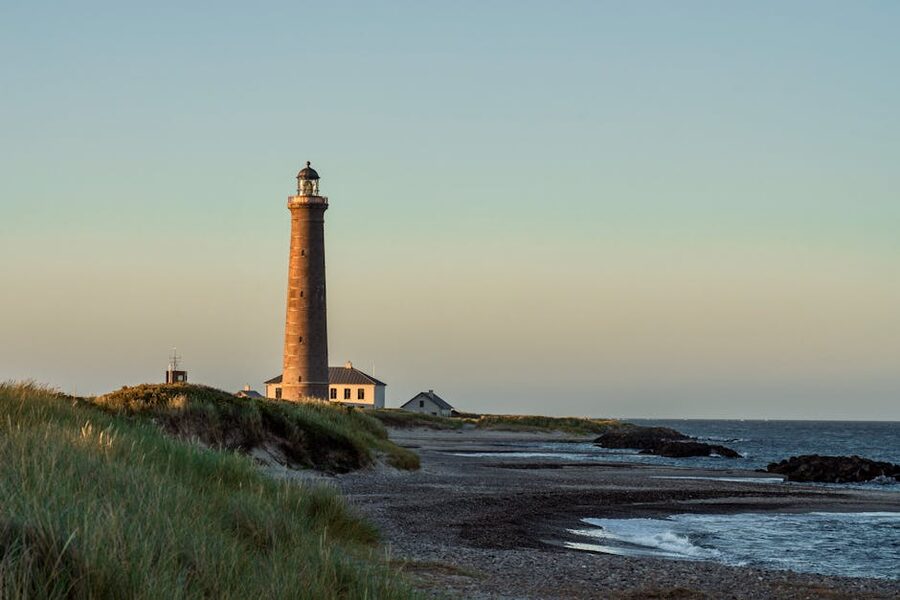
Effectively closed. The Sandormen tractor-bus at Grenen stops running in October and doesn’t restart until April. Skagens Museum, Anchers Hus and Drachmanns Hus all keep reduced winter hours: typically Tuesday to Sunday 11:00 to 15:00, often closed entirely January through mid-March. About 80% of Skagen’s restaurants and most B&Bs close from late September. The Skagerrak in January is grey and cold and the wind off it has nothing in its way. There’s a winter swimming festival the second Saturday of January which is genuinely worth experiencing if that’s your kind of thing, but otherwise wait for May. The honest version is: Skagen is a summer town, beautifully so, and pretending otherwise is the marketing departments doing their job.
Bornholm
Mostly closed for visitors. Hammershus, the medieval ruin, is a free outdoor site that’s actually best in winter because there’s nobody else there, but the visitor centre keeps reduced hours. The smokehouses in Snogebæk and Hasle are mostly shut from October to March. Hotel Nordlandet, Stammershalle and the Fredensborg run weekend-only winter operations or close entirely. The Bornholmslinjen ferry from Køge keeps running but from once a day instead of three times. The summer-only direct ferry from Sassnitz in Germany doesn’t run at all. The full island treatment, with the four round churches loop and the design / glass / liquorice trail, only really works April through October. Read the Bornholm guide for the proper-season version of the trip.
Funen, the Wadden Sea, Møn, the Lolland-Falster coast
Largely closed. Egeskov Castle has a strong Christmas market in late November through 22 December, and Den Gamle By in Aarhus does too, but the rest of the rural-Denmark map is essentially asleep. If you want to see Funen, do it in summer. If you want a winter trip in Denmark, stay in the cities.
The Tivoli Christmas season, with the history nobody mentions
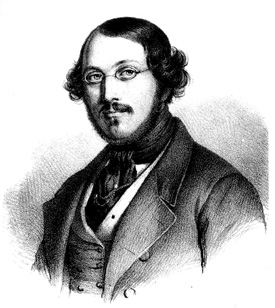
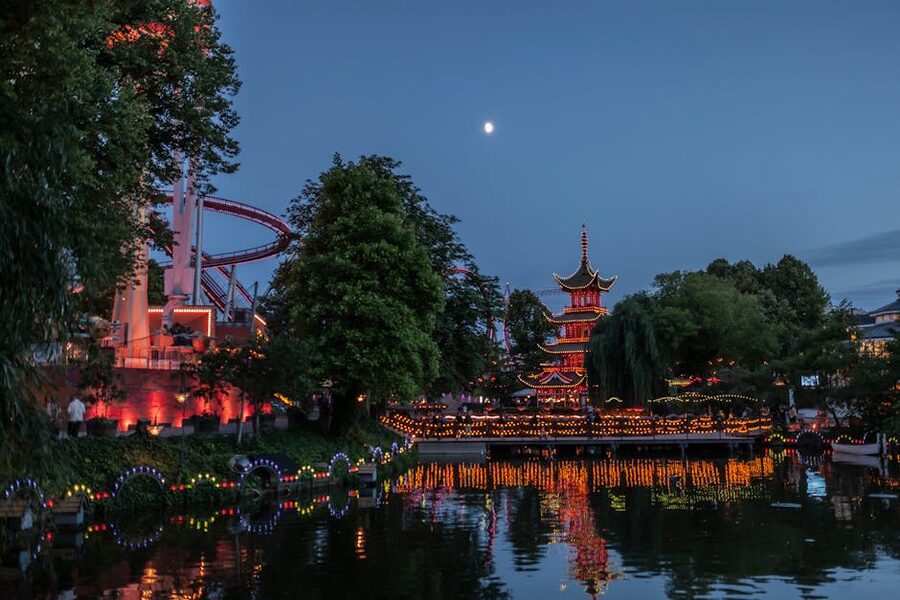
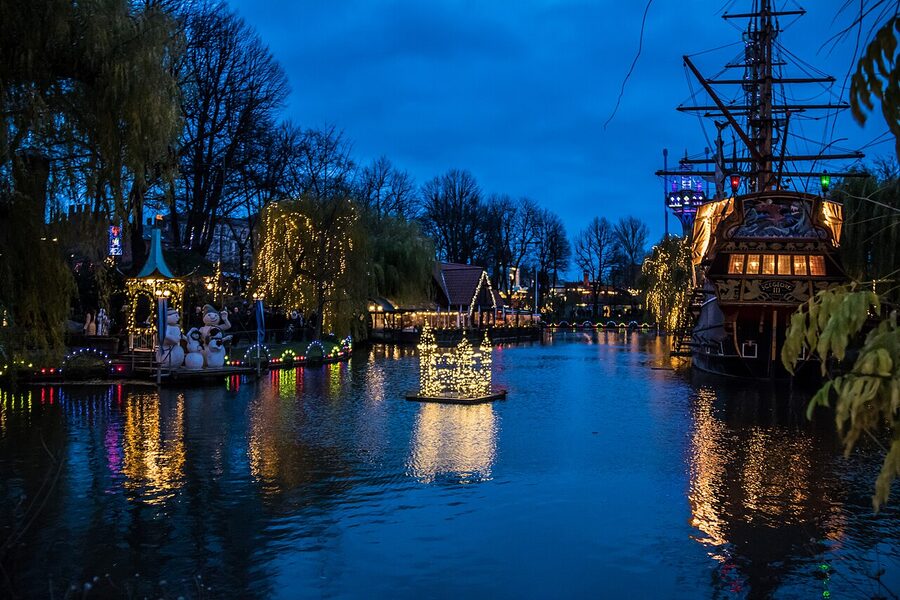
Tivoli’s Christmas market runs from approximately 14 November to 1 January, occasionally extending into early January some years. The park’s been there since 1843, when a young Danish officer called Georg Carstensen talked Christian VIII into giving him a five-year permit on a stretch of the city’s old fortification glacis. His pitch, allegedly delivered in person, was that “when the people are amusing themselves, they don’t think about politics”. This was 1843, four years before the rest of Europe lit up with the 1848 revolutions, so the king’s calculus was probably good. Carstensen got his land and Tivoli opened on 15 August 1843 with a tea pavilion, a dance floor, and the Karousselbanen, the wooden roundabout that’s still there in spirit if not in original timber.
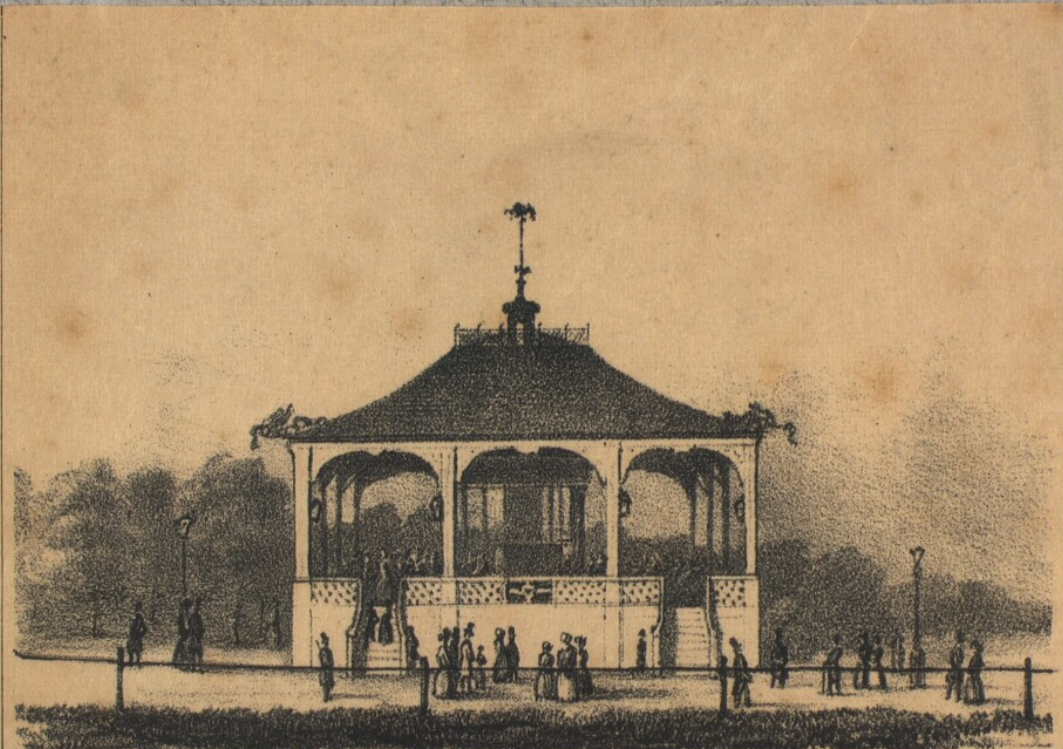
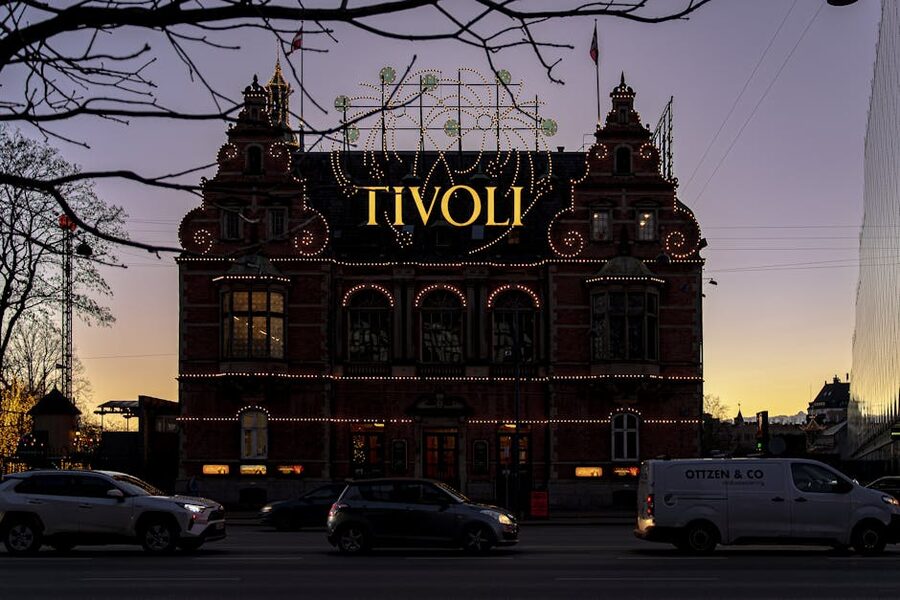
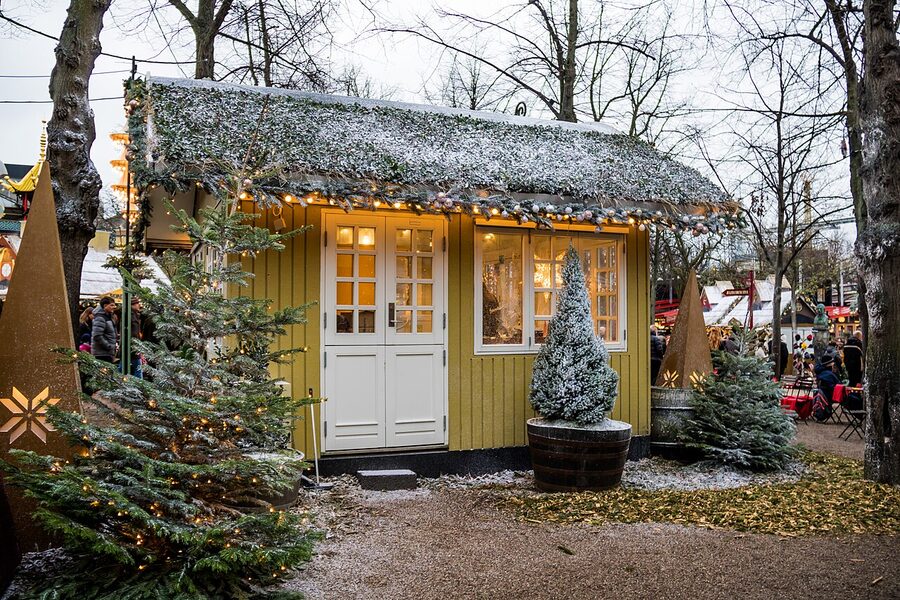
The Christmas season is a 1990s addition, not a Carstensen-era tradition. Tivoli ran summer-only for almost 150 years, then in 1994 they ran a six-week Christmas market as a trial. It worked. By 2000 it was the country’s biggest seasonal event. There are now around 60 Christmas-themed stalls along the central promenade, the Pantomime Theatre opens for short shows, the Demon and Star Flyer run if the weather holds, and the whole place is lit by something like 750,000 fairy lights, which is exactly the kind of fact a Tivoli press release wants you to know. What’s actually worth the entrance fee (around 175 DKK / €23 weekday, more on weekends) is the atmosphere after dark when the rides are spinning under low cloud and the gløgg stalls are doing their thing. Go after 16:00. The afternoon slot before sunset is the worst version.
The Copenhagen Light Festival is the underrated trip
February. Three weeks, usually starting the first weekend of the month and running through mid-month with a few late-running pieces. Around 50 light installations across central Copenhagen, free to see, ranging from artist commissions on building façades to projection-mapped stuff on the canals. It started in 2018, which is recent, so the international travel press has barely caught up with it. The Danes have. Copenhageners walk and cycle the route. The harbour bus runs an evening Light Festival service. Most pieces are between Nyhavn and Kalvebod Brygge, with extensions out to Refshaleøen and Islands Brygge.
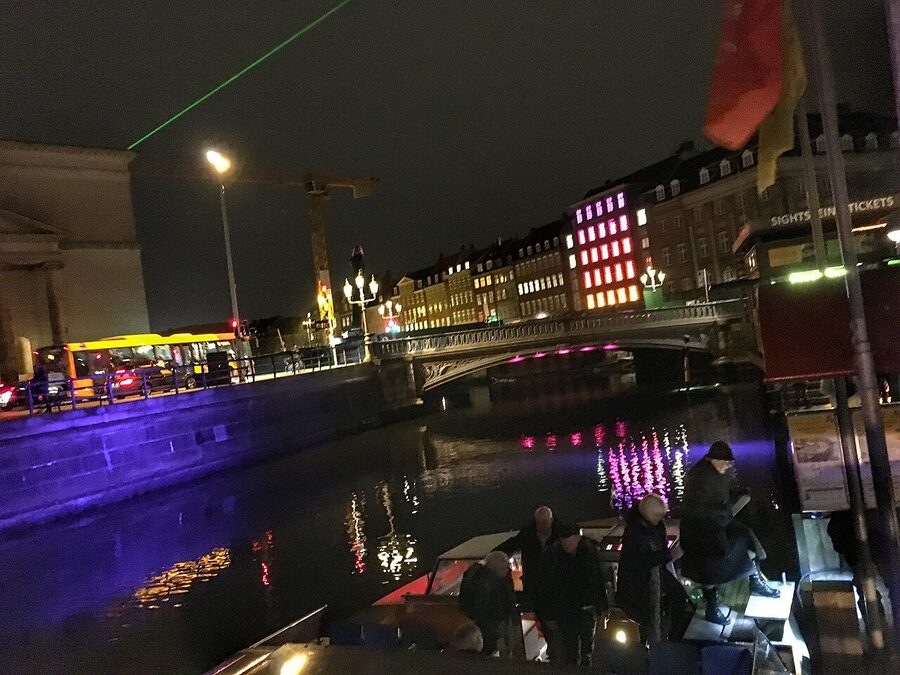
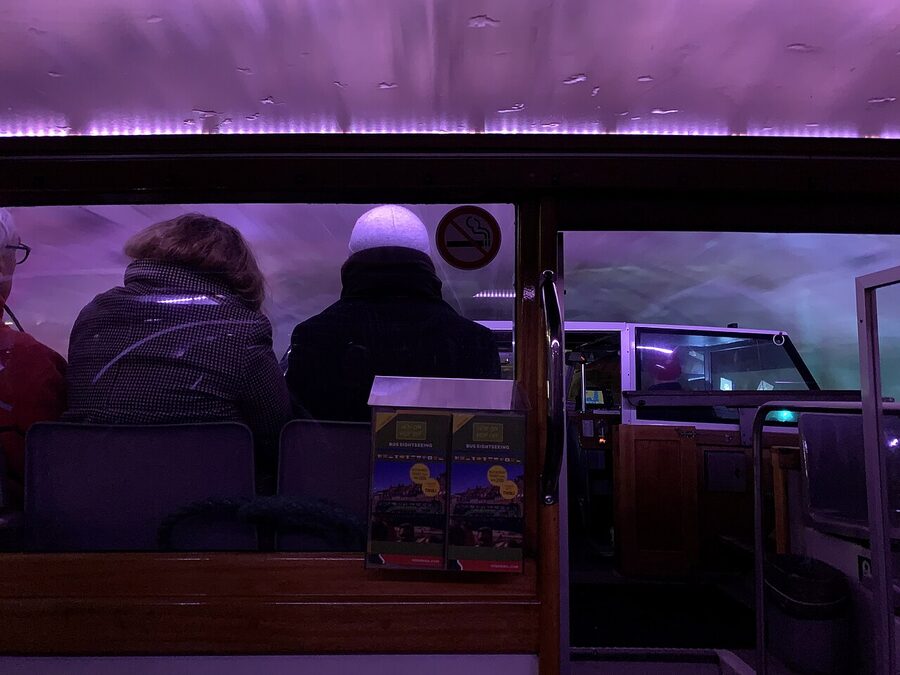
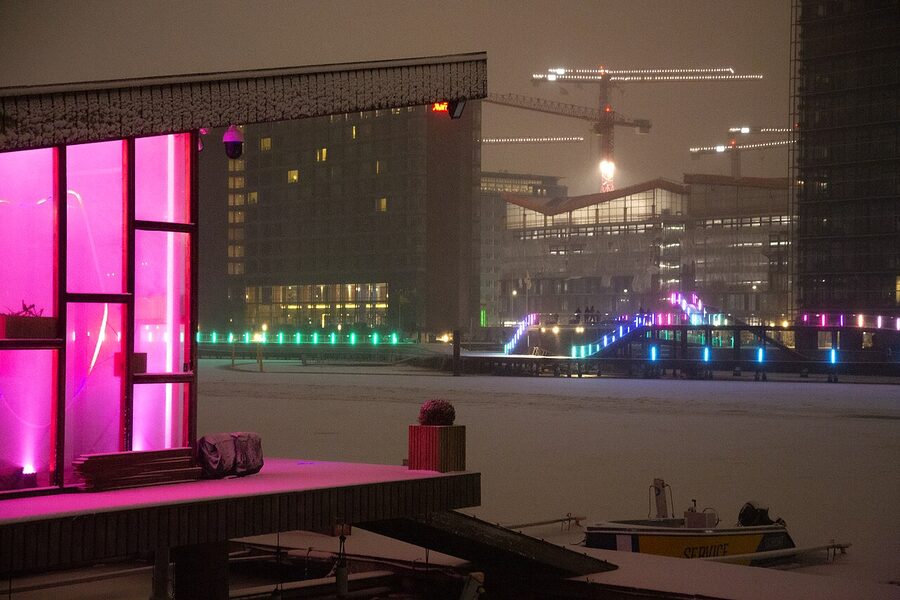
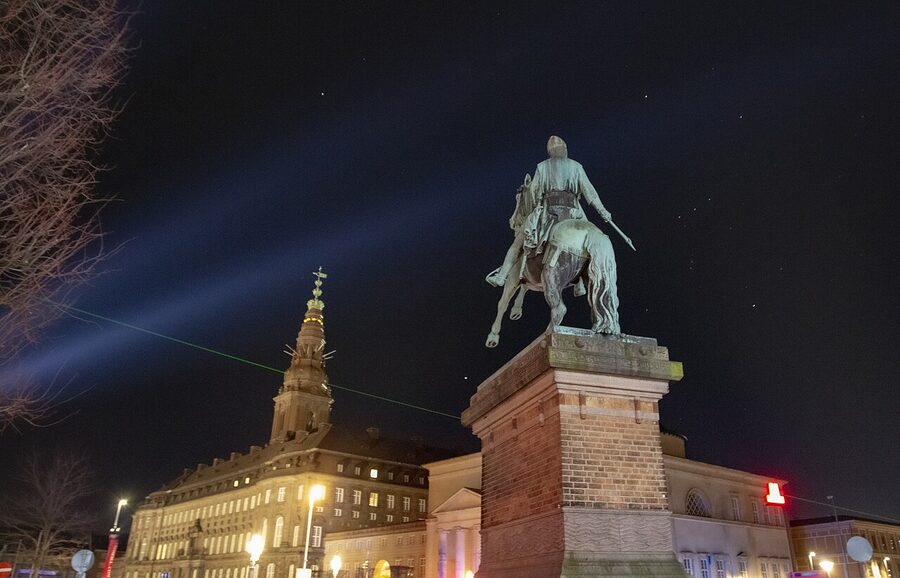
This is the trip I’d push someone towards. By February, Copenhagen has 9 hours of daylight (about 8:00 sunrise, 17:00 sunset by mid-month), the cold is dry rather than damp, hotel prices are still 30 to 40% off summer rates, and you get a citywide art event most travellers don’t know about. The Christmas-market trip is fine. The Light Festival trip is better.
Hygge, defined precisely once and never used as decoration
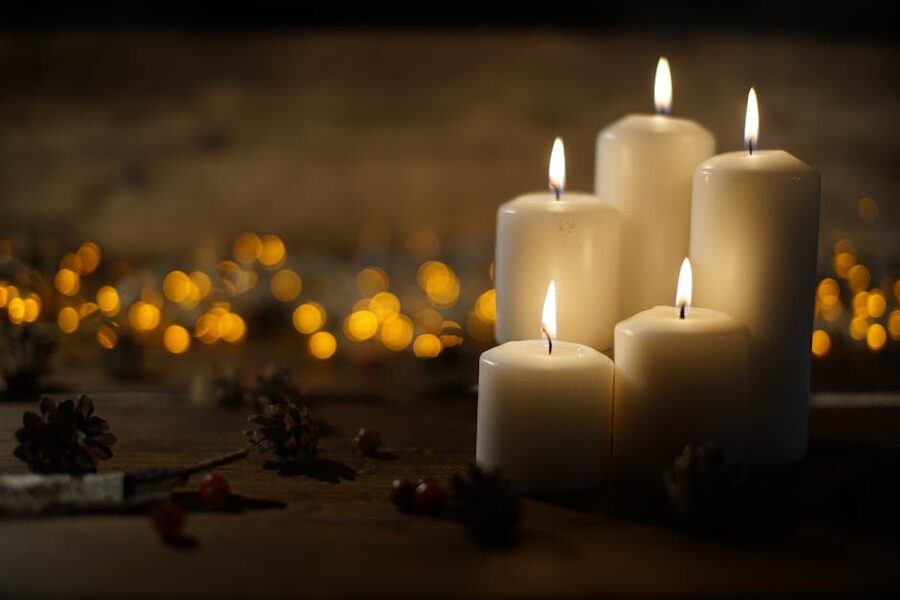
The marketing version of hygge has done so much damage to the actual word that the rest of this section is going to use the word as little as possible. The actual meaning is closer to “a deliberate, low-effort coziness that’s done together, usually indoors, with low light, warm drink, no agenda”. The word is a noun (a hygge), an adjective (hyggelig), and a verb (at hygge sig). The closest English equivalent is probably “having a quiet evening in” but that’s missing the small Danish insistence that it’s a thing you do on purpose, not something that happens to you.
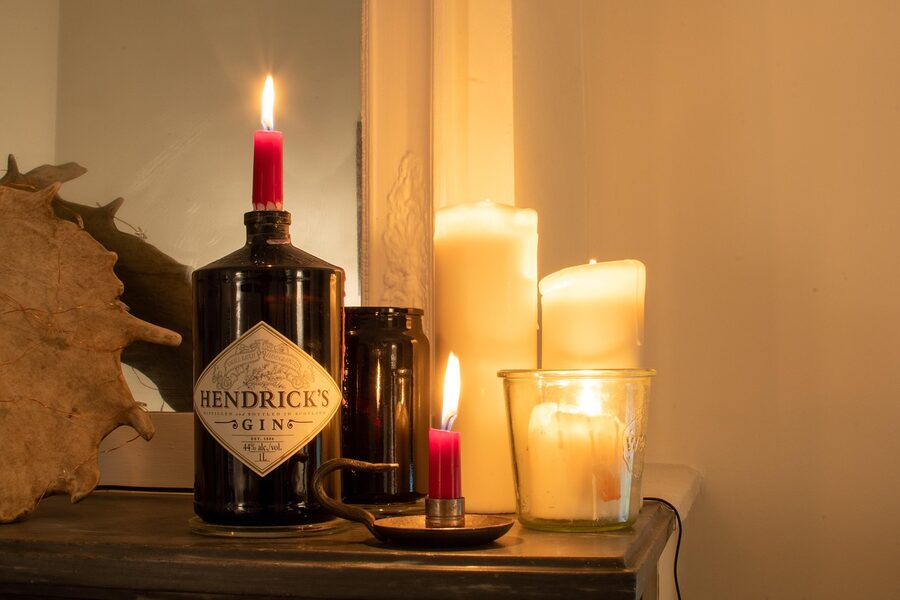
The candle statistic isn’t a marketing line, it’s a real one. Denmark goes through more candle wax per capita than anywhere else, around 6 kg per person per year against the UK’s 1.4 kg, and you can see the consequence in any Danish home or restaurant from October onwards. Light a candle, lower the overhead lighting, the room becomes a different room. That’s the practical version of the cultural concept.
A coffee crawl in Vesterbro
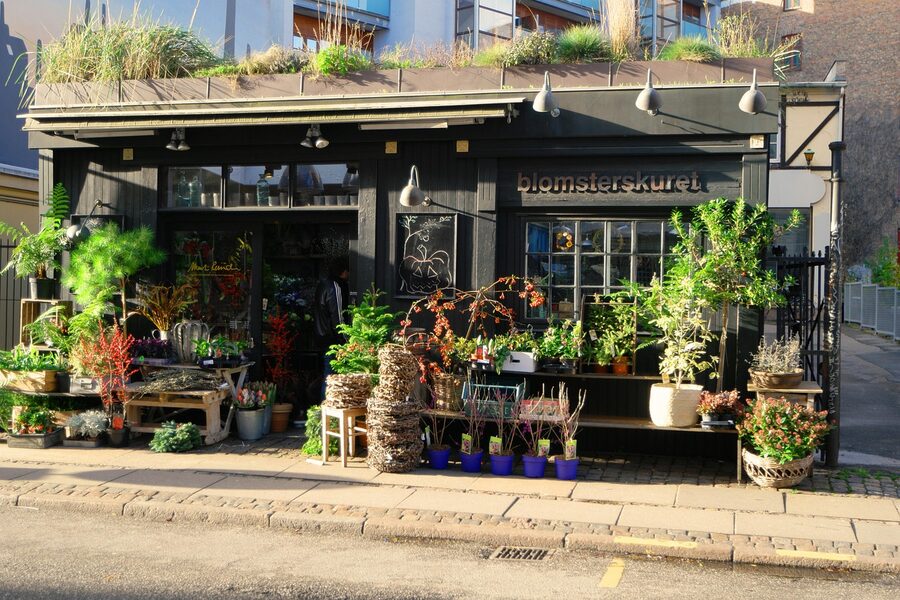
If you want to see the practical version of the cultural concept, go to Vesterbro on a Tuesday afternoon in January. Start at Prolog Coffee Bar on Høkerboderne (the smallest, busiest specialty roastery in the area, around 50 DKK / €6.70 for a flat white). Walk fifteen minutes to Coffee Collective on Godthåbsvej (the bigger, more sit-and-stay version, same price range). End at Original Coffee on Værnedamsvej, which is the genuine local sit-down spot rather than the tourist version. All three are open until at least 17:00 in winter. All three have tables full of Danes with laptops, books, or one another. Nobody’s rushing.
Saunas and winter bathing, the working version
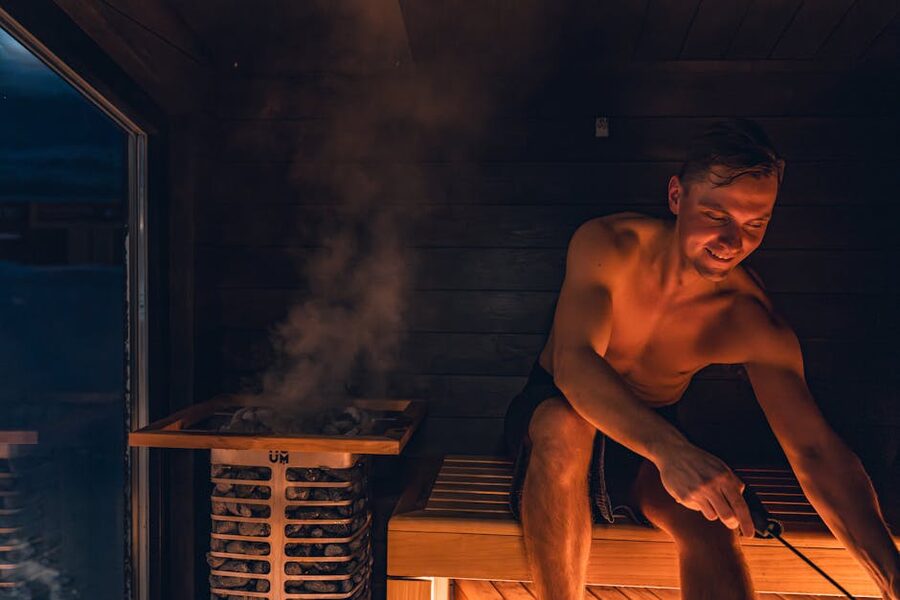
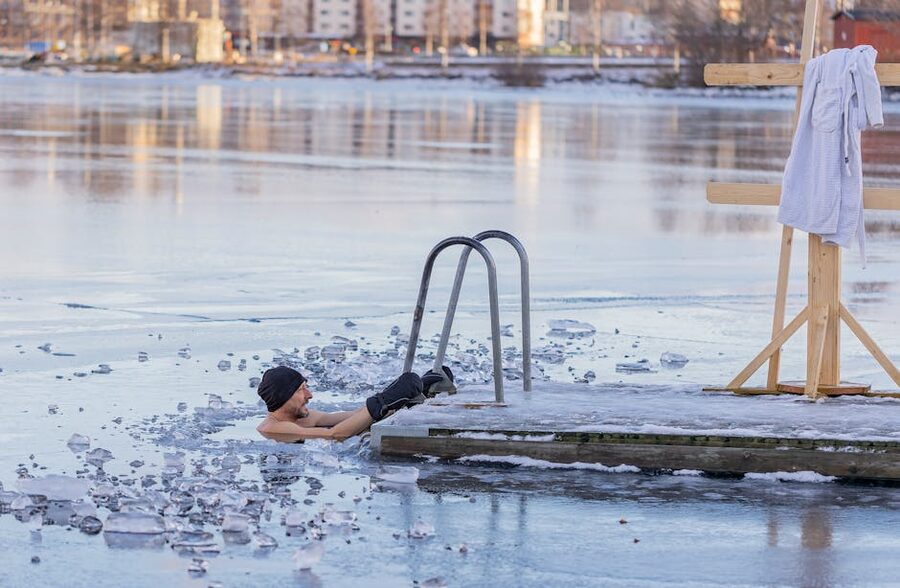
Copenhagen has a full sauna culture now, distinct from but borrowed from the Finnish model. The flagship is La Banchina at Refshalevej 141, a small wooden sauna and harbour-bath spot at the water’s edge of Refshaleøen. Walk-up entry costs around 100 DKK / €13.40 for an hour and you sweat, you jump in the harbour, you sweat again. Sankt Hans Bath in Nørrebro is the city-run alternative, cheaper at 90 DKK / €12 and busier on weekends. CopenHot at Refshaleøen is the rentable wood-fired hot-tub version (more expensive, group-only, around 1,400 DKK / €188 for a tub for up to 6 people for 90 minutes). For the full sauna context across the region, the Helsinki saunas guide covers what Finland does differently.
Gløgg, properly
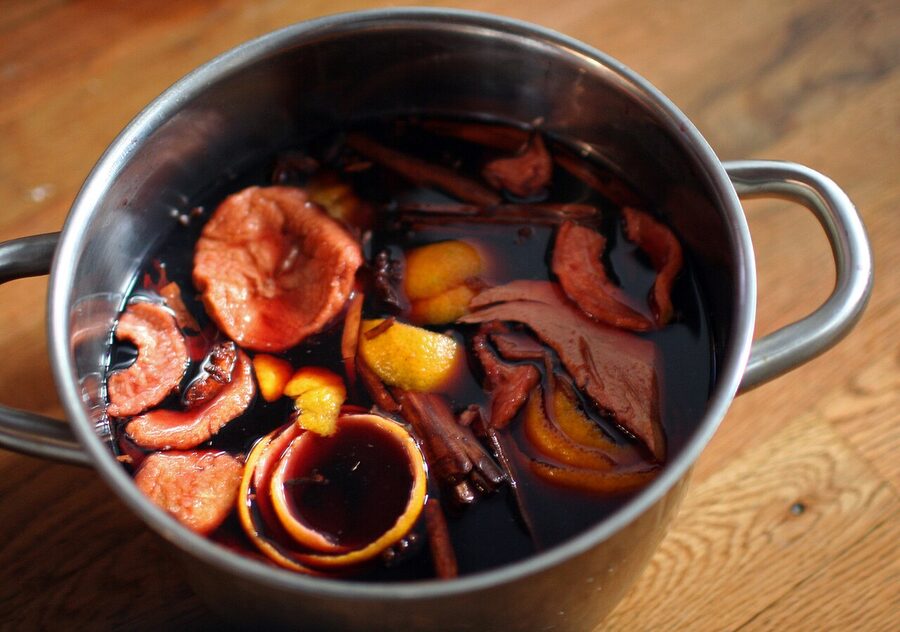
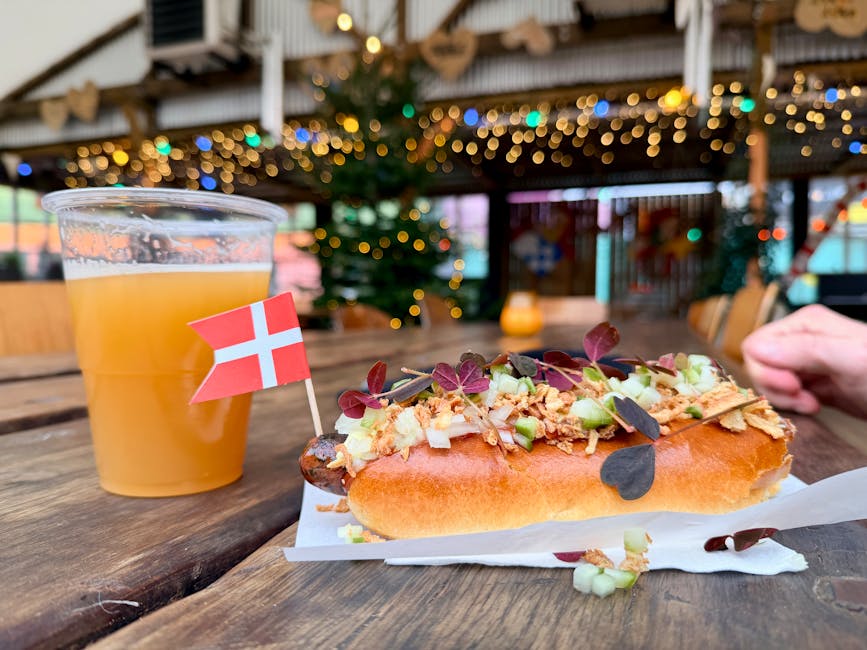
The Danish version of mulled wine is gløgg, with cardamom and almonds and raisins added to the cup before the wine is poured in. Restaurants and Christmas markets sell it from late November. The benchmark is Mikkeller’s Glød, the brewery’s annual gløgg release; their Vesterbro taproom (Mikkeller Bar, Viktoriagade 8B) usually has it on from late November. Den Vandrette wine bar at Havnegade and Café Wilder in Christianshavn both make their own house gløgg from scratch. Tivoli sells gløgg at every other stall and theirs is fine but commercial. The supermarket version (Karens Gløgg, around 75 DKK / €10 for a bottle) is genuinely good if you want to take some home.
Mikkelsmas, which nobody outside Denmark explains
Mikkelsdag, or Mikkelsmas, falls on 29 September. It’s the saint’s day for Michael the Archangel and the historical end of the harvest season, when farm-hands changed jobs and the autumn labour calendar reset. The traditional dish is goose, sometimes duck, served with red cabbage and braised potatoes. It’s not winter exactly, but it’s the door into the dark season, and Danish restaurants of any seriousness still mark it. If you happen to be in Copenhagen in late September, eating Mikkelsmas goose at Restaurant Krebsegaarden, Aamanns 1921, or Restaurant Kronborg in Nyhavn is the thing to do; book a week ahead. The dinner is the structural opposite of the Easter lunch, the Danish year’s other anchor meal, and it’s where the autumn-into-winter transition gets ritualised.
The day-trip you should actually take: Roskilde Cathedral in winter
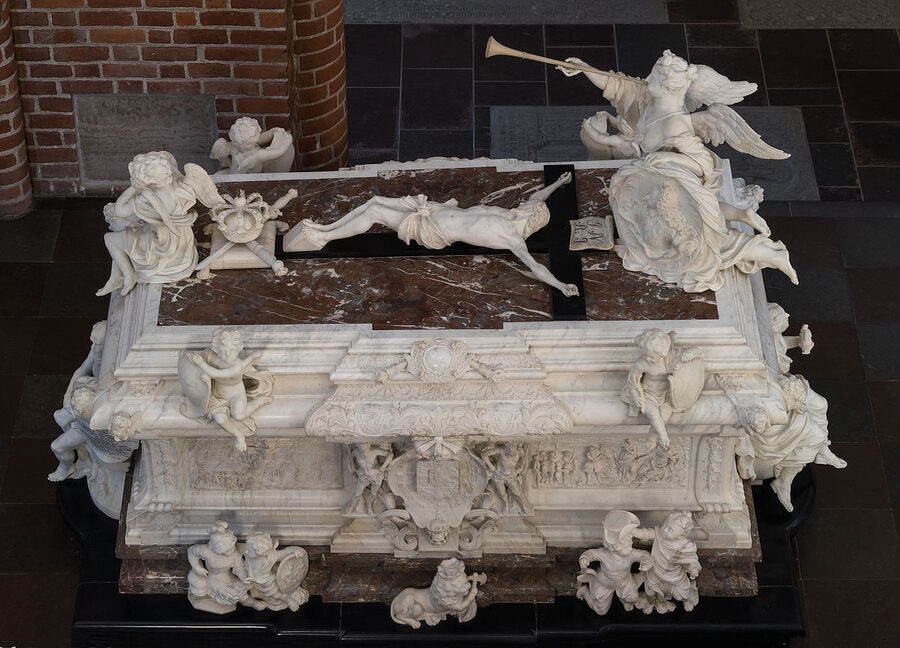
The 09:14 Re3 from Copenhagen H to Roskilde takes 25 minutes and costs 60 DKK / €8 each way. You walk 700 metres from the station to the cathedral. You go inside. Forty Danish monarchs are buried there, including Margrete I, the queen who united Denmark, Norway and Sweden into the Kalmar Union in 1397, and whose alabaster effigy in the Margrete spire chapel is one of the most consequential pieces of medieval Scandinavian sculpture. The cathedral is UNESCO-listed, and in winter it’s empty. There’s no queue. Entry is 70 DKK / €9.40. You’ll have the building largely to yourself.
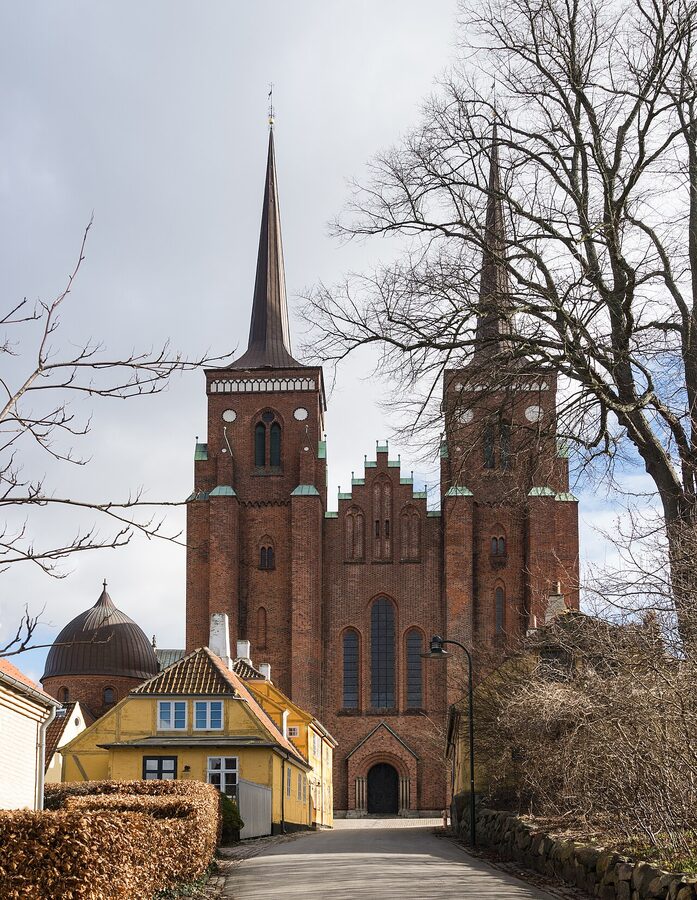
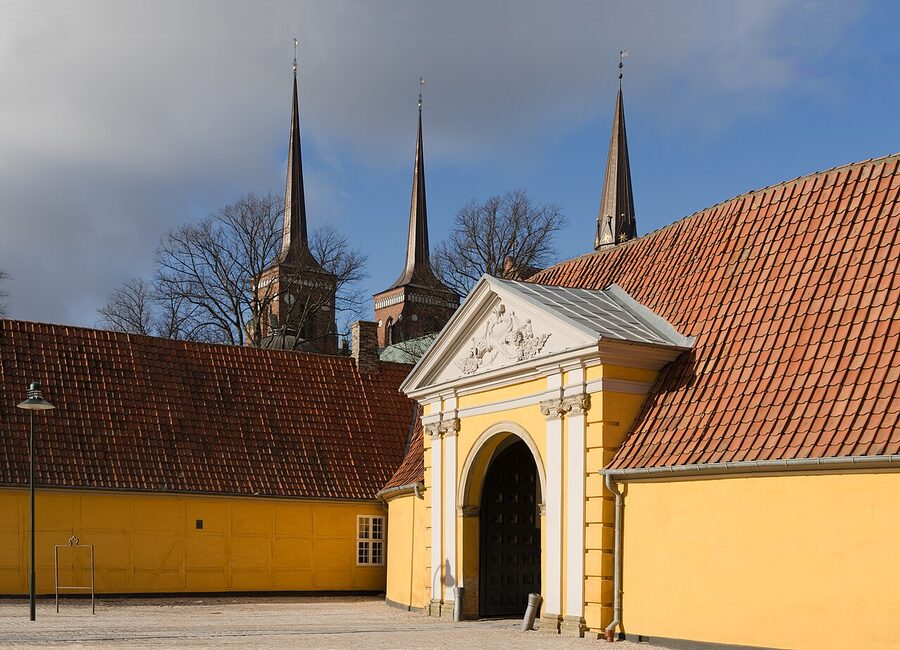
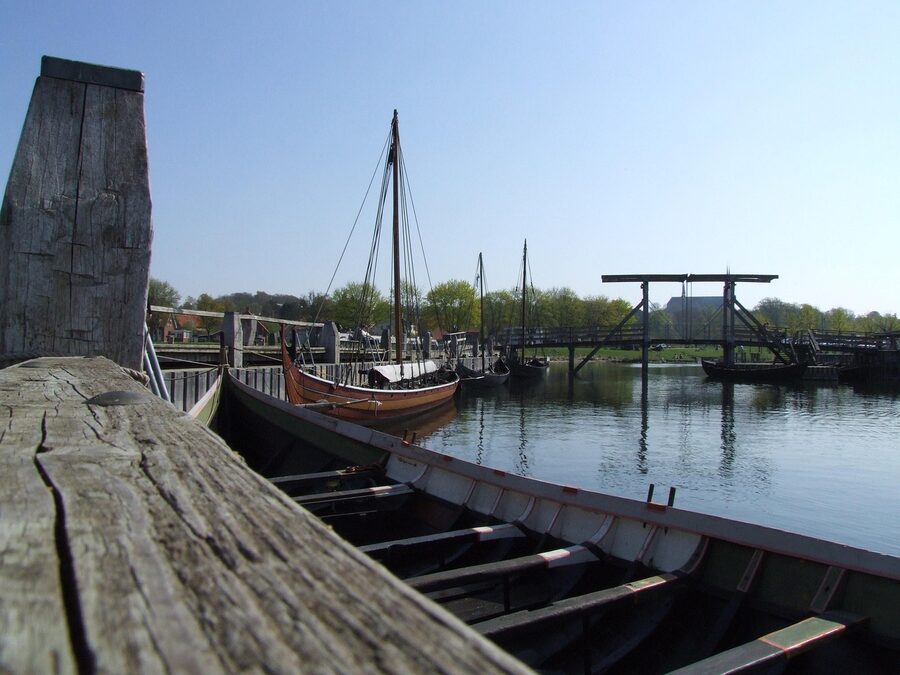
From the cathedral you can walk fifteen minutes downhill to the Vikingeskibsmuseet, the Viking Ship Museum, which holds the five Skuldelev ships pulled from the bottom of Roskilde Fjord in 1962, and the 30-metre Sea Stallion replica that sailed under oar to Dublin in 2007. The museum’s outdoor boat-building yard runs through winter. Entry is 175 DKK / €23.50. Combined with the cathedral and a lunch at Mumm in the old town centre, you’ve used a full day, ridden the train back to Copenhagen by 17:30, and seen the two pieces of pre-Reformation Danish history that actually matter. The full version is in the Roskilde day-trip guide.
The CPH-Malmö winter day-trip: be honest, it’s a hard sell
You’ll see this recommended everywhere. The Øresund train runs every 20 minutes from Copenhagen H to Malmö C, the journey is 35 minutes, the ticket is around 110 DKK / €14.75 each way. You can do it. The question is whether you should in winter. My answer most days is no. Malmö’s main attractions (Lilla Torg, the Western Harbour, Turning Torso views) are partly outdoor and the Swedish weather across the strait is usually colder, wetter and windier than Copenhagen’s. The Malmö Christmas market on Gustav Adolfs Torg is fine but smaller than Copenhagen’s. The good Malmö food (Bastard, Lyran, Saltimporten) requires booking from Sweden in advance because winter weekends fill up with Stockholmers down for the weekend. If you’ve got a clear cold day with no wind, the bridge crossing is genuinely a trip. If you’ve got the standard grey wet 4°C Copenhagen day, stay in Copenhagen. The crossing is something you do in May.
Eating in Copenhagen in winter, briefly
Winter eating in Copenhagen is the season’s actual best-kept secret, and the only time of year when you can walk into the second tier of restaurants without booking weeks ahead. The proper deep dive on the open-sandwich tradition is in the smørrebrød guide; the short version is that Schønnemann (Hauser Plads 16, lunch only, 14:30 cutoff), Aamanns Etablissement (Øster Farimagsgade 12), Selma (Rømersgade 20) and Restaurant Kronborg in Nyhavn are the canon. For winter-specific options: Pluto on Borgergade does a strong Christmas-period julefrokost menu through December; Kødbyens Fiskebar in the meatpacking district has fish stew that does what a winter dinner should do; and Bæst on Guldbergsgade is the year-round answer when in doubt. Reffen, the harbour street-food market on Refshaleøen, runs a partial winter season but most stalls close from mid-November to early March. Don’t bank on it.
Where to stay in Copenhagen in winter
Hotel prices drop hard from mid-November to mid-March, with two exceptions: the days around the New Year, and the busiest Light Festival weekend in early February. Five reliable options across the price ladder, all verified URLs, no codes (the user’s system adds those automatically).
Top end. Hotel d’Angleterre on Kongens Nytorv is the historic grande dame, where the front-of-house team has been doing winter properly since 1755 and where the famous façade Christmas decoration on Kongens Nytorv is technically theirs. Worth the splurge if you’re going to splurge, because the lobby and bar do the rest of the trip’s work. Around 4,000 to 6,000 DKK / €535 to €805 a night in winter.
Upscale boutique. Hotel Sanders on Tordenskjoldsgade, behind the Royal Theatre, is what the design press writes about when they want to feel knowing about Copenhagen hotels. Living-room atmosphere, no big lobby, very dark green and cream. About 2,400 to 3,200 DKK / €321 to €430 a night in winter.
Inside Tivoli. Nimb Hotel is built into the Tivoli wall and is the only hotel where you can walk from your room into the Christmas market without going outside. About 3,500 to 5,500 DKK / €470 to €740 a night in winter, and worth it if you’re here for the market specifically.
Modern flagship. Villa Copenhagen is built into the old Central Post Office on Tietgensgade, has the city’s only year-round outdoor heated pool, and runs winter rates around 1,800 to 2,800 DKK / €240 to €375 a night. Best central-location value in the upper-mid bracket.
Mid-range design. Manon Les Suites in Nørreport runs a heated indoor pool ringed by tropical plants, which sounds gimmicky and is genuinely useful in February. About 1,600 to 2,400 DKK / €214 to €321 a night in winter.
Castles, Christmas markets, ice rinks: the practical inventory
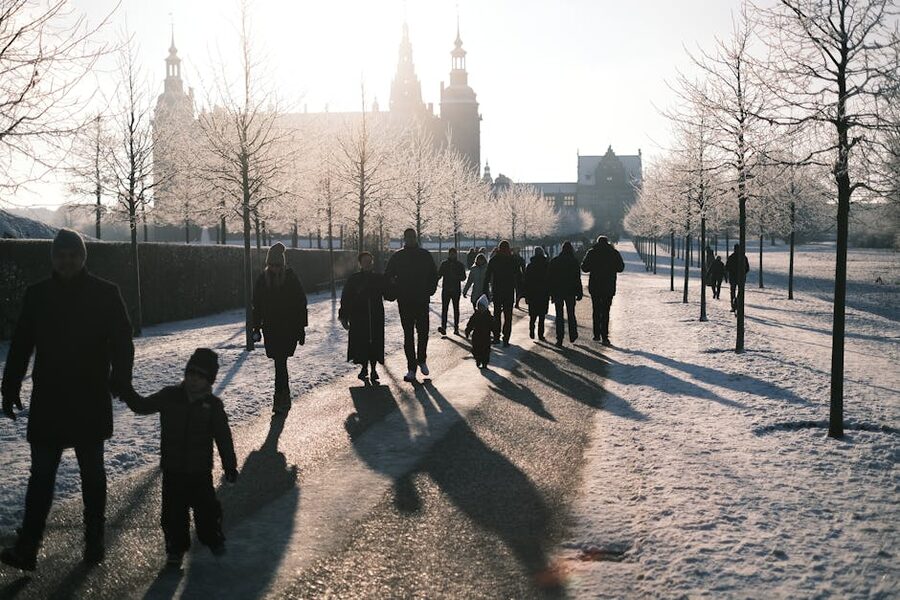
Copenhagen has three free outdoor ice rinks in the central area: Frederiksberg Runddel (free, BYO skates or rent for 50 DKK / €6.70 from the kiosk), Broens Skøjtebane on the Nyhavn-Christianshavn harbour bridge (free, similar rental), and Tivoli’s rink (included with park entry). Skating runs from late November to late February in most years, weather depending; in mild winters Frederiksberg goes synthetic for half the season.
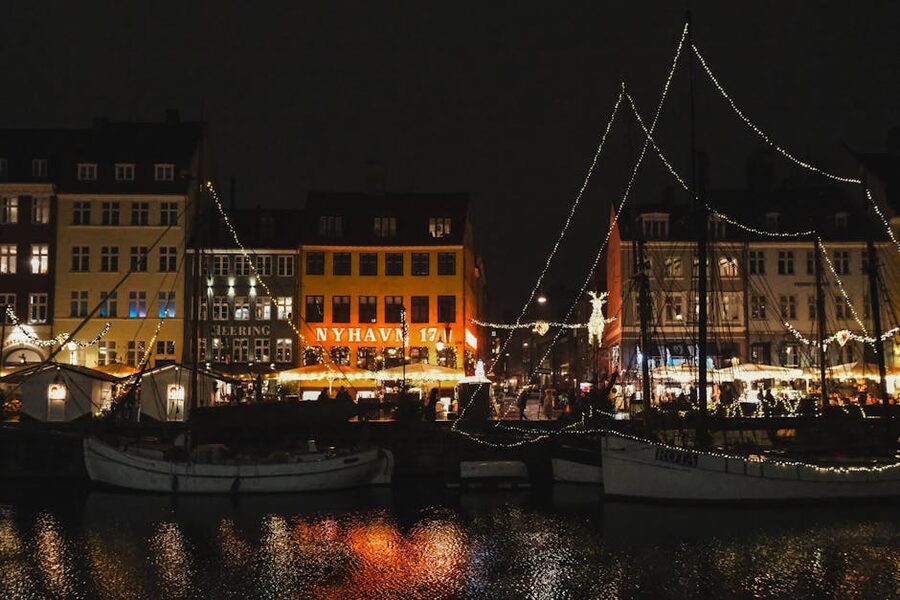
The non-Tivoli Christmas markets are worth picking through rather than doing them all. Hans Christian Andersen Christmas Market at the City Hall Square is small, well-run and the most actually-Danish of the markets. Højbro Plads market is wedged between the Royal Library and Strøget, a stop-on-the-way rather than a destination. The Nyhavn market along the canal is the most photogenic but the smallest, and the food stalls are tourist-priced. Christiania’s market in Freetown is the alternative version, mostly artists and second-hand, and a useful contrast to the heavily commercial main markets. None require an entry fee.
Practical: clothes, transport, the bicycle question
Copenhagen is flat, the average winter temperature is 2°C, and the single biggest factor in your trip’s quality is whether your feet are dry. Bring waterproof boots with grip, a thermal base layer, a wool mid-layer, and a windproof outer shell. The Copenhagen wind is the issue, not the cold; on a still 2°C day you can walk in a shirt under a thick coat and be fine, on a 4°C day with a 25 km/h wind off the harbour you’ll be miserable in the same kit.
The metro and S-tog run normal hours including Christmas Day (reduced service from 22:00 the night before to 10:00 the morning of). A 24-hour city ticket covers all four zones for 90 DKK / €12 and includes the airport. The metro’s M3 Cityringen line is the practical one for winter; it runs every 4 to 6 minutes, all 17 stations underground, useful when the surface weather is grim. Don’t bother with a car. Parking is impossible, the city is small, and any out-of-town target (Roskilde, Helsingør, Hillerød) is faster by train.
The bicycle question. Cycling is technically possible year-round in Copenhagen, the bike lanes are gritted, and the locals don’t stop. As a visitor, no. The lanes are crowded, the rules are unforgiving, and the standard rental bikes don’t have studded tyres. If you ride at home and you really want to, fine; otherwise, walk and take the metro.
Where Aarhus fits in
Two hours and 47 minutes by direct ICL train from Copenhagen H, hourly, around 350 DKK / €47 each way booked ahead. The country’s second city and the one that anchors the Jutland half of the country. In winter, the two anchor experiences are ARoS art museum (Aros Allé 2, open Tuesday to Sunday 10:00 to 17:00, 165 DKK / €22, includes the rooftop Rainbow Panorama walk) and Den Gamle By open-air museum (Viborgvej 2, open daily 10:00 to 16:00 in December, 165 DKK / €22, runs a strong Christmas-in-old-houses programme). The harbour district has finished its big rebuild and the new waterfront walks are clean and well-lit.
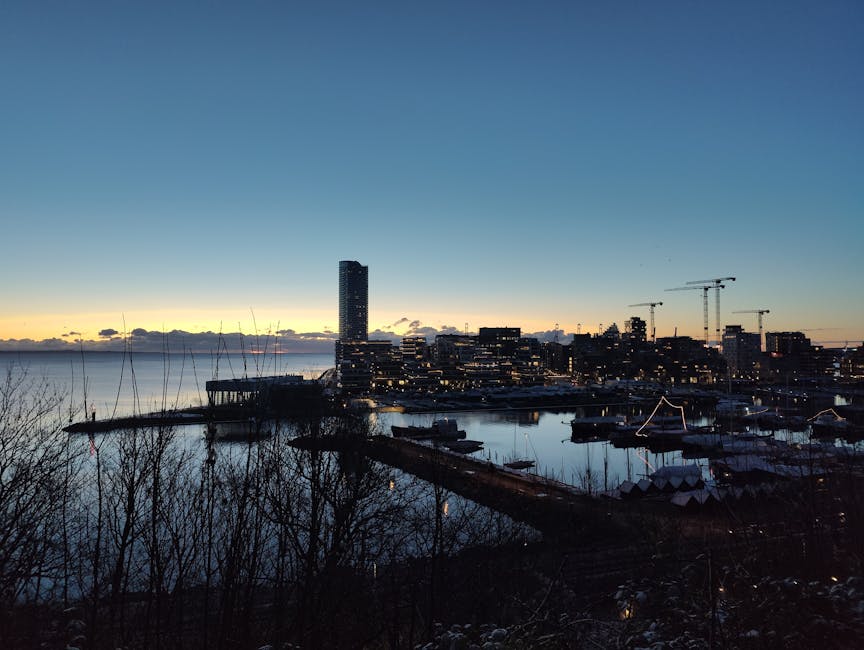
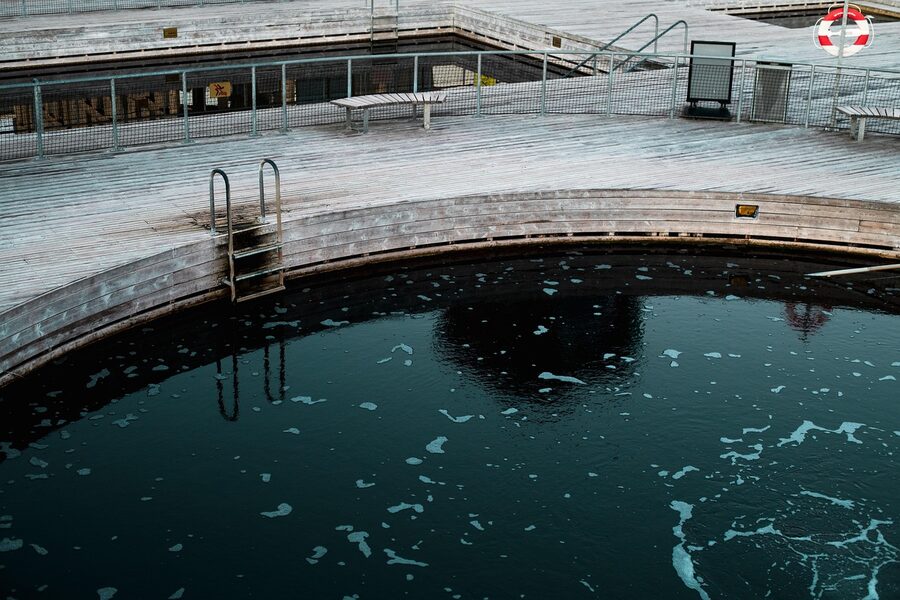
The full city treatment is in the Aarhus city guide. For winter specifically, two nights is the right length: arrive afternoon, dinner at Hærværk or Frederikshøj or whichever holds tonight’s table, ARoS the next day, Den Gamle By the morning after, train back. The Copenhagen-Aarhus pairing is the best two-city Denmark trip you can plan in winter.
The cross-link cluster, briefly
For the year-round version of the capital, see the Copenhagen city guide. The Aarhus city guide covers the second-city pairing in any season. The aurora cluster, where Denmark genuinely doesn’t compete, is laid out in the Tromsø vs Abisko comparison, the Finnish Lapland piece, and the Iceland aurora guide. If you’re chaining Denmark with another Nordic capital, the Stockholm three-day guide, the Oslo city guide, the Helsinki city guide and the Reykjavík city guide each cover their respective winter texture in detail. For specifically the Helsinki sauna culture that Copenhagen has borrowed, there’s the Helsinki public saunas piece. And for travellers planning a winter Iceland leg with a CPH layover, the Iceland car rental survival guide is the partner article.
The Skagen Painters in winter, a small detour
One last thing, because the proposal asks for the historic anchor. The Skagen Painters worked in the 1880s and 1890s in the fishing village at the northern tip of Jutland, and they painted winter as much as they painted the famous summer evenings. Michael Ancher’s Vinterlys (Winter Light), the beach scene from Skagen, is the most concentrated piece of Danish winter painting in any museum. Carl Locher’s Vinterdag ved Hornbæk (Winter Day at Hornbæk), 1885, sits in the Statens Museum for Kunst in Copenhagen, free to visit, open Tuesday to Sunday 10:00 to 18:00.
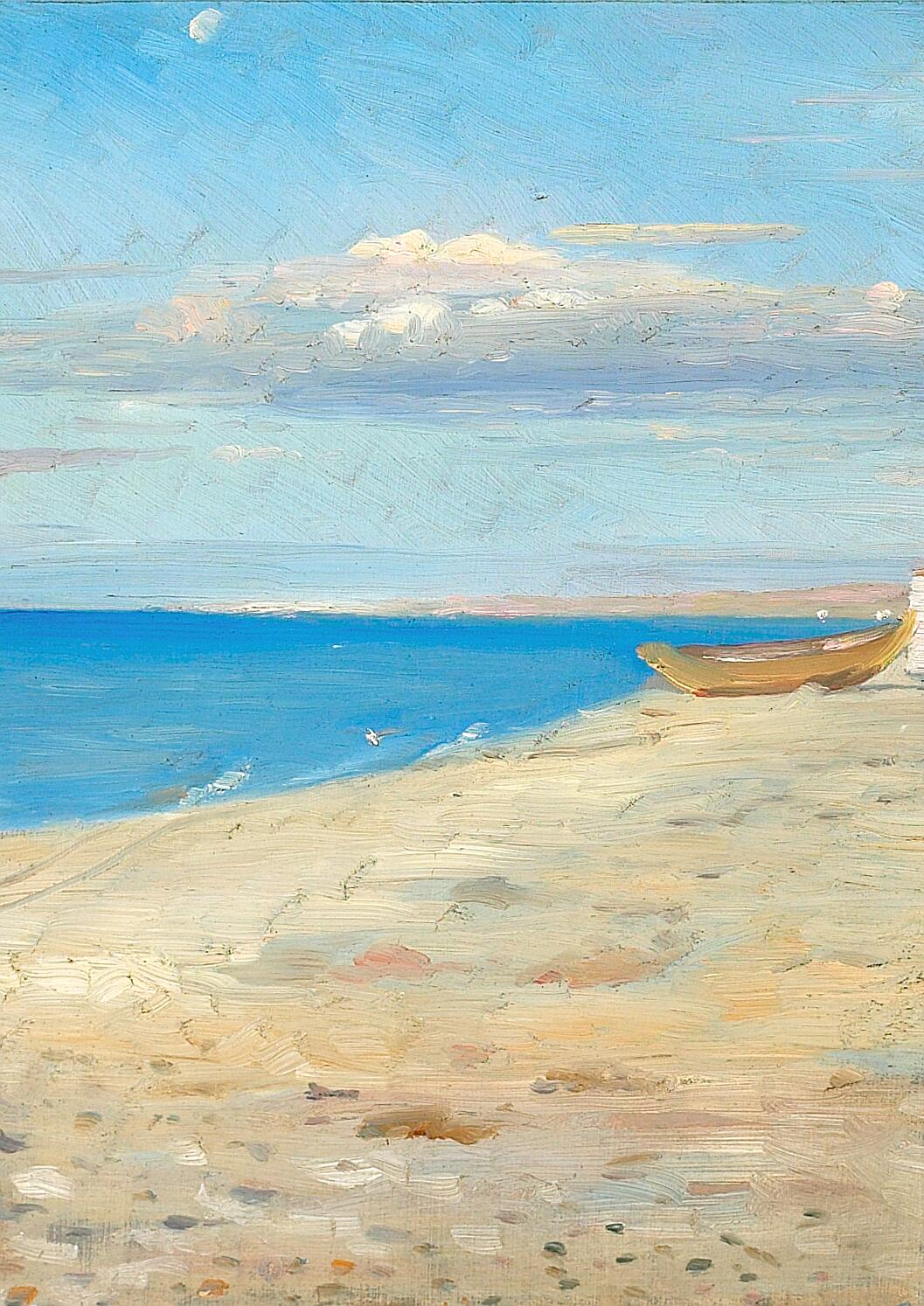
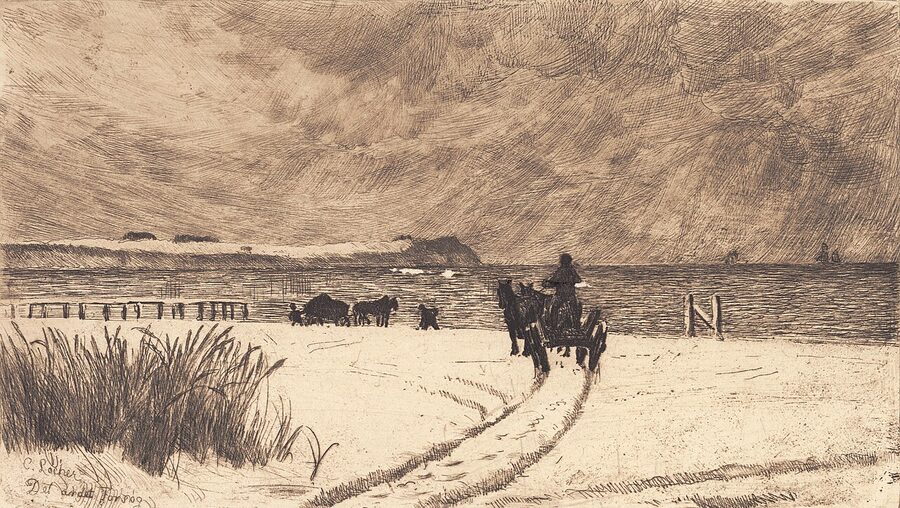
If you’re already going to Statens Museum for Kunst (free admission to the permanent collection, and you should), spend twenty minutes on the Skagen room. It’s the best and quickest argument for going north in summer and the best argument for sitting still in Copenhagen in winter.
The Round Tower at the dark hour
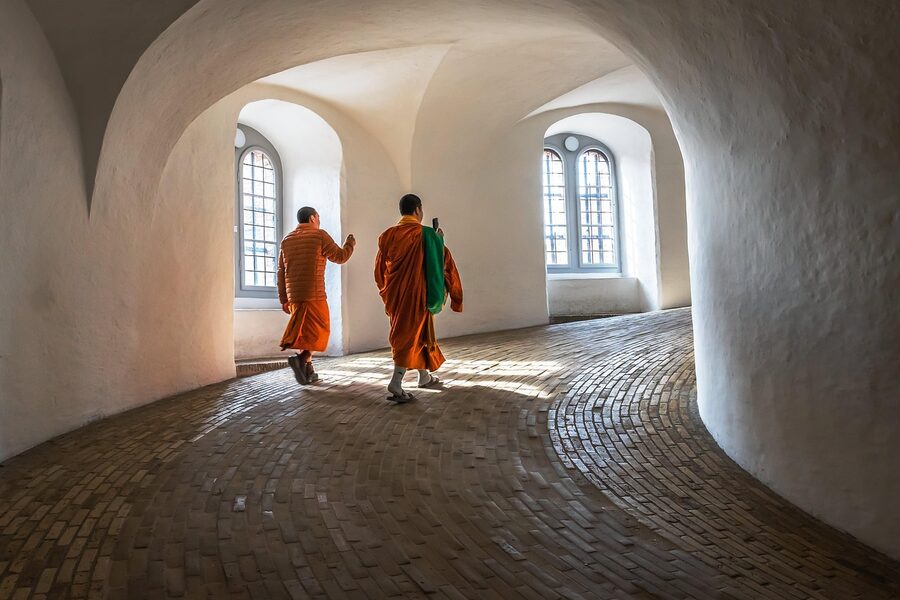
One small thing to close on. The Rundetårn (Round Tower) on Købmagergade is open until 18:00 in winter, last entry 17:30, 60 DKK / €8 entry. It’s a 1642 observatory built by Christian IV with a spiral ramp instead of stairs, so you walk to the top rather than climb. The viewing platform is exposed, the ramp’s draughty in January, and on a cold clear day after sunset the view is the best free-ish piece of Copenhagen geography I’ve found. Go at 16:00 in late December. Watch the city light up. Walk down.
So, is winter Denmark worth booking?
Yes, with two preconditions. Stay urban: Copenhagen alone, Copenhagen plus Aarhus, or Copenhagen plus Roskilde and Helsingør for day-trips. And book the second half of winter rather than the first, ideally early to mid-February for the Light Festival, when daylight is climbing and you’ve got nine hours of it. The flights are still cheap, the hotels are still cheap, and you’ve got an event to anchor the trip around that doesn’t appear on most international travel calendars yet. The Christmas-market trip is fine but crowded and pricier. The deep-January trip works if you’re willing to spend half your daylight hours indoors.
The trade I described at the top is the trade. You save half on the flight, you lose ten hours of daylight a day, you get a country that’s quietly working at its own scale. For me that’s been worth it most of the years I’ve made the trip. Pack the boots with grip. Light the candle when you get back to the hotel. Drink the gløgg.