

Reykjavík City Guide
The first thing you notice in a Reykjavík public pool is the smell. Sulphur, faint at the changing-room door, then unmistakable as you step into the water. That smell is the city. Geothermal heat is what built modern Reykjavík, what fills the radiators and the pools and the showers, and what gives the whole place a slightly mineral note that you stop registering after about three days. Most travel guides hand you the Golden Circle and the Blue Lagoon and call it Iceland’s capital. The actual city is more interesting than that, and considerably odder.
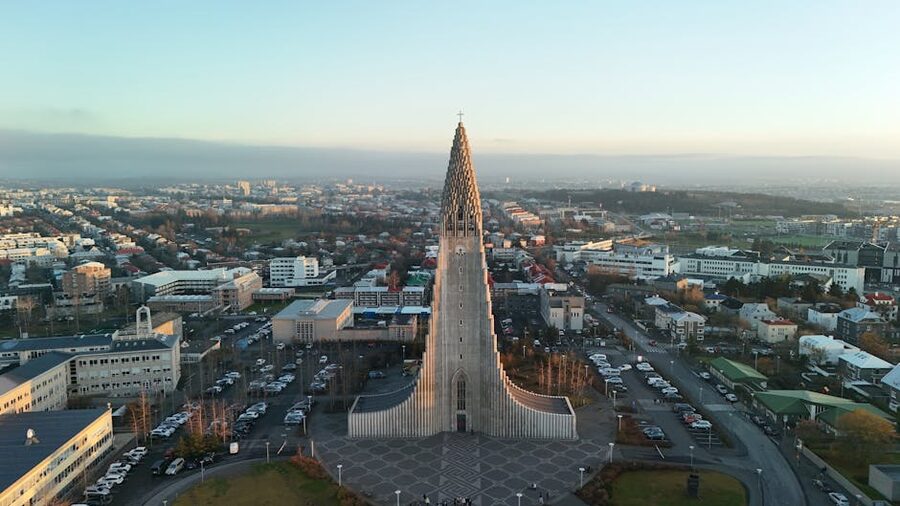
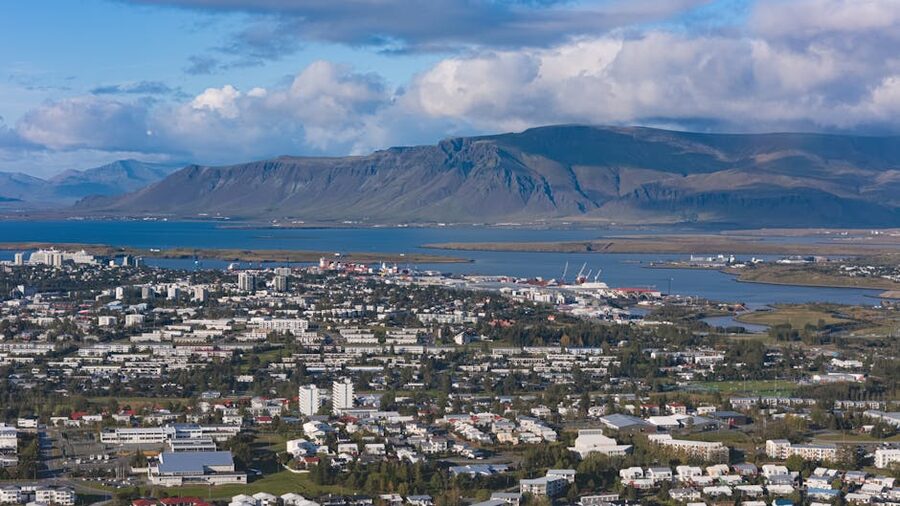
Reykjavík sits at 64° north on a flat scrap of peninsula between the North Atlantic and the Esja mountain range. Population: about 135,000 in the city, 235,000 if you count the surrounding suburbs that everyone treats as part of greater Reykjavík. That makes it smaller than Cambridge or Cardiff, larger than the cliché of “the world’s smallest capital” suggests. You can walk from the Old Harbour to Hallgrímskirkja in twenty minutes. You will feel like you’ve covered the city in a long afternoon, and then realise on day three that you’ve barely looked at it.
This is a guide to the actual Reykjavík rather than the Golden-Circle-day-trip version. Some of it will be obvious. Most of it isn’t.
In This Article
- Getting your bearings
- Hallgrímskirkja and the streets around it
- Tjörnin and the small cathedral
- The waterfront: Sólfar to Harpa
- Old Harbour and the Grandi reinvention
- The pools: where Reykjavík actually goes
- Eating Reykjavík
- The expensive truth about prices
- The 1986 summit, and other history that matters
- Perlan and the views you can climb to
- Northern lights from Reykjavík
- Day trips, and the bigger picture
- Getting in, getting around, and when to come
- Where to stay
- The strange small things
- Two days in Reykjavík
- One last thing
Getting your bearings
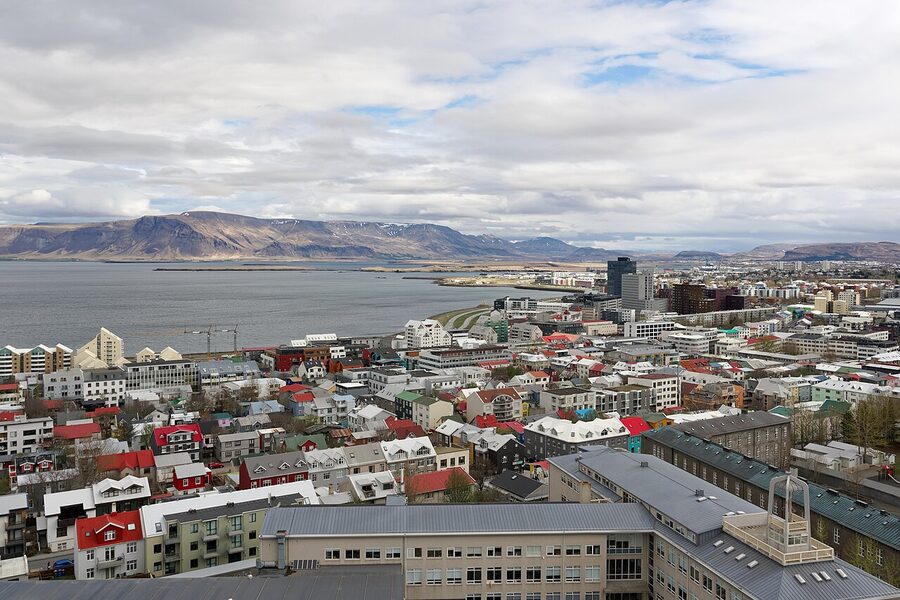
The bit you came for is small. Three districts do most of the work:
Miðborg is the old centre, postcode 101, the heart-shape between Tjörnin pond and the harbour. This is where Hallgrímskirkja sits, where Laugavegur runs, where you’ll spend most of your nights. Almost everything in this guide is here.
Vesturbær is just west of Tjörnin, residential, quieter, where the locals’ swimming pool is, where the university is, and where the Grótta lighthouse marks the western tip of the peninsula. Worth a half-day if the weather behaves.
Grandi is the old industrial harbour spit, north of the centre, gradually turning from fish-processing plants into a design district full of food halls and small breweries. The reinvention is recent and unfinished, and it shows. That’s part of the appeal.
If you stay anywhere in 101, you can walk to all of it. If you stay further out (Laugardalur, Háaleiti) you’ll be on the bus more than you’d like.
Hallgrímskirkja and the streets around it
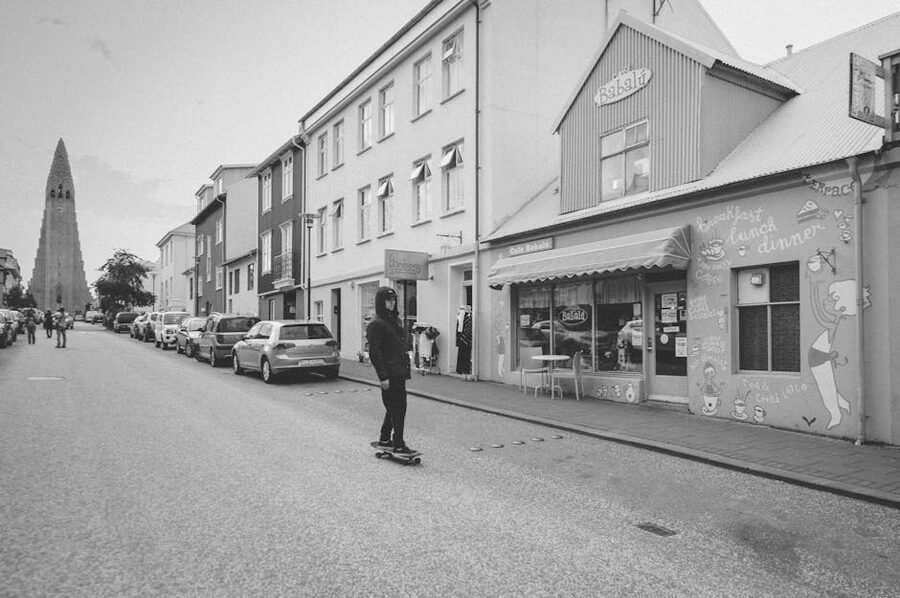
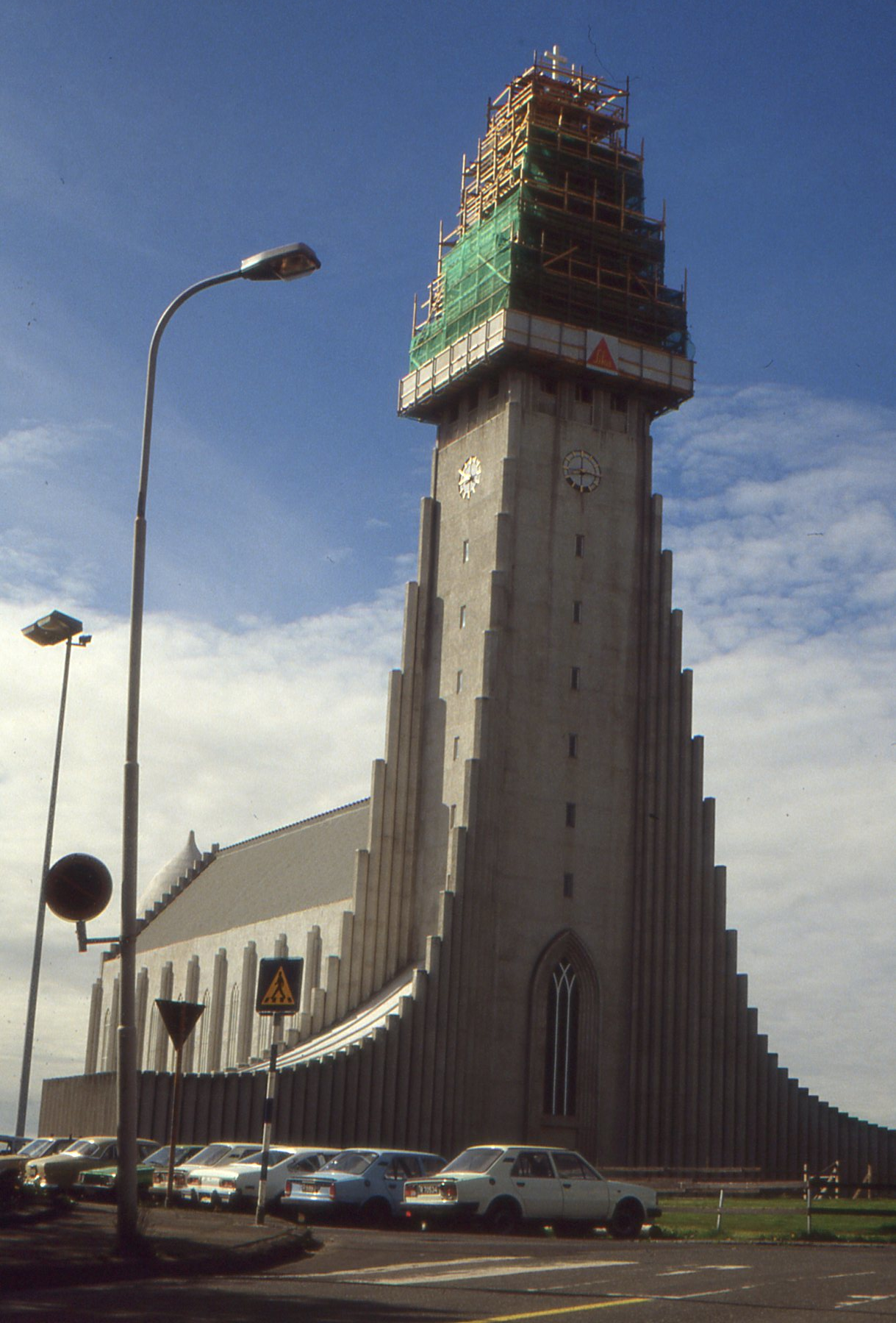
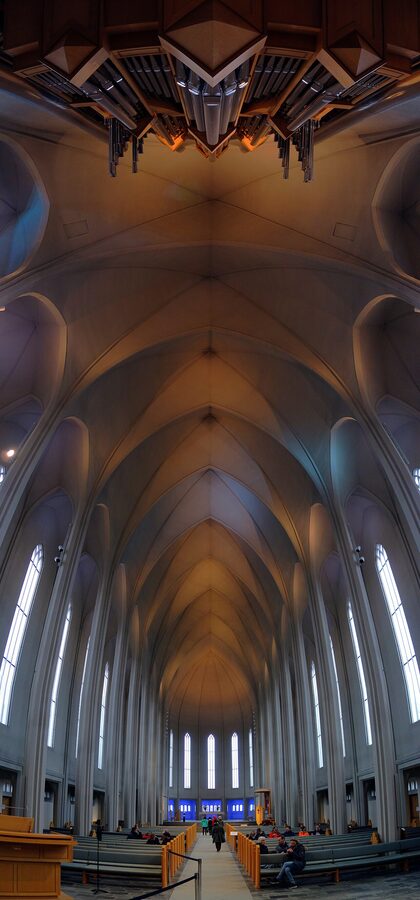
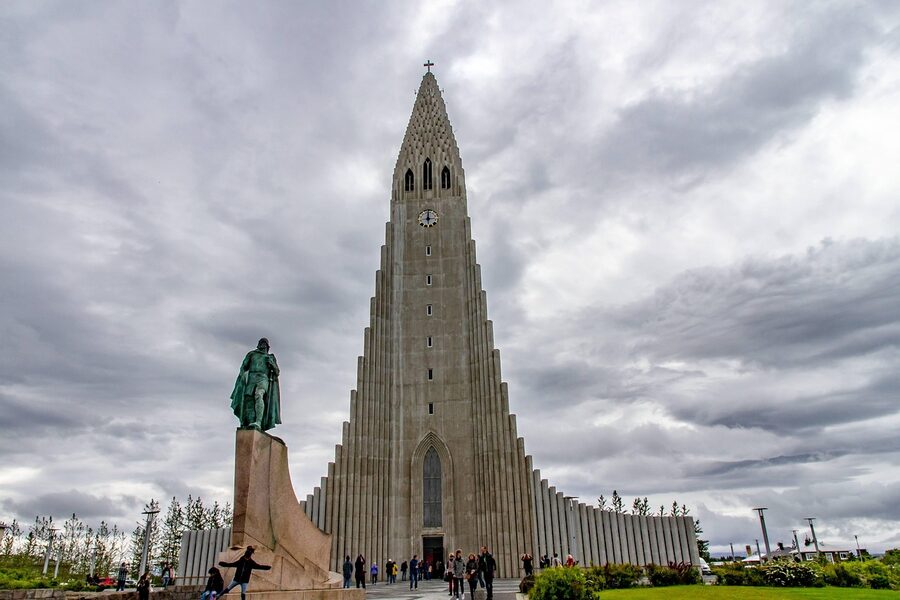
Hallgrímskirkja, the church on the hill that you can see from almost anywhere in the city, is the obvious starting point. Architect Guðjón Samúelsson designed the basalt-column façade in 1937, work began in 1945, and the building wasn’t finished until 1986. He didn’t live to see it. The interior is plain in the way Lutheran churches are plain, which makes the 5,275-pipe Klais organ at the back hit harder when somebody starts practising. Free to walk in. Tower entry is 1,400 ISK (~€10) for adults, 200 ISK for children seven to sixteen. Buy the ticket at the desk in the side shop, take the lift, walk up the last short flight.
Go up early. The bell rings every fifteen minutes and it is genuinely loud at the top, so try to time the climb between strikes if you’ve a sensitive head. The 360-degree view does the orientation work for the rest of your trip. North is the harbour and Mount Esja. West is Tjörnin and the cathedral. East is the long sprawl into Laugardalur and the airport road. Everything you’ll do in Reykjavík is visible from here.
Walk down Skólavörðustígur from the church and you’re on the street everyone calls Rainbow Street. The stripes on the road went down for Reykjavík Pride one year and stuck around because the city decided it preferred them painted in. Don’t just photograph it and leave. The shops here are some of the best in the centre: Mál og menning is the city’s most useful bookshop, Eggert Feldskeri sells locally-made furs, and Kraum stocks Icelandic design across glassware, ceramics and knitwear. Skip 66°North if you don’t want to spend €350 on a coat. The same parka costs the same in the airport, only with worse coffee.
Tjörnin and the small cathedral
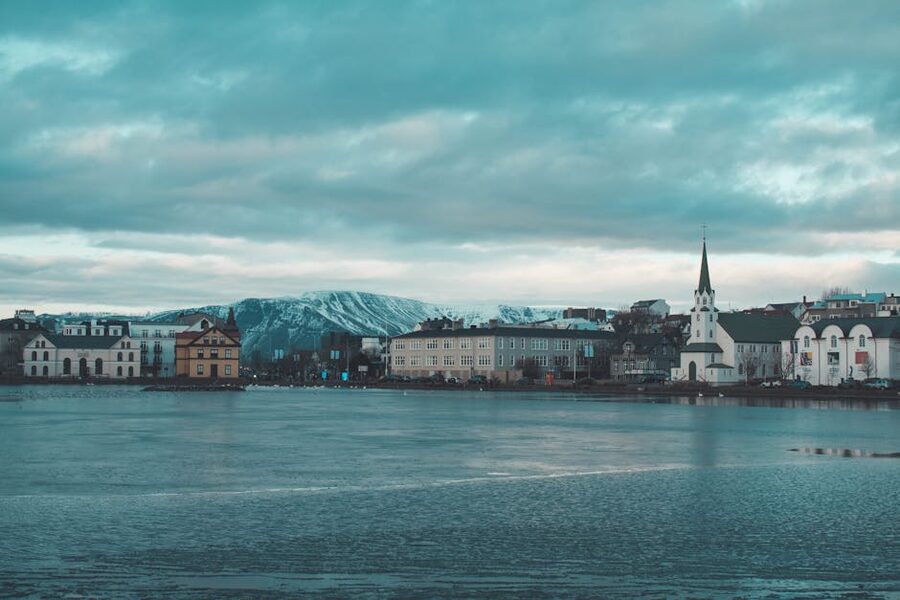
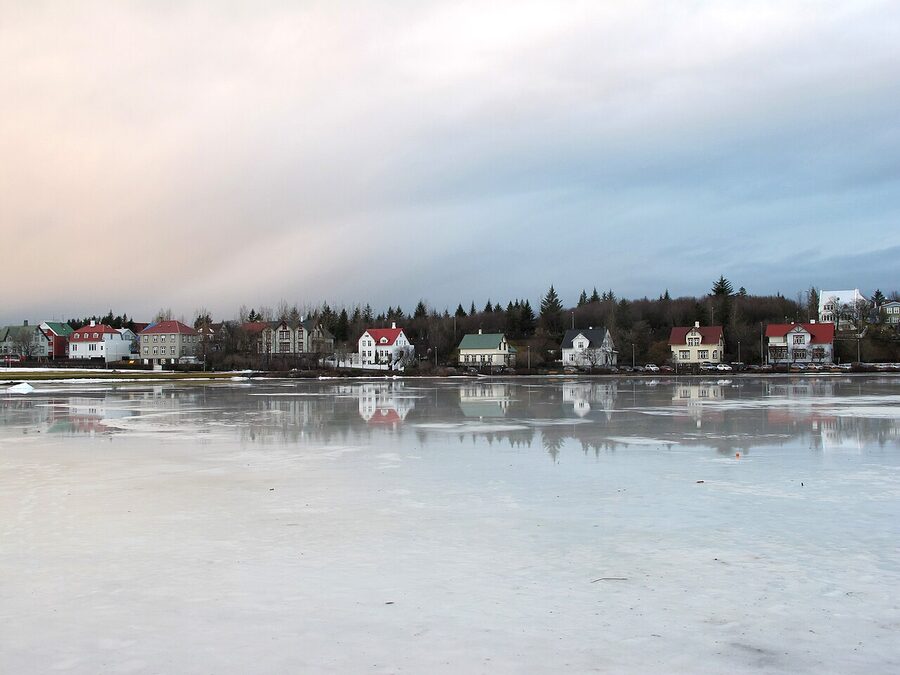
Tjörnin is the pond at the centre of town. Locals call it the pond, not the lake; it is, in defiance of Reykjavík’s tendency to oversell, a pond. Walking around it takes about twenty minutes. In winter it freezes solid enough that the city ploughs a little path across the ice. In summer it fills up with arctic terns and Whooper swans, and the water keeps a faintly tropical green tint from the algae. The City Hall (Ráðhús) on the north shore is worth ten minutes for the 3D relief map of Iceland in the lobby. It’s the best preview of what the rest of the country looks like before you get on a Ring Road.
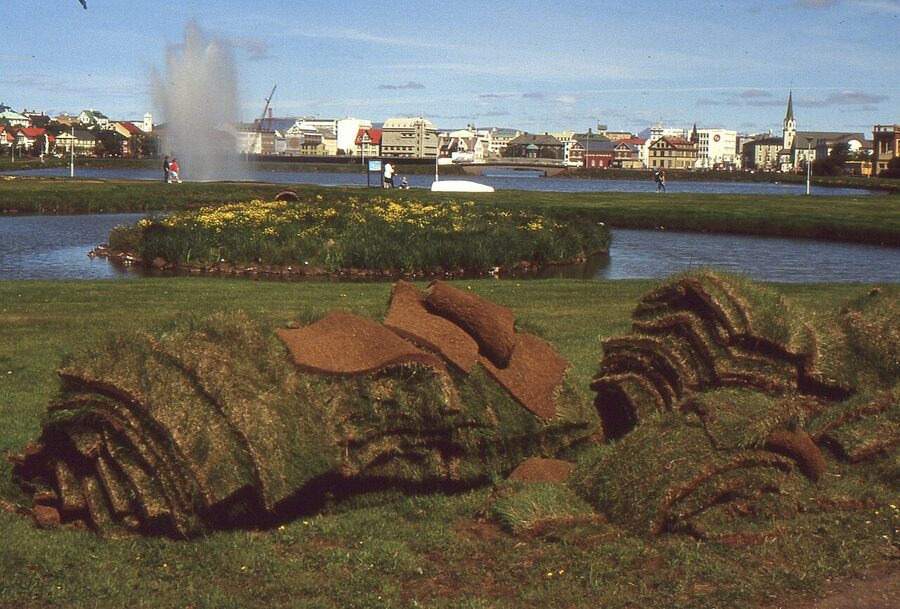
South of Tjörnin is Hljómskálagarður park and a strange, good little statue of an anonymous bureaucrat with a stone replacing his head, planted in 1994 to honour every civil servant the city has ever forgotten. There are also some of Reykjavík’s prettiest old wooden houses on Tjarnargata, west side, painted in the iron-oxide reds and blues that you see in tourist photos and assume have been touched up. They haven’t. The colour comes from a paint that originally protected fishing boats from rust.
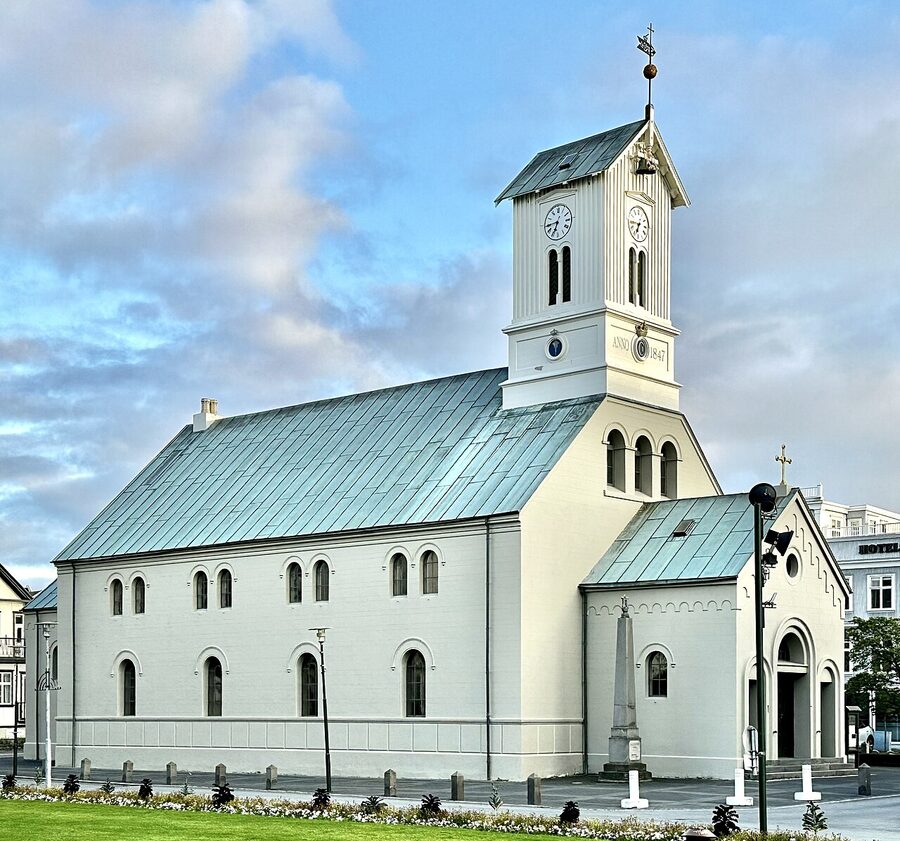
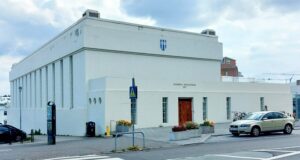
Two blocks north of the pond is Austurvöllur square, the parliament lawn. Dómkirkjan, the small white Lutheran cathedral on the corner, is older and more interesting than its size suggests. Built 1796, consecrated 1796, this was where Iceland was formally declared a republic on 17 June 1944, after a vote on the lawn outside ended Iceland’s union with Denmark. There’s no plaque worth mentioning. The country isn’t given to monumentalising itself, which is a relief after a few weeks elsewhere in Europe.
The waterfront: Sólfar to Harpa
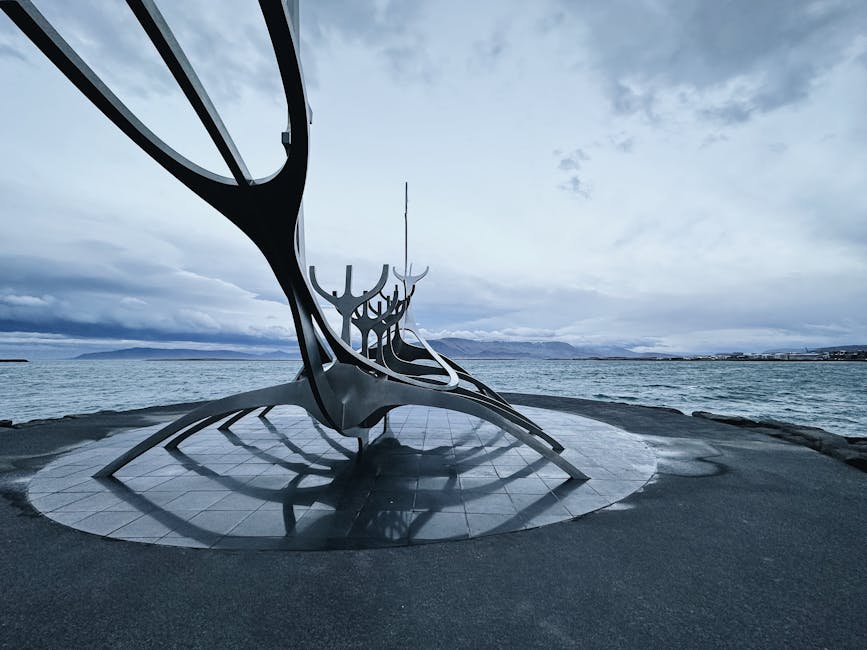
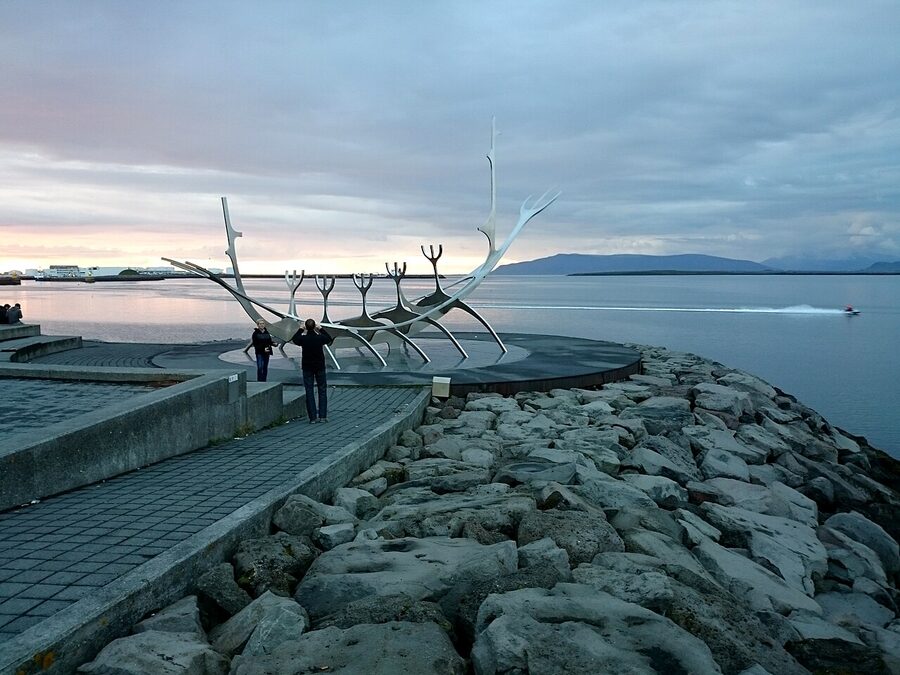
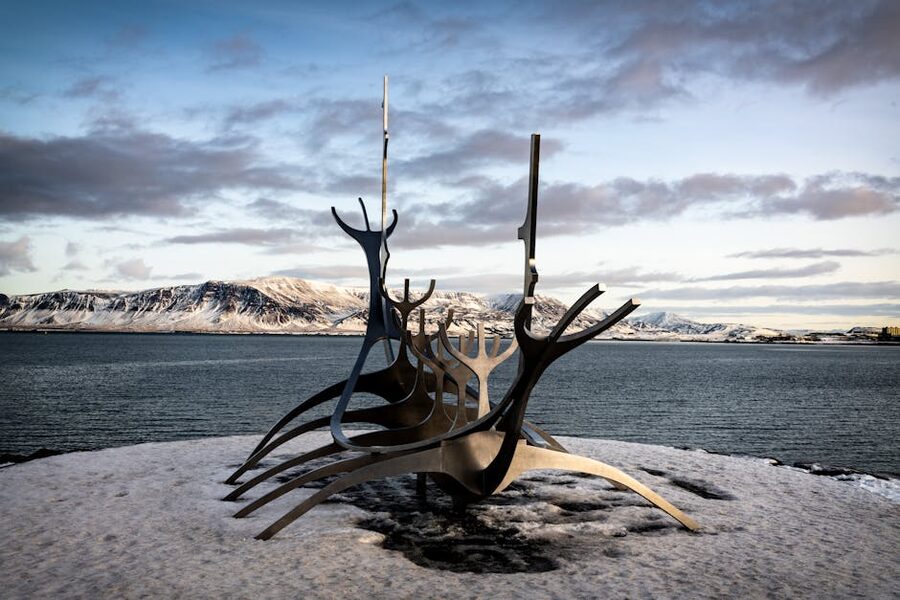
Sæbraut, the road that runs along the north shore, is the city’s best walk. Start at the Sun Voyager sculpture (Sólfar in Icelandic), made by Jón Gunnar Árnason and unveiled in 1990 for the city’s 200th-anniversary year. The sculptor was clear it isn’t a Viking ship, despite what every guidebook says. He called it a dreamboat, an ode to the sun, a vessel of hope. Ten metres of brushed stainless steel pointing west towards the open sea, with Mount Esja behind it across the bay. You will photograph it. Everyone does. The light off the steel between four and five in winter is worth standing around for.
Walk east along the path for ten minutes and you’ll reach Harpa.
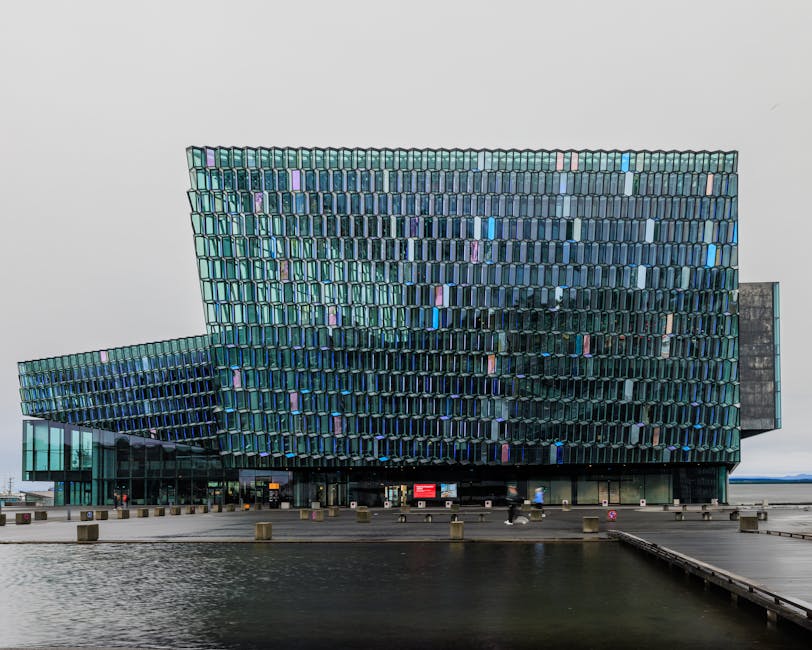
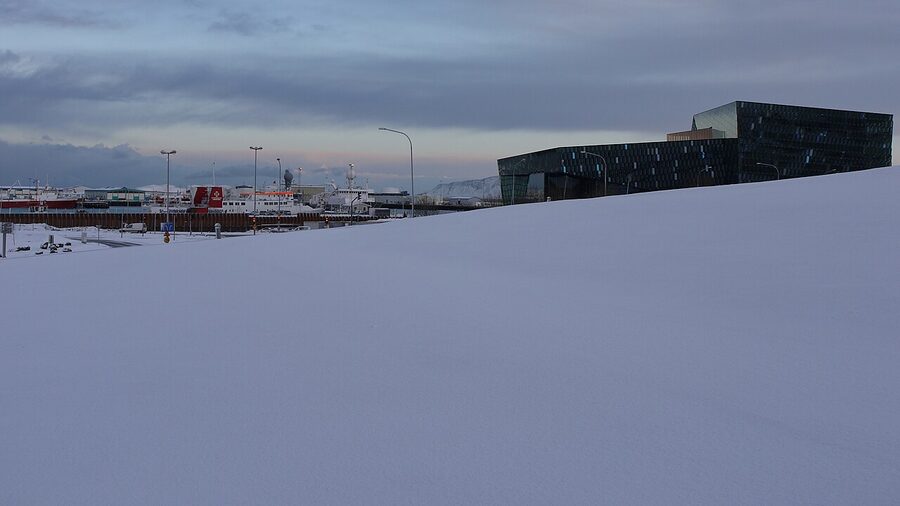
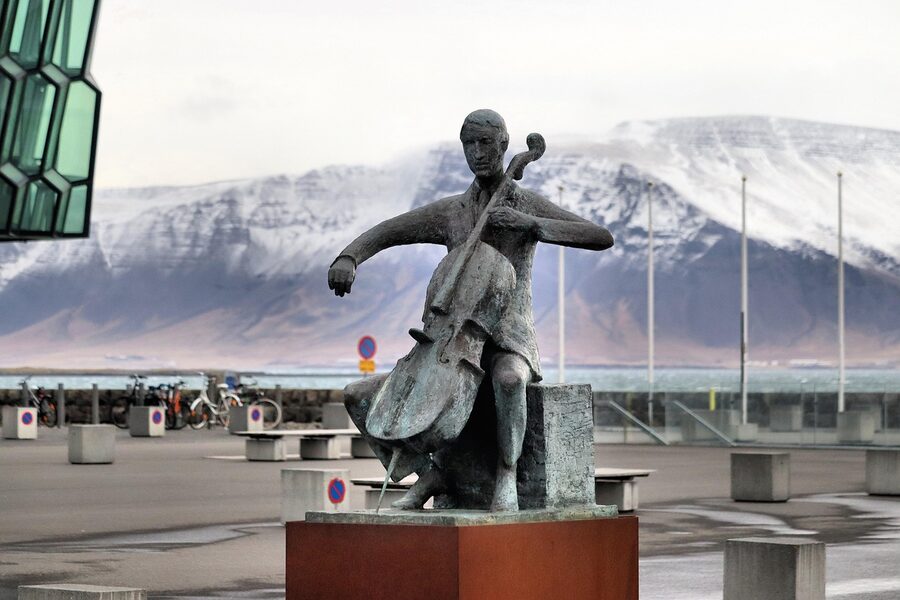
Harpa is the building that almost didn’t happen. Construction started in 2007. The 2008 banking crisis killed the developer, the project was halfway up, and the Icelandic state had to decide whether to leave a glass shell rotting on the harbour or finish it. They finished it. The hall opened in 2011. Ólafur Elíasson designed the geometric façade that everyone photographs, twelve-sided glass cells that catch the light differently every hour. Inside, four halls host the Iceland Symphony, the Icelandic Opera, and a calendar of imported acts that runs from chamber music to comedy in English.
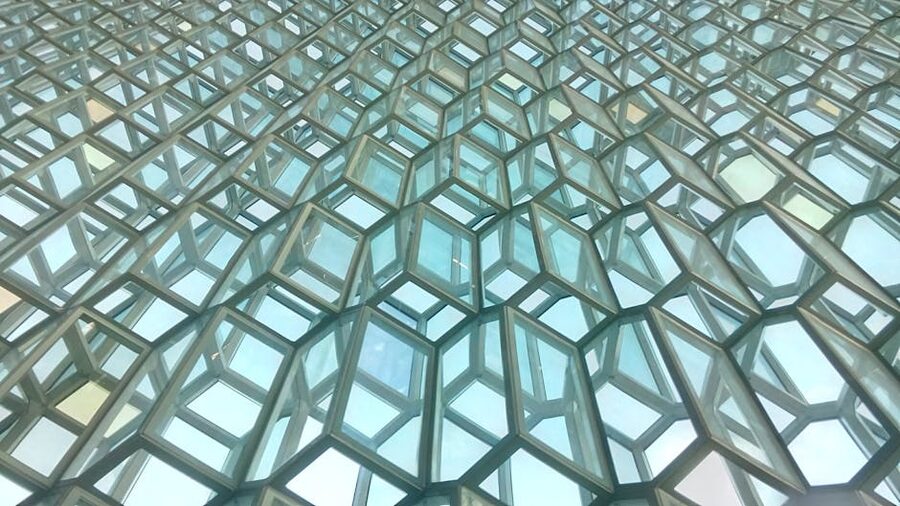
You don’t need a ticket to walk in. Free entry to the main foyer, free use of the café and bookshop, free wander through the upper levels for the views over the harbour to Mount Esja. The two stand-up shows that always sell well to visitors are How to Become Icelandic in 60 Minutes in the small hall, and the Icelandic Sagas survey, both in English. If neither is on the schedule, just walk through. The building is the show.
Old Harbour and the Grandi reinvention
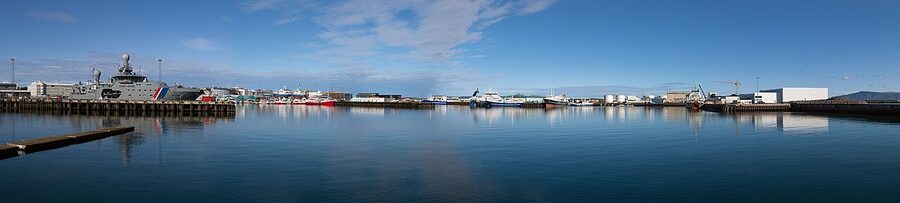
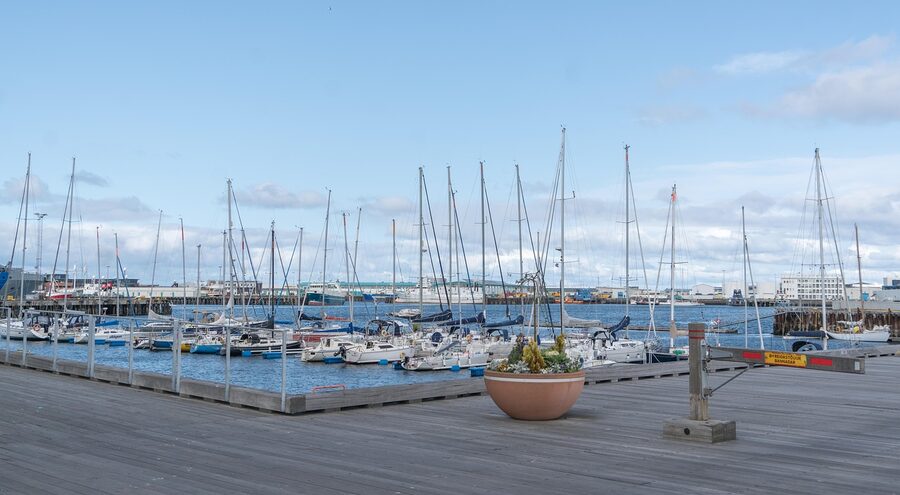
The Old Harbour, five minutes’ walk from Harpa, is where the city used to live before the airlines and the lava-show tourism. It still works as a fishing harbour. Trawlers come in. Cod gets sorted on the quay. You can stand at the Ingólfsgarður lighthouse on the spit and watch the small boats go in and out for the price of nothing.
Whale-watching boats leave from the inner docks. Tours run year-round and most operators (Elding, Special Tours) leave between two and four times a day, with morning departures the most likely to actually find a whale. April through October is the real season. Minke whales are the most common sighting. Humpbacks are the prize. Harbour porpoises are everywhere and don’t really count. Sightings are not guaranteed in winter. If you go in February, bring a coat that isn’t your nice coat, because the spray off the bow will reach your eyebrows.
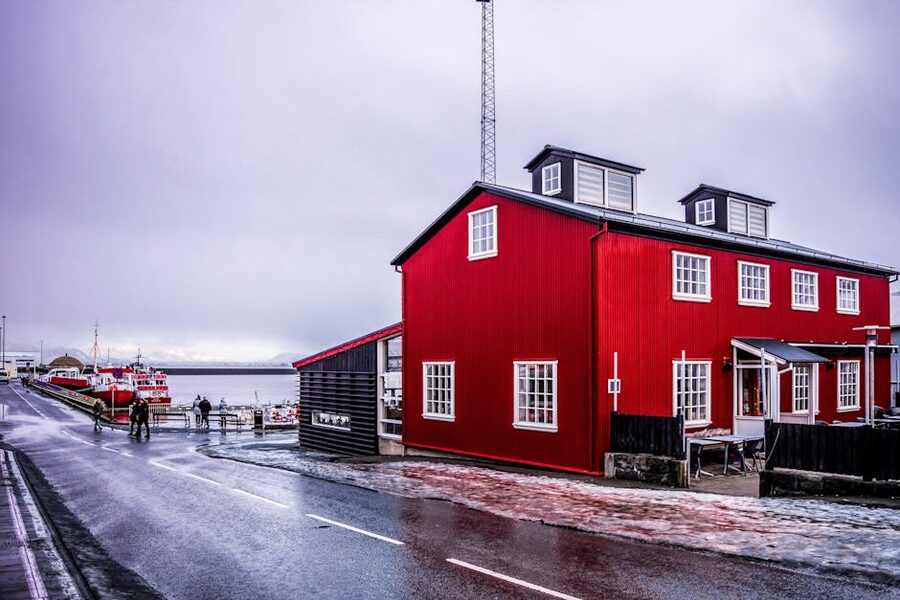
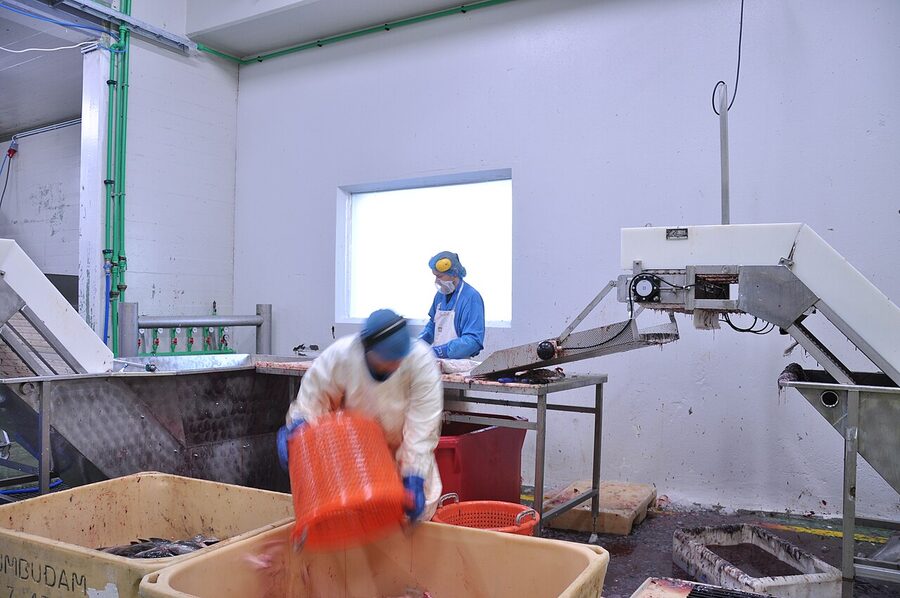
Walk west along the harbour past the boatyard and you reach Grandi. This is the spit of land that, until about 2015, was unromantic working harbour. Fish processing, drying yards, cold-storage sheds. The fishing didn’t go away. It moved further out and got more efficient, and the buildings on the inland side got taken over by chefs and brewers and small designers who wanted the ceiling height and the harbour view.
What’s there now: Grandi Mathöll, a food hall in an old fish-meal plant with about ten kitchens running, including the chicken-sandwich place (Gastro Truck) that everyone ends up eating at twice; Bryggjan Brugghús, a brewery and restaurant on the quay with the best harbour view of any bar in town; Marshall House, a contemporary art space in another converted plant; the FlyOver Iceland simulator, fun for an hour if you’ve got kids; and Omnom, a chocolate factory with a tasting room. Grandi makes a perfectly good half-day. Walk out past it to the disused Sjálfstæðishúsið shipyard and you’ll see seabirds the average tourist never gets close to.
The pools: where Reykjavík actually goes
If you do one thing in Reykjavík that the average tourist doesn’t, do this. Skip the Sky Lagoon. Skip the Blue Lagoon if you’ve been to either before. Go to a public pool.
Reykjavík has eighteen sundlaugar, neighbourhood pools fed by the same geothermal water that heats the city, open at 6 am most days and used by Icelanders the way Italians use cafés. Adult entry is 1,330 ISK (~€9), under-eighteens 220 ISK, free if you’re under six or over sixty-seven. Bring your own towel or you’ll pay 1,000 ISK to rent one. There are three you can sensibly walk to from the centre:
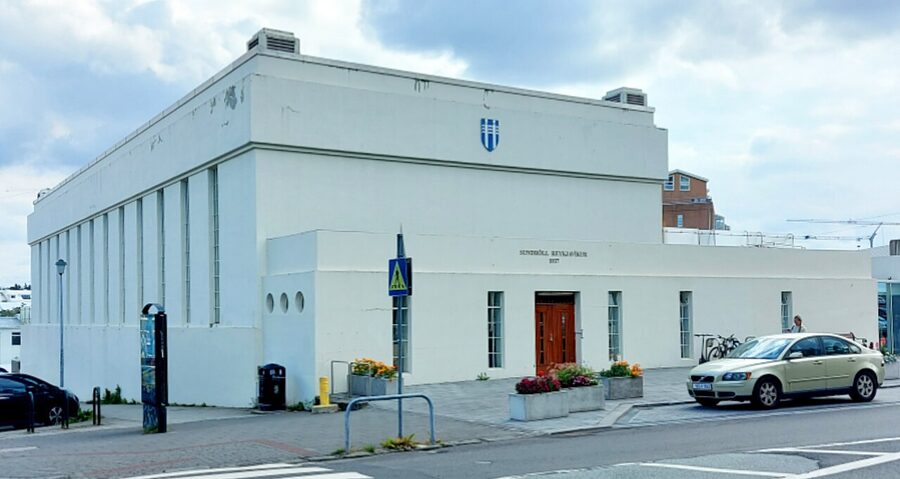
Sundhöllin (Barónsstígur 45a, 101 Reykjavík). The oldest, designed by the same architect as Hallgrímskirkja, opened in 1937. Indoor 25-metre pool, outdoor pool added in 2017, six hot tubs ranging from 38°C to 42°C, a steam room, a cold tub. Five minutes’ walk from Hallgrímskirkja. The easiest first pool.
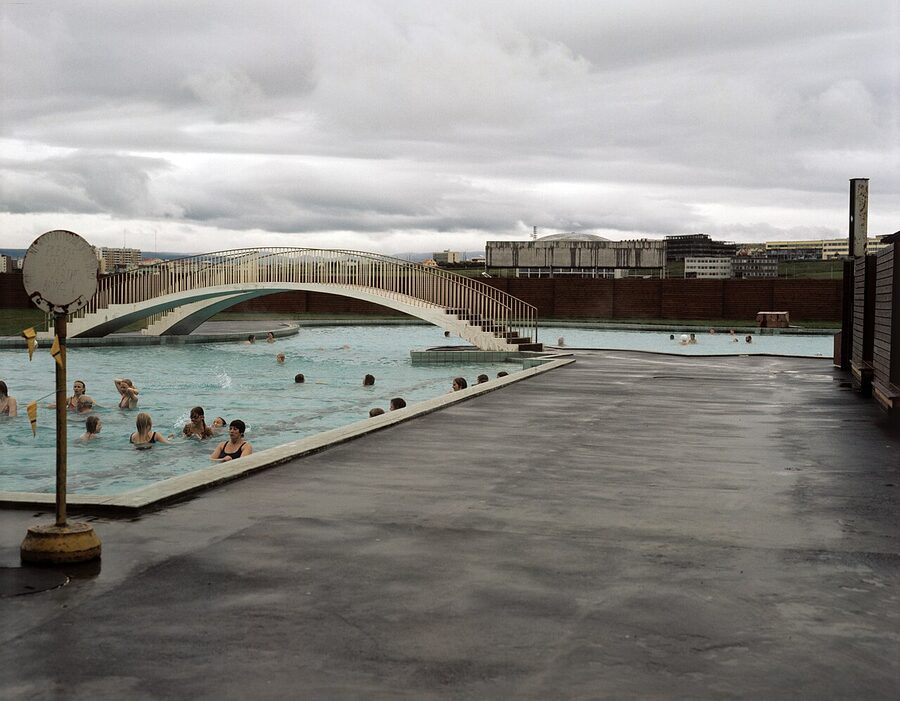
Laugardalslaug (Sundlaugavegur 105). The biggest pool in Iceland, in the Laugardalur district about two kilometres east of the centre. Fifty-metre outdoor lane pool, seven hot tubs, a cold pot, a steam bath, a 86-metre water slide that adults are allowed on, and a small petting zoo for the kids next door. Bus 14 from Hlemmur square, fifteen minutes. Family destination if you’ve got children.
Vesturbæjarlaug (Hofsvallagata 107). The west-side pool, a 25-minute walk from the centre, smaller than the other two, and the one that locals will actually recommend you to if you ask. The hot pots fill up with University of Iceland students after four, and the 38°C tub is where Reykjavík politicians traditionally argue with each other before the council session.
The shower rule is non-negotiable. Strip naked in the changing room, soap up properly in the communal area, rinse, and only then do you put your swimwear on and step outside. There are signs in five languages, and an attendant who will check that you’ve actually washed if she thinks you haven’t. This isn’t tourist policing. It’s how Iceland keeps its pools chlorine-light. Don’t take it personally and don’t bring a phone to the pool deck. Locks are 100 ISK in the changing rooms.
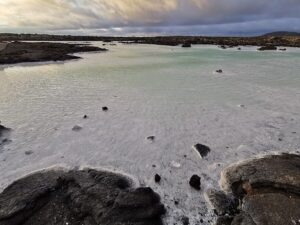
The Sky Lagoon, on the other hand, is the upmarket option, designed for visitors. Cliff-edge infinity pool over the Atlantic, seven-step wellness ritual that takes about ninety minutes, swim-up bar, lockers and robes provided. From around 14,990 ISK (~€103) for the basic pass. Worth it once if you’ve never done a real Icelandic geothermal soak. Worth a second time if you’ve been to the public pools and want a different experience. The Pure Pass is the right pick. The Sér Pass adds private changing rooms which the average traveller doesn’t need. The transfer from town runs about every hour from a few central pickup points, and you can book directly with Sky Lagoon or via GetYourGuide for the same price with the transfer included.
Eating Reykjavík
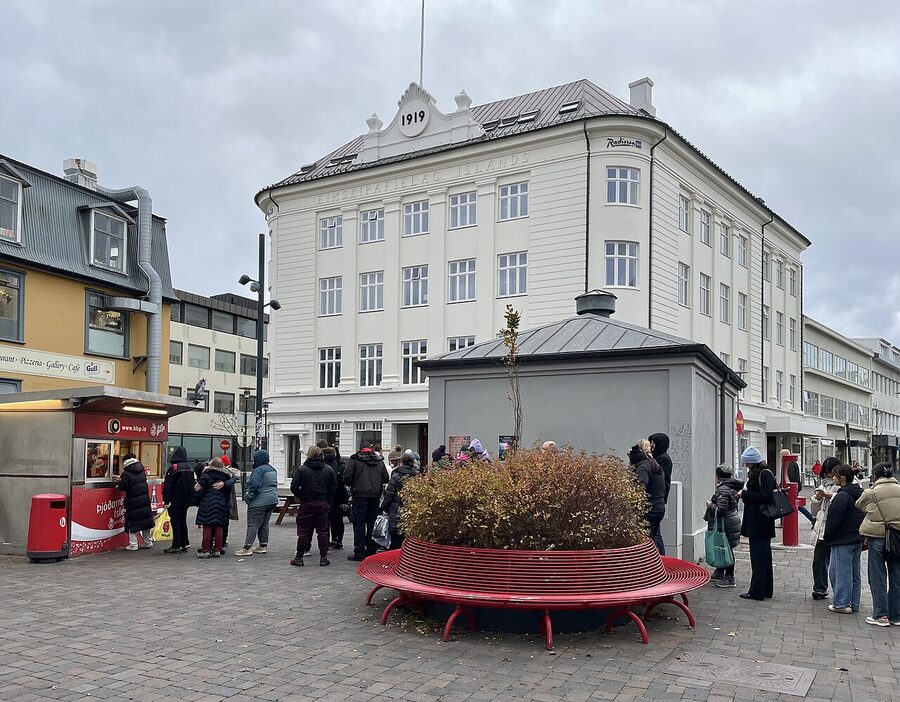
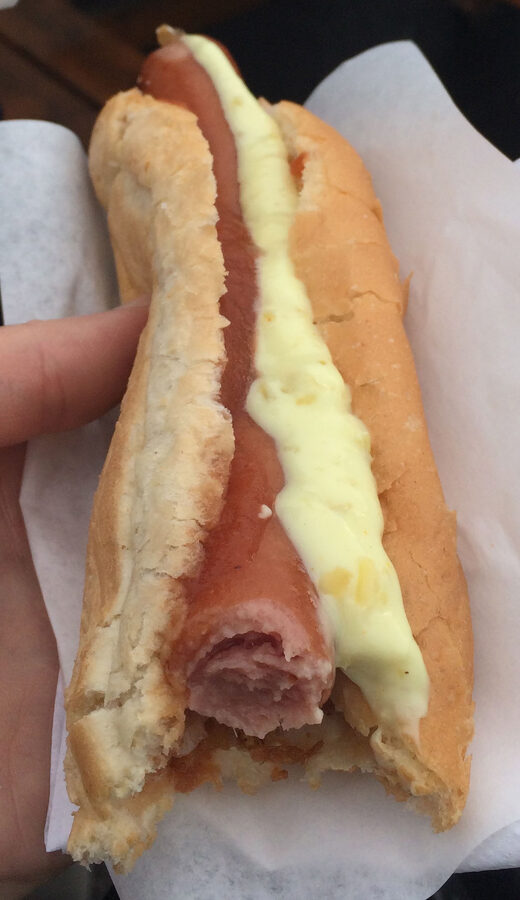
Start with the hot dog stand, because everyone does, and because it costs 690 ISK (~€5) and that’s important. Bæjarins Beztu Pylsur (“the town’s best sausages”) has been on the same corner of Tryggvagata, two blocks from the harbour, since 1937. Bill Clinton ate there in 2004 and ordered without the trimmings, which the staff still affectionately remember and disapprove of. You should order it með öllu, with everything: fried onions, raw onions, ketchup, sweet brown mustard, and a dressing called remoulade that is not really remoulade. The hot dog itself is mostly Icelandic lamb. The queue is fast. It is, in fact, a very good hot dog. It is not the best meal you’ll have in Iceland. It is the cheapest one that’s any good.
The new wave is more interesting. A short list of places that consistently deliver:
Brauð & Co (Frakkastígur 16, by Hallgrímskirkja). The bakery with the painted-mural exterior. Cardamom buns, sourdough, the rye-and-raisin loaves that some Icelanders queue for at 7am. About 600 ISK (~€4) for a bun. Coffee from the side window. Eat it walking down to the church. There’s no proper seating, which is the point.
Hlemmur Mathöll (Laugavegur 107). Reykjavík’s first proper food hall, opened 2017 in what used to be the central bus station. Ten kitchens, including Skál (Nordic small plates, lunch only), Flatey Pizza (the best dough in town), and a Vietnamese place that does the city’s only proper banh mi. Beer from a bar in the middle. Open until 11pm.
Grandi Mathöll (Grandagarður 16). The food hall on the harbour spit, smaller and less polished than Hlemmur, with the chicken-sandwich place that earns the queue. Less for tourists, more for people who live in Vesturbær and walked over.
Café Loki (Lokastígur 28, opposite Hallgrímskirkja). The place that does the rye-bread ice cream you’ll see on every food list. It’s good. The smoked-lamb open sandwich is better. The fermented shark is on the menu because they have to put it on the menu, and one cube is enough to last the rest of your life. Lunch only.
Kaffivagninn (Grandagarður 10). Reykjavík’s oldest restaurant, on the harbour, originally a Portakabin selling coffee to fishermen. Open since 1935. The fish soup is exactly what you want for lunch in March. The view is the harbour. About 2,400 ISK (~€16) for a bowl with bread.
Matur og Drykkur (Grandagarður 2). On the same harbour spit, in the old Saltfisk Museum building, this is where you book a real Icelandic dinner if you’re going to spend on one. Cod cheeks, smoked horse tartare, lamb-rump. Around 9,000 to 13,000 ISK (~€62 to €90) for a main. Reservations required. Worth it for the one big meal.
The expensive truth about prices
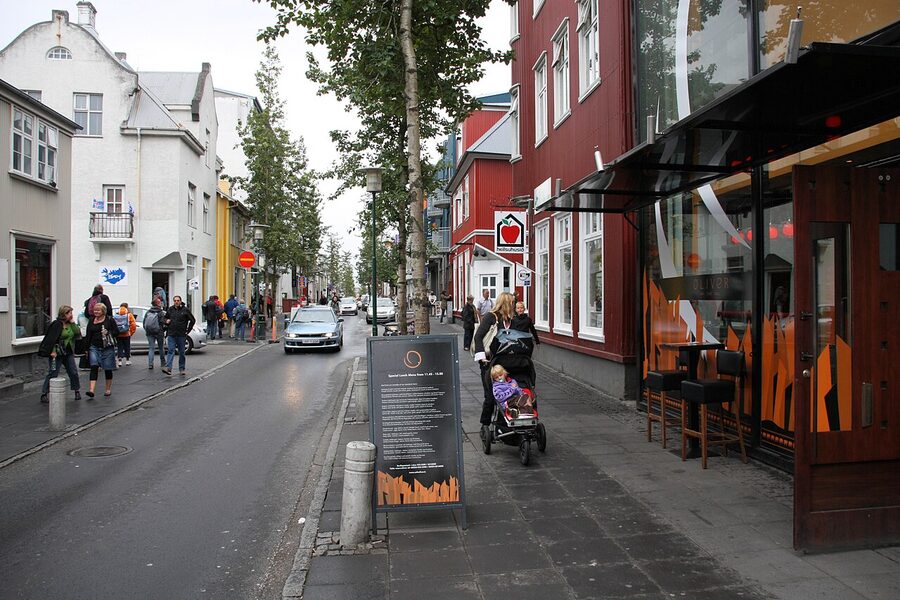
Iceland is genuinely expensive. Not “you’ll spend a bit more”, actually expensive. A pint of beer is 1,400 ISK (~€10). A supermarket sandwich is 1,400 ISK. A petrol-station meal deal of pylsa, crisps and a soft drink is 2,200 ISK (~€15). A tasting-menu dinner with one glass of wine each will run you 28,000 ISK per person (~€193) without trying. The lopapeysa wool sweater you want is 28,000 to 45,000 ISK depending on whether it was hand-knitted by someone the shop knows, and it’s worth knowing the difference before you buy.
None of this is a swindle. Icelandic wages are high, the alcohol tax is high, the food is mostly imported across an ocean, and small businesses survive on small numbers of customers. How to handle it:
Buy alcohol at the duty-free in Keflavík airport on arrival, before you leave the building. Bónus and Krónan are the cheap supermarkets. The bakeries and food halls give you a proper meal for under 3,000 ISK. The pools cost 1,330 ISK and so does Hallgrímskirkja’s tower. Walk everywhere in the centre because Reykjavík is small enough to. Save the splurge for one good dinner and accept that one good dinner will cost more than you wanted it to.
VAT in Iceland is 24%. If you spend over 12,000 ISK in a single shop, the shop will print you a tax-refund form. Submit it at the airport in the dedicated counter past security on the way out, and you’ll get most of the VAT back to your card within a fortnight. The 66°North coats become noticeably less painful that way.
The 1986 summit, and other history that matters
You can skip this section if dates aren’t your thing. If they are, four moments shaped the Reykjavík you’re walking through.
874. Ingólfur Arnarson, the Norse settler in every Icelandic schoolbook, made landfall here. The plumes of geothermal steam from what’s now Laugardalur made him think the bay was smoking. He named it Reykjavík, “smoky bay”. The name is older than the city by about nine hundred years.
1786. The Danish king granted Reykjavík a town charter, with about 167 inhabitants. Until then it was a single farm. The 240th anniversary fell in 2026.
17 June 1944. Iceland formally cut its union with Denmark, which was at that point under German occupation, and declared a republic on the lawn of Þingvellir, with the official ceremony moving to Austurvöllur in Reykjavík the same day. Sixteen-year-olds and over voted. 97% turnout. National day in Iceland is still 17 June, and the parade still goes past Dómkirkjan.
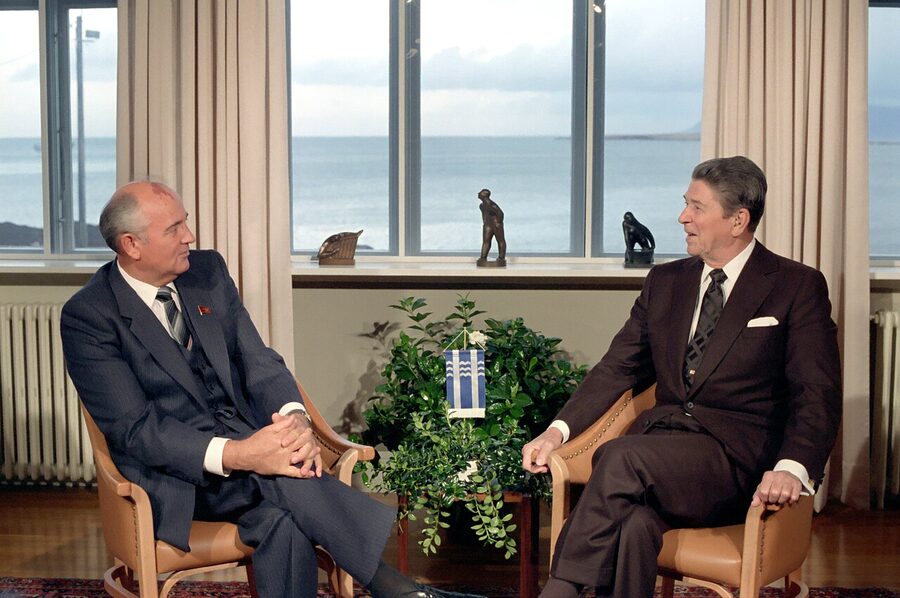
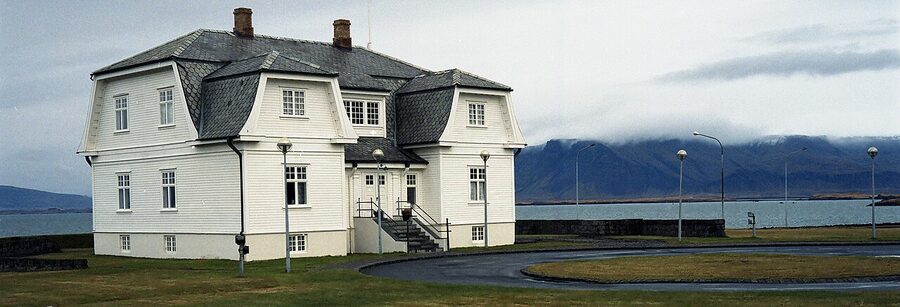
11 to 12 October 1986. Ronald Reagan and Mikhail Gorbachev met at Höfði House on the Reykjavík seafront for two days that nearly ended the Cold War. They didn’t agree, in the end, on the question of missile defence. They came astonishingly close to abolishing nuclear weapons by 2000. The framework drafted at Höfði became the Intermediate-Range Nuclear Forces Treaty signed in Washington in December 1987. Höfði itself is a small white wooden house built in 1909, originally for the French consul, and Reykjavík picked it for the summit because it was photogenic and easy to secure. The lawn is open to walk on. The house is closed to visitors most days, with occasional event openings. There’s one plaque on the building’s east wall, in English and Icelandic. It is brief, like everything else about this city.
The American military presence between 1941 and 2006 left less obvious traces. Keflavík airport is on the old NATO base, and the highway in from there runs past the perimeter. There’s a small but worthwhile war-and-occupation room at the National Museum on Suðurgata if you want the longer version.
Perlan and the views you can climb to
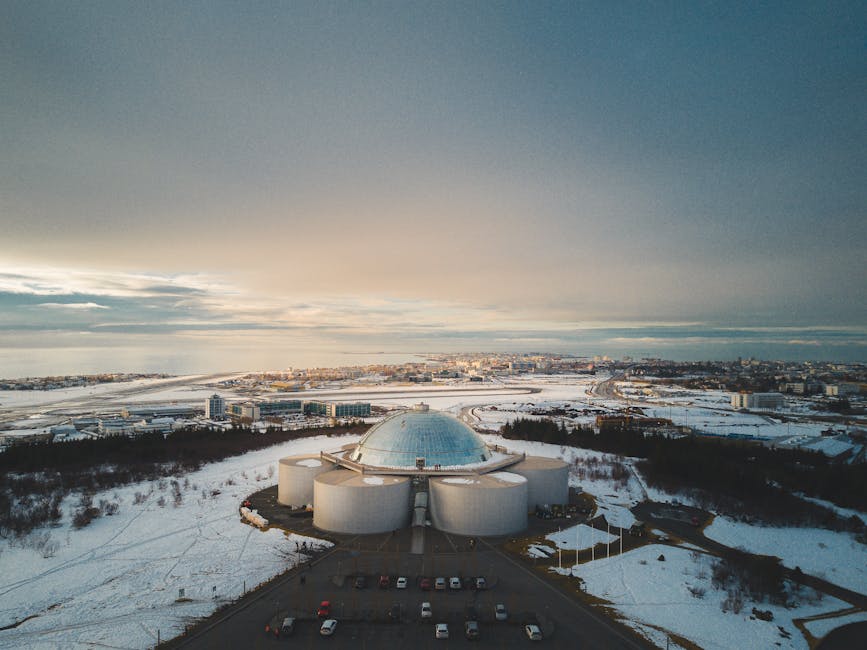
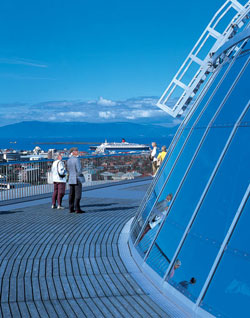
Perlan, the glass dome that sits on top of the city’s hot-water tanks, is fifteen minutes’ walk from the centre or a ten-minute drive. The hill it’s on (Öskjuhlíð) gives you a 360° view that competes with Hallgrímskirkja’s tower and beats it on a windy day because Perlan has a proper enclosed observation deck. The museum inside covers Iceland’s geology with more enthusiasm than the National Museum, and includes a 100-metre walk-through ice cave at minus 10°C, kept that way year-round. The Northern Lights planetarium show is a fair backup if the actual lights aren’t cooperating; check the longer guide to the northern lights in Iceland for what to expect from the real thing. Adult entry is 6,090 ISK (~€42), discounted with the Reykjavík City Card. Worth a half-day if it’s raining.
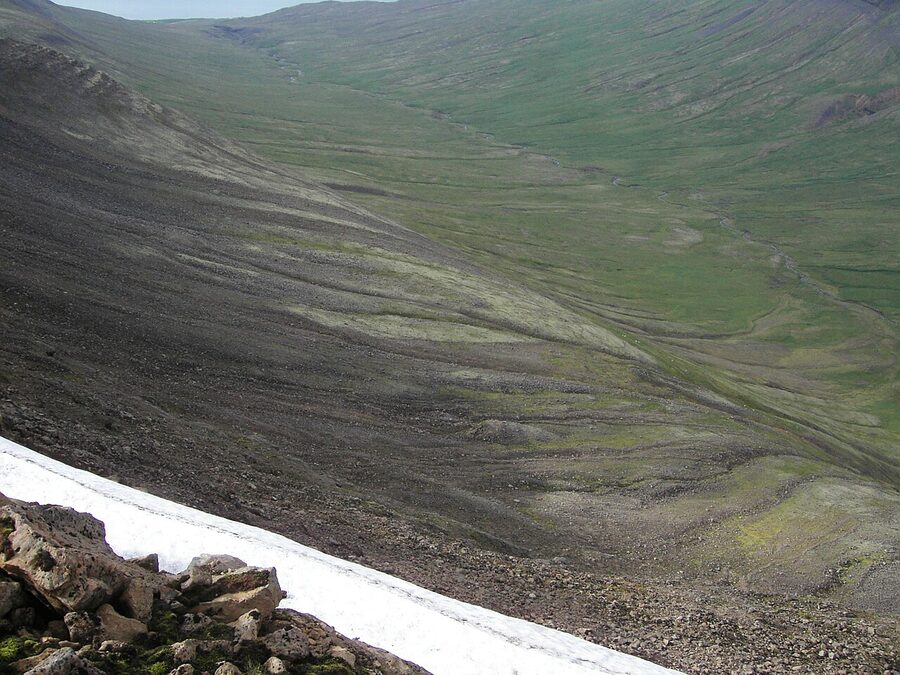
For a longer, harder, free version of the same view, climb Mount Esja. The mountain across the bay has marked trails from the Mógilsá car park, reachable by bus 57 from the centre in about 35 minutes. The standard route up to the Steinn (the marker stone at 597 metres) takes around 90 minutes up and 60 down. You’ll see Reykjavík from the back, which is more interesting than the front, and the city looks small from there. Boots, rain layers, snacks. Don’t go in heavy fog or active wind warnings.
Northern lights from Reykjavík
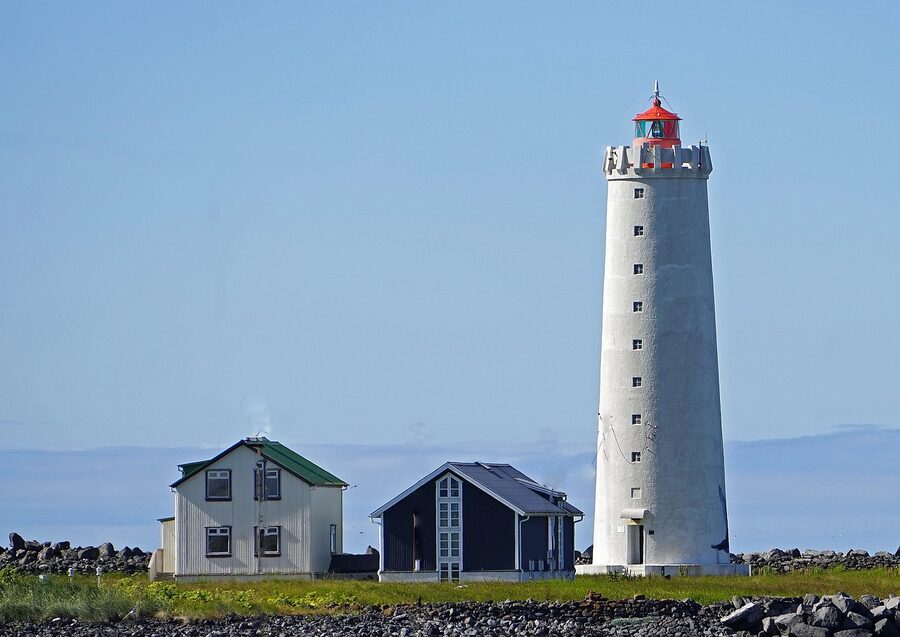
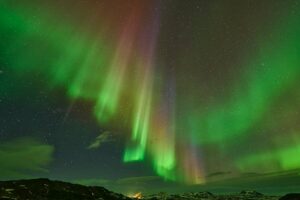
You can see the aurora from inside Reykjavík, but you mostly can’t. The street lighting is enough to spoil the average display, and the city’s weather (cloud cover most nights, especially November to February) does the rest. The Grótta lighthouse on the Seltjarnarnes peninsula is the best in-city option, twenty minutes’ walk west of the centre. Lights off in the Sea Pool car park, eyes adjusted, look north. There’s a small free thermal foot bath (Kvika) carved into the rock by the path, with a sign asking you to take your shoes off and not bring soap.
For a proper sighting you want to leave the city. The good aurora-tour operators bus you 40 to 90 minutes out into Þingvellir or further if the cloud forecast wants it, and they’ll re-book you for free if there’s no display. October to mid-March is the season. The aurora is real, the displays are sometimes extraordinary, and the rest of the time they look like a faintly green smudge that your phone can photograph and your eye can’t. Manage your expectations and check the official Icelandic Met Office aurora forecast the day of. Our full breakdown is in the northern lights in Iceland guide.
Day trips, and the bigger picture
Most travellers use Reykjavík as a base. The Golden Circle (Þingvellir, Geysir, Gullfoss) is the obvious one-day loop, about 250 km in total, and you can do it as an organised tour for around 12,000 ISK or in a hire car for less if you split the cost two ways. The South Coast (Seljalandsfoss, Skógafoss, Reynisfjara, Vík) is the better day if you’ve got long daylight hours, but it’s a 10-hour day either way.
If you’ve got a week, do the Ring Road in seven days: it’s the loop around the country and it gives you all the Iceland that gets put on postcards, in the right amount of time. For that you need a car, and Iceland car hire has its own quirks (gravel insurance is non-optional, the F-roads aren’t allowed for most rentals, the wind alone can blow a car door off its hinges); the Iceland car rental guide covers what to ask before you book.
If Reykjavík is one stop in a longer Nordic trip, the obvious chains are with Copenhagen, Helsinki, Oslo or Stockholm. Icelandair runs direct flights to all four most of the year. The relevant city pillars: Copenhagen, Helsinki, Oslo, and Stockholm. You can build a respectable two-week Nordic itinerary by picking any two and bookending with Reykjavík.
Getting in, getting around, and when to come
Keflavík International (KEF) is 50 km southwest of the city. Reykjavík Airport (RKV), the small one on the south side of town, only handles domestic and Greenland flights and isn’t relevant for most arrivals. The Flybus (Reykjavík Excursions) and Airport Direct both run scheduled coach transfers from KEF to the BSÍ bus station in the centre, taking about 45 minutes for around 3,999 ISK (~€28). Pre-book online for a small saving. A taxi from KEF runs around 15,000 ISK (~€103) and isn’t worth it unless you’re four people with luggage. Hire cars are picked up on-site at KEF and the depot’s a two-minute shuttle from the terminal.
In the city, walk. The compact 101 centre means you’ll rarely need transport. The yellow Strætó city buses cost 690 ISK per ride (paid via the Klappið app or in cash with exact change to the driver), and a 24-hour pass is 2,420 ISK if you’re staying further out. There’s no metro, and there isn’t going to be. Cycling works in summer and is grim in winter; the centre’s pavements are heated by geothermal pipes, so they stay dry, but the suburbs are mostly not.
The seasons matter. Summer (mid-May to mid-September) is the time for whale watching, hikes, the Ring Road, and 22-hour daylight that sends you to bed at 1 am thinking it’s still afternoon. Autumn (mid-September to October) thins the crowds, brings the first aurora opportunities, and gives you the lowest hotel rates of the year. Winter (November to March) is dark, sometimes brutally windy, often quietly extraordinary, with the aurora season at its strongest and the geothermal pools at their best. Spring (April, early May) is unreliable but cheaper than summer and increasingly popular as a shoulder season.
If you’ve got a choice, my pick is late August. Long days, the wind has settled, the cruise-ship volume drops by about ten percent compared to July, the puffins are still out at Akurey, and you can swim outside in the public pools with the steam coming off the water at midnight.
Where to stay
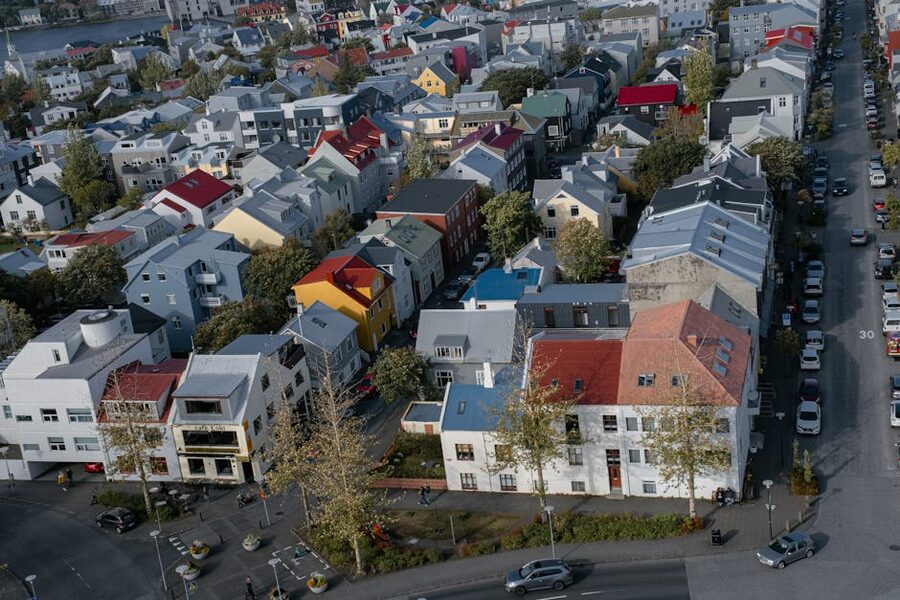
Stay in 101. The walking distances are the appeal of Reykjavík, and a hotel in Mosfellsbær half an hour out, no matter how cheap, undoes that. Specifically:
The mid-range standard: Center Hotels Arnarhvoll on the waterfront. Functional rooms, central location, decent breakfast, a top-floor bar with the best public view in town. The Center Hotels chain has four more in the centre and they’re all dependably fine.
The design option: Sand Hotel on Laugavegur, in a converted historic building, smaller rooms but with the kind of styling that makes the Instagram crowd happy. About a third more than Arnarhvoll on most dates.
The harbour option: Icelandair Hotel Reykjavík Marina, on the Old Harbour next to Grandi. Bigger rooms, harbour atmosphere, ten-minute walk to the centre. The choice if you want the Old Harbour district at your doorstep.
The budget bet: Loft Hostel on Bankastræti. Dorms and private rooms, rooftop bar, very central, and the breakfast is included. Cheaper than any hotel in the centre by half.
The apartment route: Baldur Apartments and a handful of others in 101 give you a kitchen, which is a useful weapon against Iceland’s restaurant prices, and a separate bedroom for not much more than a hotel room costs.
Avoid the airport hotels unless your flight is genuinely awkward. They’re a thirty-minute bus from anything you came to Iceland to see.
The strange small things
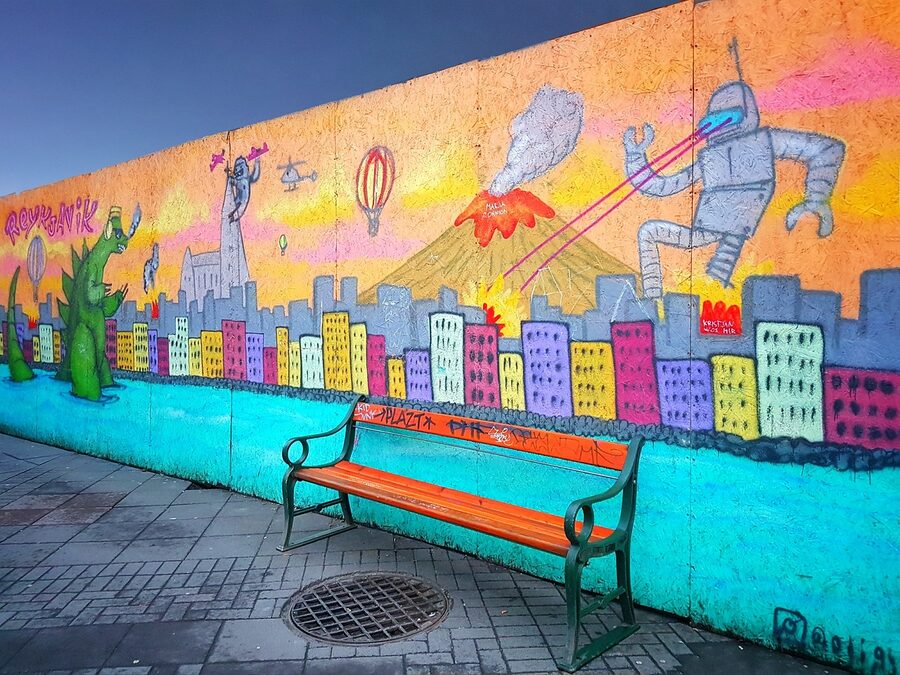
The bits of Reykjavík that don’t fit into the standard guide:
The Icelandic Phallological Museum on Hafnartorg is exactly what it says it is, a museum of mammalian penises, and it’s done with enough wry humour that an hour there is genuinely entertaining rather than weird. About 3,500 ISK to get in.
Hrafn Gunnlaugsson’s house at Laugarnestangi 65, on the seafront east of Höfði, is a film director’s seaside garden filled with junkyard sculpture, mermaid figures, ship parts, and metal masks. Free to walk around. Locals are split on whether it’s art or hoarding. It’s both.
Verzlanahöllin, the resale market in the basement of an old shopping mall on Skólavörðustígur, is where to find a proper used 66°North coat at a third of the new price. Open 11 to 18, closed Sundays.
Kolaportið flea market on the harbour is open Saturday and Sunday only, 11 to 17, and is the only place in Reykjavík where you can sample fermented shark from a stall that someone’s grandmother is running. Take it as a dare and a snack.
The Tjörnin ducks, technically Whooper swans plus various ducks plus the occasional arctic tern, are fed by hundreds of small Icelandic children most weekends, and the city asks visitors to use seeds rather than bread. Buy seed at the small kiosk by the City Hall.
Two days in Reykjavík
If you only have 48 hours:
Day one. Start at Hallgrímskirkja, climb the tower for the orientation, walk down Skólavörðustígur and Laugavegur, lunch at Hlemmur Mathöll. Walk through Tjörnin, City Hall for the relief map, lap around the pond. Coffee at Reykjavík Röst on the harbour. Old Harbour walk to Sólfar and on to Harpa. Dinner at Matur og Drykkur on Grandi or one of the Hlemmur stalls. Drink at Bryggjan Brugghús with the harbour view.
Day two. Bæjarins Beztu hot dog at 11am as the second breakfast it deserves to be. Public pool at Sundhöllin or Vesturbæjarlaug for the morning. Lunch at Café Loki opposite the church. Afternoon at Perlan or, weather permitting, the bus to Mount Esja and the climb. Sky Lagoon for sunset if you’ve got the budget for it; if not, Grótta lighthouse for the same idea at zero cost. Dinner wherever you didn’t manage on day one.
If you’ve got three days, add a Golden Circle day or a half-day at the National Museum and the Settlement Exhibition, both of which reward an hour and a half each.
One last thing
Reykjavík is small, plain in places, and not always interested in selling itself to you. Most cities of this size in Europe try harder. The reason it works isn’t the things on the standard list. It’s the way the geothermal water turns up in the radiators and the showers and the pavements. It’s the way you can walk from one end of the centre to the other in twenty minutes and still find a corner you missed three trips later. It’s the way the country’s weight is somehow balanced on this one small place at the edge of the Atlantic, and you can stand at the harbour at five in the afternoon in February with a hot dog and a low orange sun and feel, briefly, like the world’s tilt has gone slightly the right way.
Iceland will keep being expensive. The pools will keep smelling of sulphur. The bell at Hallgrímskirkja will keep ringing every fifteen minutes. Some of those things will become reasons to come back.


.jpg)
.jpg)


,_B%C3%A6jarins_Beztu_Pylsur.jpg)


