Stockholm spreads across 14 islands, and most three-day itineraries you’ll find online spend almost two of those days on one of them. That’s the trap. Gamla Stan is the photogenic medieval core, the postcard, the place every guidebook leads with. It’s also a half-day, maybe a morning if you don’t take a guided tour. Treat it like a museum visit and you free up enough hours to actually see the rest of the city, which is where Stockholm gets interesting.
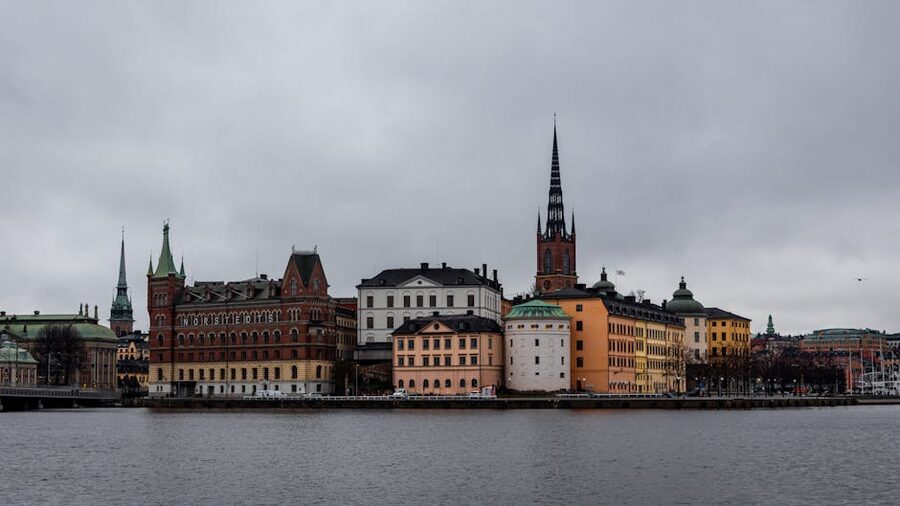
I came in expecting a colder, more reserved version of Copenhagen. What I got was a city with more layers than I’d planned for, organised around water in a way that takes a day to read properly. This is the version I’d write for a friend who’s already done Paris, London, Berlin, the lot, and wants to know what they should actually do with 72 hours. Three days is genuinely enough, but only if you don’t burn day two on another lap of Gamla Stan.
In This Article
- How to think about Stockholm before you arrive
- Day 1: Gamla Stan as a morning, City Hall as an afternoon
- The Royal Palace and the Changing of the Guard
- Storkyrkan and the dragon
- Riddarholmen, lunch, and the City Hall
- Day 2: Södermalm, properly
- Morning: viewpoints and the SoFo grid
- Afternoon: Hornstull and the western edge
- Evening: Mosebacke, Slussen, and the eastern viewpoints
- Day 3: Djurgården, Skeppsholmen, and the Vasa
- The Vasa, told properly
- Skansen, the Nordic Museum, and the ABBA question
- Skeppsholmen and the photography museum
- The history that makes the city make sense
- The metro art tour, in 90 minutes
- Where you’ll actually want to eat
- Fika is real, here’s how to do it
- The neighbourhoods you should walk around even if you don’t have an obvious reason
- Where to stay, by neighbourhood
- Practical: airport, money, weather, the bits nobody finishes
- If you have a fourth day: the archipelago, or take the ferry
- If you only do five things, do these
How to think about Stockholm before you arrive
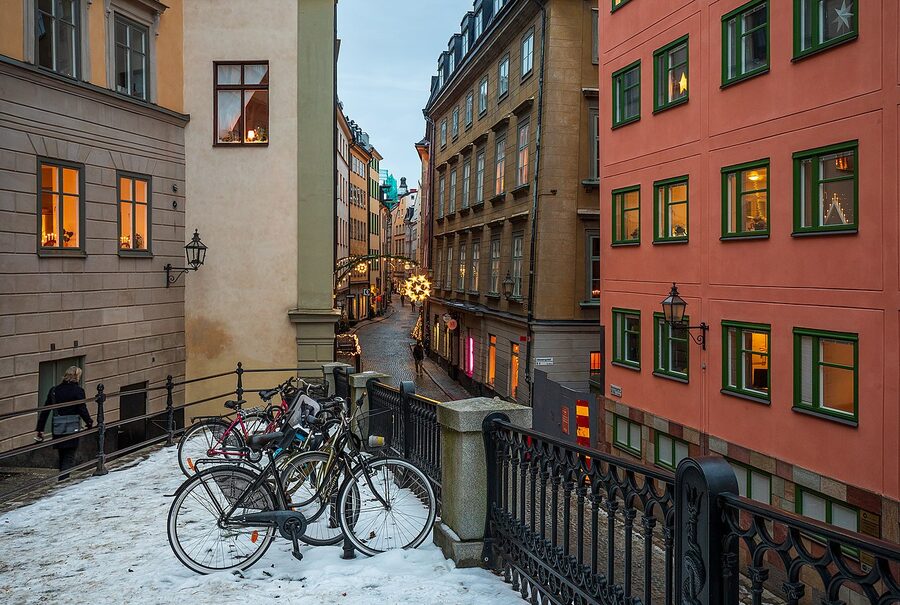
The five neighbourhoods you’ll actually use are stacked north to south on three main islands. Gamla Stan is the medieval island in the middle. Norrmalm is the modern centre to its north, where the central station and the main shopping streets are. Östermalm sits east of Norrmalm and is where the money lives. Södermalm is the big island to the south, the second-city personality, the one that locals swear by. Djurgården is the green museum island east of all of it. That’s it. If you can hold those five names in your head, the rest is just connecting them.
Three things to know that nobody tells you. One, Stockholm is effectively cashless. I never used a single krona note in three days. Visa or Mastercard works at the meatball-shop counter, the metro, the public toilet at Slussen, and the one stall at Östermalms Saluhall I bought a sandwich from. Bring a card with no foreign-transaction fees and you’re done. Two, walking is genuinely the best way to see the centre, but the city is hillier than you’d expect, especially Södermalm. Pack proper shoes. Three, the public transport pass is called SL and it’s 180 SEK (~€16) for 24 hours, 360 SEK (~€32) for 72 hours. Buy the 72-hour one in the SL app on day one and stop thinking about it. A single ride is 43 SEK (~€4) and you’ll do that maths in your head ten times before you give in.
Day 1: Gamla Stan as a morning, City Hall as an afternoon
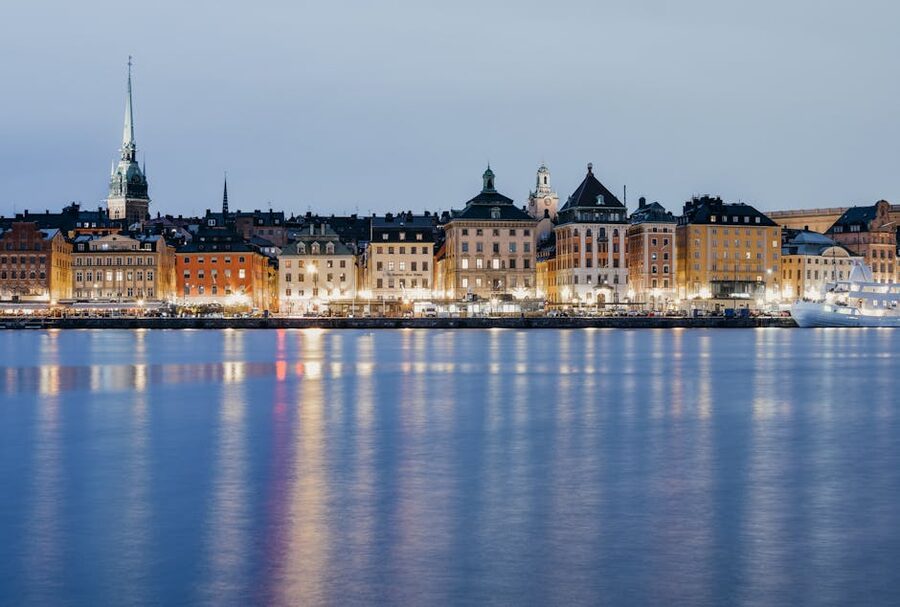
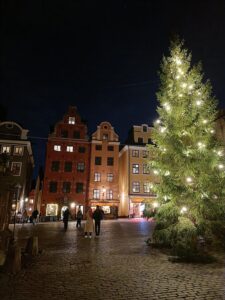
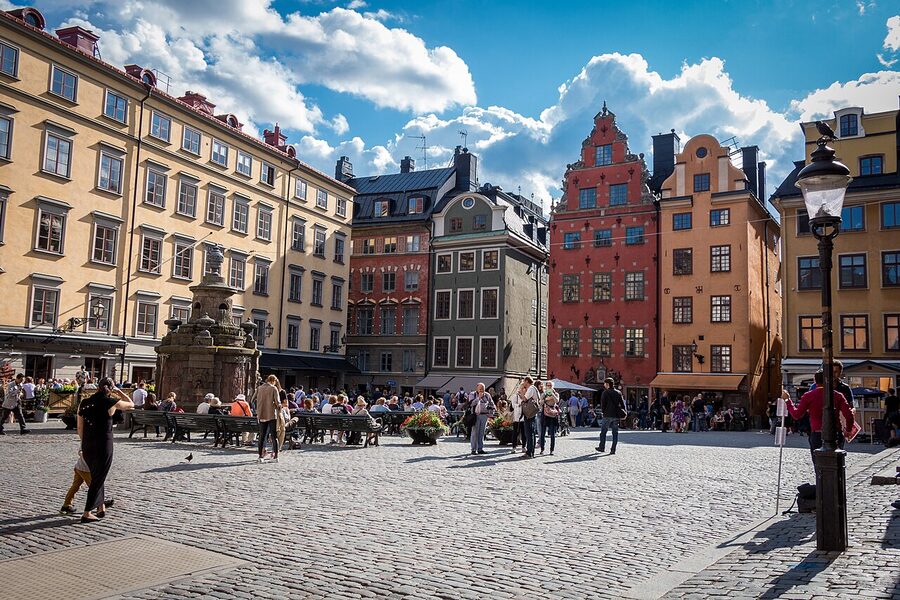
Start early. Be at Stortorget by 08:30 if you can. The square is the historic heart of Gamla Stan, and the tour groups don’t show up until 10. You’ll have 90 minutes when it’s just you, a few people walking dogs, and the colour of the painted facades catching the morning light. The Nobel Prize Museum is on the square (Stortorget 2), which I’d skip unless you’re a science-history obsessive. The square itself is the point.
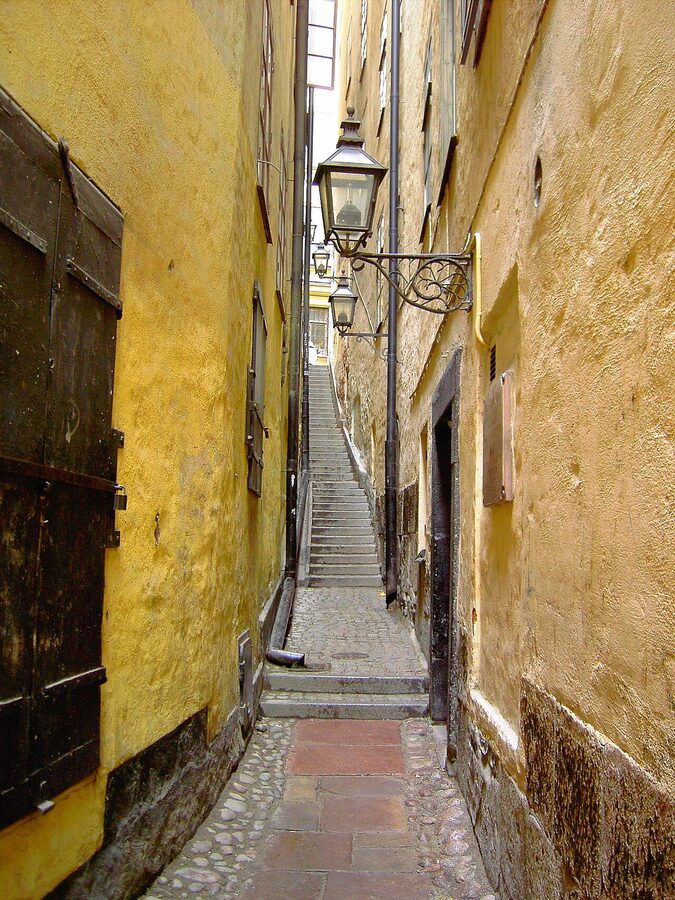
From Stortorget, walk three minutes south to Mårten Trotzigs Gränd, the narrowest street in Stockholm at 90 cm wide. It’s a tourist line for a reason but it takes 30 seconds. Then drift west into Prästgatan and Västerlånggatan, the two parallel arteries of Gamla Stan. Västerlånggatan is the souvenir-shop one. Prästgatan is the residential one and the better walk. There’s a Viking runestone built into the corner where Prästgatan meets Kåkbrinken, set into the wall at hip height. Easy to miss. It’s the closest thing to genuine Viking-era stone you’ll see without leaving the city.
The Royal Palace and the Changing of the Guard
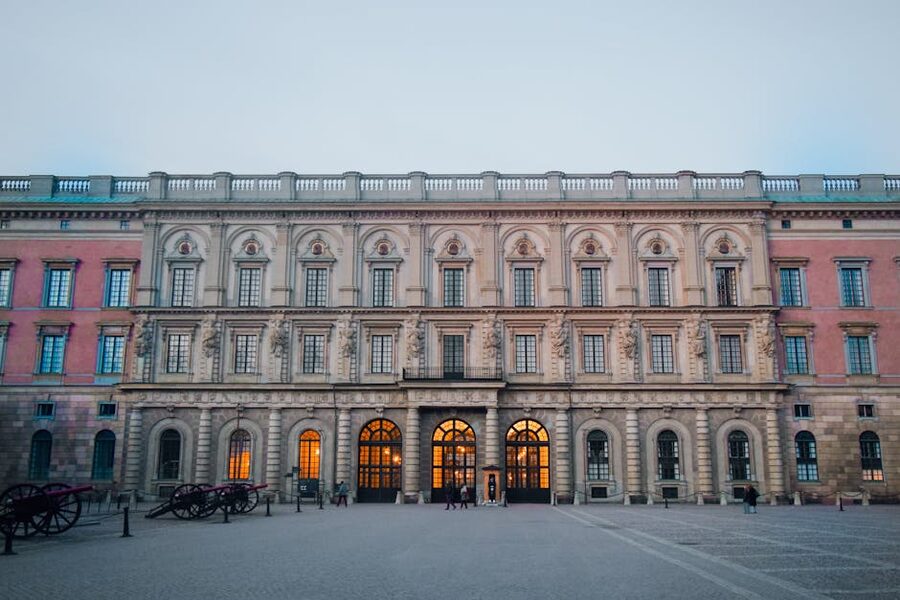
The Royal Palace (Kungliga Slottet) sits on the north end of Gamla Stan, a 700m walk from Stortorget. It’s open daily 10:00 to 17:00 in summer, shorter in winter, with a 200 SEK (~€18) entry that covers the State Apartments, the Treasury, the Tre Kronor Museum (about the medieval castle that burned down here in 1697), and the Royal Chapel in summer. The Treasury is the part to prioritise if you’re rationing time. The regalia are in low light in vaulted basement rooms, and you can see the actual sword of state and Queen Christina’s coronation crown.
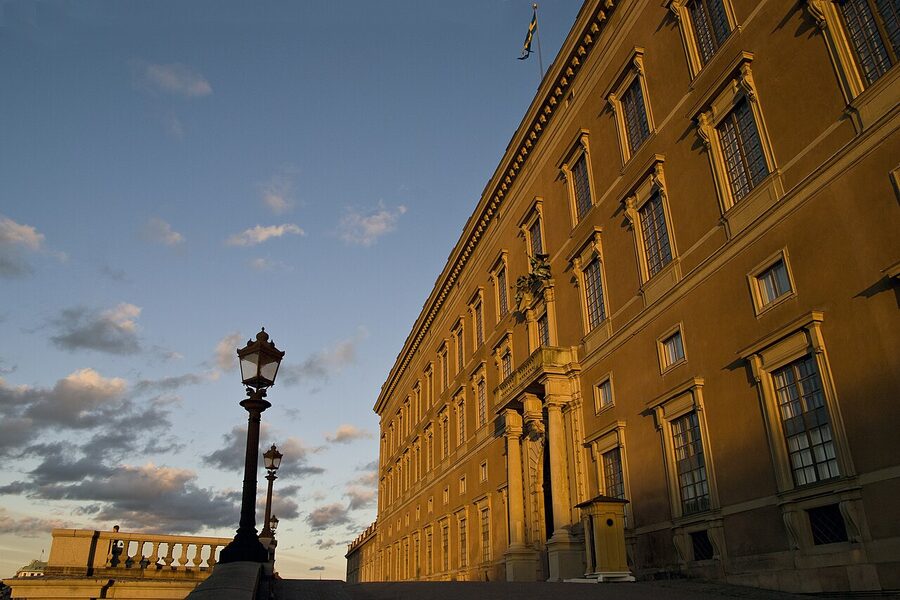
The Changing of the Guard happens at 12:15 on weekdays and 13:15 on Sundays, in the outer courtyard. It’s free, it lasts about 40 minutes from arrival of the new guard to handover, and a Swedish military band plays. Worth seeing once, mostly because you can stand close. Get there 20 minutes early in summer, the courtyard fills up. Skip it if it’s raining hard. They do a stripped-down version and you’ll be wet.
Storkyrkan and the dragon
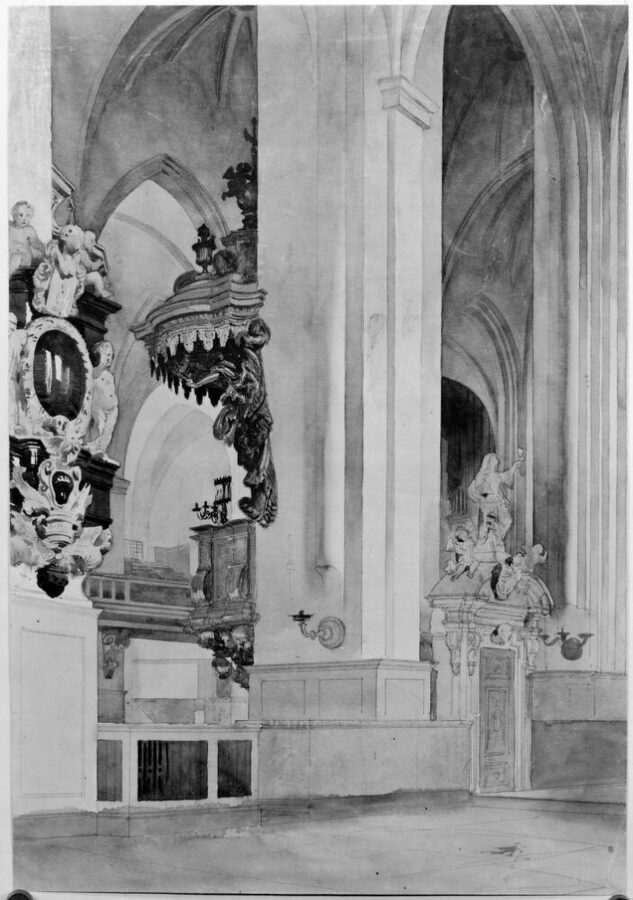
Storkyrkan, the Stockholm Cathedral, is 30 seconds from the Royal Palace’s south wall. Built in 1279, it’s been the coronation church for Swedish monarchs for 700 years. Entry is 120 SEK (~€11). What you’re paying for is the late-medieval wooden sculpture of St George and the Dragon, carved in oak by Bernt Notke in 1489 to commemorate the Swedish victory over the Danes at the Battle of Brunkeberg. It’s one of the largest medieval wooden sculptures in northern Europe and it still has its original paint. Even if churches aren’t your thing, this one is.
Riddarholmen, lunch, and the City Hall
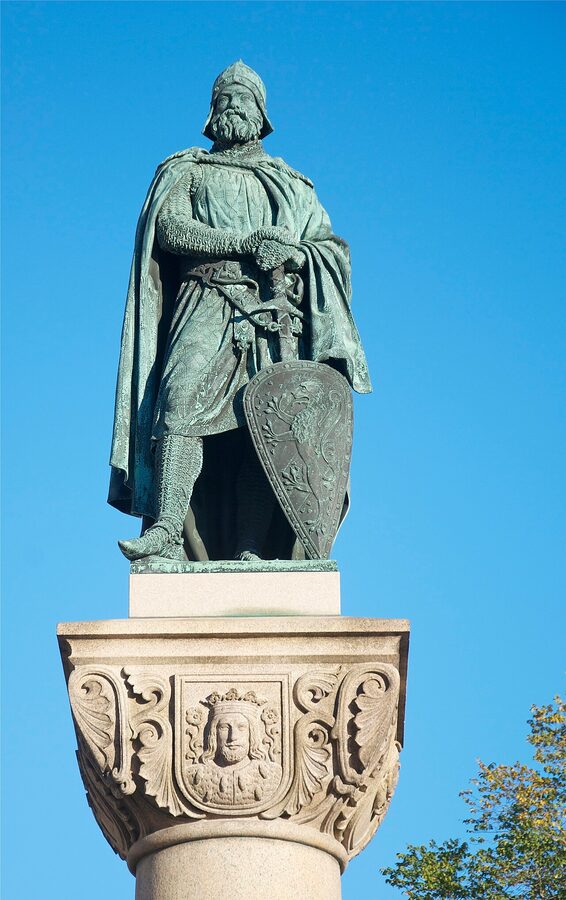
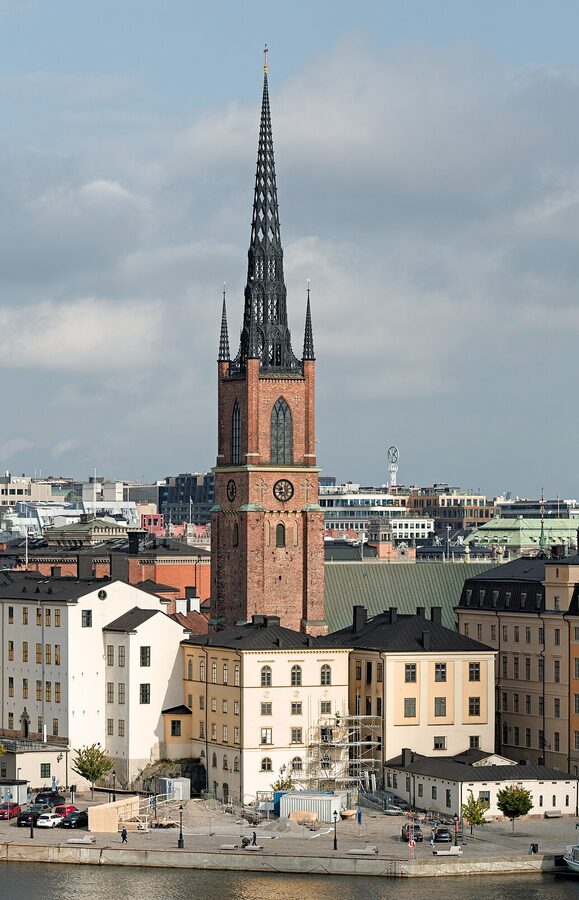
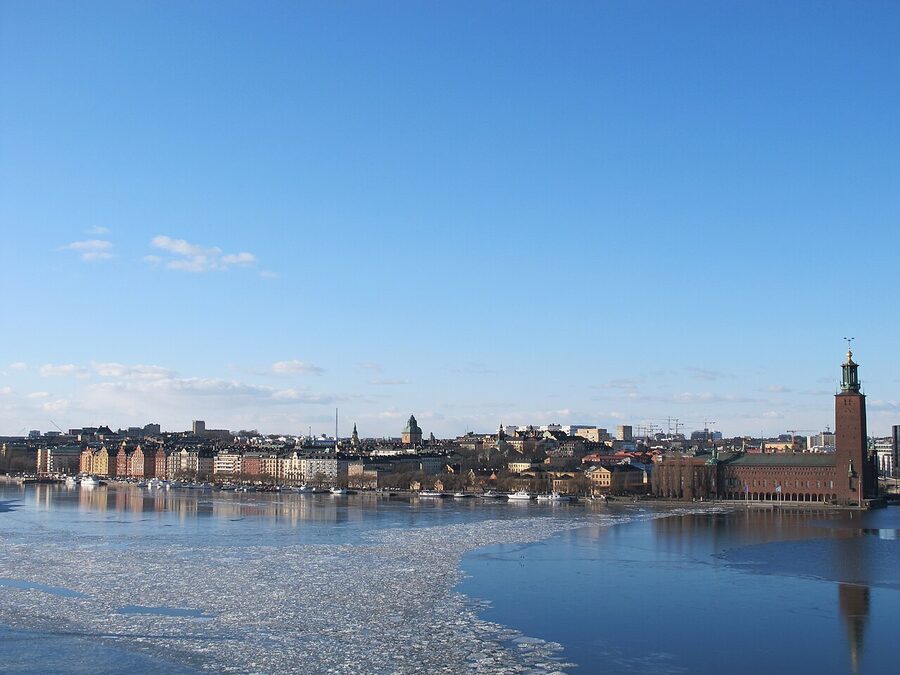
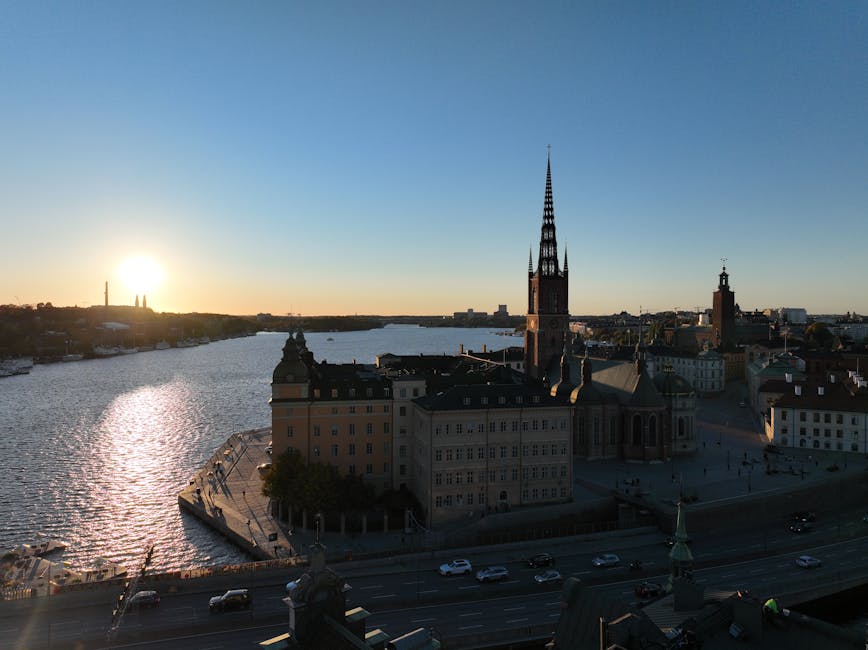
Cross the small bridge from western Gamla Stan to Riddarholmen, a single-block island of government buildings and a 13th-century brick church. Riddarholmskyrkan is the old burial church for Swedish monarchs. From the south side of the island you get the best free view of City Hall and Lake Mälaren. This is also where the Birger Jarl statue stands. He’s the regent who founded Stockholm in 1252 and his tower (a defensive remnant) is at the south-west tip of the island.
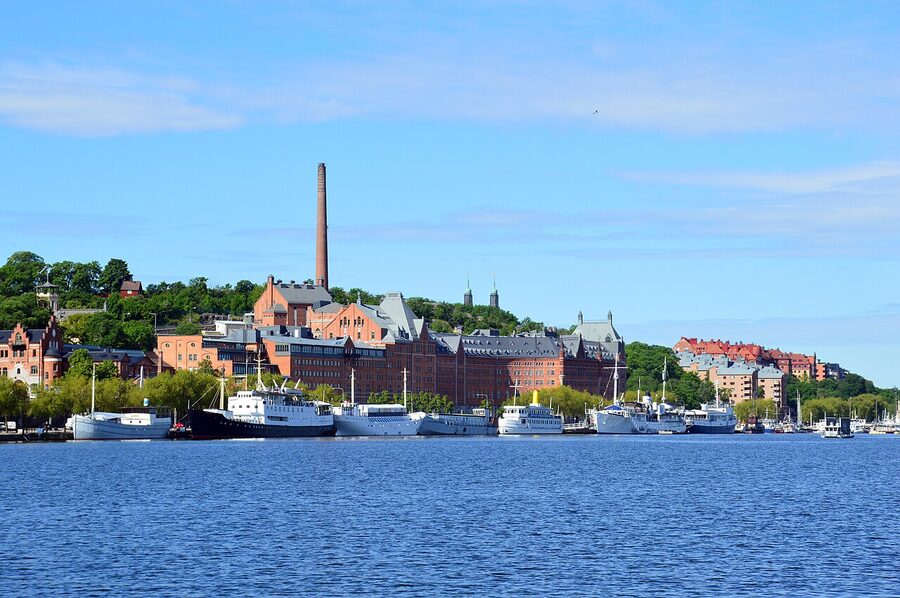
For lunch, walk back to Gamla Stan and eat at Tradition (Österlånggatan 1). It’s a small place doing pickled herring, smoked reindeer, Swedish cheese tarts on one menu and reasonable beer on the other. The lunch tasting plate is around 195 SEK (~€18) and is the best 18 euros you can spend on traditional Swedish food in this part of town. Avoid the meatball restaurants on Västerlånggatan with menus in eight languages. The good meatballs are tomorrow on Södermalm.
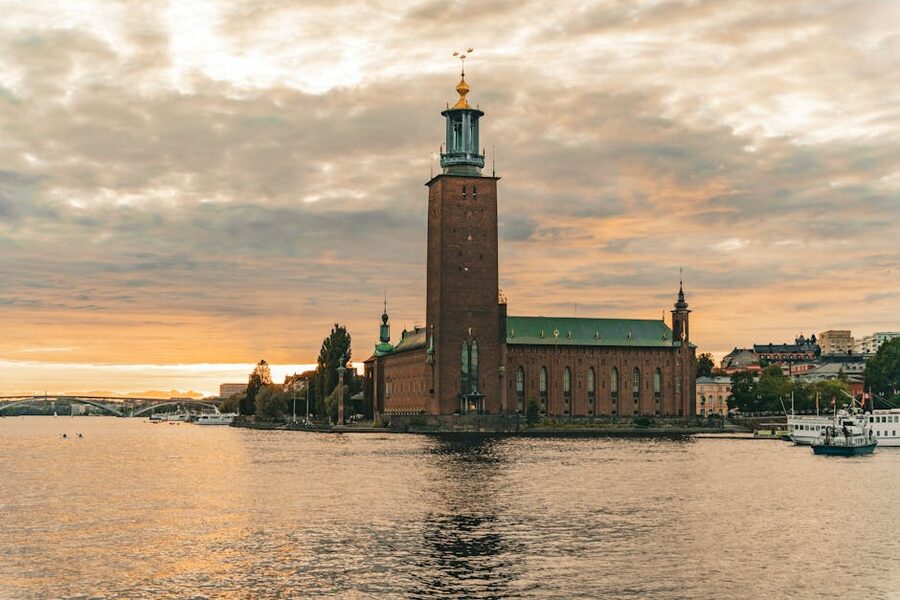
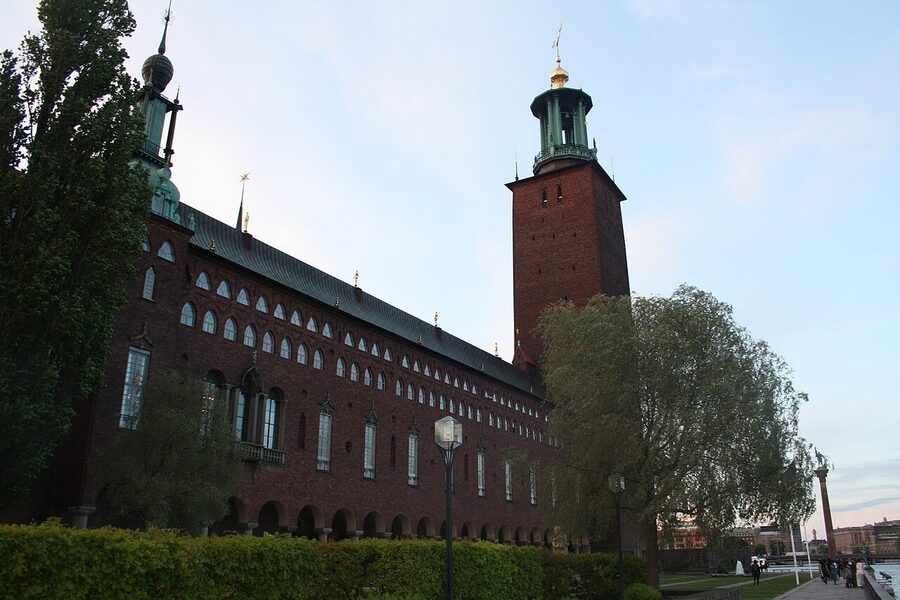
After lunch, spend the afternoon at Stockholm City Hall (Stadshuset), a 25-minute walk west across the bridge to Kungsholmen. The Nobel Prize banquet happens here. The interiors are only accessible on a guided tour (50 minutes, 130 SEK / ~€12, every 30 minutes in summer, less often in winter), and the Blue Hall and the Golden Hall are both worth the ticket. The tower is open from May to September only, costs 90 SEK (~€8) extra, and gives you the best free-of-vertigo summer view in central Stockholm.
End day one at Monteliusvägen, a 600-metre cliff-edge walk on the north shore of Södermalm with the best free sunset view in the city. The path runs above Mariaberget. Get there 30 minutes before sunset and stay for the after-light, when City Hall and Riddarholmen turn lavender. It’s a 15-minute walk from Stadshuset (cross the Centralbron bridge to Söder, walk up the steps at Mariaberget) or three stops on the metro to Mariatorget.
Day 2: Södermalm, properly
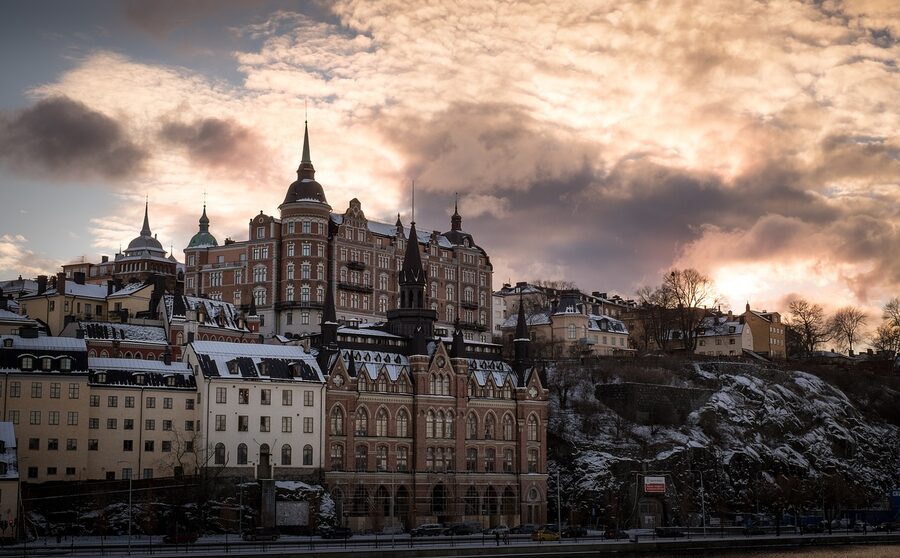
This is the day most three-day itineraries get wrong. They give Södermalm an afternoon, send you to one viewpoint, and call it done. Söder, as locals call it, is the largest island in central Stockholm and the most varied. It’s where the design shops live, where the cheaper restaurants hide, where the second-hand culture is real (Swedes have been doing the circular-economy thing since long before it was fashionable), and where you’ll see Stockholm as a working city rather than a museum.
Morning: viewpoints and the SoFo grid
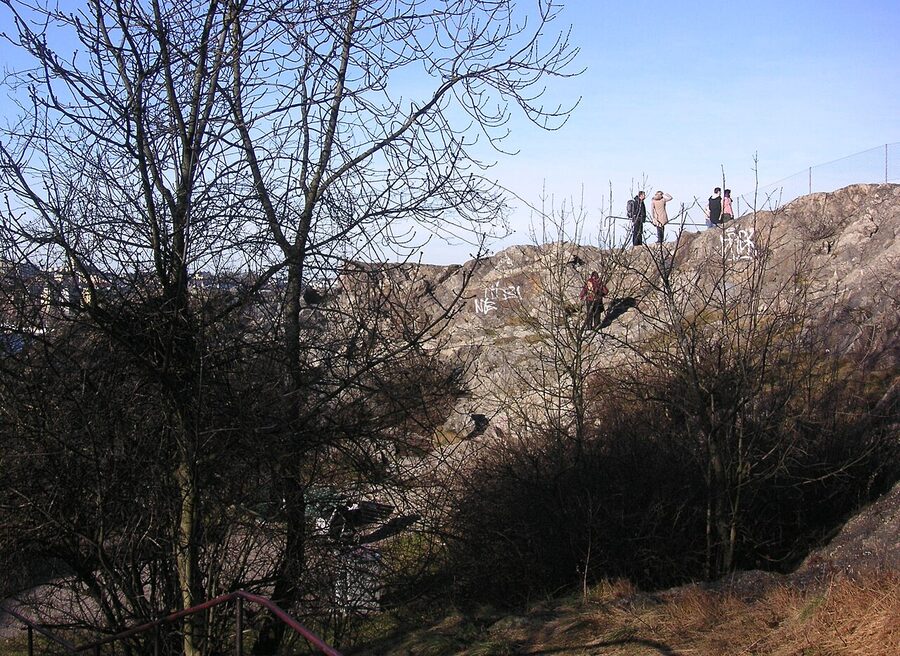
Start at Skinnarviksberget, a granite outcrop on the north shore. From Mariatorget metro it’s a 10-minute walk west and uphill. This is the highest natural point in central Stockholm at 53 metres. On a clear morning the view runs from City Hall in the north-west all the way along Riddarfjärden to the harbour. Stockholmers come here in the evenings with picnics and cheap wine. Mornings are quieter and the light is better for photos because the city is to the east of the rock.
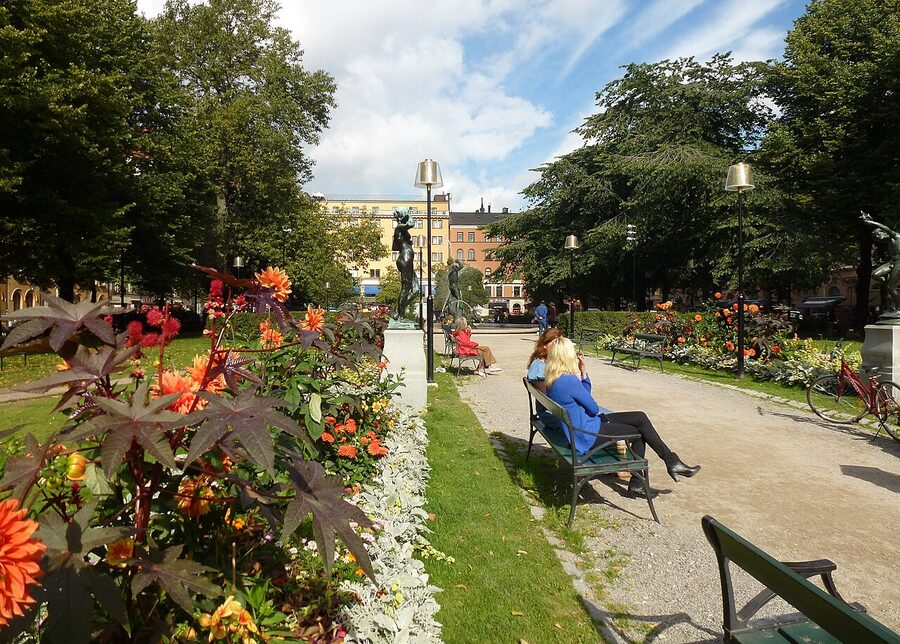
From Skinnarviksberget, walk back through Mariatorget and aim east for the SoFo grid (the streets south of Folkungagatan). This is Stockholm’s design district and it’s small enough to walk in 30 minutes if you don’t stop. The good shops are on Skånegatan, Bondegatan, Nytorgsgatan. Drop Coffee on Wollmar Yxkullsgatan does the third-wave thing properly, around 50 SEK (~€4.50) for a flat white. Coffee culture in Sweden is taken as seriously as in Melbourne.
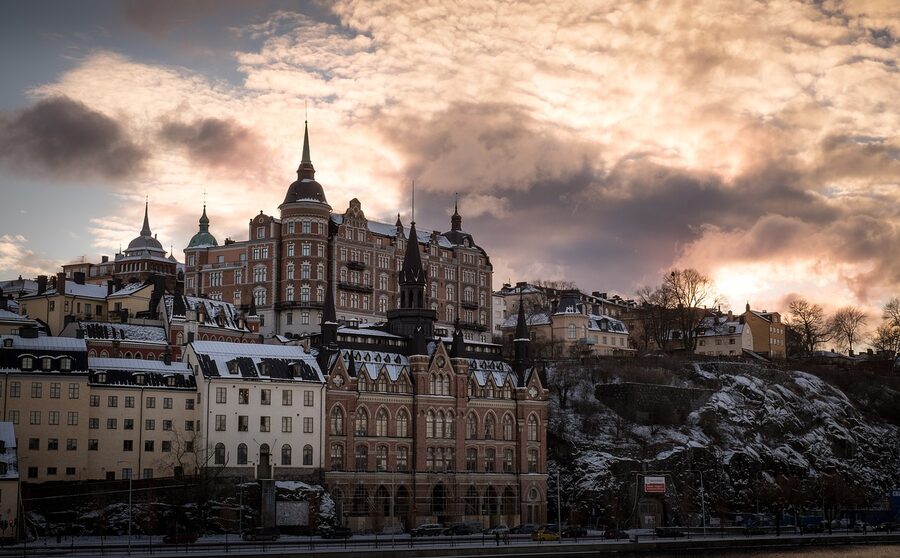
For lunch, the meatball question. Meatballs for the People (Nytorgsgatan 30) is the one most guides point at, and it’s actually good, not just hyped. They do venison, moose, and pork-and-beef versions for around 175 to 245 SEK (~€16 to €22) including the lingonberries, mash, and pickled cucumber. Booking ahead for weekends is a good idea, the queue at 12:30 on a Saturday is real. If you can’t get in, Pelikan on Blekingegatan does the older-Stockholm thing in a wood-panelled beer hall from 1733, mains 195 SEK (~€18).
Afternoon: Hornstull and the western edge
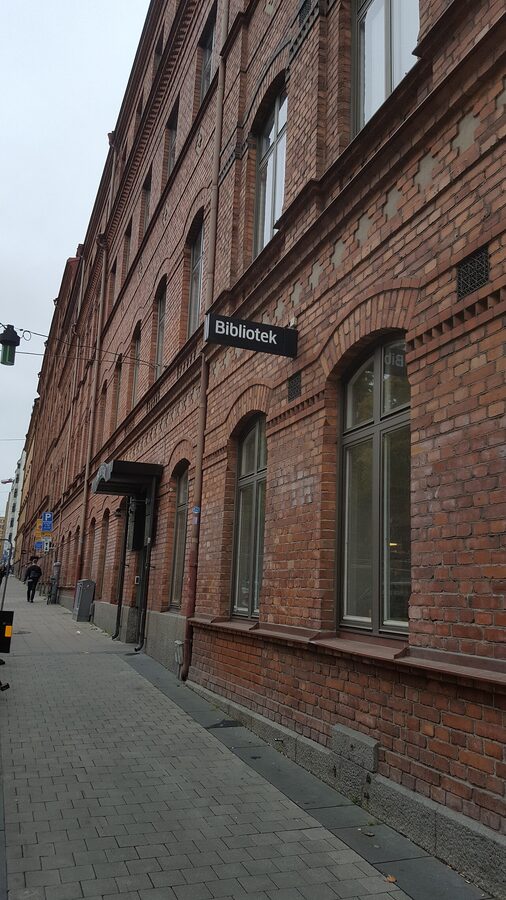
Walk or take the red metro line west to Hornstull. This is the residential end of Söder, less polished than SoFo, with cafés and a Sunday flea market on the waterfront from late April to September. For a deeper read of the area, the Hornstull and Södermalm walking guide covers the side streets, the second-hand shops, and the bars in detail. From Hornstull you can pick up the metro back east, or walk along Söder Mälarstrand if the light is good.
Evening: Mosebacke, Slussen, and the eastern viewpoints
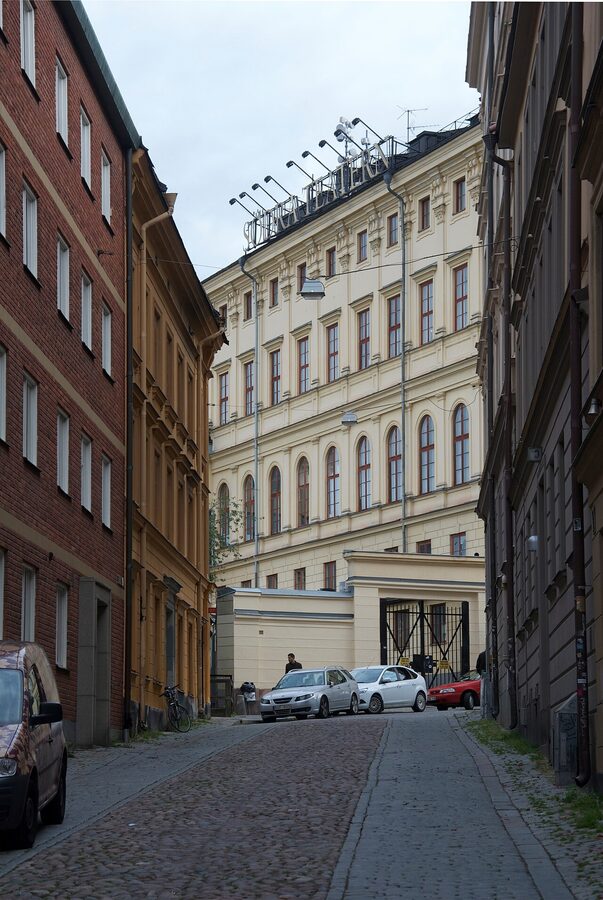
Late afternoon, head to Mosebacke Torg, a small square at the top of the Söder cliff. Södra Teatern is here, a theatre and live-music venue that’s run as a Stockholm cultural institution since the 1850s. The terrace bar (open May to September) has the best afternoon view of Gamla Stan from the eastern side. From Mosebacke you can walk five minutes east along the cliff edge to Fjällgatan, another viewpoint that locals tend to send you to instead of Monteliusvägen because it’s quieter.
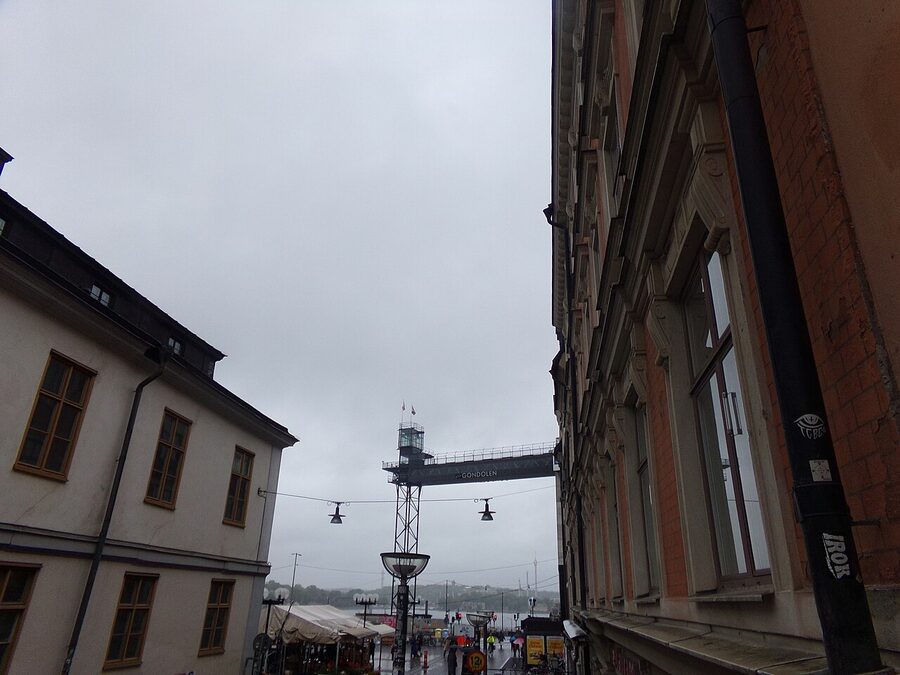
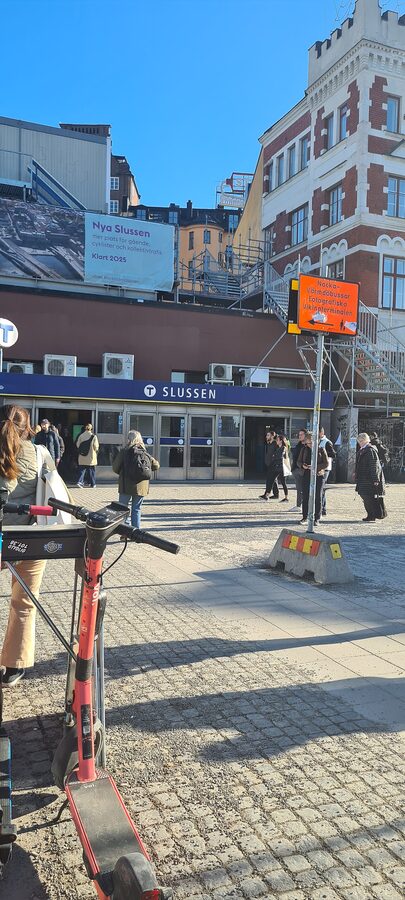
Drop down to Slussen for the evening. Slussen is the locks and transport hub between Söder and Gamla Stan, and it’s been under near-permanent reconstruction since 2015 (the project finishes in 2026, so by the time you read this you may be using the new public square). Above it, on the cliff edge, sits Gondolen, the bar-and-restaurant on top of the Katarinahissen lift. Cocktails are 165 SEK (~€15) and the view is one of the best in the city. If you want dinner with the same view at less expense, Hermans Trädgårdscafé five minutes’ walk along the cliff is a vegetarian buffet (around 295 SEK / ~€27) with an outdoor terrace.
Day 3: Djurgården, Skeppsholmen, and the Vasa
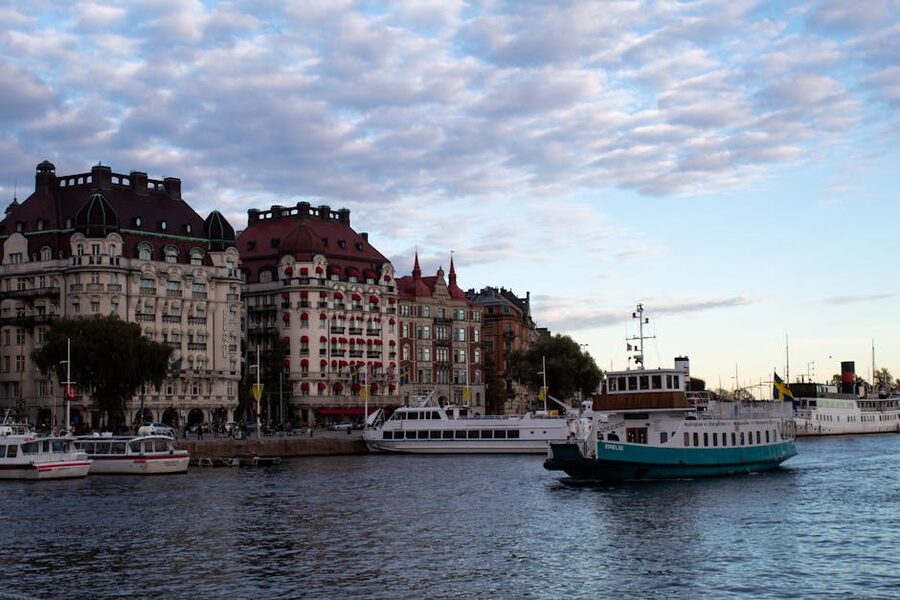
Day three is for the museum island. Djurgården is east of Östermalm, connected by a single bridge (Djurgårdsbron) and a few ferries. The four worth knowing about are the Vasa Museum, Skansen, the Nordic Museum (Nordiska Museet), and the ABBA Museum. You won’t do all four properly in a day. Pick two and one quick visit, in that order.
The Vasa, told properly
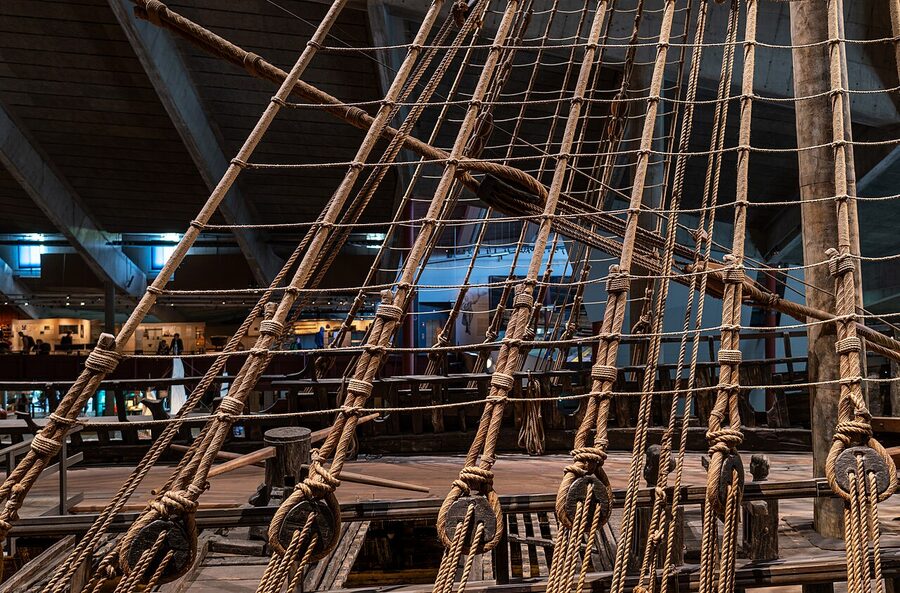
If you do one museum on Djurgården, do this one. The story is so good it’s almost too good. King Gustav II Adolf wanted the most powerful warship in Europe. The Vasa was built to his specs in Stockholm between 1626 and 1628. On 10 August 1628 it set sail on its maiden voyage. It made it 1,300 metres from the dock before a moderate gust blew it onto its side. Water poured in through the lower gun ports. It sank in front of about 10,000 people who had come to watch the launch. Around 30 of the 150 on board drowned. The ship was top-heavy. Everyone had known it was top-heavy. The captain had known. The shipwright had known. The king had been told and ignored it. None of this came out at the inquiry, which is what inquiries are for.
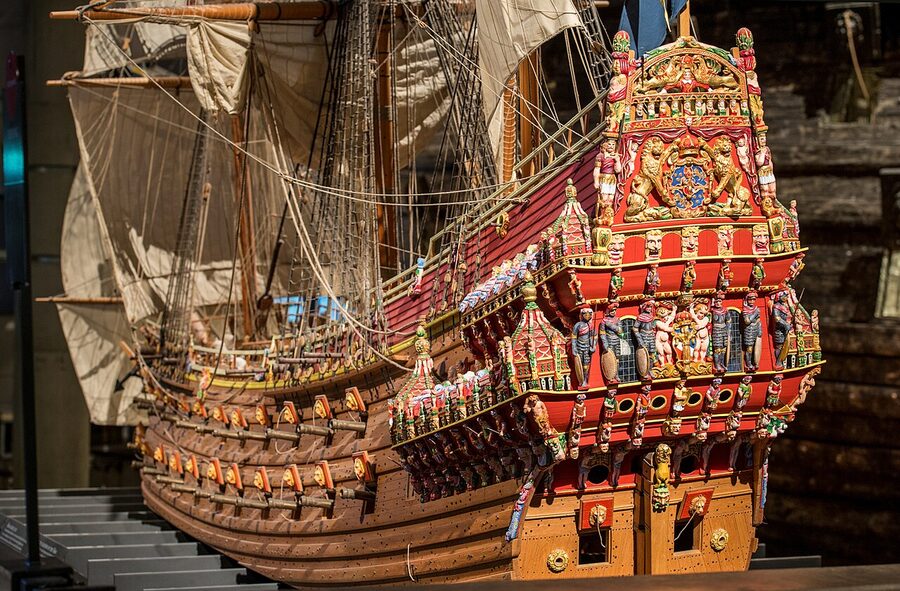
The ship sat on the seabed in 32 metres of cold, low-salinity Baltic water for 333 years. The Baltic doesn’t have shipworms, the small marine creatures that eat wooden hulls in salt water. So the Vasa survived. Marine archaeologist Anders Franzén located it in 1956 and the salvage operation finished in April 1961. Today the ship is 98% original timber. It’s the only intact 17th-century warship anywhere in the world. The museum is built around it like a hangar, with six floors of viewing platforms so you can see the ship at gun-deck level, at quarterdeck level, and from above. Allow at least 90 minutes. The 16-minute documentary on the ground floor (in eight languages) is genuinely worth watching first, it gives you the salvage story and the visit makes more sense after.
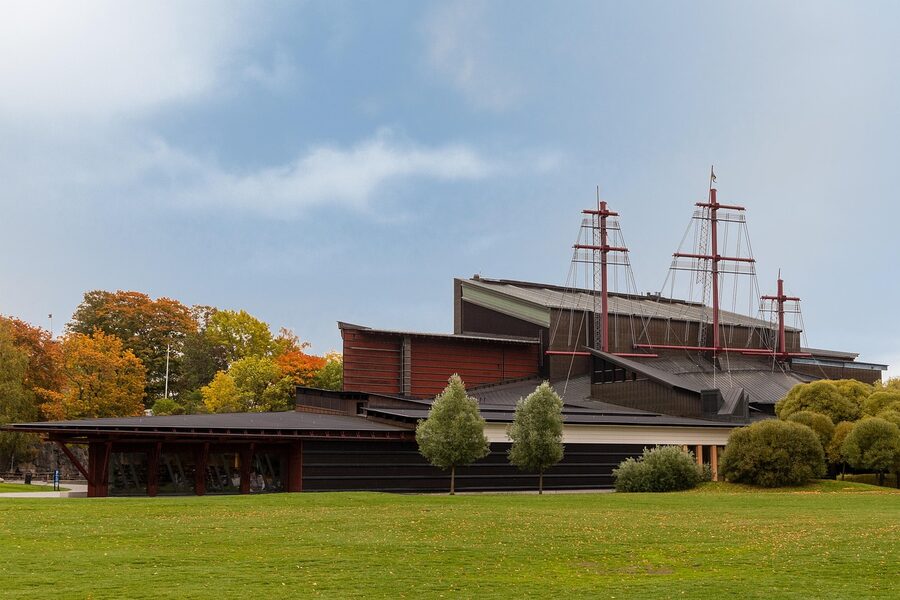
Practical: open daily, 230 SEK (~€21) in summer (May-September), 195 SEK (~€18) the rest of the year. Open 08:30 to 18:00 in summer, 10:00 to 17:00 in winter, and Wednesdays until 20:00 year-round. Book in advance in summer or you’ll queue 45 minutes. The museum is included in the Go City Stockholm pass if you’re doing four or more attractions.
Skansen, the Nordic Museum, and the ABBA question
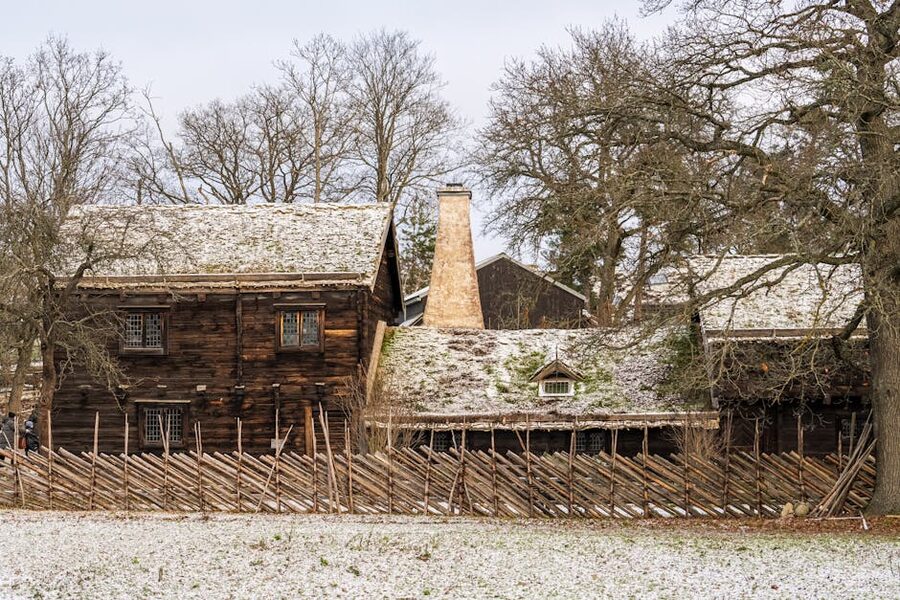
Skansen is the world’s first open-air museum, opened in 1891 by Artur Hazelius. It’s 75 acres of buildings transplanted from across Sweden (farmhouses from Dalarna, a Sami camp, an entire 1930s Stockholm urban block) plus a Nordic-fauna zoo with brown bears, wolves, lynx, and elk. Whether to do it depends on the season. In summer it’s a busy outdoor museum with crafts demonstrations, glass-blowing, and folk music. In winter it goes quiet and atmospheric, with the Christmas market running through December. If you’re with kids, do Skansen and skip the Nordic Museum. If you’re not, do the opposite.
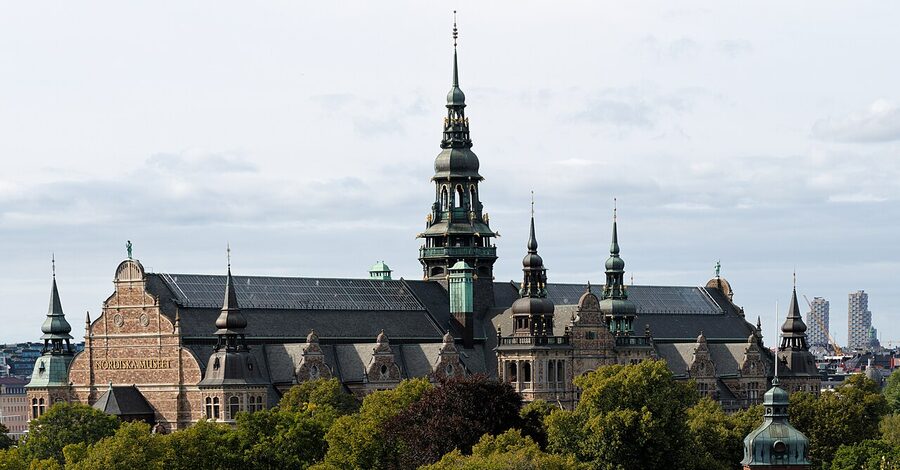
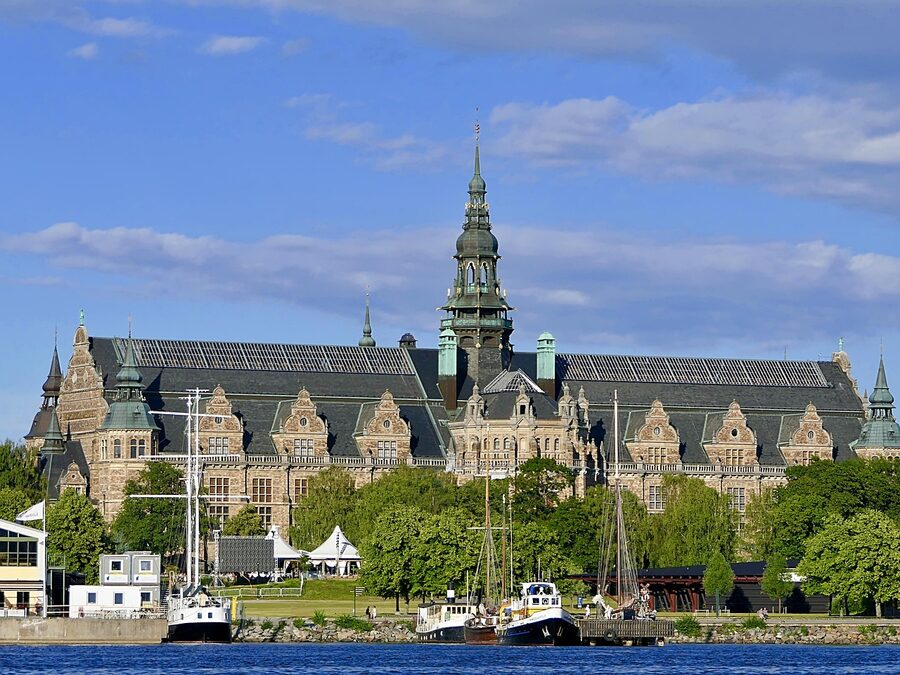
The Nordic Museum (Nordiska Museet), 200 metres from the Vasa, is the deeper read of Swedish material culture. Six floors covering food, fashion, folk life, the Sami, and the 20th century, all in a single neo-Renaissance building that was deliberately built to look like a cathedral when it opened in 1907. Entry 160 SEK (~€14). I’d give it 90 minutes. The temporary exhibitions tend to be excellent, the permanent collection is comprehensive enough to be tiring.
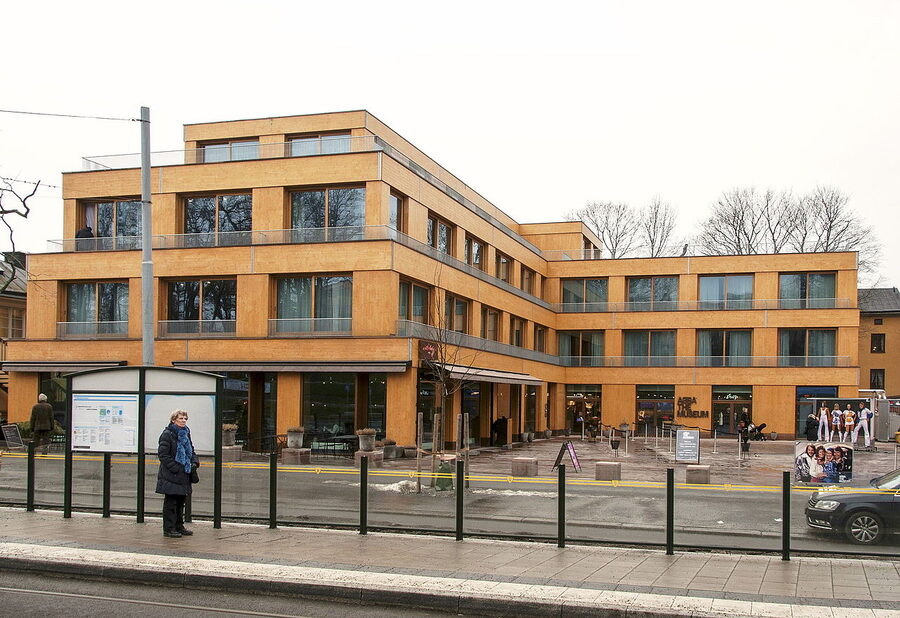
The ABBA Museum is the polarising one. Tickets are 280 SEK (~€25), which is steep, and it’s effectively a 90-minute walk through the band’s career with karaoke booths and the original Eurovision-winning costumes from 1974. If you grew up with ABBA or have any affection for them at all, it’s a good time. If you’re indifferent, skip it. There’s no middle ground here.
Skeppsholmen and the photography museum
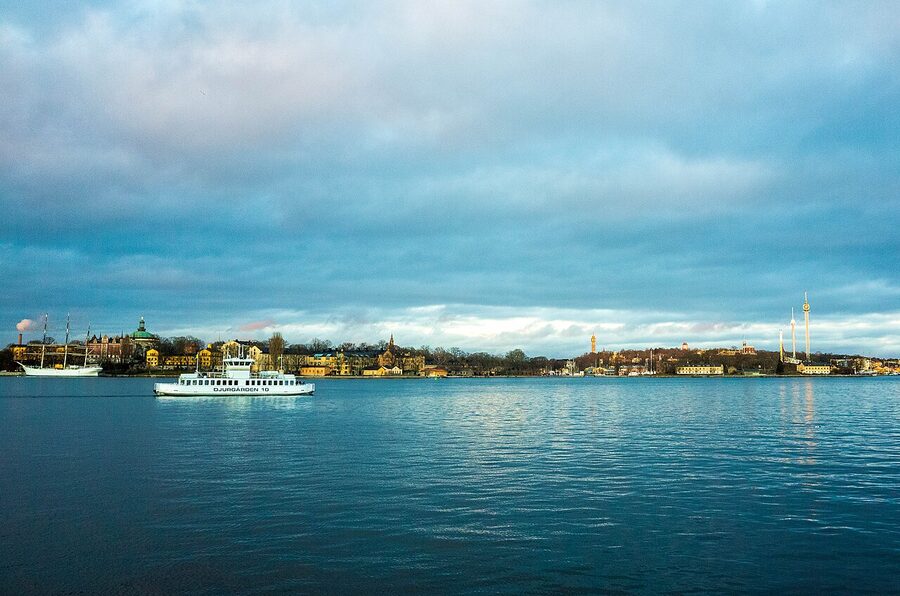
Skeppsholmen, the small island between Djurgården and Gamla Stan, is connected by ferry and by a footbridge from Östermalm. It’s almost entirely museums and parkland. The Moderna Museet (Museum of Modern Art) is here, with one of Europe’s best 20th-century collections (Picasso, Dali, Andy Warhol’s Brillo Boxes, plenty of Swedish artists you won’t have heard of) and free entry to the permanent collection. Worth two hours if modern art is your thing. The whole island is a 30-minute walk and one of the most peaceful pockets in central Stockholm.
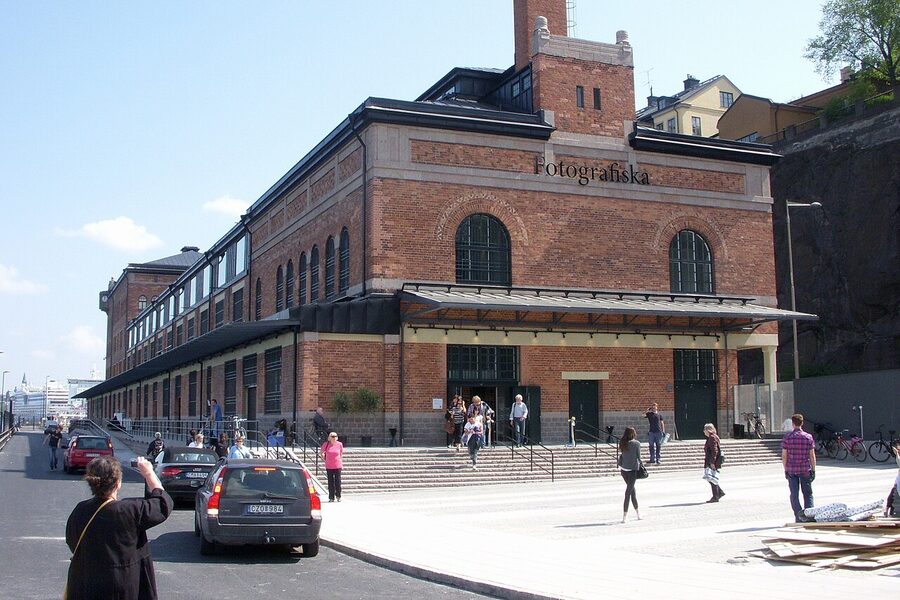
If you have evening energy, end day three at Fotografiska, on the Söder waterfront opposite Skeppsholmen. It’s a contemporary photography museum with no permanent collection, just rotating exhibitions, and it’s open until 23:00 every single night. Tickets 195 SEK (~€18). The top-floor restaurant takes Stockholm dining into the price-of-tasting-menu territory, but the bar at the same level is reasonable for an after-museum glass and the view across the water to Gamla Stan is the best you’ll get from inside a building.
The history that makes the city make sense
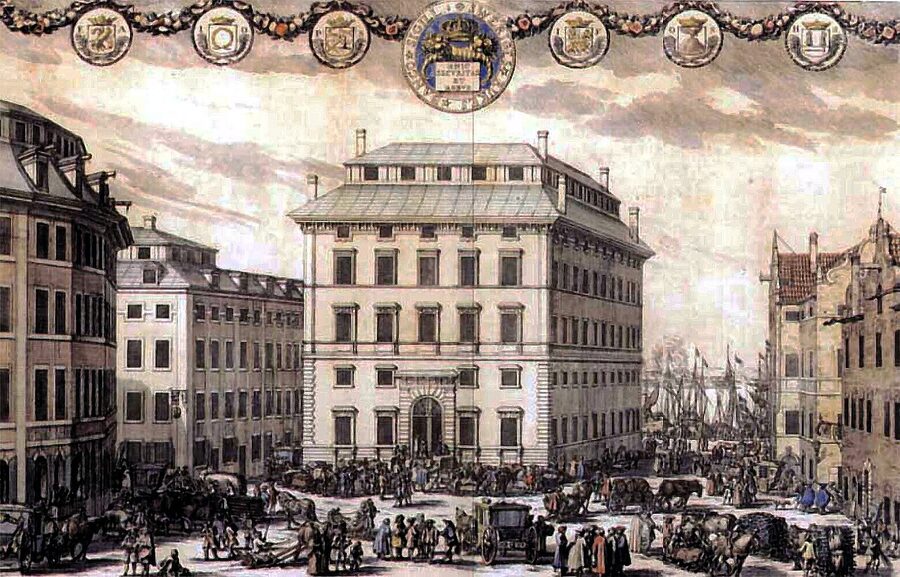
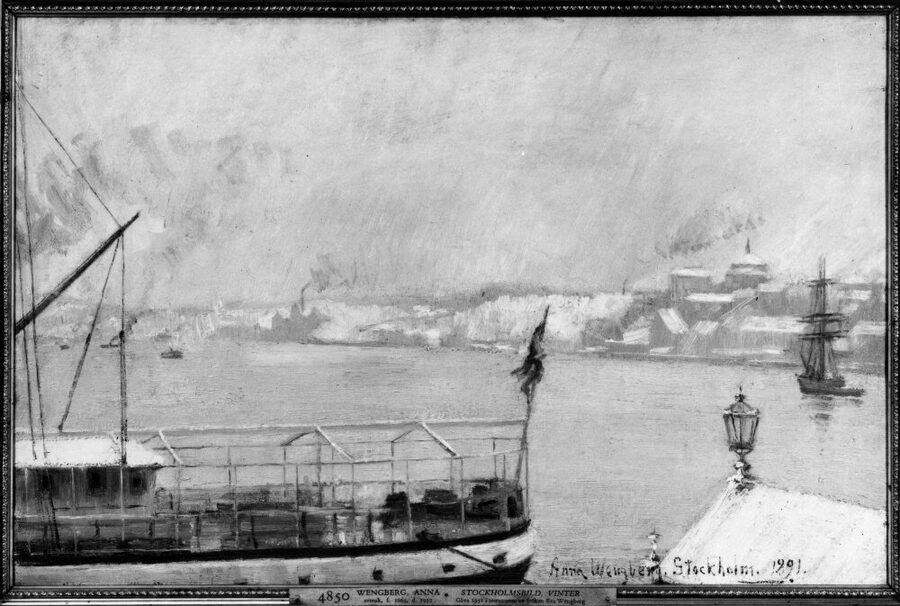
It helps to know the broad arc. Stockholm was founded in 1252 by Birger Jarl, the regent who effectively ran Sweden during the minority of his nephew. He fortified the small island known today as Gamla Stan because it controlled the entrance from the Baltic into Lake Mälaren, and therefore the mining and trade route into the Swedish interior. The city grew slowly until the 17th century, when Sweden became, very briefly, a great power. Gustav II Adolf (the same king whose vanity sank the Vasa) modernised the army, intervened in the Thirty Years’ War, and turned Sweden into the dominant power in the Baltic. His daughter Queen Christina made Stockholm the permanent capital in 1634. The Suecia Antiqua engravings above are from this period and show a city that’s recognisably the Gamla Stan you’ll walk through today.
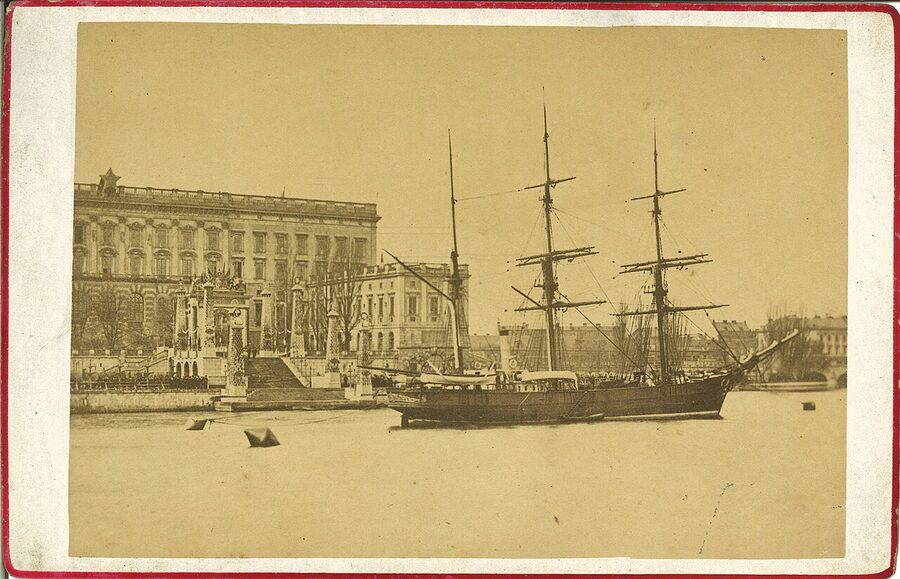
One darker corner you’ll walk over without noticing. The Stockholm Bloodbath happened on Stortorget on 8 and 9 November 1520. Christian II of Denmark, having just been crowned king of a unified Kalmar Union, invited about 80 Swedish nobles to a banquet at the Royal Palace. After the dinner, on the morning of the 8th, they were arrested, tried for heresy, and executed in the square. The killings continued for two days. Within three years, Sweden had broken from the Union, elected Gustav Vasa as king, and started its 500-year run as an independent state. There’s a small plaque on the building at Stortorget 20.
The metro art tour, in 90 minutes
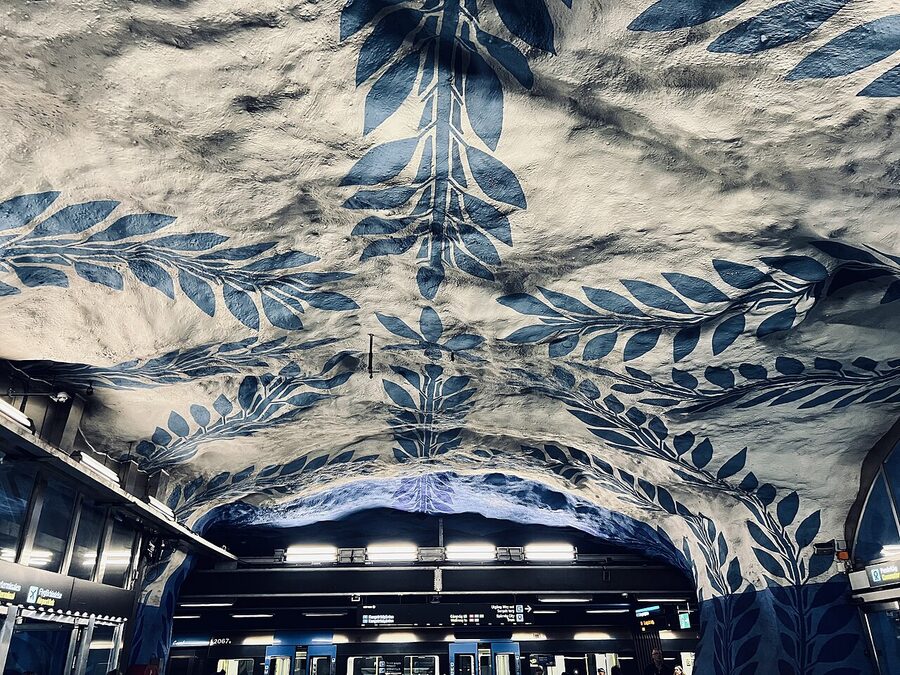
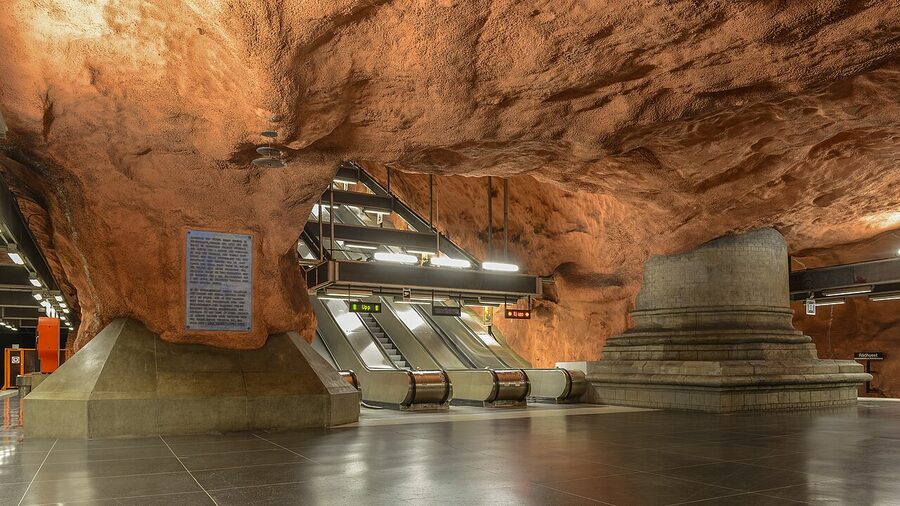
If you have a couple of free hours on any day, do the metro art tour. Of Stockholm’s 100 metro stations, around 90 have permanent artwork commissioned at the time of construction, making the system the longest art gallery in the world (110 km). It’s covered by your SL pass. There’s no special ticket and no time pressure. You can do five or six of the best in 90 minutes. My recommended loop:
- Start at T-Centralen. Stay on the blue line platform. The blue vines on white-washed cave walls are the most-photographed metro art in Sweden.
- One stop on the blue line to Rådhuset. Looks like a cave because it is one. The red plastered ceiling and exposed bedrock look like an archaeology site.
- Continue on the blue line three more stops to Solna Centrum. The whole station is painted with a 1km-long mural of red sky and green forest, with little scenes of 1970s Swedish rural life sketched into the green band.
- Take the blue line back to T-Centralen, switch to the red line, three stops to Stadion. The platform ceiling has a rainbow against blue sky.
- Red line one stop back to Tekniska Högskolan (the engineering university) for the geometric Da Vinci-inspired pieces, then on to Kungsträdgården on the blue line for the surreal mossy archaeological-ruin theme.
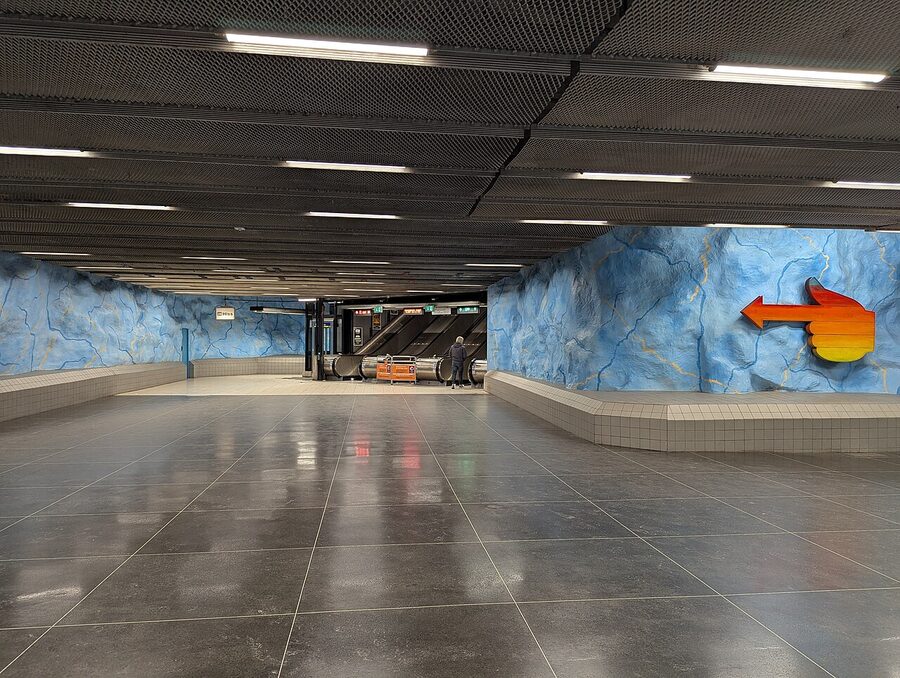
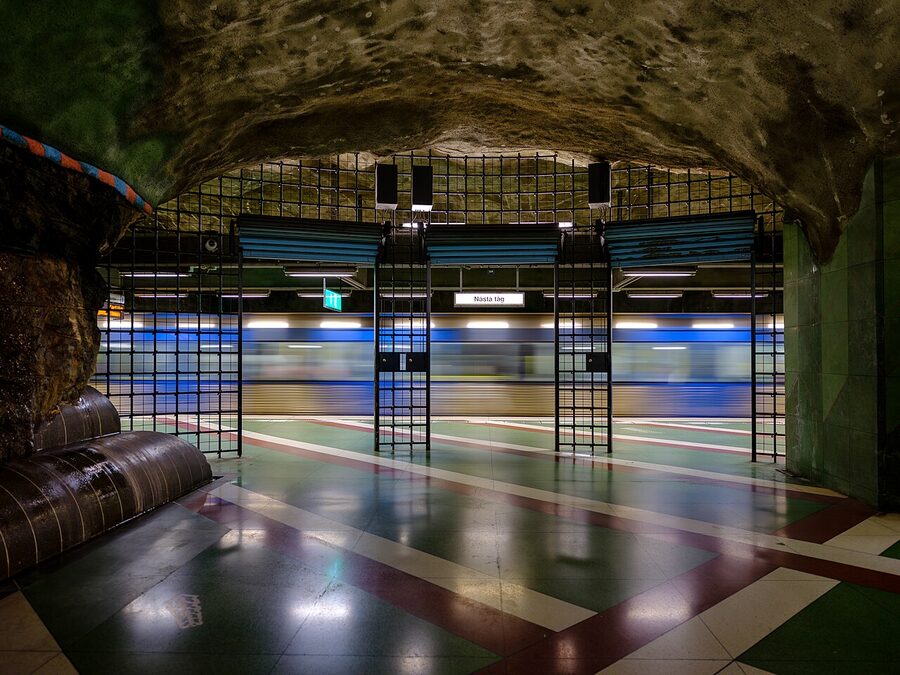
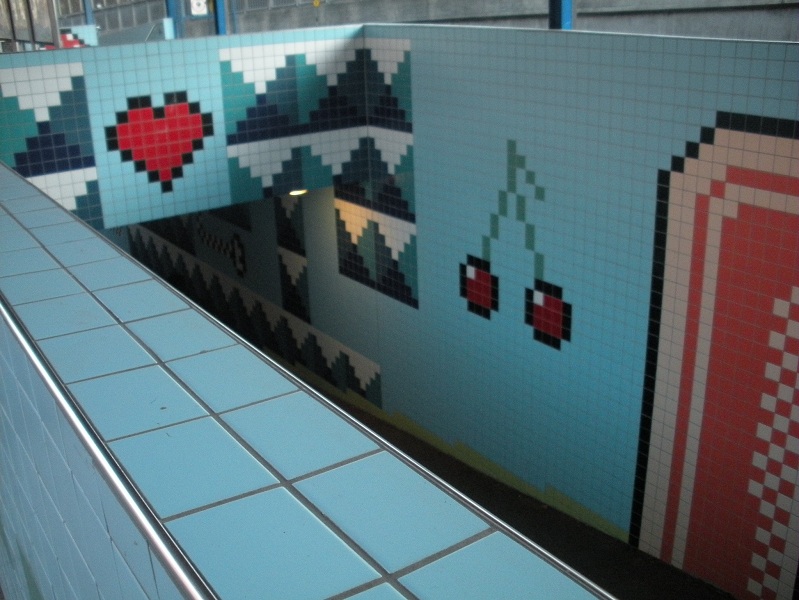
Bonus: Solna centrum on the blue, Tensta for the world-music murals if you’re going further north, and Thorildsplan if you want the pixel-art station that looks like an 8-bit video game. Don’t try to do all 90 stations. Five or six and you’ll have the idea.
Where you’ll actually want to eat
Stockholm restaurants come in three rough tiers: the lunch-deal tier (around 130-160 SEK / ~€12-€14 for a substantial set lunch, the way most Swedes eat at midday), the mid-tier (mains 200-300 SEK / ~€18-€27), and the proper-dinner tier (380 SEK and up). The lunch-deal tier is your friend on a three-day trip. It’s how you get to eat at places that would be 50% more expensive if you went for dinner.
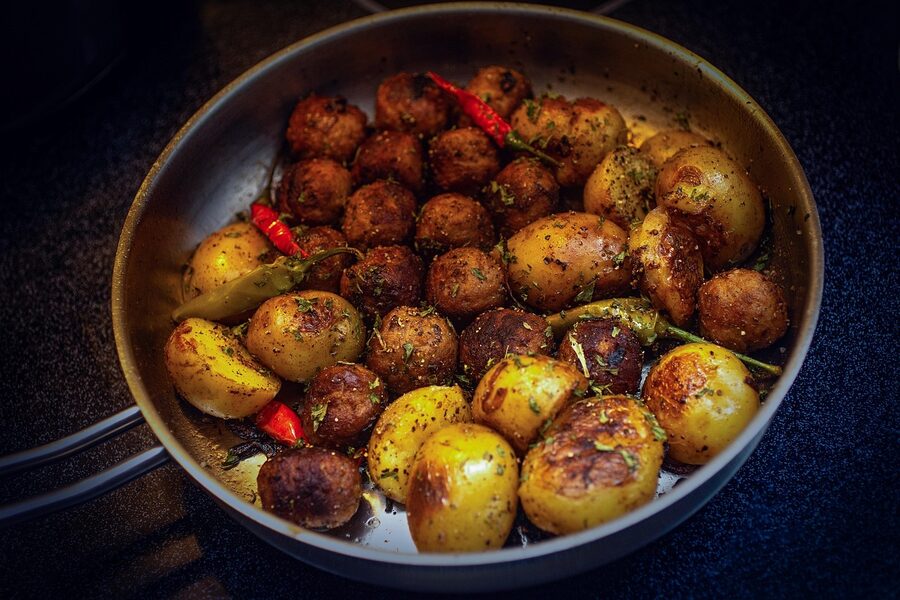
For Swedish meatballs (köttbullar), the verdict from three days of testing: Meatballs for the People on Söder is genuinely the best touristy choice. Pelikan, also Söder, is the older-Stockholm version. Tradition in Gamla Stan is the modern Nordic version with reindeer mousse and pickled herring on the same plate. Avoid anything on Västerlånggatan with menus in eight languages, the meatballs there are pre-made and the lingonberry jam comes from a packet.
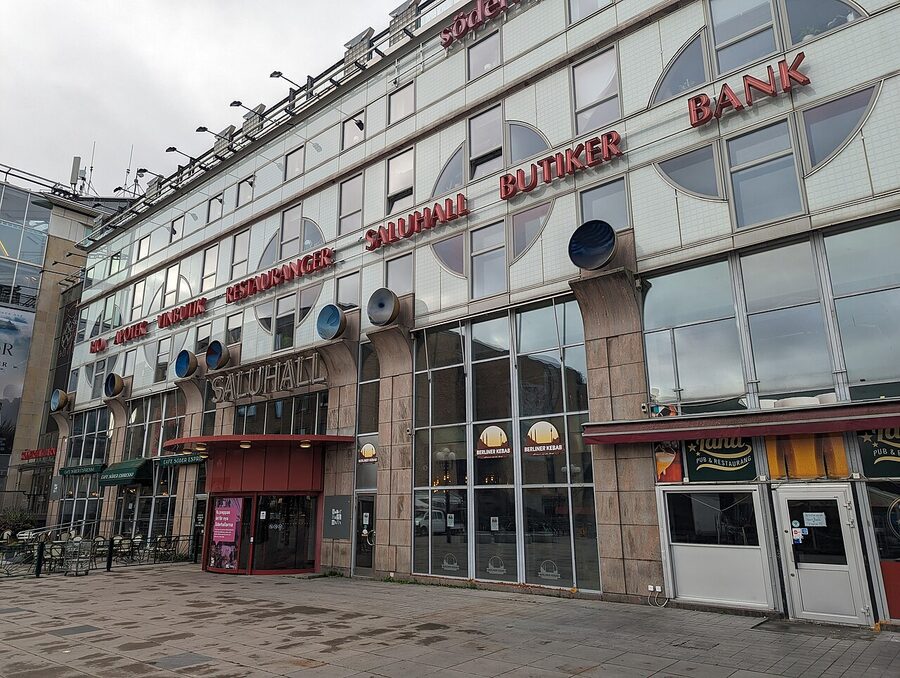
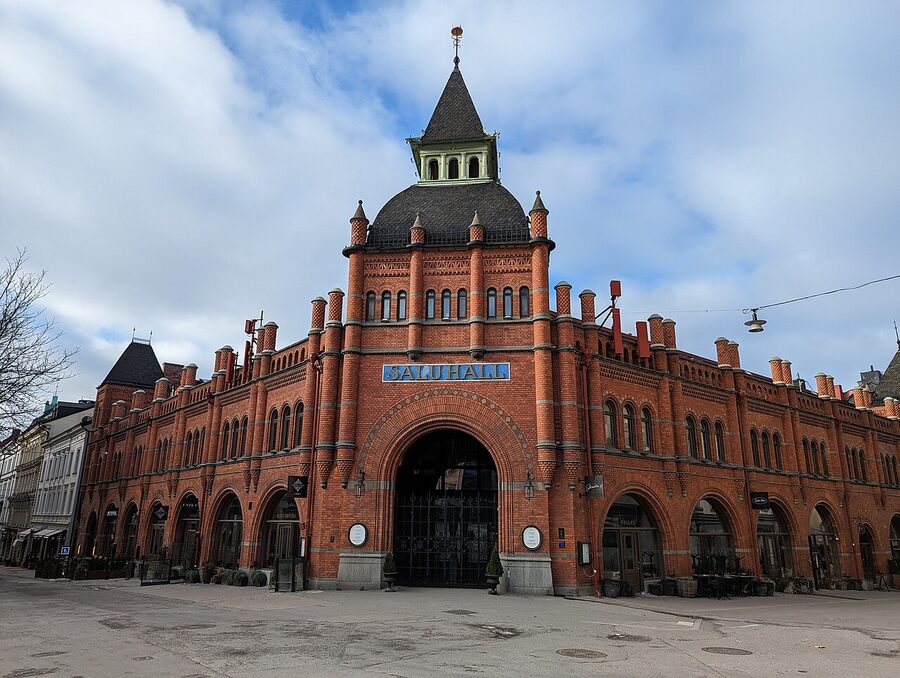
For the food-hall version, both saluhalls are worth a lunch. Östermalms Saluhall (Östermalms torg) is the grand 19th-century one, restored in 2020, with Lisa Elmqvist (the famous seafood place) and a dozen smaller counters. Better for browsing than for cheap lunch. Södermalms Saluhall at Medborgarplatsen is the everyday version, smaller and cheaper, with a Vietnamese counter that does a good lunch noodle bowl for around 130 SEK (~€12).
Fika is real, here’s how to do it
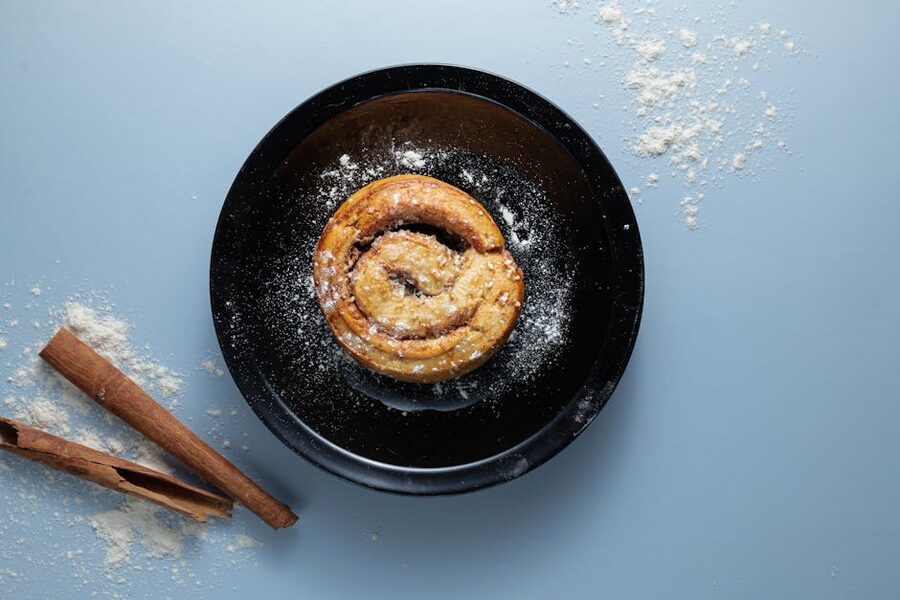
Fika is a coffee-and-pastry break that Swedes take seriously enough to schedule at work. It’s usually around 15:00 to 16:00, lasts 20 to 30 minutes, and is mostly an excuse for sitting down and talking. The classic order is a cinnamon bun (kanelbulle) and a black filter coffee, around 70 SEK (~€6.50) total at most cafés. The cardamom version (kardemummabulle) is having a moment and is, unscientifically, better.
For where to fika: Vete-Katten on Kungsgatan in Norrmalm has been doing this since 1928 and is the classic. Lillebrors Bageri on Roslagsgatan does the best cardamom buns in the city, with a queue to match (worth it, in winter especially). Drop Coffee on Söder for the third-wave version. St:Paul Bageri on Sankt Paulsgatan is small and consistent and full of Swedes, which is the test.
The neighbourhoods you should walk around even if you don’t have an obvious reason
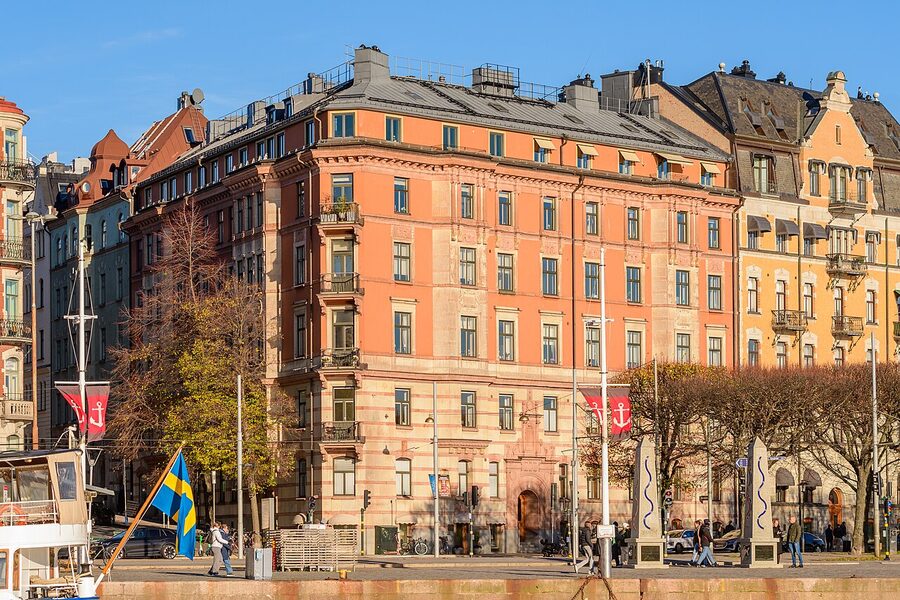
Östermalm is where you go to see the wealth side of Stockholm. Strandvägen, the Belle Époque boulevard along the water, is genuinely beautiful, and the side streets between Karlavägen and Karlaplan are full of art-nouveau and national-romantic apartment buildings. There aren’t really tourist sights here apart from Östermalms Saluhall and the Hallwyl Museum (a turn-of-the-century palace-house, frozen as a museum since 1938, free entry, properly weird and worth an hour). Walk Strandvägen at sunset.
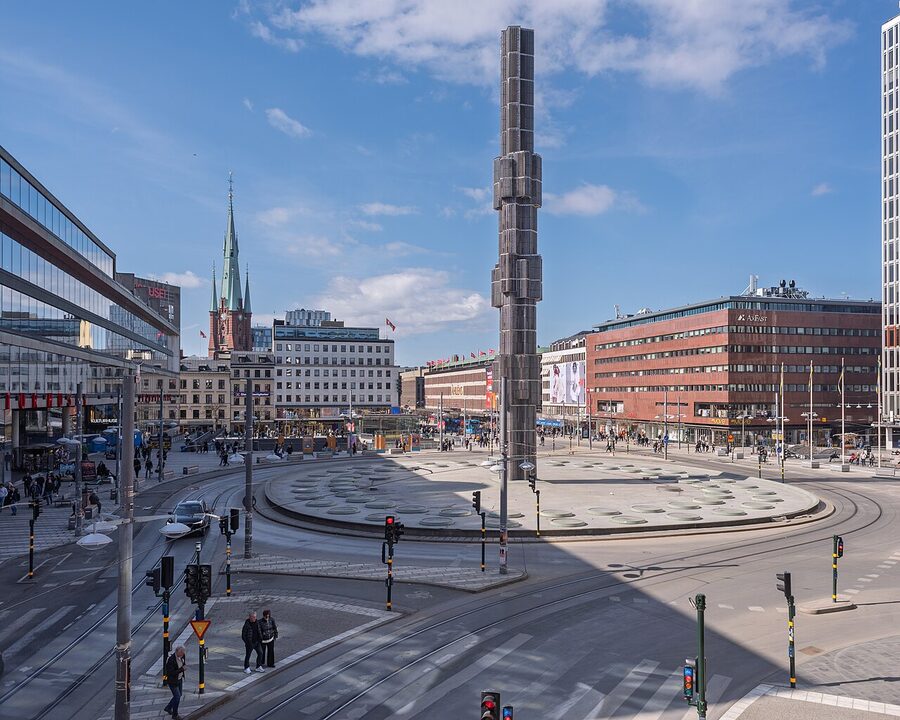
Norrmalm, the modern centre, is where you’ll change trains and probably eat at least one chain meal. Worth a walk on its own merits. Drottninggatan is the main pedestrian shopping street, Sergels Torg is the modernist square that everyone has an opinion on (the architectural establishment hates it, the public hates it, it’s still here), and Kulturhuset on the south side has rotating art and architecture exhibitions and a cheap café. The Royal Library (Kungliga Biblioteket) in Humlegården is free and has a reading room you can sit in.
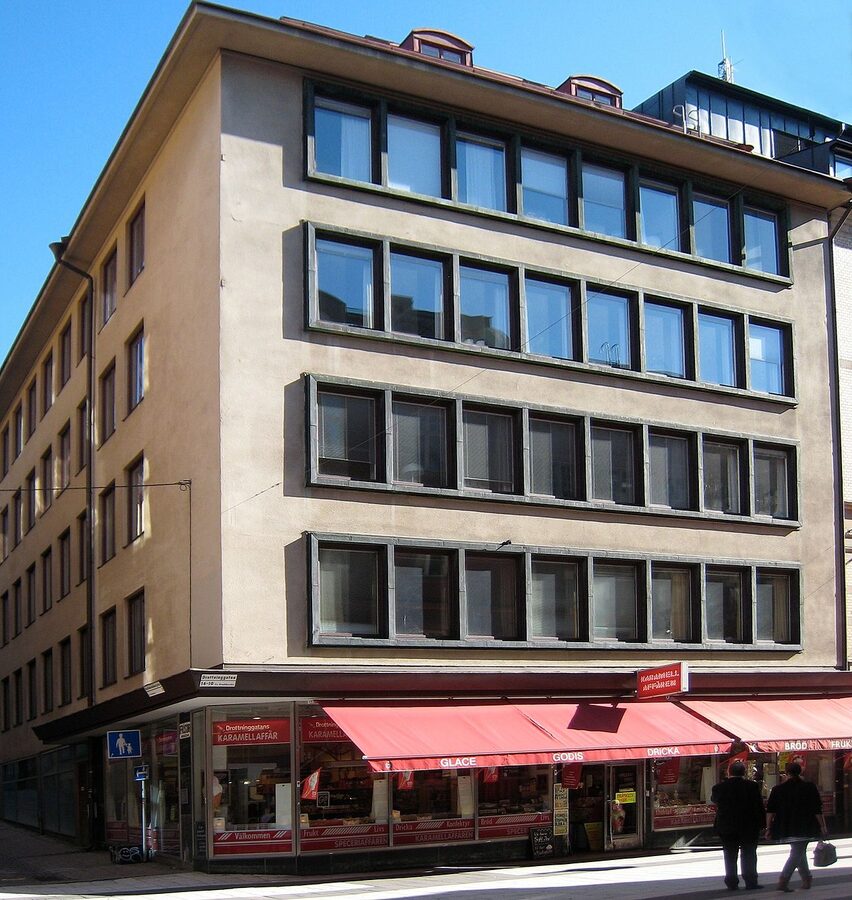
Kungsholmen, the island just west of Norrmalm, is the residential one nobody tells you to visit. The City Hall is here, but most people leave immediately after seeing it on day one. The walk along Norr Mälarstrand, the waterfront promenade west of City Hall, is lovely on a clear afternoon, with views back to the Old Town. Mälarpaviljongen, a summer floating bar at the western end, is one of the best sunset places in the city.
Where to stay, by neighbourhood
Picking the right area is half the work. The shorter version: stay in Söder if you want quiet, atmosphere, and good restaurants nearby; stay in Norrmalm if you want walkable access to the central station and Gamla Stan; stay in Östermalm if you want fancy. Avoid the airport hotels and the big chains in suburban areas, the saving you make in price you lose in commute time.
Söder, mid-range: Hotel Frantz, a member of WorldHotels Crafted, is in a quiet street in Maria district with the Slussen interchange a 10-minute walk away. Rooms are modern Scandinavian-design with proper insulation. From around 1,800 SEK (~€164) for a double in shoulder season.
Söder, mid-range with character: Hotel Hasselbacken is on Djurgården, in a 19th-century manor-style building right next to Skansen and the Vasa Museum. The location is a 15-minute walk from central Söder but the trade-off is being directly next to Day 3’s main museums. From around 2,200 SEK (~€200).
Norrmalm, design hotel: Downtown Camper by Scandic on Brunkebergstorg is a Scandic-run design hotel, with bike rental and an indoor sauna and pool, three minutes from the central station. From around 2,000 SEK (~€182).
Skeppsholmen, splurge: Hotel Skeppsholmen is a converted 17th-century naval barracks on the small island next to Gamla Stan. Quiet, expensive, and unrivalled for atmosphere if you’re prepared to pay 3,200 SEK and up (~€290).
Budget-friendly: Generator Stockholm, a hostel-hotel hybrid on Torsgatan in Norrmalm, has private rooms from around 900 SEK (~€82) and dorm beds from 350 SEK (~€32). It’s young, clean, and walkable to the central station.
Practical: airport, money, weather, the bits nobody finishes
Stockholm has three airports. Arlanda (40 km north) is the international one and the only one you should fly into if you have a choice. The Arlanda Express train is 18 minutes door-to-door from terminal to Stockholm Central, 340 SEK (~€31) one-way, 540 SEK (~€49) return. It’s the fastest. Flygbussarna coaches do the same in 45 minutes for 129 SEK (~€12) one way and run every 10-15 minutes during the day. The metro from Arlanda exists but takes about an hour and an extra airport supplement of 147 SEK (~€13) on top of your SL pass, which makes it worse than the bus on every dimension. Skavsta is 100 km away and used by Ryanair and other low-cost carriers. The Flixbus from there is 80-90 minutes and around €8. Don’t accidentally book Skavsta thinking it’s Arlanda.
Money: Sweden uses the Swedish krona (SEK), not the euro. As of 2026, €1 is roughly 11 SEK. Pay with a card. Stockholm is one of the most cashless cities in Europe; some places (including the Vasa Museum gift shop) don’t accept cash at all. ATMs exist but you’ll likely never need them. Heads-up on alcohol: it’s expensive and the state monopoly Systembolaget is the only place to buy spirits and wine for off-premise consumption (closed Sundays in many neighbourhoods).
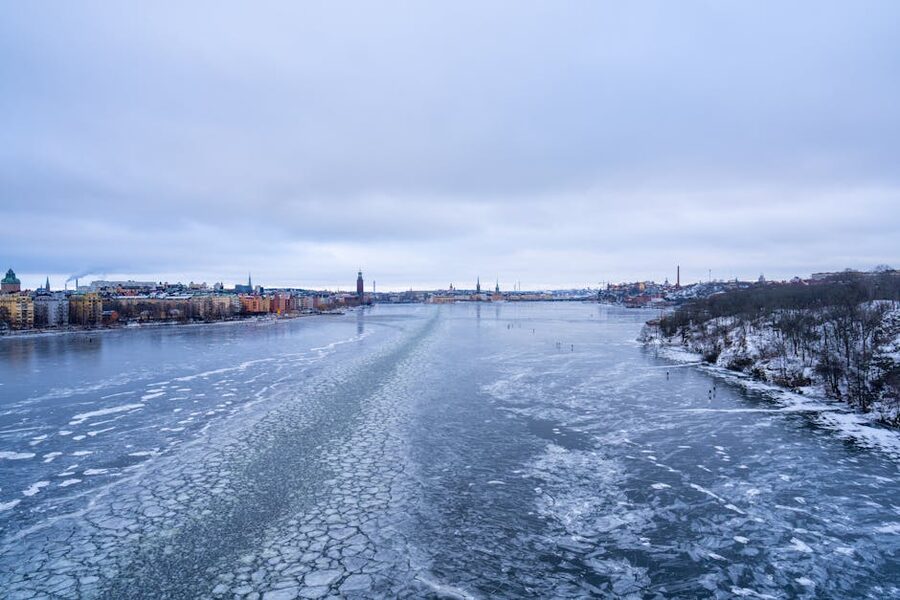
When to visit: June to August is peak season, with sunset around 22:00 and decent chances of warm dry weather. Crowds are heaviest in July when most of Sweden is also on holiday. Late May, early June, and September are the sweet spot, milder weather, fewer tourists, the museums and cafés all open, the days still long. November through February is dark (sunset 14:50 in late December) but cheaper, with proper Christmas markets at Stortorget and Skansen in December. The cold isn’t the problem; the dark is. Pack accordingly.
If you do visit in December, the Christmas markets are a genuine highlight. The Stockholm Christmas markets and the Stena Line ferry piece covers the Stortorget and Skansen markets in detail, plus the slightly mad option of doing a Christmas-themed mini-cruise from Stockholm to the archipelago.
If you have a fourth day: the archipelago, or take the ferry
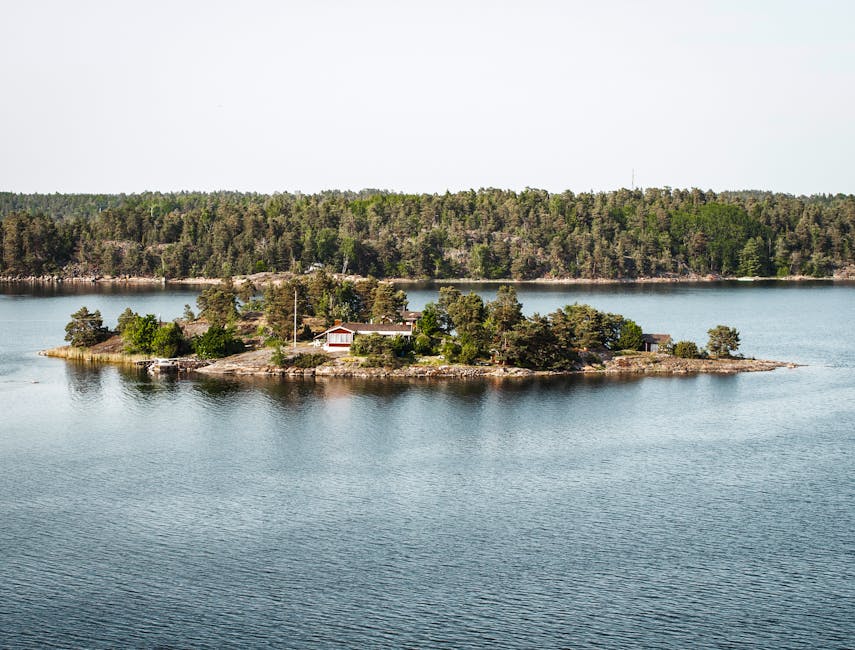
If you can stretch to four days, the Stockholm archipelago is the obvious extension. There are 30,000 islands of varying size in front of the city, and the close-in ones are easy day trips. Vaxholm is the closest archipelago town, an hour by ferry from Strömkajen, with a 16th-century fortress and a working fishing harbour. Sandhamn is two hours out, the sailing capital and the setting for the eponymous Swedish thriller series. Fjäderholmarna is 25 minutes out and is the most popular half-day option, an island of restored craft workshops and a microbrewery, easily done in an afternoon.
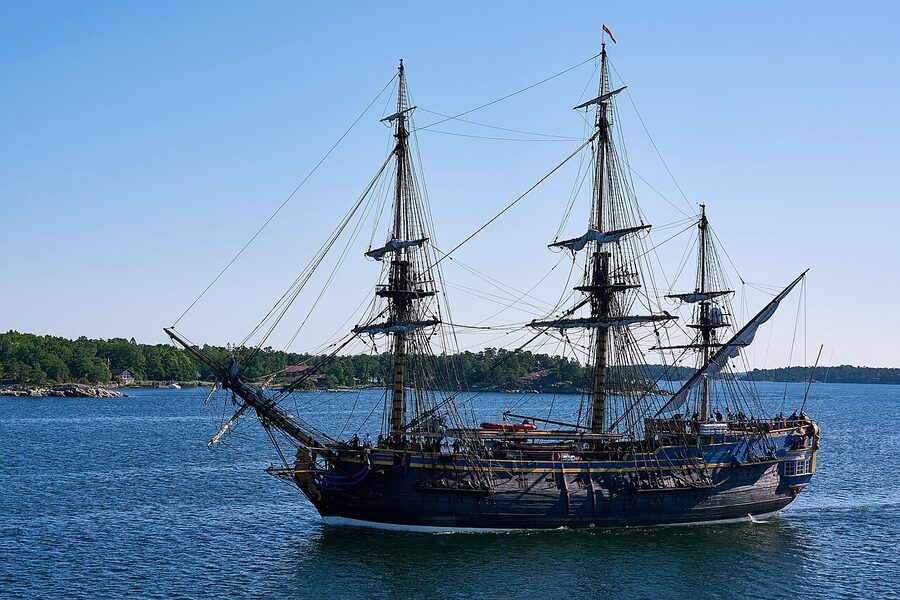
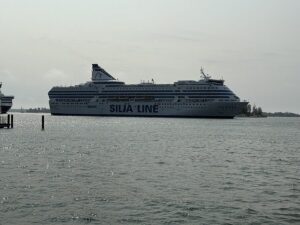
Or, if you’re chaining cities, take the overnight ferry to Helsinki. Silja Line and Viking Line both run 17-hour overnight crossings from Värtahamnen and Stadsgården respectively, with a ridiculously good buffet, a sauna, and a duty-free shop the size of a small Tesco. Cabins from around 75 SEK per person (~€7) on weekday off-peak sailings, more like 800 SEK (~€73) on summer Saturdays. The full breakdown is in the Stockholm to Helsinki overnight ferry piece. Combining Stockholm with Helsinki via a ferry is one of the better Nordic routings on the cheaper end. The Helsinki city pillar is at the Helsinki guide when you want to plan the other side of the trip.
If you’re aiming further north for the aurora, save Stockholm for either end of the trip and add Abisko in Swedish Lapland. The Tromsø versus Abisko comparison covers the practical version of that decision: Abisko has the better statistical odds because it sits in a rain-shadow microclimate, but Tromsø has more flights and more tour operators.
If you only do five things, do these
If, somehow, you’re cutting back from three days to two, here’s the unsentimental list. One: Gamla Stan as a morning, with Storkyrkan and Stortorget but skip the palace museums. Two: the Vasa, properly, with at least 90 minutes. Three: one Söder viewpoint, ideally Skinnarviksberget. Four: lunch at Meatballs for the People or Pelikan. Five: the metro art quick loop (T-Centralen, Rådhuset, Stadion, Kungsträdgården). Total time, if you’re a brisk walker, around 14 hours of actual sightseeing. You’ll be tired. You’ll see the city.
If you’re chaining Stockholm with the rest of the region, the natural pairs are Helsinki via ferry (cheapest, slowest, most fun), Copenhagen via the X2000 train (around 5.5 hours, daily, comfortable enough to work on), or Oslo via direct train (5-6 hours, scenic the whole way, surprisingly underused). The country guides for Copenhagen, Oslo, and Reykjavík cover the second-city versions of those trips when you want to keep going. For most travellers, three days in Stockholm and two in one of those is the right Nordic week.
Stockholm rewards the slower visit. The pretty bits are pretty in the same way most European capitals are pretty; the rewarding bits are the second-layer ones, the Söder cliff at sunset, the Vasa story told properly, the metro art that nobody flying in for a weekend has time for. Three days is the minimum to get past the postcard. Anything less and you’ve technically been to Stockholm. Three days and you’ve actually seen it.