
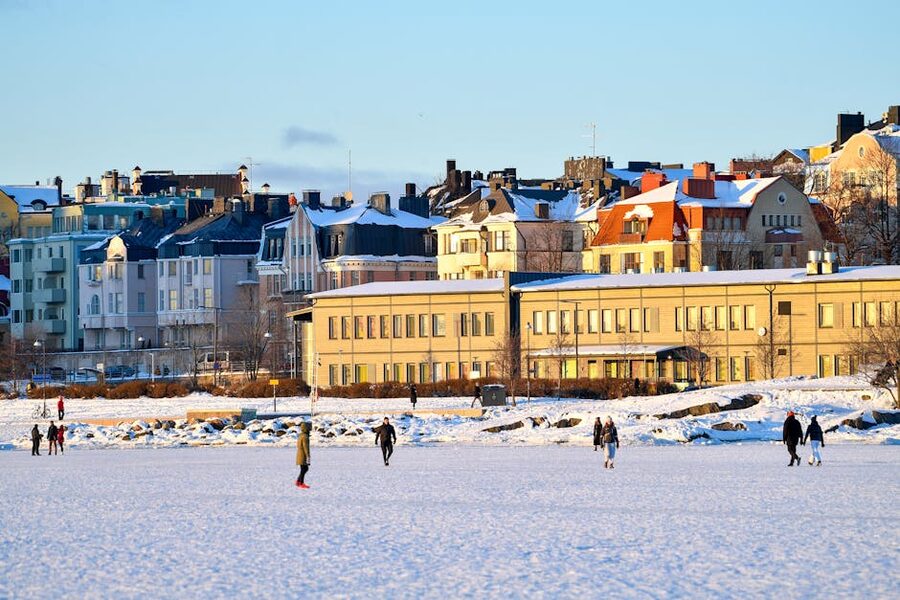
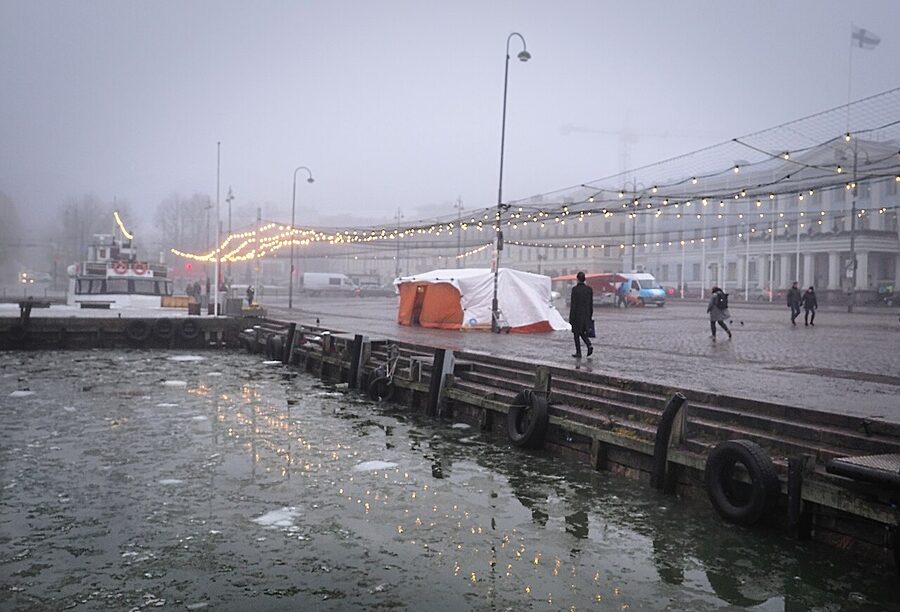
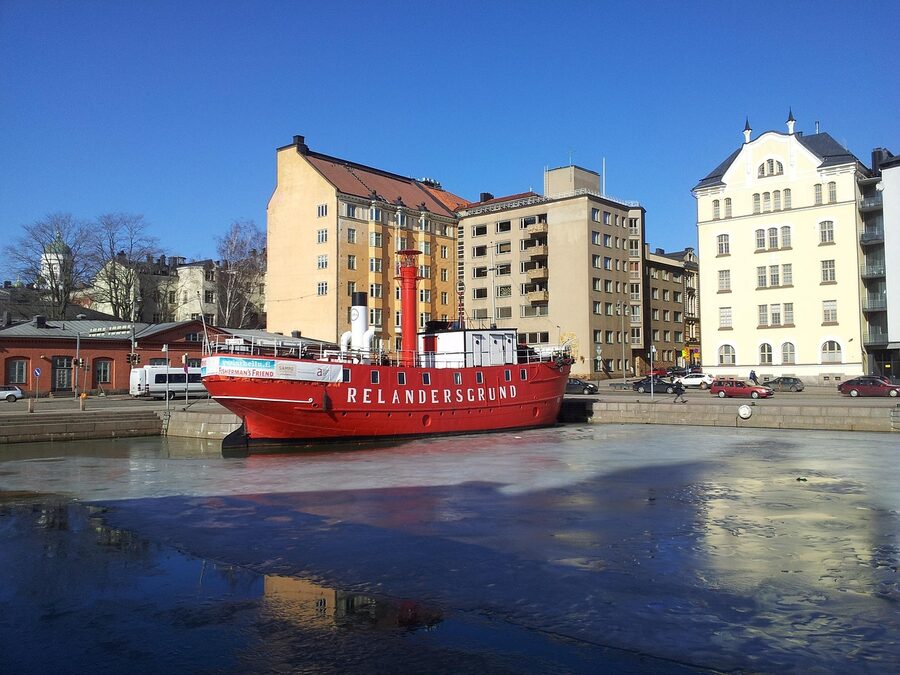
The first morning I stepped out of my hotel near the South Harbour, the sound was wrong. Not the diesel rumble of a Stockholm or Copenhagen waterfront. Just a slow, dry crunch, like crushing toast in slow motion. Pack ice, drifting in plates the size of dining tables, knocking against itself in the Gulf of Finland. A man in a suit was photographing it from the quay before catching the 08:42 ferry to Suomenlinna. Nobody else looked twice. That’s Helsinki in late February, and it’s the moment I stopped thinking of it as Stockholm’s quieter cousin.
If you’ve already done Stockholm and Copenhagen, you’ll find Helsinki sits oddly between the two and not where you’d expect. It’s smaller than both (Helsinki proper is about 660,000 people, the metro reaches 1.6 million), it’s flatter, it’s more concrete, it’s noticeably cheaper for food, and it leans east. Tsar Nicholas I rebuilt the centre in the 1810s after Finland passed from Swedish to Russian hands, which is why Senate Square looks like a piece of St Petersburg dropped at the top of the Baltic. Then independence in 1917, then 20th-century functionalism, then Marimekko, then Alvar Aalto. The city you walk today is a layer cake of all of that.
This is the third Nordic capital. Treat it that way and it rewards you. Treat it like a checklist of must-see buildings and you’ll wonder what the fuss is about by lunchtime.
In This Article
- Senate Square and the Russian-imperial centre
- The Design District: Punavuori, not a museum
- Suomenlinna: how to actually use the ferry
- Sauna as a daily thing, not a hotel-spa cliché
- The food, from Hakaniemi to the new wave
- Vappu, midsummer, dark January: the seasons aren’t a marketing line
- Practical bits: getting in, getting around, where to sleep
- Day trips, and why you might not want to
- A short history that helps you read the city
- Two more rooms in the city you should walk through
- If you’re chaining Helsinki with the others
Senate Square and the Russian-imperial centre
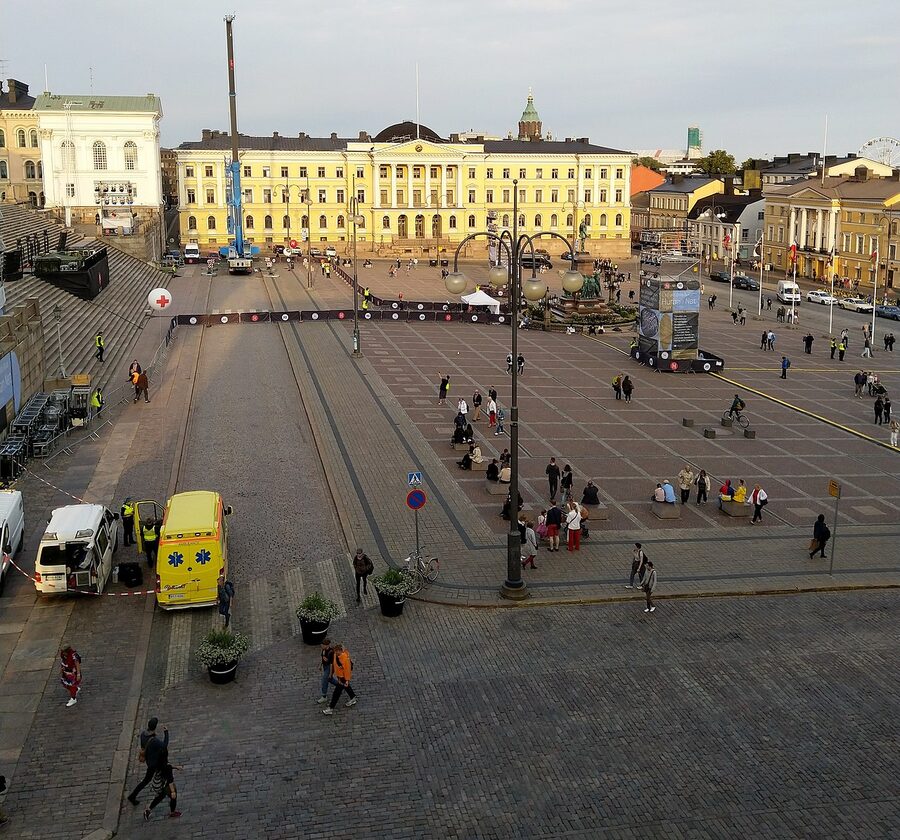
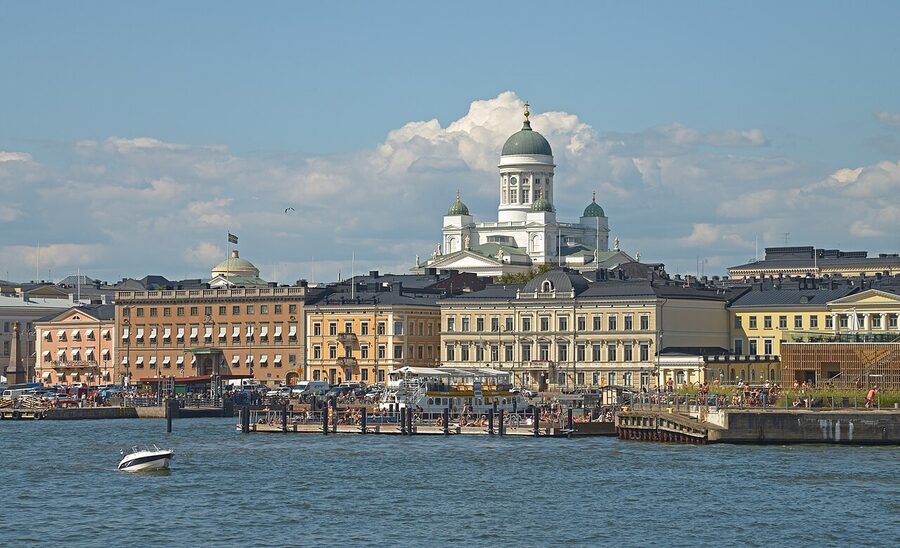
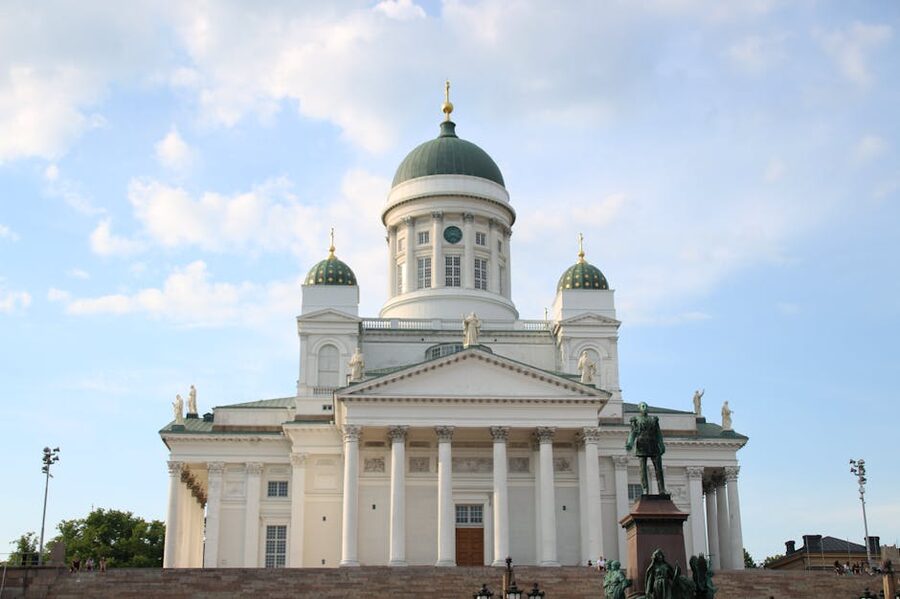
Start here. Senate Square is the obvious first stop and it earns it. The white-and-green Helsinki Cathedral sits at the top of a long flight of steps, the University of Helsinki main building on one side, the Government Palace on the other, the cobbled square below. Carl Ludvig Engel designed all of it between 1822 and 1852 to a brief from the Russians who wanted Helsinki to look like a proper imperial capital. They got their wish. Stand in the middle of the square and turn 360 degrees and the only thing that breaks the period is the trams.
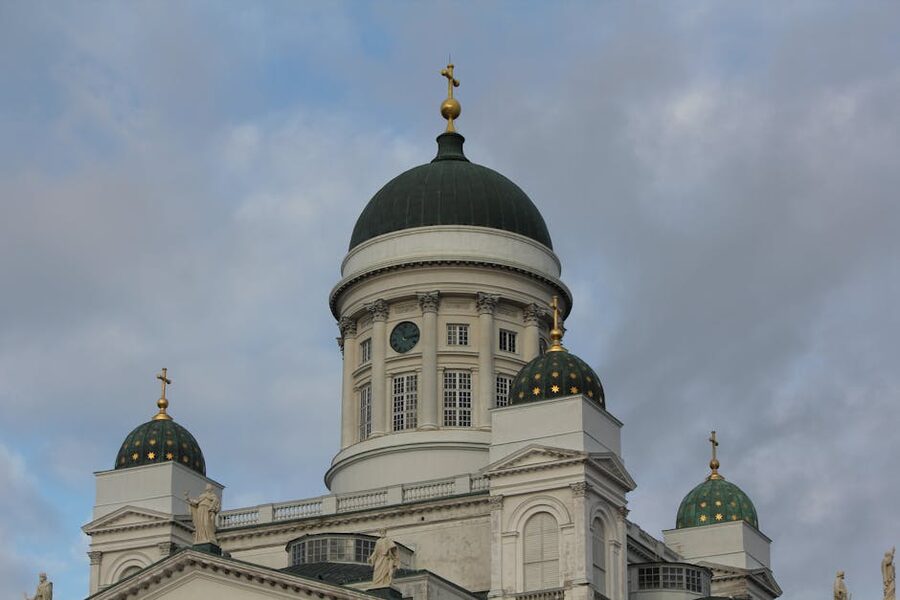
The cathedral itself is plain inside, almost startlingly so if you’ve come from Russia or Italy. No gold, no jewels, no relics. White walls, wooden pews, organ at the back. Lutheran restraint. It’s free to enter and it takes about ten minutes. Don’t skip the steps on the way out, this is where everyone sits with an ice cream in summer and a takeaway coffee in winter, watching the square. I’ve sat there in minus 14 with my hands wrapped around a Karl Fazer paper cup and it’s one of the better cheap pleasures in the city.
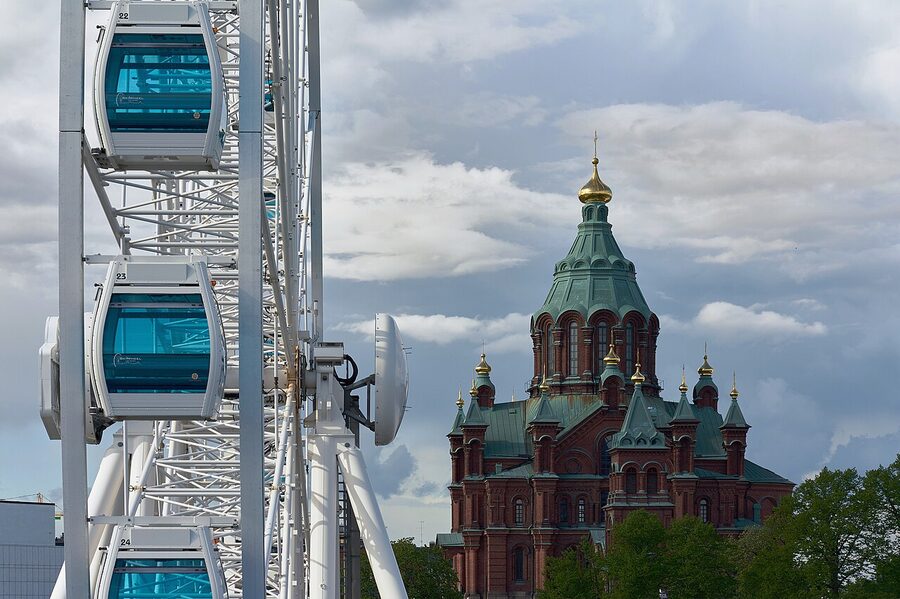
Five minutes’ walk east and you’ll find Uspenski Cathedral, red brick with green onion domes, the largest Orthodox cathedral in Western Europe. It’s a steeper visual surprise than the white one and the interior actually has the gold and icons that the Lutheran cathedral doesn’t. Same drill: free, quick, worth fifteen minutes of your day.
The Design District: Punavuori, not a museum
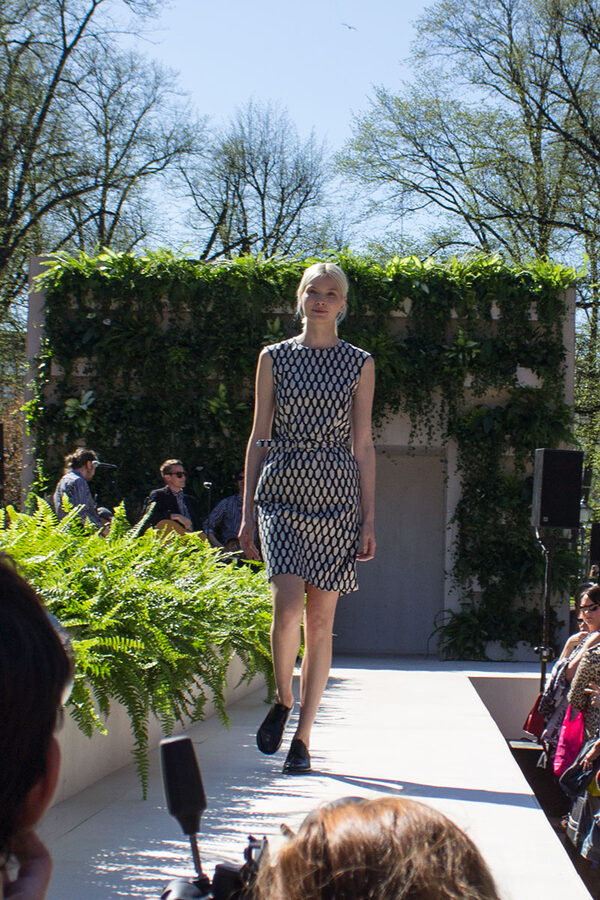
Helsinki is the only Nordic capital with a designated Design District, and the marketing makes it sound like a museum. It isn’t. The Design District is just the southern third of the centre, roughly Punavuori plus bits of Kaartinkaupunki and Ullanlinna, where about 200 designers, architects, galleries, ceramicists, jewellers, and antique shops happen to cluster on the same dozen streets. There’s a free paper map at most participating shops. Pick one up at the Design Museum on Korkeavuorenkatu, then wander.
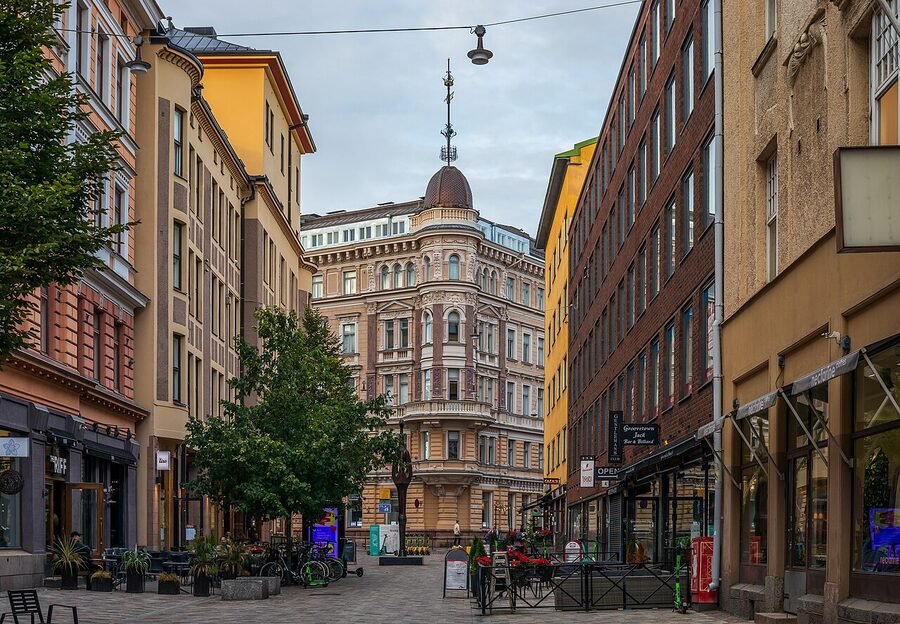
What you actually do is walk. Korkeavuorenkatu, Uudenmaankatu, Fredrikinkatu, Iso Roobertinkatu. Stop at Lokal, a gallery-shop on Annankatu where the work changes every few weeks and you can usually meet the maker. Stop at Artek on Keskuskatu (technically just outside Punavuori) for the Aalto stools. Stop at Iittala & Arabia Design Centre if you’ve got an extra morning, though the centre is a 20-minute tram out at Arabianranta and easier on a separate trip. Stop at any of the half-dozen second-hand design shops where Marimekko prints from the 1970s sit on the rack at €40 instead of €280.
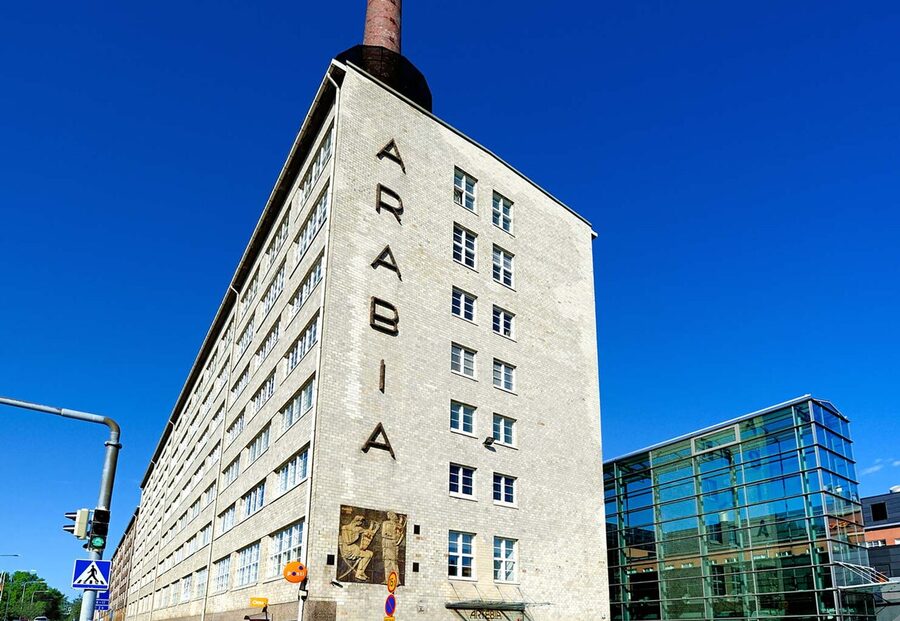
The thing that makes Punavuori work, more than the shops, is that it’s an actual neighbourhood. Late-19th-century Jugendstil buildings, four to five storeys, narrow streets, a corner café every other block. The cafés are where most of the design conversations happen. Café Sävy, Andante, Johan & Nyström on Kanavaranta. Sit, look, eavesdrop, then go and find the workshop the architect at the next table just mentioned.
If you want the cohesive history rather than the shopping, the Design Museum (€15, closed Mondays) has a permanent collection that walks you from the founding of Iittala in 1881 through Aalto, Marimekko, Nokia and the present. It’s small and it’s good. An hour, no more.
Suomenlinna: how to actually use the ferry
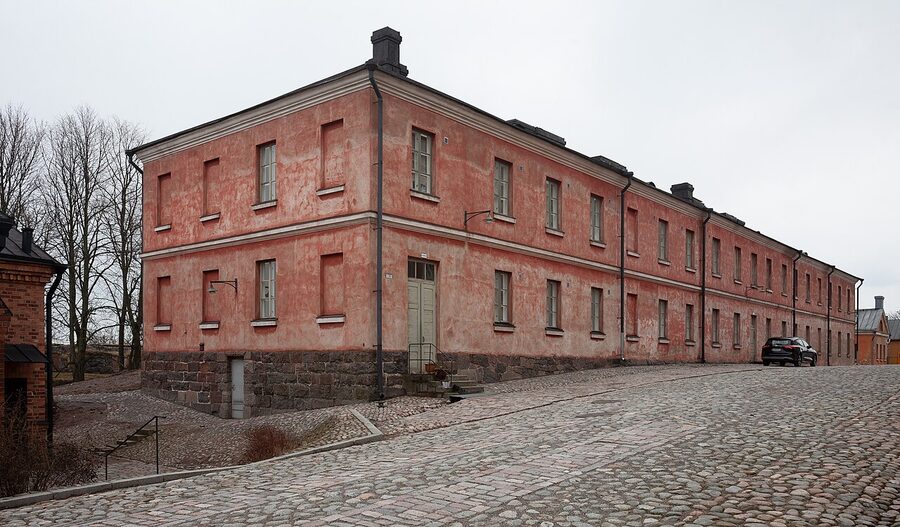
Suomenlinna is a UNESCO sea fortress spread across six interconnected islands fifteen minutes by ferry from the South Harbour. It’s the single best half-day you can have in Helsinki and most of the practical guides bury the bit you actually need to know. So:
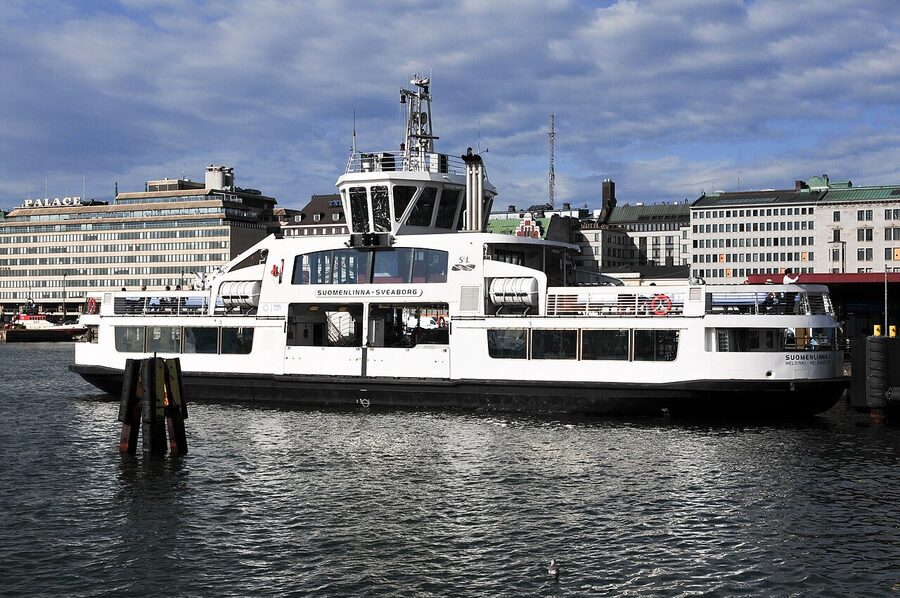
The ferry leaves from Kauppatori (Market Square, the main one). It runs year-round. Don’t buy a separate ticket. The Suomenlinna ferry is part of HSL, Helsinki’s public transport system. A standard single ticket (€3.10) covers it, exactly the same as a tram or metro ticket. If you’ve already got a day pass (€9), you’re done. The HSL app handles everything. Buying a “Suomenlinna ferry ticket” from the kiosk is a tourist tax.
In summer, ferries leave every 20 minutes from about 06:20 to 02:20. In winter, every 40 to 60 minutes and the last one back can be as early as 22:00. Check the day you’re going. There’s also a faster, smaller private ferry (the JT-Line water bus) from May to September that drops you on a different jetty, but the HSL one is the cheaper and more frequent option.
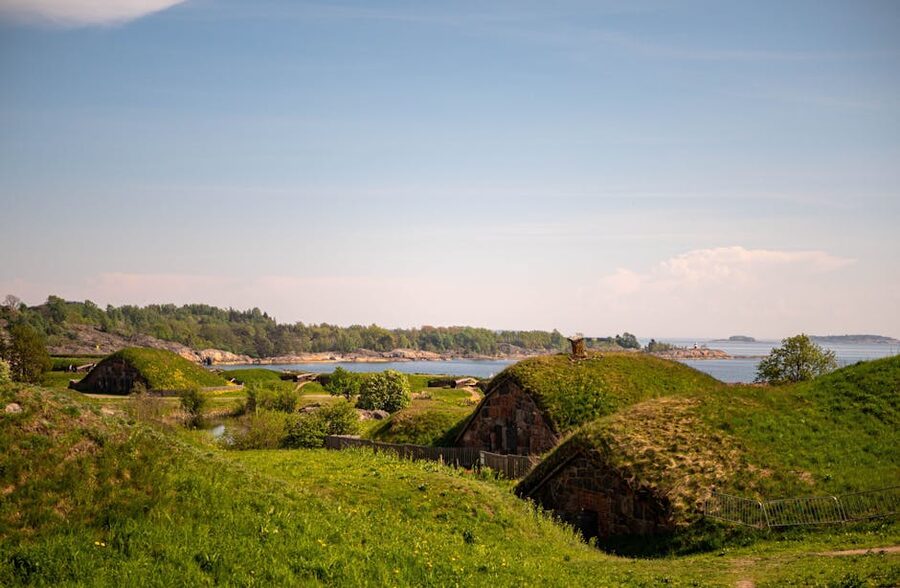
Once you’re on the islands, you’re walking. There’s no public transport on Suomenlinna, no cars beyond the few resident vehicles, and you’ll cover three to five kilometres if you do the full loop. The main jetty is on the northeast island, Iso Mustasaari. The route most people walk goes south and west, through the church, over the Susisaari bridge, past the King’s Gate (the original 18th-century formal entrance, where the period photos look best), to the southern bastions and the submarine Vesikko. About 2.5 hours of slow walking, with stops.
Eat at Restaurant Walhalla in the old vaults if you want the atmosphere or Cafe Vanille if you want a bowl of soup and a coffee for €12. The gourmet brewery Suomenlinnan Panimo makes its own beers in the old barrel cellar. There’s a hostel and you can stay overnight on the island, which sounds romantic and is, but the morning commute back is awkward and most people don’t bother.
One genuine warning: the islands are exposed. In winter the wind off the Baltic cuts straight through anything short of a proper down jacket. In summer the mosquitoes after rain are biblical. Pack accordingly.
Sauna as a daily thing, not a hotel-spa cliché
There are about 3.3 million saunas in Finland, in a country of 5.5 million people. Helsinki alone is reckoned to have somewhere over 80,000 of them, in apartments, gyms, office basements, hotel rooms, ferries, and a dozen public buildings. This is the single hardest thing for a visitor to understand: sauna here isn’t a wellness add-on. It’s a Tuesday evening with friends. It’s how you finish the working week. It’s why almost every flat over a certain size has its own.
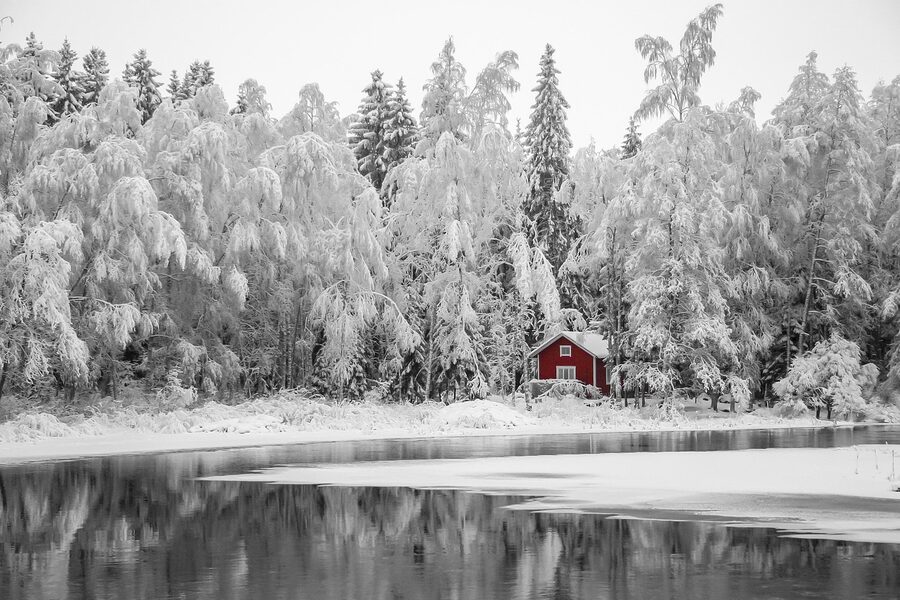
You don’t book a hotel spa. You go to a public sauna. Helsinki has four standout public ones, and I’ve written a full deep dive on Helsinki’s public saunas, but the short version for first-timers is this:
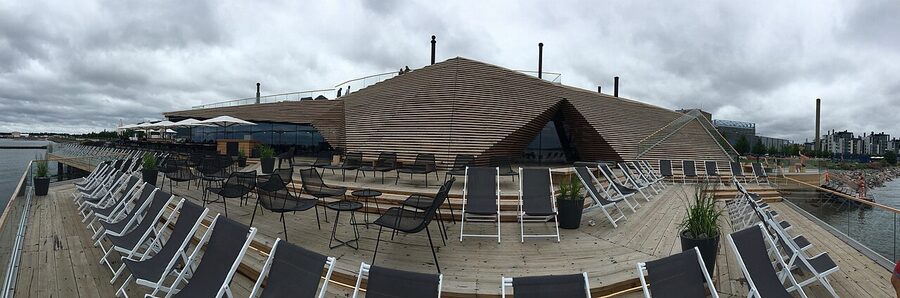
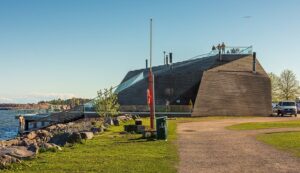
Löyly (Hernesaarenranta 4) is the architectural one. Wooden geometric pile on the waterfront, mixed-gender so you wear a swimsuit, three sauna rooms including a smoke sauna, restaurant attached, and you can run from the cedar room straight off the deck into the Baltic. €23 for two hours, advance booking essential, especially in summer. It’s the easiest first sauna for a visitor and it’s genuinely lovely. Just don’t think it’s the most “authentic” one. It’s a 2016 design statement that happens to also be a great sauna.
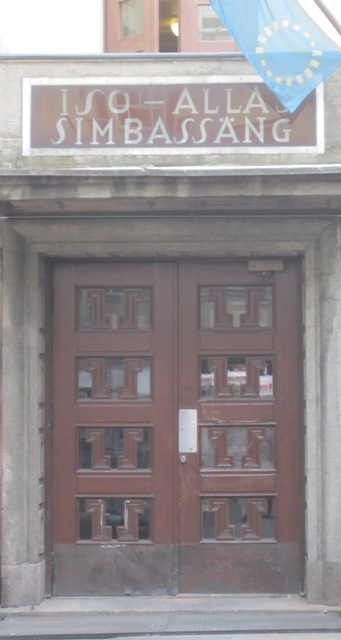
Yrjönkatu Swimming Hall is the opposite end of the spectrum. Built in 1928, single-gender (alternating days), no swimsuits in the pool or sauna, art-deco interior, €15. This is what a 1920s urban Finnish bath house was, and almost is now. Closed Mondays. Worth doing at least once.
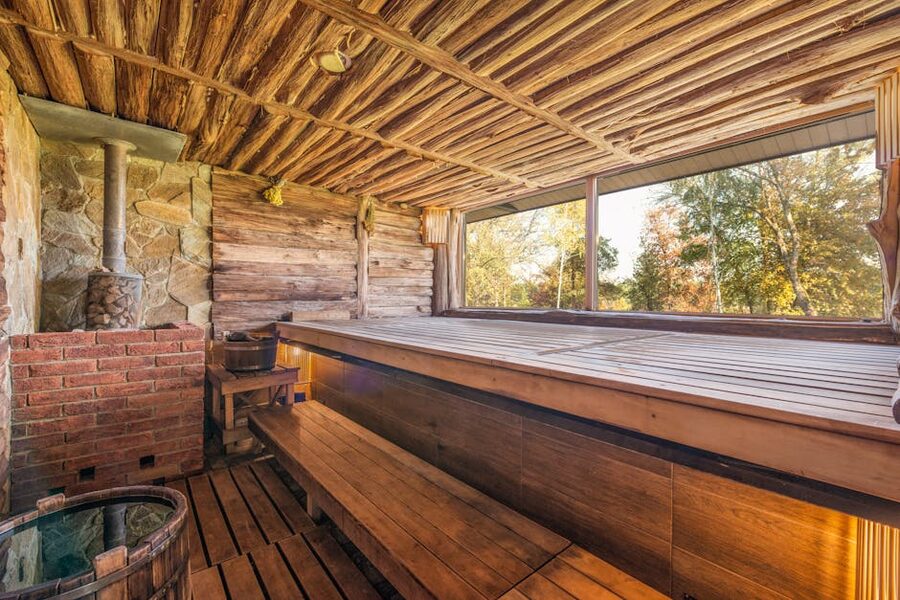
Kotiharju in Kallio (Harjutorinkatu 1) is the last wood-burning public sauna in Helsinki. It opened in 1928 and the same building has been steaming continuously since. €17, single-gender, no frills, no website worth speaking of. The smoke that rises off the chimney on a winter afternoon is the smell of the city. If you want one Helsinki sauna, make it this one.
Allas Sea Pool sits next to the Market Square and combines a sauna with three open-air pools, one of which is heated salt water and the other two are unheated Baltic. It’s more of a leisure complex than a serious sauna. Good for a quick hour with kids or in mid-summer. €15 entry, day pass €18.
The food, from Hakaniemi to the new wave
For a city that’s only had a serious restaurant scene for about fifteen years, Helsinki punches above its weight. The shorthand: there’s a tier of New Nordic places at €100 plus per head, a thick middle layer of bistros and small-plate restaurants in the €40 to €60 range, and a deep base of cheap, good lunch places where Finns actually eat for €12 to €15.
Start cheap. Most Helsinki workers eat their main meal at lunchtime because nearly every restaurant offers a lounas, a fixed-price set lunch, between 11:00 and 14:00, often €11 to €15. Soup, salad, mains, bread, water, and usually coffee. Even places that charge €70 a head at dinner do a €15 lunch. This is the cheat code for eating well in Helsinki on a budget. Pick a restaurant you’d otherwise be priced out of, go at noon.
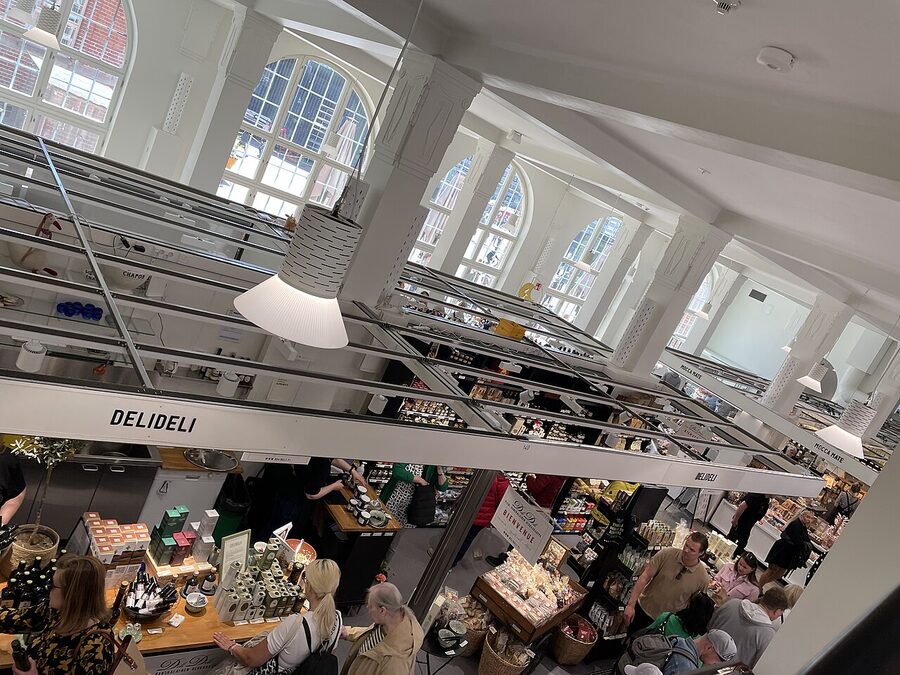
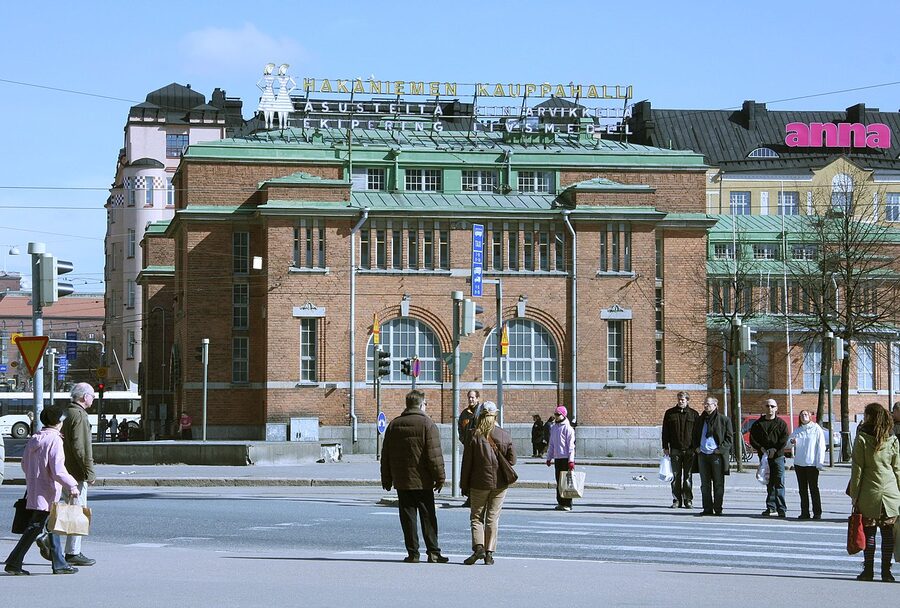
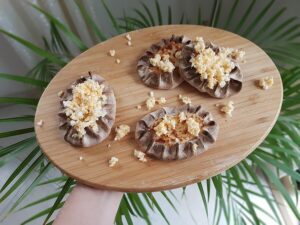
Hakaniemi Market Hall (Hakaniemen kauppahalli) reopened in 2023 after a long refurbishment and it’s now where serious food shopping happens. About 70 stalls over two floors. Reindeer charcuterie, smoked salmon, rye bread, Karelian pasties (karjalanpiirakka, the small open rice-filled pastries you eat with butter and chopped egg), licorice, sea-buckthorn jam, and a clutch of small lunch counters upstairs. It’s a 5-minute tram from the centre. The Old Market Hall by Kauppatori is prettier but smaller and far more touristed. Hakaniemi is where you go.
For new-wave Finnish: Grön (Albertinkatu 36) holds two Michelin stars and serves a 12-course tasting menu around €130 plus drinks. Olo (Pohjoisesplanadi 5) one star, similar money. Nokka on the Katajanokka waterfront has been the Slow Food benchmark since 2003. Savotta on the Senate Square does traditional Finnish in a wood-cabin interior, reindeer, salmon soup, sautéed elk, around €60 a head. Touristy on paper, surprisingly good in practice.
For a cheap and excellent dinner the locals eat: Kolme Kruunua in Kruununhaka (open since 1952) for the meatballs and the herring plate, around €25 mains. Konstan Möljä on Hietalahdenranta, all-you-can-eat traditional buffet, €30. Putte’s Bar & Pizza if you’ve eaten too much fish and want a wood-fired Margherita.
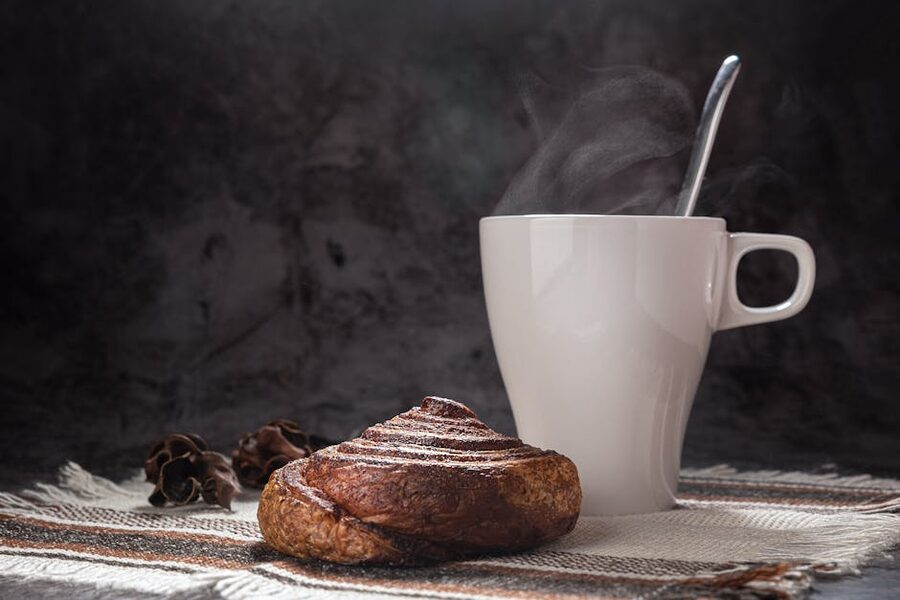
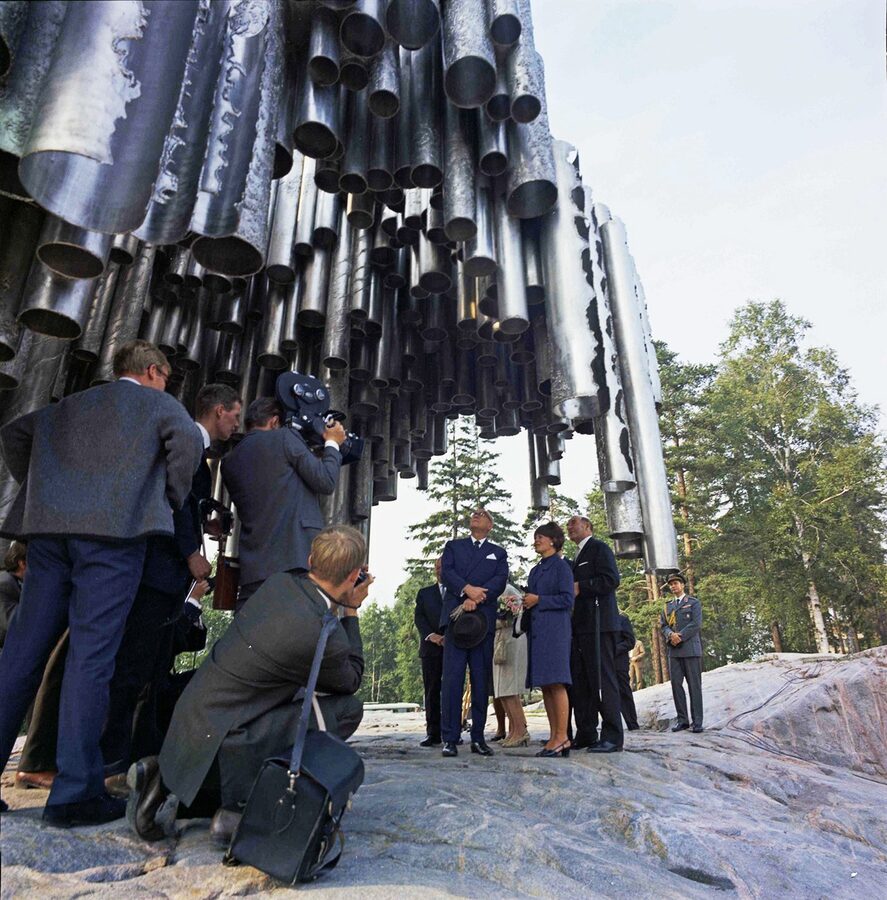
The bun. Helsinki is a coffee city and a cinnamon-bun city, and the Finnish version (korvapuusti, literally “slapped ear”) leans heavier on cardamom than the Swedish kanelbulle. Try one at Café Regatta by the Sibelius Monument, a tiny red wooden hut where you queue out the door in summer. Karl Fazer Café on Kluuvikatu is the institution, since 1891, more for the chocolate than the buns. Ipi Kulmakuppila in Kallio for the indie answer.

And drink the coffee. Finns consume around 12 kilos per capita per year, the highest in the world. Pour-over, single-origin, slow. Johan & Nyström by the harbour is the local bookmark. Andante in Punavuori for the espresso and the wood-panelled room. Kaffa Roastery in Punavuori for the most serious bean nerds.
Vappu, midsummer, dark January: the seasons aren’t a marketing line
Helsinki has four genuinely different cities in it depending on when you visit. Most guides flatten this. Don’t be fooled.
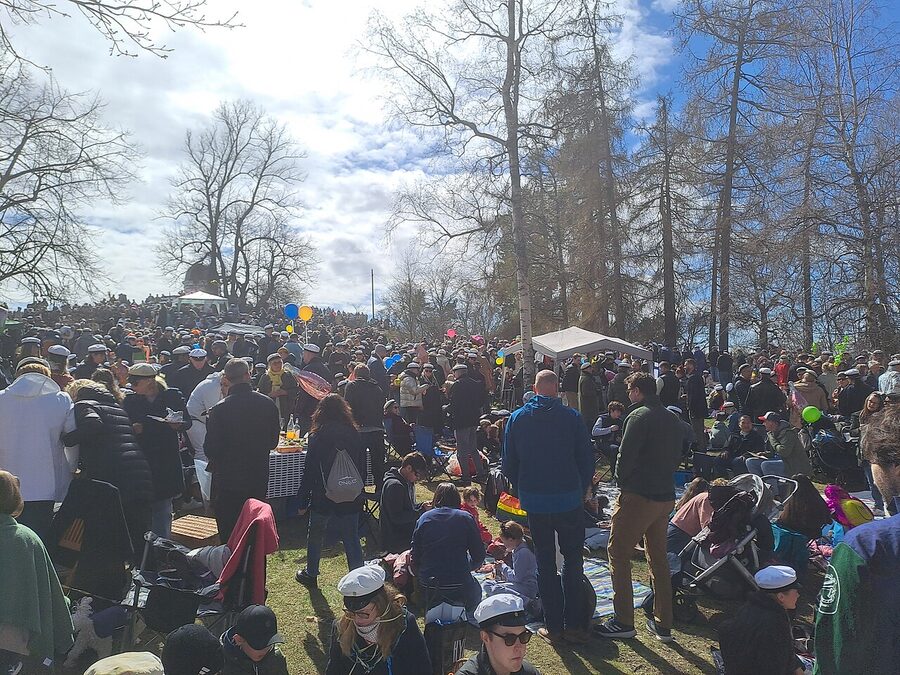
Vappu (1 May) is the big one. May Day, but really a student carnival that’s spilled over into the rest of the population. The Havis Amanda statue at the foot of the Esplanadi gets its white student cap placed on her head at 18:00 on 30 April, which is the official start. Then everybody picnics in Kaivopuisto Park on 1 May from about 10am, in white caps, with sparkling wine and tippaleipä (funnel cake doughnut things). Cold rain is normal. Snow happens. Nobody leaves. If you’re in Helsinki for one festival, make it this one.
Midsummer (Juhannus, the Saturday closest to 24 June) is the opposite. The whole city empties. People go to summer cottages by lakes. The streets you walked the day before are dead, restaurants closed, supermarkets shut by lunch. The light is the trick: 19 to 20 hours of daylight depending on the year, sun barely setting. If you’re in Helsinki itself, head to Seurasaari, the open-air museum island on the western edge, where they run a public bonfire and traditional dancing on the eve. It’s the only meaningful Midsummer event in town. Otherwise, leave the city.
Dark January is real and people don’t talk about it enough. Helsinki gets about six hours of daylight at the December solstice, with the sun coming up around 09:30 and going down around 15:15. Add cloud cover and you can go a week without seeing the sun. The cold is fine, the dark is the thing. Locals cope with light therapy, candles, and saunas, which is most of the answer to “why are there so many saunas”. If you’re visiting in January, plan for it: book at least one sauna, eat at least one long lounas under good lighting, and if the lights are running up north, get on a one-hour Finnair flight to Rovaniemi, because Helsinki is too far south to see the aurora reliably. The northern lights guide for Finnish Lapland covers Levi, Ylläs, and Saariselkä if you want to chain one with the other.
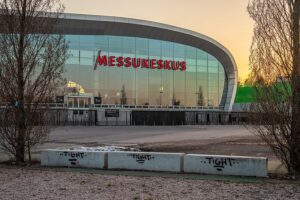
Late January is also when MATKA happens at the Messukeskus exhibition centre, Finland’s biggest travel fair. Not a tourist event in the strict sense, but if your trip overlaps and you’ve got an hour, the day-pass is around €18 and the Nordic country pavilions hand out enough free coffee and salmon samples to justify the visit. I’ve written about MATKA’s atmosphere from a 2016 visit and the basic shape hasn’t changed.
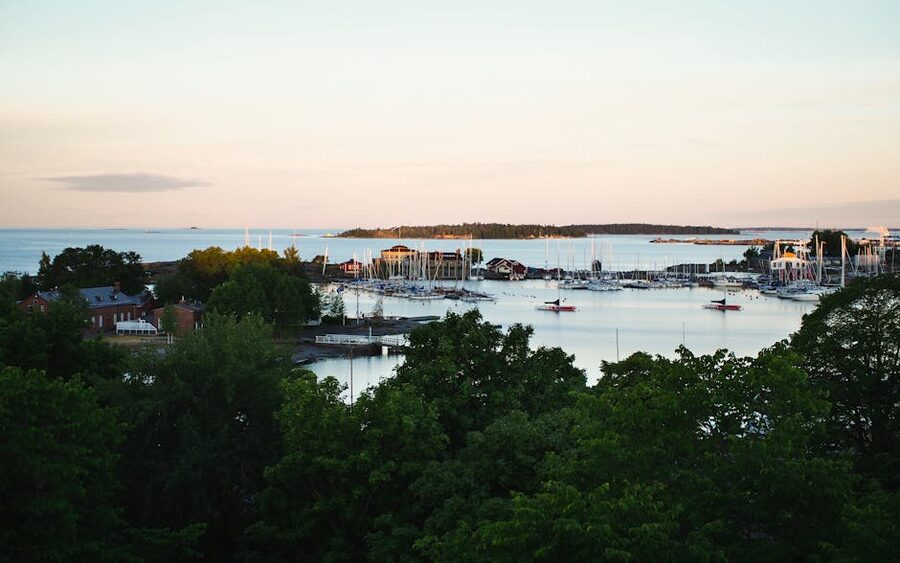
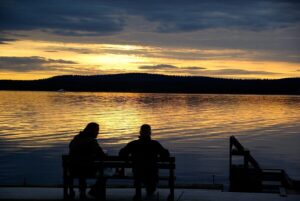
August is the month most underrated by visitors and most beloved by Finns. Sun until 22:00, water still warm enough to swim in (just), the terraces full, the city quietly emptying out at weekends as people make their last cottage runs. If you’re choosing your week and you don’t have a fixed reason to be here in another season, come in August.
Practical bits: getting in, getting around, where to sleep
Airport. Helsinki-Vantaa is 17 km north of the centre. The cheapest, fastest option is the I or P ring train, which loops in opposite directions and reaches the city in 30 minutes flat. €4.40 in the HSL app, runs every 10 minutes from about 04:00 to 01:00. Don’t take a taxi unless you’re on expenses. Don’t take the Finnair Bus, which is slower and more expensive.
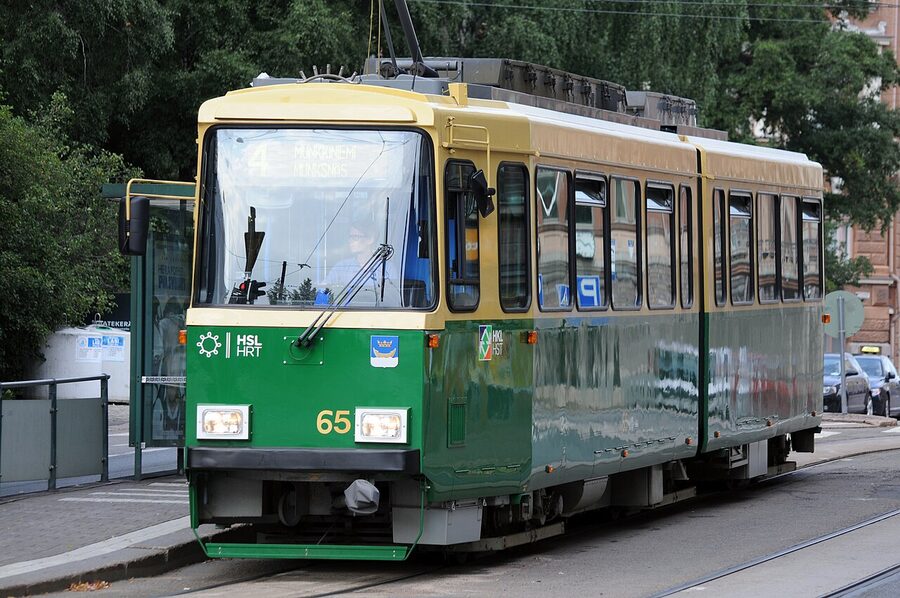
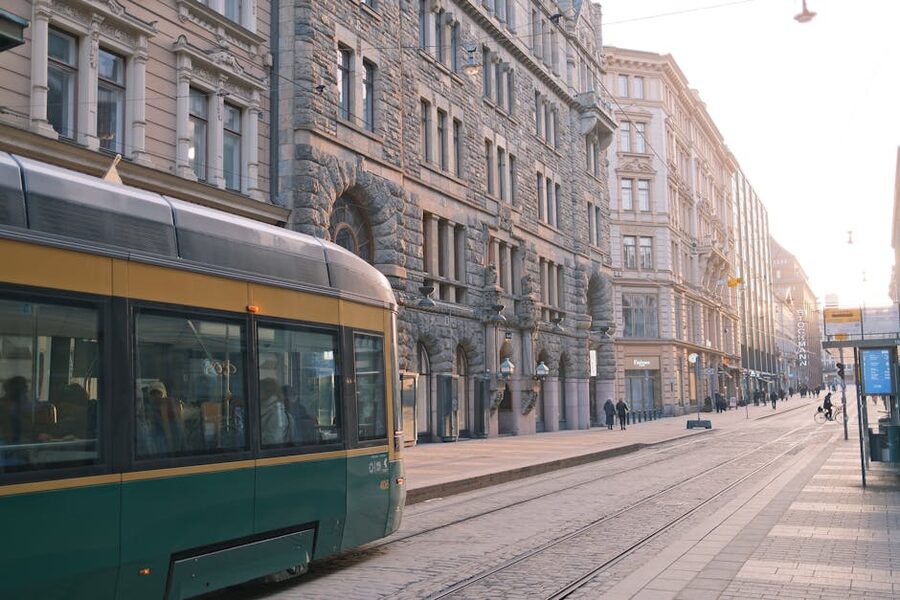
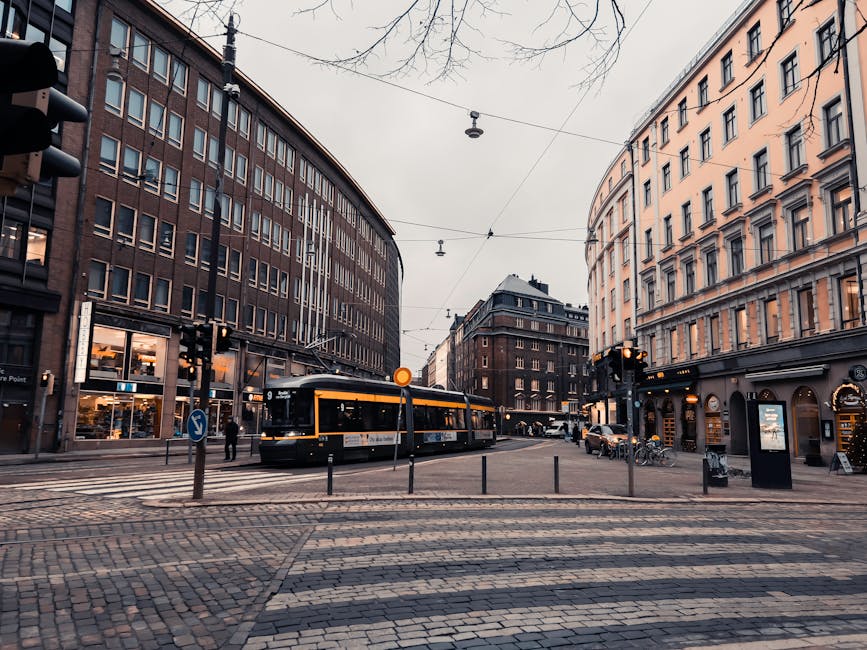
Trams and metro. Helsinki’s tram network is the second-best urban tram I’ve used in the Nordics after Gothenburg. Routes 2 and 3 between them hit Senate Square, the Cathedral, the Design District, the Olympic Stadium, the Sibelius Monument, and Töölö in a long loop. Just ride them. The metro is more limited (one line, east-west) and the buses are excellent but unnecessary unless you’re going far out.
Where to stay. First-timers should sleep central, somewhere between the railway station and the harbour. Hotel St. George on Yrjönkatu is the design pick (rooms from about €230, see St. George on Booking.com). Hotel Kämp on the Esplanade is the old grande-dame option since 1887 (Kämp on Booking.com). For something cheaper and weirder, Hotel Katajanokka is built inside a former county prison; the cells are now small rooms, the corridor still has the original ironwork (Hotel Katajanokka on Booking.com). Mid-range, Hotel F6 on Fabianinkatu is the Punavuori-adjacent boutique pick (F6 on Booking.com).
Skip the airport-area hotels unless you’ve got a 6am flight. Skip Vuosaari and Pasila if anyone offers them as “central”. They aren’t.
Day trips, and why you might not want to
Most guides will sell you on Tallinn (2 hours by ferry, €40 return on Eckerö) and Porvoo (50 minutes east on a bus, the wooden old town with the red shore-houses). Both are fine. Both are the obvious move. I’d push back gently on doing either if you’ve only got three days.
Helsinki rewards a slower visit better than most Nordic capitals. If you’ve already done Stockholm, you don’t need another day-trip-driven trip. Spend the day you’d have spent in Tallinn walking Punavuori for real, going to Hakaniemi twice, sitting in Cafe Engel for an hour, doing two saunas instead of one, riding the tram from end to end. The city opens up the second day in a way that nobody talks about because nobody markets it.
If you do go: Porvoo over Tallinn. Tallinn is fine, but it’s a different country, a different language, a different kind of stag-night old-town tourism, and the ferry crossing in winter is rougher than people admit. Porvoo is small, Finnish, walkable in three hours, and you’ll get the wooden small-town texture you don’t get in Helsinki proper. Take the bus 51 from Kamppi station, €11 each way, runs every 30 minutes.
A short history that helps you read the city
You don’t need a history lecture, but a few dates make the city legible. Helsinki was founded in 1550 by King Gustav Vasa of Sweden as a trading rival to Tallinn, which it spectacularly failed to become. For two centuries it was a small wooden port. Suomenlinna was built between 1748 and 1808 by the Swedes, lost to the Russians in the 1808 war, and Finland became a Russian Grand Duchy. Tsar Alexander I moved the Finnish capital from Turku to Helsinki in 1812 because Turku was too close to Stockholm and too far from St Petersburg. Engel rebuilt the centre to imperial Russian standards in the 1820s to 1850s.

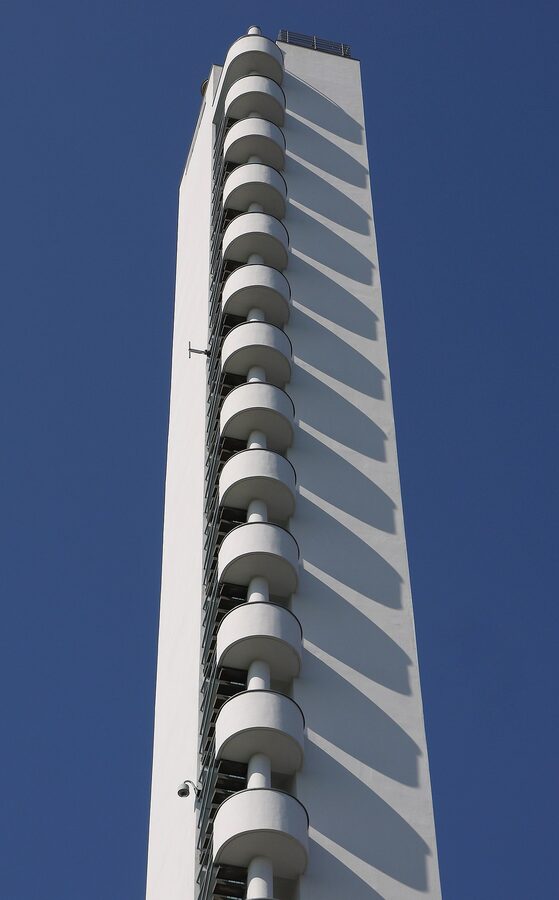
Independence came on 6 December 1917, three weeks after the October Revolution in Russia. The 1918 civil war, the 1939 to 1940 Winter War with the Soviet Union, the 1941 to 1944 Continuation War, and the loss of Karelia all happened within a generation. The 1952 Olympics, originally awarded for 1940 and cancelled by the war, were the rebuilding moment. The functionalist Olympic Stadium tower is the symbol. The 1950s and 60s gave the city Marimekko (1951), Iittala’s modernist line, and Aalto’s Finlandia Hall (1971). The Nokia 3210 and 3310 ran the world from the late 1990s. Oodi central library opened in 2018, three months after Finland turned 100.
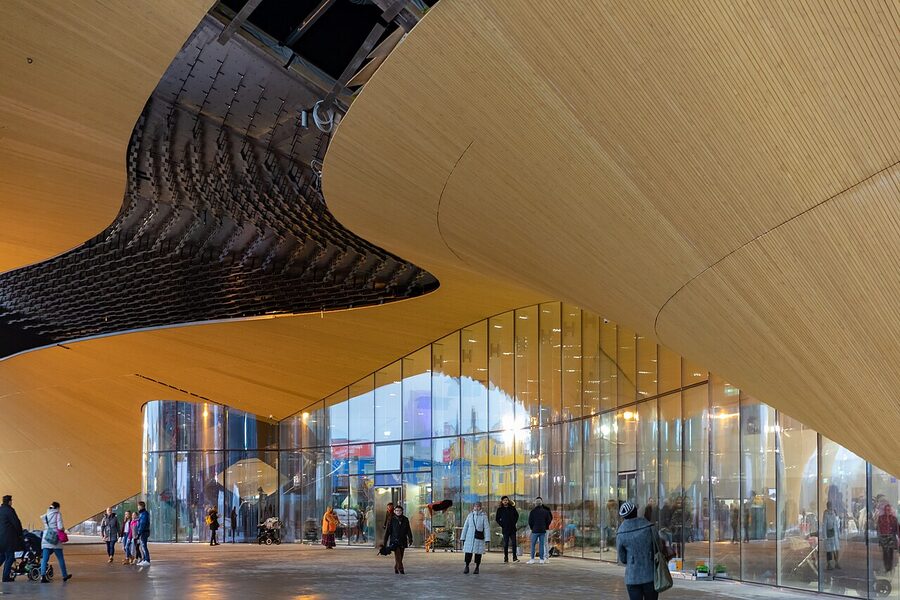
Walk into Oodi and you’re standing in the most popular building of post-1990s Finnish architecture. Three floors, free, open until 22:00 most days, with a balcony on the top floor that looks out over Töölönlahti bay and the Parliament. It’s the building that captures what Helsinki actually is in 2026: pragmatic, well-designed, faintly socialist in its public ambition, surprisingly warm.
Two more rooms in the city you should walk through
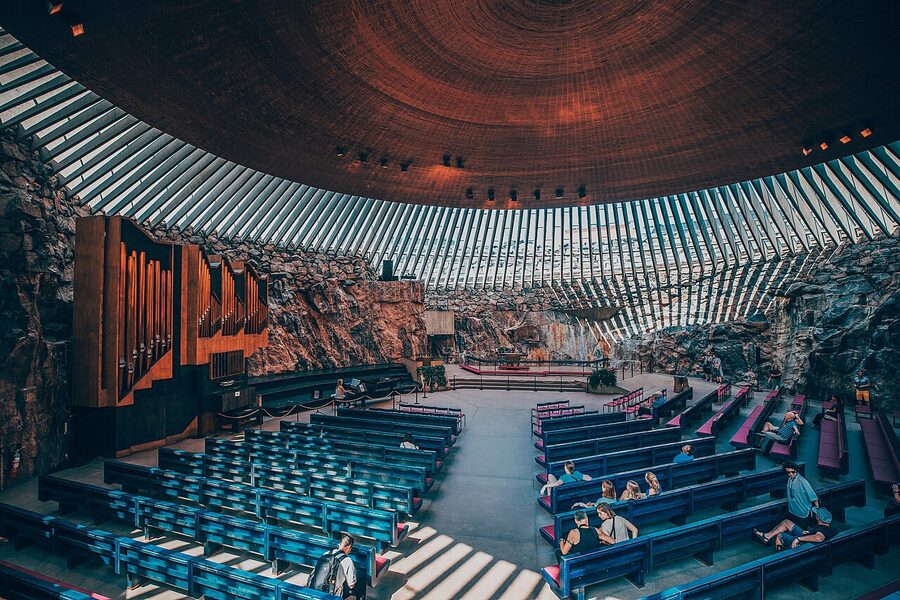
Temppeliaukio (the Rock Church). Carved into a granite outcrop in 1969 by the brothers Timo and Tuomo Suomalainen, copper-domed, basically a hole in the rock with a roof. Concerts happen on most weekday evenings (€20 to €30), and that’s how to see it. Ticket information is posted at the door. If you’re going just to look during the day, ten minutes is plenty.
Kamppi Chapel of Silence. A wordless wooden egg on Narinkkatori square, opposite the Kamppi shopping centre. Designed by K2S Architects in 2012 as a non-denominational quiet room in the middle of the busiest pedestrian intersection in the country. Free, no service, no music, no speech, ten minutes inside changes your day. Most visitors miss it because it doesn’t look like a chapel from outside.
If you’re chaining Helsinki with the others
The natural Nordic itinerary connects Helsinki with Stockholm by the overnight ferry, not the flight. The 17-hour Silja or Viking Line ferry across the Baltic is a Nordic experience in itself, often cheaper than the equivalent hotel night plus flight, and it arrives in Helsinki South Harbour at 10am, twenty minutes from the centre on foot. If you’re doing Sweden too, do this. It’s the Nordic Caledonian Sleeper.
For the other capitals, the obvious comparators are the Stockholm three-day guide, the Copenhagen city guide, the Oslo city guide and, if you really want to push north, the Reykjavík city guide. Each is its own beast. Helsinki is the loosest fit of the five, the most Eastern, the most cardamom-and-vodka rather than cinnamon-and-aquavit. That’s part of what makes it worth a separate trip rather than a tacked-on stopover.
The best advice anyone gave me before my first visit was to arrive without a list. Walk to the cathedral. Sit on the steps. Buy a coffee at Engel. Get on a tram. Go to a sauna. Buy a cinnamon bun. Go to bed. The city sorts itself out by the third morning, and by then the smell of cardamom from the bakery on the corner is the thing you remember when you’re back at home.
_elokuussa_2018_03.jpg)


