If you order smørrebrød after 3pm, you’ve already lost. Every restaurant in this guide closes its smørrebrød kitchen at 14:30 or 15:00, and what you’ll get in the evening is a different menu pretending to be the same thing. The waiter will be polite about it. The plate will be expensive. But you won’t be eating the dish you came for.
That’s the thing nobody warns visitors about. Copenhagen’s open sandwich is one of the most disciplined lunch traditions left in Europe. It was built for office workers walking back to a desk by half past two, and the restaurants that still take it seriously honour that schedule. The restaurants that don’t are usually the ones in the guidebooks aimed at cruise-ship passengers. This is a guide to the ones that do, written by someone who has spent enough Copenhagen lunches over enough years to have an opinion about which kitchens get the herring right and which ones don’t.
I’m not Danish. I’m not a chef. I’m a frequent visitor who has worked through the canon over the last decade, watched it widen, watched a few of the new-wave reinventions earn their Bib Gourmands, watched two old institutions close, and watched a third (Palægade) burn down and rebuild itself from the same kitchen. What follows is a long-form answer to “where should I actually eat smørrebrød in Copenhagen”, with the framing depth I wished I’d had on my first lunch at Schønnemann in 2014, when I ordered everything at once and a regular at the next table had to gently explain that the cheese is supposed to come last.
In This Article
- What smørrebrød actually is (and isn’t)
- A short history, because it explains the rules
- The bread (rugbrød): the foundation
- The toppings (pålæg) you should know
- The herrings (sild) come first
- Then the cold seafood: shrimp, salmon, plaice
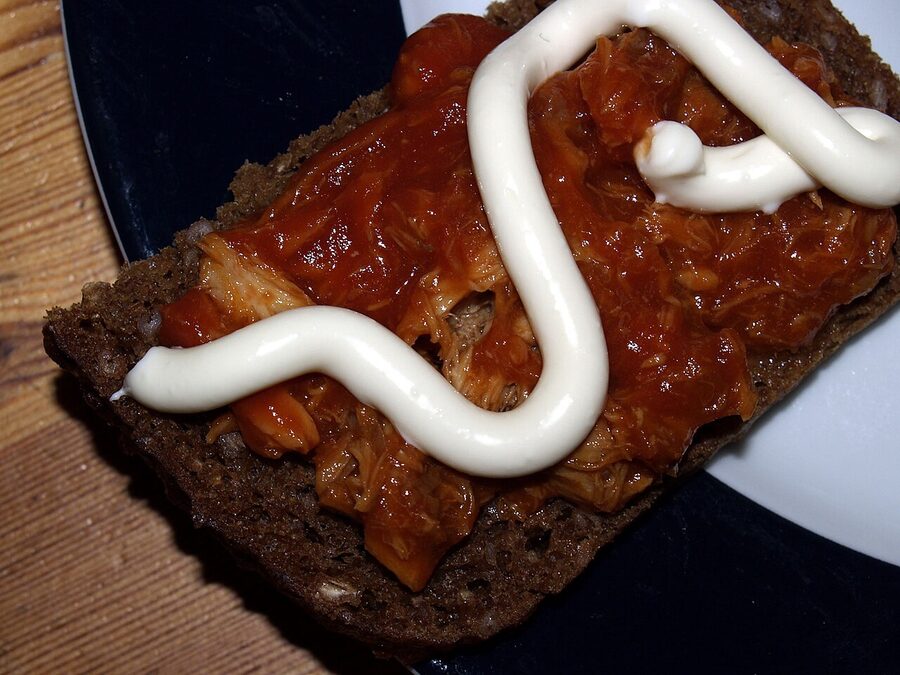
- Then the meat: leverpostej, dyrlægens natmad, roastbeef, tatar
- Then the egg piece, then the cheese
- The eating order, the etiquette, the snaps
- The canon: where to eat the traditional version
- Schønnemann (Hauser Plads 16)
- Aamanns 1921 (Niels Hemmingsens Gade 19-21)
- Selma (Rømersgade 20)
- Restaurant Palægade (Palægade 8)
- Restaurant Kronborg (Brolæggerstræde 12)
- The lunch-only originals: where the tradition refuses to move
- Slotskælderen hos Gitte Kik (Fortunstræde 4)
- Restaurant Krog’s Fiskerestaurant (Gammel Strand 38)
- The bar end: smørrebrød without the white tablecloths
- Toldboden (Nordre Toldbod 24)
- Hyttefadet (Nyhavn 25)
- Christianshavns Færgecafé (Strandgade 50)
- The new wave: where the dish is being argued with
- Where the smørrebrød scene meets the Bornholm element: sol over Gudhjem
- Pricing: what you’ll actually pay
- Where not to eat smørrebrød
- Outside Copenhagen: where else the dish lives
- Eating it after a sauna
- Compared to the rest of the Nordic food canon
- How to plan your smørrebrød day
- Closing notes
What smørrebrød actually is (and isn’t)
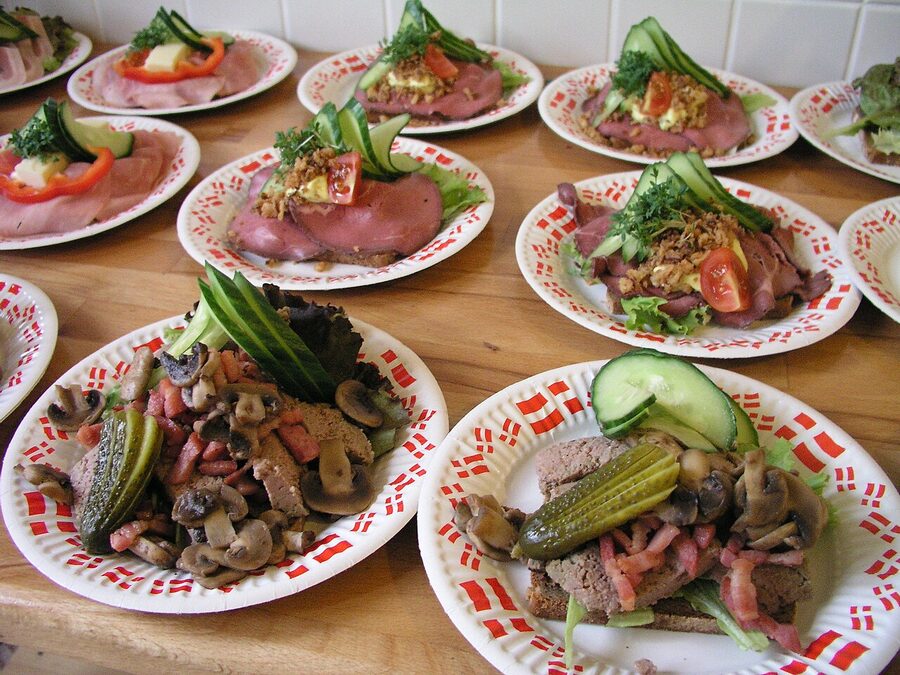
The nine-word definition of smørrebrød is “Danish open-faced sandwich”. That’s accurate the way “England has weather” is accurate. It tells you the broad shape and almost nothing useful.
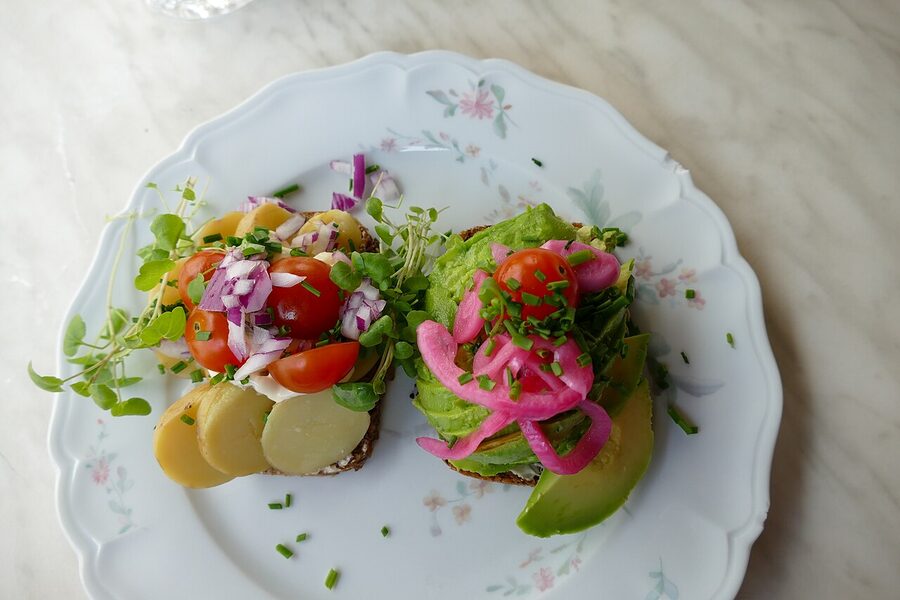
The longer version: smørrebrød is a slice of dense rye bread (rugbrød), buttered, layered with one of a small canon of toppings (the pålæg), garnished, and eaten with a knife and fork. The composition isn’t free-form. There are about fifteen named pieces that make up the working repertoire of a serious smørrebrød kitchen, and a regular knows them all by name. Sild, dyrlægens natmad, stjerneskud, leverpostej, røget laks, æggekage, tatar, roastbeef. Each comes on its own slice with its own garnish, in its own price band. You order three or four at a time. You eat them in order. You pay roughly 90 to 145 DKK per piece (~€12 to ~€19) at the canon restaurants, with cheaper bar versions starting around 65 DKK (~€9) and Selma’s reinventions topping out near 165 DKK (~€22).
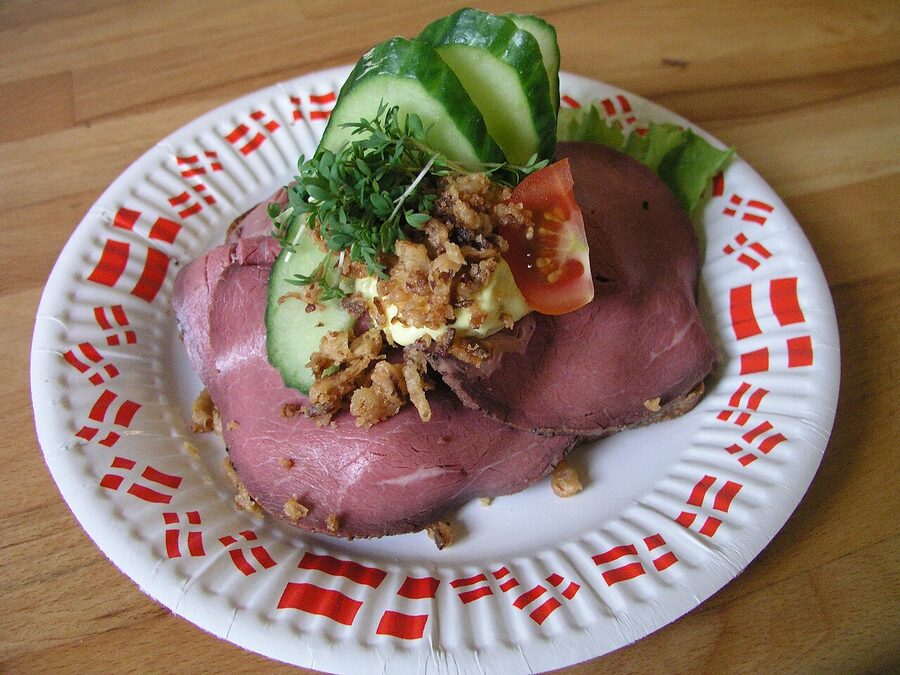
What it isn’t: a sandwich you can pick up. A bun. A baguette. A panini. A piece of sourdough with avocado and chilli flakes. The bread is rye, dense to the point of being almost cake-like, and the structure depends on it. A wheat slice would collapse under the topping inside a minute. A regular order eats with knife and fork, the topping side up, never folded, never with hands. Tourists fold it. The waiter notices and says nothing.
The other thing it isn’t, despite a decade of Anders Husa and Kaitlin Orr writing carefully about both, is a Noma-style new-Nordic dinner experience. New-wave smørrebrød (Selma is the obvious example) is the most exciting thing happening to the dish, but it’s still smørrebrød, eaten at lunch, in the same room, with the same rules. If somebody is selling you “modern smørrebrød tasting menu” at 19:30 on a Saturday with wine pairings, you’re being sold a different thing.
A short history, because it explains the rules
Smørrebrød in roughly the form Copenhagen serves it today crystallised in the late nineteenth century, in the same window that gave Denmark its other great lunch institution, the Carlsberg microbiology lab and the lager that came out of it. The bread had been there for centuries; rugbrød is medieval. What changed in the 1880s was that a generation of Copenhagen restaurateurs began formalising the toppings and the order they were eaten in, and printing menus that listed them by name. By 1888, the Royal Copenhagen porcelain factory was producing the small fluted plates that smørrebrød is still served on. By 1900, the lunch had its own grammar.

Two restaurants from that period are still trading. Schønnemann opened in 1877 in a Hauser Plads cellar where it remains; Slotskælderen hos Gitte Kik in 1910, two minutes from the Slotsholmen palaces. Their menus look broadly similar to a 1920 list, allowing for the disappearance of one or two more obscure cuts. The reason this matters for a visitor today is that both restaurants still operate on the original timetable. Schønnemann opens at 11:30 and the kitchen closes at 17:00; Slotskælderen runs 11:00 to 16:00 and is closed entirely Sundays and Mondays. The lunch hasn’t moved.

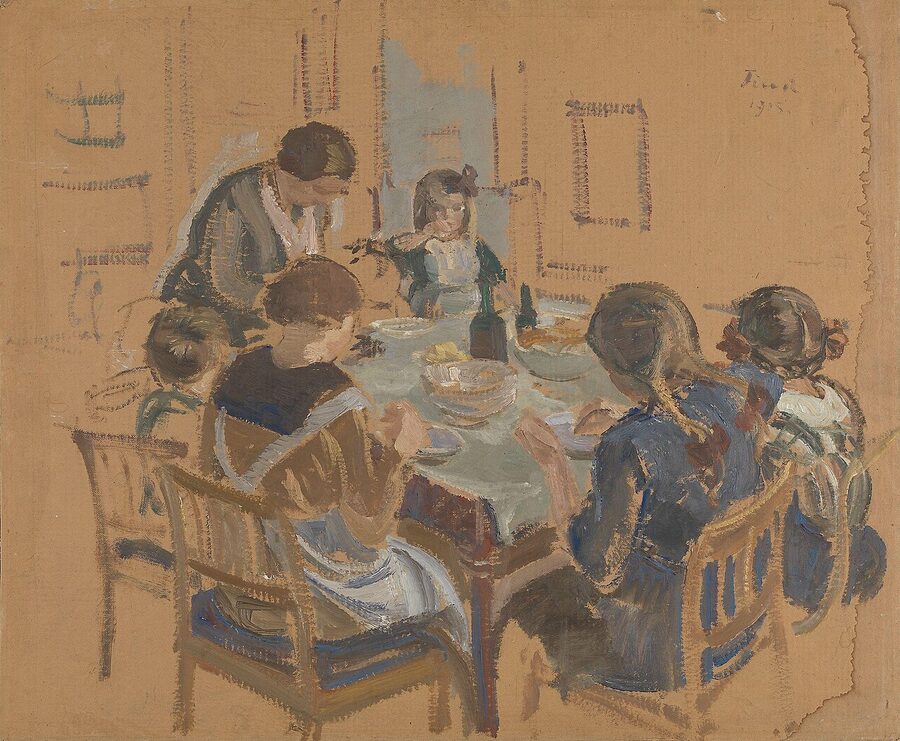
The other thing the history explains is the snaps. Smørrebrød without akvavit is a meal half-finished. The clear, caraway-or-dill-flavoured grain spirit is poured ice-cold into 25ml glasses and downed in one between pieces (or sipped, if you’re more sensible than I am). Singing was traditionally part of it; one of Wilhelm Marstrand’s better-known paintings shows a parish clerk singing for his snaps in 1865. You won’t be expected to sing. You will be expected to drink, slowly, and to know that the white spirit goes with herring and the brown with everything else.
The bread (rugbrød): the foundation
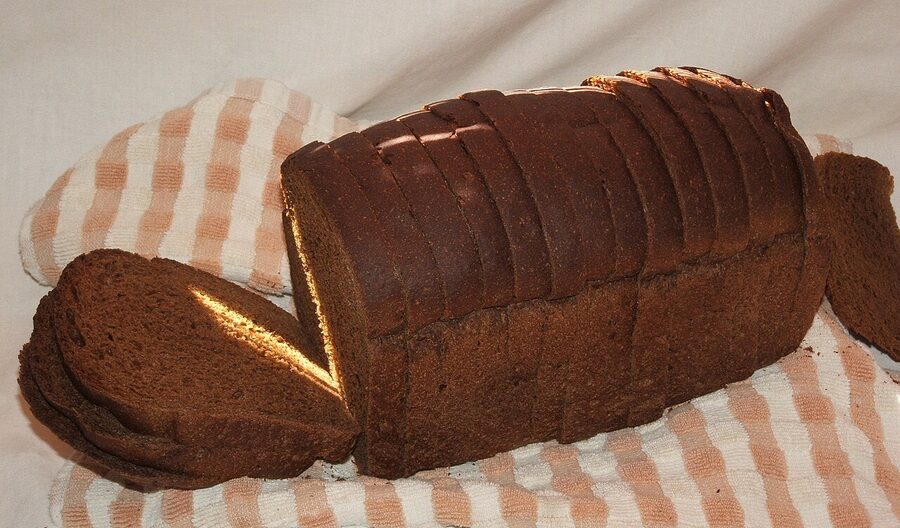
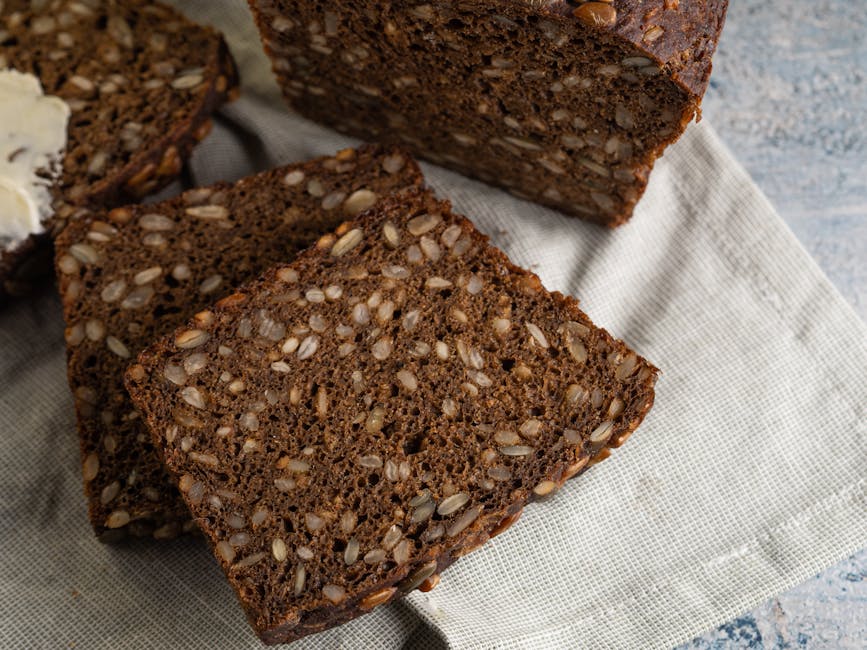
Rugbrød is the load-bearing element. Dense sourdough rye, often with cracked rye kernels and sunflower or pumpkin seeds folded in, baked in a long rectangular tin until it’s heavy in the hand and slightly sticky to the touch. A good slice can stand up to wet fish, soft cheese and a generous spoon of remoulade without weeping. A bad slice (too dry, too crumbly, too sweet) ruins the piece on top of it.
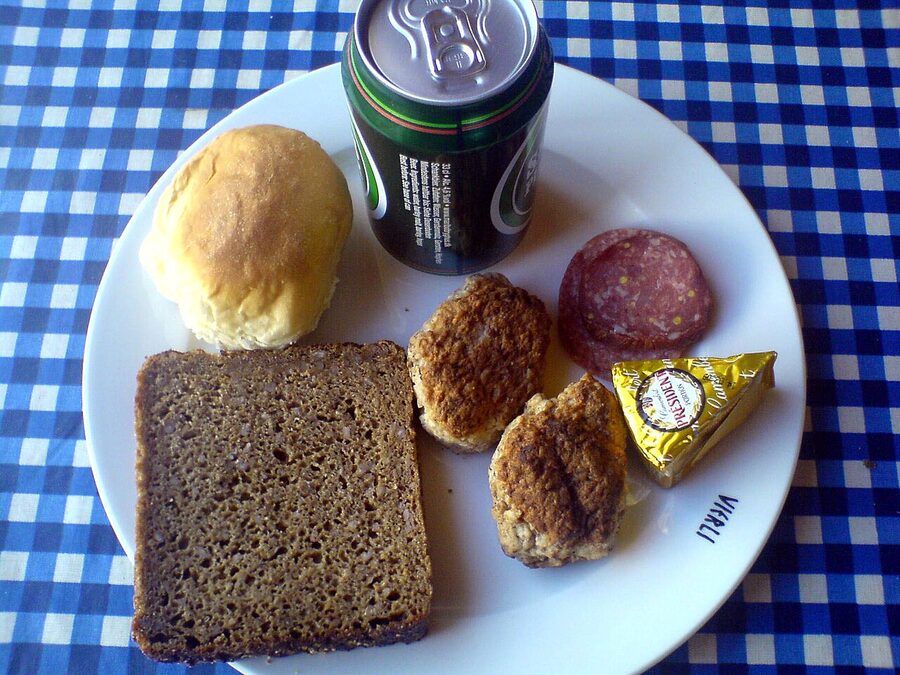
If you want to taste rugbrød on its own before it disappears under herring, the easy move is to walk into Meyers Bageri on Jægersborggade in Nørrebro at 9am and buy a slice. Meyers (Claus Meyer of Noma fame, before he started the famous one) is the most reliable Copenhagen rugbrød for visitors. Other bakers serious people will name: Hart Bageri on Gl. Kongevej in Frederiksberg (Richard Hart, ex-Noma pastry, opened 2018), Mirabelle in Nørrebro, and Andersen & Maillard on Nørrebrogade. Hart’s loaf in particular is good enough that I have, twice, bought one to take back on the plane and pretended to myself this was reasonable.
One vocabulary note that catches visitors out: a buttered slice of rugbrød with a thin folded slice of cold cuts, eaten with the hands at home, is also called smørrebrød. The restaurant version with composed toppings, knife-and-fork etiquette and a price tag attached is technically højtbelagt smørrebrød, “highly-loaded smørrebrød”. When Copenhageners say “smørrebrød” they usually mean the restaurant version. That’s what this guide is about.
The toppings (pålæg) you should know
This is where the dish is built and where most foreign menus collapse into a translated mess. There are roughly fifteen named pieces. You don’t need all of them. A solid first lunch covers four or five. What follows is the working list, in roughly the order you’d eat them.
The herrings (sild) come first
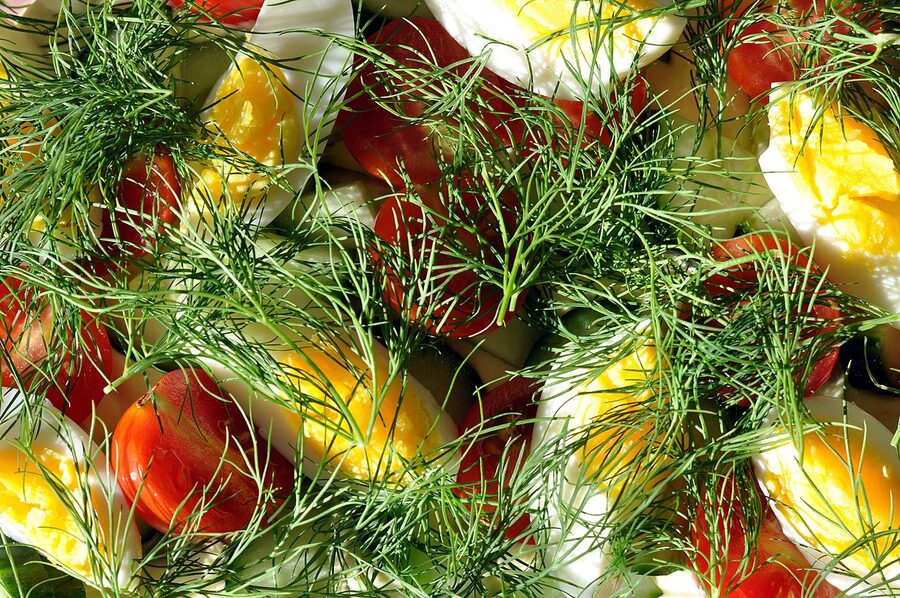
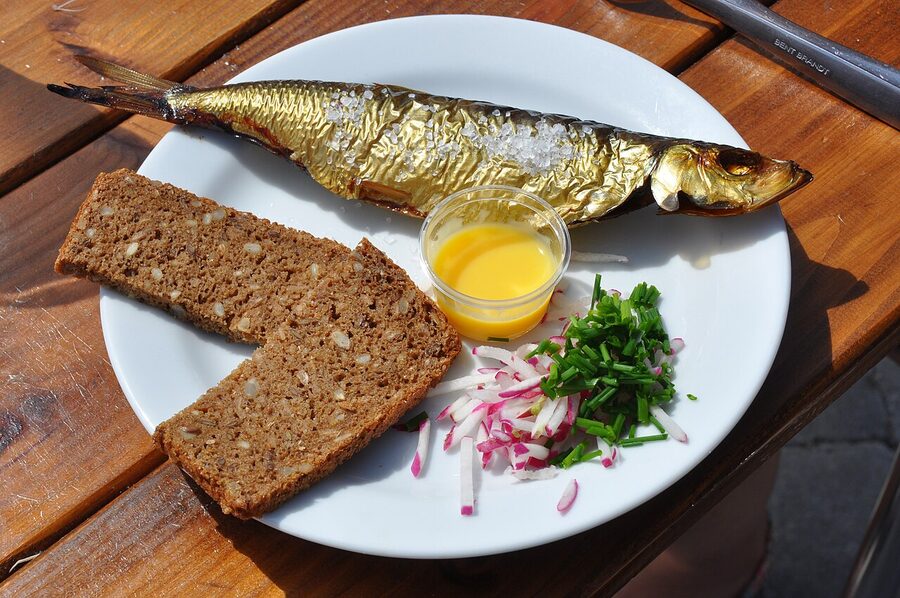
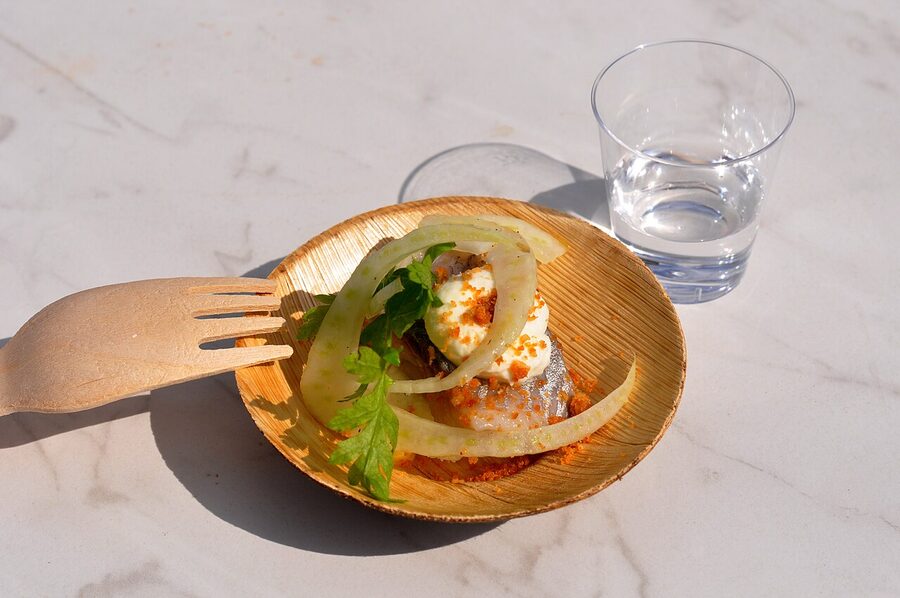
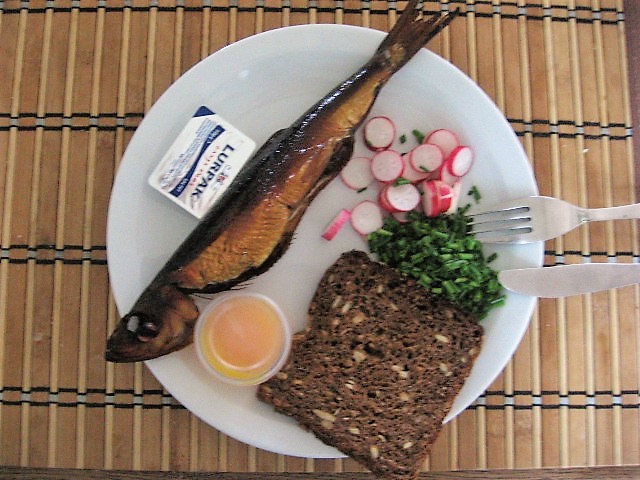
You always start with sild. A serious lunch menu will offer the herring in eight or so cures, sometimes more: pickled in vinegar with onion (the standard, sharp and clean), curry-cured (Danish, sweet, divisive), tomato-cured (forget about it for a first visit), sherry-cured, dill-cured, mustard-marinated, smoked, and the matjes-style salted-soaked-in-brine version. The pickled and the smoked are the ones to order on a first lunch.
Then the cold seafood: shrimp, salmon, plaice
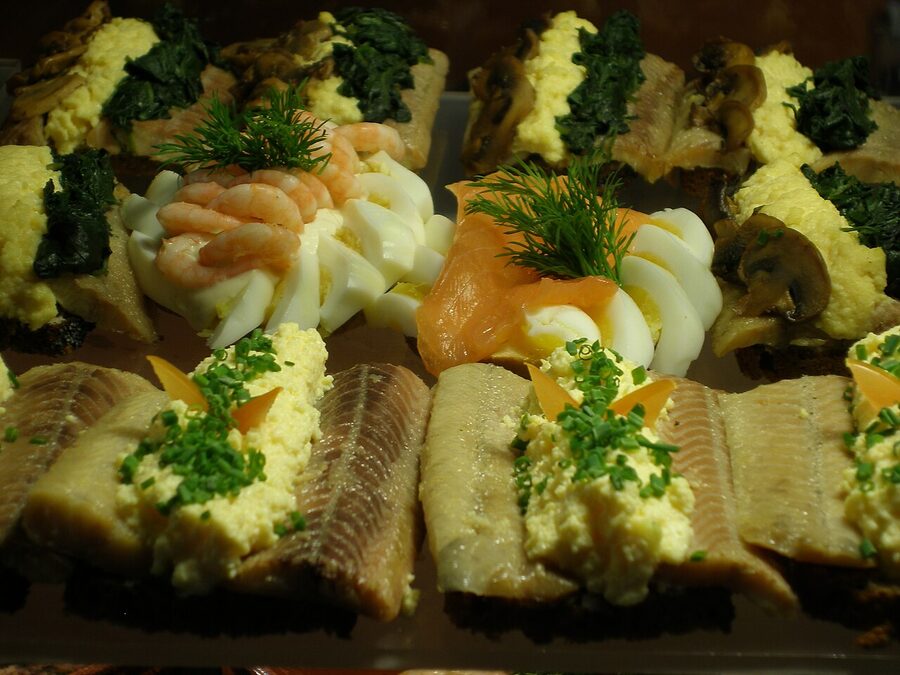
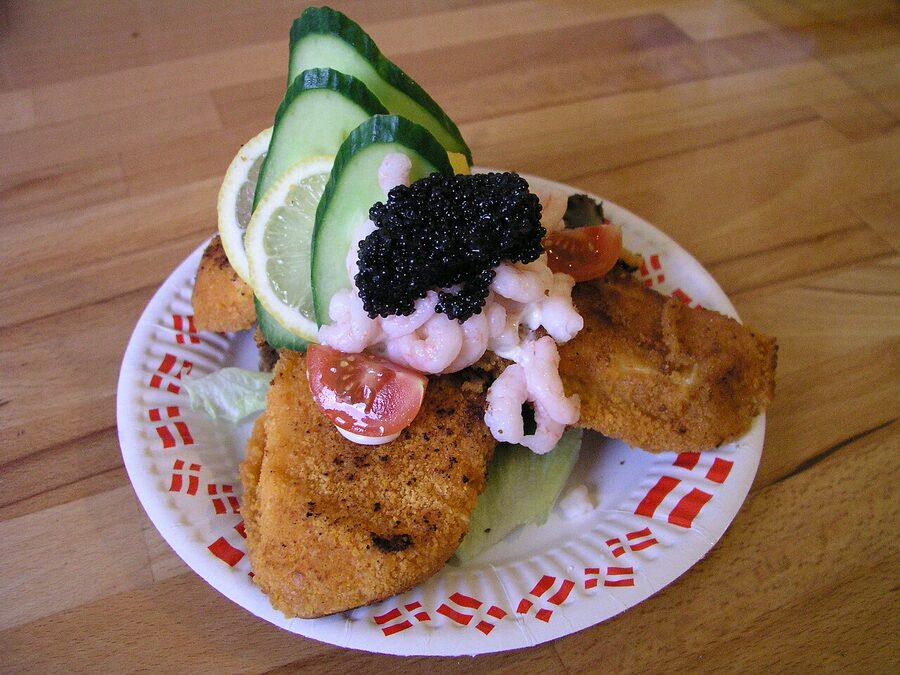
After the herring you move to the cold-seafood pieces. The hand-peeled-shrimp piece (rejer) is the most photographed; on a good day you’ll get a stacked tower of tiny North Sea shrimp held in place by a careful smear of mayonnaise, often with a little cluster of dill and a squeeze of lemon. Aamanns 1921 piles theirs on a buttered brioche slice that eats more like cake than bread; the version at Schønnemann is more disciplined, on rye. Both are 145 DKK (~€19) and worth it.
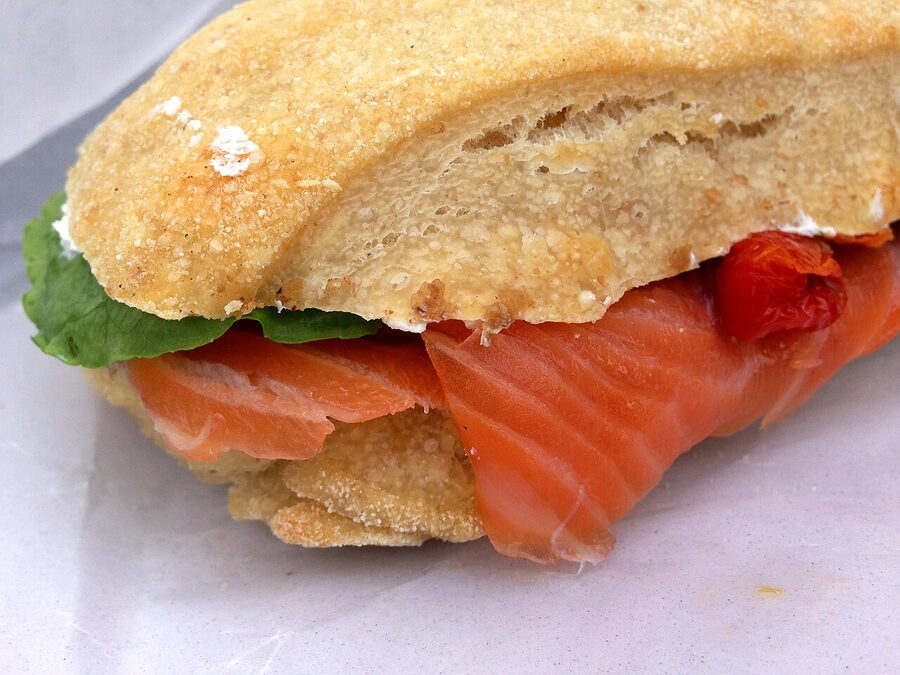
The plaice piece (rødspætte) is fried plaice fillet on rugbrød with a curry remoulade that is sweeter and yellower than you’ll expect. Don’t fight it; it’s a Danish classic. The other big seafood piece is the stjerneskud, “shooting star”: a slice of rugbrød with one fried plaice fillet, one steamed plaice fillet, hand-peeled shrimp, mayonnaise, lemon, and a generous bunch of dill. It’s a meal in itself. If you order three pieces and one of them is a stjerneskud, you’ve ordered too much; pick two others.
Then the meat: leverpostej, dyrlægens natmad, roastbeef, tatar
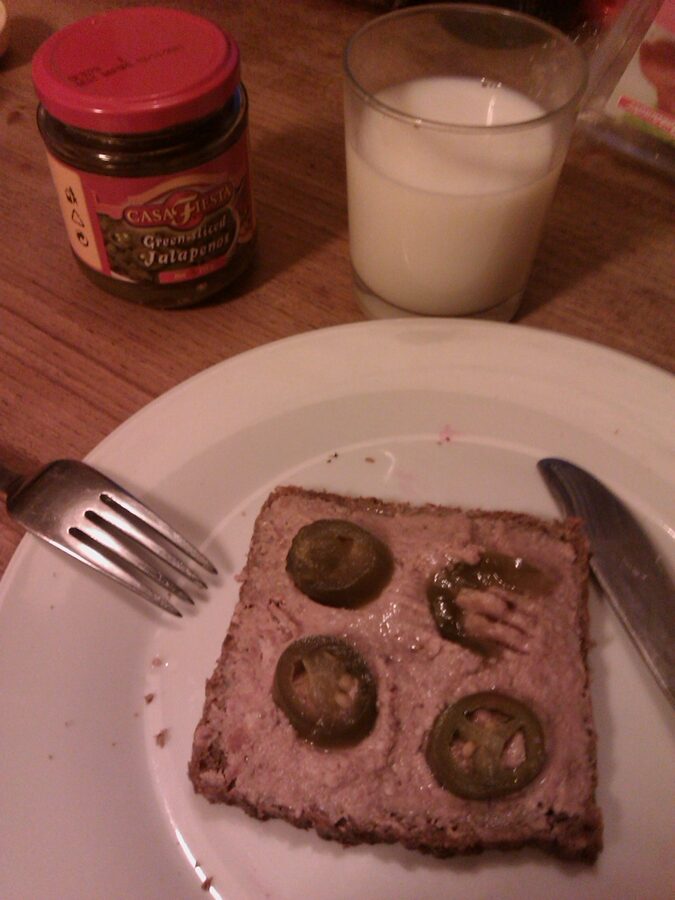
The meat run starts with leverpostej, Danish liver pâté, served warm or cold on rugbrød, usually topped with a slice of crisp bacon and a pickled cucumber. Of all the pieces, this is the one a Dane is most likely to make at home. In a restaurant it’s around 95 DKK (~€13) and almost always good; the failure mode is a thin, plasticky industrial pâté, which is rare in the canon places and common in the cheap tourist ones.
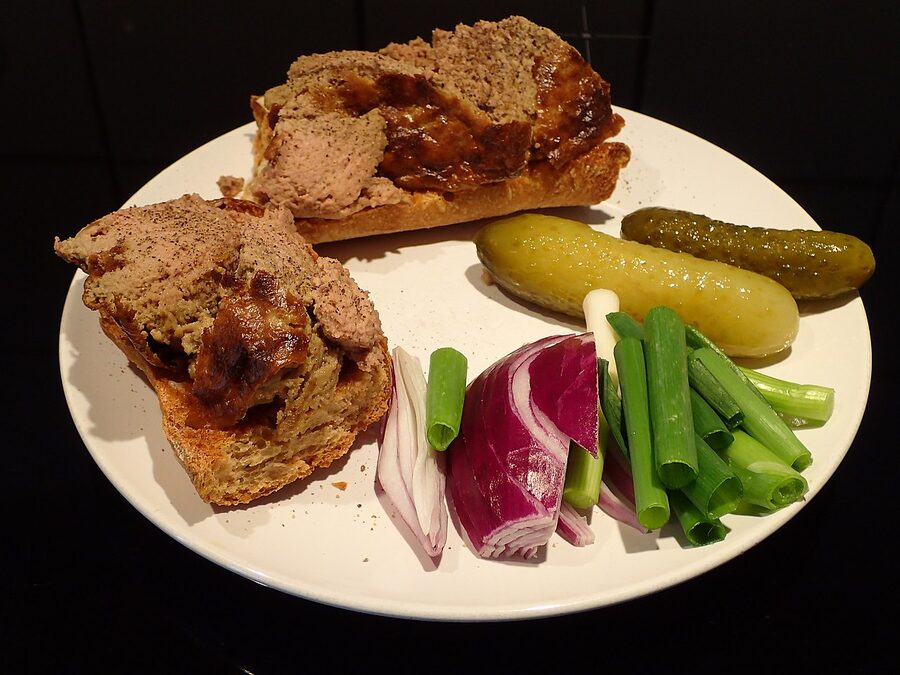
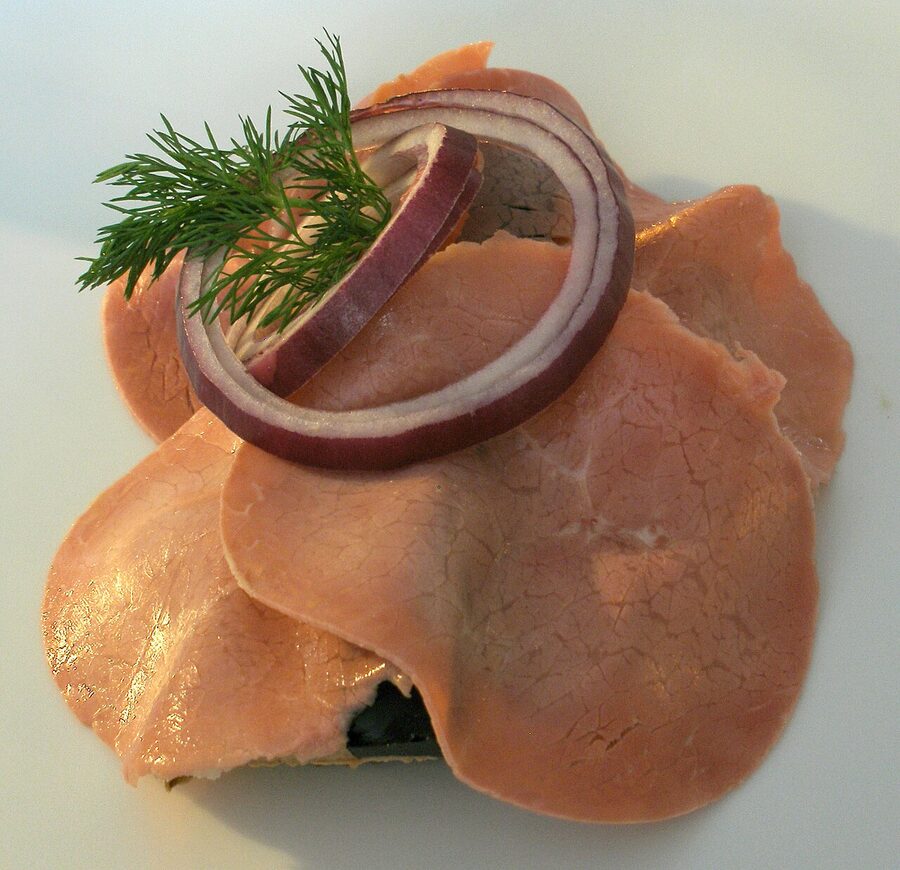
Dyrlægens natmad is the piece that defines a serious smørrebrød kitchen. The story goes that a 19th-century Frederiksberg vet ordered his nightcap as a stack of leverpostej, salt beef, jellied stock, raw onion and cress on rye, and the order stuck with his name on it. It is a ridiculous-looking piece. It is also one of the best things you can eat in Copenhagen. Schønnemann’s version is the platonic ideal; Aamanns 1921 does a refined one with fried buckwheat. If a menu doesn’t list a dyrlægens natmad, the kitchen is either trying to be modern about it or it isn’t really a smørrebrød place.
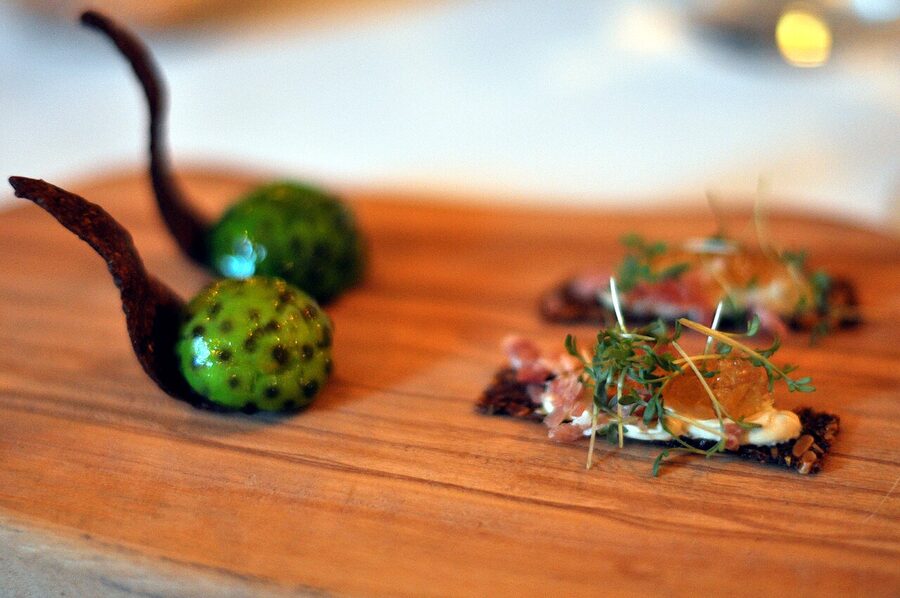
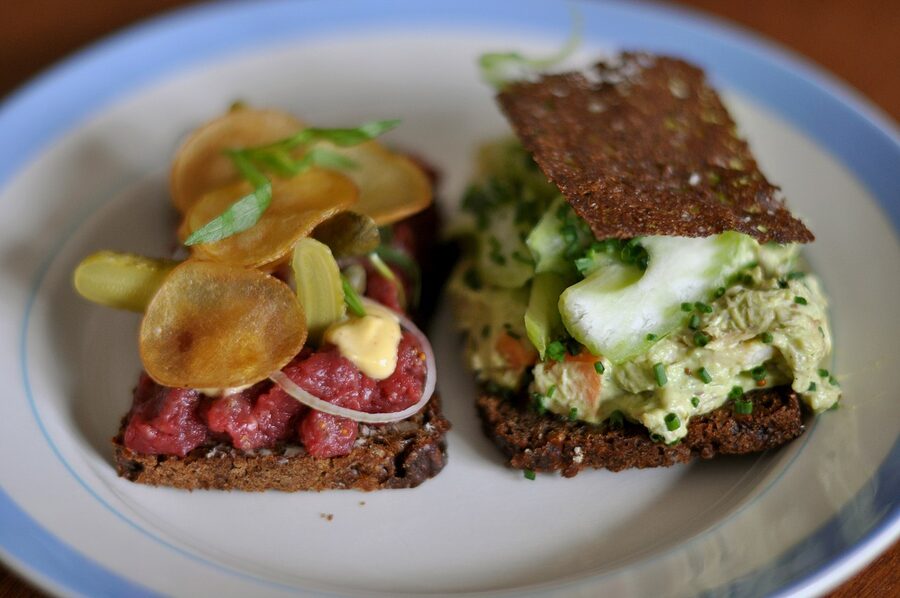
Roastbeef is exactly what it sounds like: cold rare roast beef on rugbrød with remoulade, crispy fried onions, horseradish, and pickled gherkin. It’s a workmanlike piece. Tatar is the same idea but raw: minced raw beef, often beaten thin to the bread, dressed with capers, raw onion, a runny egg yolk and salt. If raw beef makes you nervous, skip it; the canon kitchens are scrupulous about sourcing but it’s still raw.
Then the egg piece, then the cheese
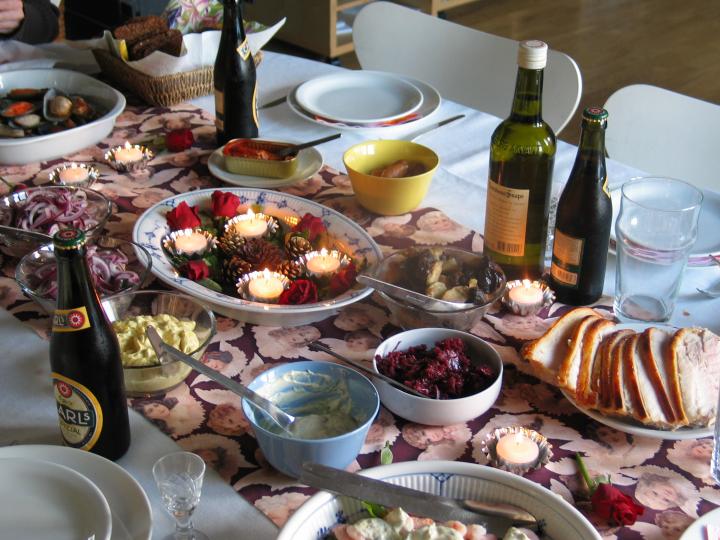
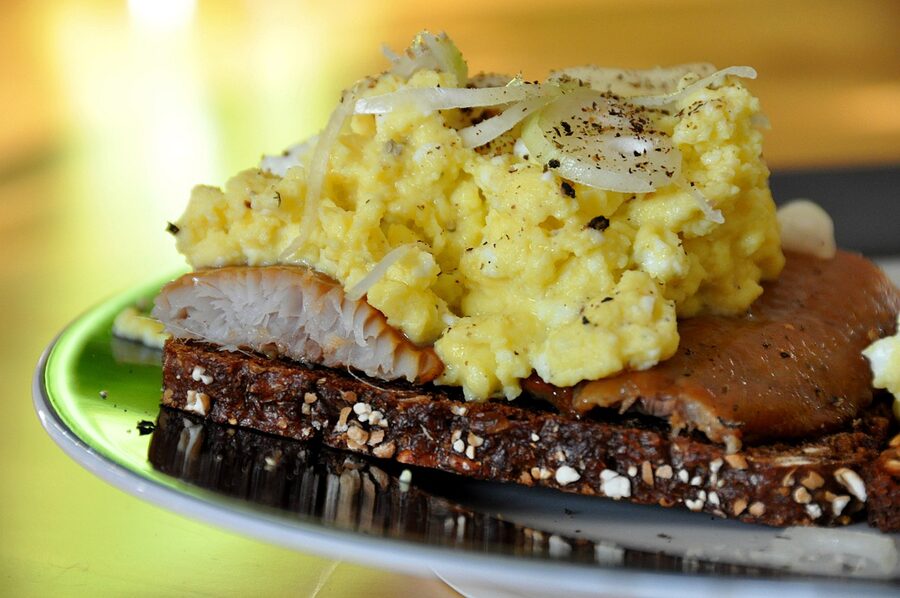
Æggekage is sometimes called the Danish omelette but it’s denser and richer, made with whole eggs and cream, baked in a pan, and topped with crisp bacon, tomato, chives and pickled beetroot. It’s served on rugbrød on the side rather than over it; eat the bread alongside. Schønnemann lists one as Søren’s Special in honour of a regular: barbecued eel in beer sauce with scrambled egg on toasted rye, which is technically not an æggekage but lives in the egg-piece slot. It’s the most expensive piece on the menu (around 165 DKK / ~€22) and worth ordering exactly once.
The cheese comes last. This is non-negotiable. A Danish lunch ends with a slice of rye, cold butter, raw onion, and a wedge of strong-smelling Gammel Knas (an aged hard cheese) or Danish blue. Eaten before the herring, it would steamroller everything. Eaten last, it’s the period at the end of the sentence.
The eating order, the etiquette, the snaps
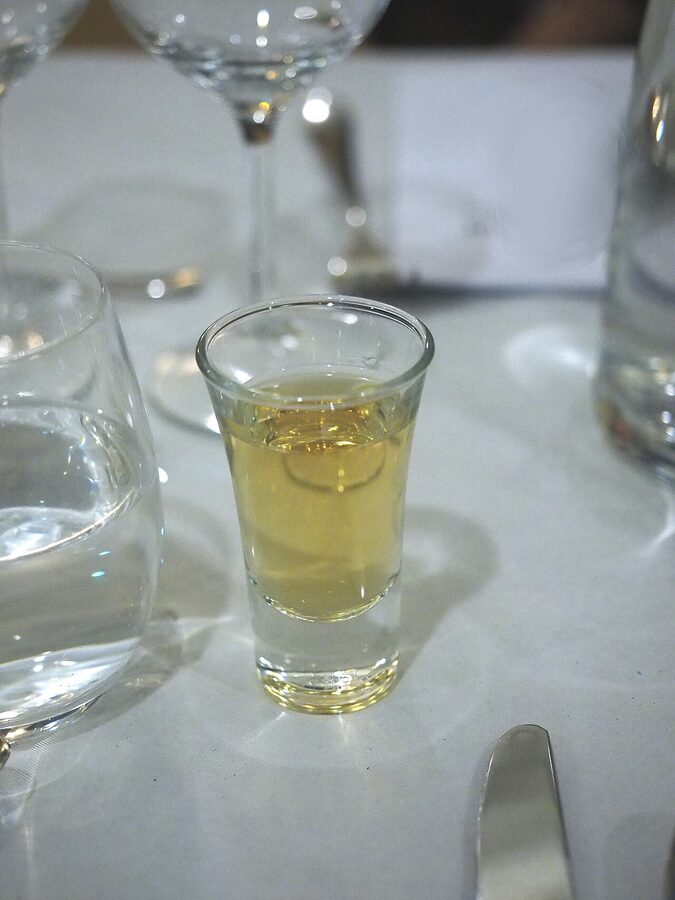
The order in a serious lunch is: pickled fish first (the herrings), then cold smoked or cured fish (salmon, mackerel), then the seafood with mayonnaise (shrimp, plaice), then warm meat (leverpostej, frikadeller), then the cold meats (roastbeef, tatar, dyrlægens natmad), then the egg piece if you’re having one, then the cheese. You can break this order. A regular won’t. The reason is practical: pickle and acid wake the palate, fat and bread blunt it, the cheese needs to go on a tongue that has already had every other note.
The cutlery rule is: knife and fork, always. Right hand fork, left knife if you’re British or American, switch as you go. Never your hands. The bread side stays on the plate; the topping side stays facing up. If you see a tourist folding a piece in half and biting it like a sandwich, you’ll see the next table watch them with quiet horror. Do not be that tourist.
The drink is beer and snaps, in that order, in alternation. You order a small Pilsner (the Carlsberg Hof or Tuborg Grøn at around 55 DKK / ~€7 in a serious place) and a small glass of akvavit (around 60 DKK / ~€8 for a 25ml pour). The beer is the long drink, the snaps the punctuation. You don’t drink red wine with smørrebrød. White is acceptable at the new-wave places. A regular would order beer.
The canon: where to eat the traditional version
Five restaurants form the white-tablecloth canon. They are not the only good ones; they are the ones a serious local will name as the working bar.
Schønnemann (Hauser Plads 16)
Schønnemann is the cellar restaurant on a small square ten minutes’ walk from Kongens Nytorv that has been serving smørrebrød since 1877. The room is pre-war: dark wood, white tablecloths, panelled walls, regulars at lunch, the same smørrebrød names on the menu their parents ordered. There are 35 herring variations on the printed list, of which a dozen are made in-house. The Søren’s Special (barbecued eel in beer sauce with scrambled egg) is the dish most reviewers single out, and it earns the praise.
Practical: kitchen 11:30 to 17:00, closed Sundays. Reservations strongly recommended; for a December julefrokost (Christmas lunch) book by midsummer. Three pieces plus a beer and snaps will land around 360 DKK (~€48). A full lunch with a coffee runs to 500-550 DKK (~€67-€74). Cash and card. Address: Hauser Plads 16, 1127 København K. Phone +45 33 12 07 85. www.schonnemann.dk.
Aamanns 1921 (Niels Hemmingsens Gade 19-21)
Aamann opened a deli on Øster Farimagsgade in 2006 with one mission: to drag smørrebrød back from a sad airport-lounge cliché into something the city’s lunchers would actually want. He won. Aamanns 1921 is the flagship, a smarter sit-down room a couple of streets from Strøget. The aged-herring piece (cured in elderflower brine, served with fried buckwheat and an aged Danish cheese) is the standout signature, and the hand-peeled shrimp on buttered brioche is the nicest version of that piece in the city. 60-90% of the produce is certified organic.
Practical: Tuesday to Saturday 11:30 to 16:30, closed Sunday and Monday. Three pieces and a drink land around 380 DKK (~€51). The deli’s other branches (Aamanns Genbo at Carlsberg Byen, Aamanns Replik at the Royal Danish Playhouse, and a counter in Terminal 2 at the airport) are useful in their own right but the 1921 location is the one to book. aamanns.dk.
Selma (Rømersgade 20)
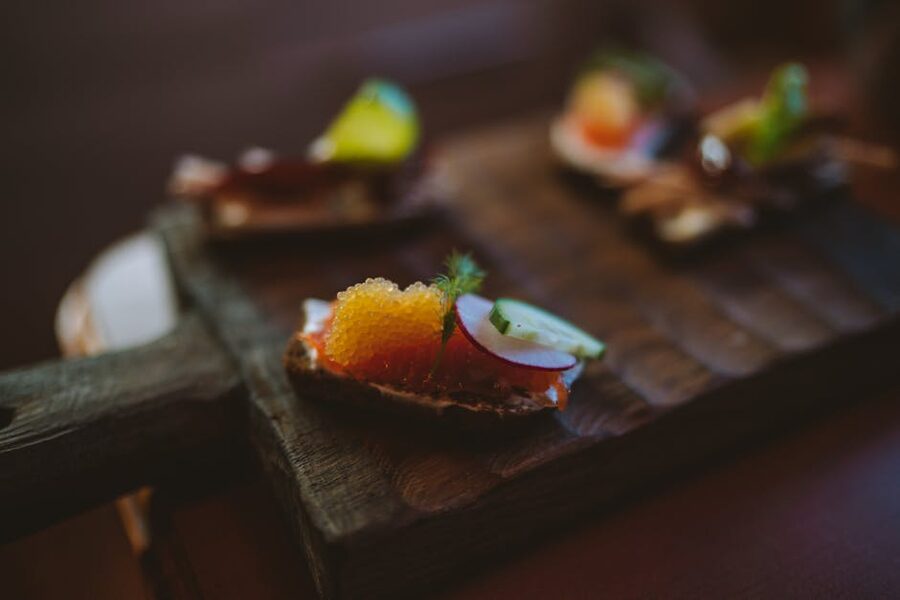
Selma is the most exciting smørrebrød kitchen in Copenhagen, run by Magnus Pettersson, a Swedish chef whose disrespect for the rules has been good for them. Selma was the first smørrebrød restaurant ever to win a Michelin Bib Gourmand (2019), which it has now held continuously. The herring is stained purple with blackcurrants. The shrimp is on brioche so buttery it eats almost like a cake, with jalapeño-pop and lemon-burst. The seasonal vegetable pieces (the tomato smørrebrød in late summer, ripe and pickled and dehydrated layered together) are some of the best plates of food being served at lunch in Scandinavia.
Practical: Wednesday to Saturday 12:00 to 14:30 (note: a tighter window than the canon), closed Sunday to Tuesday. Reservations essential; the room is small and the queue from a single Anders Husa post can wipe out a week. Three pieces and a snaps lands around 460 DKK (~€62); the brown-butter snaps from the house selection is excellent. selmacph.dk. This is also the easiest smørrebrød lunch in Copenhagen to pair with a Vesterbro afternoon, which the Copenhagen city guide covers in more detail.
Restaurant Palægade (Palægade 8)
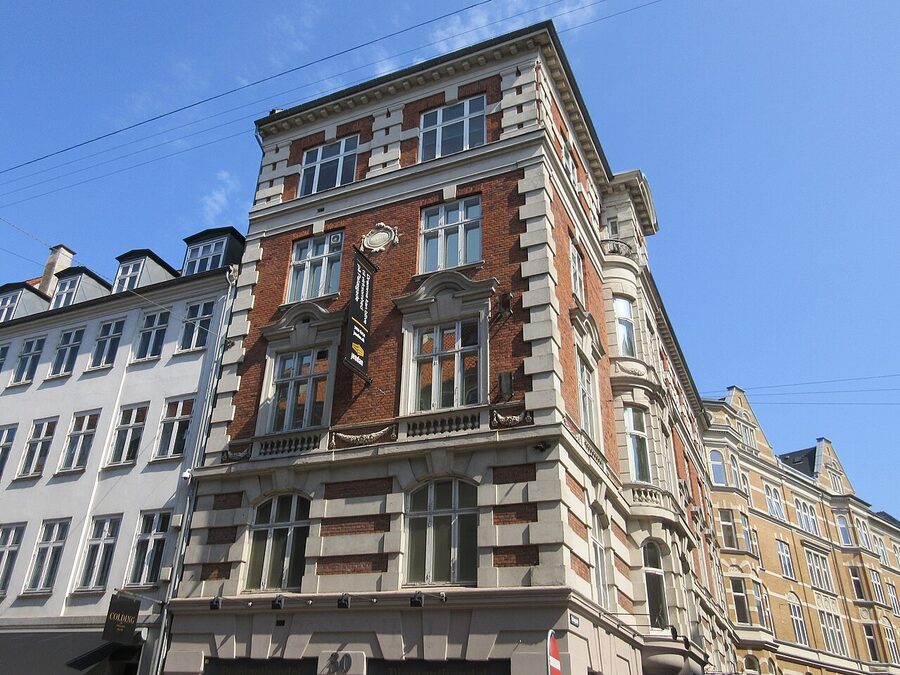
Palægade sits on a quiet street five minutes from Amalienborg, in a building that burned down catastrophically in October 2020 and reopened in 2022 as a leaner, sharper version of itself. The lunch menu is the smørrebrød canon done at a near-Selma level, with a custom dessert trolley that arrives at the end of the meal and produces an embarrassed silence among everyone who said they were too full. Part of the Formel B group, head chef Luckas Jensen, sommelier Johan Henrik Kirketerp-Møller. In the evening it pivots to a French-leaning menu; that is a different restaurant.
Practical: lunch Tuesday to Sunday 12:00 to 16:00, closed Monday lunches. Three pieces with a drink lands at 420 DKK (~€57). palaegade.dk.
Restaurant Kronborg (Brolæggerstræde 12)
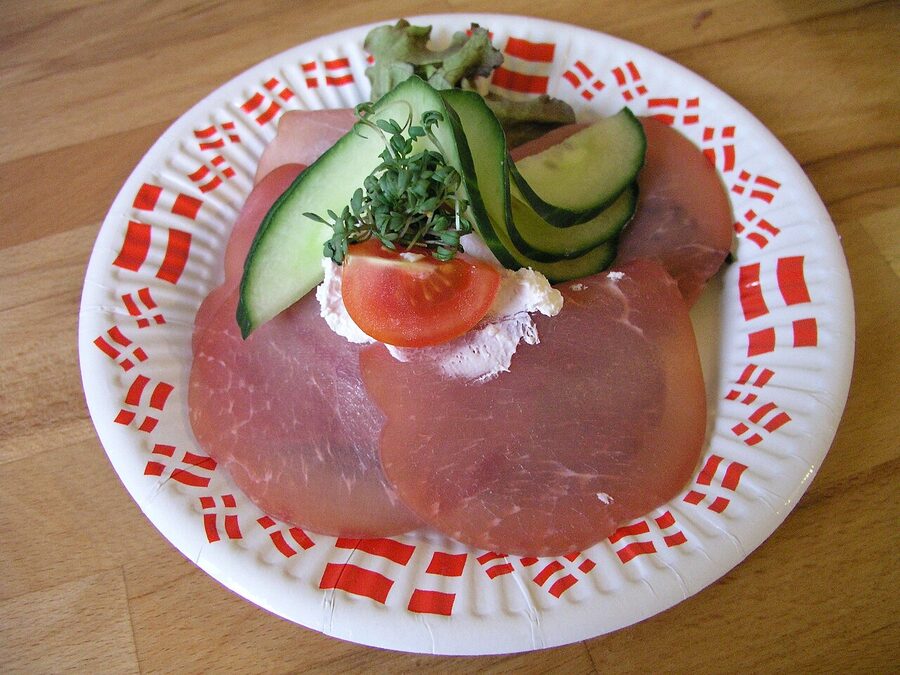
Restaurant Kronborg is the canon’s quiet entry. Tucked on a Brolæggerstræde alley between Strøget and the Christiansborg palace, it is the place a Copenhagener in their 50s will book if they want a properly traditional lunch without the Schønnemann waiting list. Twenty pieces on the menu, all of them done well, no innovation that calls attention to itself, white tablecloths, a beer arrives quickly. It is the smørrebrød equivalent of an old shoe.
Practical: Monday to Saturday 11:30 to 17:00, closed Sundays. Three pieces with a drink at around 320 DKK (~€43); the cheapest of the canon. restaurantkronborg.dk.
The lunch-only originals: where the tradition refuses to move
Slotskælderen hos Gitte Kik (Fortunstræde 4)
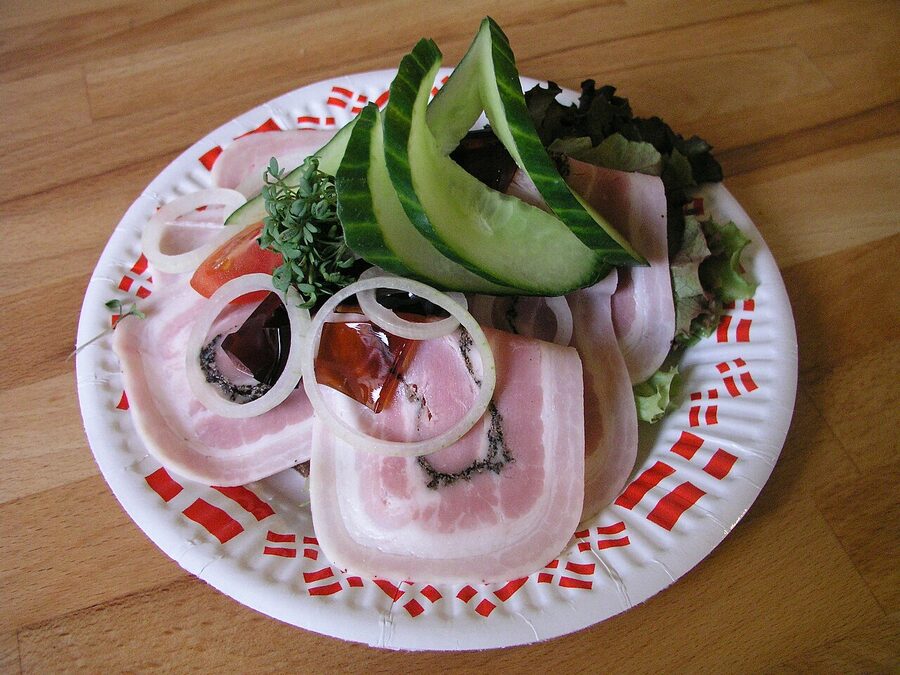
Slotskælderen has been operating in the same low-ceilinged room since 1910. There is no menu in the modern sense. You stand in front of a glass cabinet at the bar, point at what you want, the staff plate it for you. The room holds 40 people at a stretch. The clientele is half lawyers from the courts opposite and half regulars who have been coming for forty years. It is the most strictly old-school smørrebrød experience in Copenhagen and there is no chance whatsoever of innovation.
Practical: Tuesday to Saturday 10:00 to 17:00, closed Sunday and Monday absolutely. No reservations; arrive before noon for a seat at the window or 13:30 once the lunch crowd has thinned. Three pieces and a beer at around 280 DKK (~€38). Cash strongly preferred. Address: Fortunstræde 4, 1065 København K.
Restaurant Krog’s Fiskerestaurant (Gammel Strand 38)
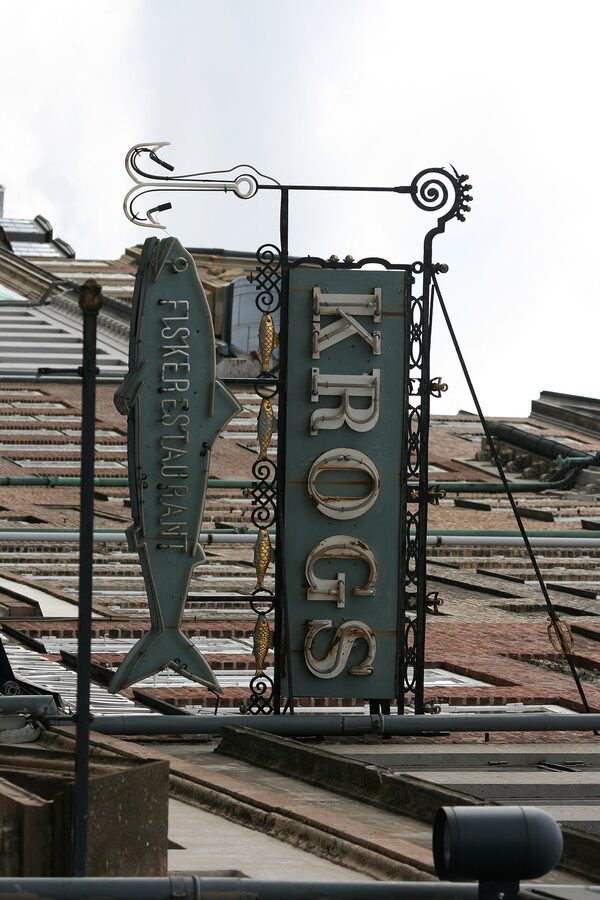
Krog’s has been on Gammel Strand opposite Christiansborg since 1910 and is the city’s oldest fish restaurant. The lunch menu carries the seafood smørrebrød well (the stjerneskud here is a benchmark) and the canal-side terrace in summer is one of the city’s better lunch spots. The catch is that Krog’s is more a fish dinner restaurant that runs a strong lunch service; if you want a smørrebrød-first place, prefer Schønnemann or Palægade.
Practical: lunch from 11:30 to 15:00 daily. Three seafood pieces and a glass of white come in around 440 DKK (~€59). krogs.dk.
The bar end: smørrebrød without the white tablecloths
Toldboden (Nordre Toldbod 24)
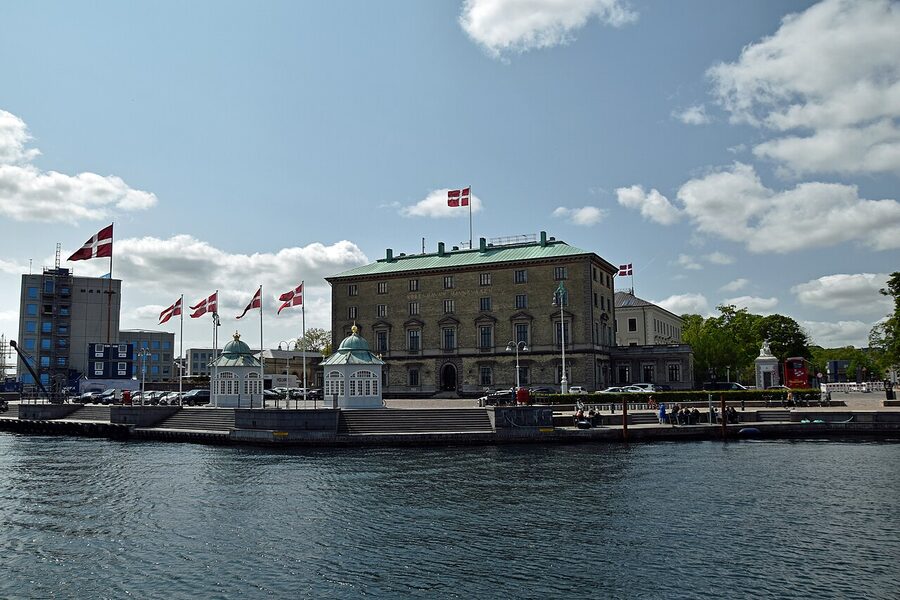
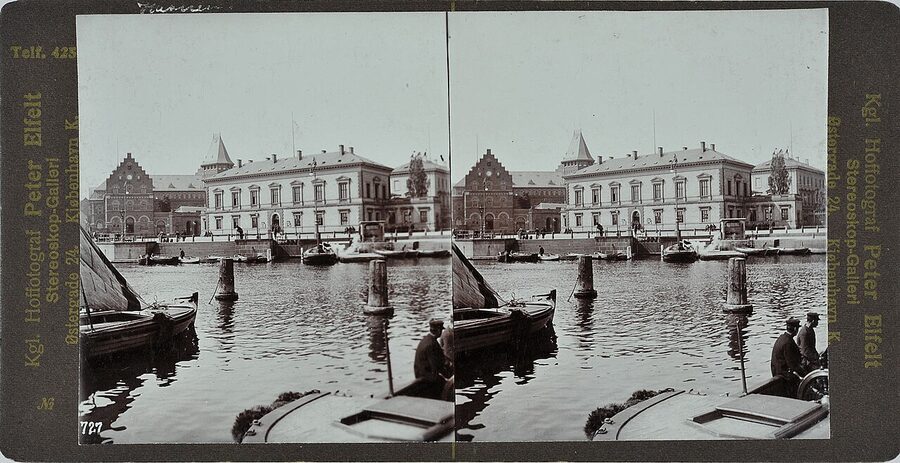
Toldboden is the harbour-side bar-restaurant in the old customs house, with smørrebrød at lunch, beer and small plates in the afternoon, and DJs much later. It is loose. It is loud on a sunny day. The lunch menu is short (six or seven pieces) but every one of them is solid, and three pieces on the terrace with the harbour wind moving the napkins around is one of the best summer Copenhagen lunches there is. Don’t go in winter unless the heaters are out.
Practical: lunch from 12:00 to 15:00; the kitchen technically runs longer but the quality drops once the crowd shifts to drinking. Three pieces and a beer at around 250 DKK (~€34). toldboden.com.
Hyttefadet (Nyhavn 25)
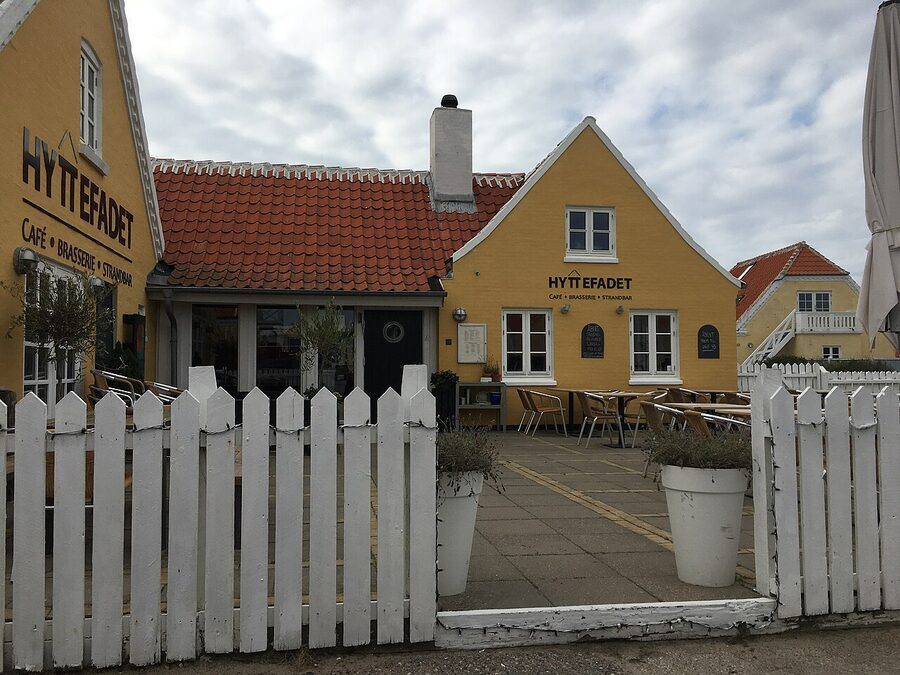
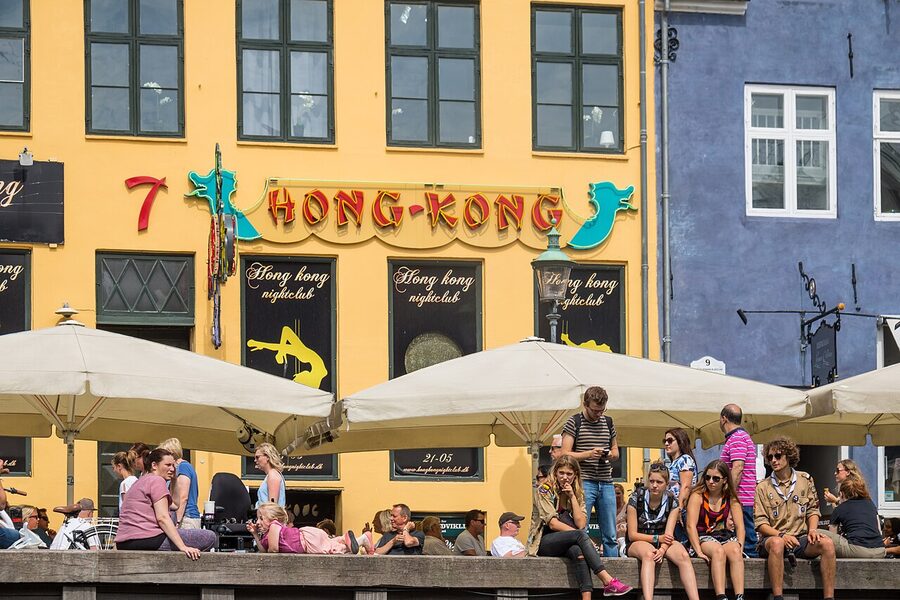
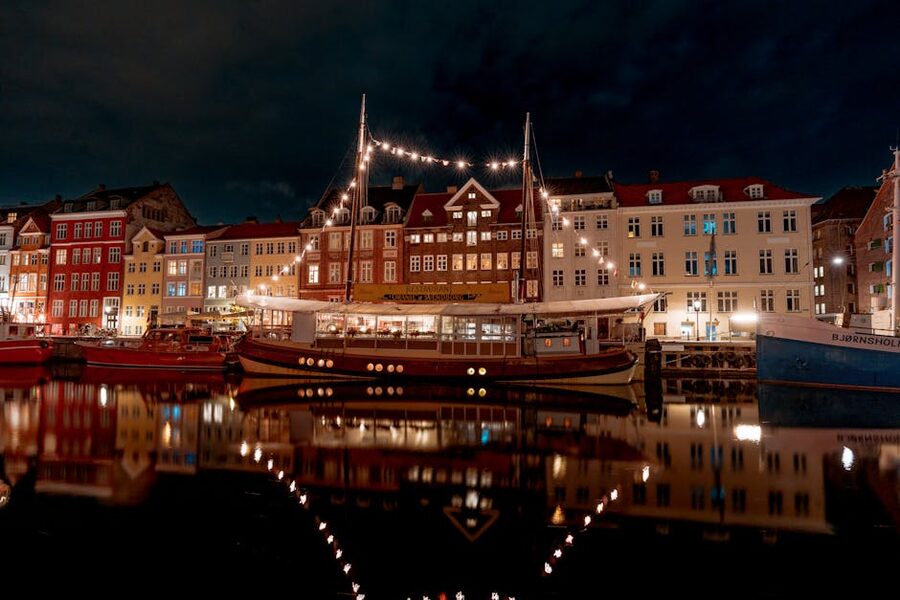
Hyttefadet sits in one of the colourful Nyhavn houses with a terrace on the canal. Smørrebrød is on the menu and the kitchen is competent; you are paying a Nyhavn-front premium for the view. If you absolutely want to eat smørrebrød on the most-photographed waterfront in northern Europe, this is the move; if you don’t care about the view, eat somewhere else and come to Nyhavn for the walk after.
Practical: 11:00 to 23:00, smørrebrød from 12:00 to roughly 15:30. Three pieces and a beer at around 320 DKK (~€43); the same lunch at Restaurant Kronborg costs the same and is a better plate.
Christianshavns Færgecafé (Strandgade 50)
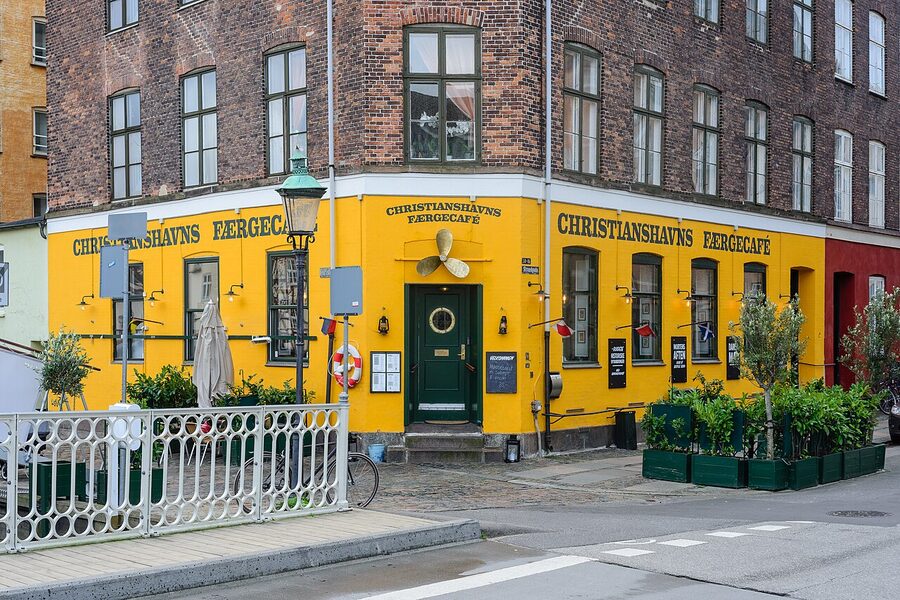
The Færgecafé is the Christianshavn pub that locals send each other to when they want smørrebrød without the spectacle. Twenty pieces on the menu, beer cold, room dark in winter and sunny on the canal in summer. Cross the Knippelsbro bridge from the city centre, walk five minutes south past Christiania, and you’ll see it.
Practical: 11:00 to 22:00, smørrebrød kitchen 11:30 to 16:00. Three pieces and a beer at around 290 DKK (~€39).
The new wave: where the dish is being argued with
Selma is the obvious headline (above), but a small group of newer kitchens are rebuilding smørrebrød without losing it. Møntergade (Møntergade 19) is the Anders-Husa-and-Kaitlin-Orr favourite under sommelier Rasmus Amdi Larsen, with hand-peeled shrimp piled high under green herbs and purple flowers, and a deep-fried plaice with curry remoulade that holds its own against Schønnemann’s. Three pieces and a wine flight around 480 DKK (~€65).
Told & Snaps (Toldbodgade 2) sits five minutes’ walk from Nyhavn near the customs road its name plays on, with thirty types of open-faced sandwich, an in-house snaps cellar (grilled lemon, dill, chanterelle, asparagus, black pepper, tarragon, horseradish, more), and a creamy chicken salad on butter-fried brioche that I have ordered three times in a row across separate visits. Three pieces and a snaps flight around 420 DKK (~€57). toldogsnaps.dk.
Norrlyst (Adelgade 12) is the newest entry; opened 2023, French-Danish hybrid menu that includes serious smørrebrød at lunch and an evening menu that pivots elsewhere. Worth checking the calendar; the lunch is on certain days only.
Café Halvvejen (Krystalgade 11) is the venerable lawyers’-and-academics’ bar that sits halfway between the cathedral and the round tower, doing smørrebrød the way it was done in the 1940s. Forty pieces on the menu, dark wood, no surprises, a regulars’ room. The herring is excellent and the price is moderate.
Where the smørrebrød scene meets the Bornholm element: sol over Gudhjem
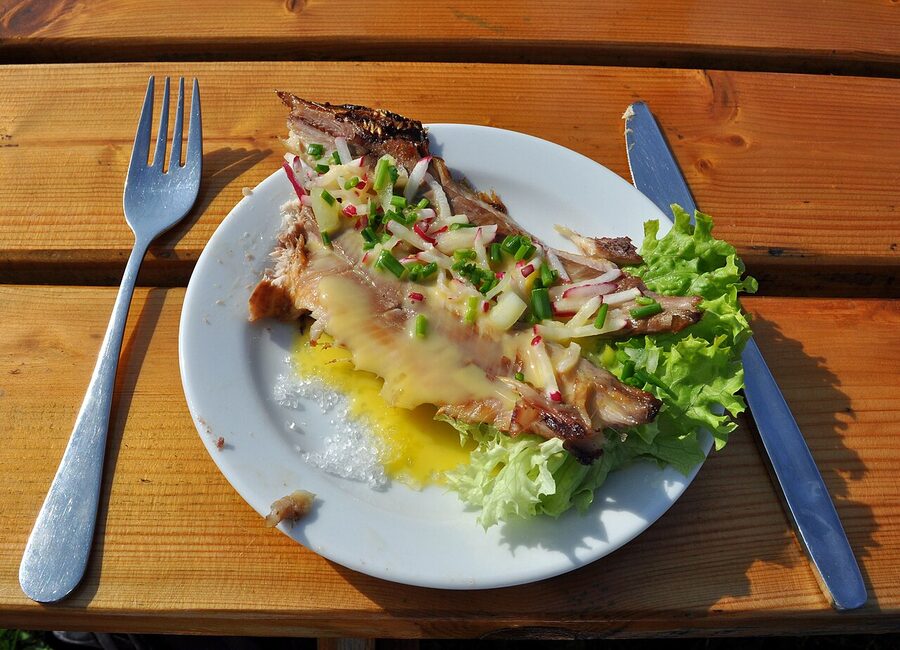
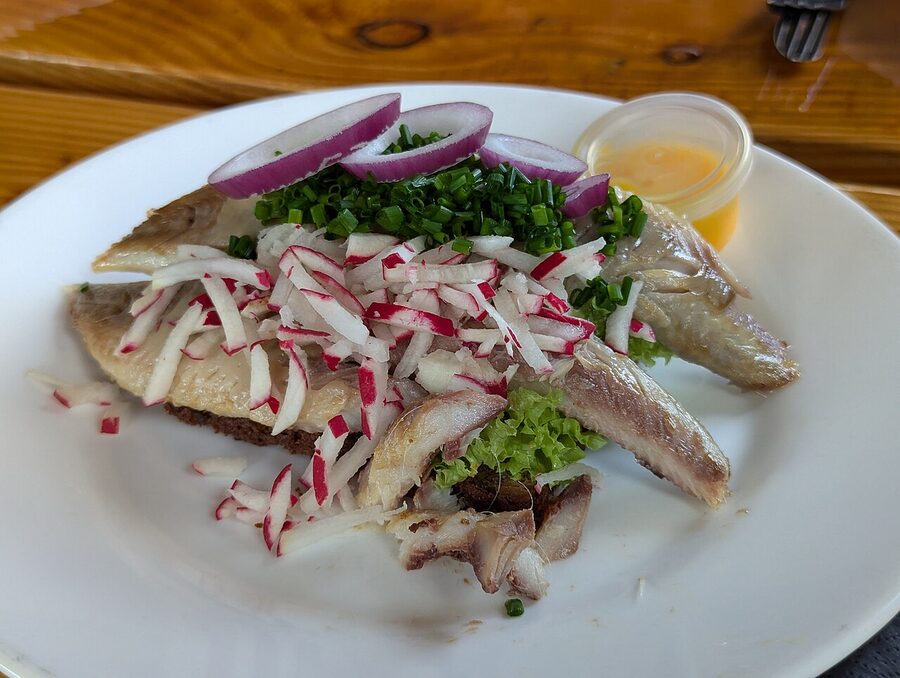
One piece deserves its own paragraph. Sol over Gudhjem (“Sun over Gudhjem”) is the Bornholm-island contribution to the smørrebrød grammar: a slice of rugbrød with smoked herring (smoked over alder wood at one of the island’s smokehouses, ideally), a raw egg yolk slid into a cushion of raw red onion and chives. The yolk-on-orange-smoke is the sun; the rye is the island. It is named for the seaside town of Gudhjem on Bornholm, where the dish was created in 1985 to win a smørrebrød competition. Outside Bornholm, the kitchens that take it most seriously are Schønnemann (theirs is the textbook) and the Christianshavns Færgecafé (a generous, less-precious version).
Pricing: what you’ll actually pay
Rough working prices in 2026 DKK (and EUR), per piece, including the buttered slice and the topping:
- Slotskælderen / Café Halvvejen / Christianshavns Færgecafé: 80-110 DKK (~€11-€15)
- Restaurant Kronborg: 95-125 DKK (~€13-€17)
- Schønnemann / Palægade / Aamanns 1921 / Told & Snaps: 110-145 DKK (~€15-€19)
- Selma: 120-165 DKK (~€16-€22) for the seasonal/signature pieces
Add a small Pilsner at 50-75 DKK (~€7-€10) and a 25ml snaps at 50-65 DKK (~€7-€9). A three-piece lunch with one beer and one snaps at the canon is going to land you between 320 DKK (~€43) at the cheaper end and 480 DKK (~€65) at Selma. A julefrokost-style six-piece marathon with the full snaps flight will exceed 700 DKK (~€94) per head and is worth doing exactly once if you have the appetite.
Where not to eat smørrebrød
Three categories to avoid. The first is anywhere on Strøget itself; the rents force the kitchens to compromise. The second is the Tivoli Gardens lunch restaurants; reasonable food, thoroughly tourist pricing, and the smørrebrød programme is an afterthought. The third is the Copenhagen Airport lounge versions; airport Aamanns is fine, but the airport bistro versions are a long way from a real lunch.
Skip these specifically: Restaurant Skindbuksen on Lille Kongensgade. Generations of guidebooks list it as a Copenhagen institution; the smørrebrød is genuinely poor in 2026 and the kitchen has lost the thread. Cap Horn on Nyhavn. Always crowded, always tourist-priced, the herring is industrial. Nyhavn 17. Same.
Outside Copenhagen: where else the dish lives
Aarhus has a small, serious smørrebrød scene; the most reliable kitchen there is in fact Aamanns Aarhus, but the local rooms are worth chasing. The Aarhus city guide has the food section if you’re chaining the cities.
For the Bornholm sol over Gudhjem original you need to actually visit the island, which is a ferry from Køge (under three hours) or a train via Sweden. Bornholm in summer is the smørrebrød pilgrimage trip you do after Copenhagen, not before; the island is closed half the year. The Snogebæk Røgeri on the south coast and the Hallegaard smokehouse north of Aakirkeby do the dish with the smoke still in the air.
Eating it after a sauna
One last cross-Nordic thought, since this is a Nordic-travel blog and the network of cities all do this. Smørrebrød after a sauna is one of the better meal sequences in northern Europe; salt, fat, sour, cold beer, the body still warm. Helsinki’s public-sauna culture is the closest analog to this in another Nordic capital, covered in detail in the Helsinki public saunas guide. Copenhagen’s harbour sauna at La Banchina (Refshalevej, by the canal) closes at 17:00 in winter; if you want the sauna-then-lunch sequence in Copenhagen, La Banchina at 11:00 followed by Toldboden at 13:30 is the loop.
Compared to the rest of the Nordic food canon
Smørrebrød is the most disciplined of the Nordic open-faced traditions and the only one that survived industrialisation in something close to its 19th-century form. Sweden has the smörgåsbord, which is genealogically related but operates as a buffet rather than a composed lunch. Norway has a working open-sandwich tradition that has remained more domestic than restaurant. Finland has a few related dishes (rye-bread-and-fish-roe pieces are common in the south) but no equivalent canon of named pieces. The traditions all share rye bread and pickled fish; only Denmark turned them into a regulated lunch with a printed menu.
The closest non-Nordic food I can compare a smørrebrød to is a Spanish pintxo: a small, composed, eat-in-order plate served at a bar at a specific hour. The grammar is similar; the climate is not. The Spanish version goes with sherry and a standing position. The Danish goes with cold beer, akvavit, and a cellar.
If you’re chaining capitals, the food sequence I’d plan is: smørrebrød lunch in Copenhagen, see the Copenhagen city guide for the rest of the day; sauna and salmon in Helsinki via the Helsinki city guide; archipelago seafood in Stockholm via three days in Stockholm. Each tradition stands alone, which is why this site keeps coming back to the differences. The other thing I’d link to here is the collection of Nordic travel blogs; if you want food coverage from longer-term residents, several of them write Copenhagen properly.
How to plan your smørrebrød day
If you have one lunch in the city, book Schønnemann a week ahead and treat the meal as the main event of the day. Walk it off through Strøget, end at the round tower, climb to the top, and let the cheese-end of the meal settle for an hour before you eat anything else.
If you have two lunches, the second one should go to either Selma (for the new-wave answer) or Aamanns 1921 (for the renovation-of-the-classic answer). Different kitchens, both excellent.
If you have three, add Slotskælderen as the no-reservations cabinet-pointer and use it as the no-spectacle counter-experience to whichever marquee place you’ve already done.
If you only have a quick lunch, walk to Aamanns Replik at the Royal Danish Playhouse; same kitchen as 1921, smaller menu, faster service, same standards. Two pieces and a coffee in 35 minutes. The location is also five minutes from Amalienborg, which makes it the rare smørrebrød-and-tourism combination that doesn’t cost in quality.
Closing notes
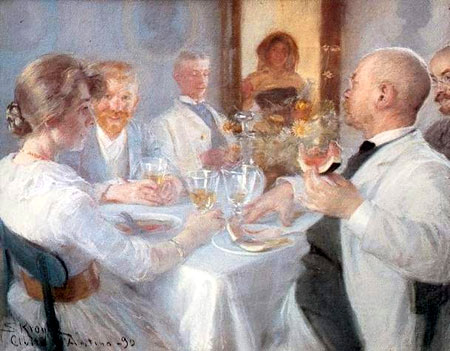
Most of what I’ve said about timing, etiquette and order will sound formal in print and is in practice the opposite. A real Copenhagen lunch is loud, warm, slightly drunk by 14:00, and fond of long arguments about whether the herring is improving or declining at the kitchen you’re sitting in. The rules are there to make space for the conversation, not to constrain it.
Three pieces, one beer, one snaps, and time to argue. Then the cheese and a coffee. Then a walk. The smørrebrød is the dish; the lunch is the point.