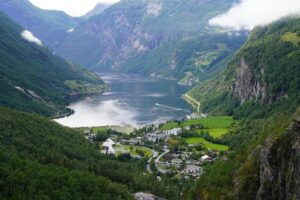
The first thing you should know about Oslo is that the prices are real. A flat white runs 55 NOK (~€4.80), a sit-down dinner with one drink rarely lands under 450 NOK (~€39), and a craft beer in Aker Brygge is 130 NOK (~€11.30) before you’ve blinked. The second thing you should know is that the city is, by Nordic standards, almost obscenely well set up for what you’re paying. Public transport that actually works. A waterfront you can walk for six kilometres. Two world-class art museums under the same skyline. Forest at the end of every metro line. So no, Oslo is not the cheap entry point to Norway. It’s the city you settle into for two or three days before the fjords swallow you whole, and if you handle it right, you leave wishing you’d stayed longer.
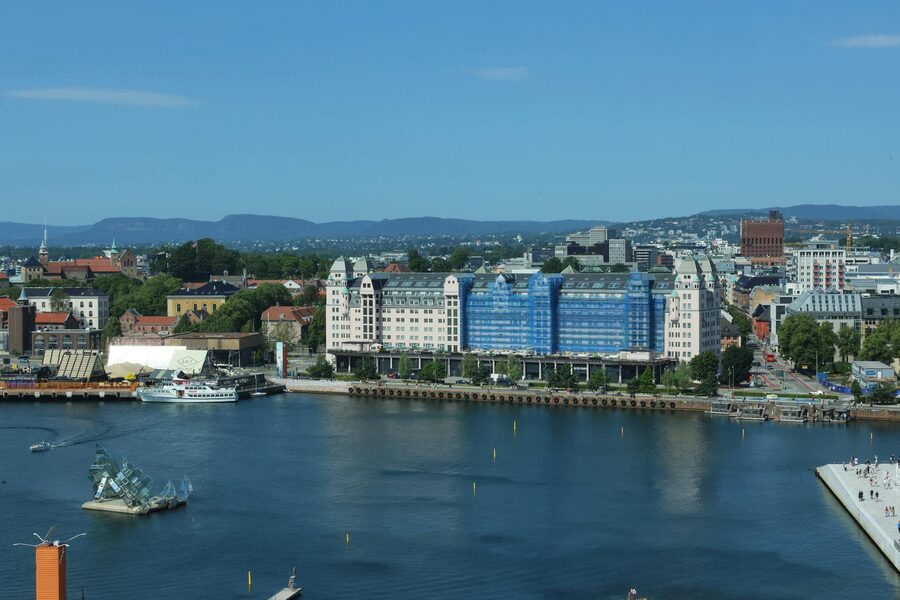
I’m writing this as someone who has flown into Gardermoen in every season the Norwegians have a word for and a couple they don’t. Late January, blue hour by 15:30 and pavements like a curling rink. Early May, daffodils in the Royal Palace gardens and people sunbathing in their work clothes the moment the temperature touches 12°C. August, when the locals decamp to their cabins and the city feels strangely yours. And December, with the Spikersuppa skating rink open and the Christmas markets glowing on Karl Johans gate. Oslo plays differently in each. This guide tells you what’s actually worth the kroner, what to skip even though every list mentions it, and how to handle a capital that the rest of Norway sometimes pretends isn’t really part of the country.
In This Article
- How long you actually need
- Where the city actually lives: Aker Brygge versus Grünerløkka
- The Opera House is free, and yes, walk on the roof
- Munchmuseet versus Nasjonalmuseet: which one and when
- Vigeland Park: a different park in summer and winter
- Holmenkollen: above the city, and worth the metro ride
- Out on the fjord: the public ferry beats the tour boat
- Karl Johan, the Royal Palace, and the bit of history that explains the city
- A short historical detour
- Akershus Fortress: the one piece of the medieval city that’s left
- Eating: where the kroner go furthest
- Where to stay: practical, not aspirational
- Getting around: the Oslo Pass maths
- When to come
- Day trips that earn the day
- Things people tell you to do that you can skip
- The verdict
How long you actually need
Two full days is the right answer for most people. Three if you’re adding a day trip to Holmenkollen or kayaking on the fjord. Four only if you’re using Oslo as a base to ride the Bergen Line scenic train or fly north to Tromsø. One day is enough to walk Karl Johan, climb the Opera House roof, and eat a kjøttkake somewhere, but you’ll feel like you skimmed the surface, because you did.
If you’re chaining Oslo with Stockholm or Copenhagen, give it the middle slot. The night trains have all but vanished from the Oslo–Copenhagen route, but Vy and SJ run a daytime through-service to Stockholm in about six hours that beats the airport faff by a clean margin once you count check-in and the airport express both ends.
Where the city actually lives: Aker Brygge versus Grünerløkka
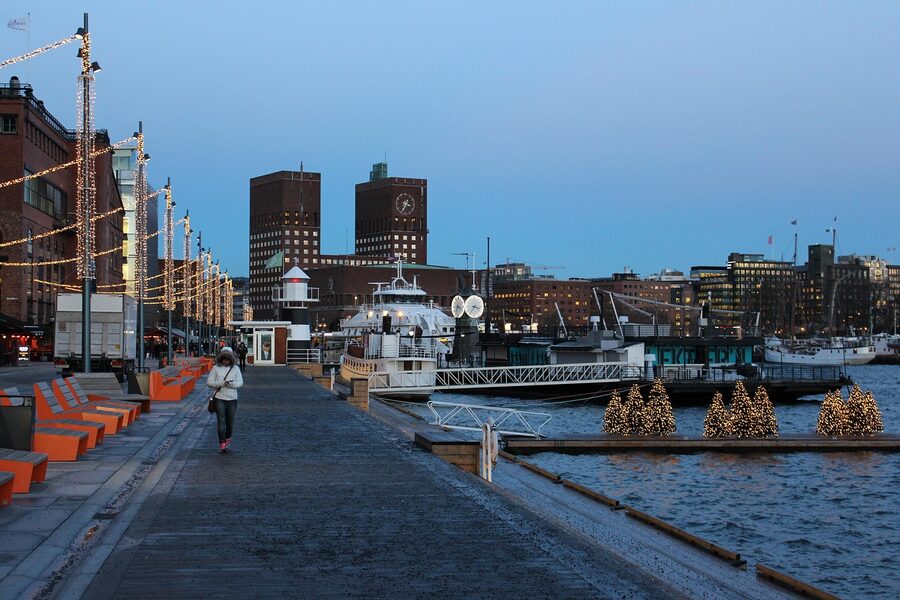
Every city has its tourist front and its real front. Oslo’s are about three kilometres apart, on opposite sides of the river, and you should spend time in both.
Aker Brygge and Tjuvholmen are what the cruise ships see first. Glass and steel, brand-new wharves, the Astrup Fearnley Museum sticking out into the fjord like a Renzo Piano sail. The food is largely middling and triple-priced, the atmosphere is genuinely good, and the late-evening light off the water in June is reason enough to be there. Don’t eat a main course unless someone else is paying. Do come for an Aperol Spritz at one of the canal-side terraces in Tjuvholmen, watch the city ferries thread through the basin, and walk out to the very tip of Tjuvholmen pier where the bathers jump off in summer. The Astrup Fearnley itself is small, opinionated, and worth the 200 NOK (~€17) entry if contemporary art is your thing. If it isn’t, give it a pass and walk on.
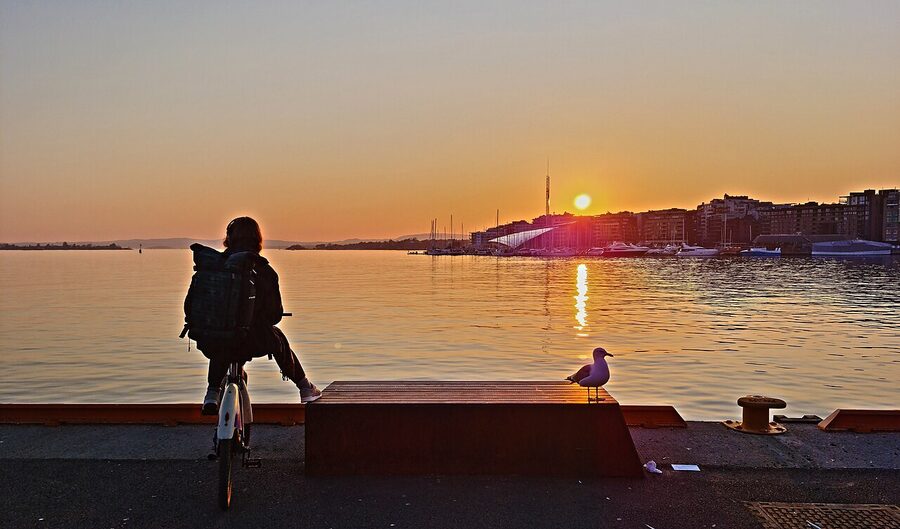
Grünerløkka is where you find the city Oslo wants to be. Cross the Akerselva river at Mathallen, turn north, and within ten minutes you’re on Olaf Ryes plass with second-hand book shops, kaffebar after kaffebar, and a square that fills with twenty-somethings in the long evenings. The food gets better and cheaper. Punjab Tandoori in nearby Grønland is where you go for a 180 NOK (~€15.60) curry that fills you up, the kind of meal Oslo doesn’t tell you exists. The Sunday flea market on Birkelunden in the warmer months is genuinely good. Stick around for one Mack pilsner at Grünerløkka Brygghus or the dive-y Tilt down by the river. The neighbourhood is to Oslo what Sodermalm is to Stockholm and Vesterbro is to Copenhagen. You should be there for at least one evening.
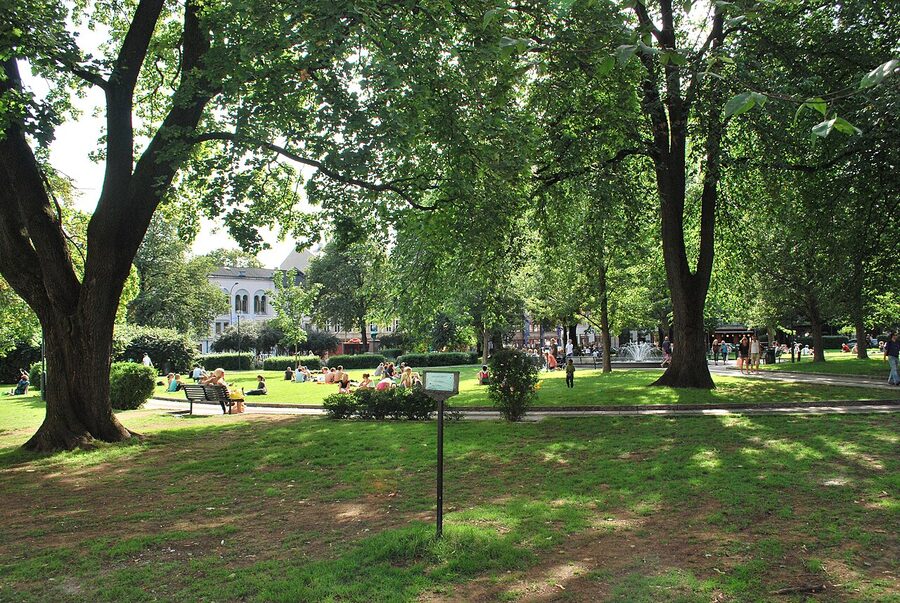
Walk between the two along the Akerselva river path. It’s eight kilometres top to bottom from Maridalsvannet down to the fjord, and you don’t have to do all of it. The middle stretch through the old industrial mills, now studios and breweries, is the best part. Two hours, easy.
The Opera House is free, and yes, walk on the roof
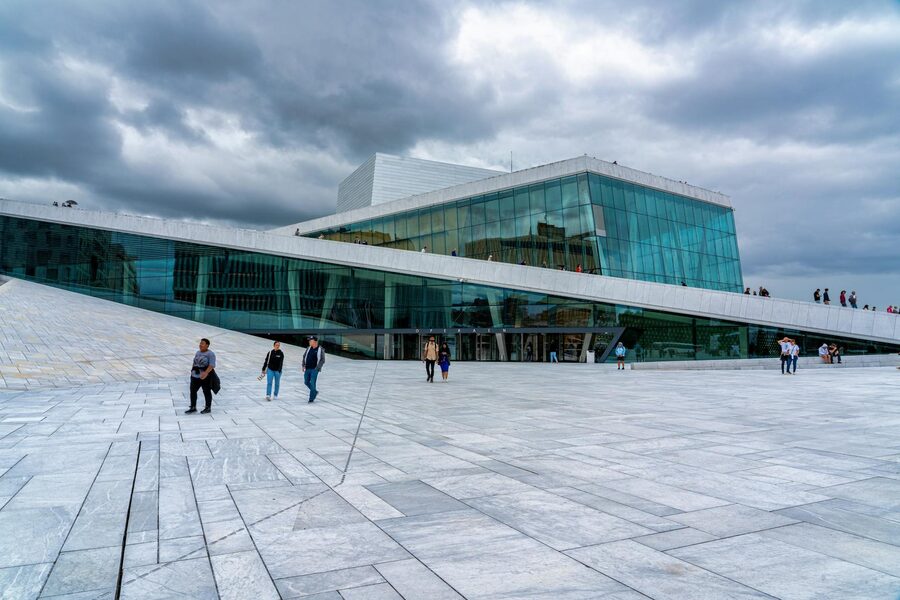
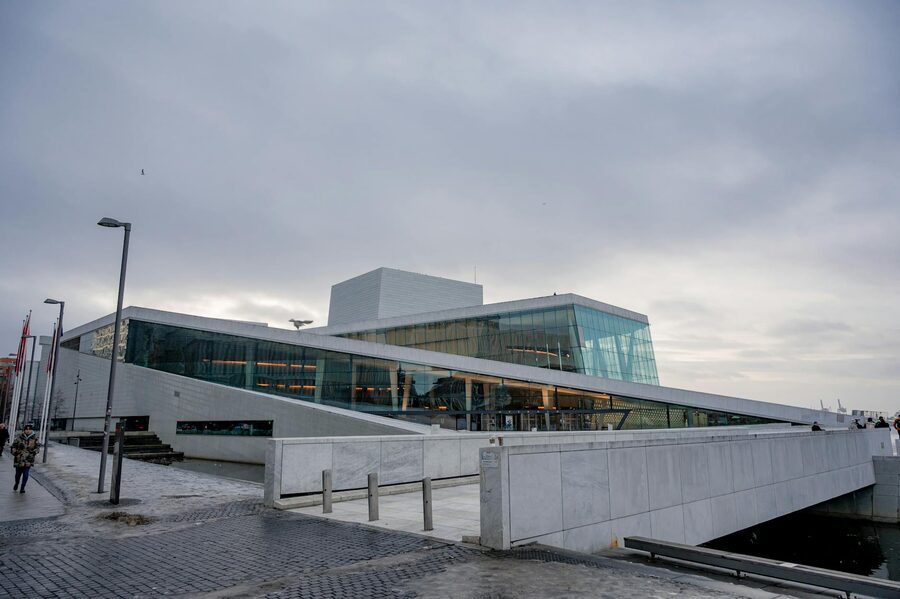
The Operahuset opened in 2008 and is the single best thing to happen to central Oslo in fifty years. The architects, Snøhetta, designed the roof to be walked on, and the city took them at their word. Marble slabs slope from waterline to summit. You climb at whatever pace you like, sit at the top, and you’ve got the whole Oslofjord laid out in front of you. The new Munchmuseet is to your left, the Deichman library to your right, and the floating sculpture She Lies bobbing in the basin in front. Most evenings in summer you’ll see locals doing the same thing with a takeaway beer.
It’s free. You don’t need a ticket. You don’t need to go inside (though the foyer is worth ten minutes for the wood-panelled wave wall). It is the one piece of advice I’d give a first-timer about Oslo above any other.
Munchmuseet versus Nasjonalmuseet: which one and when
Two world-class art museums opened in central Oslo within twelve months of each other (Nasjonalmuseet in June 2022, the new Munchmuseet a year earlier in October 2021), and the city now has more major-museum capacity than it knows what to do with. Both are on the waterfront. Both will take you 90 minutes to two hours done properly. They are different experiences, and if you’re picking one, the choice depends on what you came to Oslo for.
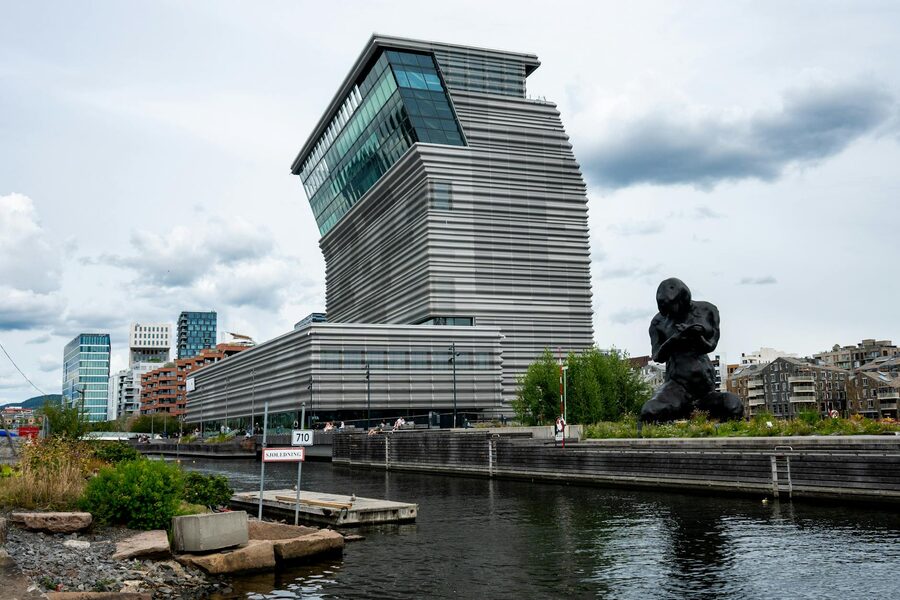
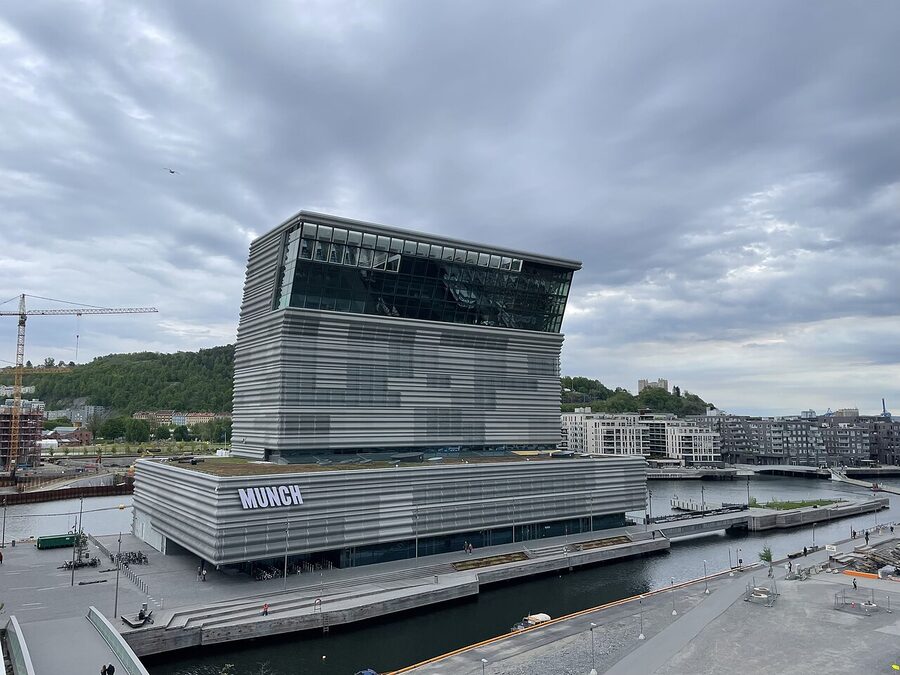
Munchmuseet is the one to pick if you’re remotely interested in Edvard Munch as a person. It holds over half of his entire output, including The Scream in three versions (a painting, a pastel, and a print, rotated so only one is on display at a time, which sounds annoying and is actually a smart curatorial choice). What makes the museum great isn’t The Scream; it’s the rooms after rooms of work that didn’t make the postcard. The lithographs, the woodcuts, the late self-portraits where you can see him watching himself fail. The top-floor bar has the best view from any museum in Scandinavia. Go up there even if you don’t drink.
Nasjonalmuseet, on the other hand, is the broader Norwegian art collection: Munch’s most famous Scream hangs here too (the 1893 tempera, the one on every fridge magnet), alongside Hans Heyerdahl, Harriet Backer, the romantic landscape painters, and a strong contemporary wing. It’s enormous. It’s the right pick if you want one museum that gives you a complete pass through Norwegian visual culture from 1800 to now. It’s the wrong pick if you came specifically for Munch, because Munch is better served at his own building. Same price band, 200 NOK (~€17.40), free for under-18s.
If you have time for one and the weather’s grim, Munchmuseet wins on building alone. If the weather’s beautiful, do the Nasjonalmuseet because you’ll regret being stuck inside the larger building when the fjord is glittering.
Vigeland Park: a different park in summer and winter
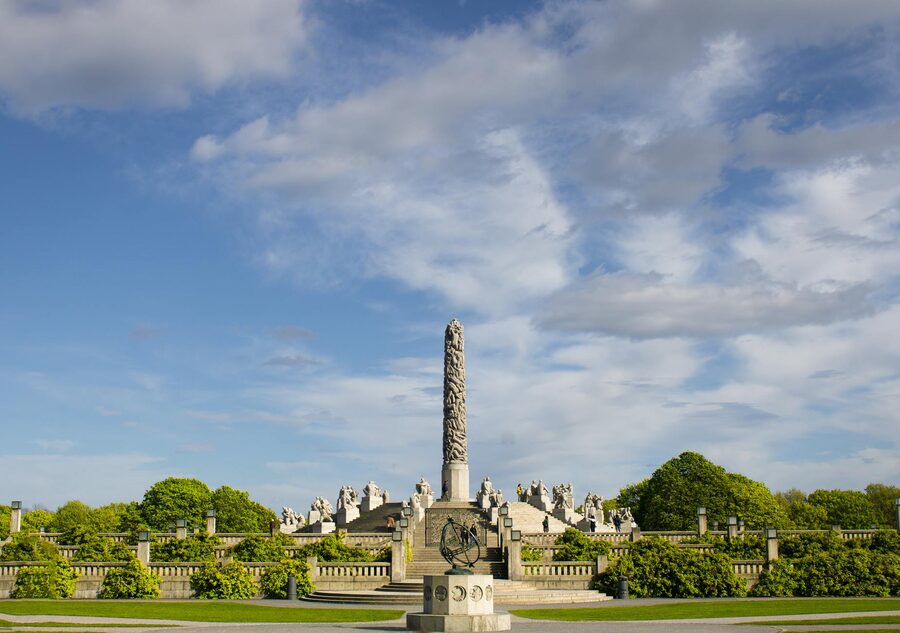
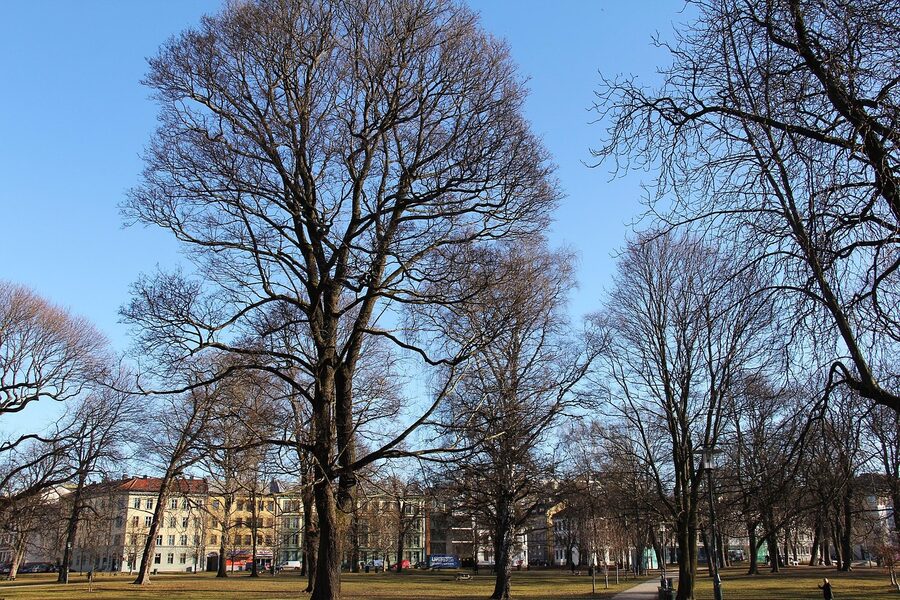
Frogner Park, with the Vigeland Sculpture Park inside it, is a legitimate world-class attraction with a quiet local secret: it works as well in February at minus 10°C as it does in July at 25°C, but it works differently, and most guides don’t tell you that.
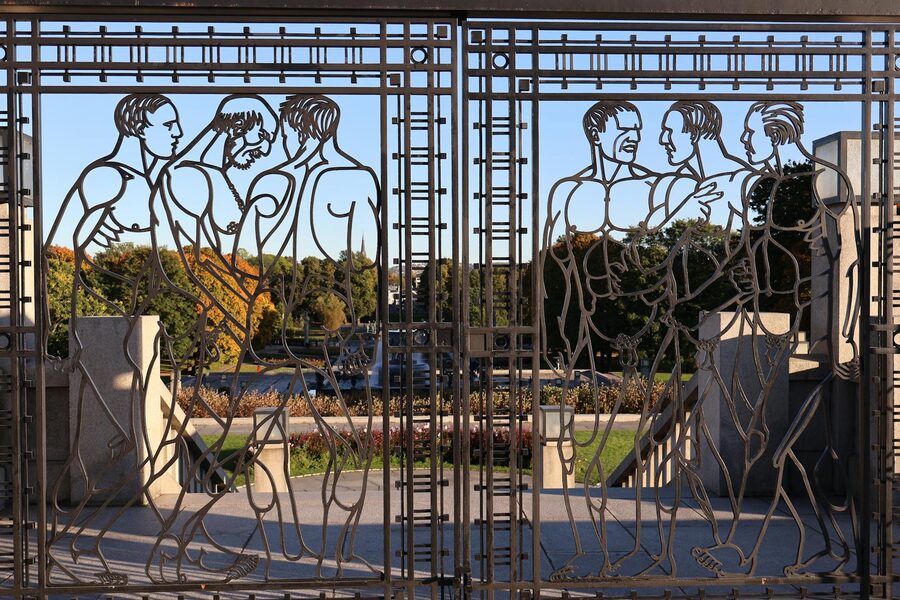
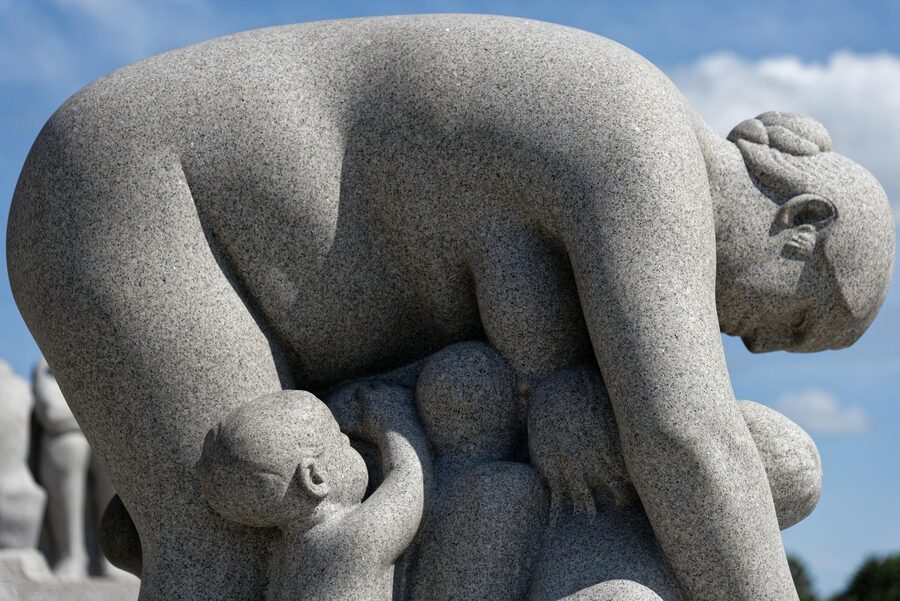
Gustav Vigeland produced 212 bronze, granite, and wrought-iron sculptures here over forty years. The park is free, open 24 hours, and has no fences. The Monolith on the central terrace is the photo. The little crying baby (Sinnataggen, “the Angry Boy”) on the bridge is the meme. The wrought-iron Wheel of Life gate is the underrated one. Walk slowly. Some of the figures are weirder than they get credit for, and the park rewards a second pass after lunch.
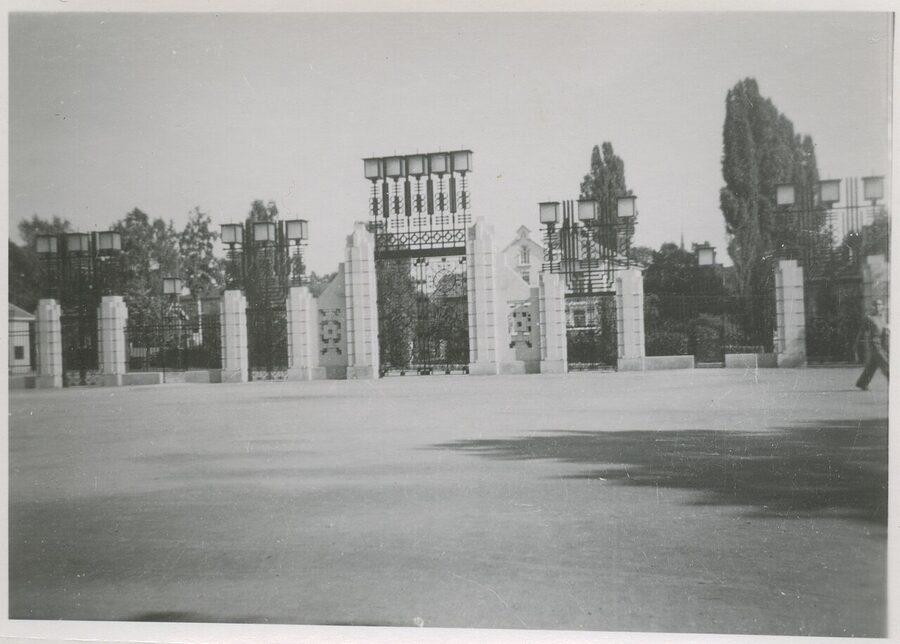
In summer, the park is lawns and picnics. People sunbathe on the granite. Frognerbadet, the outdoor 50-metre lido, is open from late May to mid-August at the western edge of the park (175 NOK / ~€15.20 entry, often packed by 11:00 on hot weekends). I’d genuinely rate it above any swimming pool in Stockholm or Copenhagen for the setting alone.
In winter, the place empties out. You’ll have whole sculptures to yourself. The Monolith at first light when there’s snow on the granite is one of those memories that stays disproportionate to the effort it took to get there. Wear proper boots; the bridge with all the figures is icy by 09:00. Cross-country skiers cut through the park early in the morning on their way up to Nordmarka.
Holmenkollen: above the city, and worth the metro ride
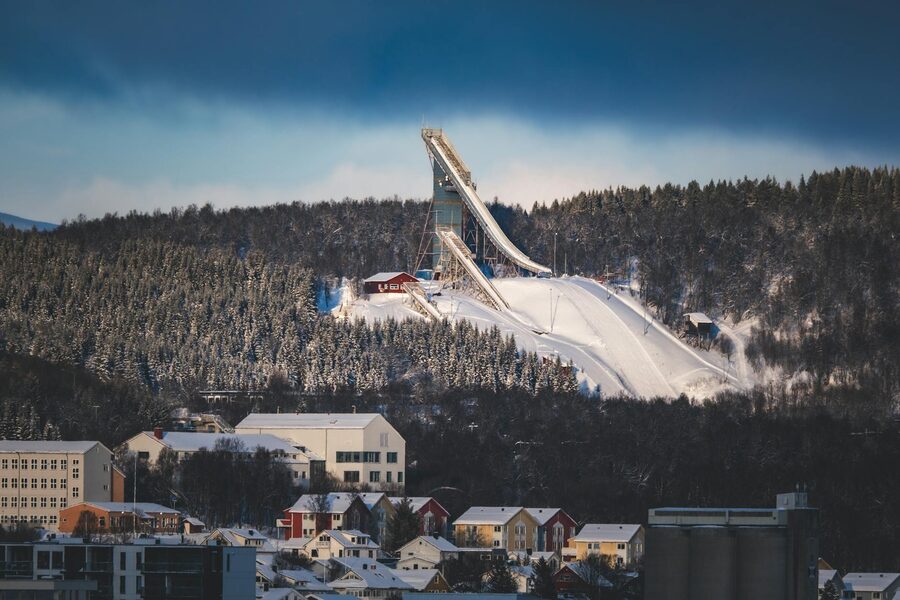
Take the T-bane line 1 from Stortinget. It climbs 470 metres above sea level over twenty-five minutes, the carriages go from city tram to mountain railway in slow motion, and the locals start getting on with skis from about Frognerseteren. Get off at Holmenkollen station. The ski jump is a five-minute walk uphill.
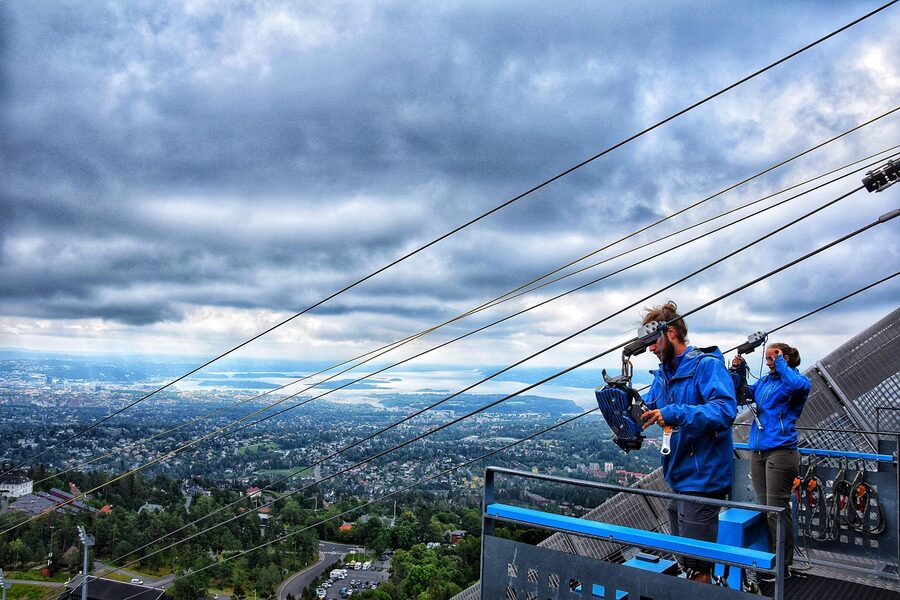
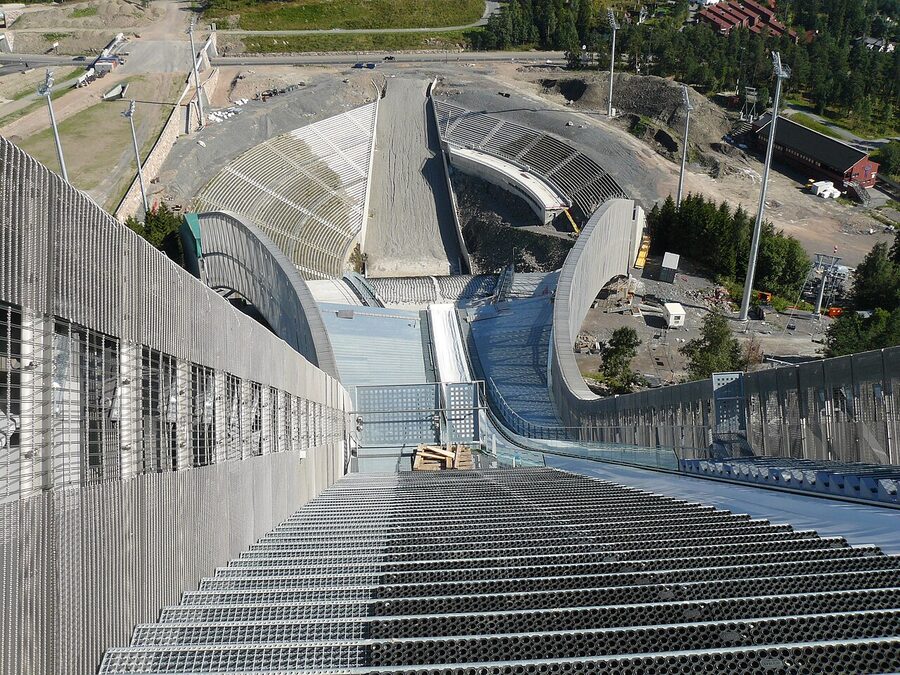
The current jump tower (rebuilt 2010 for the 2011 World Championships) is 60 metres tall. The view from the platform at the top covers most of central Oslo, the fjord, the islands, and on a clear day across to the Bunnefjorden. The Ski Museum at the base is the world’s oldest ski museum (since 1923), and it’s better than it sounds. There’s a 4,000-year-old wooden ski from a Norwegian bog, a section on Roald Amundsen’s polar expeditions that don’t get full attention elsewhere, and the kit Sondre Norheim was wearing when he basically invented modern skiing in the 1860s. Combined entry to the museum and the jump tower is 200 NOK (~€17.40); the museum alone is 140 NOK (~€12.20).
Stay an hour longer and walk up to Frognerseteren, the wooden lodge restaurant another 15 minutes uphill. Their apple cake (eplekake) and a coffee runs 110 NOK (~€9.60) and the view from the terrace beats the one from the ski jump. Or keep going into the Nordmarka forest itself. The marked trail to Tryvann tower is two hours each way and you’ll be entirely alone for most of it. This is the move that turns Holmenkollen from a 90-minute attraction into a half-day, and it’s the version I recommend.
Out on the fjord: the public ferry beats the tour boat
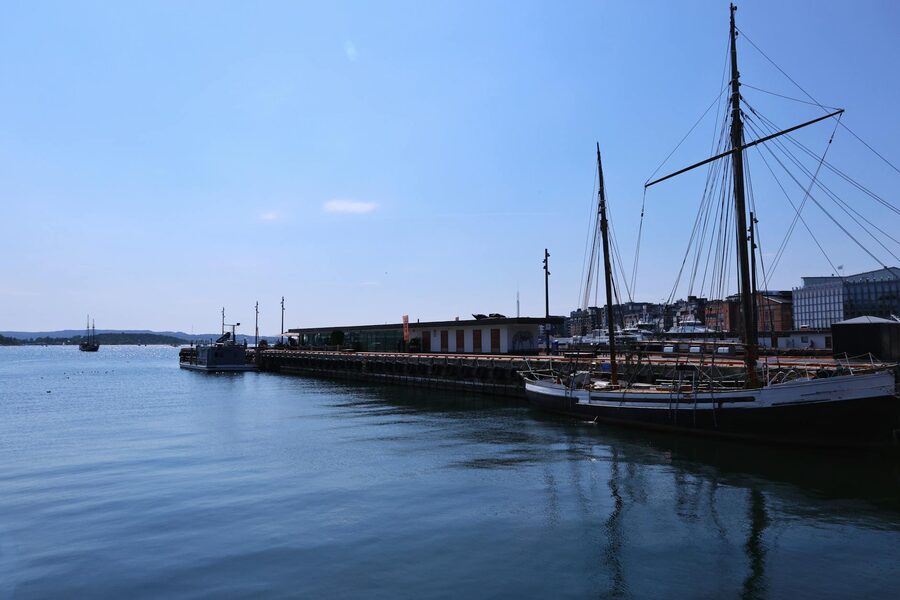
Every guidebook tells you to book a fjord cruise. Several brand-new electric tour boats now leave Aker Brygge every hour for around 450–550 NOK (~€39–48). They’re fine. They are also unnecessary, because the Ruter public ferries, which use the same fjord and visit the same islands, run on the regular city transport ticket (43 NOK / ~€3.75 per single, or free with the Oslo Pass).
The B1, B2, B3, and B4 routes leave from Vippetangen behind the Akershus fortress and serve the inner Oslofjord islands: Hovedøya, Lindøya, Nakholmen, Bleikøya, Gressholmen, and Langøyene. Hovedøya is the closest, the largest, and has the ruined Cistercian monastery from 1147. Langøyene is the furthest and has the proper swimming beaches. A round trip on the ferry, with two hours on Hovedøya in the middle, gives you 80 percent of what the cruise sells you for ten times the price.
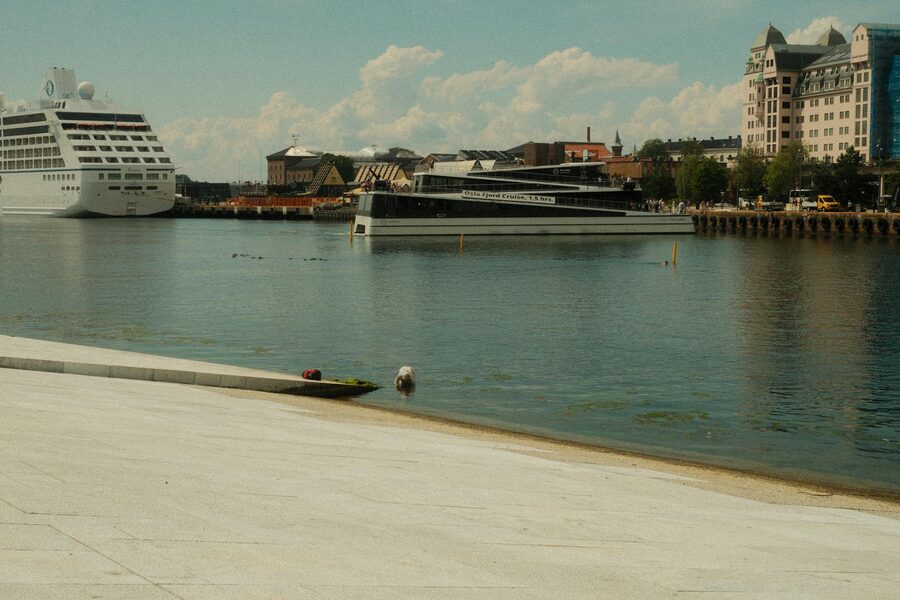
If you want a sauna with your fjord, KOK and SALT are the two floating sauna operations in Bjørvika opposite the Opera House. KOK runs proper boats you can sail while you steam (450 NOK / ~€39 for an hour and a half, includes the cold-plunge ladder). SALT is the more chaotic, art-installation version with multiple wood-fired saunas on the dock. Both are good. SALT is cheaper and busier; KOK is calmer and slightly more impressive. Towels are provided. Swimwear is mandatory. Don’t try to do this in your hotel bathrobe.
Karl Johan, the Royal Palace, and the bit of history that explains the city
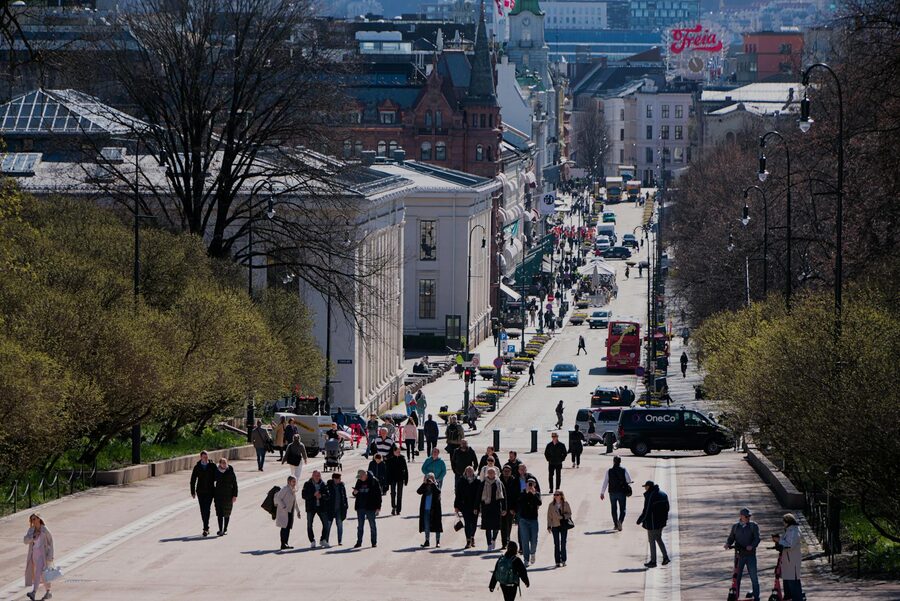
Karl Johans gate is Oslo’s main artery: 1.2 kilometres in a straight line from Oslo S to the Royal Palace, with the Storting (parliament) and Nationaltheatret roughly halfway down. Walk it once. It’s a useful way to orient yourself, and the Christmas market at Spikersuppa near the palace end is genuinely worth visiting from late November to early January (free entry, glühwein at 75 NOK / ~€6.50, the skating rink rents skates for 130 NOK / ~€11.30 for ninety minutes). The rest of the year, the street is fine but unremarkable. You’re not coming to Oslo to shop on H&M’s main drag.
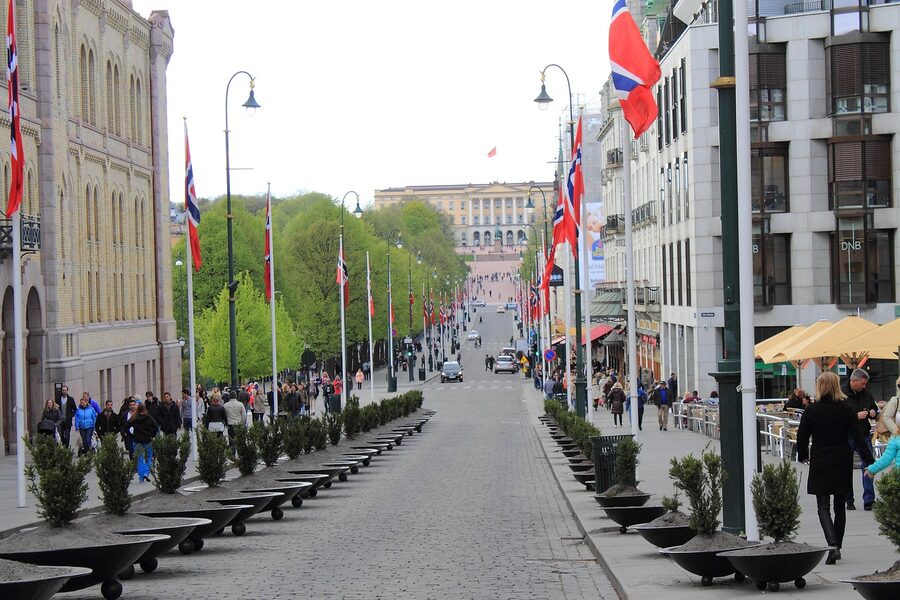
The Royal Palace itself sits at the top of the rise. King Harald V is in residence (look for the flag), and the changing of the guard happens daily at 13:30. It’s calmer than its London equivalent, by which I mean about thirty people watch it. The palace gardens are open to the public year-round and are the closest thing central Oslo has to a Hyde Park. Worth a wander on a sunny afternoon.
A short historical detour
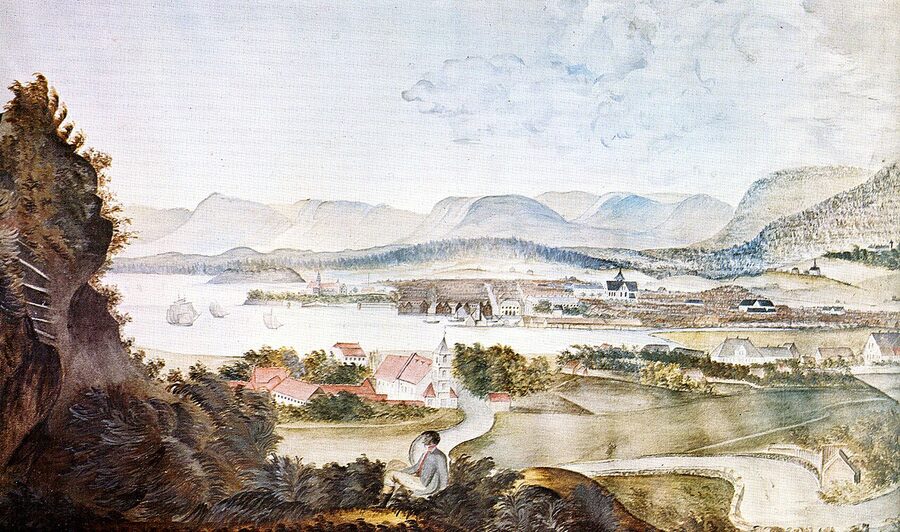
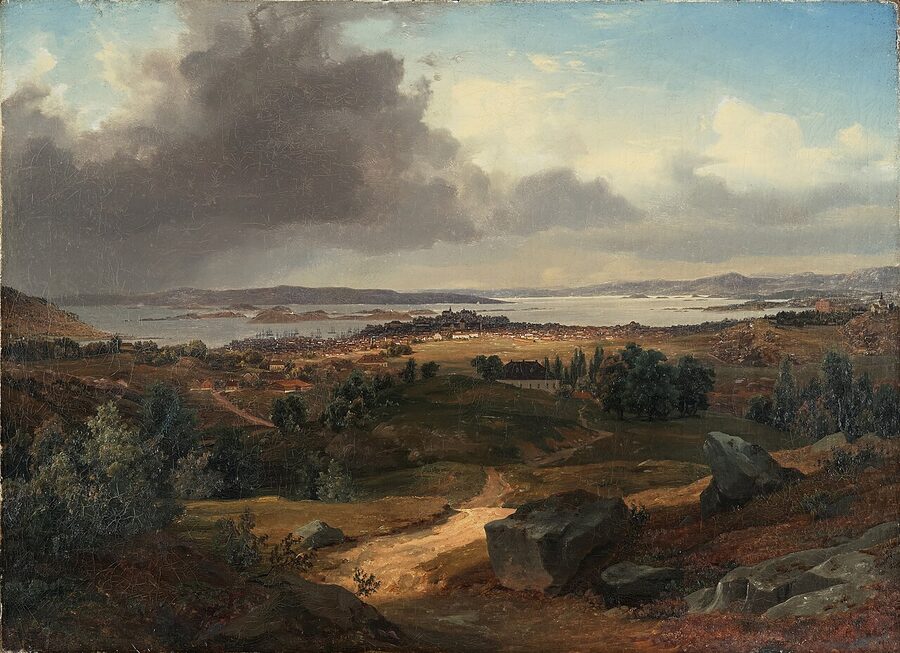
If the city seems oddly young in feel for a Northern European capital, that’s because it functionally is. After a fire devastated the medieval town in 1624, King Christian IV moved the city west to its present position and renamed it Christiania (later Kristiania). Norway only became Norway again in 1814, when it adopted its own constitution at Eidsvoll on 17 May (still the national day, and if you happen to be here on that date the Karl Johan procession is the single biggest day of the year for the city). The name reverted from Kristiania to Oslo only in 1925. So the bones of central Oslo, including the rectangular grid you walk through around Akershus, the National Theatre, the parliament, are mostly 19th-century. Bergen has more history. Trondheim has more cathedrals. Oslo has more 21st-century architecture than anywhere else in Norway, and that’s its actual selling point.
Akershus Fortress: the one piece of the medieval city that’s left
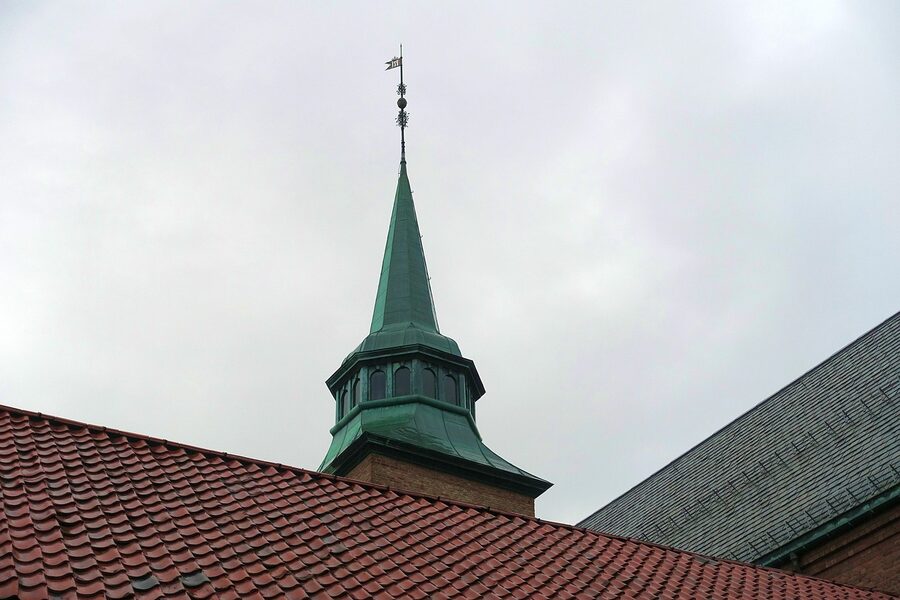
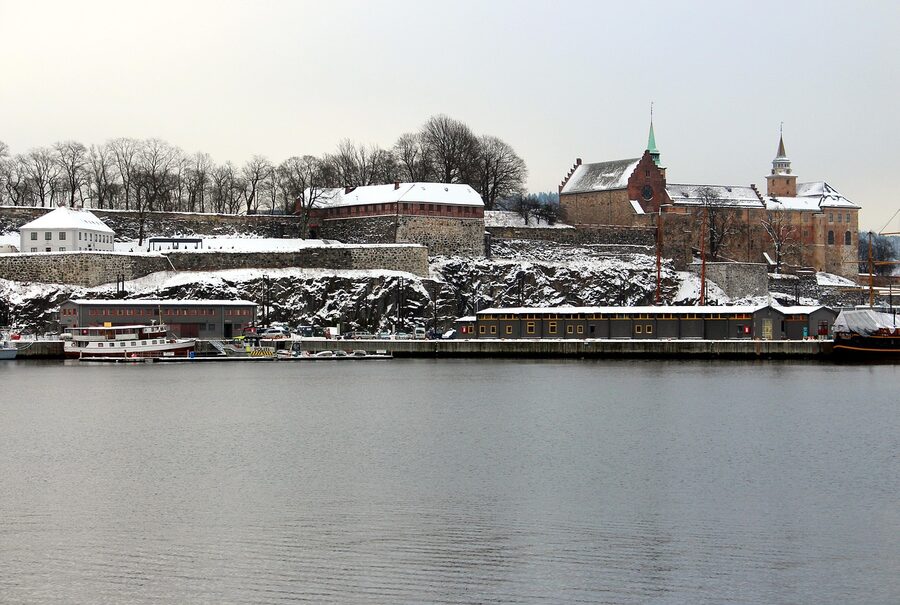
Akershus Fortress, started in 1290, is the one piece of pre-fire Oslo still standing in the city centre. The grounds are free and worth a slow walk, especially the ramparts on the fjord side, which give you a viewpoint that costs nothing but a flight of stairs. The castle interior, with the royal mausoleum and the state rooms, costs 100 NOK (~€8.70) and takes about an hour. Inside the fortress walls is also the Norwegian Resistance Museum (Hjemmefrontmuseet, 70 NOK / ~€6.10), which I’d argue is the most quietly powerful museum in the city. The dioramas of Quisling-era Norway, the print shops, the radio operators, and the Heroes of Telemark sabotage of the heavy water plant at Vemork are a different register from the airy Nasjonalmuseet across the bay. Allow ninety minutes.
Eating: where the kroner go furthest
I’ll be straight: Oslo restaurants are not value. A weekday set lunch at one of the better cafés runs 220 NOK (~€19.20). A two-course dinner with a glass of wine in central Oslo, anywhere half-decent, lands at 700–900 NOK (~€61–78). What follows is the short list of places I keep going back to where the price-to-experience ratio actually works.
- Vippa, Akershusstranda 25. A converted warehouse food hall on the south side of the harbour, opposite Akershus. Asian, Middle Eastern, and Norwegian street-food stalls. Mains 150–220 NOK (~€13–19.20). Locals outnumber tourists. Open Tuesday to Sunday, closed Mondays.
- Mathallen, Vulkan, Grünerløkka. Indoor food hall in the old industrial Vulkan complex. The smoked-salmon sandwich at Vulkanfisk is 195 NOK (~€17), and the Hitchhiker tacos pop-up does a solid 220 NOK (~€19.20) lunch. Touristier than Vippa, still good.
- Punjab Tandoori, Grønland 24. The Indian Oslo doesn’t believe Oslo has. 180 NOK (~€15.60) for a full curry plate, generous. Cash and card both fine. Open every day.
- Talormade, Markveien 50, Grünerløkka. Soft-serve ice cream made with seasonal ingredients (rhubarb, cloudberry, dark chocolate), 65–95 NOK (~€5.70–8.30) a cone. Worth a detour even in February.
- Åpent Bakeri, branches across Oslo. Decent bakery chain with a proper kanelboller (cinnamon bun) for 55 NOK (~€4.80). The Damstredet branch in the old wooden quarter is the prettiest one to sit in.
- Maaemo, Schweigaards gate 15. Three-Michelin-star, 4,500 NOK (~€391) tasting menu. Worth it if you have the budget and book three months out. If you don’t, ignore. I’m only mentioning it so you know it exists.
For a drink: Himkok on Storgata is Oslo’s cocktail bar, and it deserves the World’s 50 Best ranking it keeps getting. It’s also a working distillery; the aquavit they pour you is made in the basement. Cocktails 165–195 NOK (~€14.30–17). For beer, Crowbar & Bryggeri on Torggata has the best craft taps in central Oslo; 110 NOK (~€9.60) for a half-litre. Tilt, by the river in Grünerløkka, is the casual end with arcade games and shuffleboard.
Where to stay: practical, not aspirational
Hotels in Oslo run high. A clean, central, breakfast-included hotel room rarely lands under 1,800 NOK (~€156) a night. Below that band you start trading down hard on space and location. I don’t recommend Airbnb in Oslo because the regulations have tightened and most of the genuinely good listings are gone, leaving stock that’s either institutional or sketchy.
Three I keep coming back to:
- Citybox Oslo, Prinsens gate 6. Self-check-in, no frills, 12 square metres but the bed is good and the location is perfect. From around 1,400 NOK (~€121.80) a night, and it goes lower on Sundays. The right pick for budget-but-central. Check rates on Booking.com.
- Hotel Bristol Oslo, Kristian IVs gate 7. The grande dame, opened 1920, all wood panelling and library bar. Rooms from around 2,400 NOK (~€208.70) a night. Where you stay if you want to feel like you’re in a Bing Crosby film. Check rates on Booking.com.
- The Thief, Landgangen 1, Tjuvholmen. The contemporary luxury option, on the water, with a serious art collection in the lobby. From around 3,500 NOK (~€304.30). Worth it if you’re staying two nights and want to spend one of them by the harbour. Check rates on Booking.com.
Skip the airport-ring hotels even if they’re cheaper. The Flytoget train into Oslo S is fast (19 minutes, 220 NOK / ~€19.10) but you’ll lose two hours a day to the round trip, and at Oslo prices that’s a meal you didn’t eat.
Getting around: the Oslo Pass maths
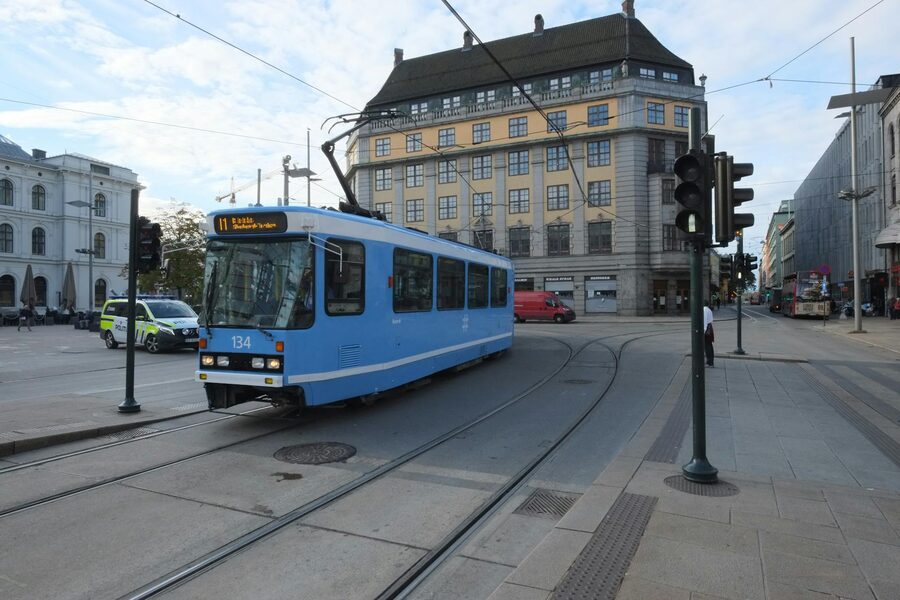
Public transport in Oslo is run by Ruter and is excellent. Trams, metro (T-bane), buses, and city ferries all on one ticket. A single-zone single is 43 NOK (~€3.75), a 24-hour ticket 121 NOK (~€10.50), and a 7-day pass 363 NOK (~€31.60). Buy the Ruter app before you arrive.
The Oslo Pass is the bigger question. It bundles unlimited public transport with free entry to most of the city’s museums (Munchmuseet, Nasjonalmuseet, Akershus, Resistance Museum, Vigeland Museum, the new Folk Museum, and around twenty others) plus discounts on a handful of tours. 24 hours is 565 NOK (~€49.10), 48 hours 825 NOK (~€71.70), 72 hours 1,025 NOK (~€89.10).
The maths only works if you go to museums. If you plan to do Munchmuseet (200 NOK), Nasjonalmuseet (200 NOK), Akershus + Resistance Museum (170 NOK), and any tram travel, the 48-hour pass pays for itself by the second day. If you’re a one-museum person here for the city itself, just buy the 24-hour Ruter ticket and pay museum entry as you go. Buy the pass through the official VisitOslo site.
When to come
Each season is a different city and there’s no single answer.
- Late May to mid-June is the move for first-timers. 18 hours of daylight, lilacs flowering, parks busy, full ferry schedule, the lido open. Book a month out; Constitution Day (17 May) and the long Whit weekend push prices up.
- Late June to early August is summer proper. Locals leave for cabins, the city feels emptier in a good way, but expect occasional 26°C+ days when nothing has air conditioning. Swim in the fjord; that’s the entire point.
- September is underrated. Autumn colour in Frogner Park, dry stable weather, museums quiet, hotels 25 percent cheaper than July.
- December is for the Christmas markets. Spikersuppa, the European Christmas market at the National Theatre, and Jul i Vinterland in front of the parliament. The skating rink at Spikersuppa is free if you bring your own skates.
- January and February, if you ski. Take the metro to Frognerseteren and you’re on cross-country tracks within ten minutes of leaving the platform. There is no other capital city in Europe where this is true. Daylight is short (sunrise around 09:00, sunset 15:30), so plan for it.
- March is the worst month. Slush. Skip it.
Day trips that earn the day
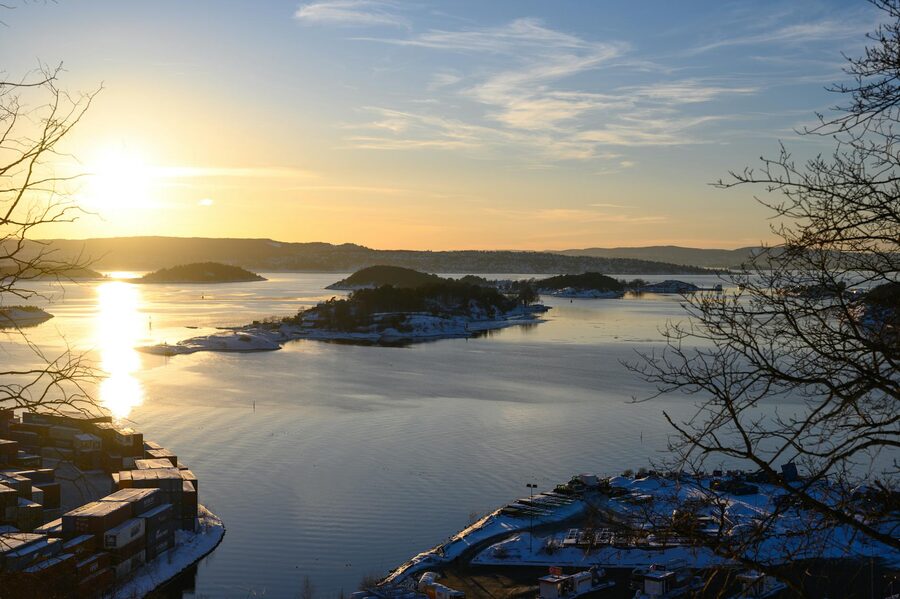
Oslo is the head of a fjord, a forest, and a major rail network. You can do a meaningful day trip in any direction.
- Drøbak, on the Oslofjord south of the city. 75 minutes by Ruter ferry from Aker Brygge in summer (June–August), or 45 minutes by bus 540 from Oslo bus terminal year-round. White wooden houses, the Oscarsborg fortress on an island offshore (the one that sank the German cruiser Blücher in April 1940). Do this in summer for the boat ride.
- Bygdøy peninsula is technically still Oslo but feels like a day out. Take the public ferry from Aker Brygge to Dronningen pier (15 minutes, 43 NOK / ~€3.75) and you’ll find the new Museum of the Viking Age (reopening from a long rebuild), the Kon-Tiki Museum with Thor Heyerdahl’s actual raft, the Fram polar exploration museum with Roald Amundsen’s ship, and the Norwegian Folk Museum with 160 historical buildings reassembled across a wooded park. Half a day minimum, full day if you do all three big museums.
- Oslo to Bergen by train is the most famous rail journey in Northern Europe and you should do it. Six and a half hours over the Hardangervidda plateau. Even if you’re flying back to Oslo afterwards, this is a day worth giving up. See the full Bergen Line guide.
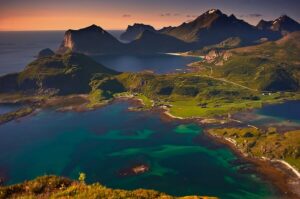
- Lofoten or Tromsø are best treated as separate trips, not day trips, but Oslo is the obvious arrival point. If you have the time, the Lofoten road trip is the next thing to plan; if you’re chasing the aurora, the Tromsø versus Abisko comparison in some detail.
Things people tell you to do that you can skip
Three opinions you won’t see on most lists:
The fjord cruise on a boat sold by the cruise terminals is fine but overpriced. The public B1 ferry covers the same water for an order of magnitude less. The cruise sells you a slightly nicer seat and a glass of prosecco. That’s the trade.
The Aker Brygge promenade at the dinner hour is the most overpriced eating in Oslo, and you will be served an underwhelming pasta for 380 NOK (~€33). Walk it for the light, eat in Grünerløkka or Vippa instead.
The Tjuvholmen Astrup Fearnley Museum has its fans, and I respect them, but if you’re not particularly into contemporary art and have one museum slot to spend, Munchmuseet or Nasjonalmuseet is a better use of two hours.
The verdict
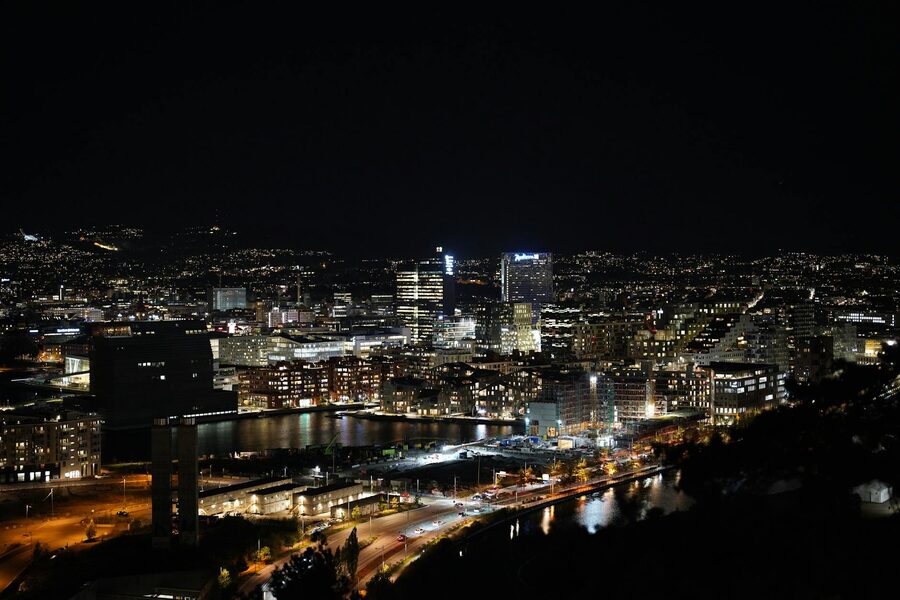
Oslo isn’t the Norway you see in the postcards. It doesn’t have the fjords, it doesn’t have the dramatic light, and it doesn’t have the pastel wooden cottages clinging to mountainsides. What it has is one of Europe’s best public transport systems, a free walkable rooftop at the Opera House, two genuinely outstanding art museums, a fortress that’s been there since 1290, a forest at the end of the metro line, and a hipster neighbourhood that’s earned the name without trying. It’s expensive, but you get what you pay for, which I cannot say for every Nordic capital. Spend two days here. Then take the train to Bergen.