The number that decides Iceland car rental for me is 350,000 ISK (~€2,400). That’s the standard CDW excess on most economy cars at most rental companies here. It’s the bill you face if a wind gust slams a door against a rock, if a stone off a passing truck punches a hole in the windscreen, if you skid on the gravel where the tarmac runs out. Three hundred and fifty thousand króna. About two and a half thousand euros. That’s the gap you’re insuring against.
Add gravel protection and that excess for windscreen and headlight chips drops to a fixed call-out fee, usually somewhere between 9,500 and 15,000 ISK (~€65 to €100) per claim. So gravel turns a potential 350,000 ISK problem into a 12,000 ISK problem. Sand and ash protection works the same way for the volcanic-grit damage that’s particular to Iceland’s south coast. That’s the maths underneath everything else in this guide. The right insurance is cheap insurance against a specific Icelandic risk profile.
I’ve now rented cars in Iceland enough times that I’ve stopped over-thinking it. What follows is the version I wish I’d been handed before my first trip. Insurance in plain language. F-roads explained without the romanticism. Winter driving as it actually feels in February on the south coast. Pickup mechanics, fuel cards, the rental brands ranked, and the answer to “do I really need 4×4”. Practical, opinionated, in that order.
In This Article
- Insurance, in plain terms
- CDW: always included, always with a deductible
- SCDW: the upgrade that mostly pays for itself
- Gravel protection: yes, every time
- Sand and ash protection: yes if you’re going south, optional otherwise
- Theft protection: no
- Tyre and undercarriage: usually a no
- What credit-card insurance won’t cover
- Do you actually need a 4×4?
- F-roads, in plain terms
- F-road myth: you need a “super jeep”
- Winter is a different country
- Winter on F-roads
- The major rental brands, ranked by what I’d actually book
- KEF airport pickup vs Reykjavík: the shuttle trick
- The KEF pickup mechanics
- Fuel: petrol, diesel, and the discount cards that actually save
- Discount cards that actually save
- Speed cameras and the silent-ticket problem
- Tolls, parking, and the small money
- Tunnel tolls
- Parking in Reykjavík
- Site parking fees
- The Ring Road and the Skeiðará crossing: a brief historical note
- The other things that catch first-timers
- Single-lane bridges
- Sheep on the road
- Blind crests and “blindhæð”
- Single-lane gravel sections that sneak up
- Getting your car back without paying for damage you didn’t do
- At pickup
- On the return day
- One last thing about the cost: the trip total
Insurance, in plain terms
The acronym salad at the rental desk is the same five things at every operator, with slightly different names. Strip the marketing off and there are five layers, and you only really need three of them.
CDW: always included, always with a deductible
Collision Damage Waiver caps your liability for crash damage at the deductible (also called the excess or self-risk). On a typical economy car at Blue Car Rental or Lotus, that deductible sits between 195,000 and 360,000 ISK (~€1,330 to €2,460). On a 4×4 it’s higher. CDW is bundled into every quote you’ll see, so you’re paying for it one way or another. Don’t refuse it. You can’t.
SCDW: the upgrade that mostly pays for itself
Super CDW takes that deductible down. The numbers vary, but a typical SCDW shrinks the excess from 350,000 ISK to something like 100,000 to 150,000 ISK (~€680 to €1,025). It costs roughly 2,500 to 4,000 ISK (~€17 to €27) per day. On a one-week trip that’s about 25,000 ISK (~€170) of premium against 200,000 ISK (~€1,365) of risk reduction. Worth it for me. Also worth it because most claims I’ve seen reported by other travellers came in just under the SCDW threshold, not above it.
Gravel protection: yes, every time
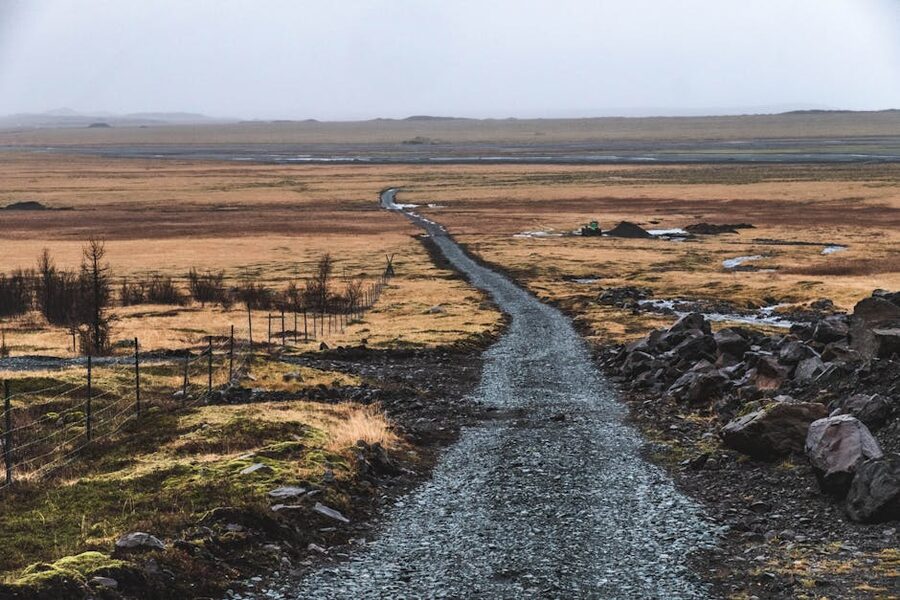
Gravel protection covers chips and cracks to the windscreen, headlights, and lower bodywork from stones thrown up by traffic. It’s not always included with CDW or SCDW. Read the contract. If it’s not in there, add it. The premium is typically 800 to 1,500 ISK (~€5 to €10) per day. A new windscreen on a Toyota Aygo runs around 60,000 to 90,000 ISK (~€410 to €615). One stone chip and the maths is done.
Sand and ash protection: yes if you’re going south, optional otherwise
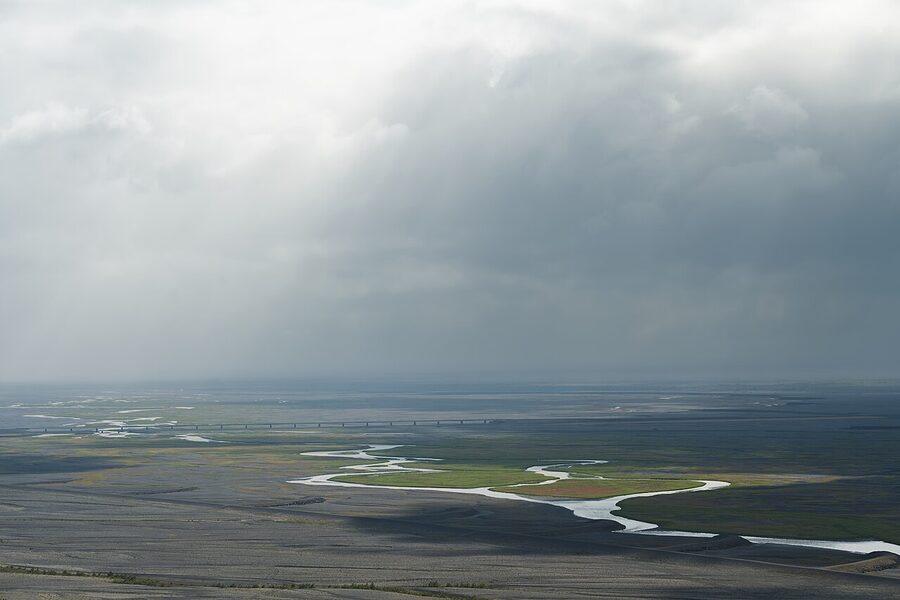
Sand and ash protection (SAAP) covers the very particular Iceland thing where high winds pick up fine volcanic grit off the south-coast outwash plains and sandblast the paint, lights, and trim off your car. The damage looks like the car was attacked with a wire brush. Repair bills routinely run 500,000 to 800,000 ISK (~€3,400 to €5,470). SAAP costs about 1,500 to 2,500 ISK (~€10 to €17) per day.
I take it whenever I’m driving the south coast (Vík, Skaftafell, Höfn) or anywhere in the Reykjanes peninsula during a volcanic episode. I skip it for a Reykjavík-and-Golden-Circle weekend in summer where the wind forecast is calm. The tell: if Vedur (the Icelandic Meteorological Office at vedur.is) shows wind above 15 m/s anywhere on your route, you want SAAP. Below that, I sleep fine without it.
Theft protection: no
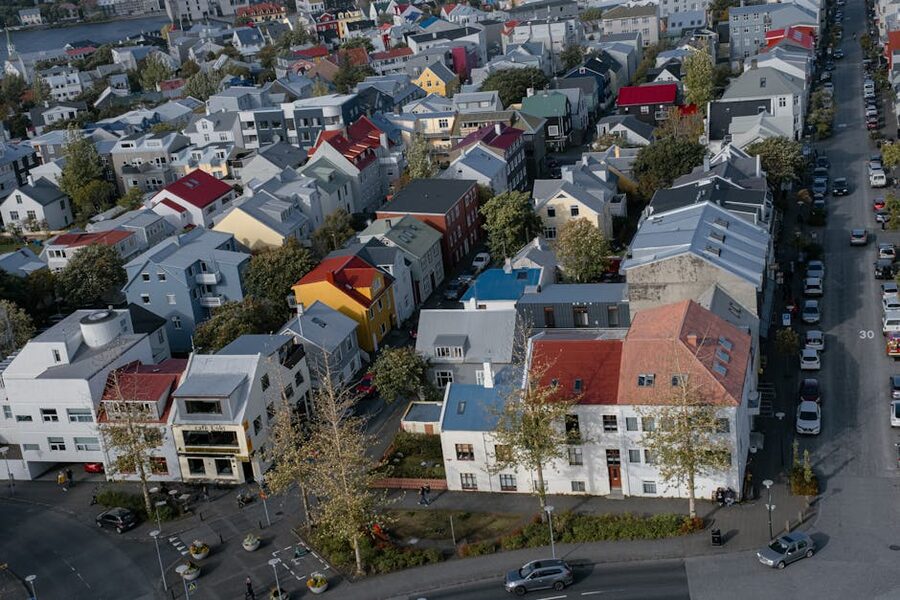
Iceland’s car-theft rate is among the lowest in Europe. Joyriding is essentially a non-event outside Reykjavík city centre. Theft protection (often 800 to 1,200 ISK per day) is the one extra I always wave off. The rental clerks will sometimes push it. Smile, decline, move on.
Tyre and undercarriage: usually a no
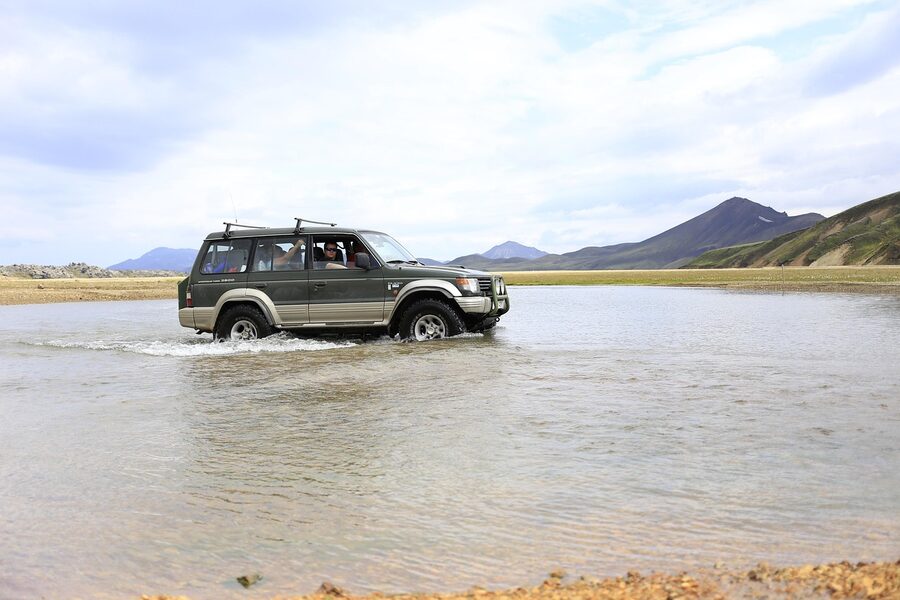
Some companies offer tyre damage and undercarriage cover as separate items. On a 2WD on the Ring Road, the maths doesn’t work for me. On an F-road-bound 4×4 in summer, where you’re definitely crossing rivers and the suspension is in line for genuine stress, I’ll add it. Otherwise, no.
What credit-card insurance won’t cover
If your premium credit card offers rental car insurance, read what it actually covers in Iceland. The common gaps: gravel damage (almost never covered), sand and ash (basically never), windscreen and tyre damage (often excluded), and crucially, the deductible itself isn’t always reimbursed without paperwork I wouldn’t want to chase from home. I’ve stopped relying on credit-card cover for Iceland specifically. Other countries, fine. Here, the failure modes are too local.
Do you actually need a 4×4?
The decision tree is short.
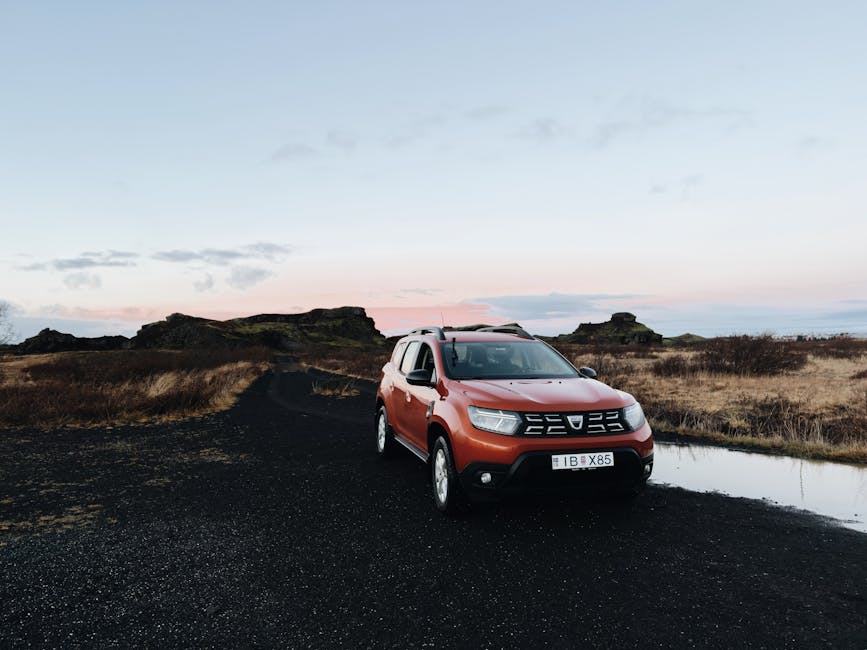
If you’re driving the Ring Road, the Golden Circle, the south coast as far as Höfn, the Snæfellsnes peninsula in summer, or basing yourself in Reykjavík and doing day trips, a 2WD hatchback or sedan is fine. Toyota Aygo, Kia Picanto, Suzuki Swift, VW Polo, that tier. Everything’s paved or compacted gravel that any rental car handles. You’ll save 4,000 to 7,000 ISK (~€27 to €48) per day on the rate, plus better fuel economy, plus easier parking in Reykjavík.
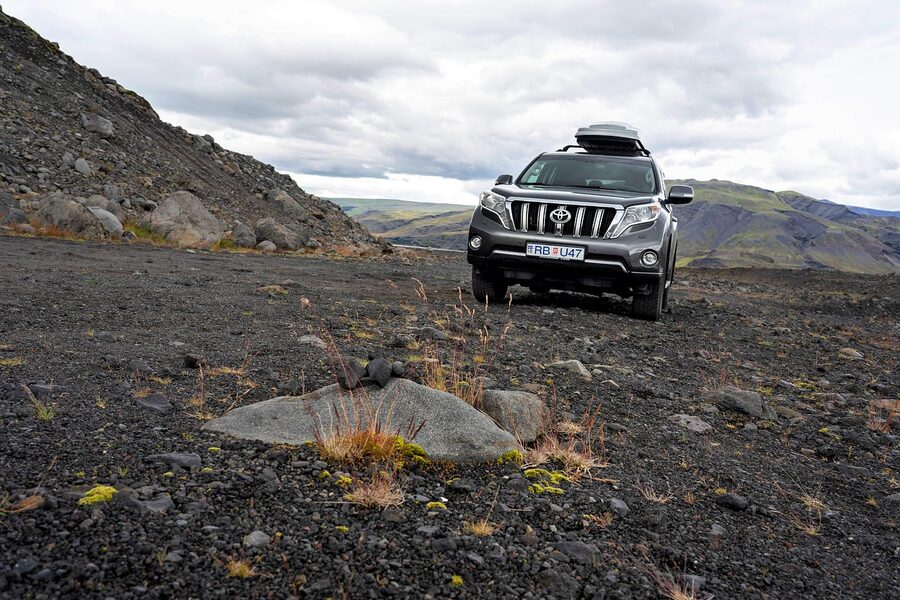
You need 4×4 if any of the following apply. F-roads (which are mountain tracks marked with an F prefix and legally restricted to 4×4 vehicles). The Westfjords beyond the main paved spine, especially the Hornstrandir-bound roads. Highland routes like the F26 Sprengisandur or F35 Kjölur. Winter driving anywhere outside the Ring Road and the south coast tourist corridor. Rough cabin tracks in summer. River crossings of any kind.
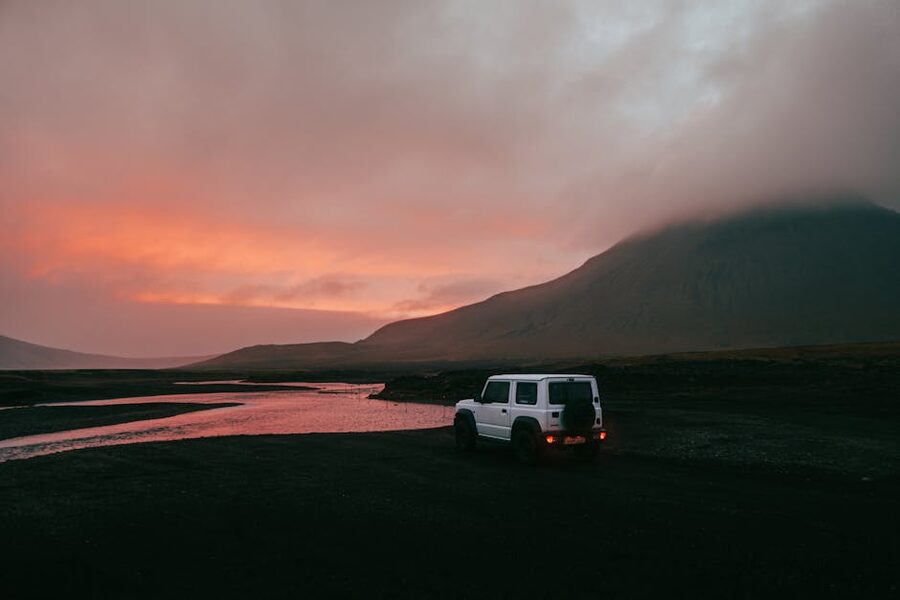
The middle case is the tricky one. Westfjords day trips on Road 60. Snæfellsnes in shoulder season. The first week of June or the first week of October, when “summer” is officially over but the Ring Road is still clear. Here I’ll usually take the 4×4 for headroom, mostly because Icelandic weather can flip a perfectly nice paved drive into a snow-and-ice slog inside an hour, and I prefer the option of putting it in 4H without a second thought.
F-roads, in plain terms
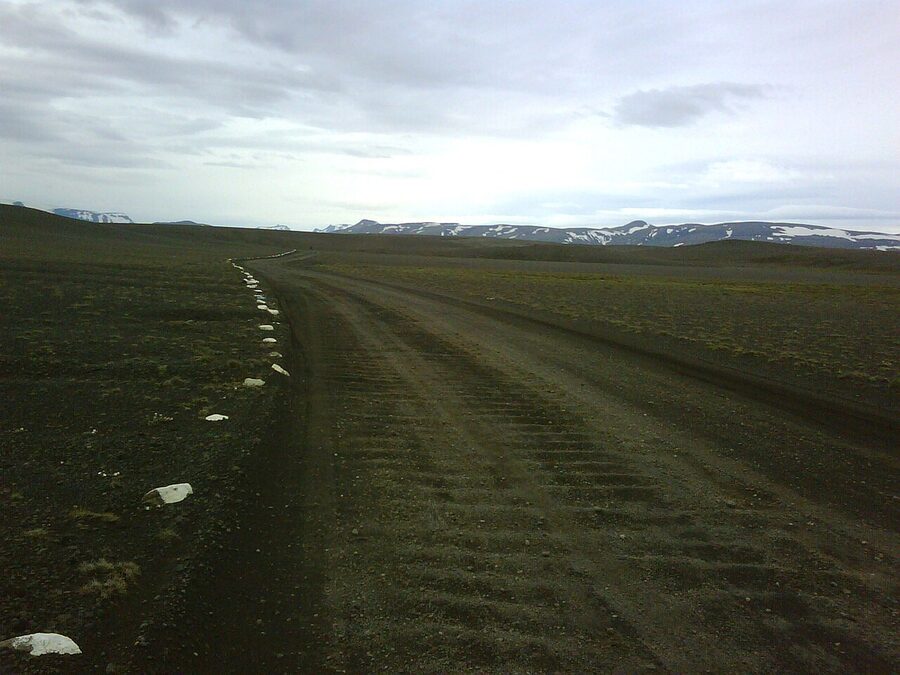
F-roads are mountain tracks across the highland interior. The F is for “fjall”, mountain. They are not maintained the way Route 1 and the regional roads are. Most are gravel, washboard, with intermittent unbridged river crossings, and they are closed for around eight or nine months of the year. Driving an F-road in a 2WD is illegal and your insurance is automatically void if you do, even on the dry stretches.
The Icelandic Road and Coastal Administration (“Vegagerðin”, live status at road.is) opens F-roads in stages from mid-June through early July depending on the snow melt, and closes them again typically by mid-September. The main F-road dates I plan around in a normal year:
- F35 Kjölur (the easier highland crossing, no major fords): usually opens mid-June, closes late September. The “gateway” F-road, doable in a small 4×4 like a Duster or Jimny.
- F26 Sprengisandur (the long highland crossing): usually opens late June or early July, closes mid-September. Multiple unbridged rivers. Bigger 4×4 only.
- F208 to Landmannalaugar: opens mid-June, closes late September. Spectacular, but the south approach has fords.
- F206 to Lakagígar: opens late June, closes early September. The ranger station is closed by then anyway.
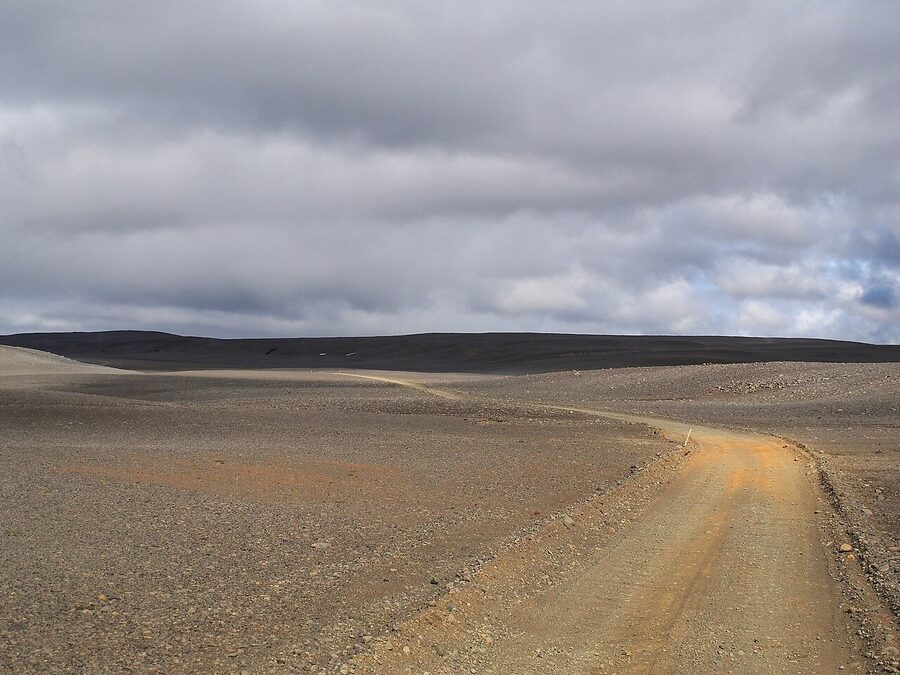
Two practical things about F-roads that matter more than people make out. First, river crossings. The water level changes hourly with snow melt. Cross in the morning, when the level is lowest. Walk the ford first if you can. If a local in a Land Cruiser is sitting on the bank waiting, sit with them. Second, fuel range. There are no fuel stations on F-roads. The F26 is 250 km between fills. Top up before you turn off the asphalt.
And one last point. Driving off-road, anywhere, even on what looks like a pre-existing dirt track, is illegal in Iceland. The fines are eye-watering and the moss damage takes decades to repair. Stay on the marked tracks. Always. There isn’t a single landscape photograph worth wrecking a fragile ecosystem for.
F-road myth: you need a “super jeep”
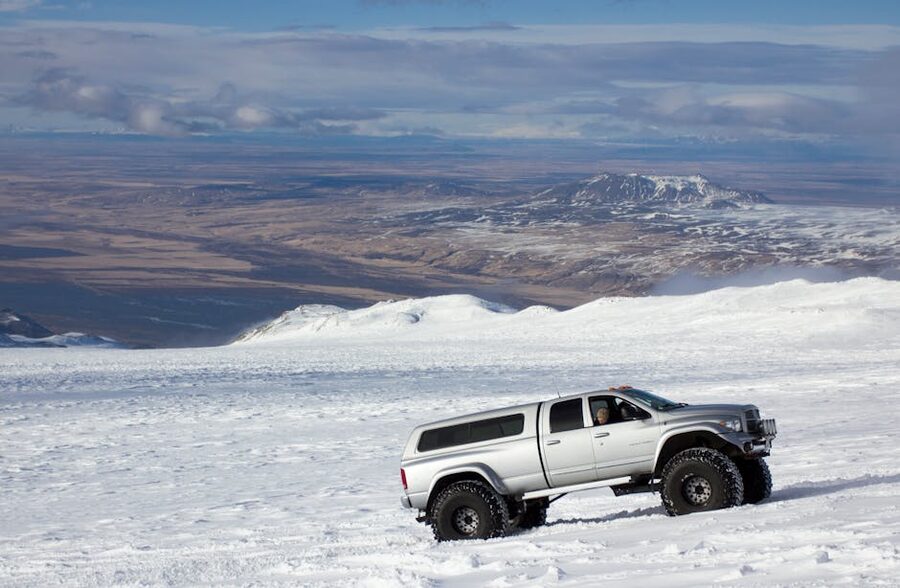
The 38-inch-tyre, lifted Land Cruisers you see in Iceland are tour vehicles for glacier and winter expeditions. For a self-drive trip on the standard summer F-road network, a regular rental 4×4 is fine. A Suzuki Jimny or Dacia Duster handles F35 Kjölur and the easier sections of F208 without drama. Keep that in mind when a clerk tries to upsell you to a 4Runner-class beast for normal highland tracks. You don’t need it.
Winter is a different country
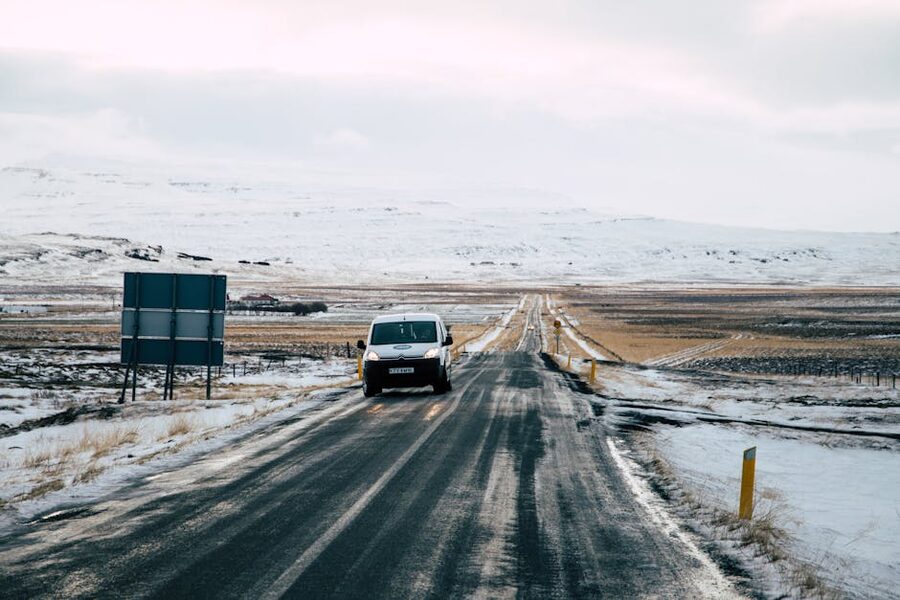
The phrase “the south coast in winter” describes a different country than “the south coast in summer”, and that’s worth knowing before you book a February rental and try to drive Route 1 to Höfn. Days are short. Black ice is the default state of the road, not the exception. Wind can pick a Hyundai i20 up and roll it across two lanes. Long sections of Route 1 close for hours or days at a time in storms, with no warning beyond road.is turning red.
None of that means winter driving is off the table. It means a few specific things change.
Tyres. All rental cars in Iceland get studded winter tyres (“nagladekk”) fitted from around 1 November to 15 April. You don’t request them. They’re standard. They make a real difference. They don’t make ice into pavement.
4×4 changes from optional to default. In summer I’ll rent a 2WD on the Ring Road. From November to March I always take 4×4. The price difference is small. The traction difference on packed snow and ice over a long descent is not.
Plan around weather, not the calendar. Check vedur.is and road.is the night before, and again the morning of. If a yellow alert is up for your route, accept that the day is shot and find indoor things to do. The locals do this. You should too.
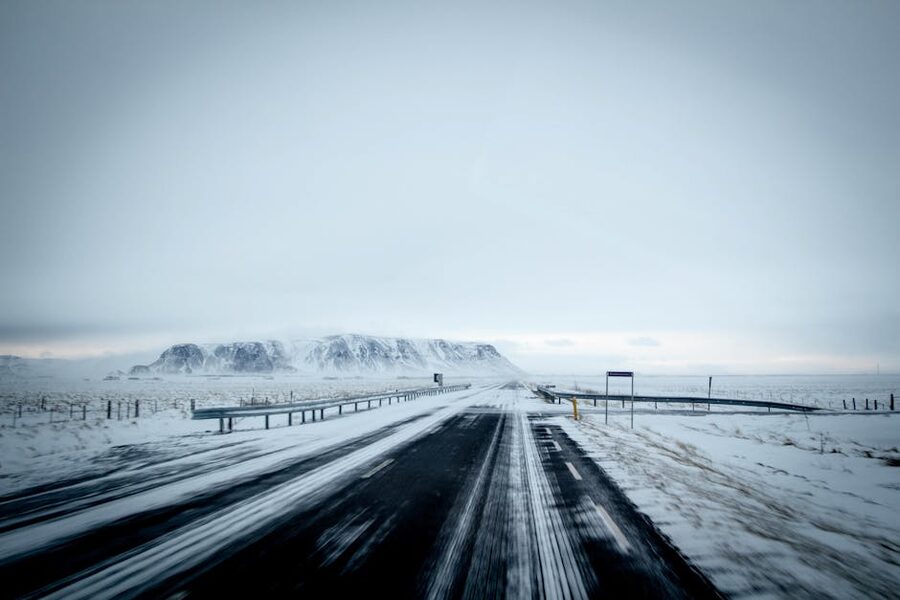
Wind matters more than snow. Iceland’s winter accidents are disproportionately wind-related. Doors ripped off hinges in gusts. Cars blown off the road. Above 20 m/s sustained, you should not be in an unsheltered parking area opening a door into the wind direction. Above 25 m/s, you shouldn’t be driving at all. Insurance excludes wind damage to doors when you opened them yourself.
Daylight is short. In late December, Reykjavík sees the sun rise around 11:20 and set around 15:30. Plan to drive only between roughly 10:00 and 14:30 if you want everything done in daylight. Anything outside that is headlight-only. The flip side: night driving in winter is often the best chance at the aurora, which I’ve covered in more detail in the when and where to chase northern lights in Iceland piece.
Winter on F-roads
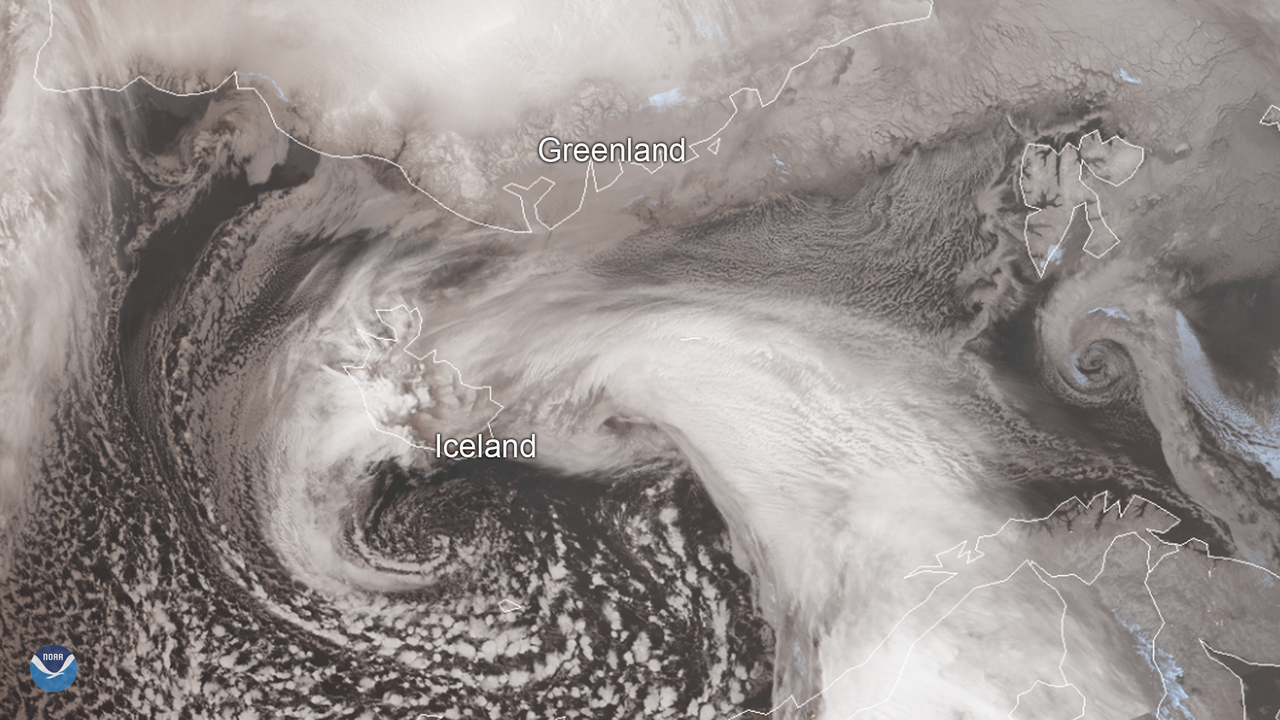
Closed. F-roads are closed September through to mid-June or later. Don’t try. The fines are high, the rescue costs higher, and the embarrassment of being the foreigner who needed lifting out of a snowdrift in October is worse than both.
The major rental brands, ranked by what I’d actually book
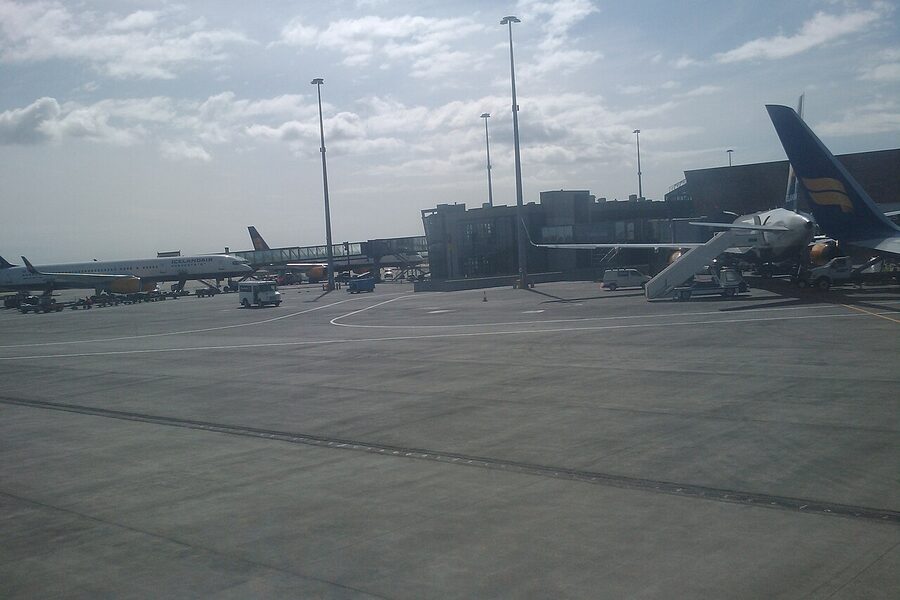
I’ll rank these by my own experience and by what I see consistently reported on the r/VisitingIceland subreddit, which is the closest thing to a no-spin reputation tracker for Iceland rentals.
1. Blue Car Rental. Reliably the most polished operator I’ve used. Newish fleet, fair contracts, the SCDW upgrade is reasonably priced, gravel cover is included on most lines, and the staff have been straight with me about what’s optional. Branches at KEF and at the Reykjavík edge. Slightly more expensive than the absolute floor, but worth it.
2. Lotus Car Rental. A close second. Family-run, similar fleet quality to Blue, and they’ve been fair about damage assessments on returns when I’ve had near-misses. Their published terms page is one of the clearer ones in the Icelandic market, which tells you something about the rest of the market.
3. Geysir / Procar. Mid-range, generally fine, occasional reports of stricter damage charges than Blue or Lotus. Fleet is older on average. Fine if the price beats Blue by 20% or more on your dates. Otherwise not.
4. Go Car Rental. Good prices, large fleet, and a sister campervan brand if that’s what you want. Reports are mixed on customer service when something goes wrong, which is when reports actually matter.
5. Hertz, Avis, Europcar, Sixt, Budget, Enterprise. The international chains. Generally fine but never the cheapest, and the local operators understand local conditions better. I default to local unless price says otherwise.
Then there’s a tier of boutique operators (Go Iceland, Cars Iceland, Northbound, Reykjavík Cars) that aggregate or wholesale, often with very competitive headline prices. Read the deductible and the included extras carefully. Sometimes they’re a steal. Sometimes the headline is a third lower than Blue and the deductible is double.
One tip on price: book early in the autumn for a summer trip. June through August fleet utilisation hits 95%-plus and prices climb steeply through April. A small economy car booked in October for July will be perhaps 12,000 to 14,000 ISK (~€80 to €95) per day. Booked in May for July, the same car might be 22,000 ISK (~€150).
KEF airport pickup vs Reykjavík: the shuttle trick

Most rental companies in Iceland have two pickup points: Keflavík airport (KEF) and Reykjavík (RVK), with the latter usually meaning a branch in the eastern industrial fringe near the BSÍ bus terminal or in the suburbs.
The contrarian recommendation, which I’ll stand behind: if your itinerary starts with a few nights in Reykjavík before you head off touring, skip the KEF airport branch. Take the Flybus or a taxi into town, spend your first day or two on foot, then pick the car up from the city branch the morning you leave. You’ll save the per-day rental for the time you weren’t going to use the car anyway, you avoid expensive Reykjavík city parking (more on that below), and the city branches are usually cheaper anyway.
The catch: the Reykjavík branches keep shorter hours. Many close at 17:00 or 18:00 weekdays, earlier on Saturdays, closed Sunday afternoon. Pick a 9 or 10 AM departure morning and it’s fine. A Sunday afternoon drop-off can be impossible.
If the trip is “land at KEF, drive Ring Road, fly home”, obviously KEF is the right pickup. But about 70% of Iceland trips actually start with a couple of Reykjavík nights, and most travellers default to the airport branch on autopilot. Worth the extra five minutes of thinking.
The KEF pickup mechanics
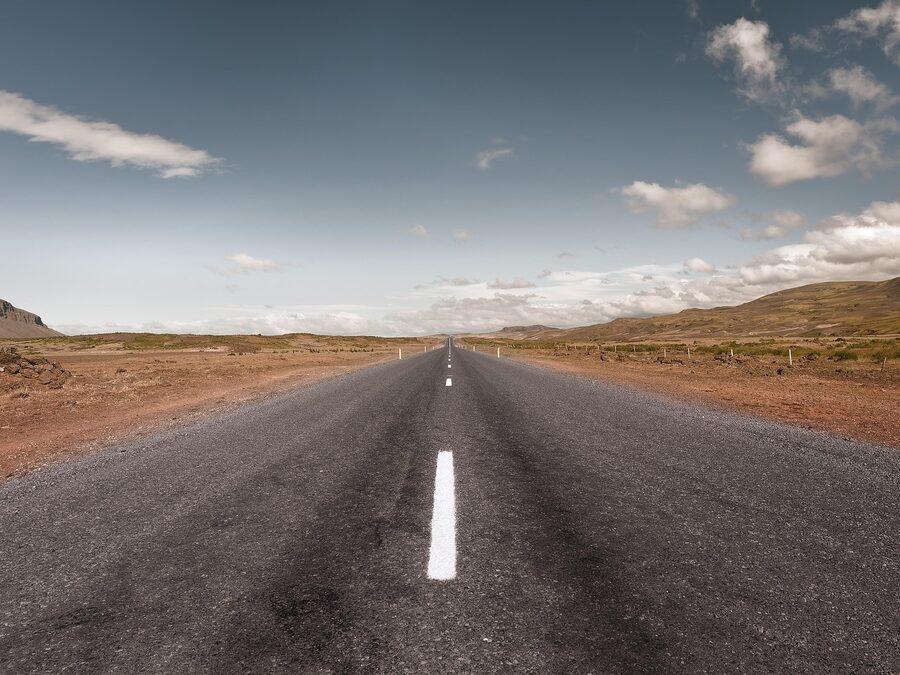
If you do pick up at KEF, the international chains (Hertz, Avis, Europcar, Sixt, Budget, Enterprise) have desks inside the terminal. The Icelandic operators (Blue, Lotus, Geysir, Go Car, Cars Iceland, and most boutiques) are not in the terminal. They run free shuttle vans from the arrivals area car park to their depots in the airport business park, two to four minutes’ drive away.
This catches first-timers out. You’ll walk out of arrivals expecting a desk and there isn’t one. Look for the rental company’s branded shuttle waiting in the bus zone outside doors three or four. Most run every 10 to 20 minutes. The whole pickup, from clearing arrivals to keys in hand and pulling away, is usually 30 to 45 minutes. Build it into your travel time.
Fuel: petrol, diesel, and the discount cards that actually save
As of early 2026, fuel prices in Iceland sit roughly at:
- Petrol: around 305 ISK per litre (~€2.10/L)
- Diesel: around 295 ISK per litre (~€2.03/L)
Yes, diesel is sometimes cheaper than petrol in Iceland, which is the opposite of most of Europe. Combined with diesel cars getting better fuel economy, that flips the typical home-country instinct. If you’re booking a longer trip (the Ring Road, say, at 1,332 km), the diesel saving alongside the better mileage can come to 5,000 to 8,000 ISK (~€34 to €55) over a week, which more or less covers a couple of dinners.
The major fuel networks are N1, Olís, ÓB, Orkan, and Atlantsolía. N1 has the most stations, especially out in the country (and they often double as the village shop, the petrol station, the café, and the toilet stop, all under one roof). Olís and ÓB are the second-tier and tend to be a few króna per litre cheaper. Orkan and Atlantsolía are usually the cheapest unmanned options near urban areas, but with fewer rural locations.
Discount cards that actually save
Both N1 and Olís offer prepaid discount cards aimed at travellers, sold at staffed stations and at the airport.
- N1 Travel Card: a prepaid card that gives a fixed discount per litre at N1 stations. Top-up amounts are flexible. The discount is typically 6 to 8 ISK per litre, which on a 50-litre tank saves 300 to 400 ISK, and over a 1,300 km Ring Road loop using maybe 100 to 130 litres saves around 600 to 1,000 ISK (~€4 to €7). Not life-changing, but it’s free money if you’re filling there anyway.
- ÓB / Olís discount key fob: similar deal at Olís stations, usually a slightly bigger per-litre discount on ÓB unmanned pumps.
Skip the card if you’re only filling once or twice. Get one if you’re doing the Ring Road or longer.
One mechanical thing about Icelandic petrol stations that catches people from the UK or US off-guard. Most pumps are pay-at-pump only, and they want a chip-and-PIN credit card with a four-digit PIN. American magnetic-stripe cards often fail. So do contactless-only setups. Bring a real PIN-enabled card or expect to pre-pay an attendant inside (which is fine, just slower).
Speed cameras and the silent-ticket problem
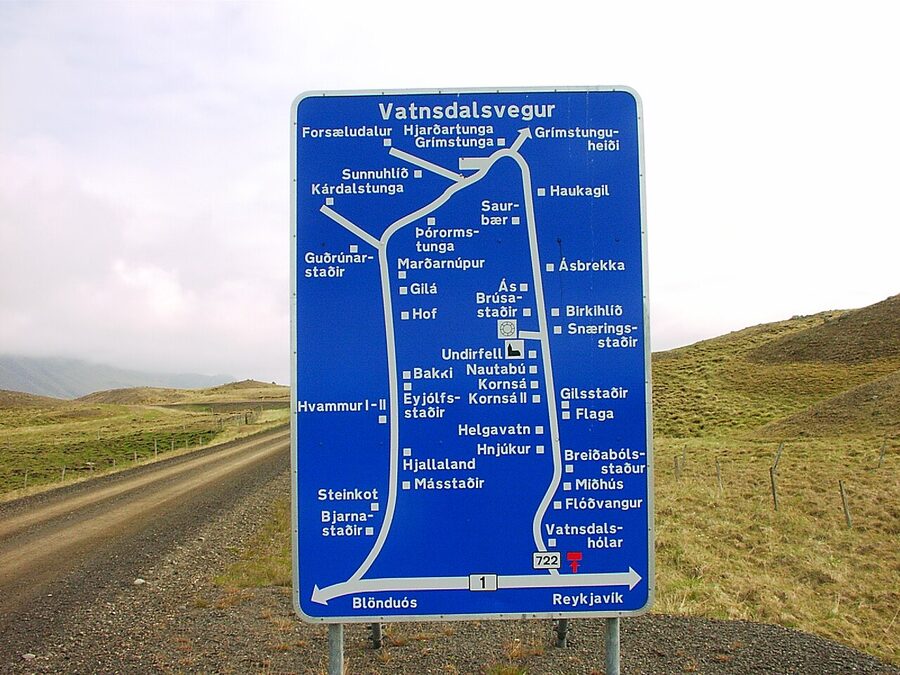
Icelandic speed limits are simpler than most countries:
- 50 km/h in towns and built-up areas
- 30 km/h in residential streets where signed
- 80 km/h on gravel roads outside built-up areas
- 90 km/h on paved roads outside built-up areas
- 70 km/h in tunnels
The maximum speed limit anywhere in Iceland is 90 km/h. There is no motorway tier and no higher limit, on any road, anywhere. You will see locals doing 110. They know exactly where the cameras are. You don’t. Don’t copy them.
Speed cameras come in two flavours. Fixed cameras at known points (mostly entry to towns and certain mountain passes, with a small blue warning sign maybe 100 to 200 metres before). And mobile traffic enforcement, where a constable parks a marked car with a hand-held radar at a chosen spot. There are also “average speed” zones in some tunnels and on the Reykjanes peninsula approach roads that calculate your speed over a stretch.
The fines are designed to hurt. From the Icelandic Police’s published rates, a speeding ticket on a 90 zone runs:
- Up to 10 km/h over: 30,000 to 50,000 ISK (~€205 to €340)
- 11 to 20 km/h over: 50,000 to 70,000 ISK (~€340 to €480)
- 21 to 30 km/h over: 70,000 to 100,000 ISK (~€480 to €685)
- 30 km/h+ over: 130,000 ISK and up (~€890+), often with a court appearance
Crucially, the rental company has your card on file. If a ticket comes through, the agency pays the police, charges your card, plus an admin fee of 4,000 to 8,000 ISK on top. The first you’ll know is when the charge appears two to three months later. There is no way to “warn you in time”. Cruise control is your friend.
Tolls, parking, and the small money
Tunnel tolls
Two tunnels charge tolls and they catch first-timers because there are no toll booths. You drive through, your number plate is photographed, and you have 24 hours to pay online at veggjald.is or you incur a late fee.
- Vaðlaheiðargöng (between Akureyri and Húsavík/Mývatn): around 1,800 to 2,200 ISK (~€12 to €15) one way for a car under 3.5 tonnes
- Hvalfjarðargöng (the old Hvalfjörður tunnel): now toll-free since 2018. Skip if a website tells you otherwise; that’s outdated.
Most rental companies will quietly handle Vaðlaheiðargöng for you and pass the charge to your card with a small admin fee. Some don’t. Confirm with the desk on pickup.
Parking in Reykjavík
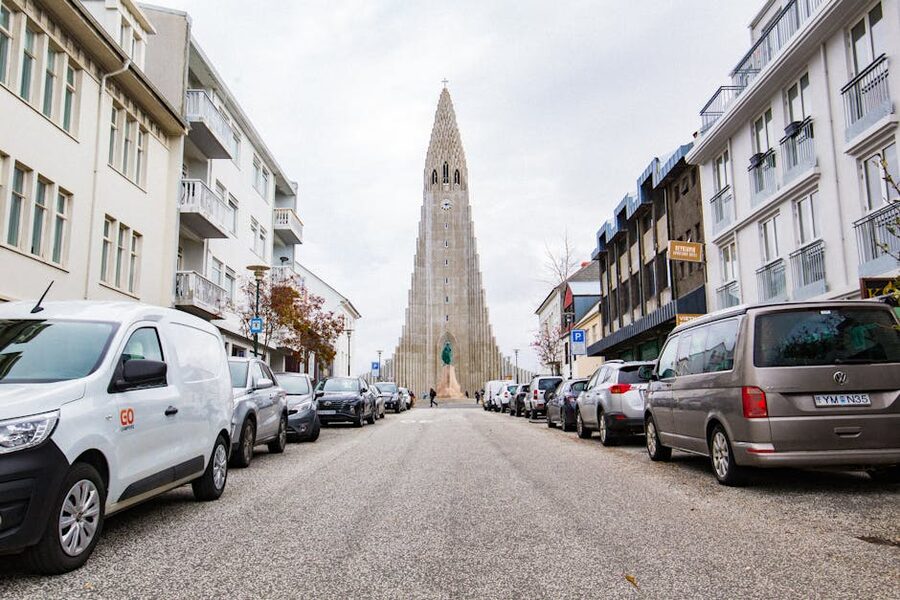
Reykjavík has a colour-coded zone system, enforced by camera and parking wardens, with charges:
- P1 (the city centre, including around Hallgrímskirkja, Laugavegur, and the harbour): 385 to 600 ISK/hour, 3-hour maximum, 09:00–18:00 weekdays, 10:00–16:00 Saturdays.
- P2: 200 ISK/hour, similar windows.
- P3: 200 ISK for the first two hours, then 55 ISK per hour after. Usually outside the centre.
- P4: 200 ISK/hour, evenings and Saturdays (this is where you’ll find the best deals if you’re staying near the city centre).
Pay at the ticket meters or via the Parka app. The fines for a missed pay-and-display ticket start at 4,500 ISK and double if not paid within fourteen days.
The Reykjavík-specific rule that catches travellers: P1, P2, P3, P4 are unmissable on the signs but they’re not always obvious from the kerb. If you parked between two zones, look for the small blue sign. There’s no central “free street parking” in the city centre. If it’s free, it’s almost certainly the wrong zone for the time you’re parked. For more on staying central without a car, the Reykjavík city guide covers walkable neighbourhoods that make rental car parking optional.
Site parking fees
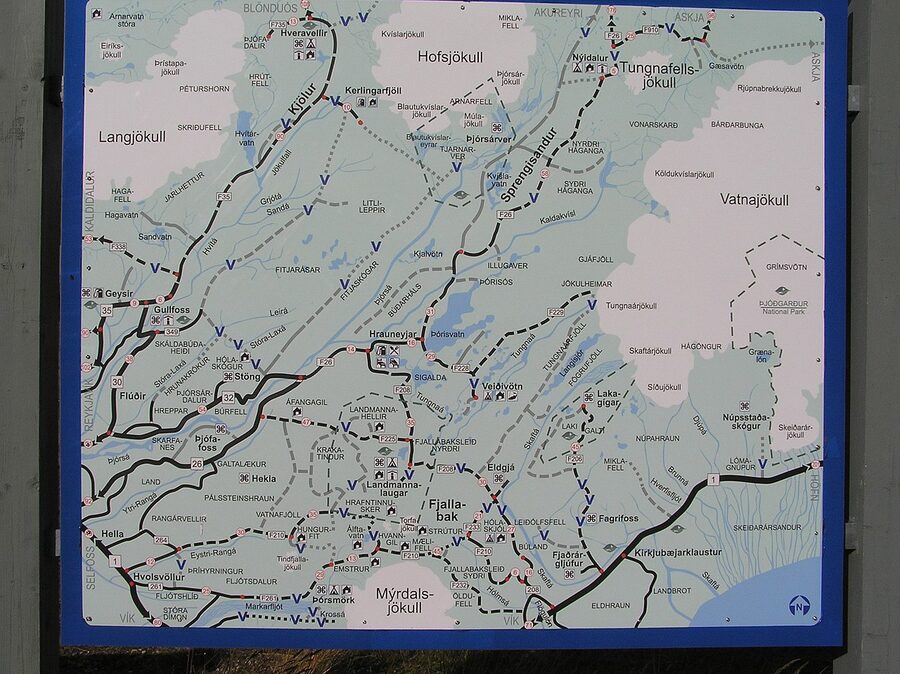
A handful of popular sites have started charging for car park access, partly to fund maintenance and partly to manage volumes. The notable ones:
- Þingvellir National Park: 1,000 ISK/day
- Skaftafell / Vatnajökull south entry: 1,000 ISK/day
- Goðafoss, Dettifoss east side, Mývatn area: variable, mostly 750 to 1,000 ISK
- Geysir: free at present
- Fagradalsfjall (volcano hike): 1,000 ISK/day when the volcano is active
Pay at the meter, or via the Parka app, which is the same one used in Reykjavík.
The Ring Road and the Skeiðará crossing: a brief historical note
It’s worth knowing this because it explains why the south coast is the most dramatic, dangerous, and recently-engineered driving in Iceland.
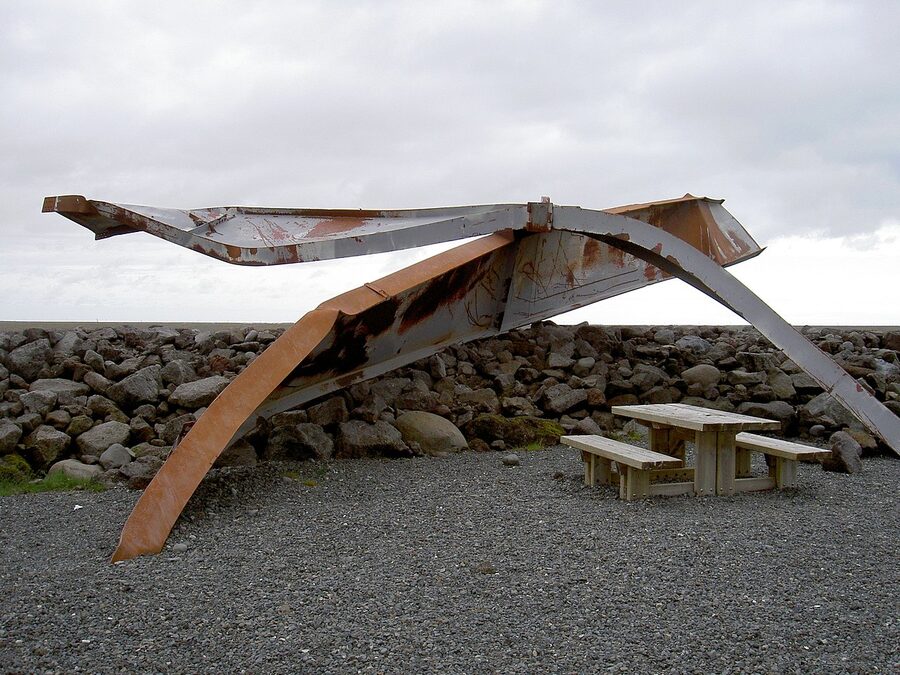
The Hringvegur (Route 1) only became a complete loop on 14 July 1974, the 1,100th anniversary of the settlement of Iceland. The last gap was Skeiðarársandur, the vast outwash plain south of Vatnajökull, where glacial floods (jökulhlaups) had repeatedly torn out any bridges Icelanders managed to build. The 1974 bridges were the first set engineered with the explicit acceptance that a flood would eventually take them. Which one did, in 1996, when an eruption under Vatnajökull triggered a flood that destroyed the longest bridge and twisted the Skaftafell bridge into the famous warped shape preserved today as a roadside monument.
The current bridges are wider, taller, and engineered to fail safely if the flood is bigger than the design parameter. They’ve held since 1996. Driving across that section of the Ring Road, knowing that, makes the south coast feel less like a tourist drive and more like a working piece of Icelandic infrastructure with active risk management built in. If you’re driving the Ring Road, the seven-day itinerary I use covers the south coast at the pace it deserves.
The other things that catch first-timers
Single-lane bridges
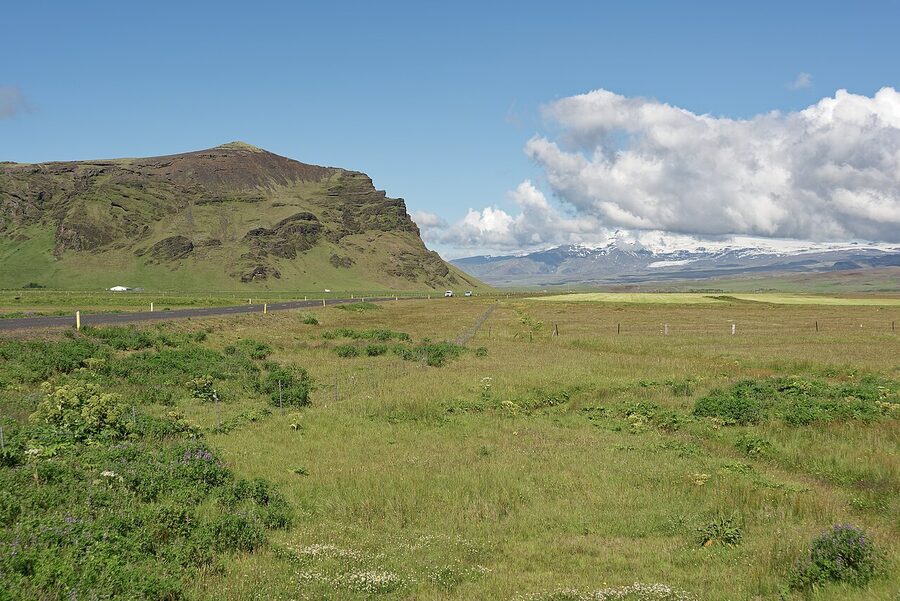
Most bridges on the Ring Road are single-lane (einbreið brú), even on the busiest sections of the south coast. The protocol is simple: the car closer to the bridge when both arrive has right of way. If you’re not sure, slow, flash your headlights, and let the other driver call it. The signs warn you with a yellow diamond and a stylised single bridge.
Sheep on the road
Sheep wander freely across most rural Icelandic roads, including the Ring Road, from late May through to the September round-up (“réttir”). They appear suddenly, often as a lamb crossing first followed by the ewe. Slow down and brake straight when you see them. Swerving on Icelandic gravel shoulders is how single-vehicle accidents happen.
If you do hit a sheep, you’re liable to the farmer for the value of the animal (typically 50,000 to 90,000 ISK / ~€340 to €615), plus the damage to your car. Report it to 112 and to the rental company. Driving on after hitting livestock is illegal here.
Blind crests and “blindhæð”
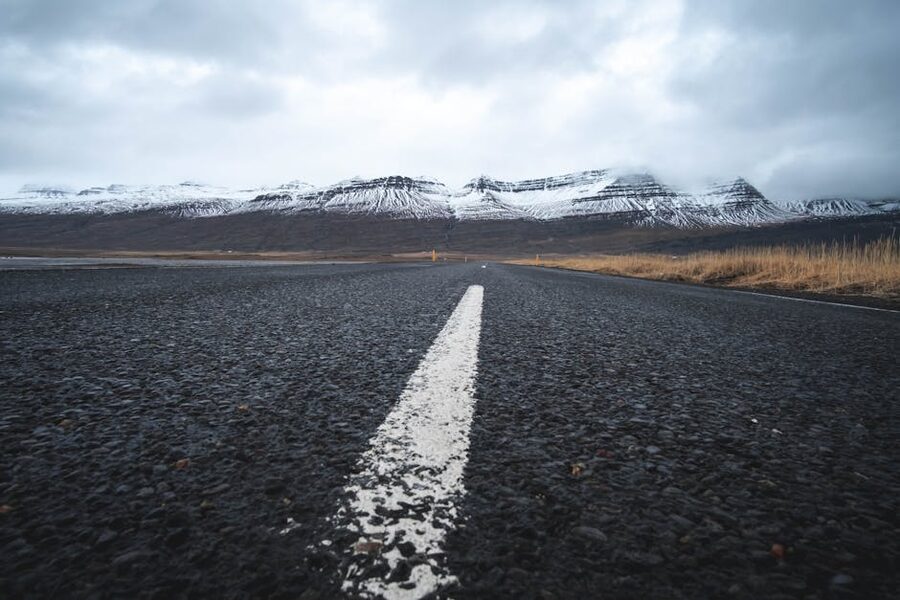
“Blindhæð” means blind hill. The road climbs to a brow where neither lane can see the other side until you’re at the top. Both lanes effectively share a single track at the brow. The local convention is to slow well before, hug the right verge, and never overtake on the approach. Worth knowing because the signs are in Icelandic only.
Single-lane gravel sections that sneak up
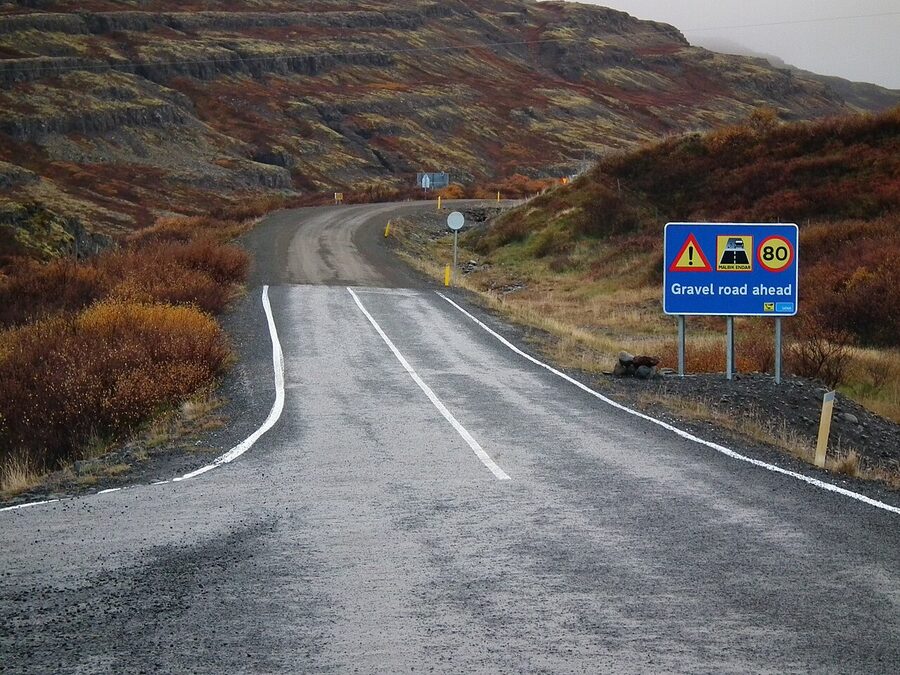
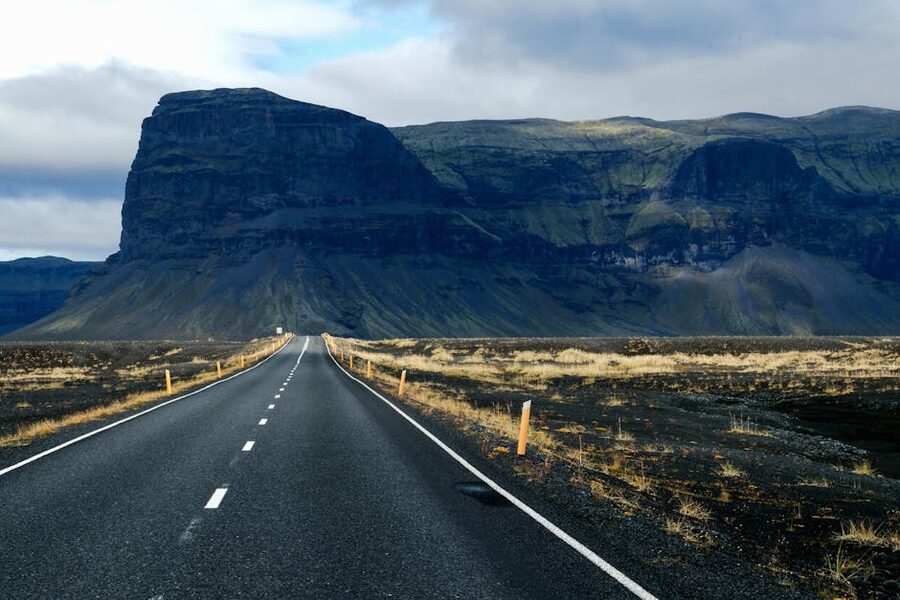
Even on the Ring Road, you’ll meet sections where two-lane paved abruptly becomes single-lane gravel for two or three kilometres, especially in the East. The “Malbik endar” sign (literally “asphalt ends”) is the warning. Slow to 60 km/h or below before the change. The transition itself is the most accident-prone moment of the whole drive.
Getting your car back without paying for damage you didn’t do
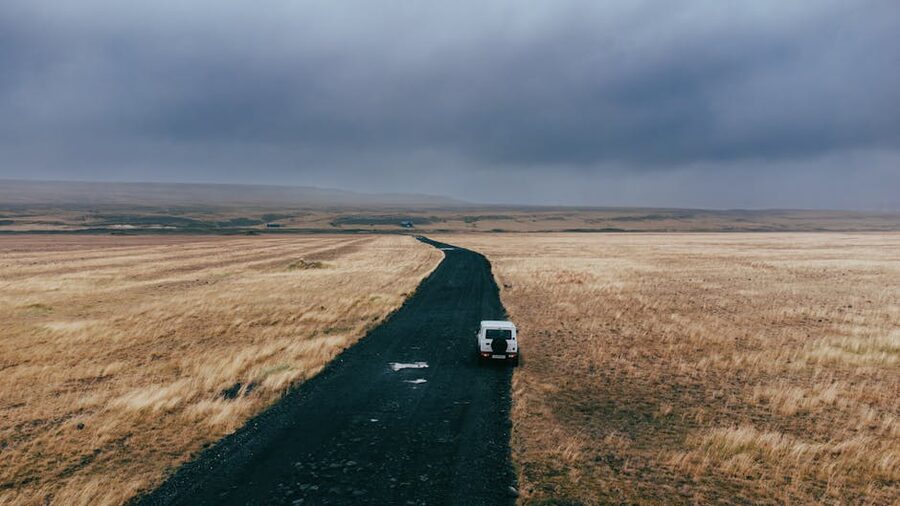
Pickup and return mechanics matter because Iceland rentals are particularly aggressive about charging for damage. The cars take a beating from gravel and weather, and operators recover the cost from someone. Your job is to make sure that’s a fair assessment, not a “found it on the contract” one.
At pickup
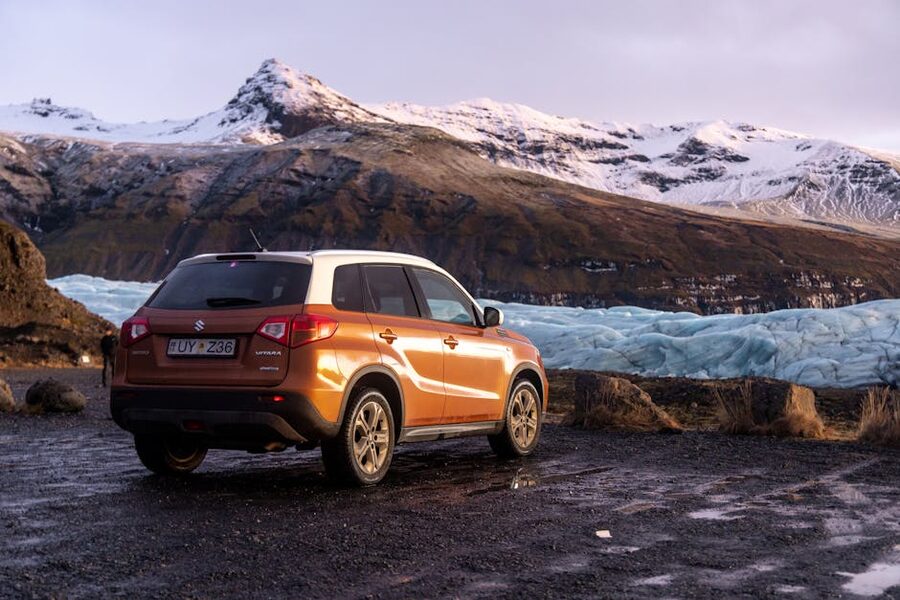
- Walk around the car with the rental rep before signing anything. Note every existing chip, dent, scratch, and scuff on the contract diagram.
- Photograph the entire exterior, all four corners, both wing mirrors, the bumpers, the roof corners, and the windscreen close up. Time-stamped.
- Check the tyres for sidewall damage. Photograph each one.
- Note the fuel level and the odometer reading. Photograph the dash.
- Check the lights and indicators function before you drive away.
- Confirm what’s included in the insurance and what isn’t, in writing on the contract.
On the return day
- Refill the fuel tank at a station within 5 km of the return location. Keep the receipt.
- Photograph the car in the same way as pickup, side by side if you have the energy.
- Wash the windscreen and a quick external wipe if there’s a hose. Volcanic dust on body panels reads as “scratched paint” to a hurried inspector.
- Be present at inspection if you can. Walk around with the agent. Compare to your pickup photos.
- Get a written, signed condition-on-return slip before you hand over the keys.
If you’re dropping off after hours, the photographs are your only protection. Take more than you think you need. Most disputes I’ve heard from other travellers end favourably when the photo evidence is good, and badly when it isn’t.
One last thing about the cost: the trip total
For a sense of what a Ring Road week actually costs in 2026 prices:
- Economy 2WD (e.g. Toyota Aygo) booked four months ahead for a week in late June: around 95,000 to 130,000 ISK (~€650 to €890), with SCDW + gravel + sand and ash on top adding maybe 35,000 ISK (~€240) over the week.
- Compact 4×4 (e.g. Dacia Duster) same conditions: around 140,000 to 190,000 ISK (~€955 to €1,300), insurance bundle adding 40,000 to 50,000 ISK (~€275 to €340).
- Larger 4×4 (e.g. Toyota RAV4 or similar) same conditions: 220,000 to 290,000 ISK (~€1,500 to €1,980).
- Fuel for 1,332 km on a small 2WD: roughly 25,000 to 30,000 ISK (~€170 to €205).
- Tunnel toll (Vaðlaheiðargöng both ways): 4,000 ISK.
- Site parking on a typical itinerary: 4,000 to 6,000 ISK.
So a week on the Ring Road, for two people, with a compact 4×4 and full insurance and fuel and parking, lands somewhere around 220,000 to 280,000 ISK (~€1,500 to €1,915) for the driving part of the trip. Not nothing. About a third less if you can take a 2WD and the route allows. Half as much if you can travel May or late September instead of July.
The single highest-leverage decision is when to go. Booking the same car six weeks earlier saves more than any other tweak. After that, the right insurance bundle saves money in the worst case but costs in the average case. The 2WD versus 4×4 call depends on where you’re going. Everything else, the discount cards and the city pickup trick and the overnight booking strategy, is rounding error compared to those three.
I’ve found that what changes on the second or third Iceland trip isn’t the rental mechanics. They’re the same. It’s that you stop treating the F-road myth as romance and start treating it as the Tuesday-to-Sunday weather window it actually is. You learn that the south coast in February rewards a driver who wakes up to a yellow alert and goes back to bed. You stop booking the wrong size car. Mostly, you book early. The rest is just paperwork.