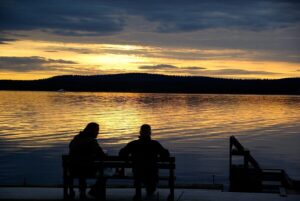
There are roughly 80,000 saunas in Helsinki, in a city of 660,000 people. That number gets quoted at every welcome dinner and every airport tourist board, but you don’t actually feel it until you spend a week walking around: there’s a sauna in the apartment block where you’re staying, a sauna in the parliament building, a sauna in the office tower, a sauna at the airport. The sauna in Finland isn’t an experience you book; it’s a room you walk into the way other countries walk into kitchens.
What you want as a visitor isn’t the apartment-block sauna. You want the public ones, the social ones, the four or five places where Helsinki has decided collectively to do this thing properly and let strangers join in. Most “best saunas in Helsinki” lists collapse this into a top-ten of every venue with a wooden room, and that helps nobody. The list is shorter than the listicles pretend. There are four anchors that matter, and a handful of smaller places worth knowing about. This is that list, with the prices, the hours, the etiquette, and the bits the visitor guides skip.
In This Article
- What a Finnish sauna actually is
- The nakedness question, dealt with once
- Löyly: the wooden one on the waterfront
- Allas Sea Pool: the working-harbour version
- Kotiharju: the 1928 wood-fired one
- Yrjönkatu Swimming Hall: the 1928 Roman bath
- The smaller four worth knowing about
- Kulttuurisauna: the Hakaniemi minimalist
- Sompasauna: free, mixed, and run by volunteers
- Uusi Sauna: the modern neighbourhood one
- Sauna Hermanni: the 1953 retro one
- The Finnish Sauna Society at Vaskiniemi
- A short history, in case you care
- What to bring, what to wear, what to do
- Time of day, time of year, when locals actually go
- What to skip
- Combining the saunas with the rest of Helsinki
What a Finnish sauna actually is
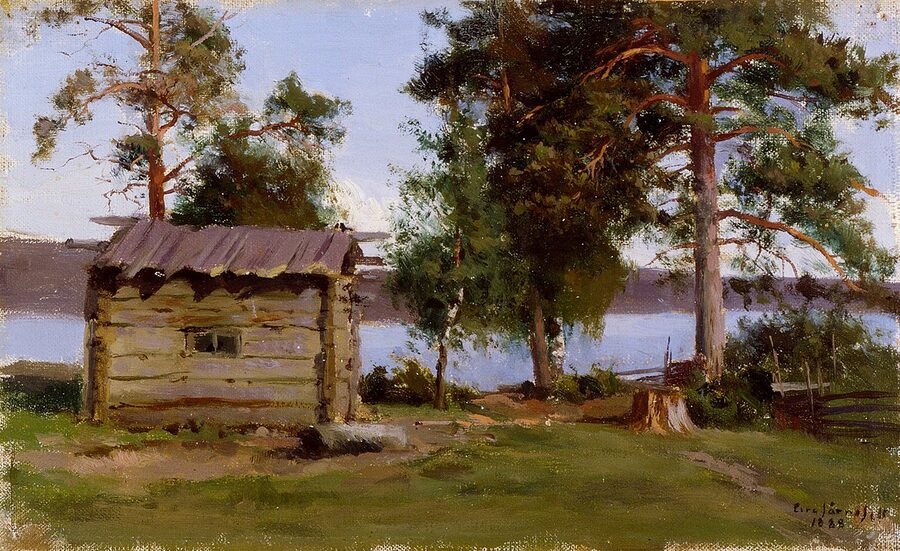
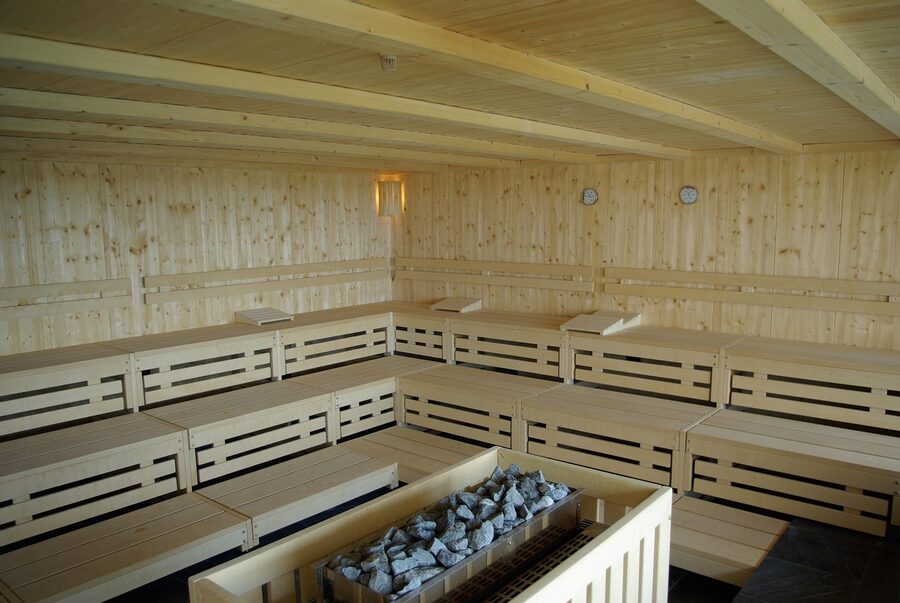
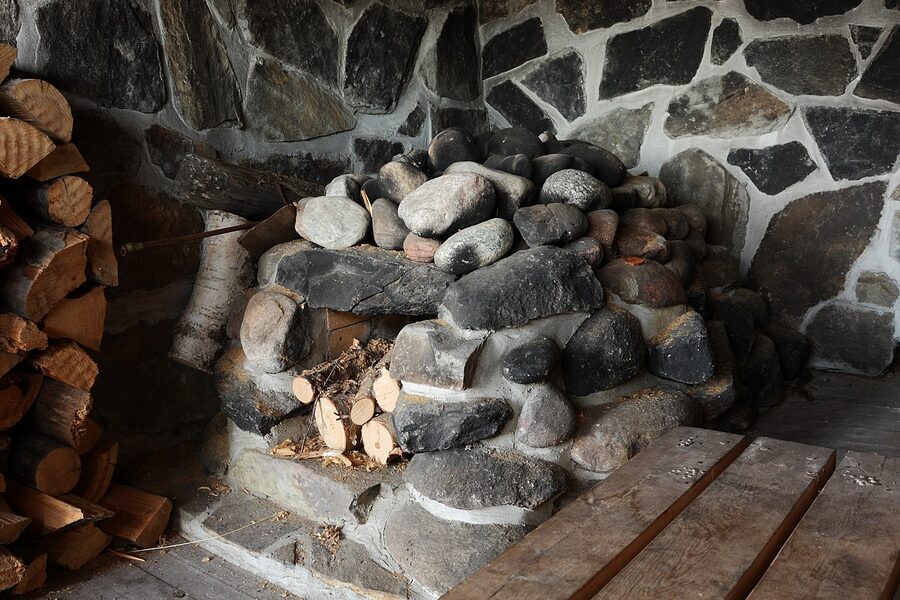
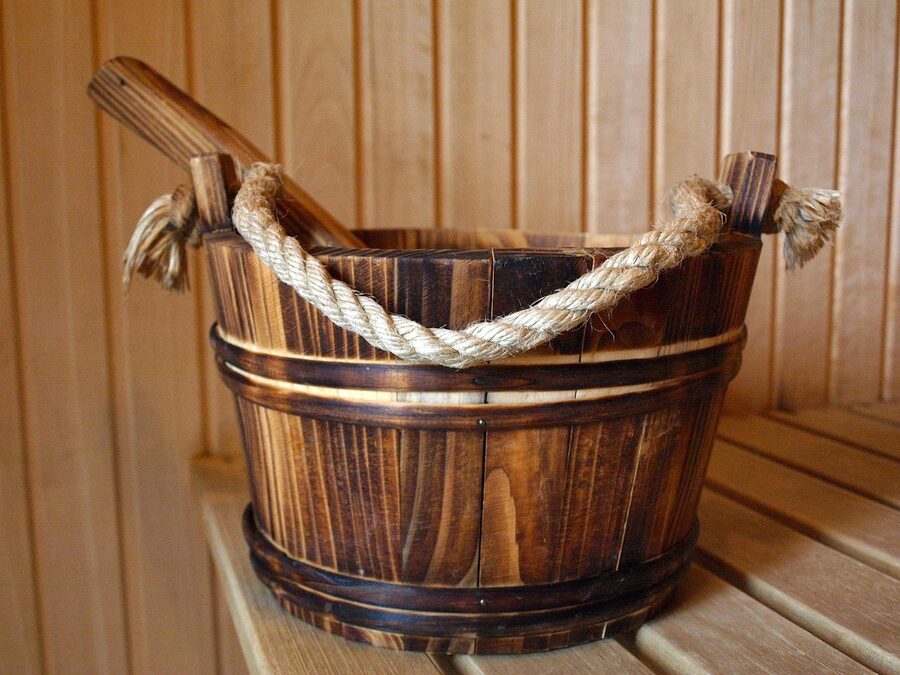
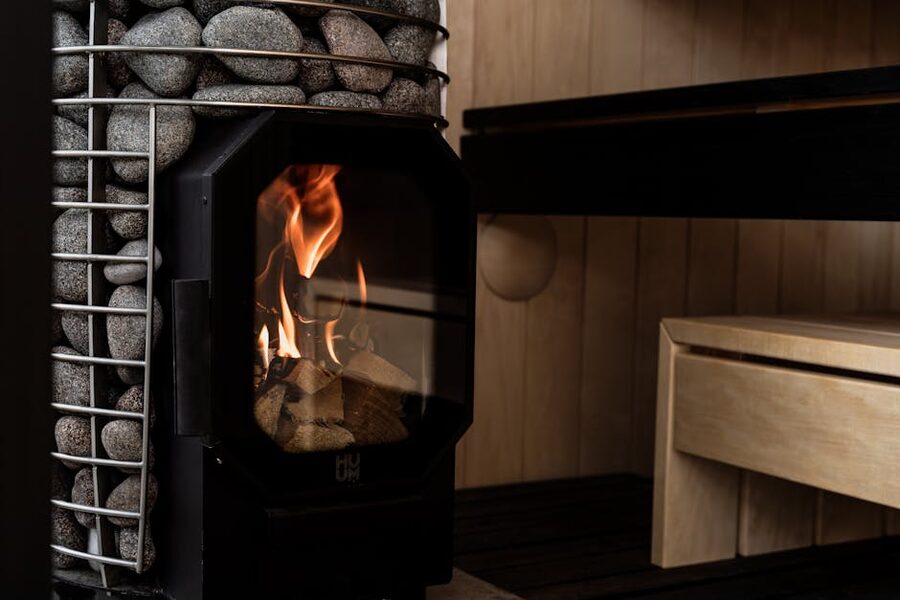
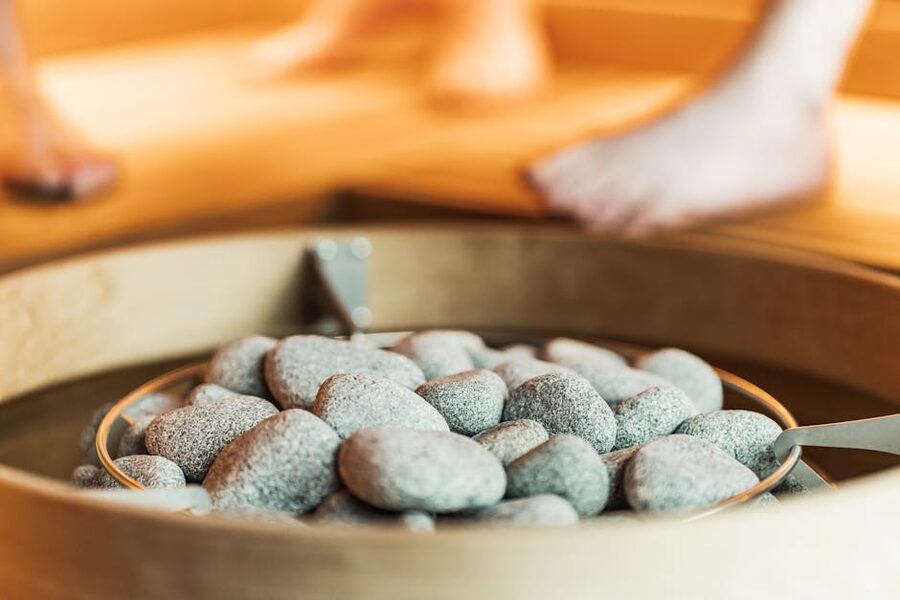
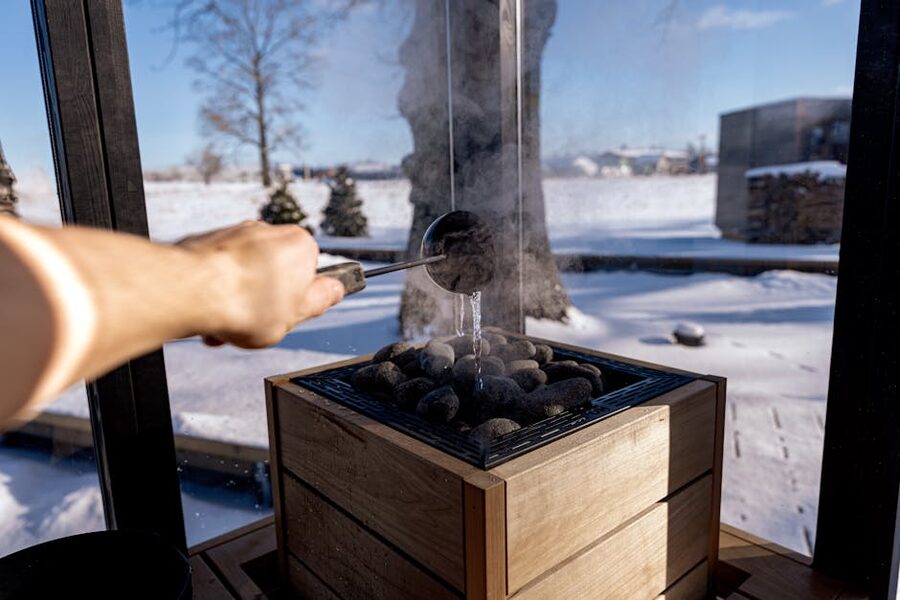
It’s a hot wooden room. That’s it. The Finnish sauna is dry-leaning, hot (around 80 to 100°C in the public ones), with stones piled on top of a stove. You ladle water onto the stones from a wooden bucket called a kiulu. The water flashes to steam and the humidity spikes. That burst of wet heat is löyly, and the word also names the most famous public sauna in the city. The cycle is sauna, cool down (cold shower, cold sea, snow, or just sitting in air), repeat. People do this two or three or five times in a session. Then they eat something salty, drink something cold, and go home.
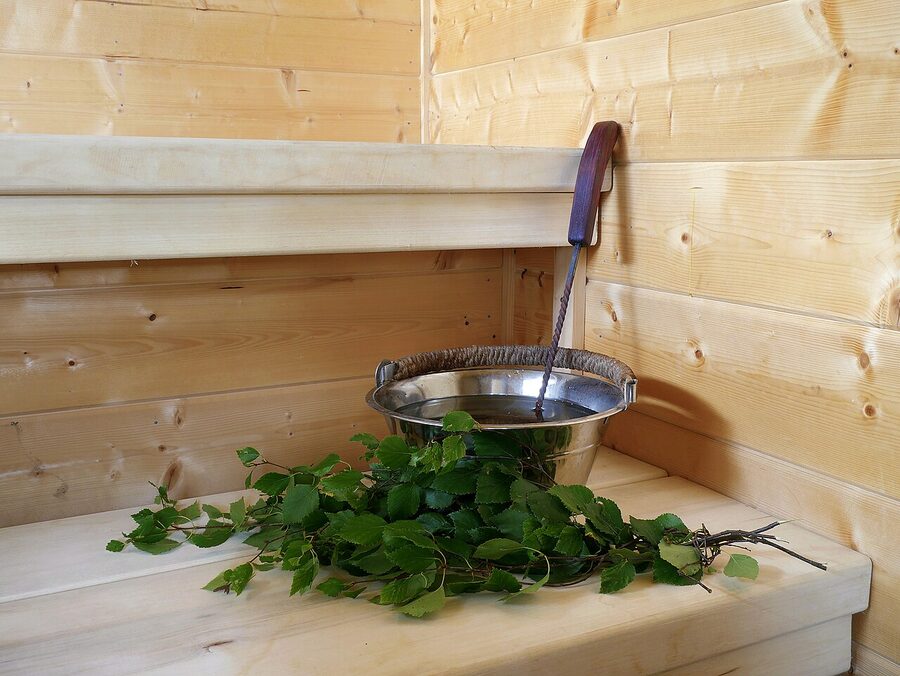
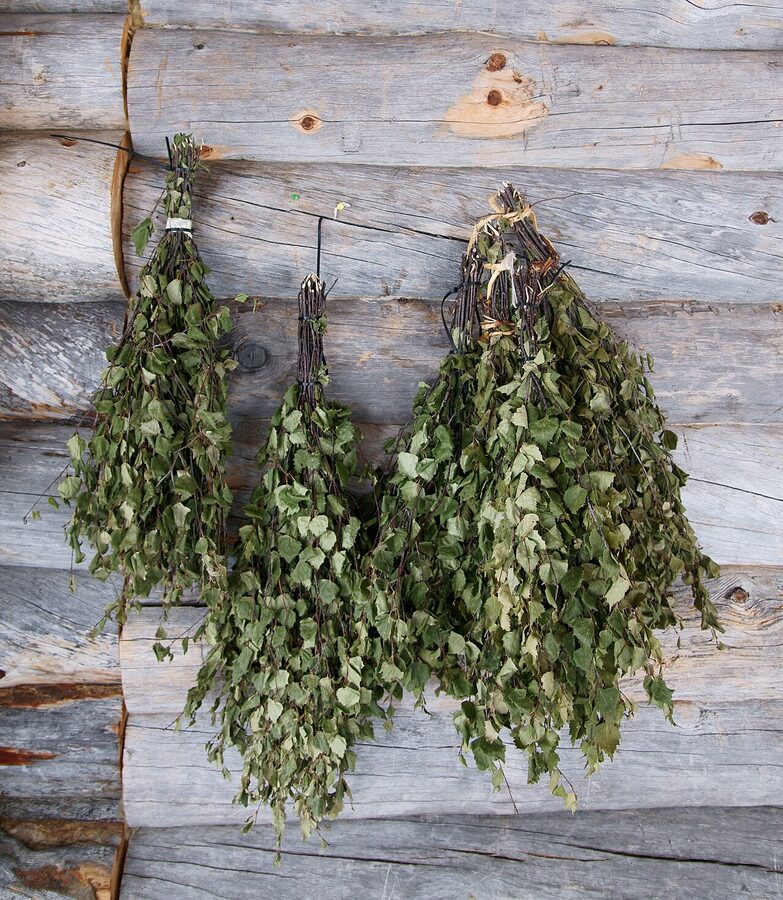
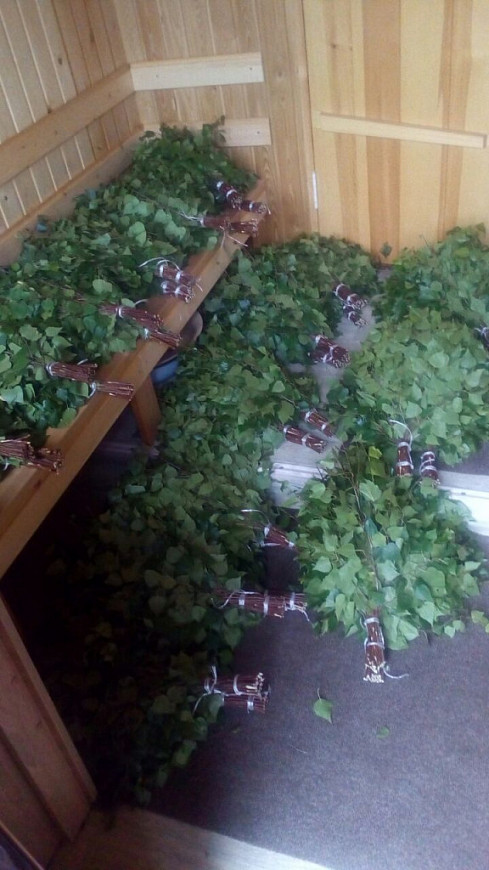
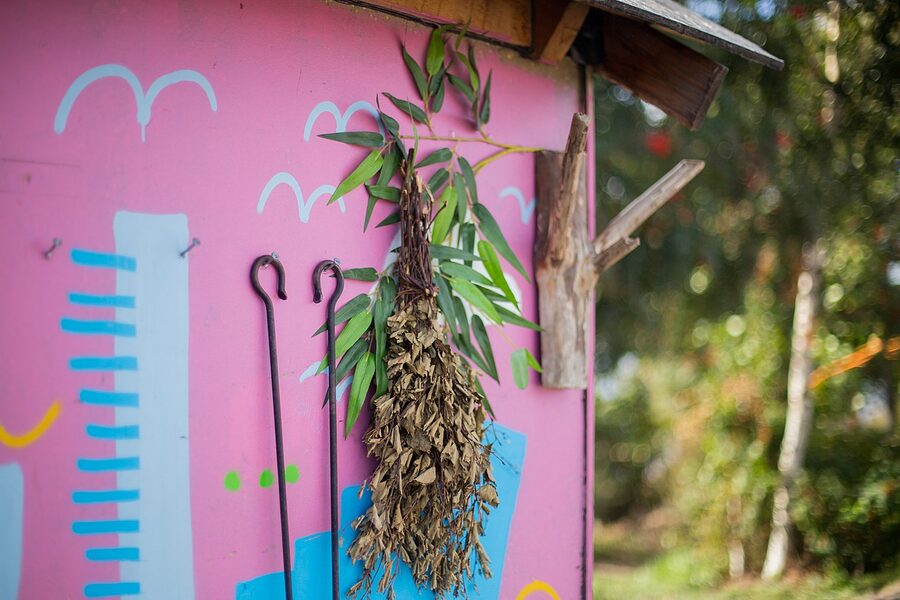
The vihta (or vasta, depending which part of Finland you ask) is a bundle of fresh birch twigs. You whisk yourself or someone else with it. It smells of summer forest when it heats up. It does not hurt, despite what it looks like, and it isn’t compulsory. Most public saunas in Helsinki don’t supply one; if you want the experience you’d buy a dried bundle from the K-Market on Hämeentie, soak it in warm water for ten minutes, and bring it in.
The nakedness question, dealt with once
Finnish public saunas are mostly naked. Showers and sauna sit on either side of the nakedness line: rinse off bare, sit in the steam bare, then a towel for the cool-down area. Changing rooms are sex-segregated. The newer waterfront places (Löyly, Allas, Lonna, Uusi) have switched to swimsuit-required because they sell mixed-gender main areas; the traditional ones (Kotiharju, Yrjönkatu, Kulttuurisauna) keep men and women in separate sauna spaces and keep the nudity. Sompasauna is mixed and clothing-optional, with no staff to enforce anything.
None of this is sexual, none of it is awkward, and the Finns absolutely do not look at you. The first ten seconds in the changing room are the strangest you’ll feel all year; the next four hours are unremarkable. If the nudity is a hard no, you’re fine: Löyly and Allas have you covered, literally.
Löyly: the wooden one on the waterfront
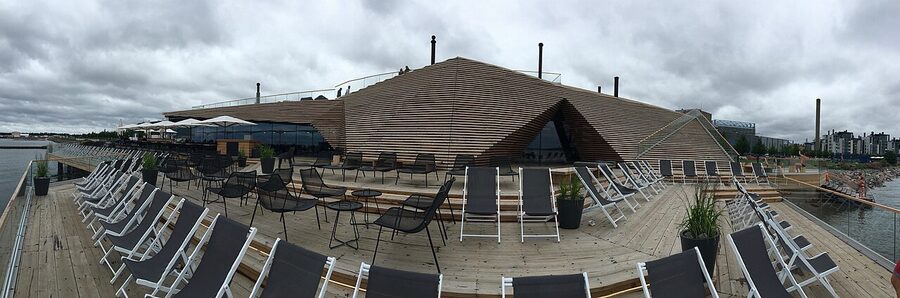
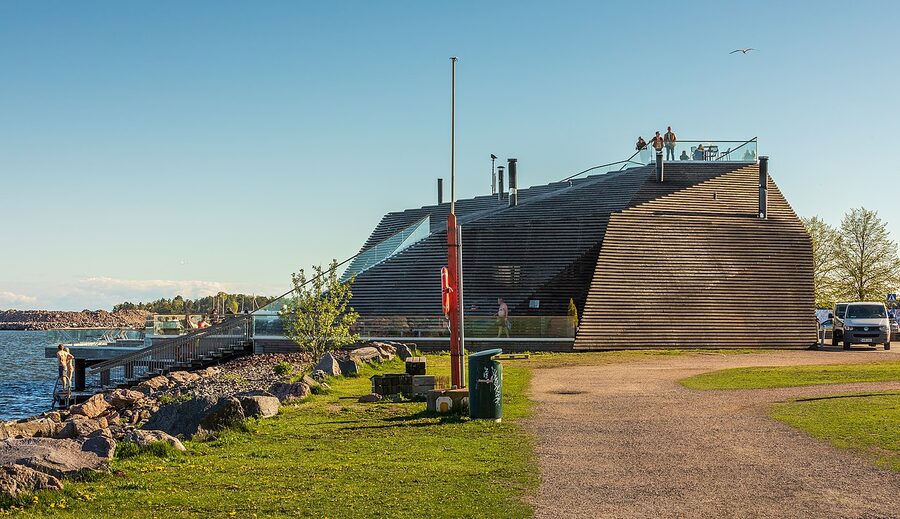
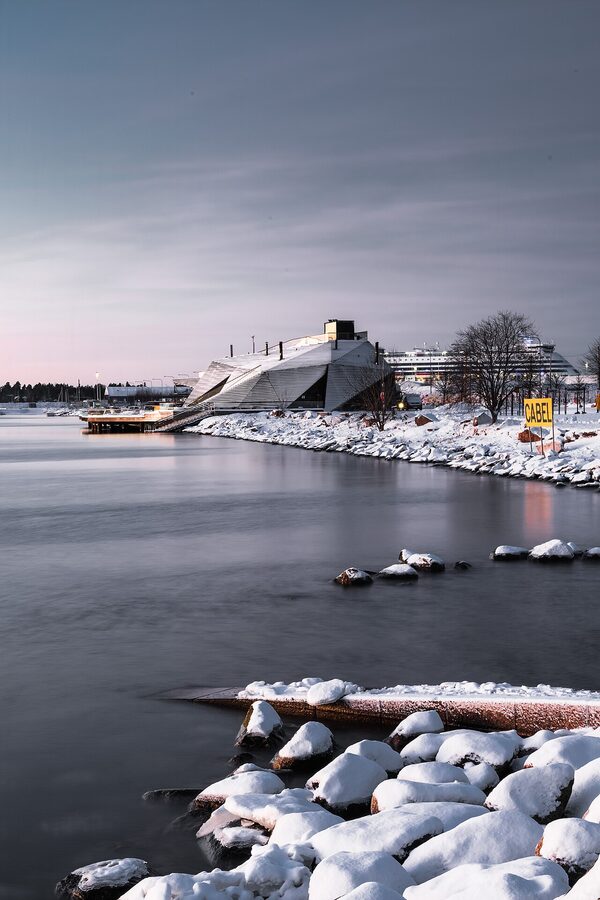
If you’re on a short trip and only have time for one, this is the one. Löyly sits on the southern tip of the Hernesaari peninsula, a former cargo dock that the city is slowly rebuilding into housing. The architecture is the headline: a slatted timber shell that hides three saunas (one wood-fired, one continuous-burn wood, one savusauna smoke sauna) plus a restaurant, a bar, a year-round sea-swim ladder, and a long stepped terrace that doubles as the roof. Time Magazine called it one of the world’s hundred greatest places. That’s the kind of accolade that usually means crowded, and it is, but the building genuinely is good and the saunas inside are better.
A two-hour public-sauna session at Löyly is €23 and includes a towel, a locker key, and a pefletti (the disposable seat liner you’ll see everywhere). Swimsuits are required throughout: changing rooms are gendered, the rest is mixed, and the sea-swim ladder is right outside the door. Booking is essential. They fill out a week ahead in summer, and the walk-in slots tend to be the awkward ones at 9am Saturday or 4pm Monday. Book on loylyhelsinki.fi.
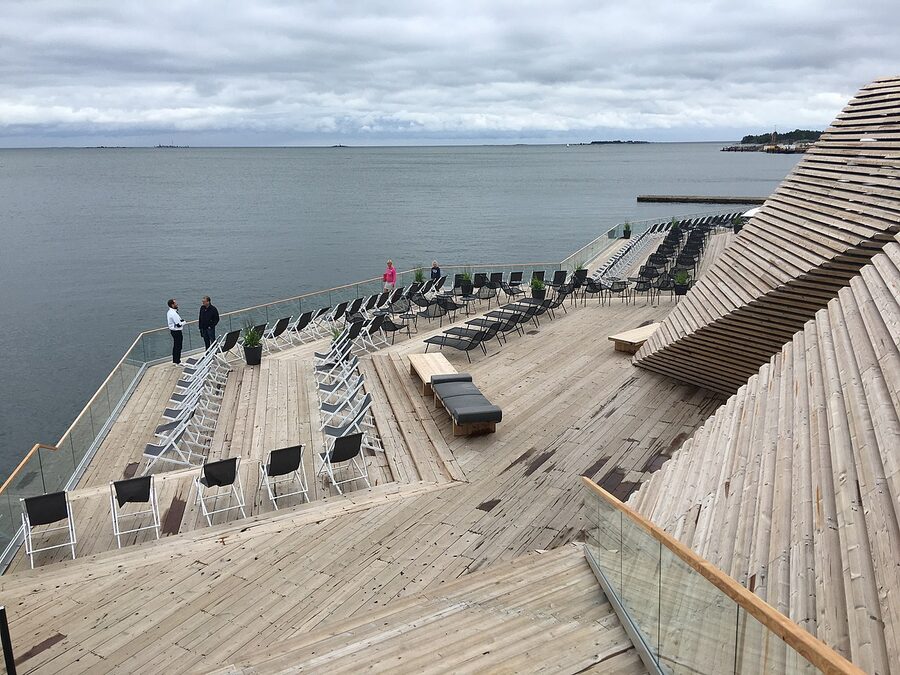
What’s good: the smoke sauna is the real reason to come. Most cities don’t have a public savusauna at all. Löyly’s smoke sauna is heated for hours before opening, the smoke vented through a small hatch, and what you walk into is a pitch-dark room that smells like a campfire that’s just gone out. The heat is softer, longer, and stays in your bones for the whole walk home. The two wood-fired saunas are good but ordinary by comparison. What’s not good: it’s expensive for what it is, the changing rooms get squeezed at peak times, and the surrounding building site means the walk in is across rubble for the next year or two. The restaurant is also worth booking, separately, but the salmon soup is generous and the bar is the kind of place that survives the sauna’s media moment.
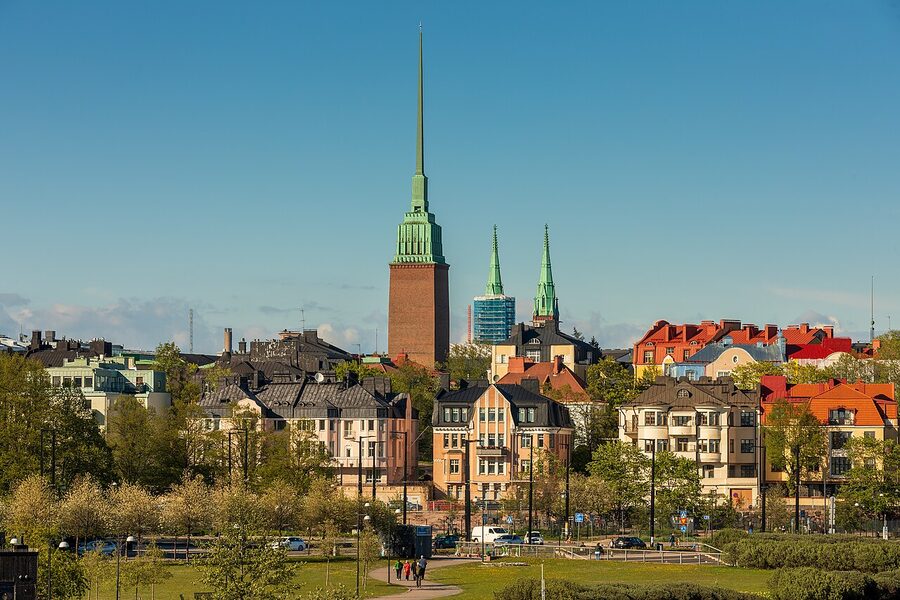
Address: Hernesaarenranta 4, 00150 Helsinki. Hours: Mon 16-22; Tue-Thu 13-22; Fri 13-23; Sat 9-11 and 13-23; Sun 11-21. Price: €23 for two hours. Getting there: tram 2 to Eiranranta, then a 12-minute walk south along the water. Booking: loylyhelsinki.fi.
Allas Sea Pool: the working-harbour version
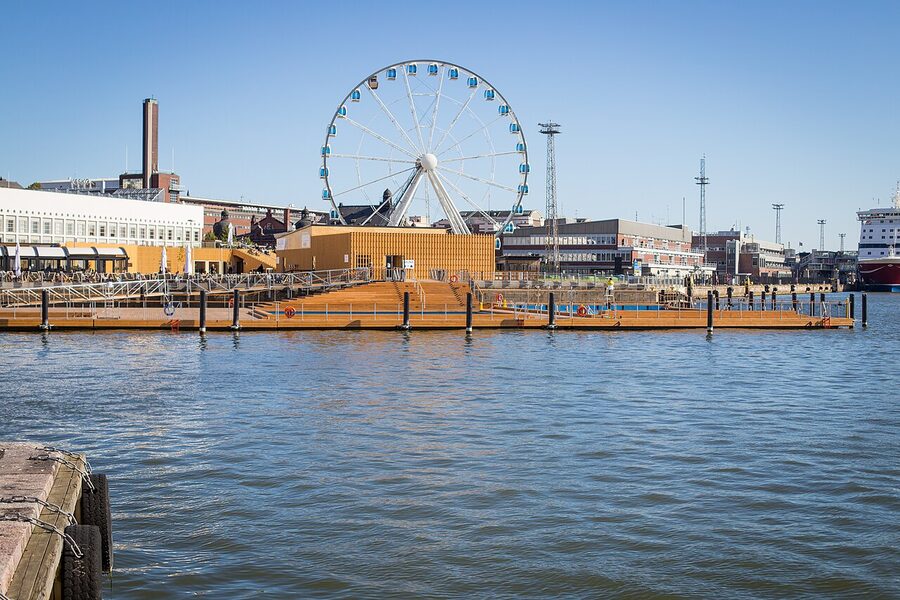
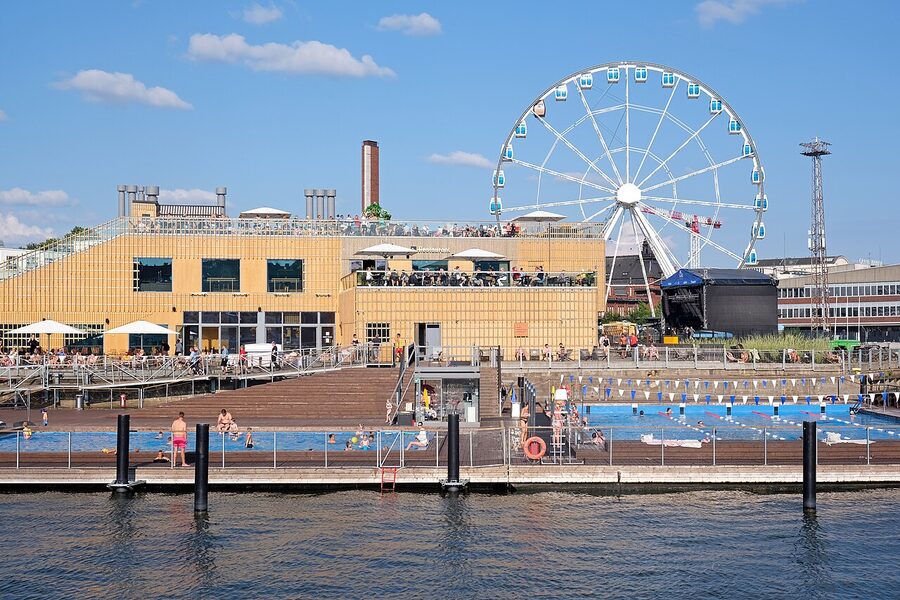
Allas opened the same year as Löyly (2016), at the end of the Market Square, hard up against the Katajanokka ferry terminal where the big Baltic ships come and go. The location is the headline. You’re swimming in a heated 27°C pool with the Helsinki Cathedral over one shoulder and a Tallink ferry sliding past the other. The setting sounds gimmicky and is in fact lovely. There are three pools (warm, sea, kids’ in summer) and three saunas (men’s, women’s, mixed/private). Towels rented separately, swimsuit required, drop-in welcome.
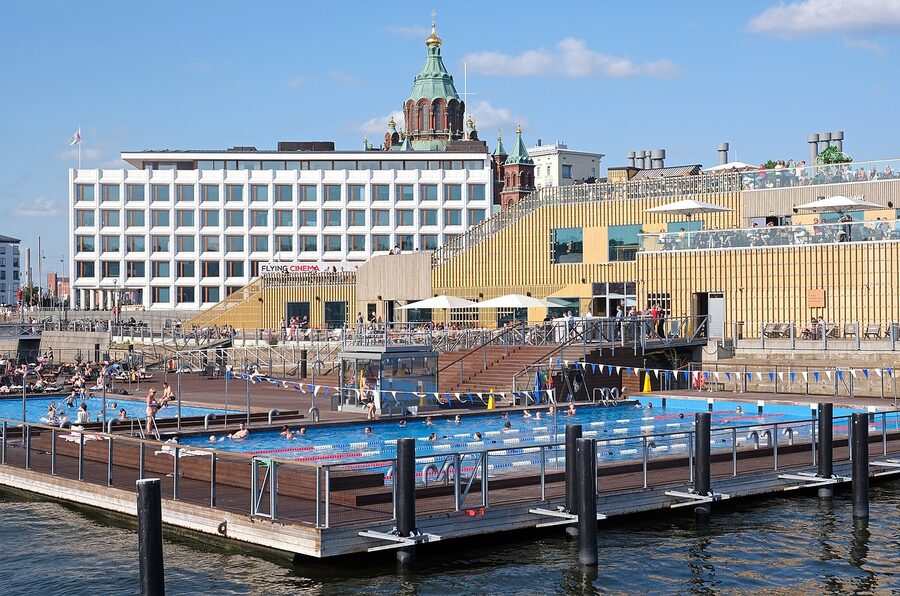
I’d put Allas above Löyly if you’ve got young kids, or if you’re staying anywhere near the centre. The drop-in model makes it easier; the warm pool means you can sit in 27°C water for an hour without using up sauna willpower; the location means you can roll out and be in the centre of town in five minutes. The downside is that the saunas are smaller and less atmospheric than Löyly’s, the changing rooms are tight on summer Saturdays, and it can feel more like a swimming pool that has saunas attached than a sauna that has a pool.
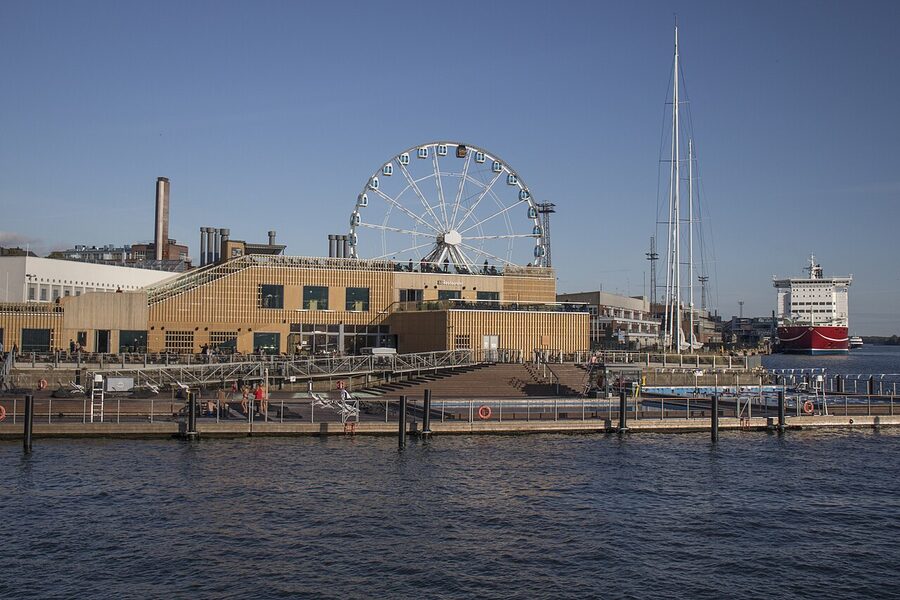
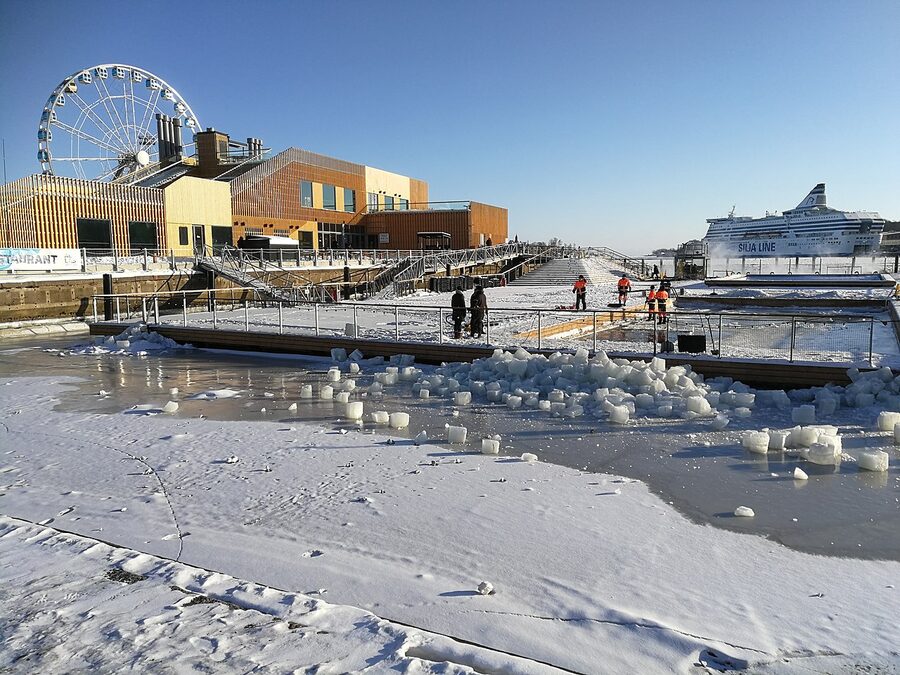
Address: Katajanokanlaituri 2a, 00160 Helsinki. Hours: daily, broadly 10-21 with seasonal shifts. Check the calendar before going. Price: from €18 day-pass for the pools and saunas; family tickets cheaper per head. Getting there: tram 2 or 4 to Kauppatori, walk 4 minutes east along the harbour. Booking: allasseapool.fi.
Kotiharju: the 1928 wood-fired one
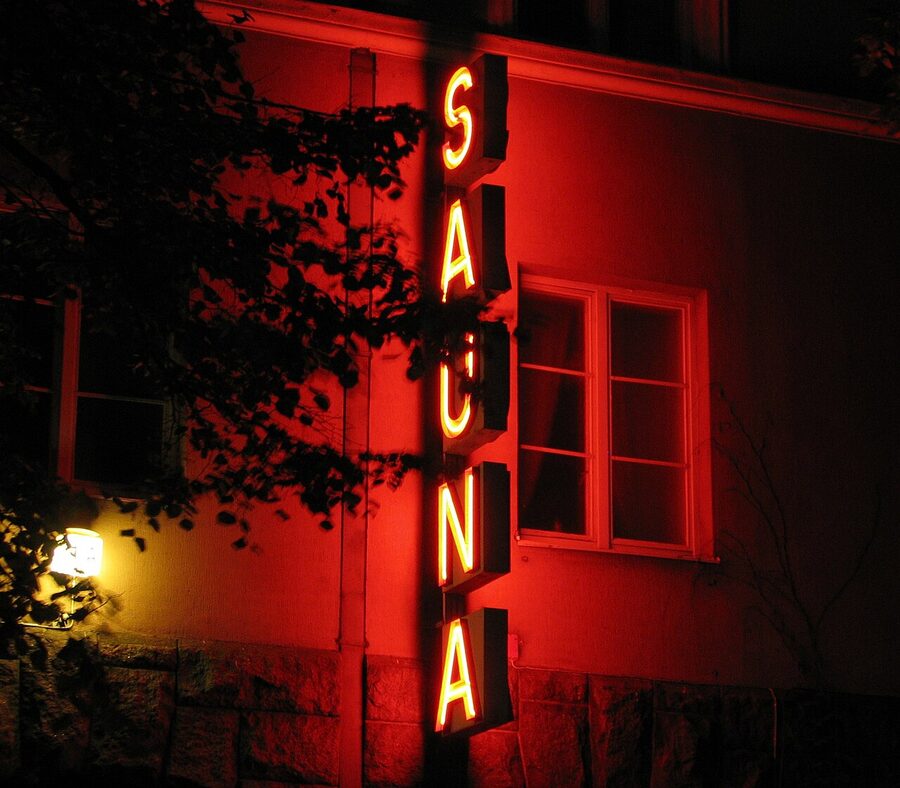
This is the one you walk through Kallio to find. Kotiharjun Sauna opened in 1928 in the working-class district that surrounds Kallio Church, and it is the last continuously-operating wood-heated public sauna in central Helsinki. Everything else is electric, or moved to gas, or shut. Kotiharju still feeds birch logs into a brick stove out back, and the heat that lands on you in the sauna is the kind that softens your shoulders down by inch increments rather than slapping you with steam.
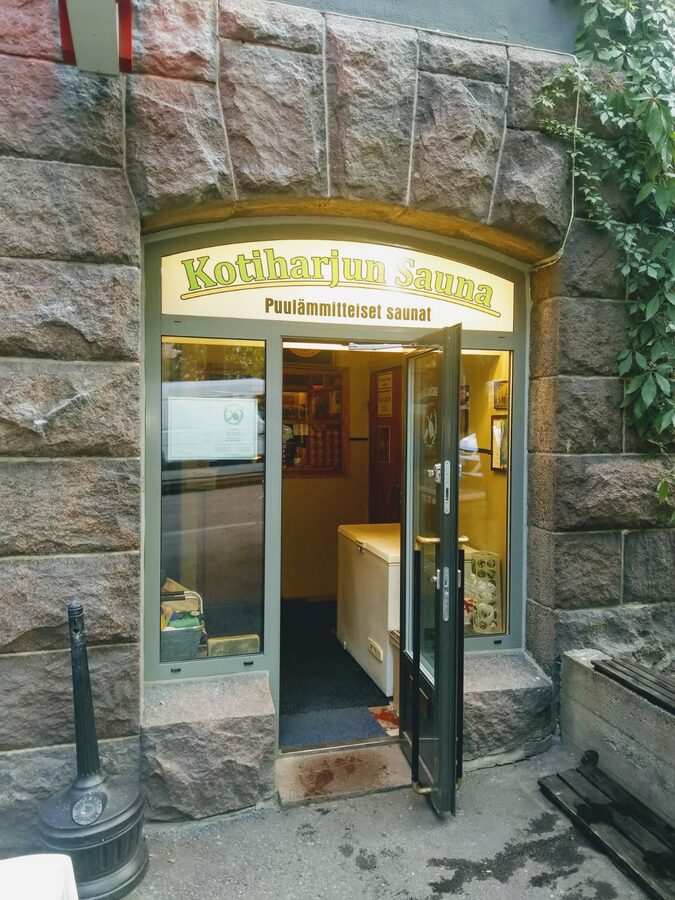
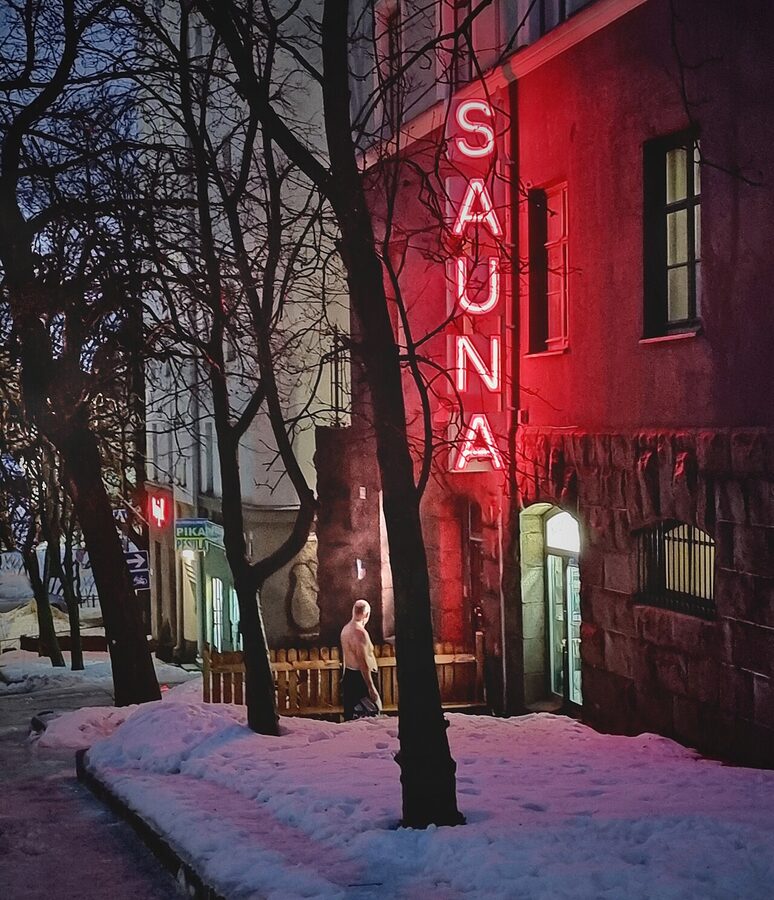
Kotiharju is €15, drop-in, no booking. There’s a men’s side and a women’s side; a small mixed sauna can be booked privately for groups, but the public ones are gendered and clothes-off is the default. There’s no sea swim. To cool off you sit on the pavement outside in a towel, with everyone else, holding the beer you bought from the front counter. The “outside” room here is the bit visiting writers always describe as charming, and they’re right; it’s also a parking strip on a fairly ordinary residential street, and the charm is mostly that nobody minds you sitting there sweating.
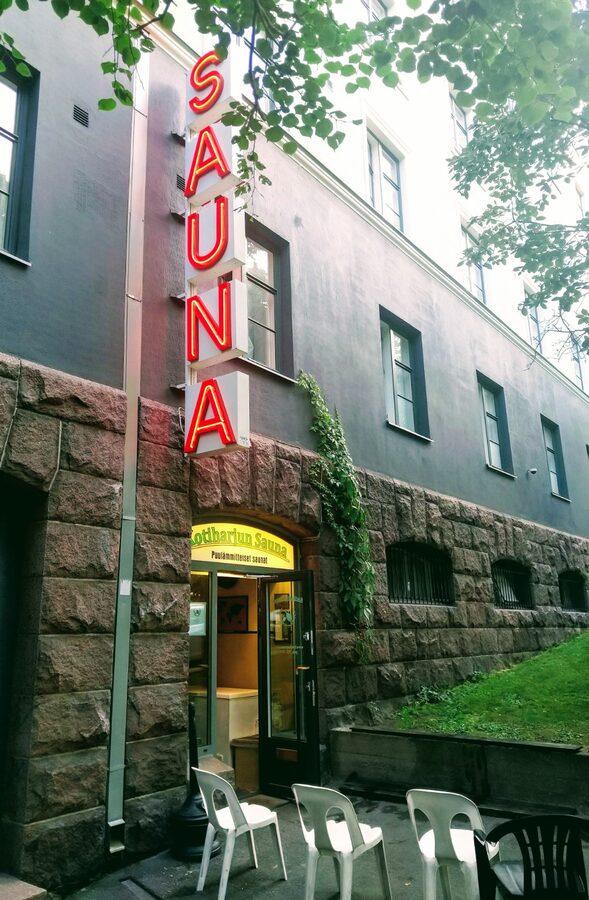
Bring your own towel (3€ rental otherwise), wear flip-flops, and bring cash for the front desk if you want a beer or a sausage. Cards work for the door but the snack counter is hit-and-miss. Tuesday afternoons and Thursday evenings are quieter than the weekends. If you want a vihta on the bench beside you in summer, this is where you’d bring it. There’s a man at the front desk who sells dried ones in winter for a few euros.
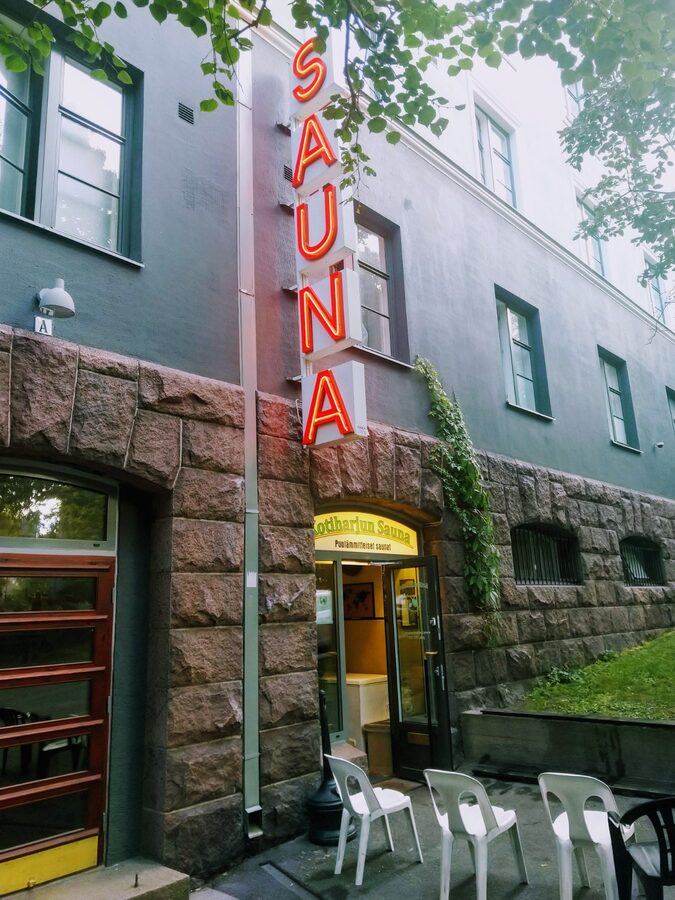
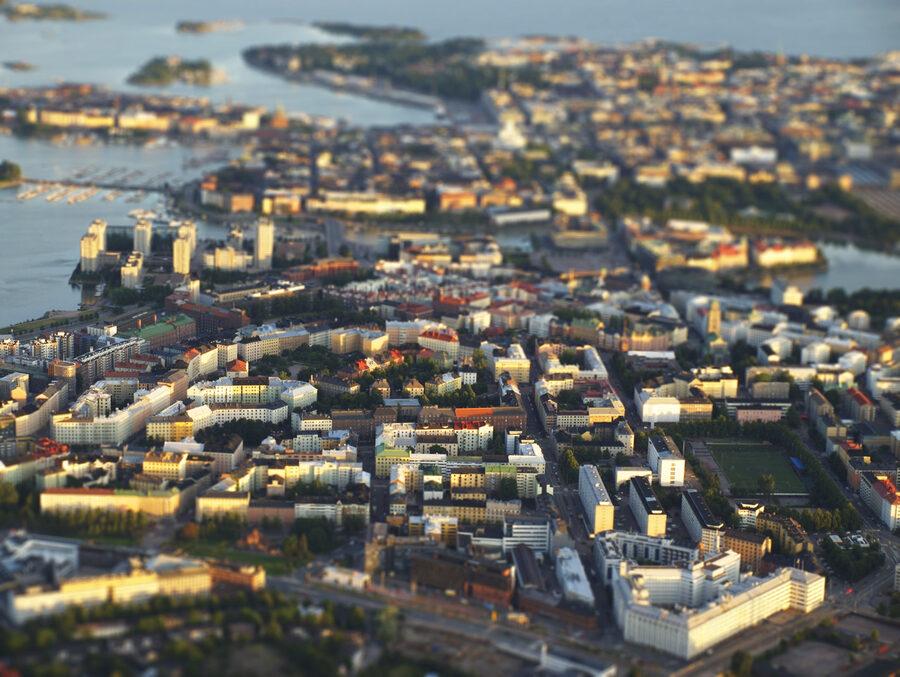
Address: Harjutorinkatu 1, 00500 Helsinki (Kallio). Hours: Tue-Sun 14-20, last sauna time 21:30; closed Mondays. Price: €15 drop-in. Getting there: metro to Sörnäinen (4-minute walk) or tram 1, 8 to Helsinginkatu. Booking: not required for public saunas; group mixed sauna via kotiharjunsauna.fi.
Yrjönkatu Swimming Hall: the 1928 Roman bath
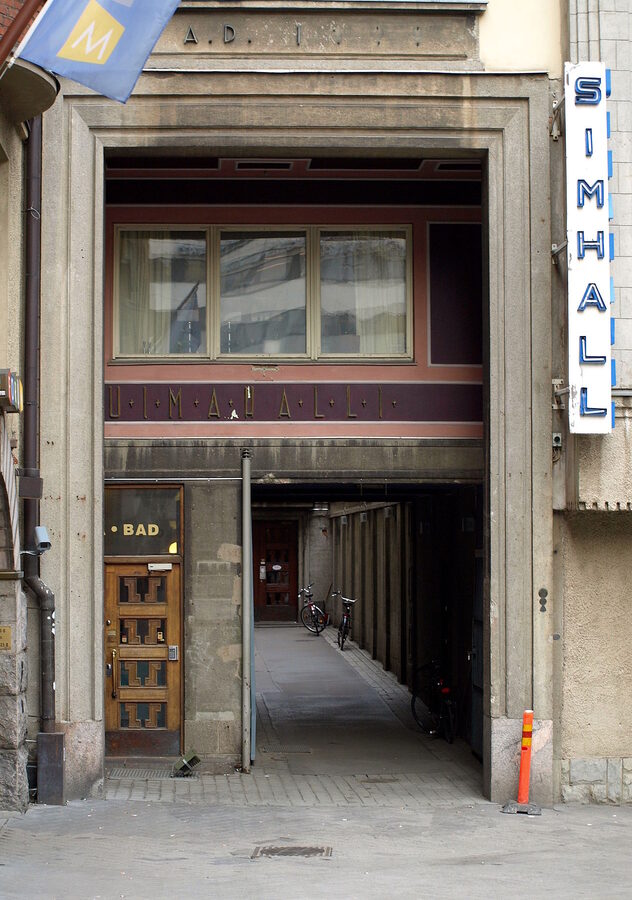
The other 1928 anchor. Yrjönkadun uimahalli is Finland’s first public swimming hall, designed by the architect Väinö Vähäkallio in the 1920s classicism that was popular before functionalism took over. The model was Stockholm’s Centralbadet. The pool is 25 by 10 metres, lined by columns and rest cabins on a balcony level above. Two saunas downstairs, more upstairs, a small café, and a wood-fired stove that was rebuilt in 2013 and is now one of the largest in Finland (2.8 metres tall). BBC put it on a 2015 list of the world’s most beautiful pools, which is the kind of thing that should worry you, but in this case is correct.
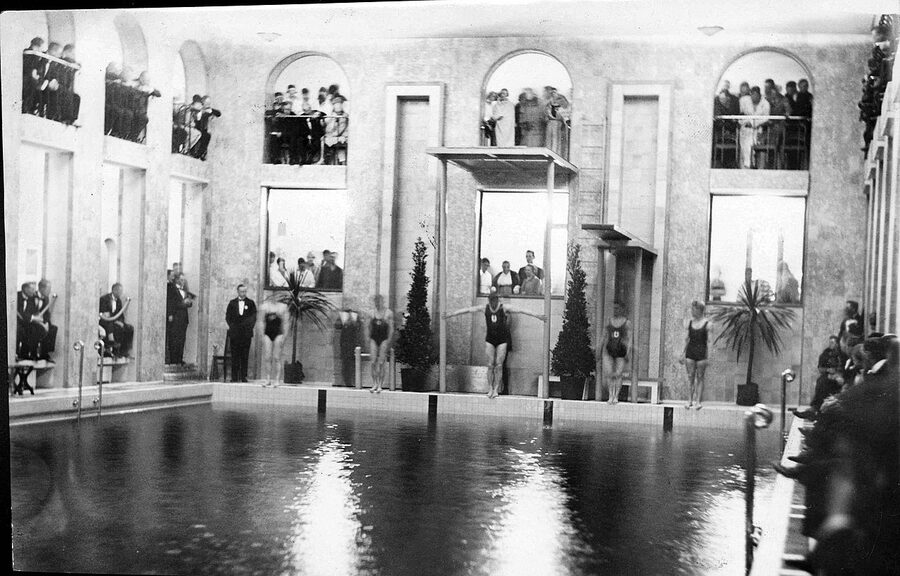
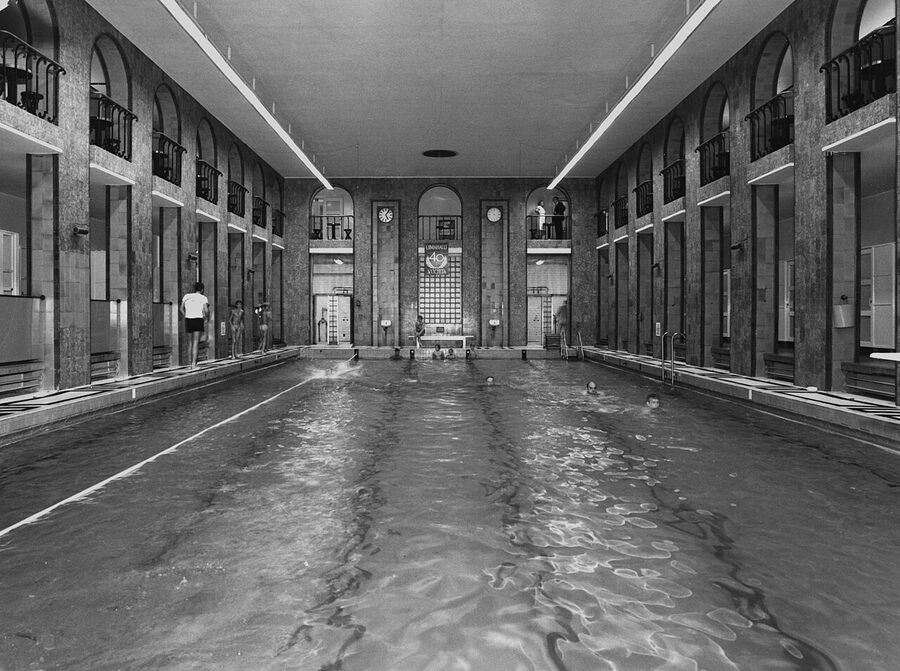
The hall closed at the end of December 2023 for a long restoration and reopened in early 2026, so this is a good year to come back if you visited Helsinki and missed it. The structure of the visit hasn’t changed: men’s days and women’s days alternate by the day of the week (the city posts the schedule on hel.fi), no mixed sessions, swimsuits permitted since 2001 but most people still don’t bother. You buy a ticket for the ground floor only or the whole place. The swim, the sauna, and the cold-water shower are the loop. Rest cabins on the upper level are bookable by the hour for sleeping it off. The café sells sausages, salmiakki, and water in glass bottles.
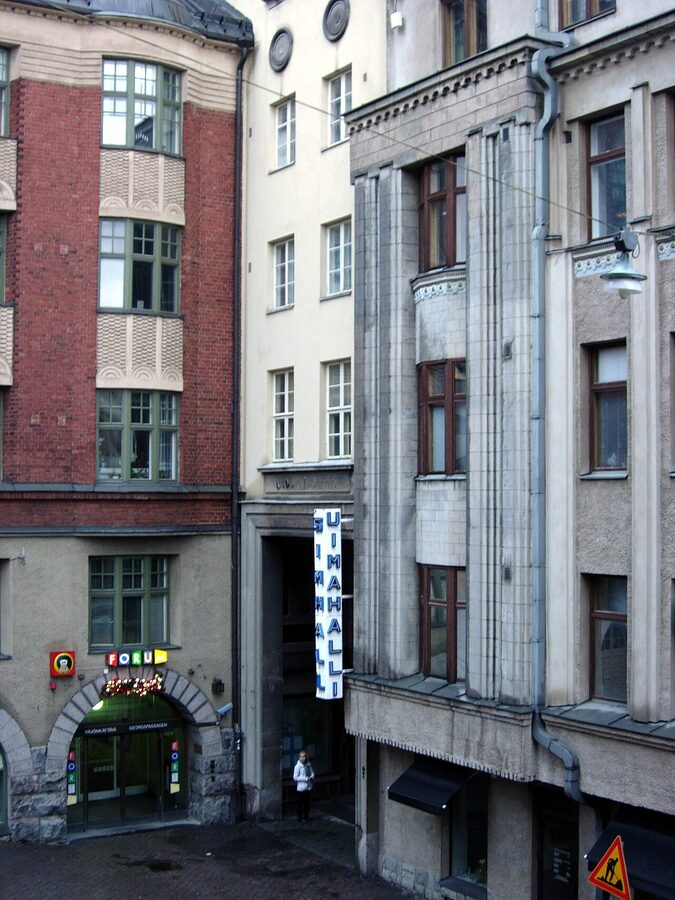
This is the one I tell people to do if they want the actual Helsinki ritual. The architecture is calm, the pool is long enough to swim laps for fifteen minutes between sauna rounds, and the gendered hours mean you’re sharing the space with people who’ve been doing this since the eighties. Nobody will speak to you in English. Nobody will speak to you at all. That’s the point.
Address: Yrjönkatu 21b, 00120 Helsinki. Hours: men’s and women’s days alternate; check the schedule on the city’s hel.fi sport pages before you go. Closed Sundays. Price: around €6.50 ground floor, around €15 with cabin and upper level. Getting there: tram 3, 6, or any of the Mannerheimintie ones to Forum, then walk one block. Booking: not required for the swim and sauna; rest cabins by the hour at the desk.
The smaller four worth knowing about
Beyond the big four, there’s a tier of smaller venues that locals rotate through. None of them is the one you’d plan a trip around, but if you’re spending more than a long weekend, two of these will round out the picture.
Kulttuurisauna: the Hakaniemi minimalist
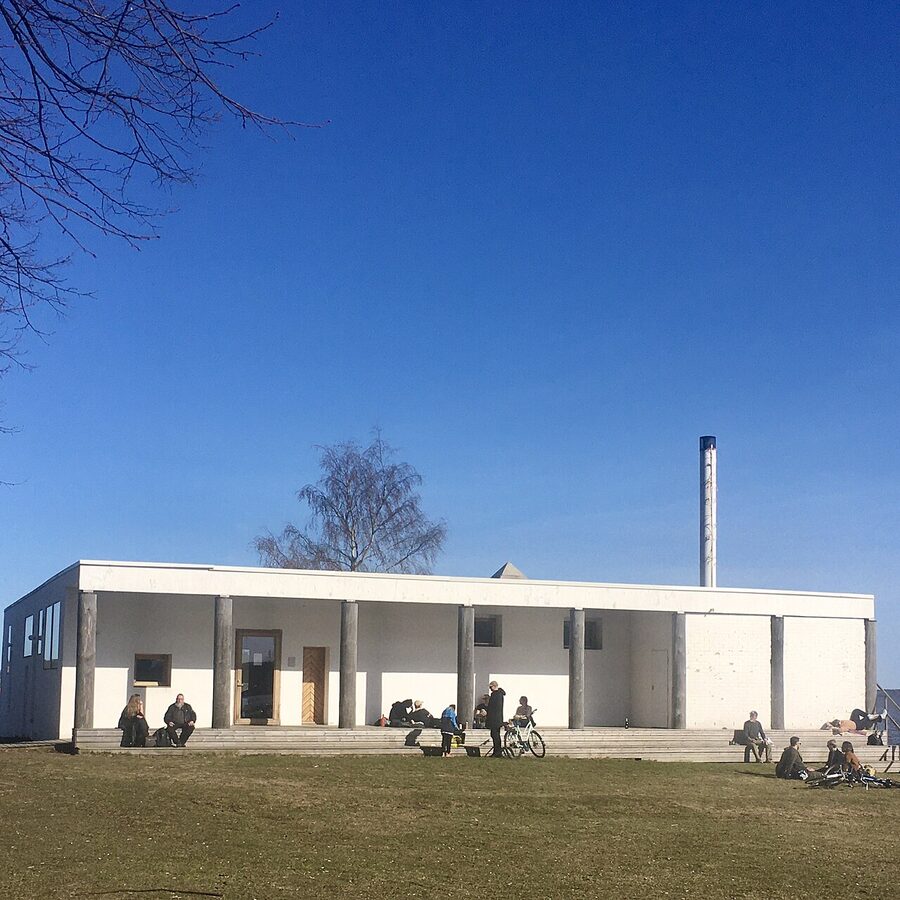
Kulttuurisauna sits on the Hakaniemi waterfront, a small concrete cube designed by the Finnish-Japanese duo Tuomas Toivonen and Nene Tsuboi and opened in 2013 for Helsinki’s World Design Capital year. It’s the architecture nerd’s pick. Wood-fired, gendered (men’s and women’s saunas, separate), nudity required inside, sea swim out the back. Pre-booked sessions only, 90 minutes, €17. They cap groups at two; this is not a place for stag parties.
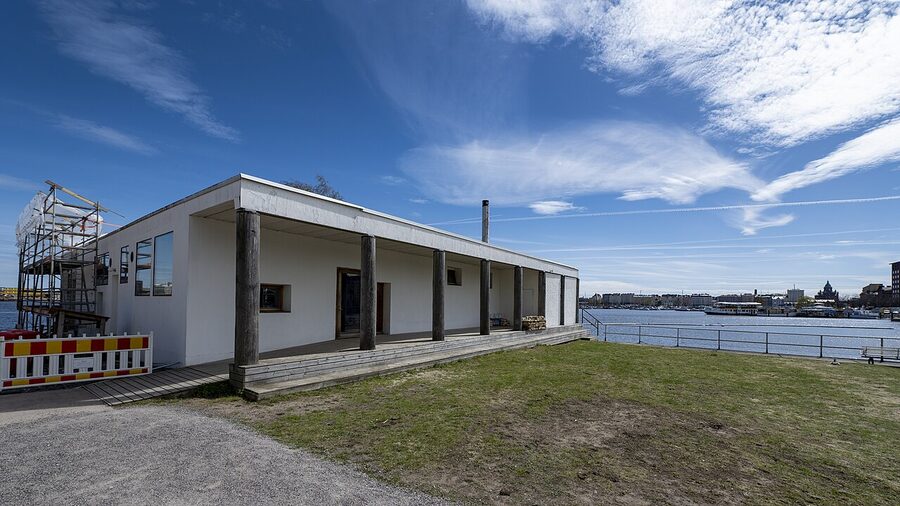
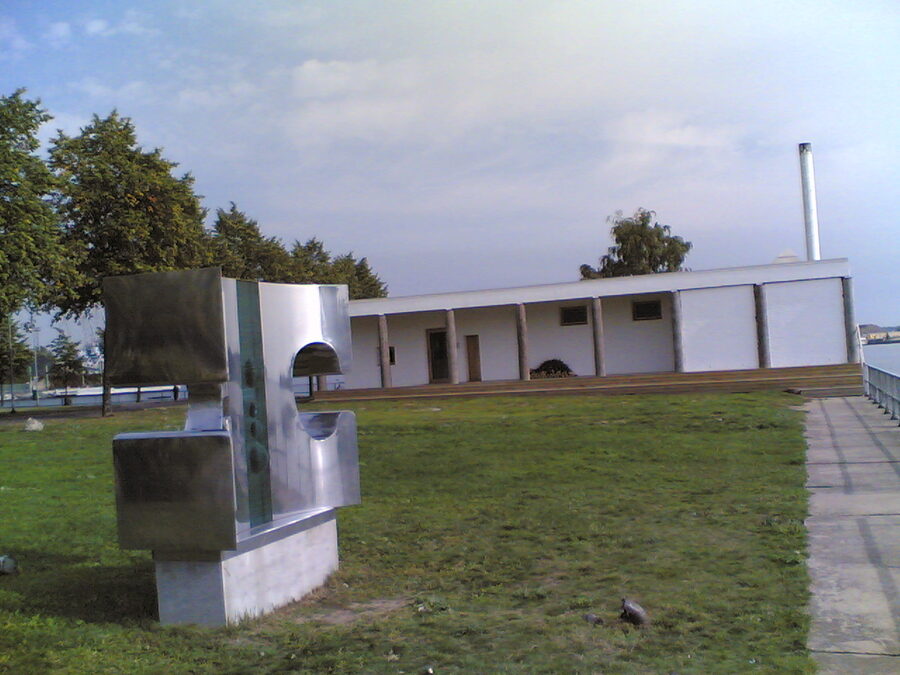
Address: Hakaniemenranta 17, 00530 Helsinki. Hours: Wed-Sun 16-21, last entry 19:50. Price: €17 single, €77 for a 7-entry punch card. Booking: mandatory, online at kulttuurisauna.fi.
Sompasauna: free, mixed, and run by volunteers
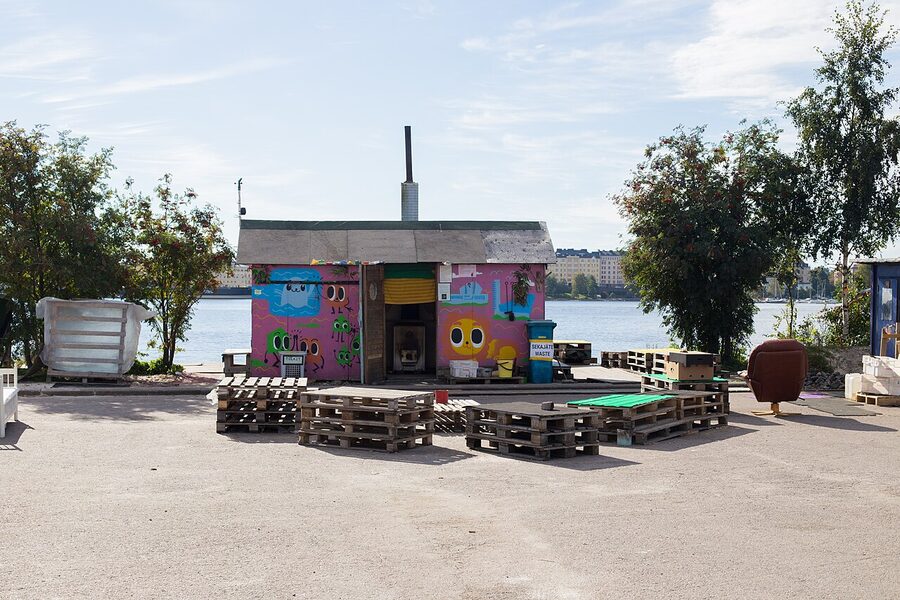
Sompasauna is in Sompasaari (now part of the Kalasatama redevelopment), and it’s exactly what it claims to be: a couple of small wood-burning saunas in a shack on the shore, free to use, run by a volunteer association, open at any hour you want to use it. There’s no staff, no showers, no lockers, no soap, no towel rental. You bring everything: a towel, your own water for drinking and for ladling on the stones (the sea water kills sauna stoves, do not use it), flip-flops, and ideally a bag of paper or kindling to leave for the next person. Mixed-gender, clothing-optional. Most people are in swimsuits; a chunk are nude; nobody cares either way.
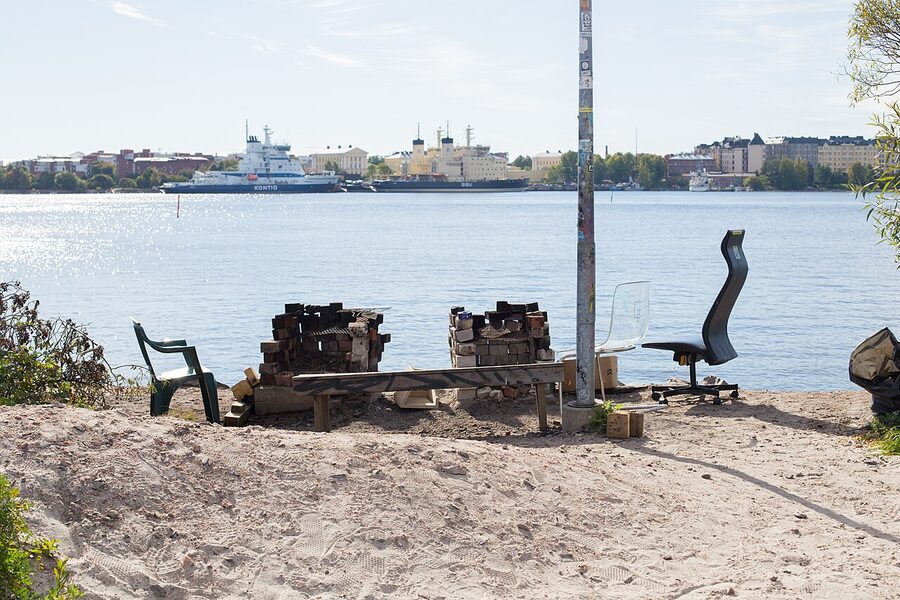
It is a wonderful place and it is also, I’d say, a place to visit second rather than first. The first time I went I had no water with me, no flip-flops, no kindling, and didn’t really understand the contribute-to-keep-it-running social contract. The second time I went I’d brought enough for two people and stayed three hours and had a long conversation with a woman who’d been swimming there since 2011. Read the Sompasauna website before going, bring more than you need, and don’t go in the depth of winter on your first sauna trip.
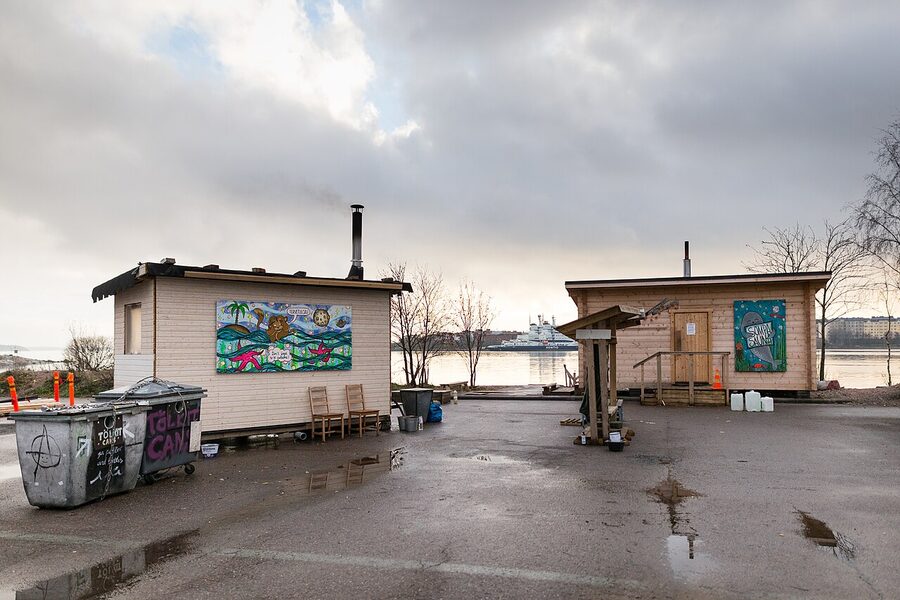
Address: Verkkosaarenkuja 6, 00580 Helsinki. Hours: 24/7, year-round. Price: free; donations through the website. Getting there: metro to Kalasatama, 12-minute walk east through the new build. Booking: impossible; no reservations.
Uusi Sauna: the modern neighbourhood one
Uusi Sauna (literally, “new sauna”) sits in Jätkäsaari, the redeveloped cargo-port peninsula just north of Hernesaari. It’s run by Kimmo Helistö, the man Helsinki tourism people credit with the public-sauna revival of the 2010s. The format is small wood-fired sauna plus restaurant, a bit like a London neighbourhood pub but with a steam room attached. Drop-in €18, towel rental €5, bathrobe €8. Tue-Sat 16-24. The food is plain pub-bistro fare; the sauna is small and the heat is excellent. uusisauna.fi.
Sauna Hermanni: the 1953 retro one
Sauna Hermanni was founded in 1953 in the basement of a brick apartment block in the Hermanni district, north of Kallio. It’s the smallest of the historic ones, with a 50s changing-room feel that has not been updated and shouldn’t be. Drop-in €13, towel rental €3, cards accepted now (despite what the website says about cash). Wed-Fri 15-20, Sat-Sun 14-18. The cool-down is a small outdoor courtyard rather than the sea. Bring a vihta, sit upstairs in the pine-panelled changing room afterwards, drink a sparkling water from the snack counter. saunahermanni.fi.
The Finnish Sauna Society at Vaskiniemi
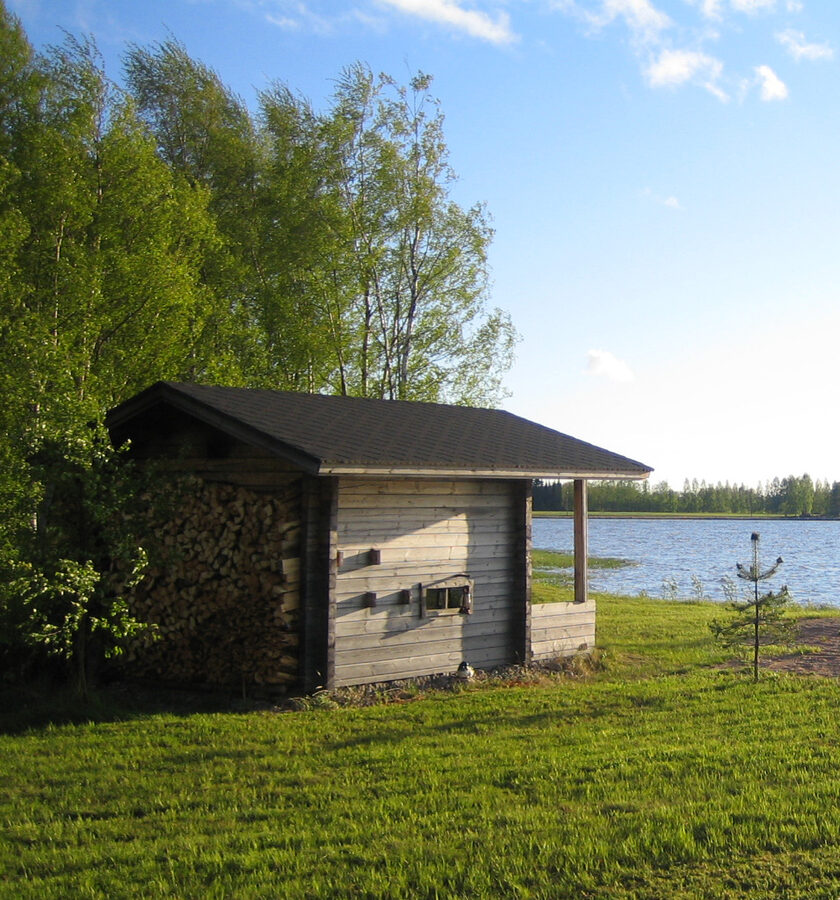
The Finnish Sauna Society (Suomen Saunaseura) runs a complex of saunas at Vaskiniemi, on the Lauttasaari peninsula about 15 minutes by tram from the centre. It’s members-only, and the membership has a multi-year waiting list. But the Society does occasionally sell day-pass guest tickets; the format is irregular and you need to email well in advance. If you can get in, this is the deepest experience available in Helsinki: four saunas including a savusauna heated since dawn, a sea sauna in summer, an attended men’s and women’s day, and the kind of regulars who arrived on the tram in 1972 and never left. The Society is also where some of Finland’s leading sauna researchers and architects spend their Saturdays. Email [email protected] if you’re serious about it. sauna.fi/en.
A short history, in case you care
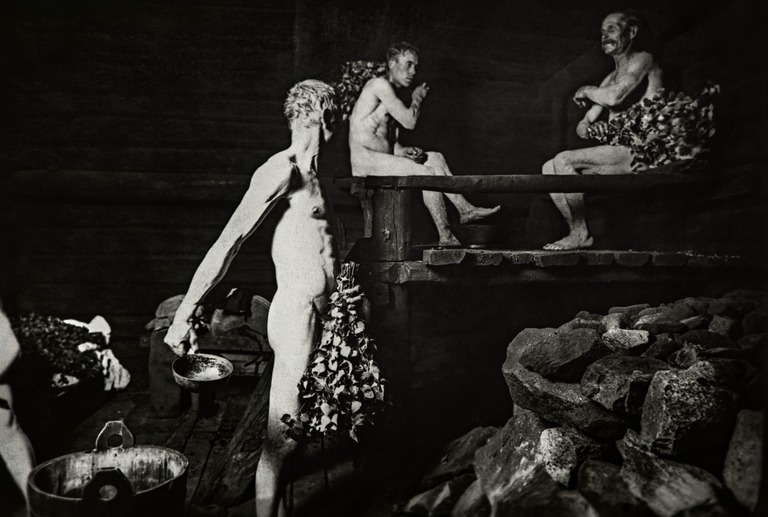
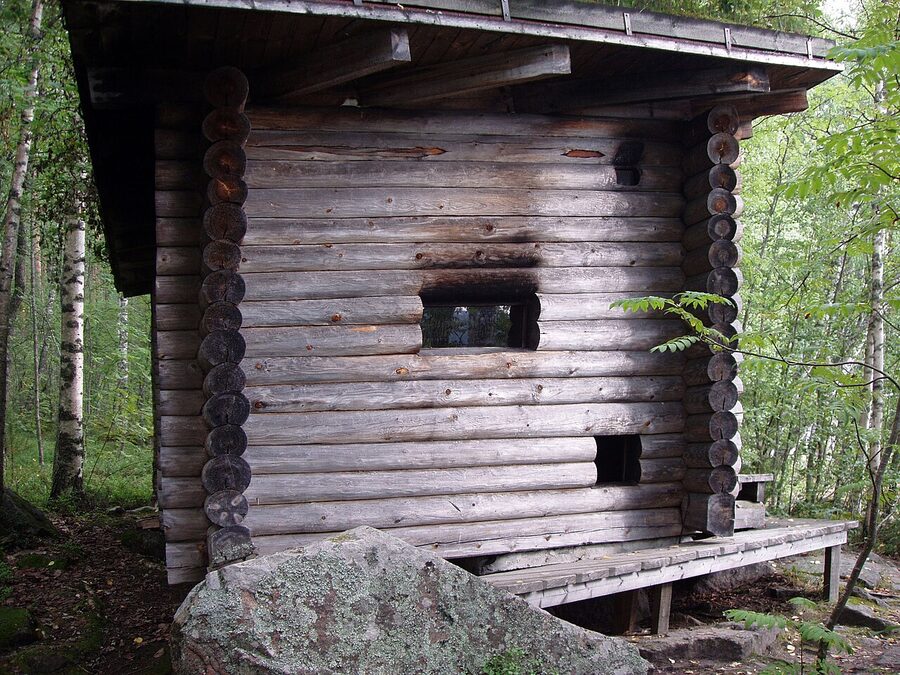
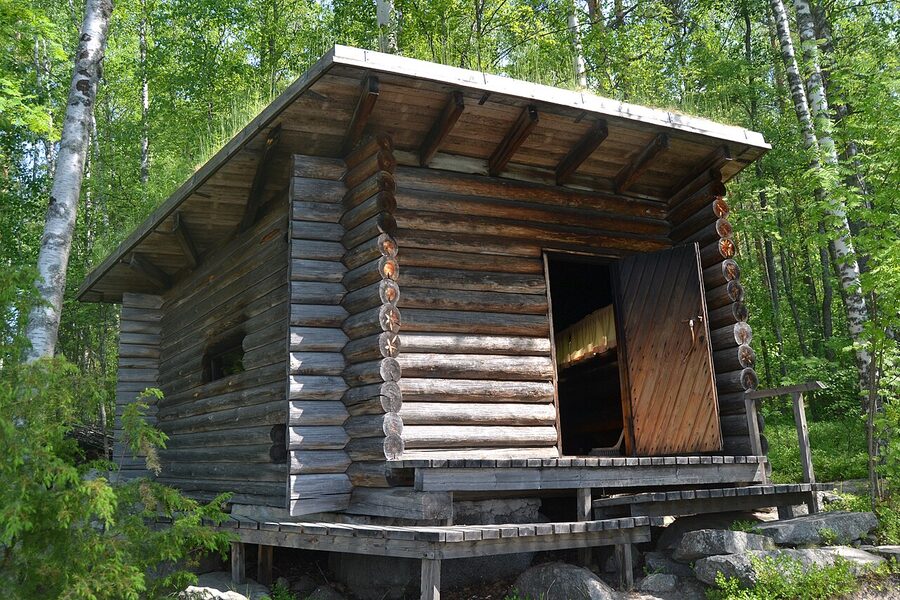
The earliest written reference to a Finnish sauna is from 1112, in a Russian chronicle describing the bathing habits of the Finnic tribes. The earliest first-person account in something like Finnish is the 1640 tax record of one Pertti Olli Pellinen, who paid sauna tax to the Swedish crown. Until the 1920s, almost all Finnish saunas were savusauna: smoke saunas, no chimney, the smoke vented out the door before bathing. The chimney sauna, the one with a flue and an iron stove, only became standard between the wars. The savusauna survived in the countryside and is now mostly a heritage object; you’ll find one at Löyly, one at Kuusijärvi 40 minutes outside the city, and a small number around the Sauna Society at Vaskiniemi.
The mid-twentieth century almost killed the public sauna. As private flats added their own little electric saunas, the neighbourhood ones (where everyone in the building had bathed for sixty years) lost their reason to exist. By the 1990s, Helsinki was down to a handful of survivors: Kotiharju, Yrjönkatu, Sauna Hermanni, the Sauna Society, and a thinning crowd at each of them. Then the 2010s sauna revival happened. Kulttuurisauna in 2013, Allas and Löyly in 2016, Uusi Sauna in 2018. Sompasauna grew up on its own in 2011 as a pile-of-pallets project. The savusauna at Löyly is the most public symbol of the comeback: a 19th-century technology that almost died, rebuilt for €5 million on a former oil terminal, with a celebrity-architect waiting list.
Finnish sauna culture went on the UNESCO Intangible Cultural Heritage list in 2020. The official inscription is worth reading once; it captures the bit that visitors rarely understand, which is that the sauna is fundamentally a household and community institution rather than a wellness one. It’s where babies were born and the dead were washed. It’s a room you treat with respect, even when you don’t know why.
What to bring, what to wear, what to do
Bring a swimsuit if you’re going to Löyly, Allas, Lonna, Uusi, or Kuusijärvi. Don’t bother for Kotiharju, Yrjönkatu, Kulttuurisauna, or Sauna Hermanni; you’ll only use it on the way out. Bring flip-flops everywhere (the floors are wet, sometimes the wood is rough, and the showers are shared). Bring a towel unless you want to pay 3 to 9 euros for a rental. Bring at least 750ml of drinking water; you’ll lose more than you think. Bring a small plastic bottle of fresh water for ladling on the stones at Sompasauna; tap water is fine but bottled is recommended because the volunteer kit gets used up.
The cycle: rinse in the shower, walk into the sauna, sit on a pefletti or on your towel for around 8 to 12 minutes, leave, rinse off again or jump in the sea, sit somewhere cool for 5 to 10 minutes, repeat. Three rounds is normal, four is generous, five is showing off. The sauna stops being enjoyable around the second hour for most people, which is why most public saunas time their slots at 90 to 120 minutes.
Don’t talk in the sauna. Or do, quietly, but don’t talk to strangers unless they speak first. Don’t bring your phone. Don’t drink alcohol in the sauna itself, even at Löyly where you can buy beer at the door. Beer between rounds, water in the room. Don’t sit on a bare bench, that’s what the pefletti or your towel is for. If you stand up to leave, leave.
Time of day, time of year, when locals actually go
Late afternoon is the standard. Most Finns I know would book Löyly or Allas for a 5pm or 6pm slot; the architecture is at its best in low evening light, the heat is cumulative, and you eat afterwards rather than before. The early-morning bookings exist because tourists love the idea, not because Finns do them. The 6am slot at Kotiharju that the brief mentions is in fact a marketing fantasy: Kotiharju doesn’t open until 14:00. The genuine 6am experience would be Sompasauna in summer, when the sun is already up over Suomenlinna and a handful of regulars are firing the stove for the day.
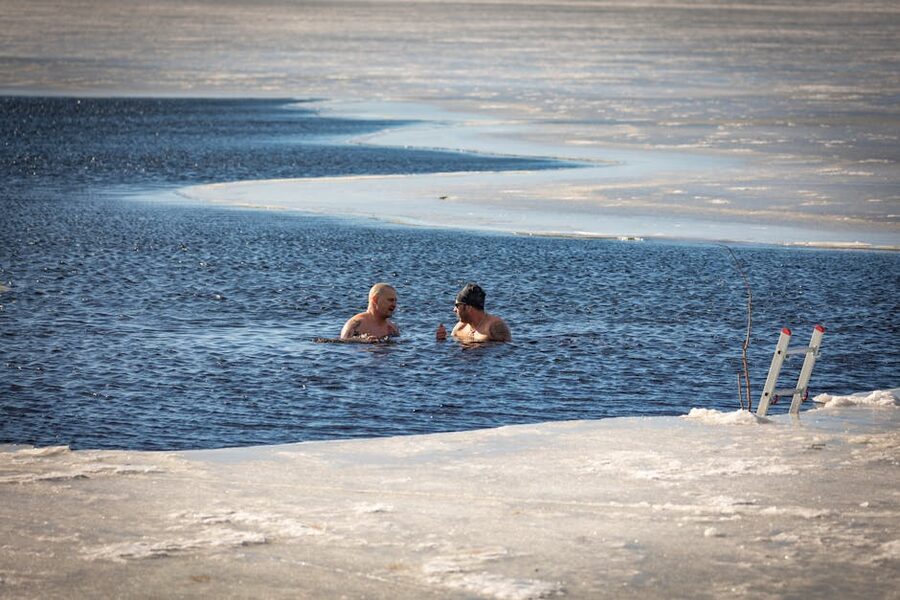
By season, the high winter (December to February) is the strongest experience. The contrast between hot wood and ice-water sea is at its peak; Allas and Löyly cut a hole in the ice for the year-round swim; the streets outside are dark and quiet and your hair freezes in three minutes. Summer is its own thing: the sea is warm enough to actually swim in, the white nights mean midnight saunas don’t feel like late-night ones, and Sompasauna especially comes alive between June and August. Spring (April-May) is the dead season; book ahead for Löyly, walk in anywhere else.
What to skip
Skip the Sky Sauna ferris-wheel pod by the Allas. It’s a gimmick, the heat is mediocre, the views are fine but only fine, and it’ll cost you four times what Allas itself costs. Skip Bastion Bistro on Suomenlinna unless you’re a group of eight and want a private hire; the booking is awkward and the public spaces of the island are better used for the walk than the sauna. Skip Lähteen Sauna at Lapinlahti; the building is a former mental hospital and the vibe is unsettled, even by Helsinki standards. Skip the airport sauna at Vantaa unless you have a six-hour layover, in which case it’s the best six-hour layover in Europe.
Combining the saunas with the rest of Helsinki
For a first trip, the natural pairing is Löyly on the first day (book ahead, do it as the late-afternoon end of an exploration of the south coast and Hernesaari) and Kotiharju on a third day, after Kallio and the Hakaniemi market hall. Allas works as a quick lunchtime swim if you’re staying near the Market Square. Yrjönkatu is the right pick for a rest day; you’d combine it with the Design Museum (six-minute walk) and a dinner around the Tennispalatsi. If you’ve got a week, Sompasauna goes on day five or six, after you’ve started understanding what’s expected.
For a longer view of the city, my Helsinki city guide covers the neighbourhoods you’ll want to walk between sauna sessions. If you’re chaining Helsinki with Stockholm, the Silja or Viking overnight ferry is cheaper than the flight, has its own onboard sauna, and saves you a hotel night. And if you’re heading north to chase the lights afterwards, the saunas at Levi and Saariselkä get a whole different treatment in the northern lights in Finnish Lapland piece.
One last thing nobody tells you. The sauna is roughly the cheapest thing you can do in Helsinki. Lunch at any half-decent restaurant in the centre is €18; a beer is €8; a museum ticket is €18. Two hours at Kotiharju is €15. Two hours at Yrjönkatu with a cabin is around €15. The bath is the best deal in the city, by some distance, and it’s also the thing you’ll remember when the rest of the trip blurs. If you do nothing else in Helsinki, sit in a hot wooden room for an hour, jump in some cold water, and sit there again. The Finns have been doing this for a thousand years for a reason. They aren’t sentimental about it. They just do it, and then they go home.