In This Article
- Skip Kakslauttanen. Here is where Finnish Lapland actually pays off.
- Why Finnish Lapland beats Norway for the lights, weather-wise
- The four real options
- Levi: skiing plus aurora, the well-served option
- Ylläs: smaller, quieter, often clearer
- Saariselkä: the highest odds, the deepest cold
- Kakslauttanen: the original glass igloo, and why I stopped recommending it
- Rovaniemi: your airport, your Santa stop, not your aurora base
- Inari and Sámi Lapland: the part most people drive past
- Reindeer farms versus husky farms
- What an aurora-chasing tour actually does
- When to come
- Getting there and getting around
- A working week-long itinerary
- What to pack and what to expect of yourself
- Some realism
- If you only do one thing
Skip Kakslauttanen. Here is where Finnish Lapland actually pays off.
The single most photographed building in Finland is a glass igloo at Kakslauttanen Arctic Resort, two and a half hours by car north of Rovaniemi. I have looked at the price tag (€500 to €900 a night for the standard kelo-glass igloo, more in peak weeks), looked at the satellite map (a sprawling holiday camp with 65+ igloos clustered around a service road), and looked at the actual aurora odds on the same patch of sky thirty kilometres further on, and I keep arriving at the same answer. You can do better. You can do much better, and for a third of the money.
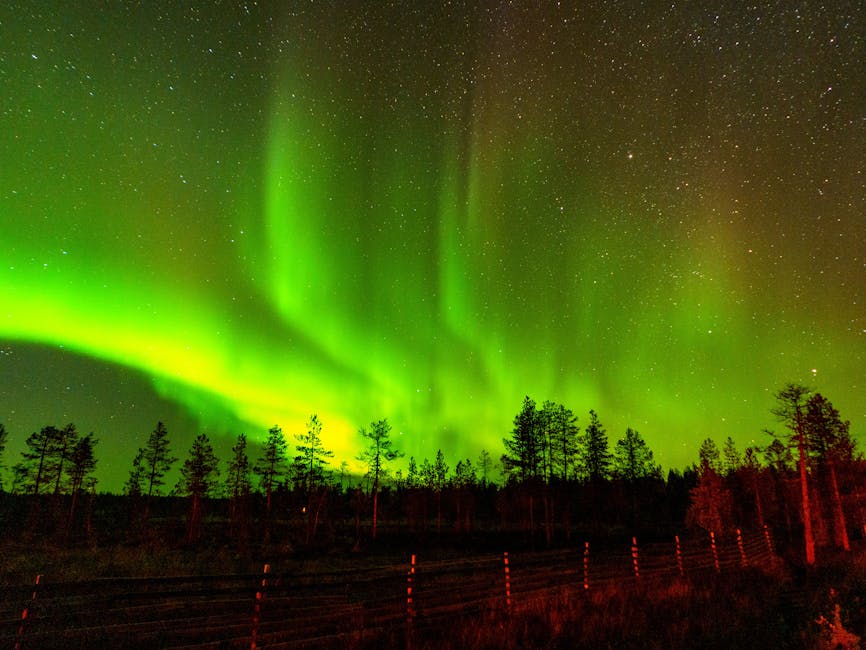
This is a guide to the four places in Finnish Lapland that are genuinely worth choosing for the aurora, what comes around them, and what to skip. It assumes you have read the brochures and the top-ten listicles and you want the version someone writes after they have actually been north of the Arctic Circle in winter, watched the sky for a few weeks, and worked out which corner of the region delivers the goods. Levi for the ski-and-aurora combination. Ylläs if you want the same but quieter. Saariselkä for the highest aurora odds and the wilderness on your doorstep. Kakslauttanen if you have an unlimited budget and a strong stomach for queues at the breakfast buffet.
Why Finnish Lapland beats Norway for the lights, weather-wise
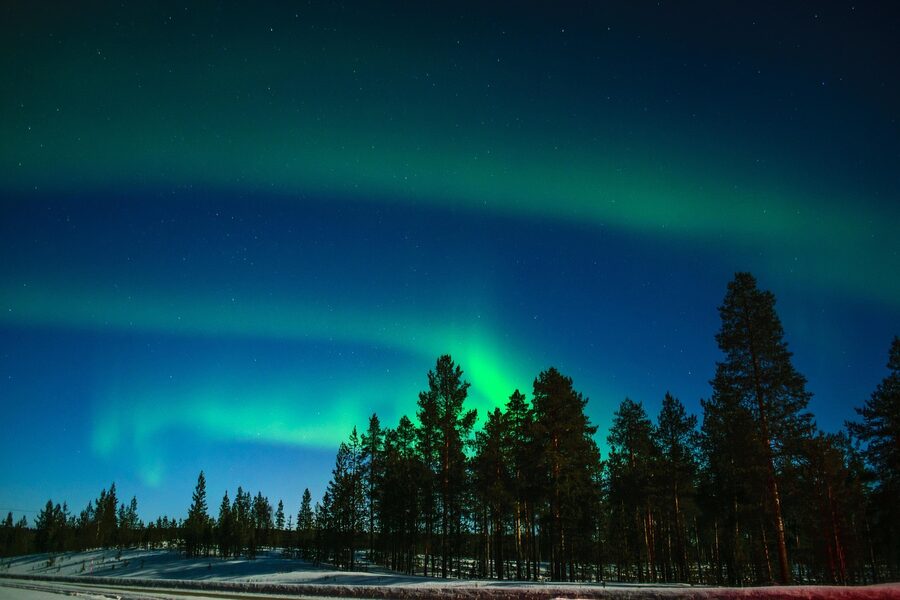
Norway has the more dramatic landscape and the higher latitude. Tromsø sits at 69.6 degrees north, comfortably under the auroral oval, and its tour guides are the most experienced in Scandinavia. But Tromsø has a problem the brochures don’t mention. It rains. Or snows. Or fogs in. The North Atlantic is metres away, the Gulf Stream pumps warm wet air at the coast, and on a typical week in Tromsø in February you will get clear nights and you will get four nights in a row of low cloud and nothing.
Finnish Lapland is drier and continental. The further inland you get, the more the Atlantic stops mattering and the more nights you get with stars overhead. The Finnish Meteorological Institute publishes the numbers. Northern Lapland sees auroras on roughly 200 nights a year. Sodankylä, in the middle of the country, has more clear nights in winter than anywhere on the Norwegian coast. The trade-off is the cold. Finland in January gets to minus 25 routinely and minus 35 several nights a year. You will be standing outside in that, and your camera battery will give up before you do.
For the lights specifically, the colder it is, the better. Cold high pressure clears the sky. The nights I have had the most stable, longest aurora shows have all been around minus 20, with no wind and the snow squeaking underfoot the way it only does below minus 18. If your priority is seeing the aurora and not just being in a place where it might happen, Finland is the better choice over Norway. The compromise is that the landscape is flat. Lots of frozen lakes, lots of snow-laden pine, and very little of the sharp coastal drama that makes Lofoten photographs look like another planet.
The four real options
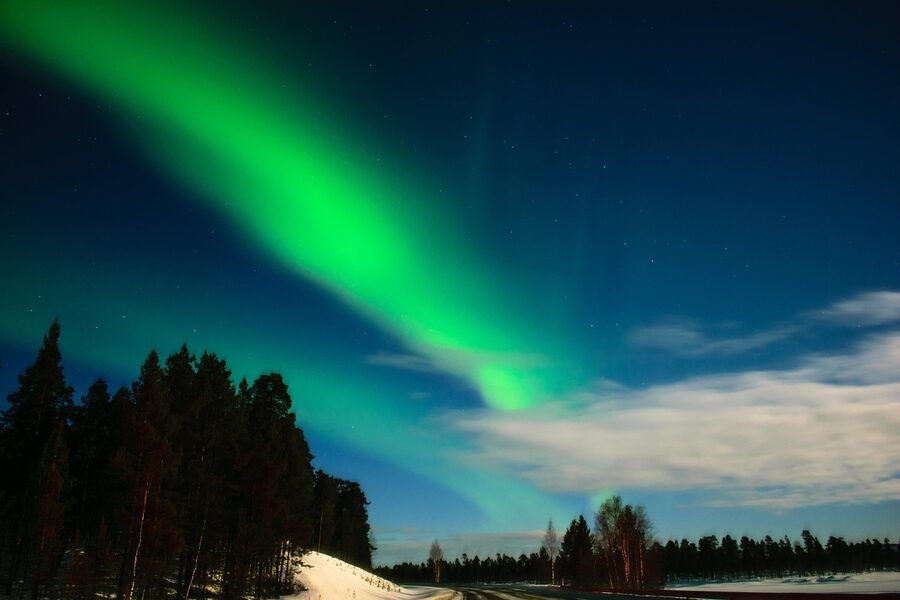
Forget the lists of twelve. There are four places in Finnish Lapland a first-time aurora traveller should choose between, and the choice depends on how much you care about skiing, peace, latitude, and money. I will go through each, then talk about Rovaniemi (which is your airport, not your aurora base), Inari (which is your culture day), and the question of reindeer farms versus husky farms.
Levi: skiing plus aurora, the well-served option
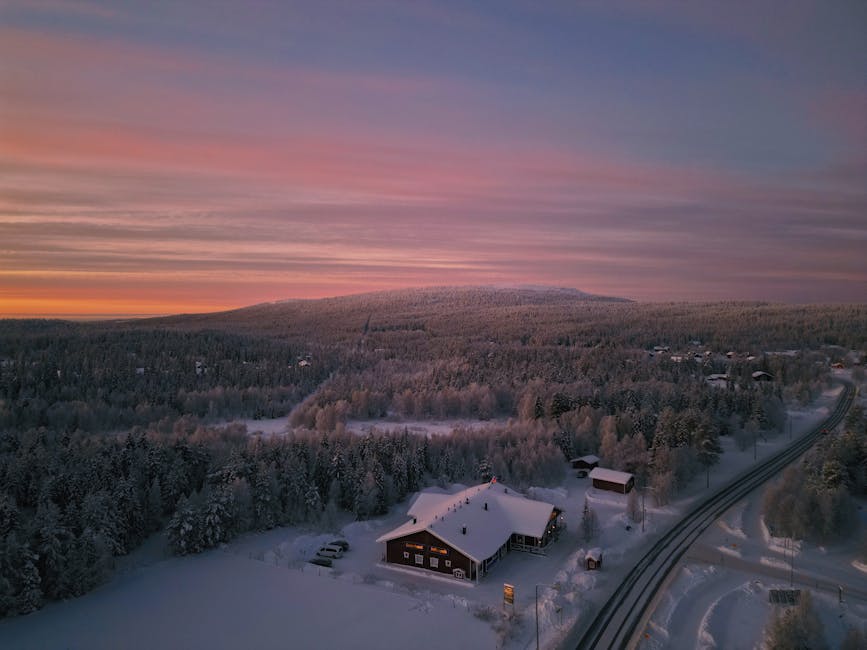
Levi is Finland’s biggest ski resort, on the slopes of a fell of the same name in Kittilä municipality, around 170 kilometres north of the Arctic Circle. You fly into Kittilä airport (KTT, direct from Helsinki and a handful of European cities in winter) and you are at the resort in 15 minutes. Two hours after landing you can be on the chairlift. That ease is the single best reason to pick Levi.
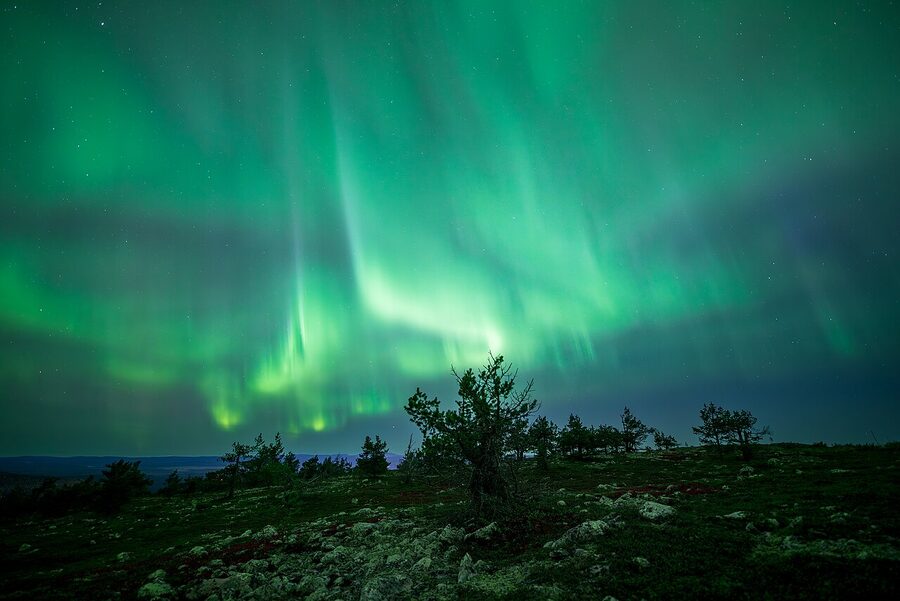
The aurora odds here are very good. You are at 67.8 degrees north, deep in the auroral zone, and once you walk five minutes out of the village core the light pollution drops to almost nothing. The Levi gondola runs into the late evening and on clear nights it is genuinely worth riding up with a flask. From the top of the fell you have an unobstructed horizon in every direction and snow-covered Christmas-card pine all the way to the edge of sight. I went up at minus 22 once, alone in the cabin, and the sky stripped clean for an hour. Bring spare batteries, the cold will eat anything you have not stored next to your skin.
The downsides. Levi is loud. There are two main bars (Hullu Poro Areena and Areena’s smaller upstairs sibling), a strip of Norwegian and Finnish stag groups in February, and the streetlights on the lift road do reach a few hundred metres into the woods. If you are looking for silence, Levi is not it. If you are happy to mix daytime skiing with evening aurora chases and want a working bar to walk to, it is one of the best bases in the country.
Where to stay: Levi Hotel Spa and Hullu Poro are the two big resort hotels in the village core. For aurora, the better picks are the cabins on the edges of the resort where the streetlights stop. Levin Iglut Golden Crown is the local glass-igloo option (around €380 to €550 a night), set out on a hill above the resort. It costs a fraction of Kakslauttanen and the view from the bed is the same patch of sky.
Ylläs: smaller, quieter, often clearer
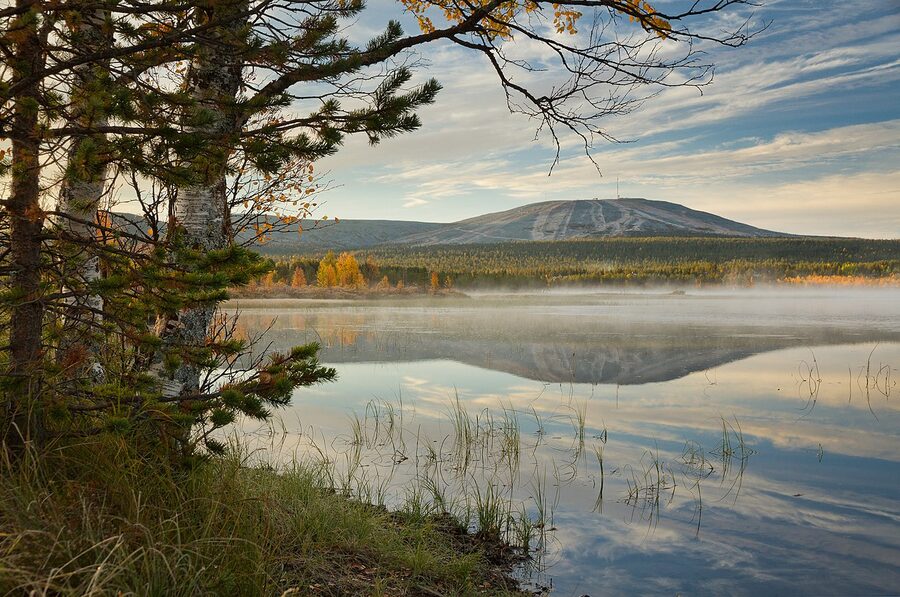
Forty minutes’ drive west of Levi, on the back of a 718-metre fell called Ylläs, sit two villages: Äkäslompolo on the north slope and Ylläsjärvi on the south. Same fell, different sides, neither anywhere near the size of Levi. This is where I would send anyone who likes the idea of a ski-and-aurora trip but does not want the bar strip.
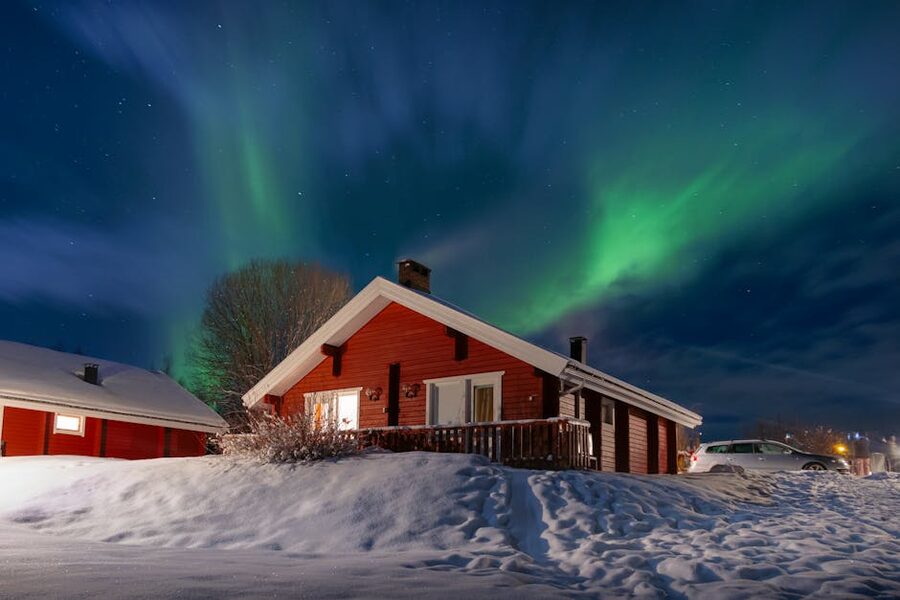
Ylläs has a few small hotels, a lot of kelo-log cabins (kelo is the standing-dead pine that turns silver-grey, very photogenic, very Finnish), and a ski area with longer runs than Levi but a smaller lift fleet. The aurora odds are slightly better than Levi for two reasons. First, less light pollution. Second, the position on the western edge of Pallas-Yllästunturi National Park gives you Finland’s cleanest air according to the long-running Finnish Meteorological Institute station that sits up the road at Pallas. The clean air shows up in the photographs as colour you don’t get in towns. Pinks and reds, when the activity is high, look more saturated here than at Levi.
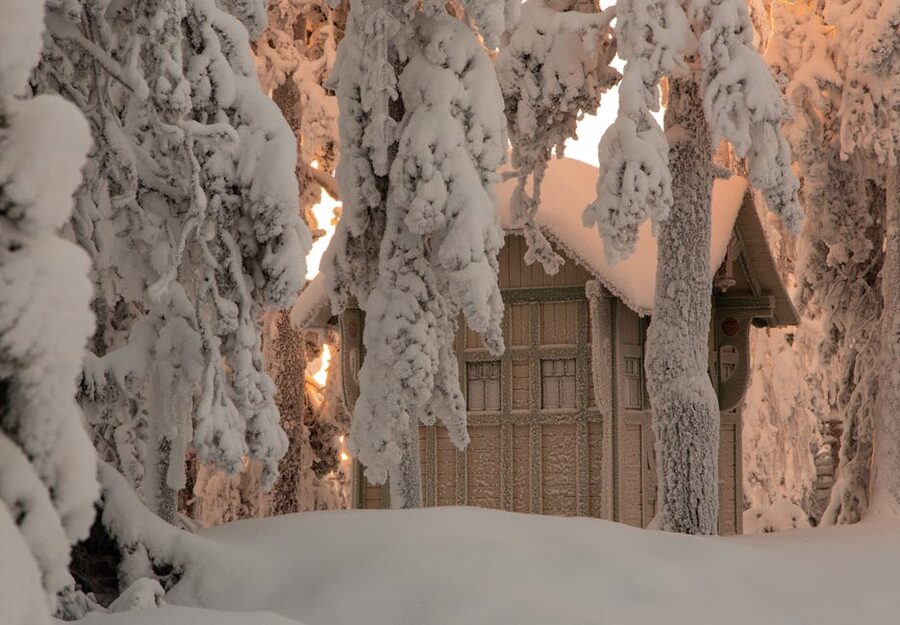
The downsides: Ylläs is quiet to the point of sleepy outside the ski high season, and getting there is harder. The same Kittilä airport serves both, but you’ll need a transfer for the extra 40 minutes of road. There’s no nightlife. If your trip is two adults and you want a sauna, a good kitchen, and a frozen lake you can walk to, Ylläs is more or less the perfect base. If you are travelling with teenagers who want to be entertained, Levi is easier.
Where to stay: Ylläskaltio on the Äkäslompolo side is a working farm-and-cottage operation with reindeer next to the breakfast room. The kelo-cabin rentals through Lapland Hotels and the local agencies sit around €180 to €300 a night for a two-bedroom with a sauna, which is the ratio of luxury to price you basically cannot get in Norway.
Saariselkä: the highest odds, the deepest cold
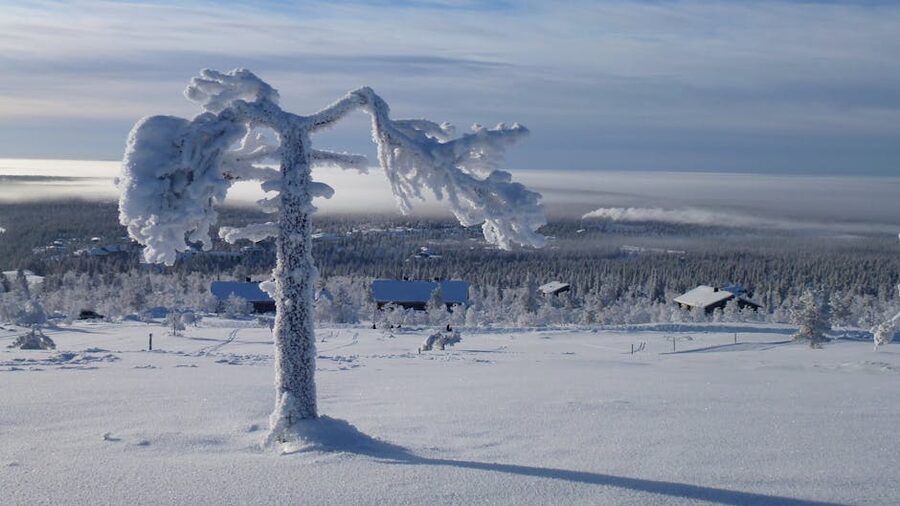
Drive five hours north of Rovaniemi, or fly into Ivalo airport (IVL) and drive 30 minutes south, and you arrive at Saariselkä. This is the proper north. You are at 68.4 degrees, only 250 kilometres from the Arctic Sea, and from late November to mid-January the sun does not rise above the horizon. The polar night in Lapland is called kaamos, and Saariselkä is far enough north to do it properly.
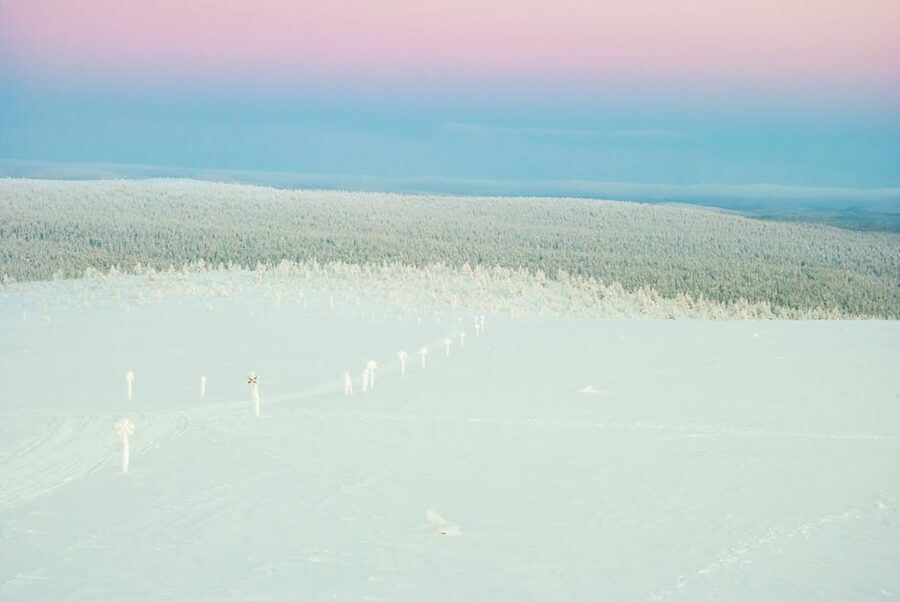
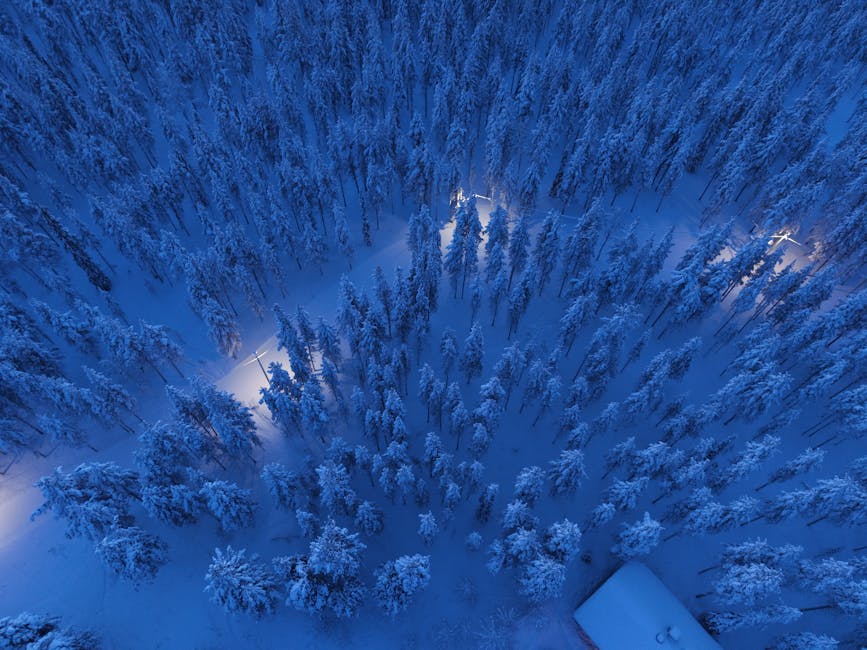
For the lights, this is where Finnish Lapland delivers its best numbers. You are sitting almost directly under the auroral oval. Saariselkä village itself is small, the streetlights end about three minutes’ walk from any hotel, and beyond that is Urho Kekkonen National Park, which covers 2,550 square kilometres of fells and pine and not a single permanent road. On a clear night you can walk out of your cabin door, get away from the building lights in a few minutes, and have a 360-degree view of sky.
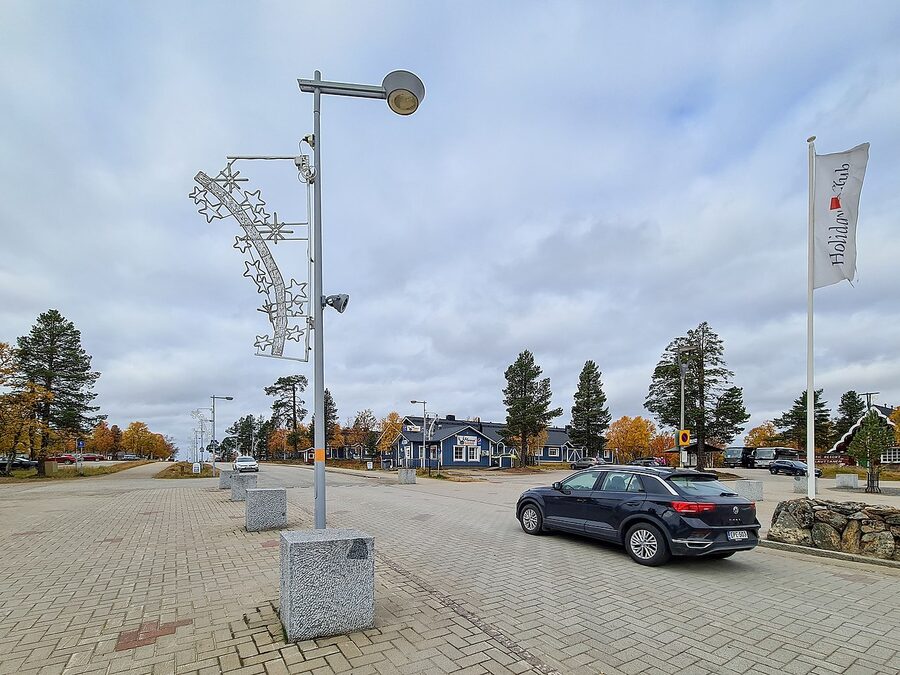
The cold is the deal. December and January regularly hit minus 30 here. The Drone & DSLR couple I read on this trip wrote about minus 30 outside Ivalo on a calm night and finding the experience punishing but worth it; that matches my January night at Kaunispää, the small fell above Saariselkä village, where my eyelashes stuck together and I had to put my camera back in my coat every five minutes. If you go in late February or March, the lights are the same but the cold is more like minus 10 to minus 20 and the daylight returns. That is the sweet spot for most people.
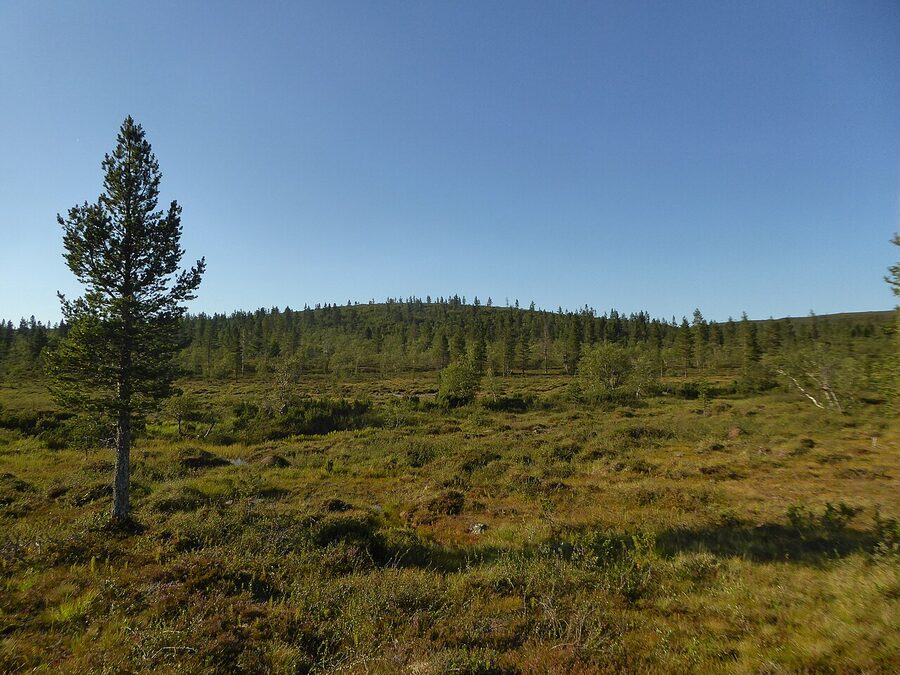
Saariselkä is also where to base yourself if you want to see the lights and combine it with serious wilderness. The Urho Kekkonen park has wilderness huts (open, free, first-come-first-served bunks with a wood stove) within a day’s snowshoe of the village. You don’t need to do that to enjoy Saariselkä, but it’s there.
Where to stay: Star Arctic Hotel sits up on Kaunispää with rooms looking out over a hundred kilometres of national park. Northern Lights Village Saariselkä runs the same glass-roofed cabin format as the Levi sister property, around €350 a night. Wilderness Hotel Inari is 40 minutes further north and sits on Lake Inari itself; the aurora cabins there have a glass wall that opens onto the lake and the price is closer to €450 a night.
Kakslauttanen: the original glass igloo, and why I stopped recommending it
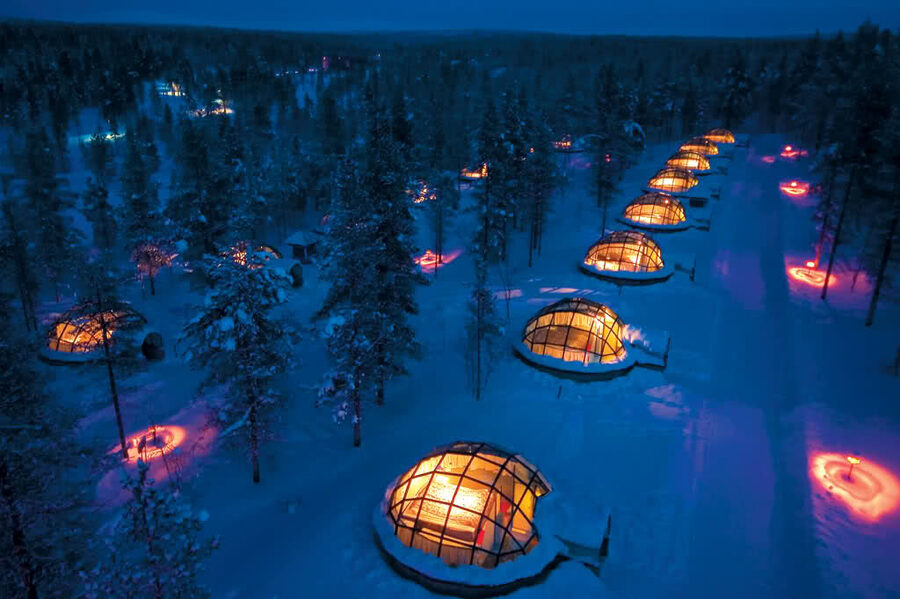
Kakslauttanen Arctic Resort sits between Saariselkä and Inari, off the main road in a forest the resort has thinned out to make room for its expanding fleet of igloos. It opened the first glass igloos in the region in the 1990s, has been featured in roughly every aurora list ever published in English, and is the source of about 80 per cent of the “I slept under the lights in Lapland” Instagram photographs you have ever seen. It is also where the gap between the brochure and the reality is widest.
The current standard small glass igloo is a fibreglass shell with a glass dome roof and a single bed. Just the bed. There is no toilet inside. You walk to a shared shower and toilet block, in your slippers, in minus 25, in the dark. The standard igloos cluster very close together, so what you mostly see when you look up from your bed is the dome of the next igloo five metres away. The “kelo-glass igloos” are a step up (en-suite, more space, around €700 a night) but the resort is now so large that the famous lone-igloo-under-the-sky photograph is taken with a telephoto lens at a very specific angle that crops out the parking lot.
The other issue is the food. Kakslauttanen has its own restaurant, no walking-distance alternative, and the quality of the buffet relative to the price (€60 to €80 per person for dinner) has been complained about consistently in the last few seasons. If you stay there you will eat there.
If you want the glass-roof experience, Levi has Levin Iglut at half the price. Saariselkä has Northern Lights Village. Inari has Wilderness Hotel. All three give you the same view of sky from the same bed for less money and with better food. The only argument for Kakslauttanen at this point is the sheer recognisability of the photograph, and that’s a pretty thin reason to spend €700.
One caveat: the smoke sauna at Kakslauttanen is real and it is one of the largest in Finland. If you are a serious sauna traveller, the day-pass is reasonable and worth it. Use the sauna, sleep elsewhere.
Rovaniemi: your airport, your Santa stop, not your aurora base
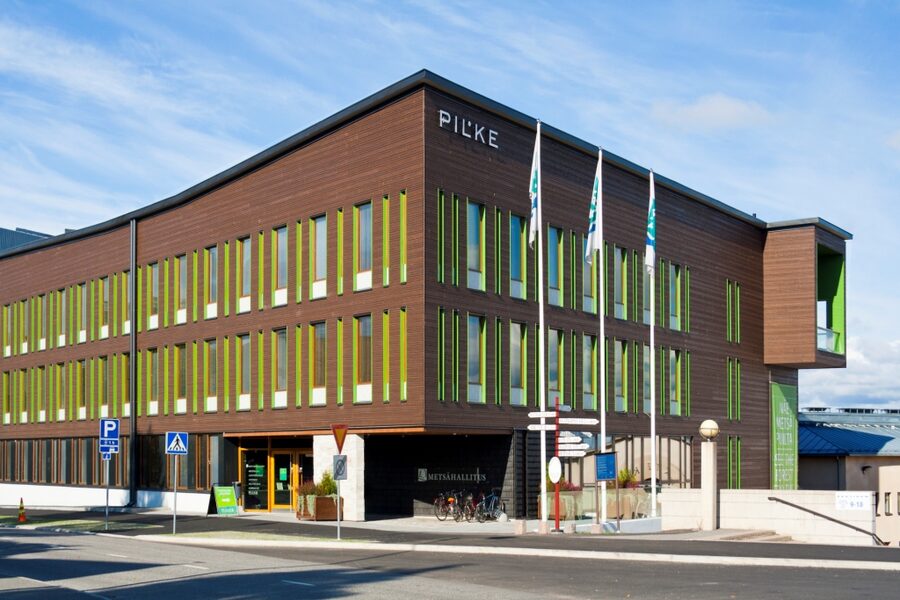
Rovaniemi is the capital of Finnish Lapland and the only airport with frequent direct flights from outside the Nordics. You will probably fly in here. It sits exactly on the Arctic Circle, has 65,000 people, and the city centre is well lit. None of that is good for aurora. If you stay in Rovaniemi proper, you will need to drive 20 to 40 minutes out of town to see the lights properly, and you will need a guide or a rental car to do it.
What Rovaniemi is good for: a half-day stop on the way north. The Arktikum museum (€16, open Tue to Sun) is the best museum in Lapland, a long glass tunnel half-buried in the riverbank with proper exhibitions on Arctic ecology and the post-war reconstruction. After the Soviets pushed the Germans out of Lapland in 1944 and 1945, the retreating Wehrmacht burned almost every building on their way out. Rovaniemi was about 90 per cent destroyed. The city you walk through now was built between 1946 and 1955 to a master plan by Alvar Aalto, in the shape of a reindeer’s antlers if you look at the street map from the air.
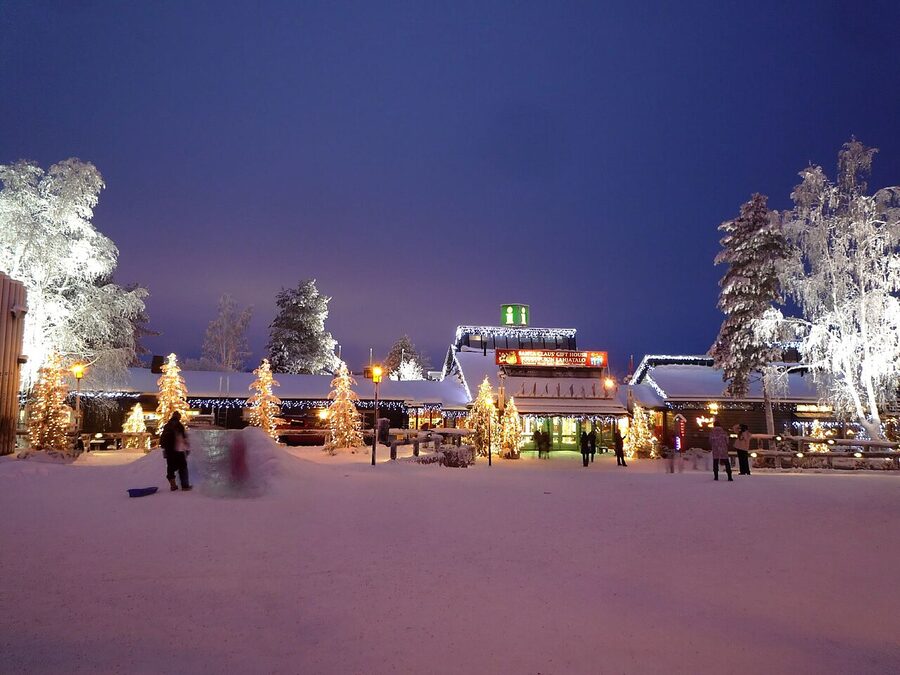
Then there is Santa Claus Village, eight kilometres north of the city centre, exactly on the Arctic Circle line. It is open all year, free to enter, and unapologetically a tourist operation. The line on the floor marks 66°33′ north, you stand on it for a photograph, you meet “Santa” in a chalet, you post a letter from his post office (the postmark is genuine, the post office is part of the actual Finnish postal system). You are paying €40 to €60 for a photograph with Santa. With kids it is a good morning out. Without kids it is half an hour and a coffee. Don’t make a special trip; do it because you fly in or out of Rovaniemi anyway and it is genuinely on the way to or from the airport.
If you have one extra day in Rovaniemi, the Arctic SnowHotel and the Korouoma frozen waterfalls (90 minutes’ drive south-east) are both worth doing. Skip the “Husky farm” bookings around the city core and book a husky tour up north instead, where the dogs have a real run.
Inari and Sámi Lapland: the part most people drive past
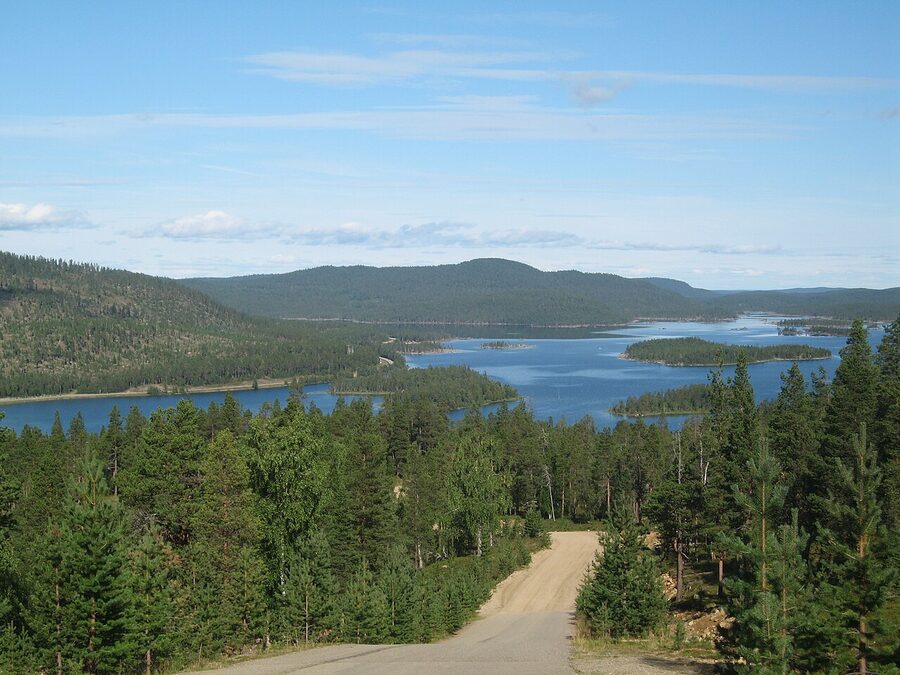
Forty minutes north of Saariselkä, on the southern shore of the third-largest lake in Finland, sits the village of Inari. Population about 600. This is the cultural and political centre of Sámi Finland. The Sámi parliament (Sajos) is here. The Sámi-language radio station is here. The Sámi cultural museum, Siida, is here, and it is the single best museum in Finnish Lapland.
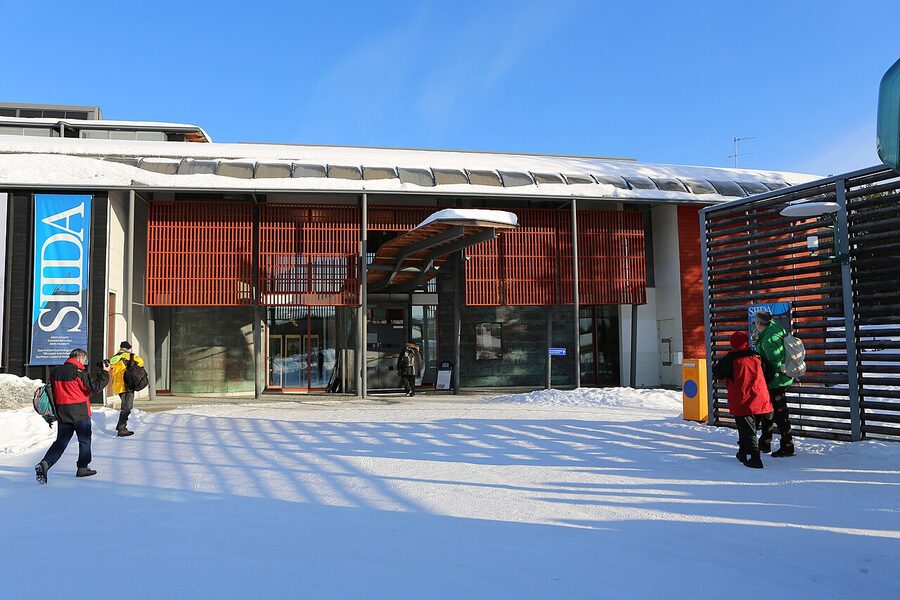
Siida (€15, open daily in winter, closes earlier on Sundays) was renovated and reopened in 2022 with new permanent exhibitions. The main hall walks you through the year of a Sámi reindeer-herding family from the autumn round-up through the winter migration to the spring calving and back. The exhibition is built around objects and photography, no cartoon mascots, no contrived “experience” rooms. There is a separate hall on the natural history of Lake Inari and Inari-Saariselkä forest. Plan two hours. The cafe does decent salmon soup for €13.
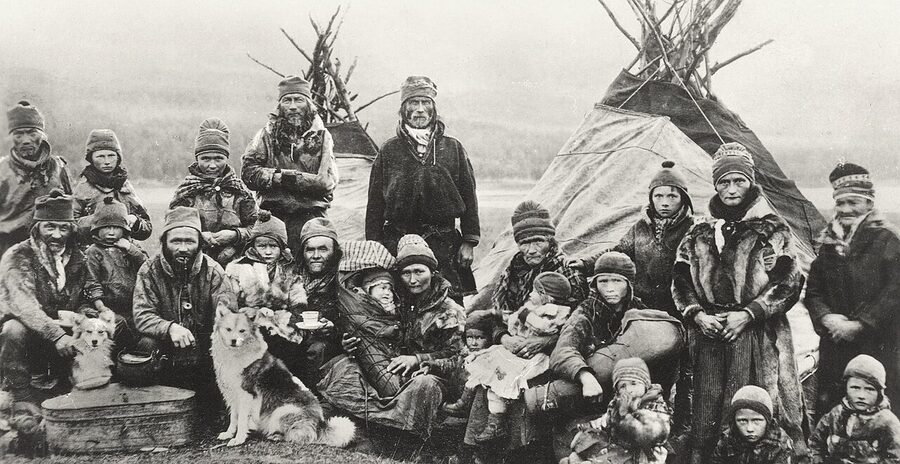
A note on terminology and respect. The word Lapp is now considered offensive by most Sámi. The word for the people is Sámi or Sami; the region is Sápmi. There are nine Sámi languages, three of them spoken in Finnish Lapland (Northern Sámi, Inari Sámi, Skolt Sámi). The area has been continuously inhabited by Sámi for at least 4,000 years, which is a lot longer than Finland has been Finland. The reindeer herding is real, the people are not characters in your trip, and the appropriate way to engage is to visit Siida, eat at the cafe, buy something at one of the Sámi-owned craft shops in the village (Inarisaamen Käsityöpaja is one), and not pay €80 to a tourist operator for a “meet the Sámi” experience that has very little to do with anyone’s actual life.
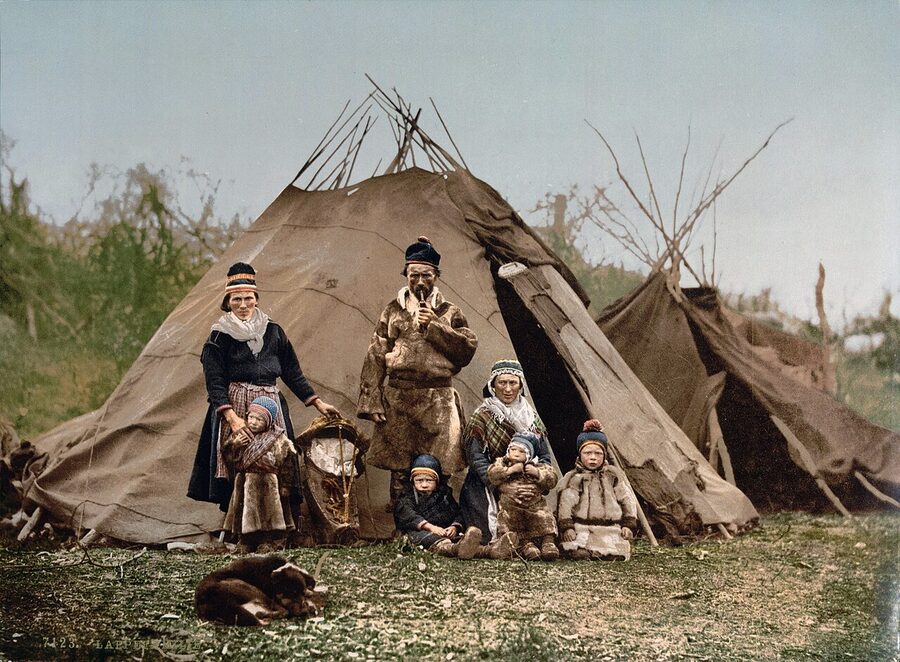
The traditional Sámi tent is the lavvu, the conical pole-and-canvas structure you’ll see at most reindeer farms now used as a coffee-and-fire shelter for tourists. The older permanent winter shelter is the kammi, a turf-roofed half-buried hut, which you can see preserved examples of at Siida and at the open-air section of the museum (closed in deep winter; check ahead). If you are reading this in summer, the open-air museum is a half-day on its own.
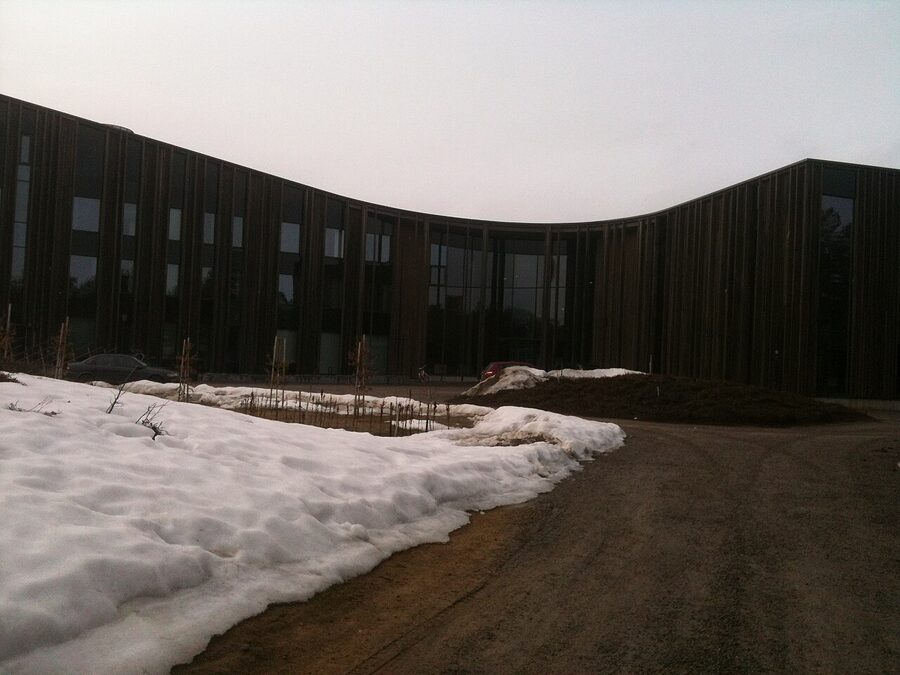
The aurora here is, predictably, very good. Lake Inari is enormous, frozen for months, ringed by low fell, and there is essentially zero light pollution. Wilderness Hotel Inari runs aurora cabins right on the ice; Hotel Inari is the small village hotel and is fine. If you only have two nights in the region and want a real cultural day plus a serious aurora night, base in Inari rather than Saariselkä.
Reindeer farms versus husky farms
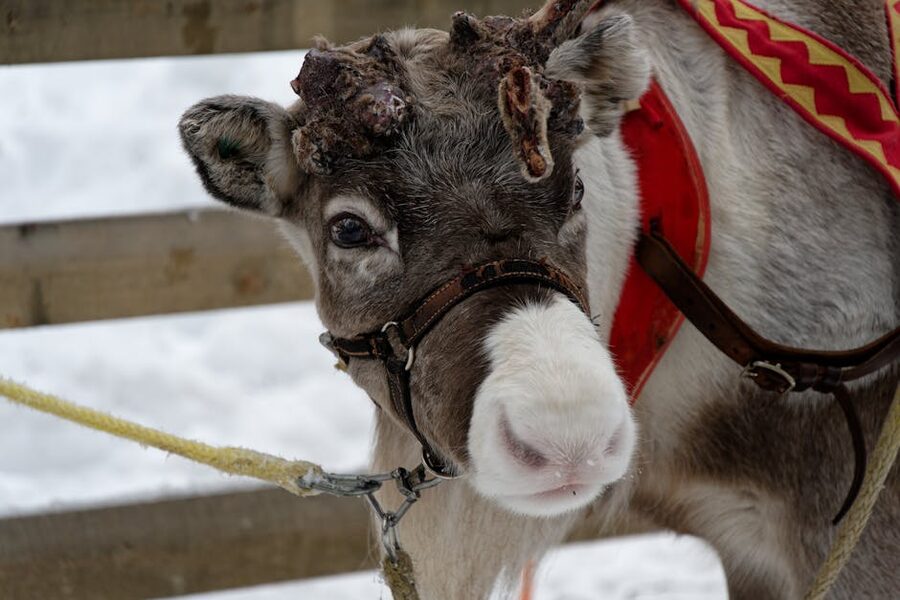
Both are real. Both are also a tourist product, and the difference matters.
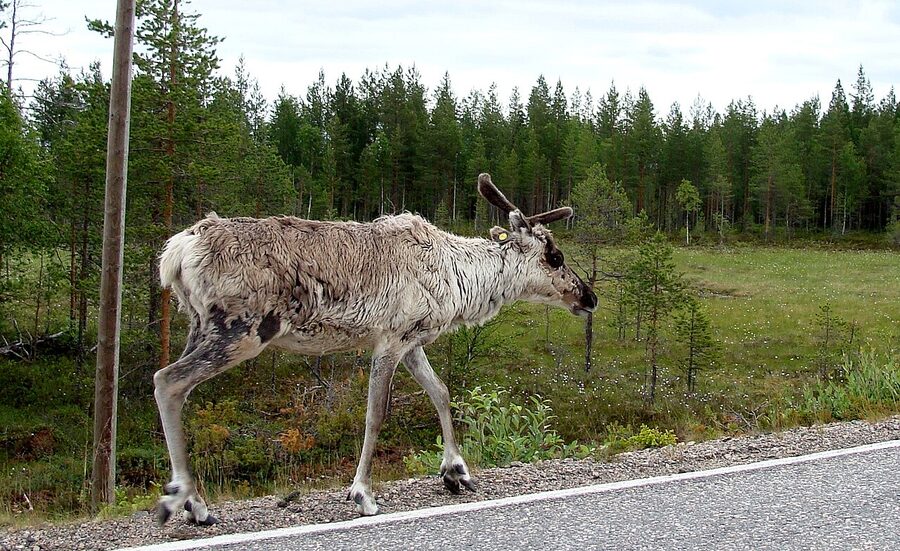
Reindeer in Finnish Lapland are mostly semi-domesticated. They graze freely in the summer, get rounded up in the autumn for ear-marking and the cull, and many of them belong to a Sámi family or a Finnish reindeer-herding cooperative. The “reindeer farm” you visit on a tour is usually a small operation run by a herding family that supplements its income by hosting day visitors. You’ll be in a sleigh pulled by one or two reindeer, around a 1 to 3 kilometre track, with coffee and pulla (cardamom bun) by a fire afterwards. The reindeer don’t really “race”; they walk briskly. Around €70 to €100 for an hour and a half. The good ones are family-run, the bad ones feel processed. In Inari the operations tend to be more authentic; in Rovaniemi it’s hit-and-miss.
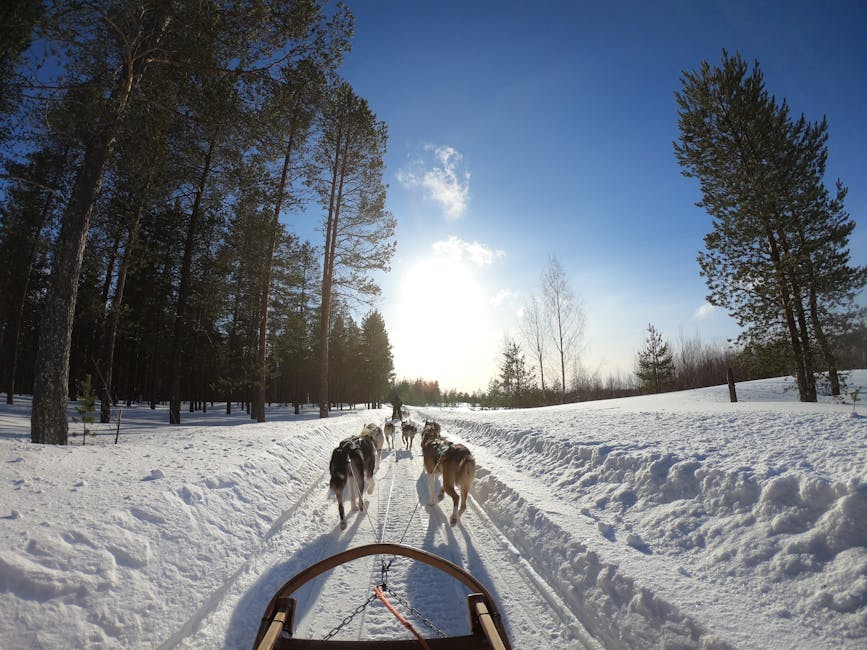
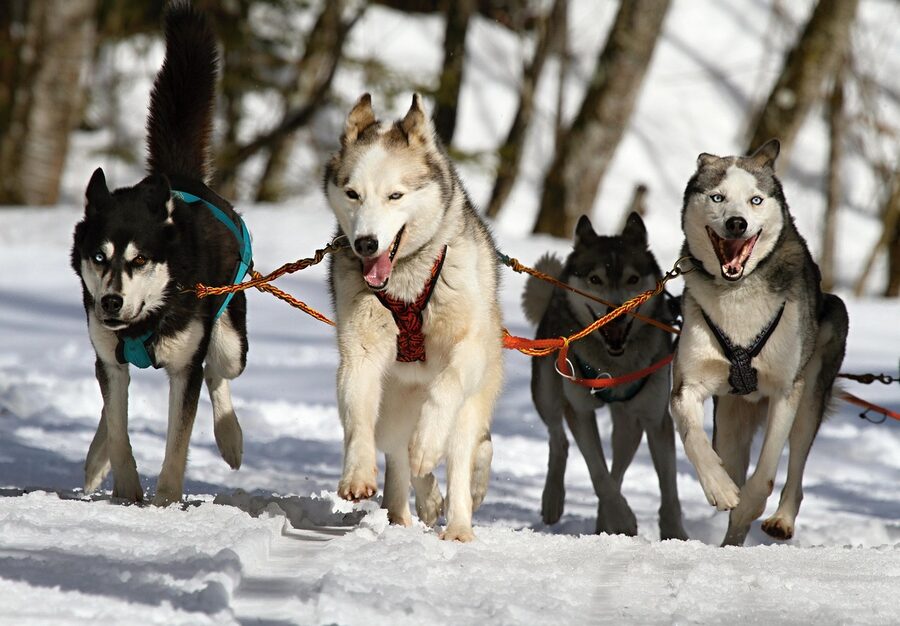
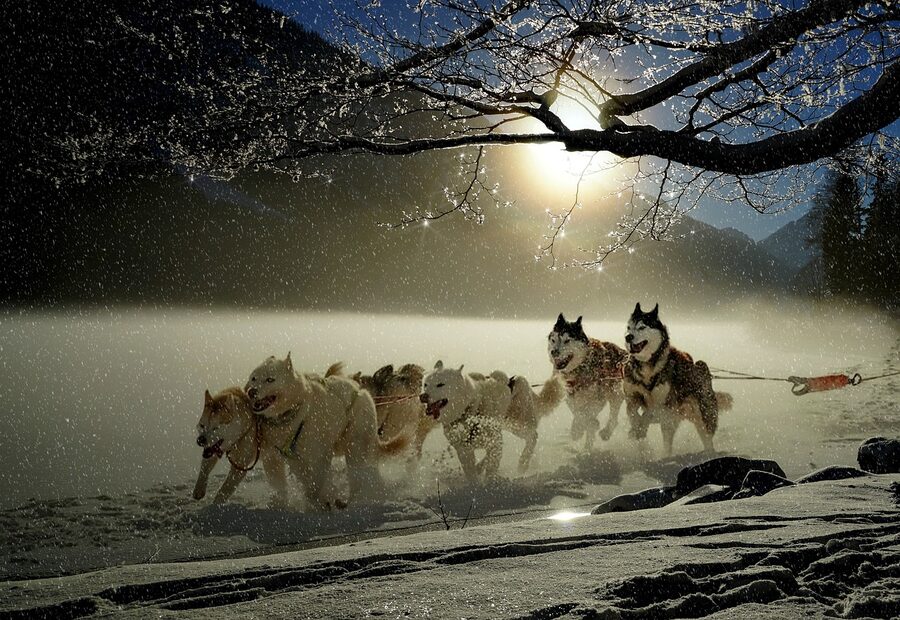
Husky farms are different. Huskies were not historically a Sámi animal. Sled-dog tourism in Lapland is mostly a 1990s onwards business, often run by Norwegian, Finnish, and other European mushers who race their dogs in summer and run tourist operations in winter. The tours are more physical: you drive a sled yourself in pairs (one drives, one sits, swap halfway), the dogs run hard, the trail is 5 to 20 kilometres. Around €120 to €200 for two and a half hours.
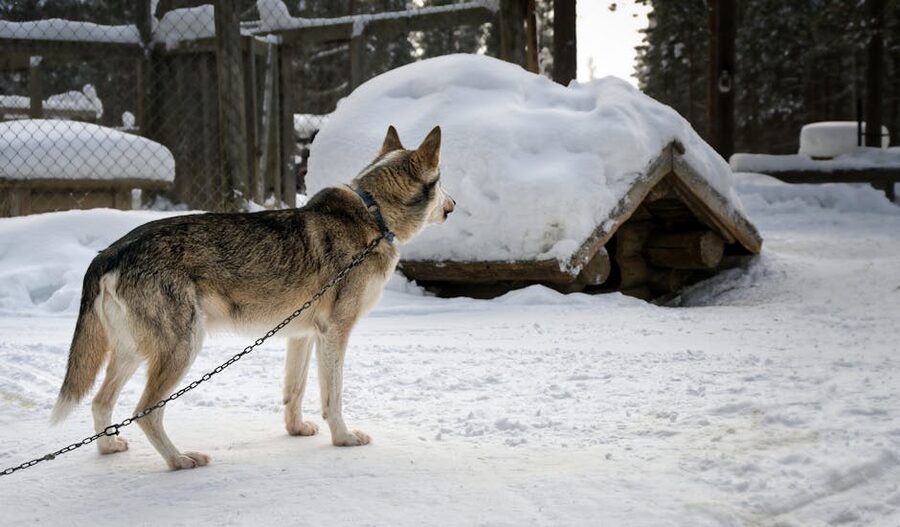
If you only do one, pick the husky tour for the activity and the reindeer tour for the cultural element. The reindeer sleigh ride at most farms is short, slow, and a bit underwhelming as a thing in itself; what makes it worth it is the conversation around the fire afterwards if your hosts are willing to talk about herding life. The husky tour is genuinely fun on its own merits.
What an aurora-chasing tour actually does
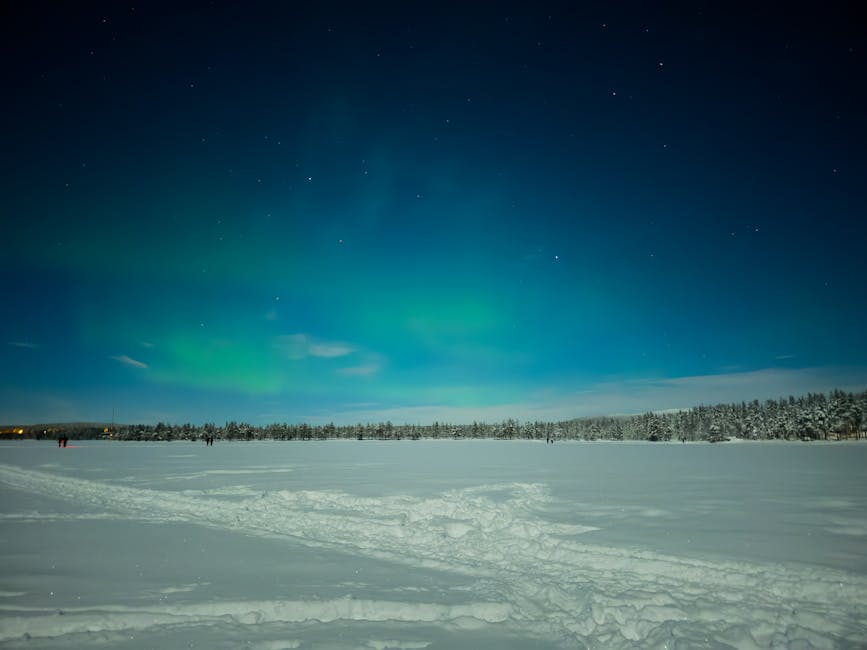
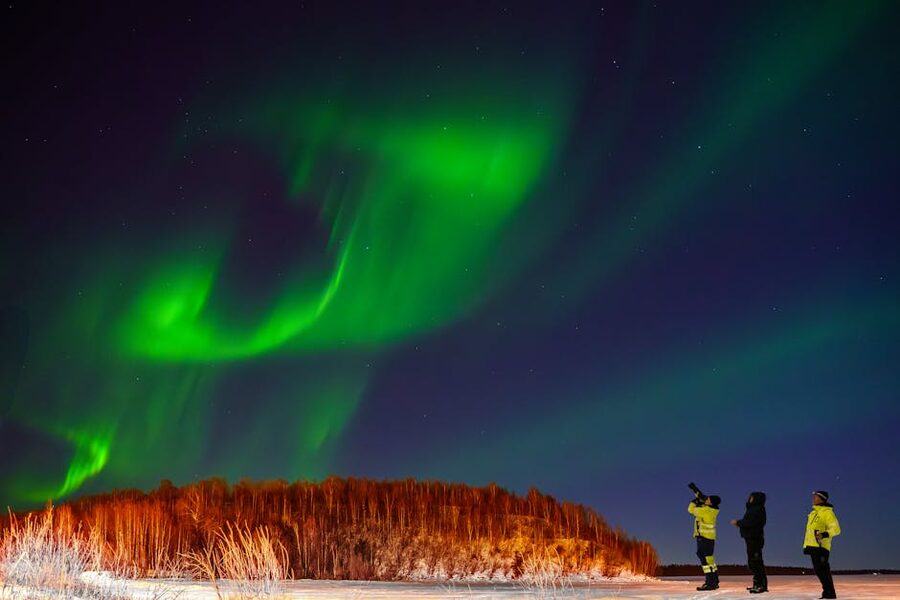
An aurora tour in Lapland costs between €120 and €250 for a small group, three to five hours, picked up from your hotel. The standard small operator runs a minibus, a forecast app, and a guide who has been doing it for several seasons. Here is what they actually do for the money.
First, they check the cloud cover map. The single best free tool for this is Ventusky, which gives you cloud cover by the hour for the next 36 hours over the whole region. The guide will look at where the clouds are and decide which direction to drive. If the village you are in is socked in but a clearing is forecast over a lake 80 kilometres away, the tour is going to that lake. This is the part you cannot easily do yourself unless you are renting a car and confident driving on icy roads in the dark.
Second, they cross-reference the cloud forecast with the aurora forecast. The Finnish Meteorological Institute publishes a forecast at en.ilmatieteenlaitos.fi/auroras-and-space-weather that is the most reliable in Europe. Most guides also use NOAA’s space weather feed. The KP index is the headline number; in northern Finland anything KP 2 or above will produce a visible aurora if the sky is clear, and KP 4+ is a serious show.
Third, they drive you to a spot, set up a fire, hand out flasks of berry juice and biscuits, and let you stand around in the dark for two hours. If the lights show, they show. If they don’t, you go to a backup spot and try again. Most reputable operators offer a “if you didn’t see them” partial refund or a free repeat the next night, which is the single best reason to book through a known company. Lapin Taivas in Rovaniemi, Beyond Arctic in Levi, Lapland Welcome in Saariselkä, and Northwind Lapland in Ylläs all have repeat-night clauses.
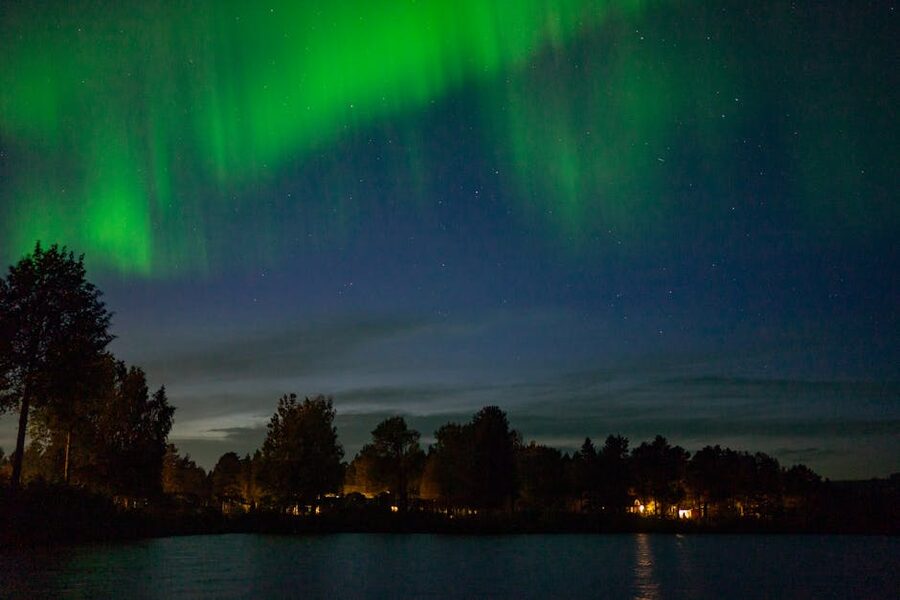
Do you need a tour? If you are at a remote cabin with no light pollution and you have a clear sky forecast, no. Walk outside, look up. If you are in central Rovaniemi or central Levi village, yes. If your sky looks bad and you want a guide who can drive 100 kilometres to find clear sky, definitely. The pure photographers tend to skip group tours and book private photo guides (around €350 for a night), which take you to specific compositions and help you with camera settings. For most travellers, the standard small-group tour is the right call.
When to come
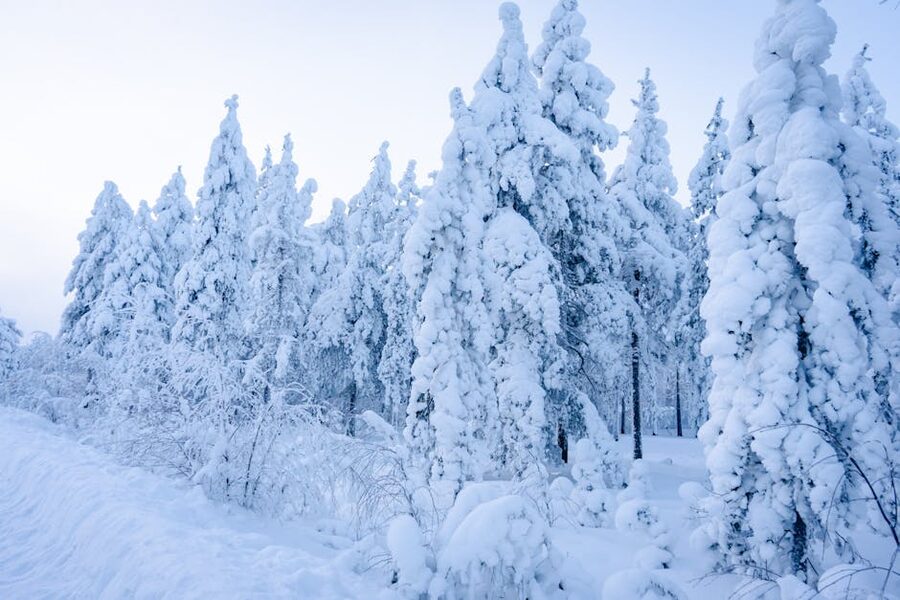
The aurora season in Finland runs early September to early April, with two distinct sweet spots and a couple of periods I’d avoid.
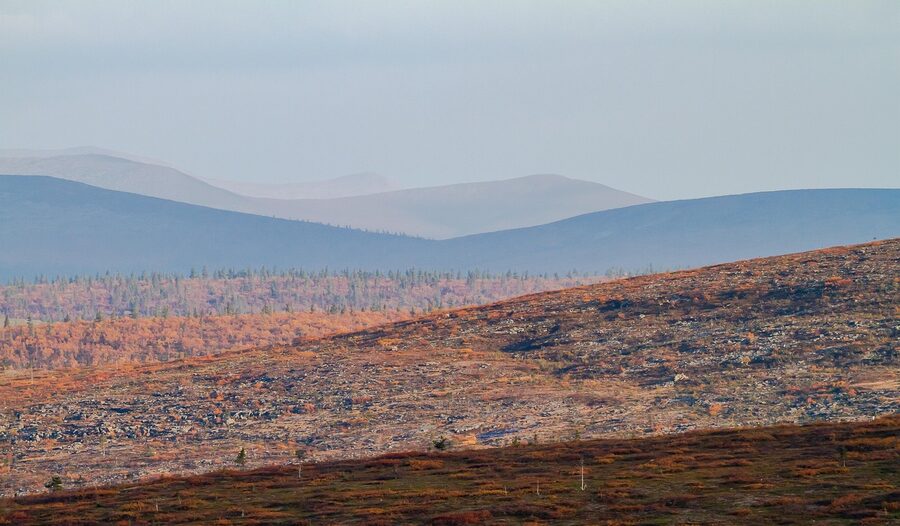
Mid-September to early October. The lakes are still unfrozen, autumn colour (called ruska) is on, the trees are gold, and you can stand by water for the reflections. Activity is high because the equinox effect boosts solar wind. The compromise is that nights are still relatively short, and you need to stay up late. No snow, no skiing, no glass-igloo magic. But for photographers, this is arguably the best month of the year. Days are around 5 to 10 degrees, nights drop to freezing. Light layers, rubber boots.
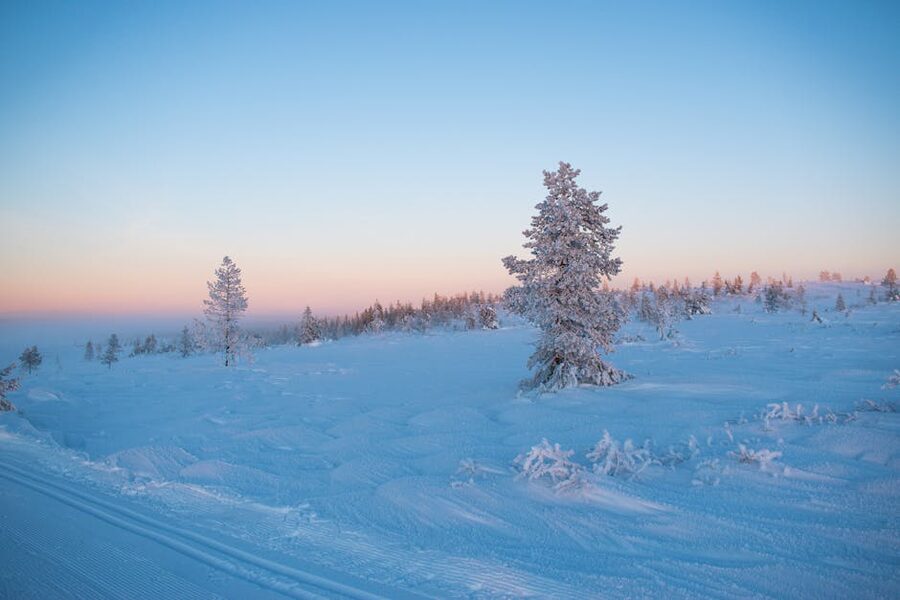
Late November to mid-December is the period I would avoid. The sun is low or below the horizon, polar night is starting, but the snow is still building and cloud cover is at its worst. The cold has not yet stabilised the air. Aurora hunters call November “the toughest month” with good reason. The exception is if you are after Christmas markets and Santa rather than the lights, in which case the Rovaniemi Christmas season is genuinely a thing.
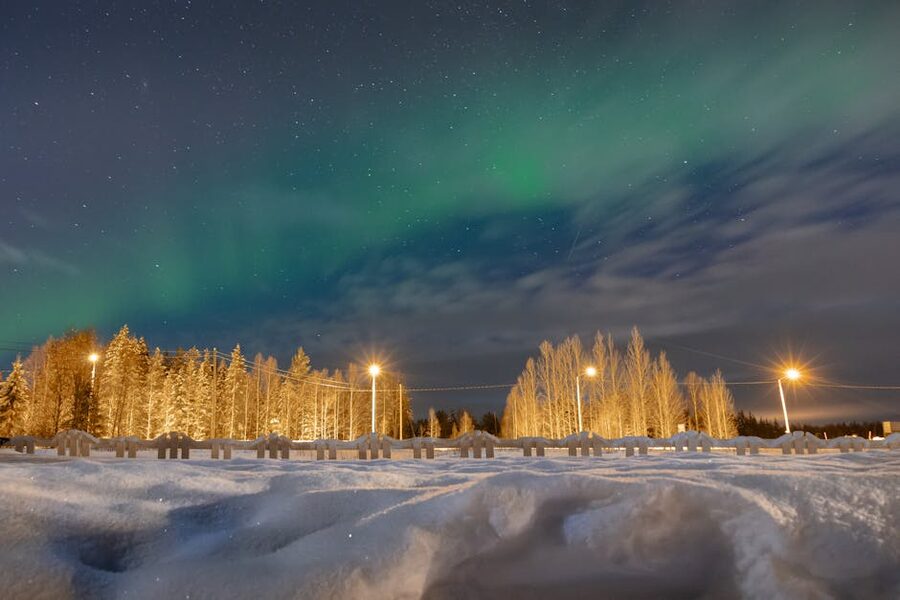
Late December to late January is the deepest polar night. Saariselkä loses the sun entirely from early December to early January. You’ll have aurora if the sky clears, but the cold is at its harshest (minus 25 to minus 35 nights are normal) and the daytime light is a long blue dusk. This is the time for snow and reindeer and the heavy winter feel. Activities are running, prices are at their peak around Christmas and New Year. If you want the polar-night atmosphere, this is when.
Late February to late March is the sweet spot for most people. Days are long enough to ski properly, snow is everywhere, the cold has dropped from the January peak (minus 10 to minus 20 is more typical), and the spring equinox boosts aurora activity again. By the second half of March you have 12 hours of daylight and big aurora nights. This is what I would recommend to anyone going for the first time.
Early April closes the season. The light returns, the snow starts retreating from the south, but the ski areas are still in full operation and the late-March equinox effect carries over. Last week of March or first week of April, before the Easter rush, is the bargain period.
Getting there and getting around
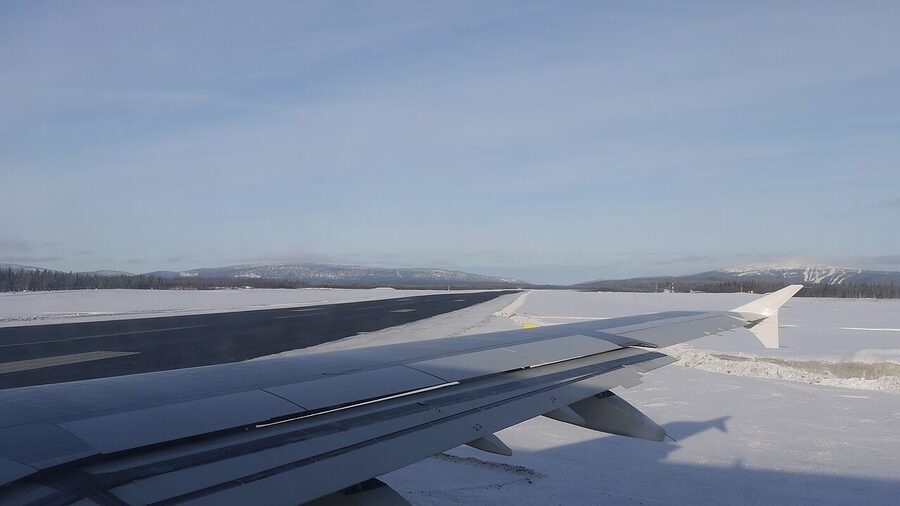
The four winter airports are Rovaniemi (RVN), Kittilä (KTT, for Levi and Ylläs), Ivalo (IVL, for Saariselkä, Kakslauttanen, and Inari), and Kuusamo (KAO, for Ruka and Oulanka). All have direct flights from Helsinki year-round. In winter you can fly direct from London, Manchester, Paris, Frankfurt, Zurich, and a few other European cities to Rovaniemi and Kittilä; Ivalo’s direct international service is thinner. Helsinki is your fallback in any case.
The best train is the overnight VR sleeper from Helsinki to Rovaniemi or Kemijärvi. The Helsinki-Rovaniemi sleeper leaves around 18:50, arrives around 09:00, and you can put your car on the same train (around €230 single for the car, €70 to €150 for the cabin depending on type). For a longer trip with a hire car, this is a good option; you get one less day of driving and you wake up in the Arctic. vr.fi for booking.
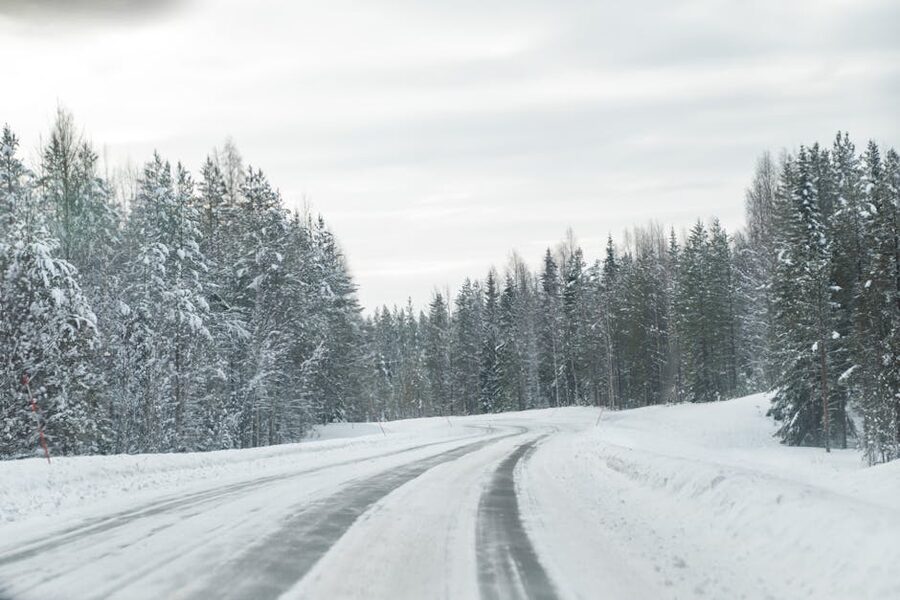
For getting between the towns, the bus network covers Rovaniemi to Saariselkä and Inari (Eskelisen Lapinlinjat), and the connection from Kittilä airport to Levi is on a regular shuttle. Renting a car is what most people do; expect €600 to €900 a week in winter for an all-wheel-drive small SUV from Sixt, Hertz, or local operators at the airports. Studded tyres are mandatory by law from December to February and are included in winter rentals.
A working week-long itinerary
If you have a week and you want the full Finnish Lapland experience without rushing, here is the itinerary I send to friends.
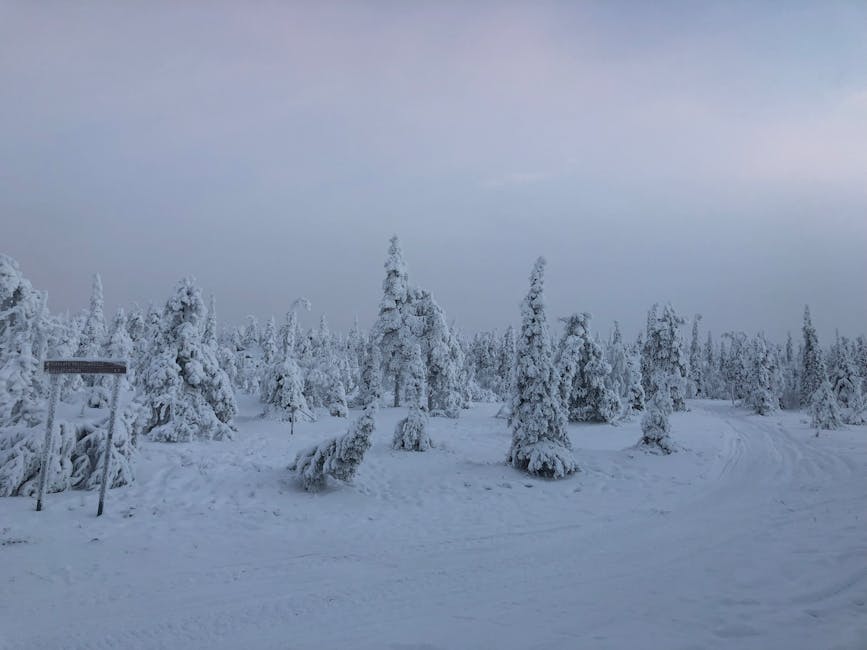
Day 1, fly into Rovaniemi midday. Spend three hours at Arktikum, an hour at Santa Claus Village on the way out, drive or transfer four hours to Saariselkä. Check in, sauna, dinner, watch the sky.
Day 2 and 3, Saariselkä. One day for a husky tour (book Bearhill Husky or one of the smaller Saariselkä operators), one day for either snowshoeing into Urho Kekkonen NP or the Kaunispää fell. Aurora chasing both nights, either self-driven or with Lapland Welcome.
Day 4, drive 40 minutes to Inari. Spend a full day at Siida, the village, and along the lakeshore. Stay at Wilderness Hotel Inari or Hotel Inari. Aurora over Lake Inari is one of the great photographic compositions in the region, and the lake is so dark even by Lapland standards that you basically can’t take a bad shot if the activity is up.
Day 5, drive back south, four hours to Levi, with stops. If you are not skiing, swap Levi for Ylläs.
Day 6, ski day at Levi or Ylläs. Aurora chase that evening from the resort.
Day 7, fly out from Kittilä.
This is one country, no flights between bases, around 700 kilometres of driving total. You see the cultural centre at Inari, the deep wilderness at Saariselkä, the resort experience at Levi, and you pass through Rovaniemi for the museum. You skip Kakslauttanen and you save €1,500 a couple.
What to pack and what to expect of yourself
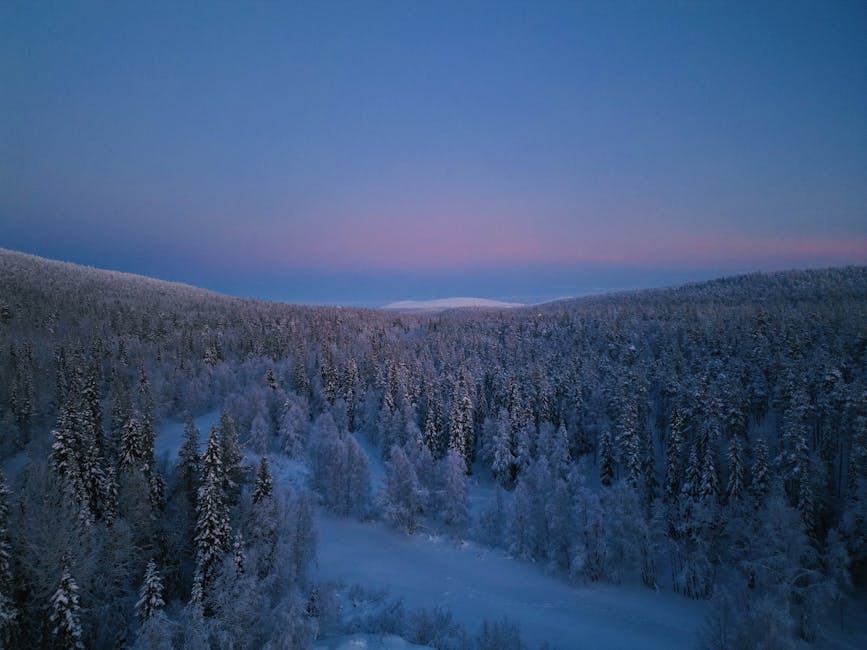
The cold is the part most people underestimate. At minus 25, exposed skin starts to feel a deep dull ache in about a minute. Your nostrils freeze on the inside. You will not last long outside in normal winter clothes. The good news is that every reasonable hotel and tour operator in Lapland lends you the proper kit: a thermal overall, snow boots (rated to minus 40), and mittens. Use them. Don’t try to do an aurora tour in your ski jacket and gloves and find out at minus 28 that your gloves are not enough.
What to bring: thermal base layer (merino if you can), a good fleece, a beanie that covers your ears, a buff or balaclava for your face, two pairs of socks (a thin liner under a wool sock), and lip balm. Hand warmers (€2 a pair from any K-Market or service station in Lapland) are worth their weight; use them in your gloves and inside your camera body’s battery compartment. Phone batteries die fast; keep your phone in an inside pocket close to your skin.
For aurora photography, the absolute basics: a camera with manual mode, a tripod, a wide lens (anything 14 to 24mm), and at least two batteries kept warm. Settings: ISO 1600 to 3200, aperture wide open, shutter 5 to 10 seconds. The aurora moves; long exposures wash it out. Modern phones can take a recognisable photograph on night mode but you’ll want a tripod or something to brace against. Don’t waste your night fiddling with the camera; the lights are short, often 10 to 20 minutes of intensity, and you’ll regret a missed half-hour spent on settings.
Some realism
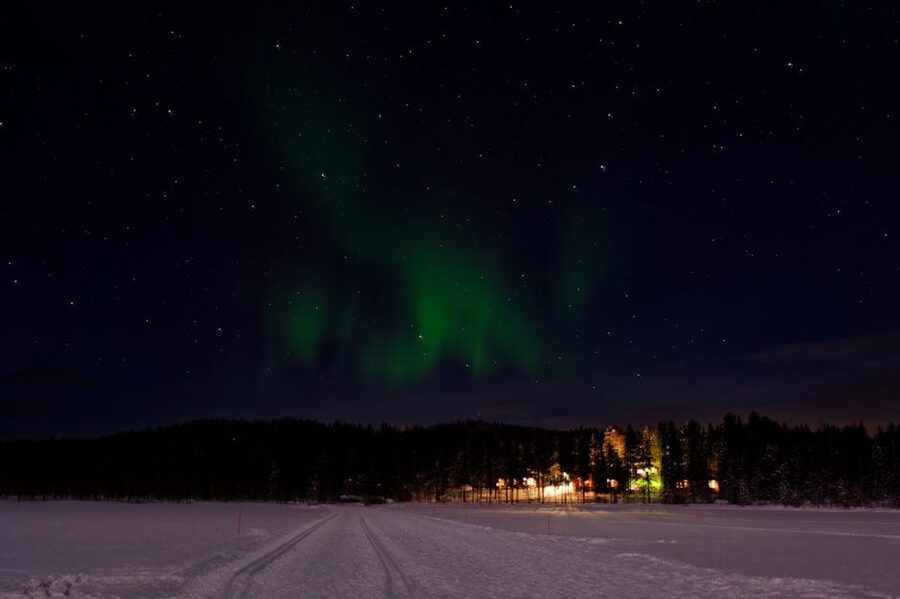
You might not see them. People come for a week and don’t see them. Cloud is the killer. If you have three or four nights of cloud, you have three or four nights of nothing. Tour operators give you the partial refund or the repeat night, but the lights are not on a schedule and the weather is not on a schedule.
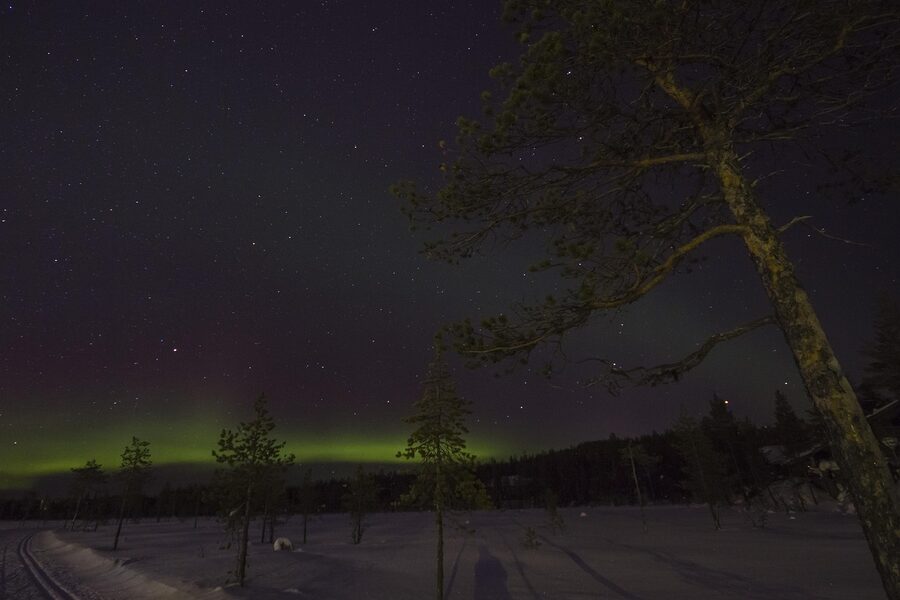
The numbers I would set in your head: a one-night trip has maybe a 30 per cent chance of a real aurora show, weather and activity considered. Three nights gets you to about 65 per cent. Five nights to roughly 85 per cent. Seven nights, if you’re picking the right place and time, you should see them, probably more than once. The corollary is: do not come for two days and expect anything. Come for a week, plan to enjoy the place even if the lights don’t come, and treat the lights as a possible bonus.
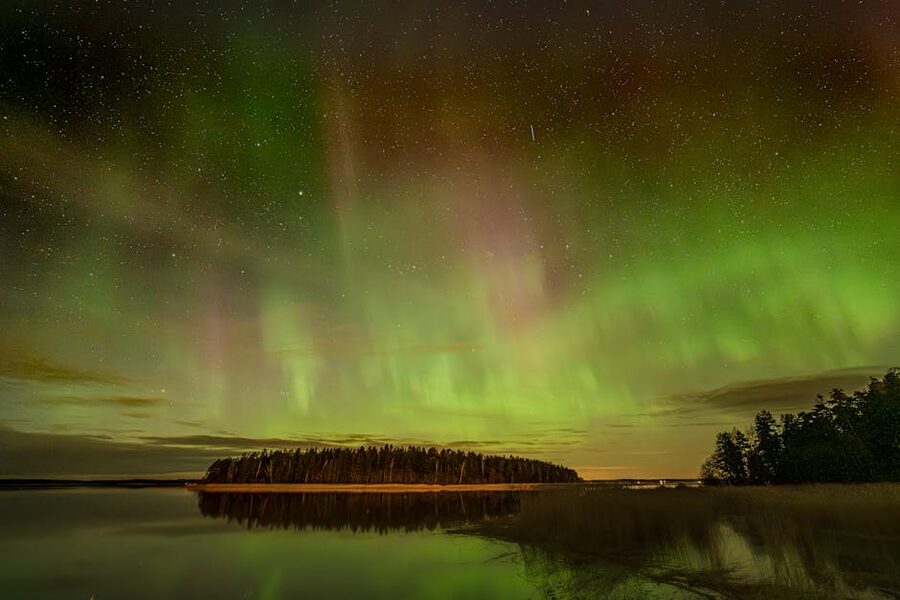
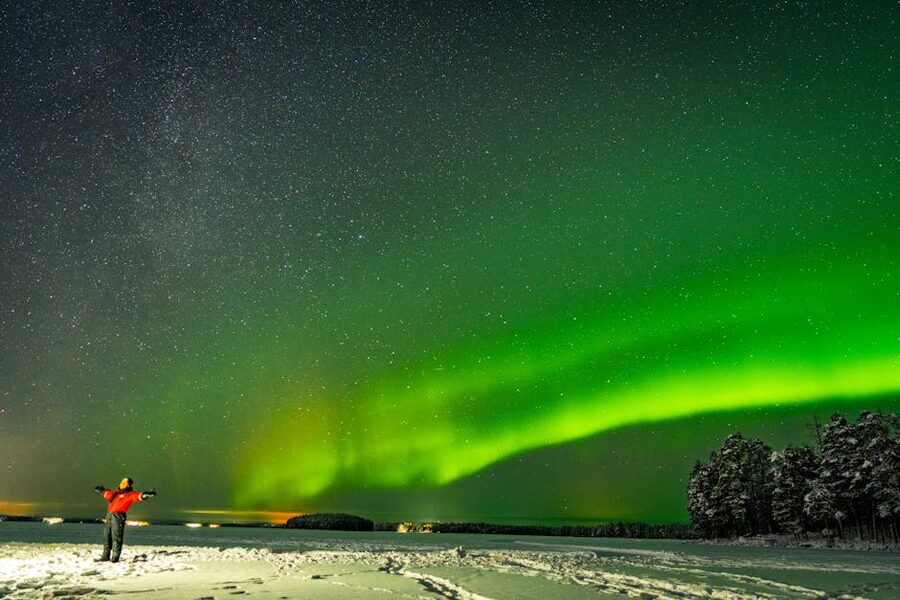
And when they do come, the photographs you’ve seen are colour-amplified. The first time most people see the aurora they think it’s a faint cloud. Then it stretches, brightens, develops a green band, starts moving. Strong shows are unmistakable; weaker shows look like a curtain of pale silver-green. Both are the real thing. The camera sees more colour than your eye does because long exposures stack photons.
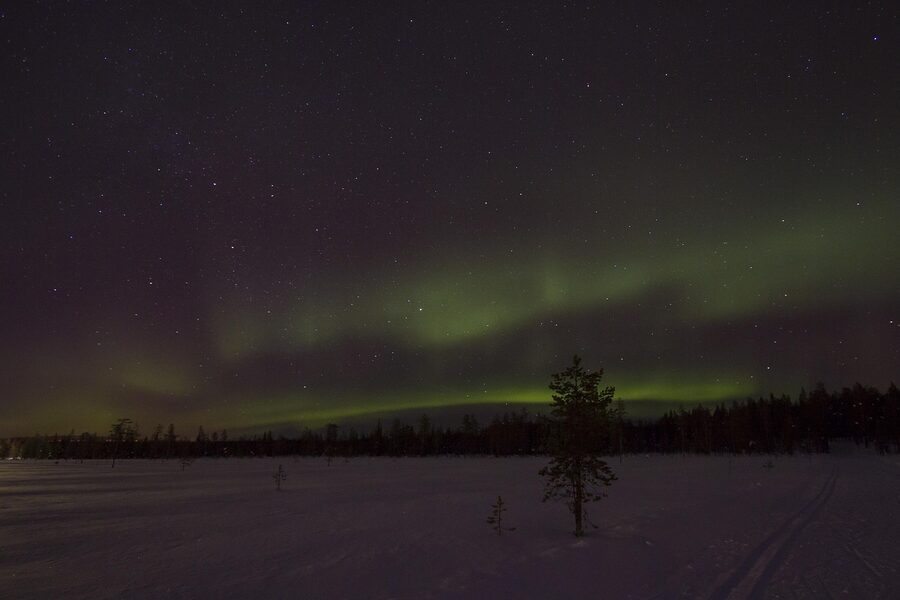
The sound is the rarest part. Reports of crackling auroras were folklore until 2012, when a Finnish acoustic researcher at Aalto University recorded them. They happen when the temperature inversion in the lower atmosphere lines up with strong activity. I’ve heard them once, on a still January night in Saariselkä, like dry pine bark cracking in a fire, very faint, very strange. Most people never hear it. Most people never miss it.
If you only do one thing
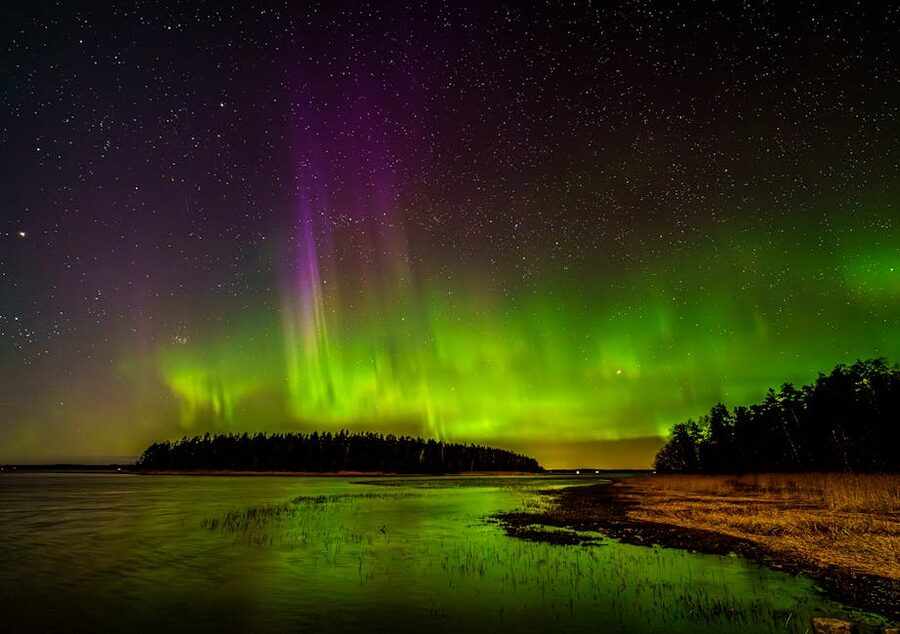
Go to Saariselkä for four nights in late February. Book one daytime activity, one aurora tour, one evening at the Star Arctic sauna. Take a half-day at Siida in Inari. Don’t take the trip personally if the lights don’t show on a given night; lie back on the bed, watch the dome above you, and the next night will probably be different. The Lapland that pays off is the one you stay long enough in to see properly. The brochure version is the one you skip.
If you are chaining this with the rest of Scandinavia, the natural pairings are Tromsø versus Abisko on the Norwegian-Swedish border for the comparison piece, Iceland for the wilder version with volcanoes, and Helsinki as your gateway south when you fly out. Inari to Helsinki by train, with a sleeper, is one of the great rides in Europe.