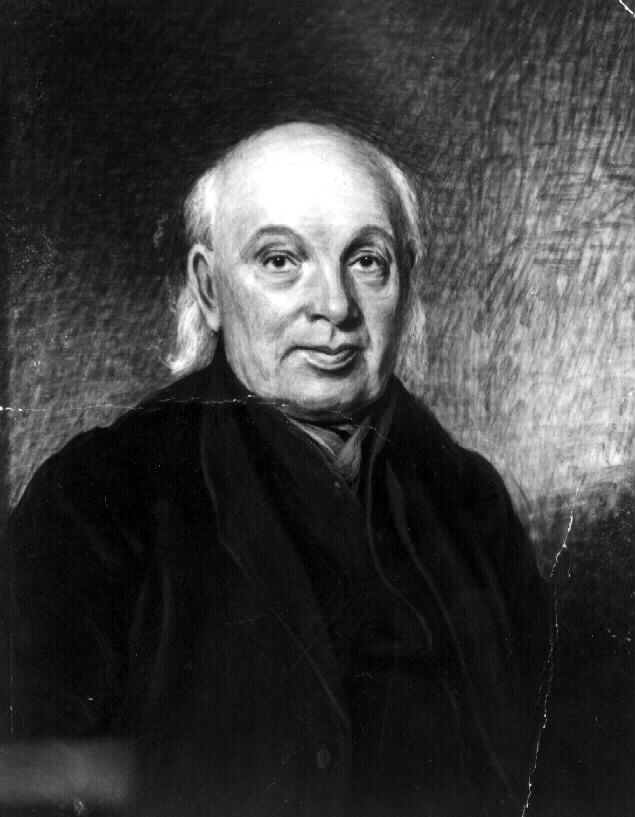
James Finlayson was a Glasgow engineer in his late forties when he climbed off a Russian government carriage at the bottom of the Tammerkoski rapid in 1820. Tsar Alexander I had given him a piece of land beside the falling water, a 15-year tax exemption, and the right to import machinery duty-free. The Scotsman had been working in Saint Petersburg, building cotton mills for the Russian Empire, and he had Quaker connections that ran back to Robert Owen’s New Lanark experiment on the Clyde. He stood on the riverbank with his wife Margaret, looked at a 18-metre drop running through what was then a village of 1,200 people, and decided to build the largest factory north of Saint Petersburg there. By 1900 the cotton mill on that site was the biggest single industrial enterprise in the Nordic countries. Tampere as a city is what James Finlayson built.
That’s the spine of this guide. Tampere is Finland’s third city, the only one in the country built on a working rapid, and the place every Finn I’ve asked names as their favourite. It’s an hour and a half from Helsinki by Pendolino. The downtown is small enough that you can walk from one lake to the other in 25 minutes, with the rapid in the middle. There are 24 public saunas inside the city limits, more per capita than anywhere outside one or two villages in Lapland. The only Lenin Museum outside Russia is here, in the upstairs hall where Lenin first met Stalin in December 1905. The Moomin Museum, the world’s only one, is built around Tove Jansson’s archive at Tampere Hall. And there’s a 100-year-old doughnut café on the Pyynikki ridge that does one product, well, all day, and that almost no English-language guide gets right.
I’ve been twice in summer and twice in winter. This is what to do, where to base, what to skip, and how the place actually works.
In This Article
- The 18-metre rapid that built the city
- Finlayson, Tampella, and the cotton-and-paper city
- The Lenin Museum, Stalin, and December 1905
- Pispala, the wooden ridge, and the oldest public sauna in Finland
- Pyynikki, the doughnut café, and the longest gravel ridge view in Finland
- The Moomin Museum, Tove Jansson’s archive, and Tampere Hall
- Where Tampere actually eats
- Näsinneula, Särkänniemi, and the family option
- Tampere Cathedral and the frescoes that scandalised the country
- Where to stay: city centre, Pispala, or Hervanta
- How to get there, and how the Pendolino actually works
- When to come
- Two days in Tampere: the actual route I’d walk
- The 1918 weight, and why Tampere reads the way it does
- Day-trips from Tampere
- The Tampere bit nobody else describes properly
The 18-metre rapid that built the city
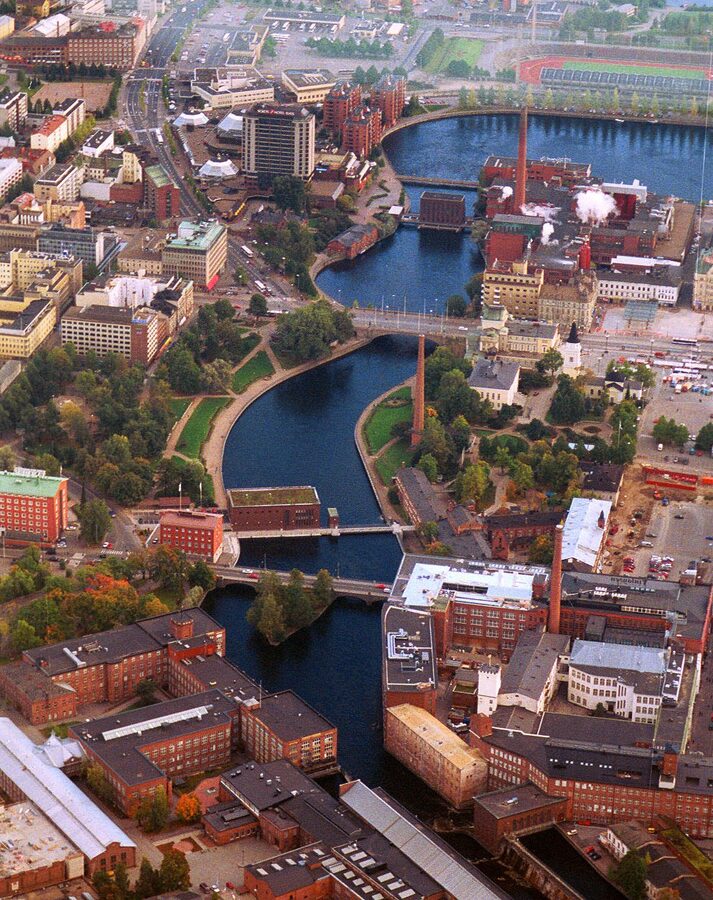
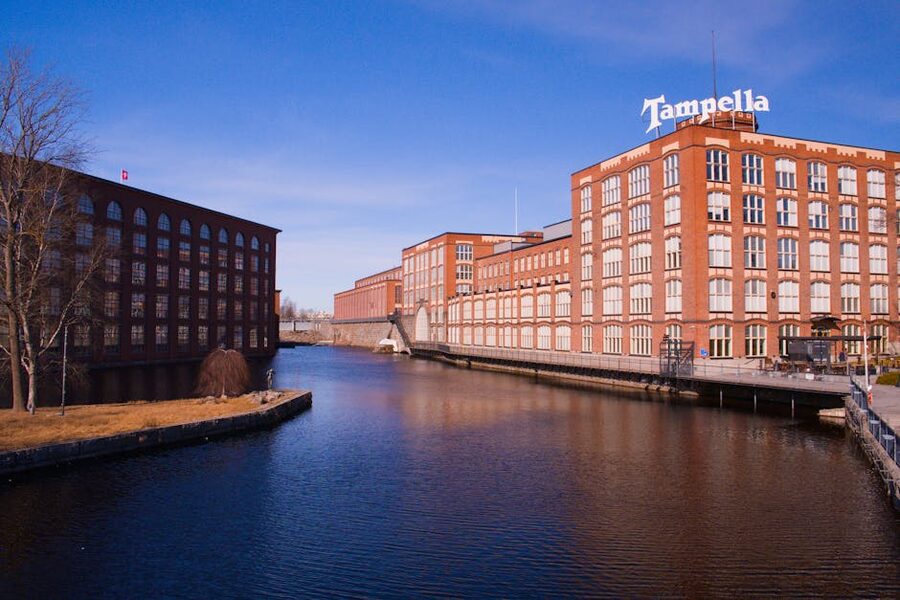
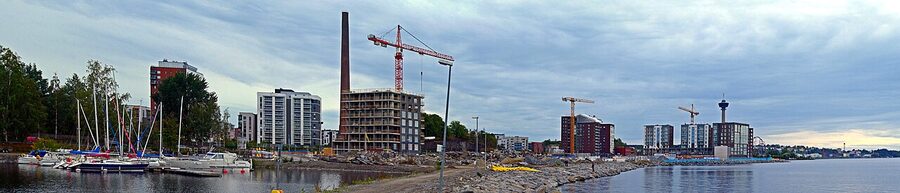
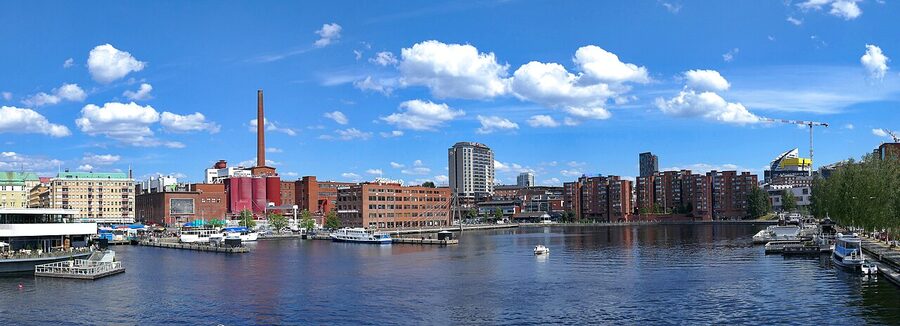
The geography is the first thing to grasp, because everything else falls into place once you have it. Tampere sits on a narrow neck of land between two big lakes. Näsijärvi is the larger one to the north, 256 km² of water with the Pyynikki ridge running along its southern shore. Pyhäjärvi sits to the south, lower by 18 metres. The Tammerkoski is the rapid that joins them, and it runs roughly north-to-south straight through the centre of town. Stand on the Hämeensilta bridge, look upstream, and you can see Näsijärvi half a kilometre away. Look downstream and you can see the harbour at Laukontori where the lake-boats leave for Viikinsaari. The whole downtown is built along that 18-metre drop.
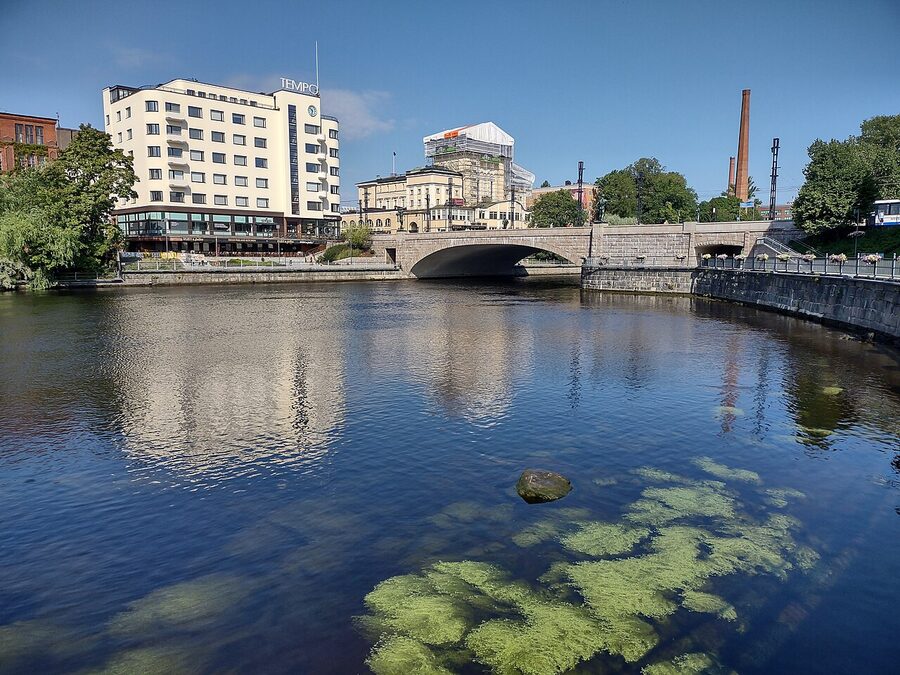
The river is not impressive in the way Niagara is impressive. It’s a working rapid: hydraulically loud, water-coloured, brick-lined on both banks, with the millrace channels still running through the old factory yards. In summer the river is broad and flat-looking from the bridges. In January it foams hard around the patosillalta footbridge and the spray frosts the railings. In both seasons, walk the east bank from north to south, cross at Hämeensilta or at the small Patosilta footbridge, and walk back along the west bank. That’s a 45-minute loop that gives you the whole industrial core of the city in one go.
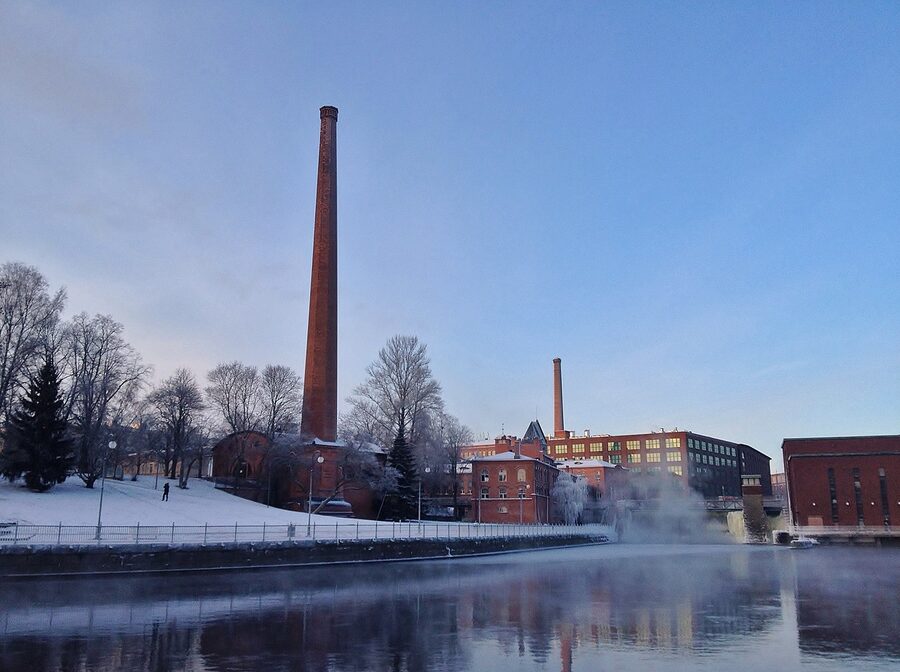
The Tammerkoski is a designated National Landscape of Finland. There are 27 of those in the whole country, named in 1992 to mark the 75th anniversary of independence. The Tampere cityscape was the only urban one on the list. Worth pausing on, because it tells you what Finns think of when they think of Finland: not just lakes and forests, but a particular brick-mill view down the river towards Pyhäjärvi.
Finlayson, Tampella, and the cotton-and-paper city
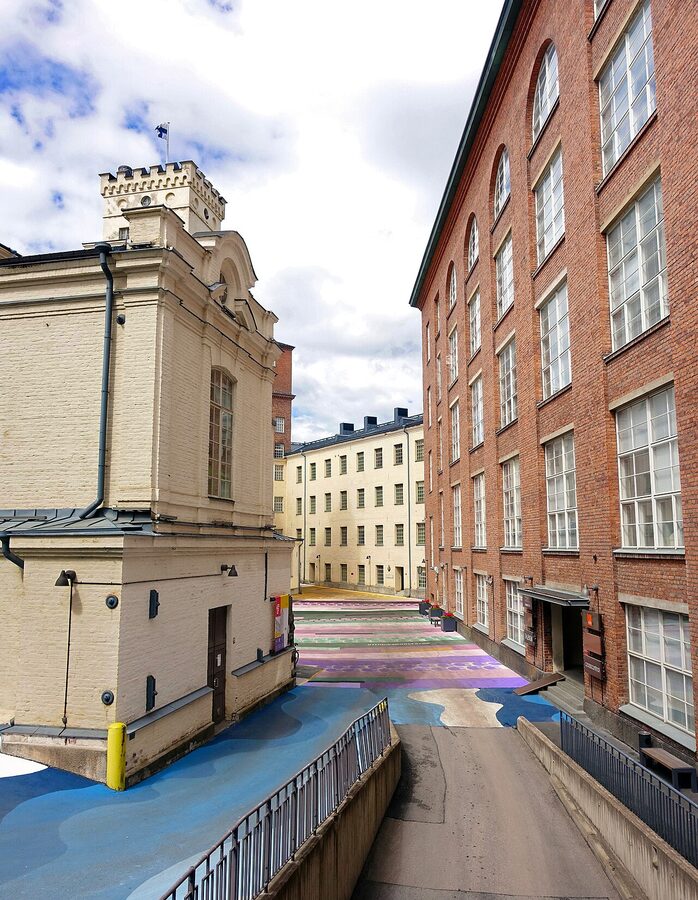
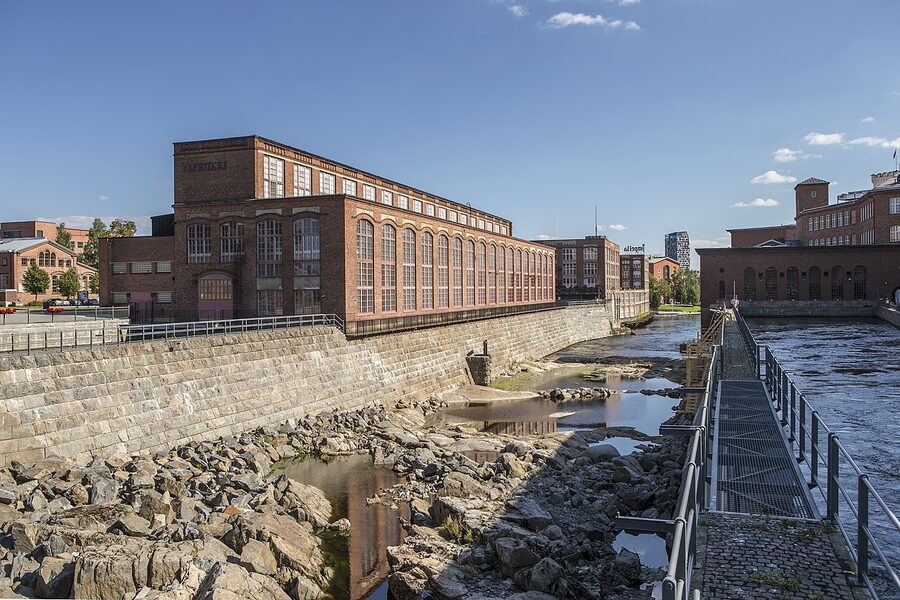
The Finlayson cotton mill ran continuously from 1820 to 1995. At its mid-century peak it employed about 4,000 people, had its own school, hospital, fire brigade, currency, and church inside the complex, and was the first building anywhere in the Nordic countries to have electric light (1882, three years before any other site in the region). The mill closed when Finnish textiles couldn’t compete with Asian production. The buildings are listed and were converted into a mixed cultural and commercial quarter through the late 1990s and early 2000s. That’s the entire history of Finnish industry in two paragraphs, and you can walk through it in 90 minutes.
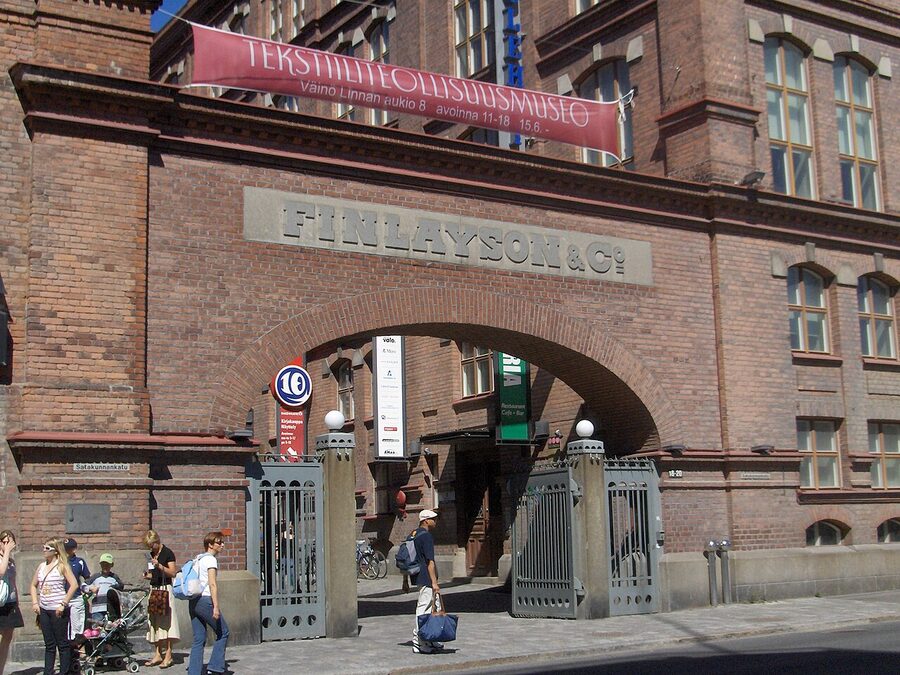
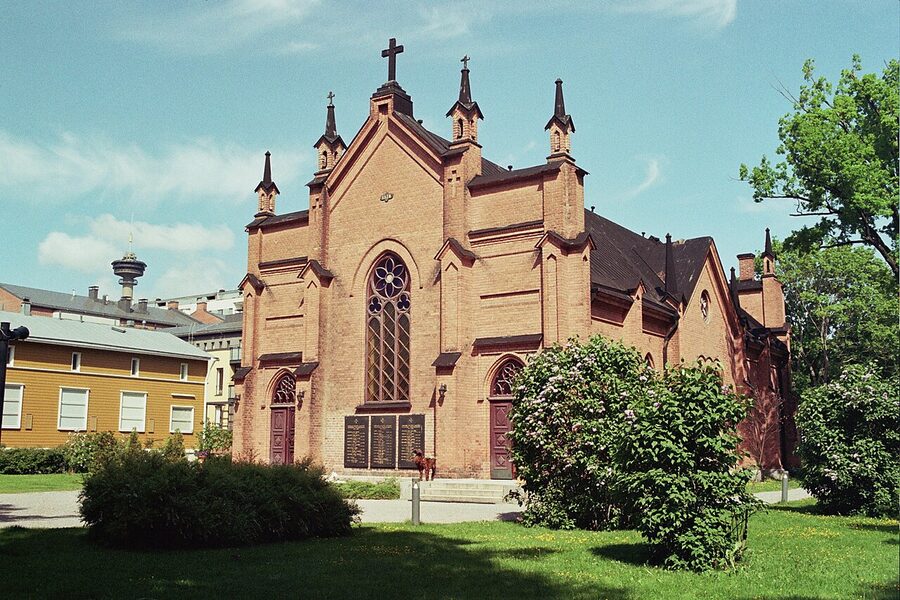
Three things to do inside Finlayson. The Werstas Finnish Labour Museum (free entry, the labour-history museum is part of the same building cluster, open Tue to Sun 11:00 to 18:00) covers the working-class story that runs in parallel with the factory: how Tampere went from 1,200 people in 1820 to 36,000 by 1900, what the 12-hour shifts were like, the trade-union movement that made Tampere “Red Tampere” by 1917. Free is the right price; an hour is enough. The Finlayson Church (the one inside the complex, finished 1879, built so the workers had somewhere to worship without leaving the works) is open during services and for tourists in summer. And Plevna, the brewpub that took over the old engine hall, does the only Bohemian-style lager brewed in Finland and one of the best Sunday roasts in the country.
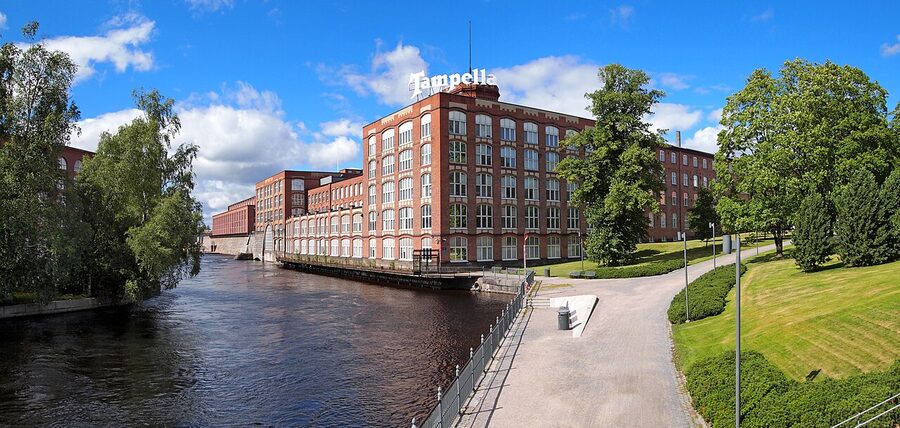
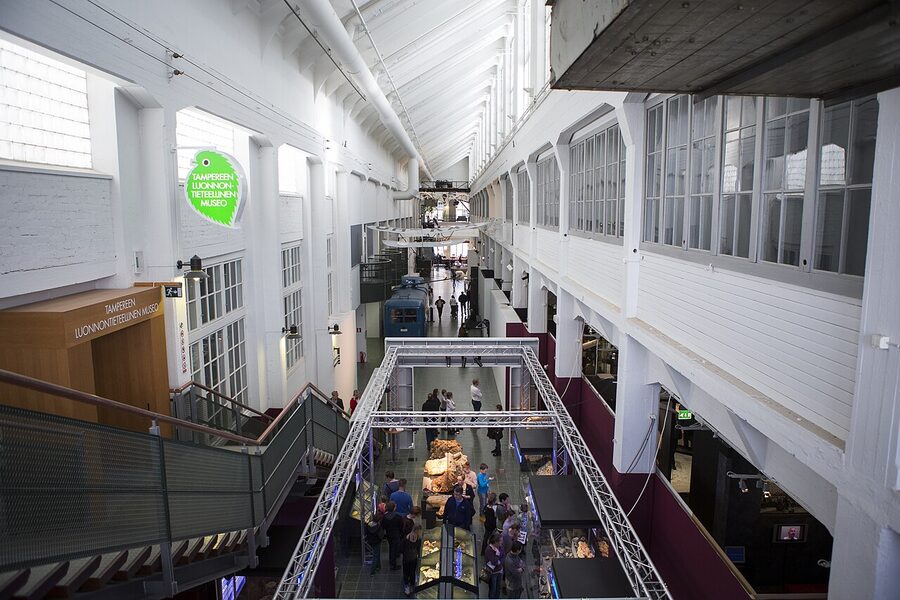
The Lenin Museum is also in here, technically in the adjacent Workers’ Hall on Hämeenpuisto rather than inside Finlayson itself, but I’ll cover that separately because it deserves its own block. The Vapriikki museum complex is on the other side of the river, across the Patosilta footbridge, in the converted Tampella foundry hall. That’s the other industrial titan: the Tampella ironworks and locomotive plant, founded in 1856. They built railway engines, paper machines, and during the Second World War, artillery pieces. The complex is now five museums on one ticket: the city museum, the natural history collection, the shoe museum (yes), the Finnish hockey hall of fame, and a rotating temporary exhibition.
The Lenin Museum, Stalin, and December 1905
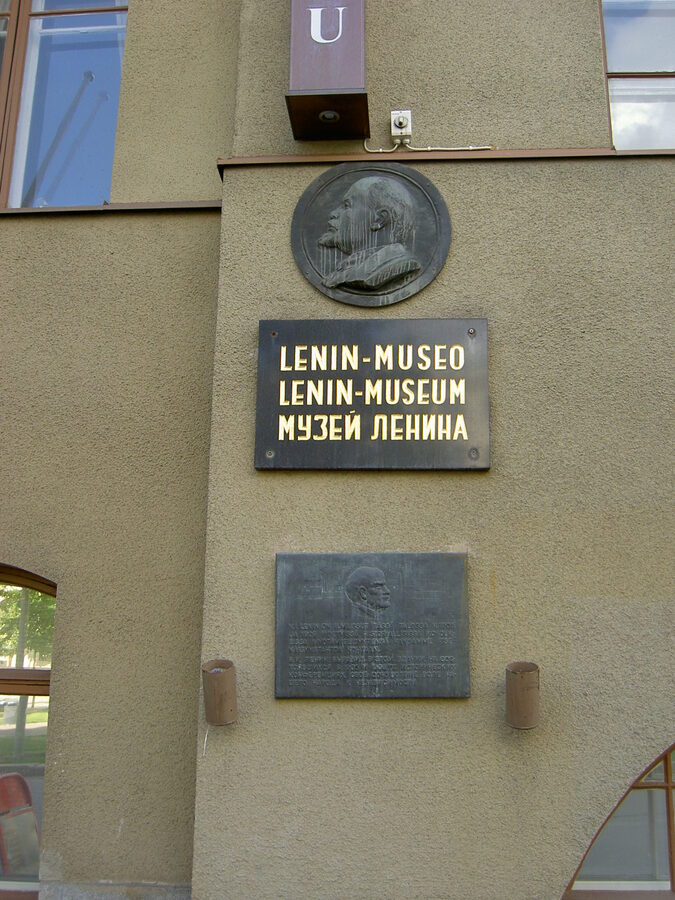
The Lenin Museum sits on the third floor of the old Tampere Workers’ Hall on Hämeenpuisto, the same boulevard the cathedral is on. The reason it’s here, and not in Helsinki or Saint Petersburg or Moscow, is specific. In December 1905, Lenin convened a Bolshevik conference in this exact upstairs room, the Tampere Conference. He arrived from exile in Geneva. A 26-year-old Georgian called Iosif Dzhugashvili, who had not yet adopted the name Stalin, came up from the Caucasus with a fake passport. They had not met before. Twelve years before the October Revolution, in this hall above a workers’ canteen in Tampere, the two of them shook hands for the first time. That’s the only documented in-person meeting of Lenin and Stalin where you can stand in the actual room. The museum has the table.
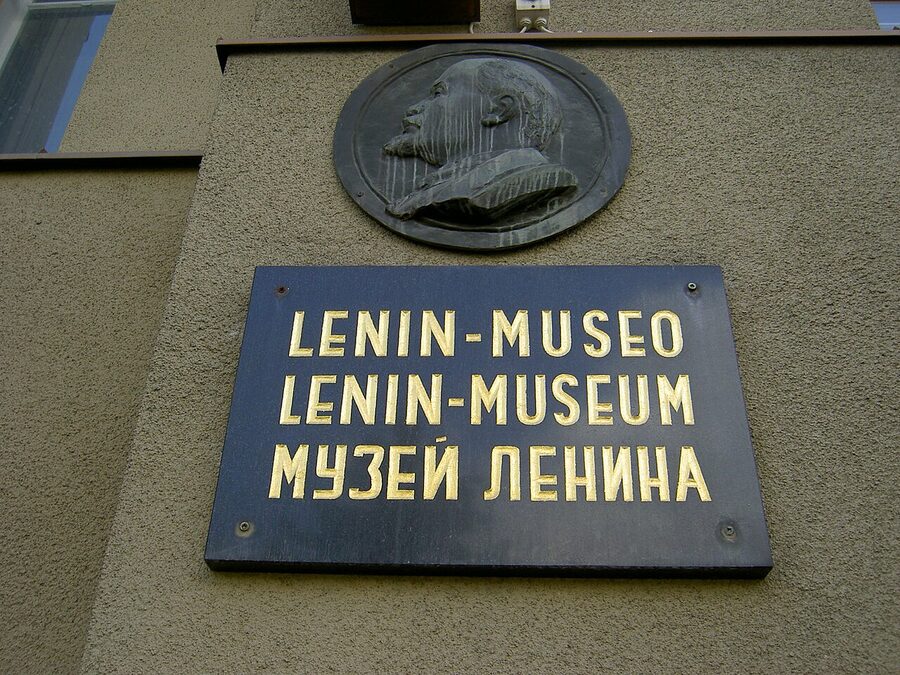
The Tampere connection ran deeper than one meeting. Lenin had spent time in Finland on and off from 1905 to 1907, and again briefly in 1917, using it as a refuge from Tsarist police. The Workers’ Hall hosted multiple Bolshevik meetings; Lenin gave talks in this same room at least four times. After 1917 the building stayed in use as a Finnish workers’ cultural centre. The museum opened in January 1946, partly as a Cold War gesture between Finland and the USSR, partly because the building’s owners thought the history was worth keeping. It’s the only Lenin museum left anywhere outside Russia and Belarus. After 1991 the Russian ones were either closed or repurposed; the Tampere one survived because the Finnish curators rewrote the framing from celebration to history.
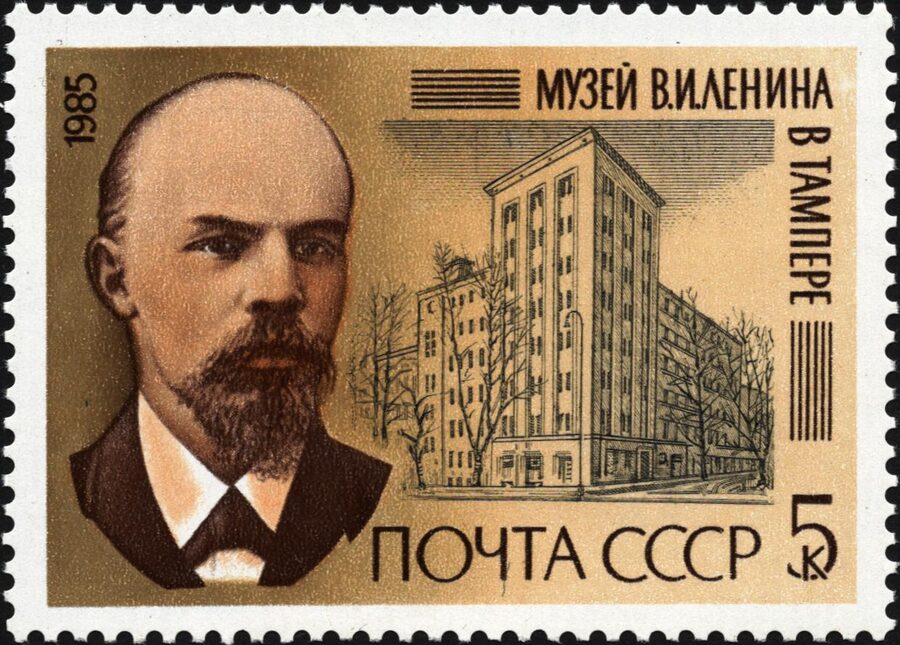
Skip this one if you’re not interested in 20th-century European history. Don’t skip it if you are; it’s a 90-minute visit that you’ll think about for a week.
Pispala, the wooden ridge, and the oldest public sauna in Finland
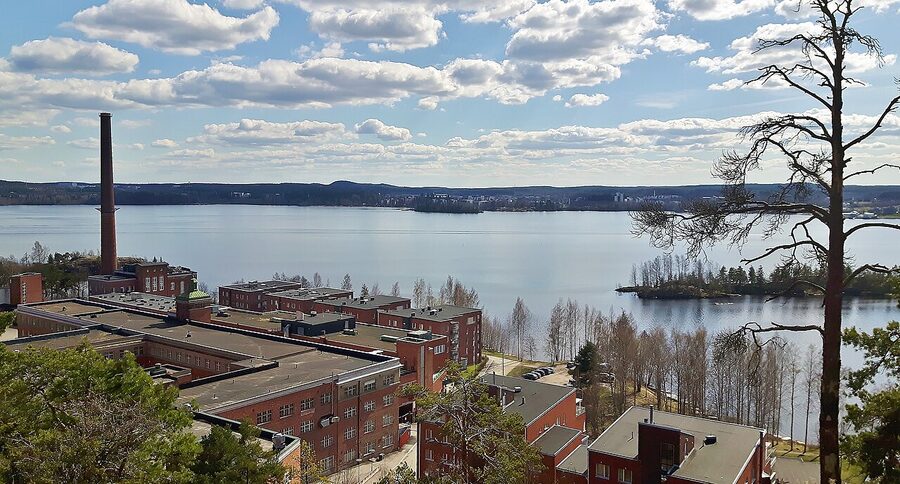
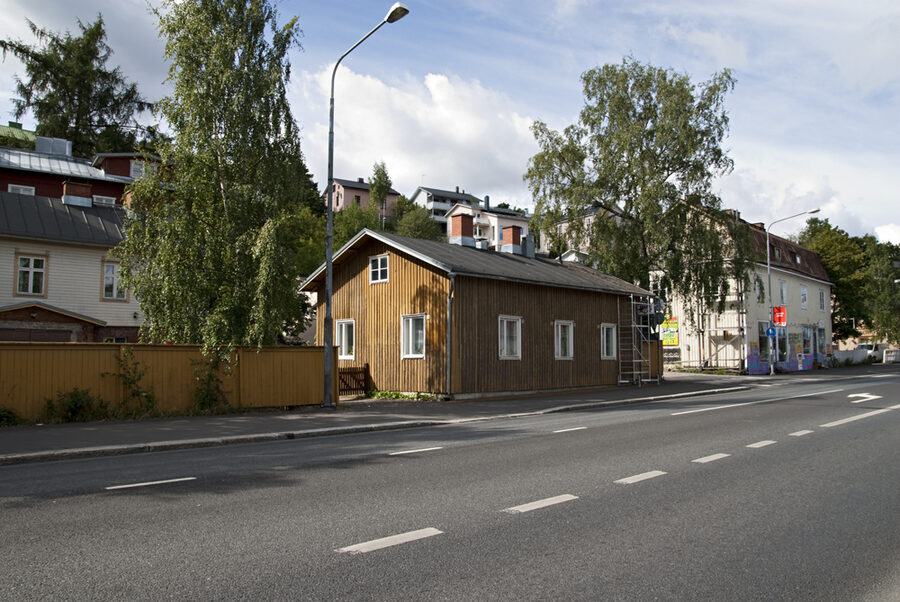
Walk west from the city centre along the south shore of Lake Näsijärvi for about 25 minutes and you’ll come to Pispala. It’s the steep wooden-house neighbourhood that sits on the only true esker in central Finland, a long sandy ridge left by the last ice age. The ridge runs east-to-west and divides the two lakes. The houses on the south side of the ridge look down onto Pyhäjärvi; the ones on the north side look onto Näsijärvi. Both views are unobstructed because nobody has built anything taller than two storeys here for over a hundred years.
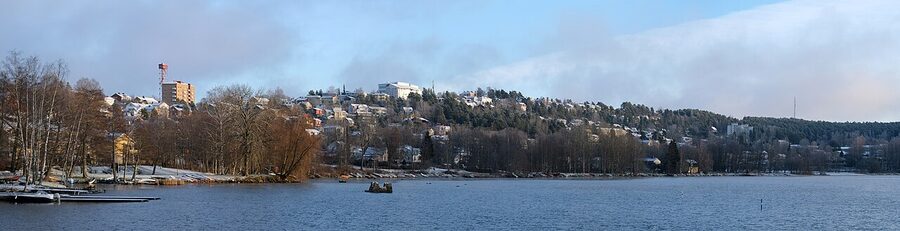
The Pispalan portaat, the Pispala stairs, climb the steepest part of the south face. There are 134 steps from Pispalan valtatie (the main road along the southern slope) up to the spine of the ridge. They’re not difficult, but they’re steep enough that you’ll want a free 20 minutes for the climb and the wandering at the top. The wandering is the point; the streets up there have no through-traffic, and you can walk between the painted wooden houses on grass paths and gravel lanes. In late May the lilacs are out, in October the maples turn. In January the snow fills the lanes and the locals ski down to the lake. Genuinely, the same lanes you walk in summer become cross-country tracks in winter; it’s the only neighbourhood in central Tampere where that still works.
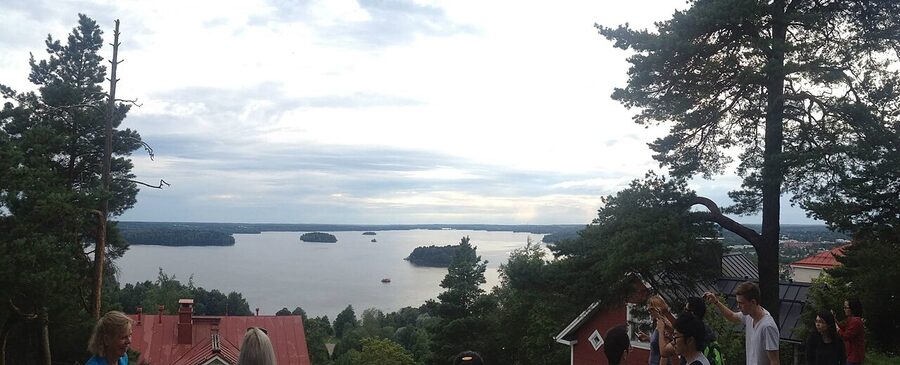
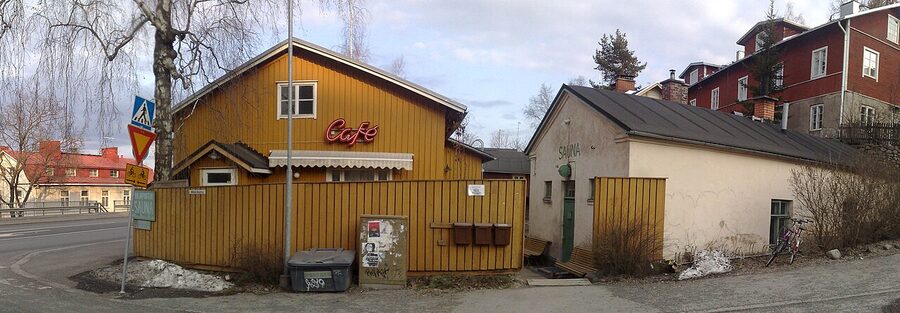
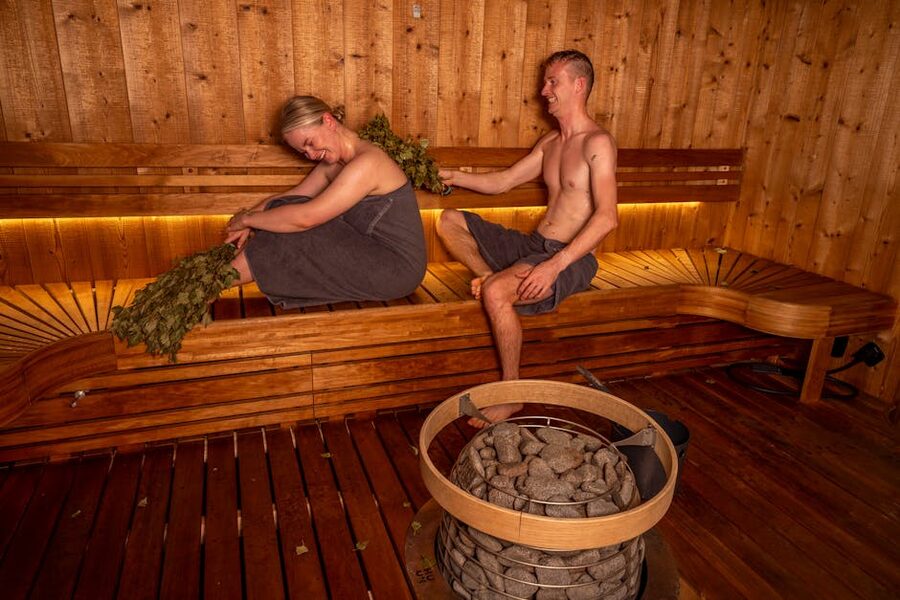
The reason most people walk to Pispala is the Rajaportti sauna, which sits about halfway along the ridge on Pispalan valtatie 9. It opened in 1906, which makes it the oldest public sauna still operating in Finland. The building is a low wooden bathhouse that hasn’t been rebuilt since the 1920s. The fire is wood-fuelled and lit several hours before opening; the men’s and women’s sides are separate, the cold-shower yard is shared, and the etiquette is the etiquette of any Finnish public sauna. You go quietly, you sit, you ladle, you don’t talk much. €10 entry, towel rental €4, beer at the small front bar €5, open Wed-Thu-Sat 16:00 to 22:00 and Friday 14:00 to 22:00. Closed Sunday through Tuesday. Bring euros in cash; the card machine works but goes down often.
If you’re booked into Helsinki sauna culture already and want a comparison, the Helsinki public saunas like Löyly and Allas are newer (Löyly opened 2016, Allas in 2016 too) and architecturally ambitious. Rajaportti is the older thing they’re descended from. Both are worth knowing; if I had to pick one for a first-time Finland visit, the Helsinki ones are easier to drop into, but Rajaportti is the more authentic experience.
Pyynikki, the doughnut café, and the longest gravel ridge view in Finland
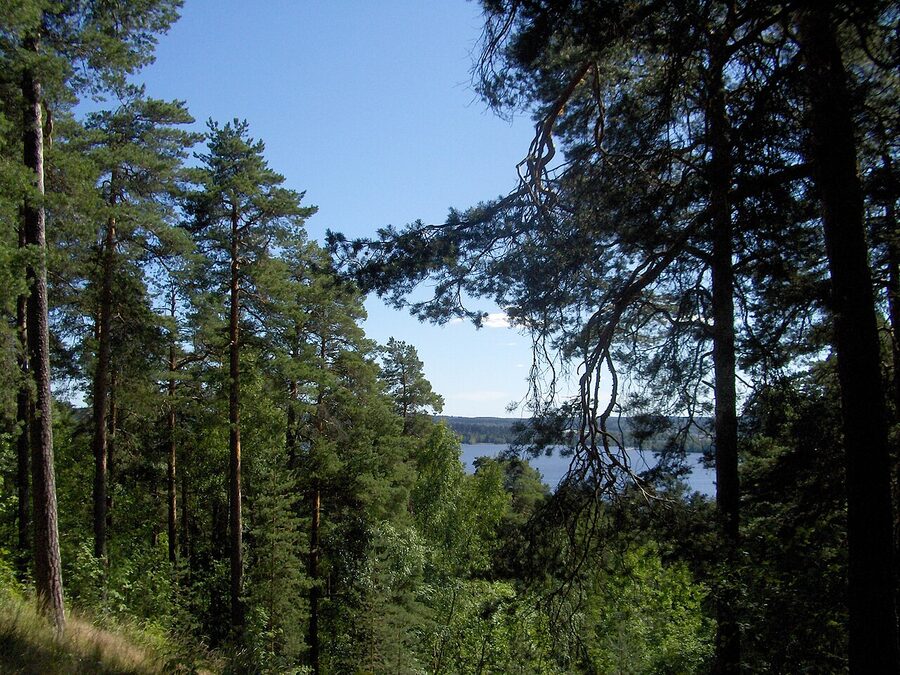
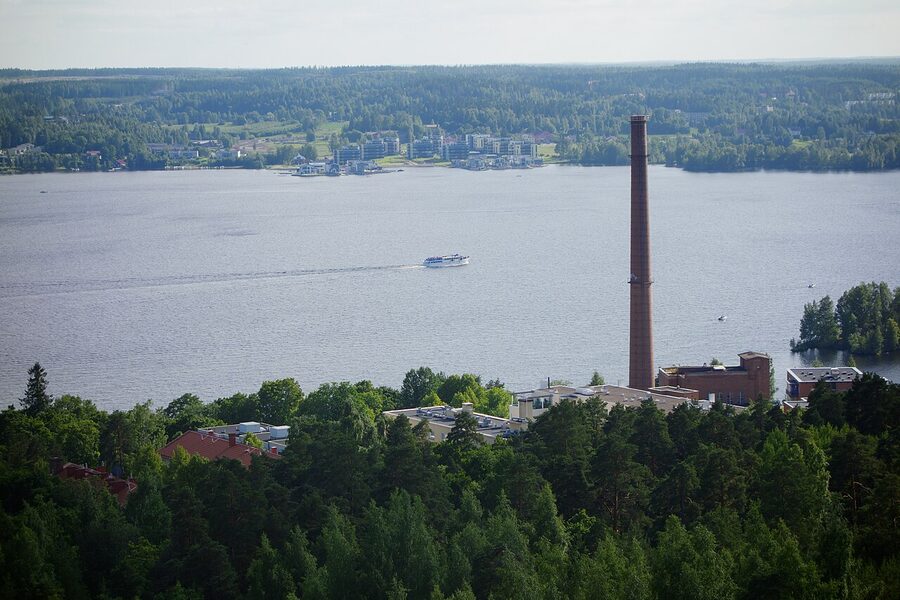
Pyynikki is the eastern continuation of the same esker that Pispala sits on. The ridge rises 85 metres above Lake Pyhäjärvi at its highest point, which is where the observation tower stands. From the top of the tower the view runs about 60 km on a clear day. You can see the lakes on both sides of the ridge, the Tampere skyline (such as it is) to the east, and the islands in Pyhäjärvi to the south. €4 to ride the lift up the tower, open daily 08:30 to 21:00 in summer (until 18:00 in winter). Worth the four euros.
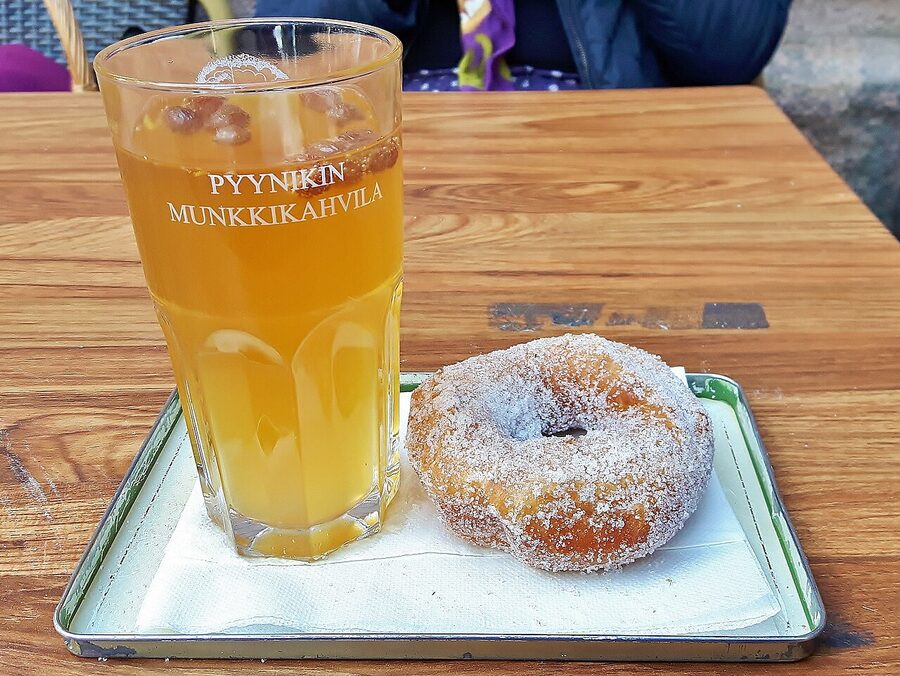
What every guidebook mentions but almost none describes properly: at the foot of the tower is the Pyynikin Munkkikahvila, a doughnut café run since 1929. It does one product, well, all day. The munkki is a yeast-raised, sugar-dusted doughnut, fried in vegetable oil at a temperature the café has refused to change since the recipe was set down. They are €2.20 each. They are still warm at 14:30. The kahvi is filter coffee, €2.80. You can eat the doughnut on the bench outside under the pines and watch the families go past, and that is the whole experience. People queue. The queue moves fast. Cash and card both work. Open daily 09:00 to 21:00 in summer, until 17:00 in winter. There is no menu beyond the munkki and the coffee; if you ask for something else they’ll point at the door.

From the doughnut café back into the centre is a 25-minute walk down through Pyynikinharju park or along the lakeside path. If you started in Pispala, walked the ridge, did the tower and the doughnut, and then continued back to the centre, that’s a 3-hour loop with two food stops, and it’s the single best day in Tampere if you only have one.
The Moomin Museum, Tove Jansson’s archive, and Tampere Hall
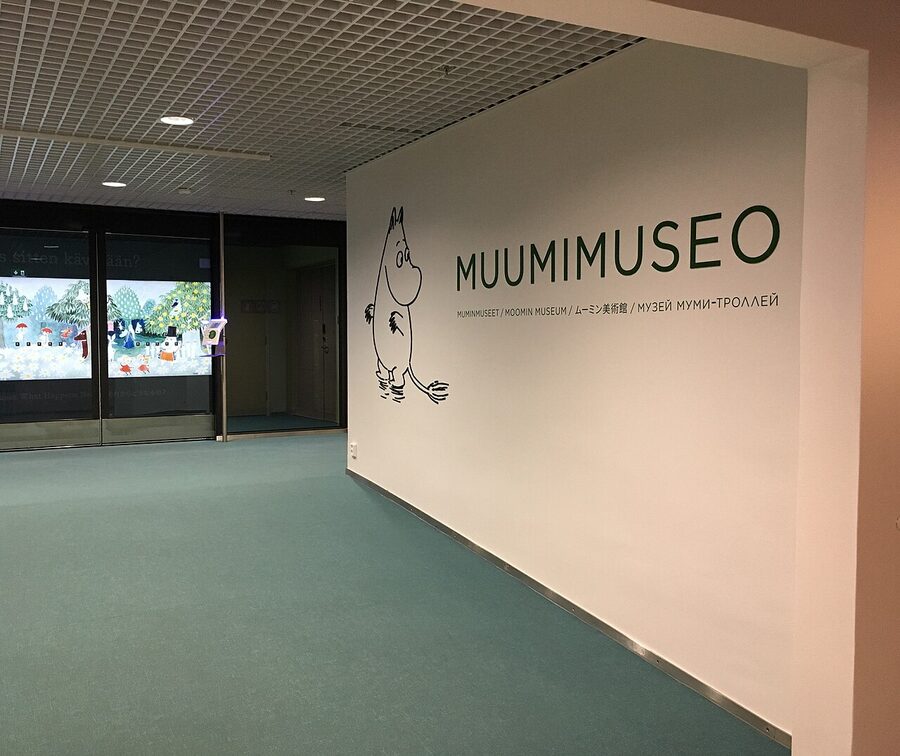
Two things to know about the Moomin Museum before you go. First, it’s a museum, not a theme park. Naantali (an hour west of Turku) has Moomin World, the theme park with people in costume; this is the archive and exhibition. The two are often confused. Second, the collection is genuinely good. Tove Jansson and her partner Tuulikki Pietilä lived together on the island of Klovharu in the Pellinge archipelago east of Helsinki, and Pietilä made about 40 detailed dioramas of Moomin scenes from the books. The dioramas are here, in low-light cases, and they are extraordinary. There are also about 2,000 of Jansson’s original ink drawings, the comic-strip pages she drew for the London Evening News between 1953 and 1959, and a large room of tactile installations for younger visitors.
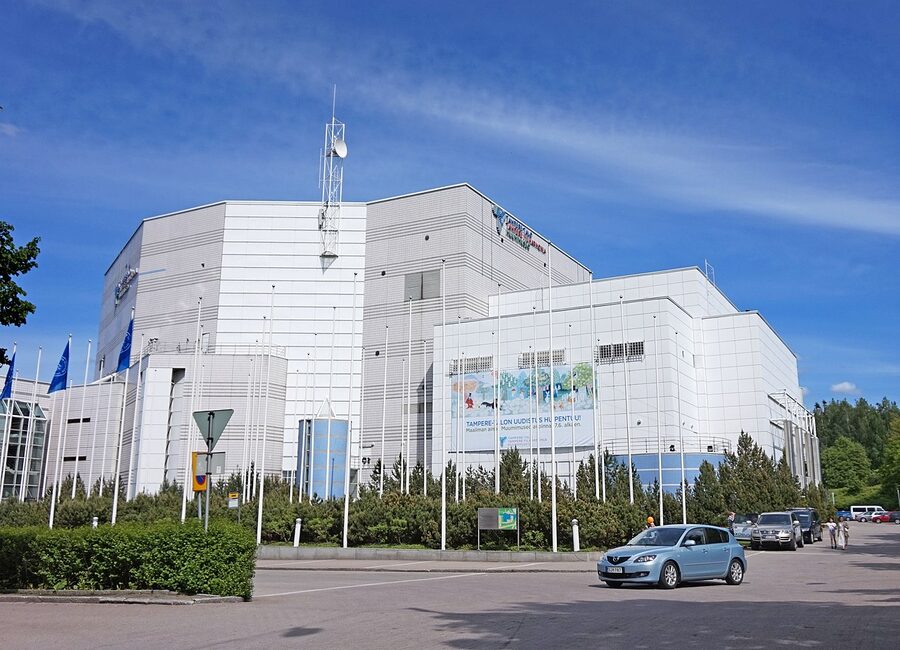
Practical bits: €15 entry, free for under-7s, open Tue to Sun 09:00 to 17:00, Thursday until 19:00. Closed Mondays. Allow 90 minutes if you want to read everything; an hour is enough if you mainly want to see the dioramas. Bring a camera; photography is allowed in most of the gallery (the Pietilä tableaux room has a no-flash rule). The shop is excellent and the prices are reasonable for what they are. Don’t miss the small section that explains why the Moomins look like hippos: Tove Jansson was teasing her brother Lars by drawing the most ridiculous creature she could think of as a signature in the family library, and the prototype stuck.
If you’re with kids and want the theme park instead, that’s Moomin World on Kailo island in Naantali, two hours and fifteen minutes by direct train from Tampere. Don’t try to do both in a day.
Where Tampere actually eats
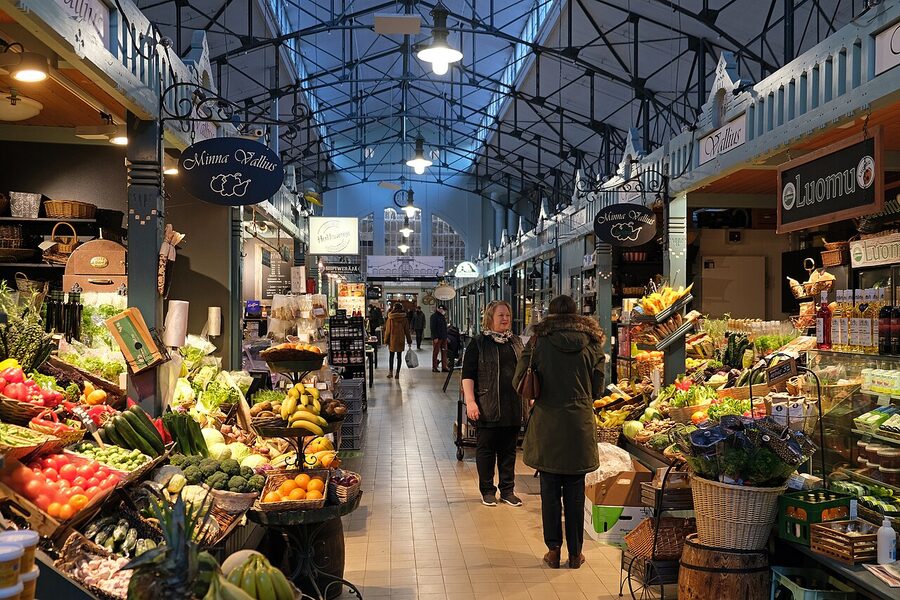
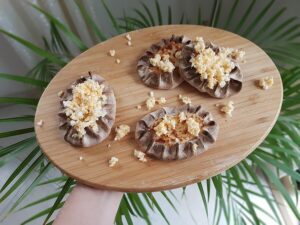
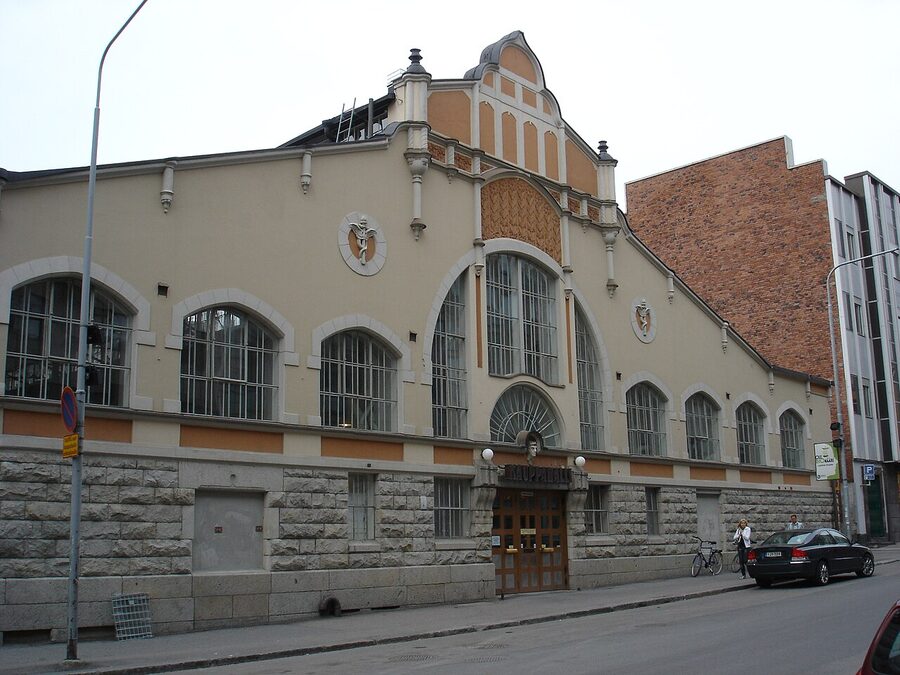
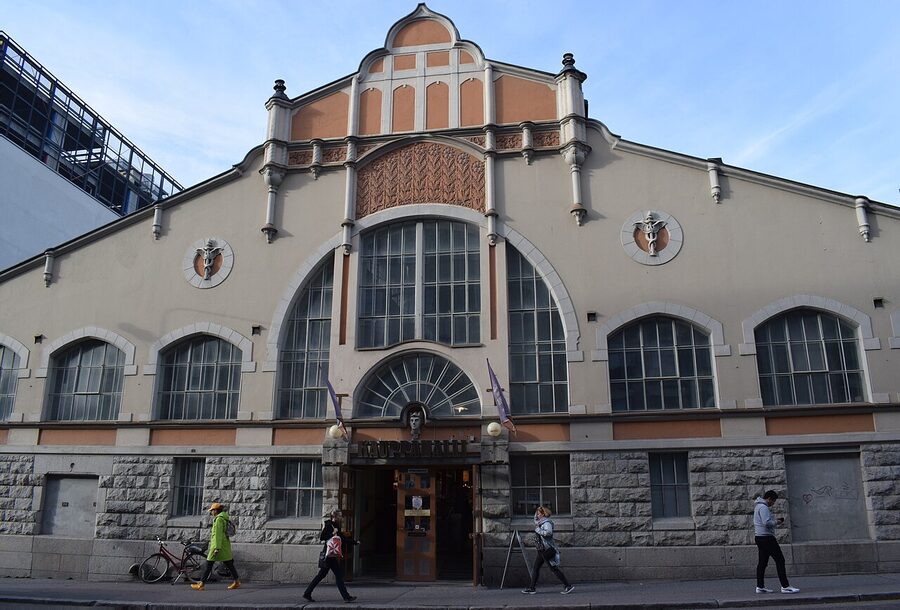
Start with the Kauppahalli for one meal and one shop-around. Inside, there’s a small fish counter that does whitefish (siika) and pike-perch (kuha) caught in the lakes around Tampere; a bakery counter with karjalanpiirakka, the Karelian rye-and-rice pastries that you can eat with egg butter; and a butcher’s that sells mustamakkara, the local blood sausage I’ll come to in a minute. Among the eat-here counters, Vohvelikahvila (Waffle Café) does a lingonberry-and-cream waffle that’s been on the menu unchanged since 1980. Kissanviikset, in a corner of the hall, does a black-pepper-crusted reindeer steak sandwich for €13 that I’ve eaten three times and would order again.
Mustamakkara is the Tampere thing. It’s blood sausage, served warm with lingonberry jam, and you eat it on a paper plate at the Laukontori market down by the harbour. The classic vendor is the Tapola family stand, who’ve been selling mustamakkara at that pitch since 1940. €5 for a portion that’s two thick slices, plus jam and a glass of milk on the side. The texture is denser than British black pudding and the flavour is gentler. It’s not for everyone. I think it’s excellent. Try it once and decide.
For sit-down food, Plevna at Finlayson is the Bohemian-lager brewpub in the old engine hall: pork knuckle, pretzels, four house lagers brewed on site, mains €19-25. Restaurant C on Hatanpäänkatu is the higher-end one, set-menu €78, run by the chef Tarja Hakala who has trained in Copenhagen and Helsinki. Tuulensuu on Hämeenpuisto is the all-day brasserie that locals use; the Sunday roast is the same Sunday institution Plevna does, but smaller and quieter. Kahvila Runo is the bookshop café most worth knowing about; it does the cardamom buns and a single-origin filter coffee for €4.20, and you can read in the back room. Avoid the touristy waterfront places at Laukontori around Hämeensilta unless you want a pint with a view; the food is okay, not better.
If you want a wider sweep of how Finnish food works once you get into it, the regional cuisine, the wartime dishes, the canon, that’s a separate piece. The Tampere stops above are the city-specific anchors. For the country-level treatment see the Finnish food guide when it’s published; it’ll spend a section on mustamakkara and one on karjalanpiirakka with the sourcing detail this guide skips.
Näsinneula, Särkänniemi, and the family option
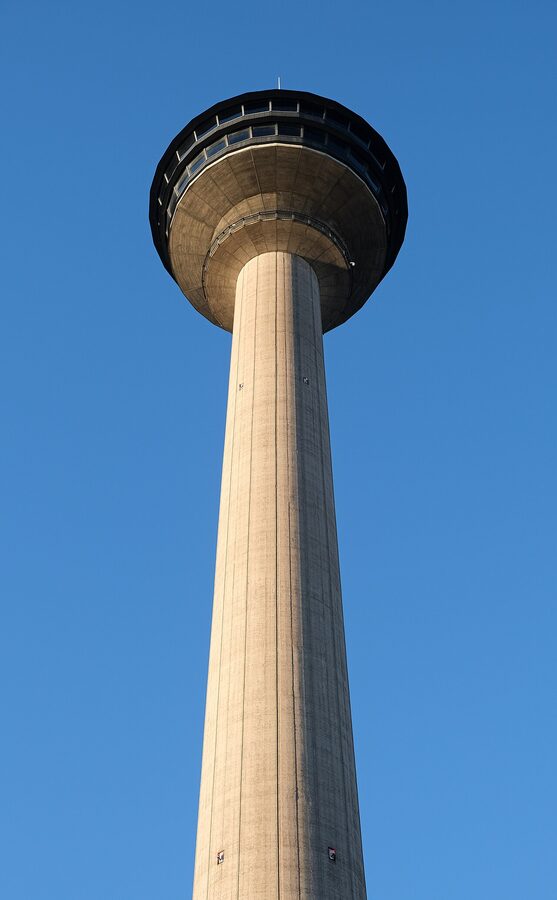
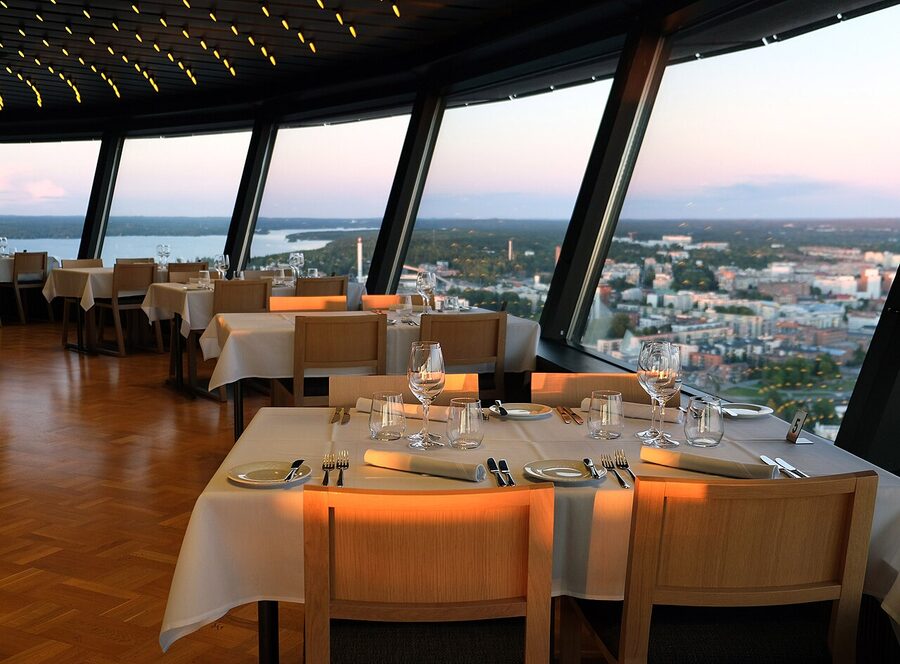
Näsinneula is the spaceship-looking tower at the Särkänniemi amusement park, on the north end of the city centre. The tower itself is fine, the lift up is €13, and the view from the top is genuinely the longest you’ll get in Finland: 60-70 km over the lakes on a clear day. The revolving restaurant near the top is more expensive than it should be (mains €30-42, set menu €68) and the food is competent rather than special. If you want the view and a coffee, the cheaper café one floor below the restaurant does filter coffee and pulla for €8 and rotates at the same speed. Better deal.
Särkänniemi as a park is the city’s family option. Day pass €42, includes the rides, the dolphinarium (which closed in 2016, the building is now an art space), the angry birds land that came and went, the indoor amusement section, and the planetarium. If you’ve got kids between 6 and 14 it’s a real day out. If you don’t, skip the park and just do the tower; the entry fee for tower-only is the cheaper option above.
The Pyynikki Observation Tower covered earlier is the better pure-views shot, in my view. Näsinneula is taller (168 m vs Pyynikki’s 26 m) but Pyynikki is on a higher base, so the actual elevation above the lakes is similar. Pyynikki has the doughnuts.
Tampere Cathedral and the frescoes that scandalised the country
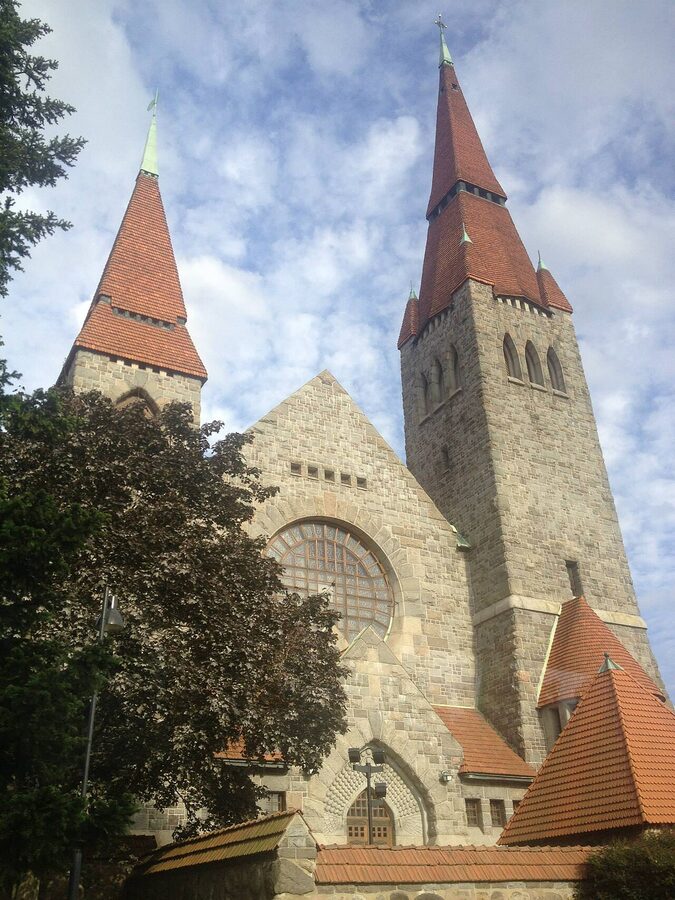
Tampere Cathedral sits on Hämeenpuisto, the long boulevard that bisects the western half of the city centre. Externally it’s a heavy granite block in the Finnish national-romantic style; Lars Sonck’s design follows the same vocabulary as Helsinki’s National Museum. Internally, it’s the most controversial church in Finland. Hugo Simberg, the painter who taught Tove Jansson her watercolour technique many years later, painted the frescoes between 1905 and 1907. The frescoes include “The Wounded Angel” (which is the painting), “The Garden of Death” (skeletons in cassocks tending plants), and a famous serpent winding around a column above the altar. The country’s bishops asked Simberg to remove the serpent. He refused. It’s still there.
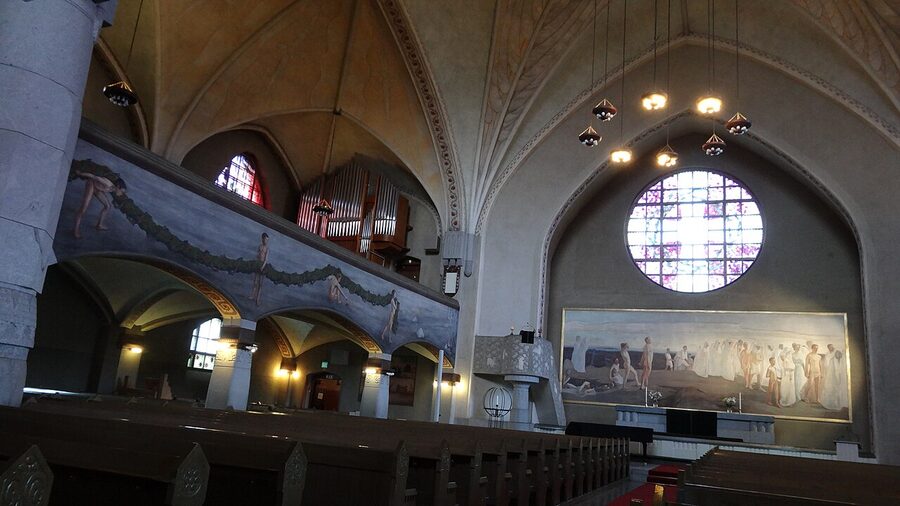
The cathedral is free and open most days. Twenty minutes is the right amount of time. If you’ve got a longer interest in Finnish painting, Magnus Enckell’s altarpiece (it’s behind the organ, look up) is the other main work in the building.
Where to stay: city centre, Pispala, or Hervanta
The honest answer is: stay in the city centre. Tampere is small enough that everything I’ve described above is within 25 minutes’ walk of the railway station; basing yourself anywhere else trades convenience for a marginal aesthetic gain. Three centre hotels worth knowing:
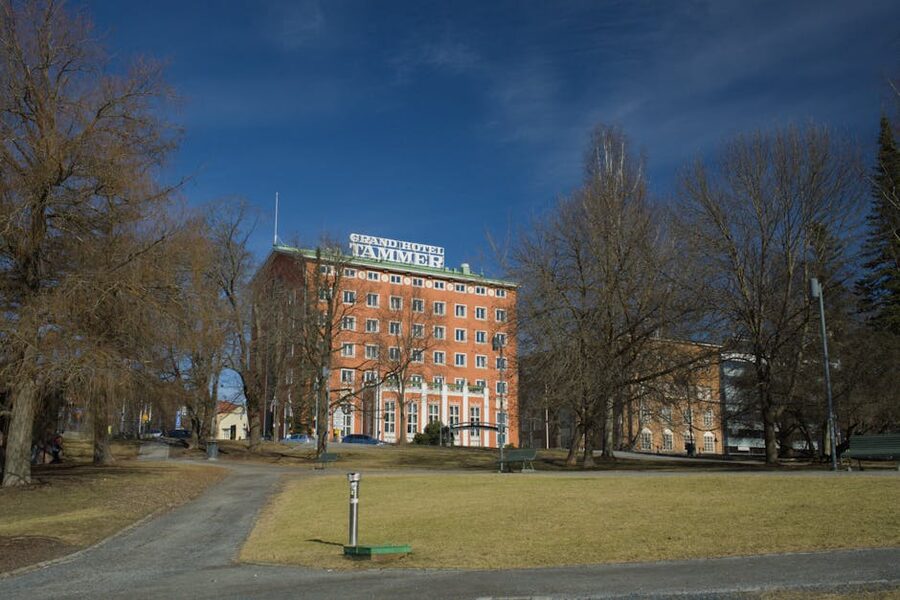
Radisson Blu Grand Hotel Tammer is the 1929 art deco building on Hämeenpuisto, two minutes from the rail station. Standard rooms €130-180, suites €240+. The architecture is the reason to book; the rooms themselves are 4-star Radisson, fine, not special. The lobby bar is a city institution and a good first-night drink.
Solo Sokos Hotel Torni Tampere is the 25-storey high-rise next to the railway station, finished 2014, the tallest residential building in the city. Rooms €120-160. The Moro Sky Bar on the 25th floor is the highest bar in Finland; you can ride up just for a drink without staying. The view at 18:00 in winter, when the snow is on the lake, is worth the €11 cocktail.
Scandic Tampere Station is the workhorse choice. Right above the railway station, rooms €100-140, breakfast included on most rates, basic but reliable. If you’re catching an early train back to Helsinki this is the right pick.
Lapland Hotels Tampere sits on Yliopistonkatu just north of the centre, rooms €110-150, with a small Finnish-design feel that’s a step up from the chain options. The breakfast is good; the location is 8 minutes from Tampere Hall.
The pricier-but-worth-it option for one night: Original Sokos Hotel Ilves on Hatanpäänkatu, rooms €140-200, one of the larger Finnish chain hotels with a top-floor sauna that has views over Pyhäjärvi. The sauna is open to all guests until 22:00, included in the room rate, and is the easy way to do the city’s sauna culture if you’re not going to Rajaportti.
The cheaper option: Dream Hostel Tampere, dorm beds from €30, private rooms from €70, on Åkerlundinkatu near the rail station. Clean, social, the only hostel I’d recommend in the city. Good for solo travel.
The two non-centre options some guides push and I’d skip: hotels in Hervanta (the suburban university district 8 km southeast, you save €30-40 a night and lose 25 minutes each way on the bus, not worth it) and the Holiday Club spa-resort on the lake (it’s a kids-and-spa destination with no real connection to the city). Centre is right.
How to get there, and how the Pendolino actually works
From Helsinki, the train is the way. The VR Pendolino tilting express runs from Helsinki Central up to 24 times a day, takes 1 hour 35 minutes, and costs €15-45 one-way depending on how far ahead you book. Cheap-class tickets (“perustila”) are perfectly fine; the legroom is generous, there’s free wi-fi, and the toilet is at one end of every carriage. Reserve your seat when you book; the fast trains are sometimes packed in summer. Tickets at vr.fi or on the VR Matkalla app. The slower InterCity trains take 1 hour 50 minutes and cost €10-25; if you’re flexible on time, that’s the better deal.
From the airport (Helsinki-Vantaa), there are two ways. Either take the airport rail link to Helsinki Central (30 minutes, €4.10) and connect to the Pendolino, total journey time about 2 hours 40 minutes including a transfer. Or take a direct intercity bus from the airport (some run, less often, OnniBus is the budget operator), 2 hours 50 minutes, €10-20. The train route is more reliable.
From Stockholm, there is no direct ferry to Tampere. The route is the Stockholm-Helsinki overnight ferry on Tallink Silja or Viking Line (16 hours, cabins from €60), arrive Helsinki around 10:30, then Pendolino to Tampere arriving 13:00. That’s the genuine non-flying combination. From the UK, Ryanair and Norwegian both fly direct to Tampere-Pirkkala airport (TMP), 17 km southwest of the city, with flights from London Stansted on Ryanair from £30 return if booked early. The 1A bus from the airport to the centre takes 35 minutes, €4.50. Or a taxi for €25.
When to come
Tampere has four real seasons and they each give you a different city. Summer (June, July, August) is the high season; the lake-boat to Viikinsaari runs daily, the doughnut café queue is at its longest, the Pyynikki tower stays open until 21:00, and the city’s outdoor cafés on Hämeenpuisto are full. Pros: long daylight, midsummer until almost midnight, the lakes are warm enough to swim in (about 18-22°C in July). Cons: mosquitoes are real on the ridge in late June and early July; pack repellent.
Autumn, particularly mid-September to early October, is the best stretch I’ve had. The leaves on the Pyynikki ridge turn yellow and orange against the pine, the crowds drop off, the saunas are at their fullest because the Finns are back. Bring a jacket; temperatures drop into single digits at night. October to early November is a wet stretch; skip if you can.
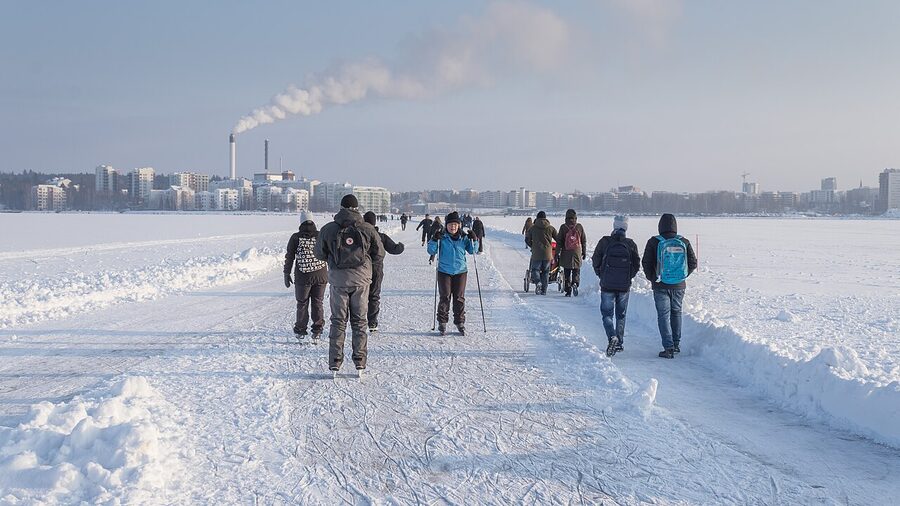
Winter (December to March) is hard to beat for a different kind of trip. The lakes freeze in late January; you can ski-cross from the city onto the ice. The Tammerkoski freezes around the millrace channels but stays open in the main rapid because of the working hydro. The Christmas market on Keskustori runs from late November through 23 December. Days are short; in mid-December you have about six hours of usable light. Sauna culture is at its strongest in winter, partly because the cold-shower yard at Rajaportti involves rolling in actual snow.
If you’re chasing the aurora, Tampere isn’t far enough north; the lights are visible on big-display nights but not reliably. For real chases the Finnish Lapland aurora cluster is the better trip. Tampere is a southern Finland city, on roughly the latitude of Bergen.
Two days in Tampere: the actual route I’d walk
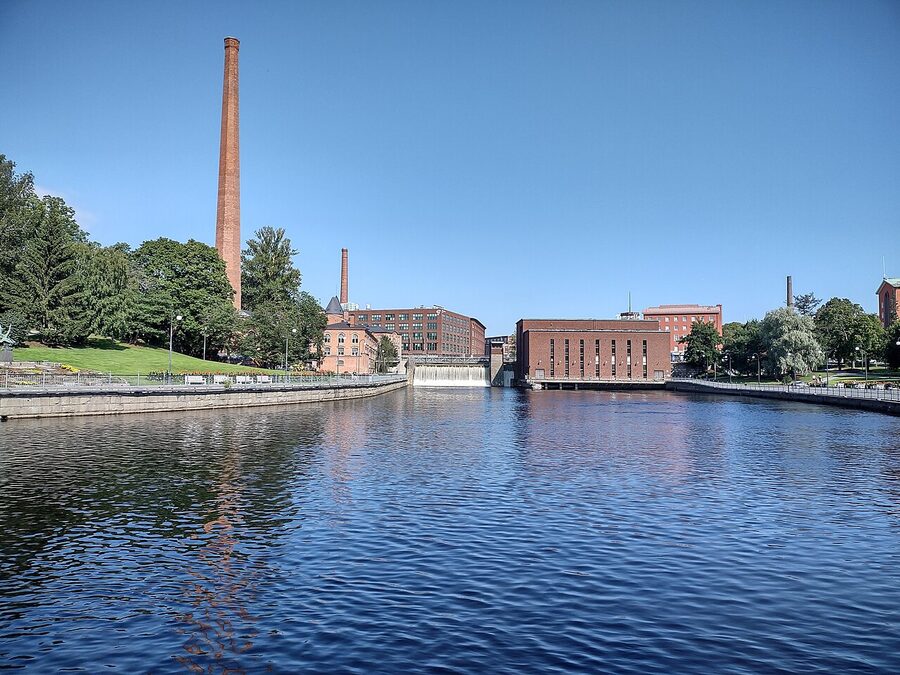
Day one. Arrive on a morning Pendolino, drop bags at the hotel by 11:00. Walk to the Kauppahalli for an early lunch (karjalanpiirakka and coffee, €7). Cross the Hämeensilta bridge eastbound and walk the east bank of the river up to the Patosilta footbridge, then cross back. That’s the industrial spine. Spend the afternoon at Vapriikki on the Tampella side; allow two hours, lean into the 1918 Civil War exhibition. Walk back across to the Lenin Museum on Hämeenpuisto, 90 minutes. Dinner at Plevna at Finlayson, beer and pork knuckle, about €30. Walk back to the hotel via the Tammerkoski at night, when the bridges are lit.
Day two. Breakfast at the hotel, then a 25-minute walk west along the Pyhäjärvi shore to Pispala. Climb the Pispala stairs, wander the ridge for 30 minutes. From Pispala continue east along the ridge through the woods to Pyynikki Observation Tower, 40 minutes. Up the tower for the view, €4. Two doughnuts and a coffee at Munkkikahvila, €7. Walk back into town for lunch at Tuulensuu (€18 for a proper hot lunch). The afternoon: the cathedral on Hämeenpuisto for 30 minutes, then either the Moomin Museum at Tampere Hall (90 minutes, €15) or the Näsinneula tower (€13, 90 minutes). Dinner at Restaurant C if it’s a special evening (€78 set menu, book ahead), or at the Kauppahalli waffle counter if it isn’t. Catch the 21:00 Pendolino back to Helsinki if you’re not staying.
If you’ve got a third day, the lake-boat from Laukontori to Viikinsaari Island (45 minutes each way, €15 return, runs late May to early September only) is the easy answer; the island has a chapel, a small restaurant, swimming, and not much else, and the round trip with two hours on the island is a good half-day. The other third-day option is the train south to Helsinki for an overnight back in the capital before flying home.
The 1918 weight, and why Tampere reads the way it does
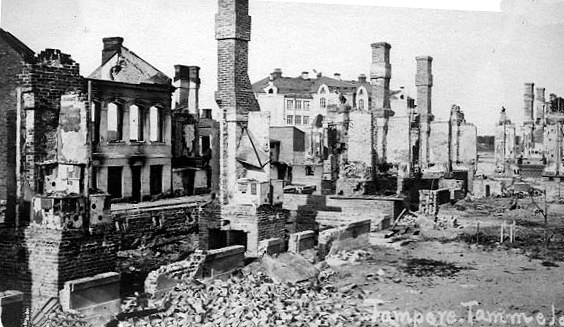
One thing every guide skips, and the reason the Vapriikki basement exhibition is the best thing in the city for a serious traveller. From late March to 6 April 1918, Tampere was the central battleground of the Finnish Civil War. The Reds (the workers’ militia and Social Democratic forces) had taken the city from January; the Whites (the conservative government forces under Mannerheim, with German support) attacked it through the suburbs in the last week of March. House-to-house street fighting through the Pispala ridge, the Finlayson complex, and along the Tammerkoski for two weeks. Around 2,000 dead in the fighting. Another 11,000 Red prisoners, of whom perhaps a quarter died in internment camps over the following months. The Hämeensilta bridge was blown. Half the central buildings were burned.
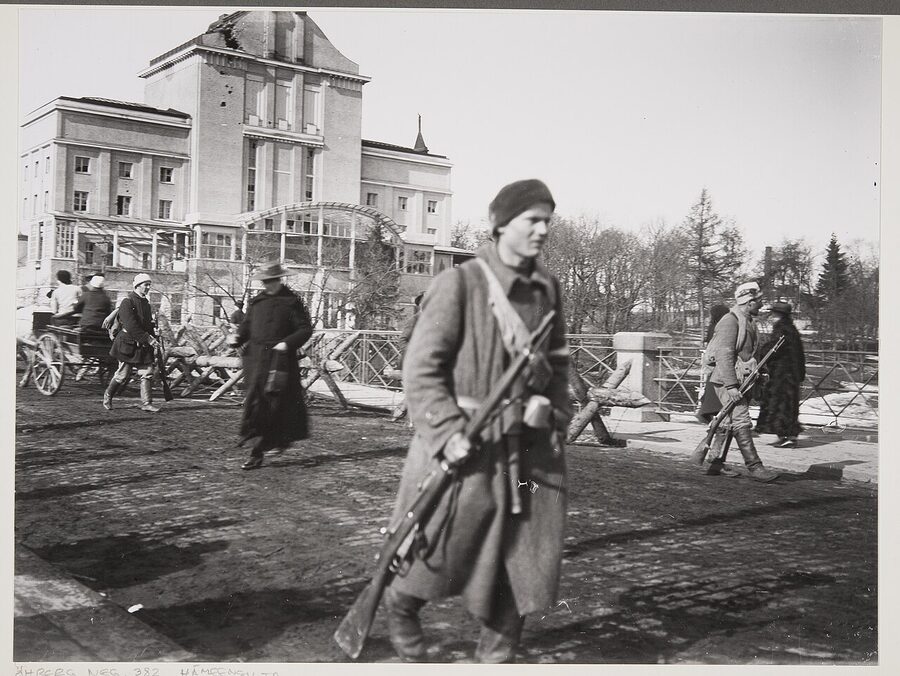
“Red Tampere” became a Finnish political shorthand for the city’s working-class identity. It’s why the Lenin Museum is here (the Red leadership had fled north through Tampere in early 1918, and the city’s hall had been the natural place for Bolshevik organising in 1905). It’s also why the Tampere accent of Finnish (“Tampereen murre”, with its softened consonants) carries a particular set of associations the way Glasgow’s accent does in Britain. The city’s identity is post-industrial working-class with a mill founder from Glasgow, a revolutionary heritage that produced the only Lenin Museum in the West, and a 1918 wound that was buried for forty years and then talked about properly only from the 1960s onward. That texture is what every other Finland travel guide misses, and why Tampere reads more substantial than its 245,000 population suggests.
Day-trips from Tampere
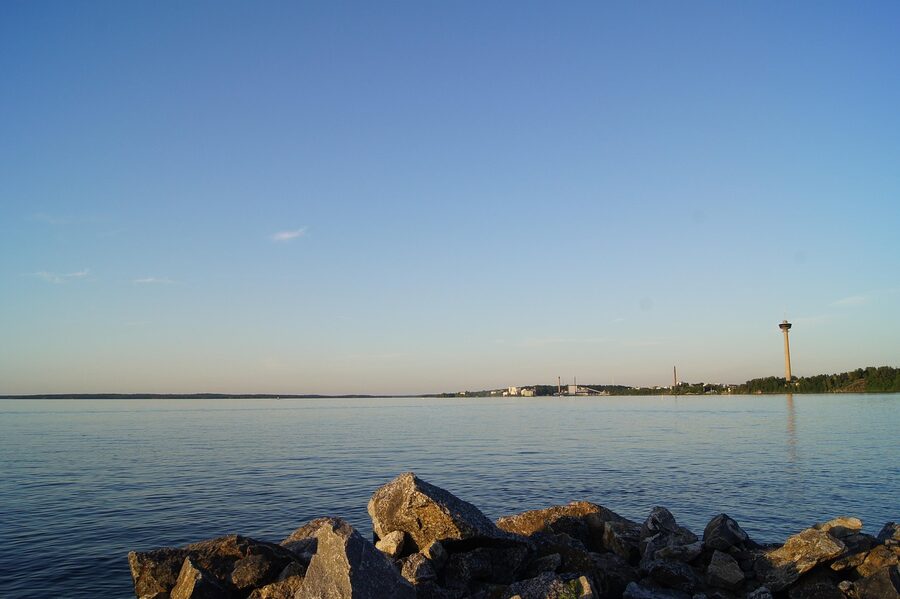
Two sensible day-trips. Viikinsaari Island is the lake-boat trip from Laukontori harbour, 45 minutes each way in a wooden lake-boat (Hopealinjat operates it), €15 return. The island has a chapel, a small restaurant, swimming, and walking trails; allow 4 hours total. Best in summer.
Hämeenlinna, 80 km southeast, is the other day-trip worth doing. It has the medieval Häme Castle (1260s, the second-oldest stone building in Finland after Turku Castle), the Sibelius birthplace house (Jean Sibelius was born there in 1865), and an art museum. 1 hour by Pendolino from Tampere station, €10 day-return. Allow a full day if you do all three. Skip if you’ve already done Turku, since both trips give you a similar dose of Finnish medieval-and-cultural depth.
For wider Finland day-trips, Turku is 2 hours 30 minutes by train (€30) and is the natural pair piece for Tampere if you want to see the old capital before the new one. Porvoo is technically a day-trip from Helsinki rather than from Tampere, but if you’re routing Helsinki-Tampere it’s the obvious extra stop east.
The Tampere bit nobody else describes properly
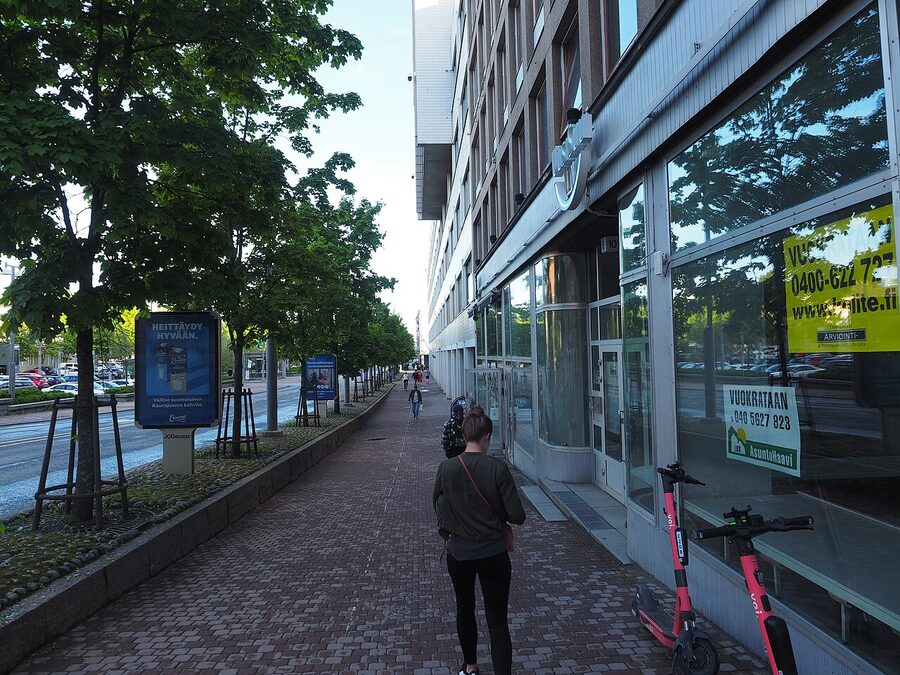
Three small things that earn Tampere a second visit. First, the Frenckell paper-mill tower at Frenckellinaukio square, the oldest paper mill building in Finland (Frans Frenckell built the first one here in 1783, predating Finlayson by 37 years; the surviving brick tower is from 1846). It’s not a museum, but the square is a quiet coffee stop on the east bank of the river. Second, the Aleksanterin kirkko (Alexander Church) on Pyynikinkatu, an 1881 wooden church most guides skip; it’s the second-largest wooden church in Finland by capacity and the interior is unexpectedly bright. Third, the Tuulensuu hotel building is by the architect Wivi Lönn, Finland’s first independent female architect (1872-1966), who also designed the building at Hämeenpuisto 28; if you’re interested in early-20th-century Finnish modernism done by women, walk those two buildings.
The local flavour bit nobody mentions: Tampere is the only Finnish city that makes its own kind of horse-power-era pulla, called the rinkilä, a sort of round cardamom pretzel sold at most bakeries. It’s been on the table since the late 1800s. Pyynikin Leipomo, on Aleksanterinkatu, has been making them since 1949 and you can buy two for €4 to walk home with. Worth the small detour from anywhere on the central walk.
The thing I’d most argue for, if you’re sceptical about adding a Finnish second city to your trip: Tampere reads truer than Helsinki. Helsinki is a Russian-built capital that has worked very hard on its own design-led 21st-century image. Tampere is what working Finland looked like for a hundred years, brick mills along a river, wooden houses on a ridge, public saunas and a doughnut café and a hall where Lenin met Stalin. The headline isn’t a logo or a building; it’s the place itself, still functioning, still a working city, and shorter to read on the ground than the listicles suggest.
Two days. Pendolino in, Pendolino out. €15 the train, €4 the doughnuts, €10 Rajaportti, the rest is walking. Bring euros for the sauna.