Skip the cheap inside cabin. The €40 between a windowless C-class bunk and a sea-view B-class is the difference between a hotel room and a cupboard, and on an 18-hour crossing that gap matters more than anything else you can spend on this trip.
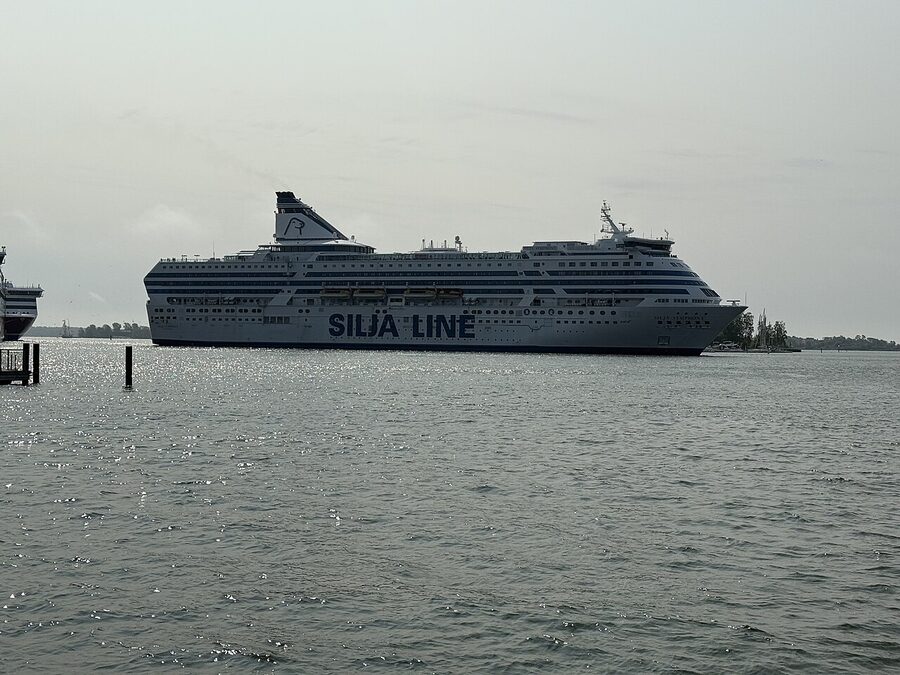
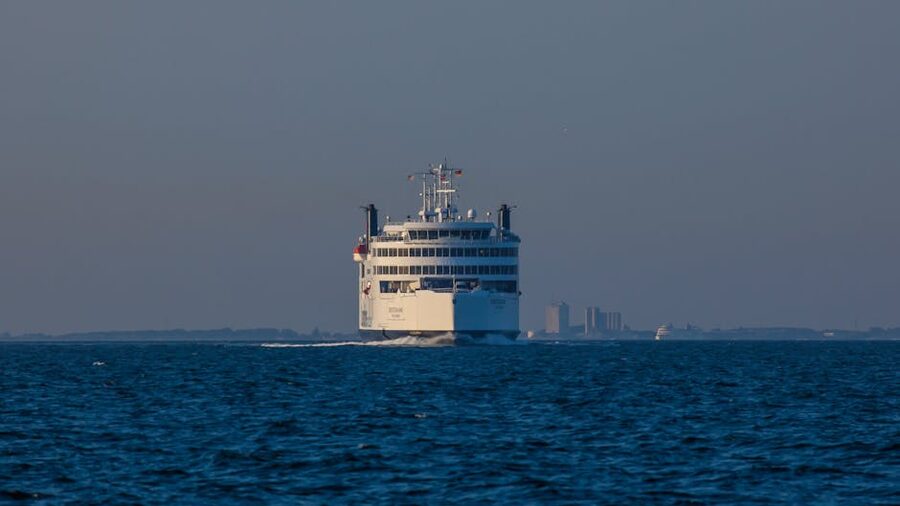
The Stockholm to Helsinki overnight ferry is the most enjoyable way to chain the two cities, and almost nobody outside Sweden and Finland has heard of it. Two operators run the route. Tallink Silja sails MS Silja Symphony and MS Silja Serenade out of Värtahamnen at 16:45 every night of the year, looping via Mariehamn on Åland and arriving at Helsinki’s Olympia Terminal at 10:30. Viking Line uses MS Gabriella and MS Viking Cinderella from Stadsgården at 16:00, dropping into Mariehamn around 23:00 and pulling up at Helsinki Katajanokka at 10:10. The journeys are 16 to 18 hours long, which sounds slow until you understand that you sleep through 9 of them in a private cabin while the ship covers 400-odd nautical miles for less than a hotel room would cost on its own.
This isn’t a transit option dressed up as a cruise. It’s a genuine mini-cruise dressed up as a transit option, and the locals know exactly what they’re doing. Roughly 45% of any sailing is Swedish, 45% Finnish, and the remaining 10% is everyone else, with most of the locals there to drink and shop tax-free rather than to actually arrive in the other capital. Understand that and the rest of this guide makes sense.
In This Article
- The two operators, side by side
- Schedule, departure-time mechanics
- Getting to the terminals
- Cabins, the only decision that really matters
- The buffet smörgåsbord, properly
- The Mariehamn stop and what Tax-Free actually means
- Onboard, the rest of the ship
- The cost-vs-flight calculation
- When each operator makes the most sense
- A short, careful word on safety
- Booking, the practical bit
- Three things almost every guide gets wrong
- Where this fits in a longer Nordic trip
- Christmas variant: the Santa cruise
- What I’d actually book
The two operators, side by side
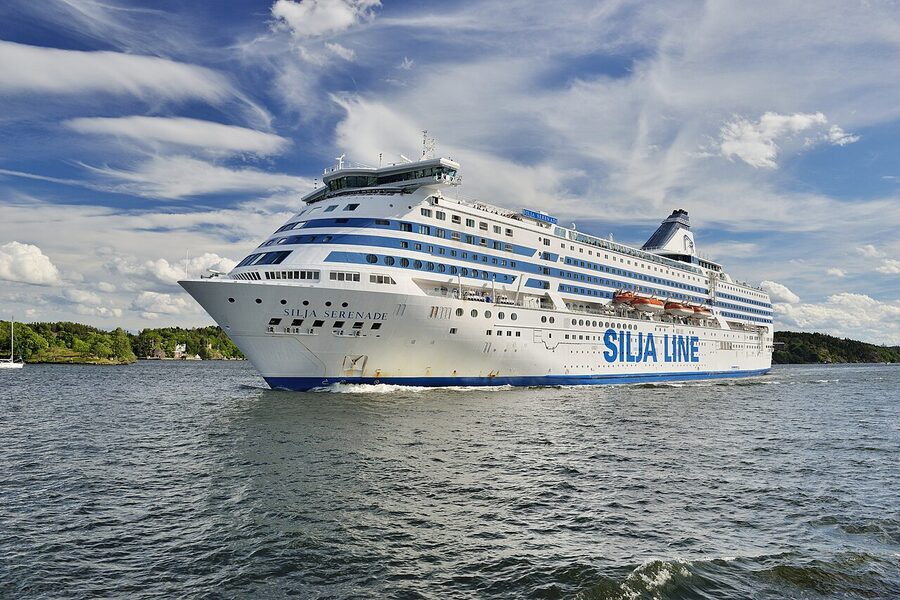
Tallink Silja and Viking Line have run on parallel rails for forty years. They charge similar prices, both make the Mariehamn stop for tax-free reasons (more on that below), and both have a similar mix of cabins, restaurants, bars, saunas and tax-free shops. If you read forums you’ll see endless debate over which is better. The truth is they’re closer to identical than the Pepsi-vs-Coke comparison everyone uses suggests, and you should book whichever has the better cabin available on the night you want.
That said, there are real differences worth knowing.
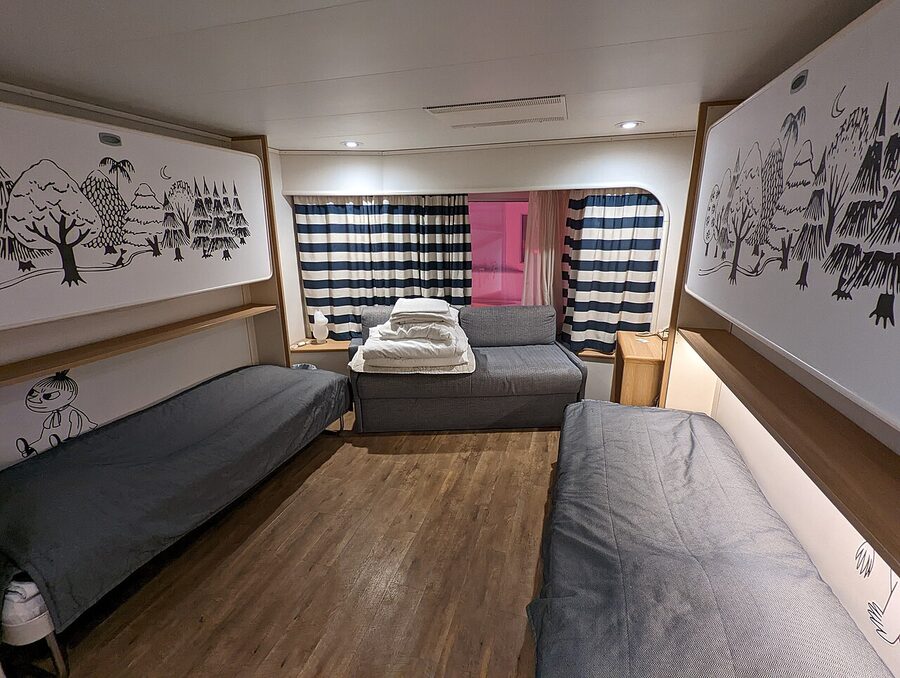
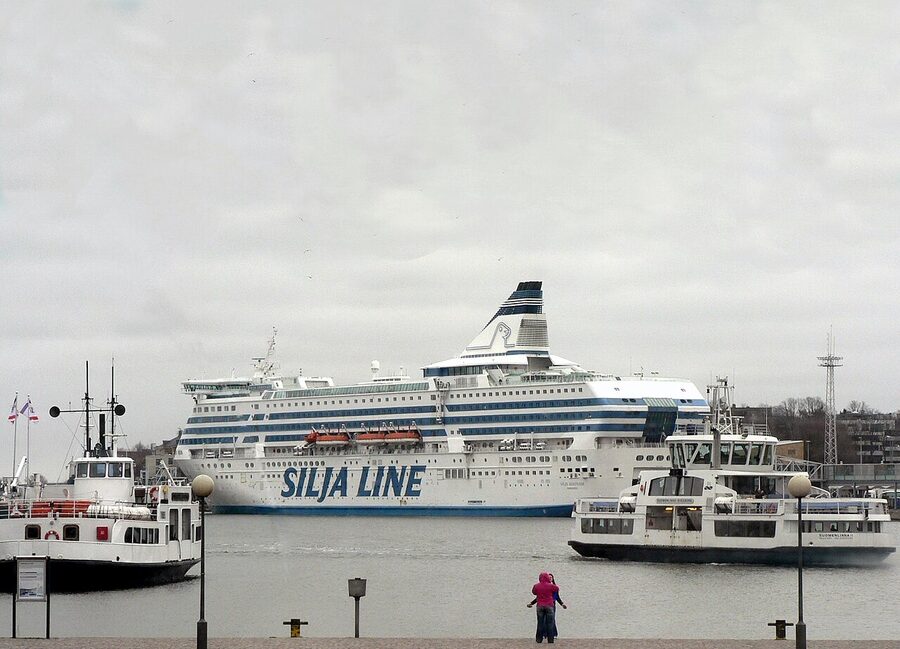
Tallink Silja runs slightly bigger ships. Symphony and Serenade are 203m long with a 143m glass-roofed Promenade Deck running the spine of the boat, lined with shops, bars, the Bon Vivant fine-dining restaurant and a stage where bands play every evening. The cabins on these ships skew newer because of a 2006 refit, and the Marimekko and Moomin-themed family cabins are the right kind of touch for travelling with kids. Reputation: more elegant. Slightly more Finnish.
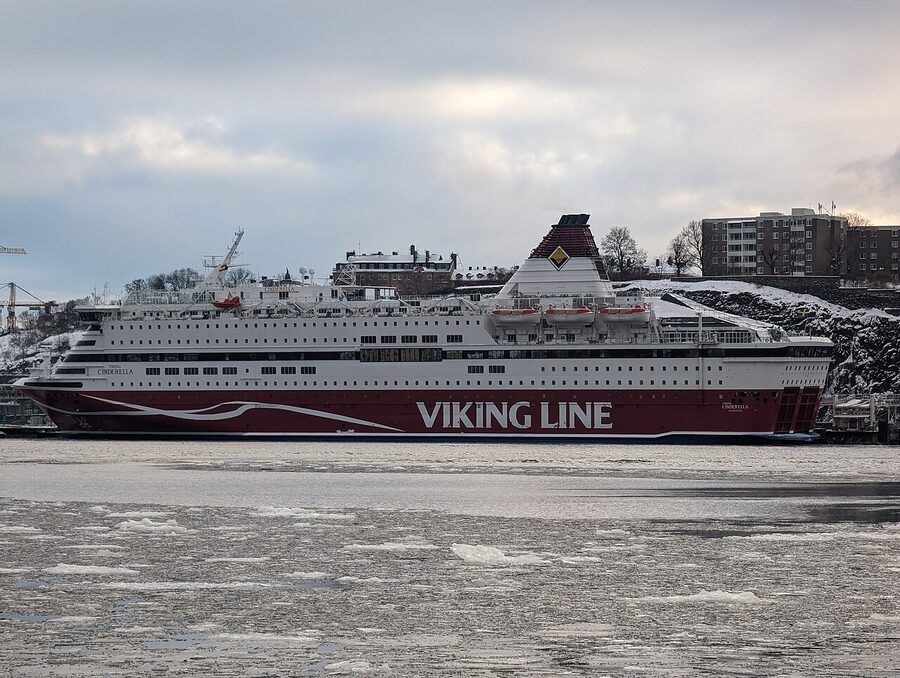
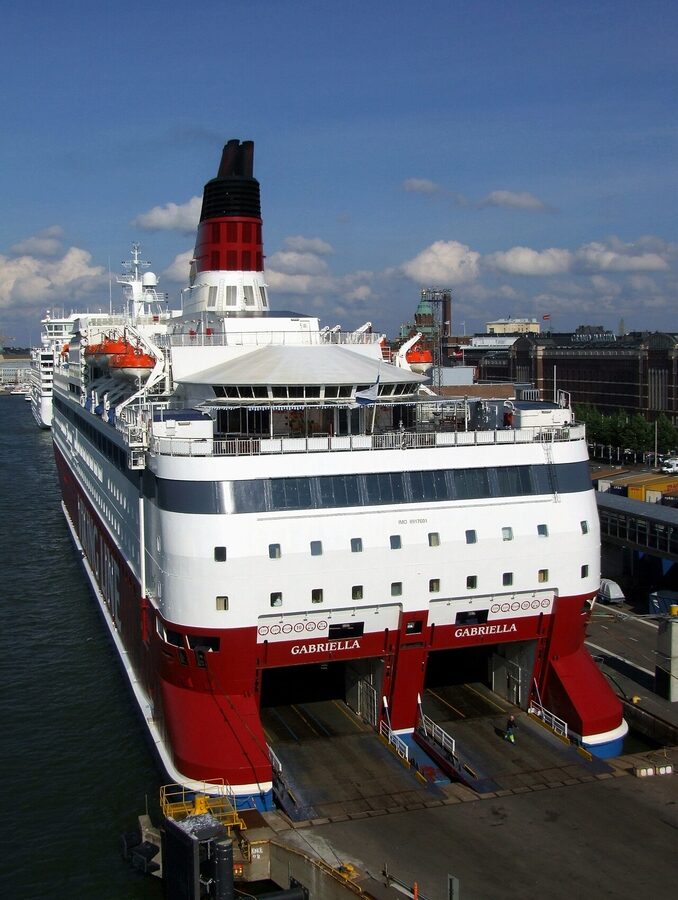
Viking Line on the Helsinki run uses Gabriella and Cinderella. Both are smaller and older than the Silja pair, both have the same range of cabins from windowless inside bunks to suites, and both have the slightly worse reputation as the party boat. That reputation isn’t entirely fair (the Silja ships are perfectly capable of going feral by 23:00 on a Friday) but if you specifically want to avoid loud groups of stags doing the Helsinki run for the Tax-Free, Tallink Silja is the marginally safer pick.
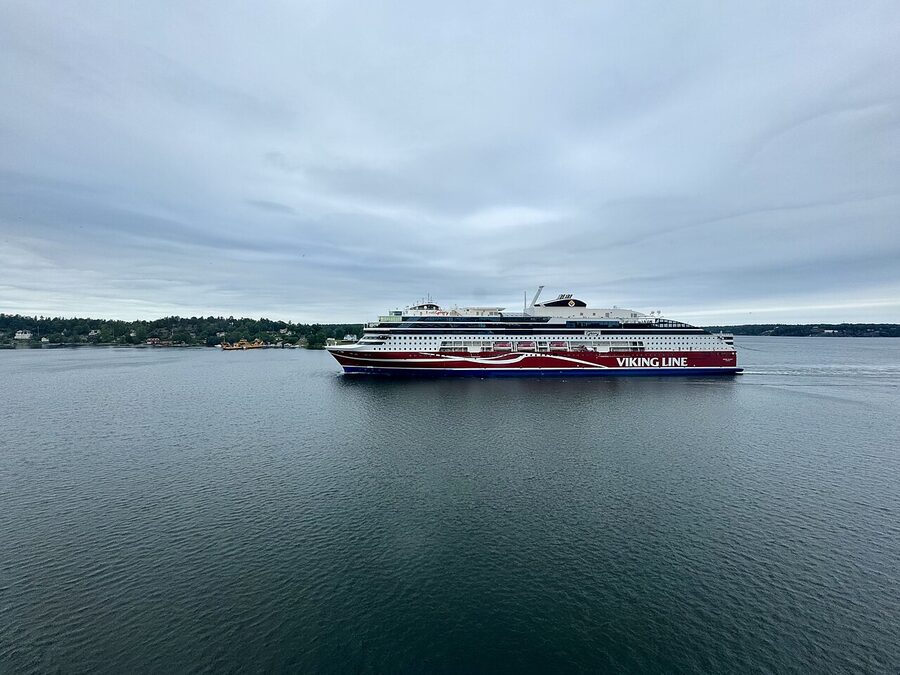
Worth flagging: Viking’s flashy 2022 ship Viking Glory does not sail Stockholm to Helsinki. She runs the shorter Stockholm to Turku route via Mariehamn or Långnäs. If a YouTuber’s review is selling you on Viking Glory’s spa and you’ve booked Helsinki, you’ve got the wrong ship. Re-book or change destinations.
Schedule, departure-time mechanics
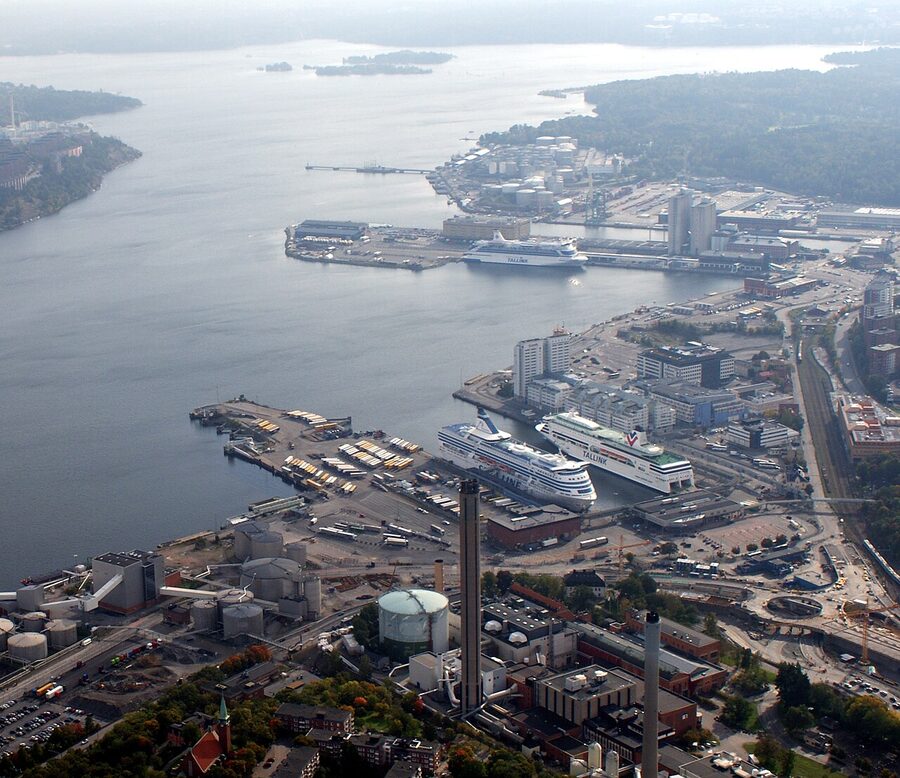
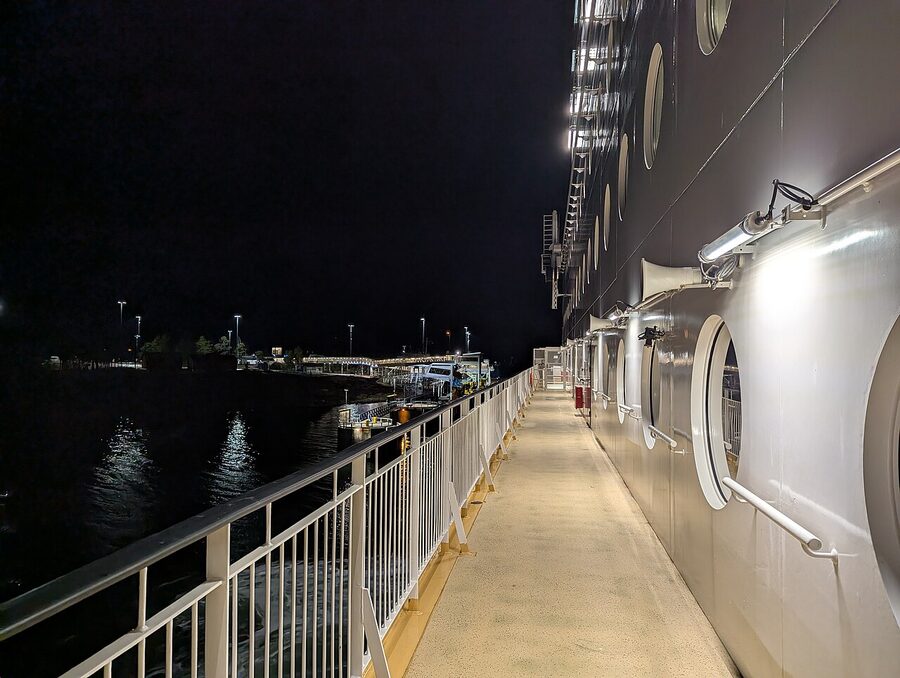
Both companies do effectively the same thing every day, year-round. Boarding opens at 15:30. Tallink Silja departs Stockholm Värtahamnen at 16:45. Viking departs Stockholm Stadsgården at 16:00. Both stop briefly at Mariehamn around 23:00 (Viking earlier, Silja later). Both arrive in Helsinki between 10:10 and 10:30 the next morning.
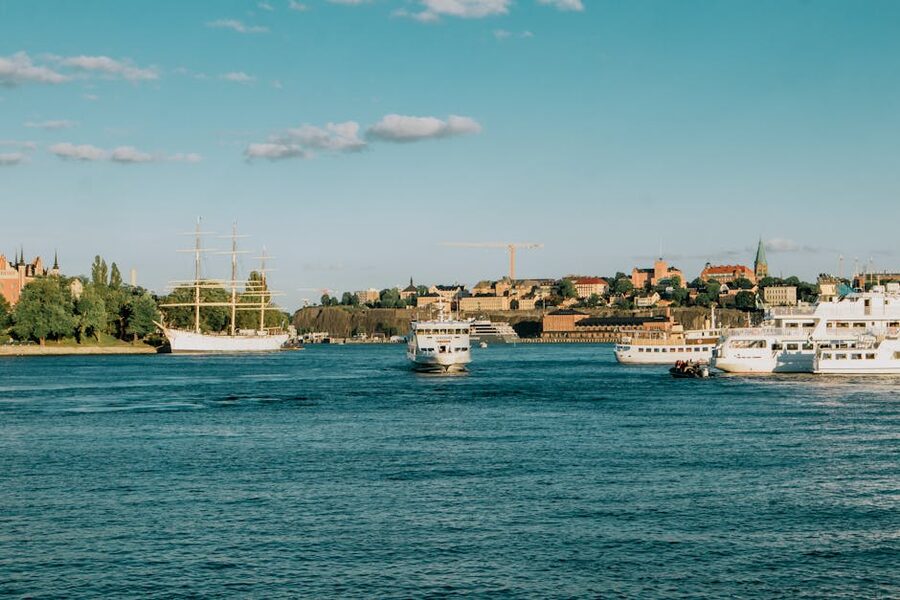
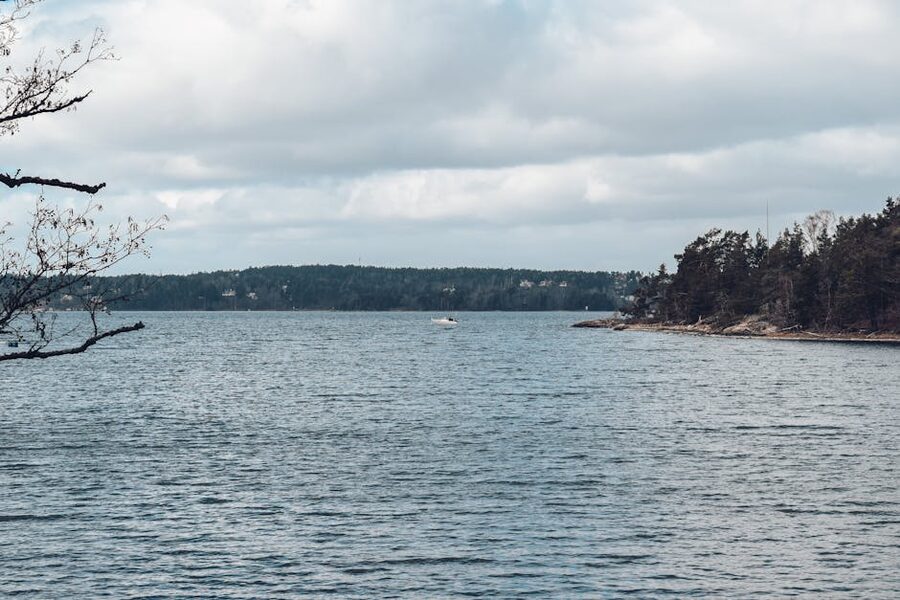
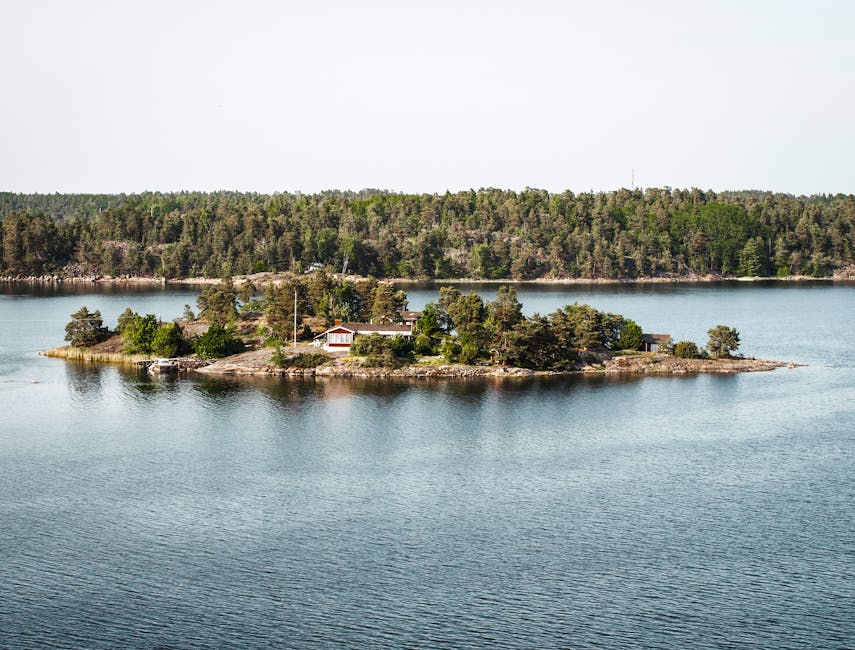
The departure time is the single most important detail of this trip and almost every guide skips it. 16:45 from Värtahamnen in summer means you sail through the Stockholm Archipelago in golden afternoon light. The first three hours are the prettiest, with the city slowly thinning into red-painted summer cottages, then bare granite skerries with single houses, then nothing but water and the occasional lighthouse. In June the sun doesn’t set until 22:00 and you’re still on deck. In November you depart at 16:45 into pitch black and you’re paying €78 to be on a windowless boat in the dark. Plan accordingly.
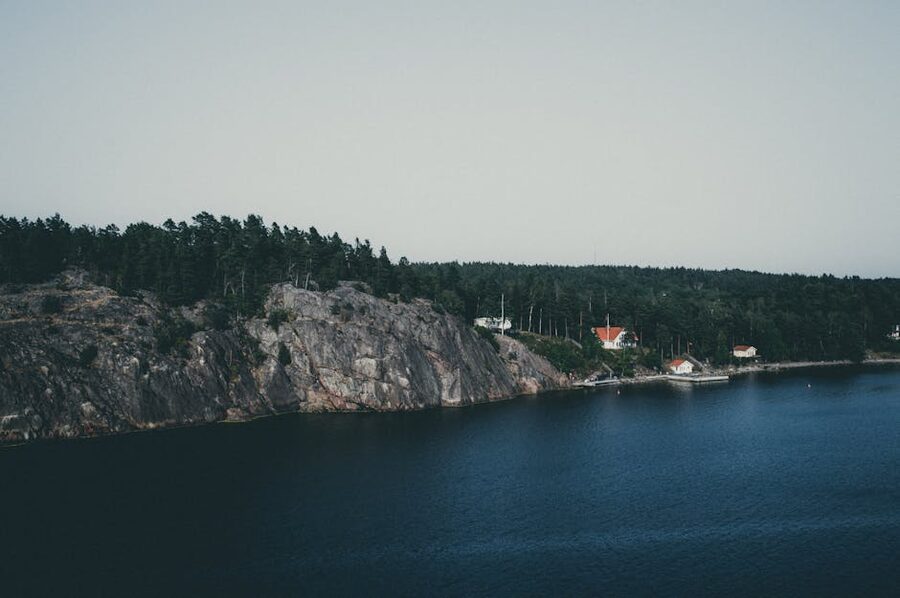
The fact that the boats go out roughly when offices close, sail through scenery, and have you in another country in time for breakfast is what makes this work as a transit option. The fact that they then turn around and come back makes them work as a 22-hour mini-cruise too. About half the passengers don’t actually leave the ship in Helsinki at all.
Getting to the terminals
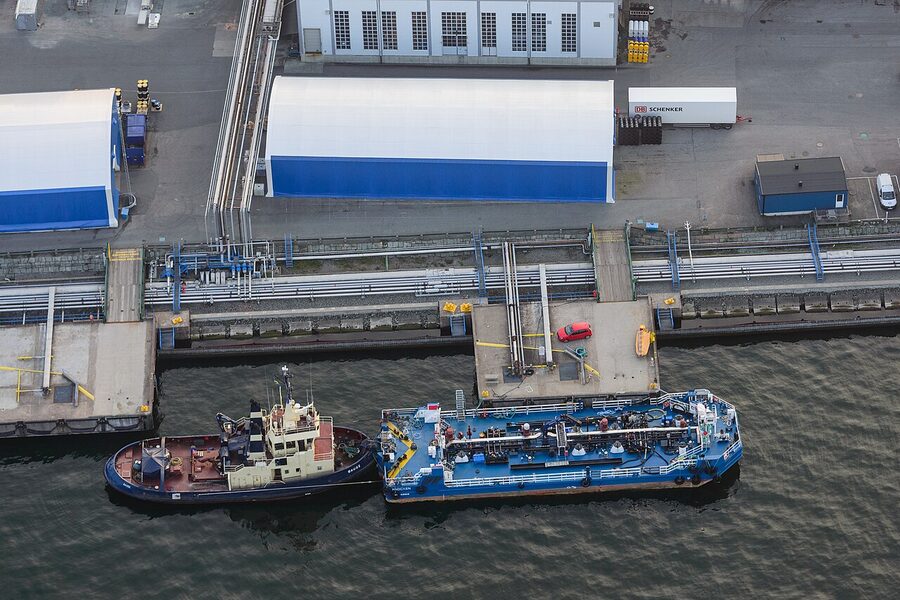
Stockholm has two ferry terminals and they are not interchangeable. Värtahamnen for Tallink Silja sits 4km northeast of the city centre. The cleanest way is bus 76 from Slussen or Nybroplan to Värtahamnens Färjeterminal: stop is on the door. Or take the tunnelbana red line to Gärdet and walk 15 minutes northeast through the new Hjorthagen district. Single tunnelbana tickets are 42 SEK (~€3.70) but the SL 24-hour pass at 175 SEK (~€15.50) is worth it if you’ve been doing Stockholm sights all morning.
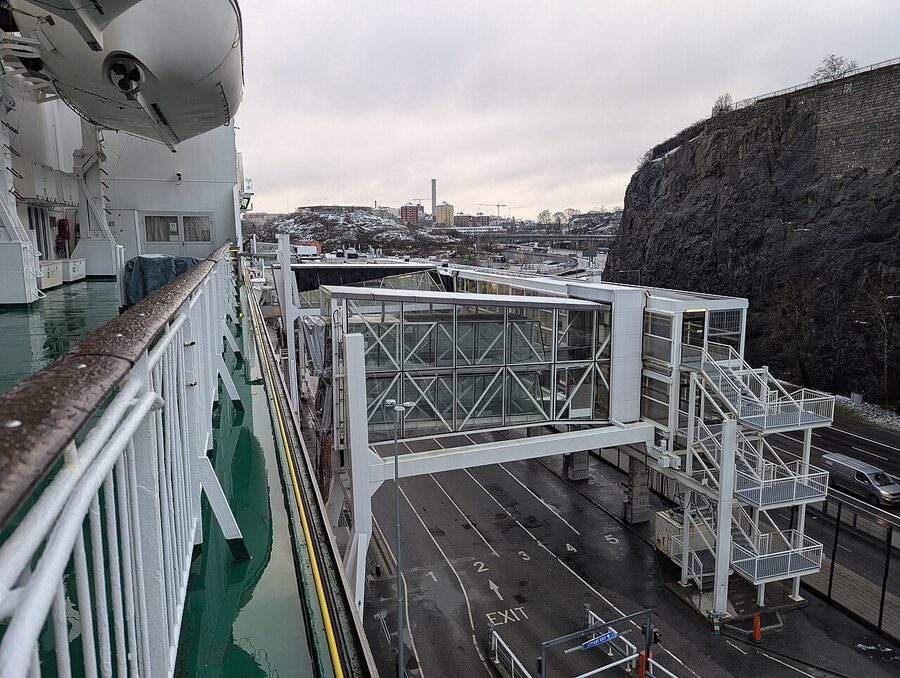
Stadsgården for Viking is the friendlier terminal. It’s just east of the Fotografiska photography museum on Södermalm, a 10-minute walk from Slussen station. Bus 53 from T-Centralen drops at Londonviadukten, two minutes from the harbour. From most central hotels you can walk it in 25 minutes if you’re not lugging a suitcase. The whole pattern of Värtahamnen-vs-Stadsgården is part of why some travellers prefer Viking on the Stockholm side and Silja on the Helsinki side, where the calculus reverses. More on that in a minute.
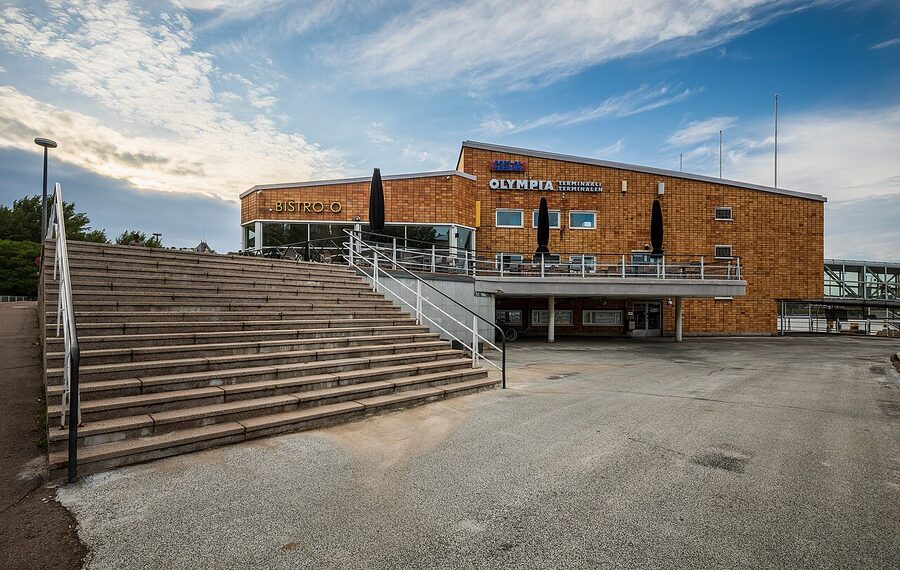
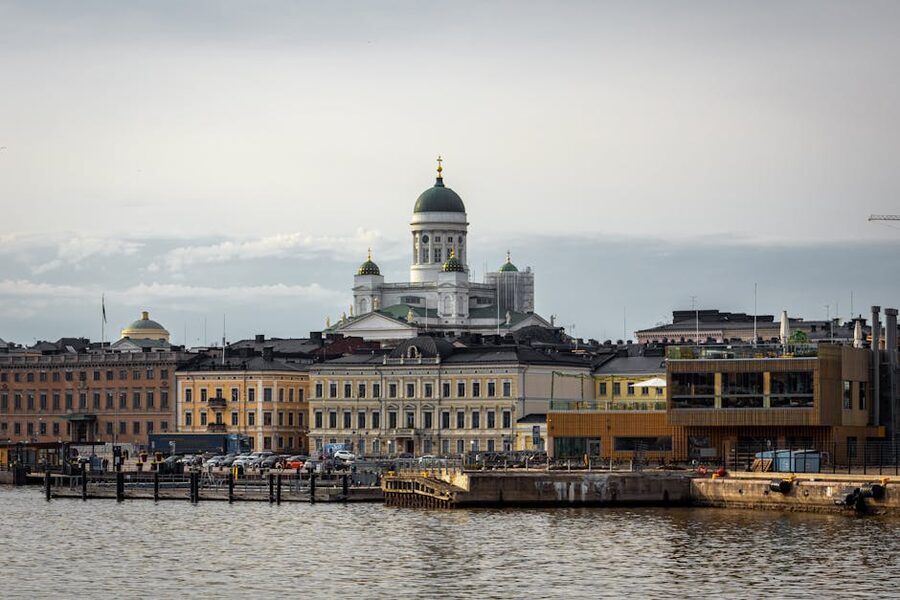
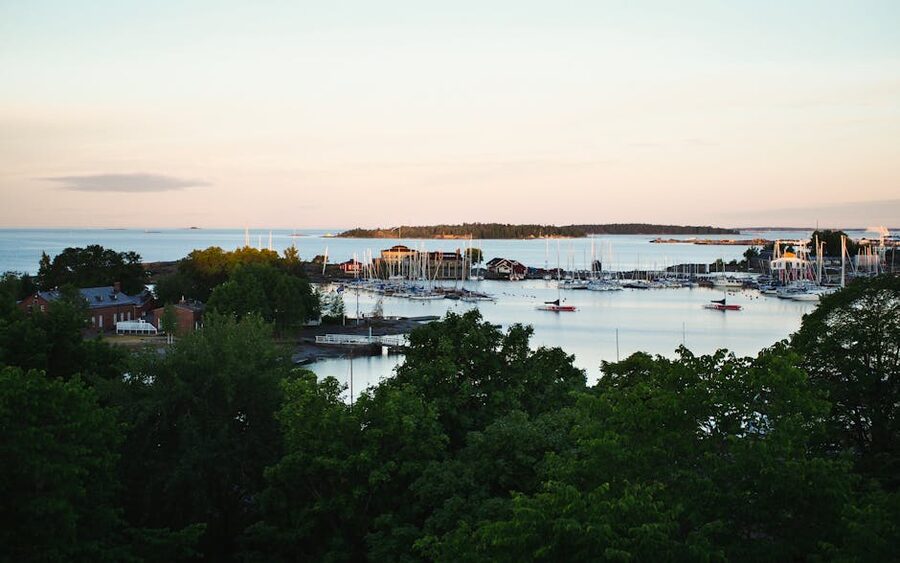
In Helsinki, Tallink Silja arrives at Olympia Terminal in the South Harbour. Walk to the city centre in 15 minutes, or take tram 2 (€2.95 single) which stops directly outside. Walking is genuinely the better option here unless you’ve packed badly: you’ll pass the Market Square, the Esplanadi park, and the cinnamon-roll smell of the Old Market Hall on the way.
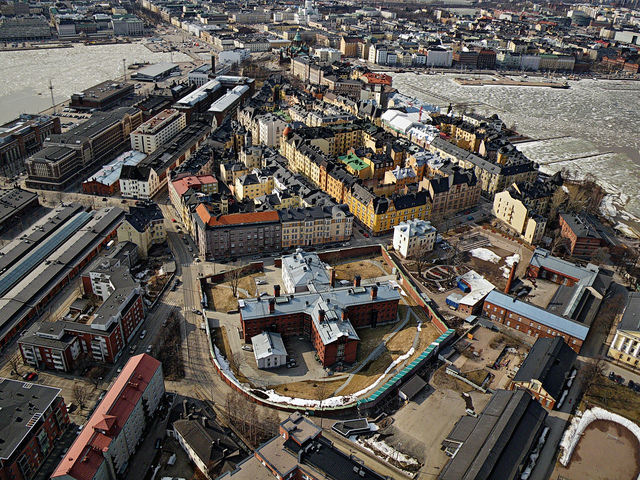
Viking arrives at Katajanokka, on the eastern peninsula. Tram 4 from Puolipäivänkatu (right outside) takes 12 minutes to the centre. The Skatudden side is full of designer Art Nouveau apartment blocks (Eero Saarinen lived here), and walking through it on a clear morning beats the tram, but if you’re loaded down then the tram is fine. If you want the closer terminal in Helsinki, that’s actually Olympia (Tallink Silja). Katajanokka adds maybe 800m of walking. Not the deciding factor, but worth knowing.
Cabins, the only decision that really matters
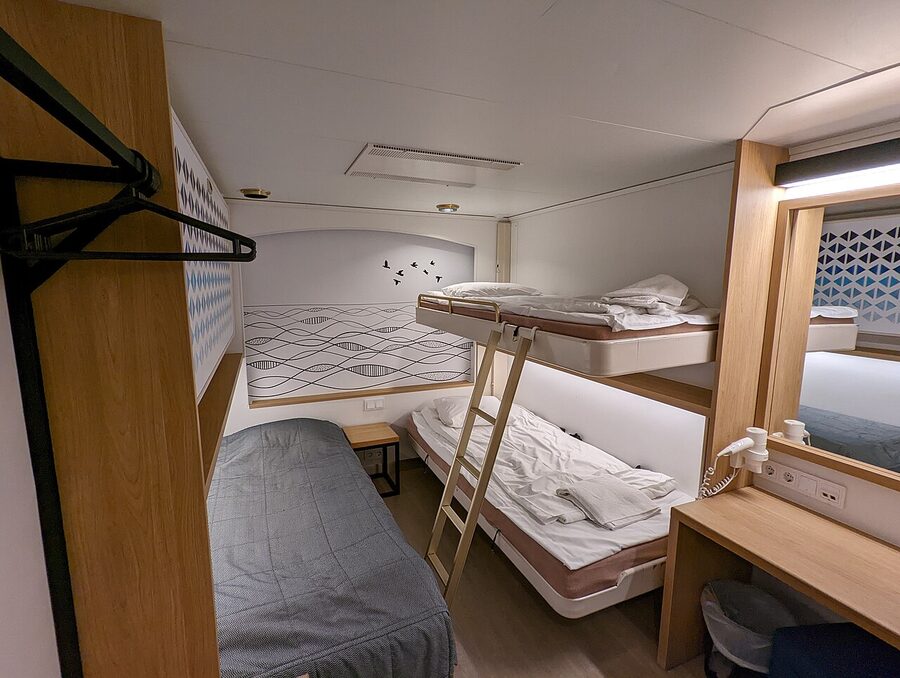
Both ferry companies run a tiered cabin system that breaks down roughly the same way. C-class is the bottom: shared bunk dorms with no window, sometimes shared bathroom on the older boats, on the lower decks below the car deck. B-class is private cabins, two or four bunks, ensuite, no window or a fake porthole. A-class adds a sea-view window. Promenade-window cabins overlook the indoor Promenade Deck instead of the sea. Then come the Deluxe rooms, the Suites, and at the top the Executive Suites and the two-storey Commodore-class cabins on the upper decks.
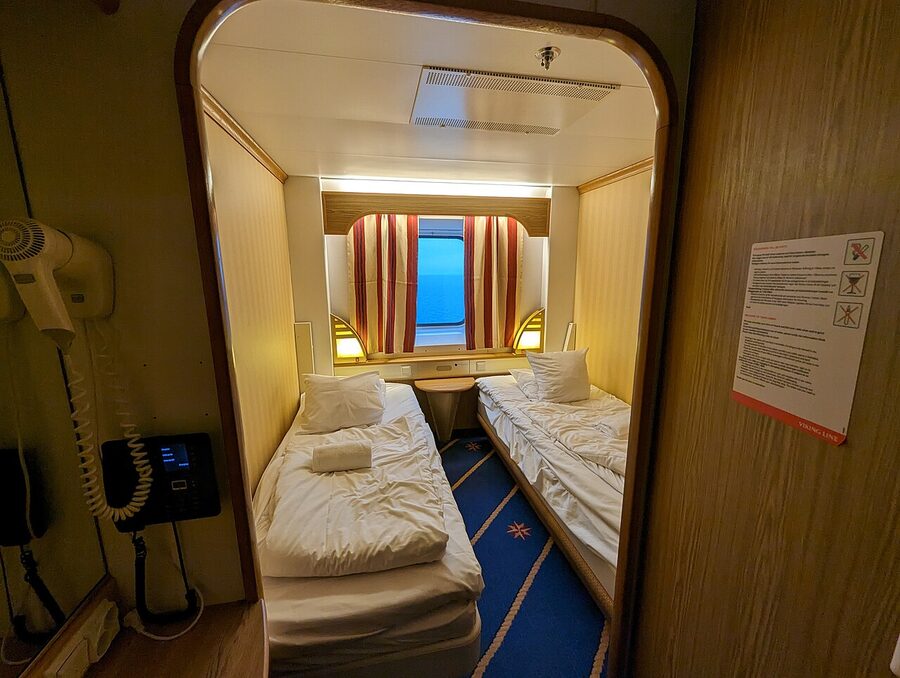
My cabin advice: do not book C-class unless you’re a student backpacker. Save €40 there and you’ll save it on a hotel-quality experience that turns into 18 hours in a windowless cupboard you share with strangers. The minimum I’d book is a B-class private (€95 to €130 per cabin off-peak, sleeps 2 to 4) and the genuine sweet spot is A-class with a sea-view (€135 to €180 per cabin in shoulder season). Going to a Deluxe or Promenade cabin is nice but you’ll spend most of the journey eating, drinking and shopping, not in the room. The view is what justifies upgrading; the size doesn’t.
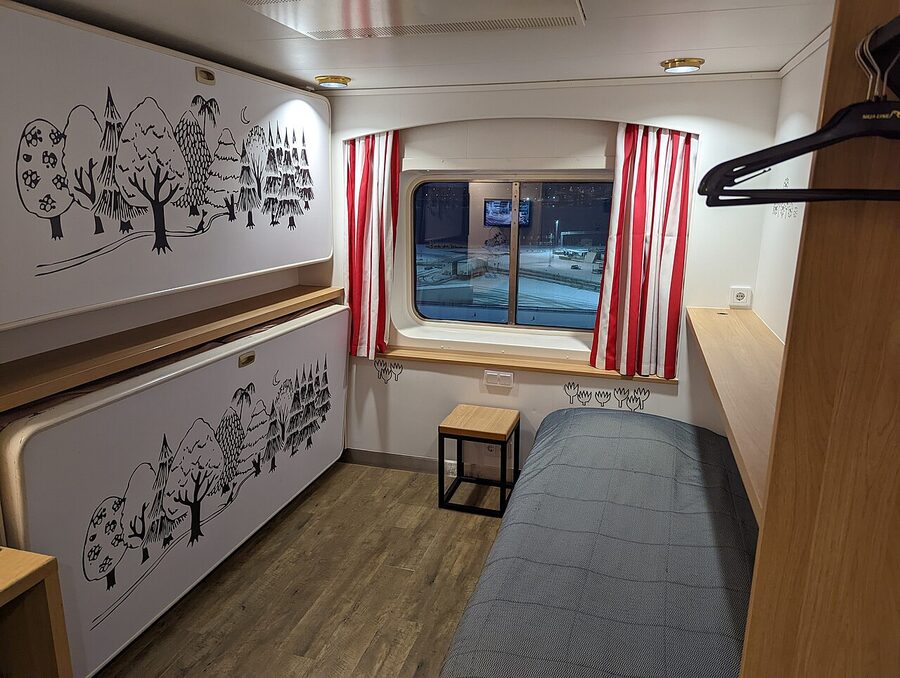
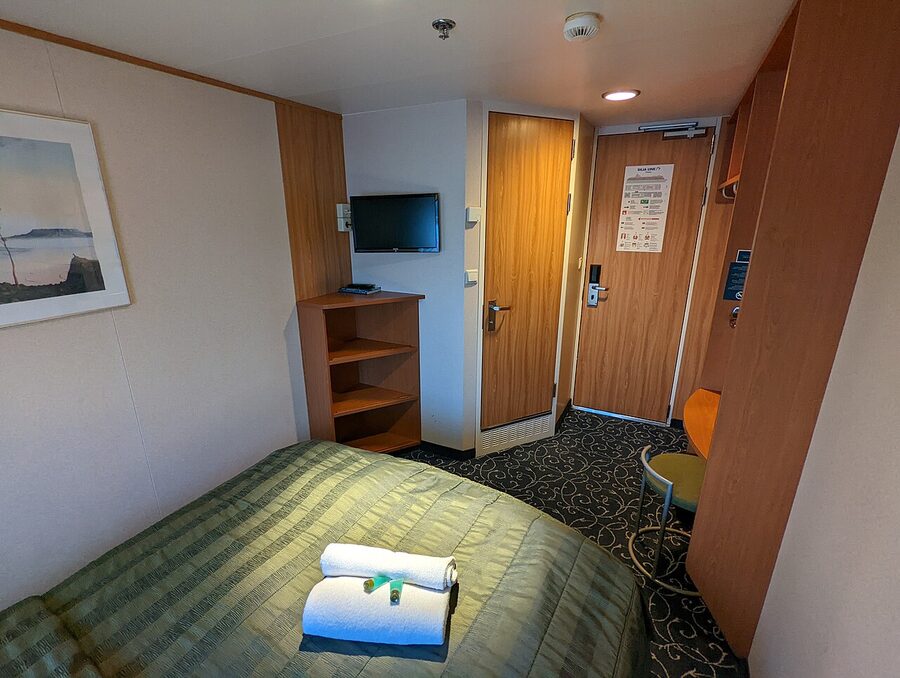
The two-storey Commodore class on Silja and the Junior Suites on Viking are a different category entirely. A two-deck cabin with floor-to-ceiling windows at the bow runs €450 to €700 for two and includes a separate breakfast in a private dining room, plus access to the ship’s premium spa. Not value for money on transit terms, but if you’re celebrating something on a 22-hour roundtrip cruise, it’s the only way to do it with the privacy worth paying for.
Booking note: prices are wildly dynamic. Sunday to Wednesday off-peak in February I’ve seen €78 sea-view cabins on Tallink Silja. The same cabin on a Friday in mid-July is €280. Book at least three weeks out, sail Monday to Wednesday if you can, and be sceptical of the cheap headline prices on aggregators like Direct Ferries: the cabin shown is almost always the C-class, and the upgrade fee on the booking page often makes the operator’s own site cheaper.
The buffet smörgåsbord, properly
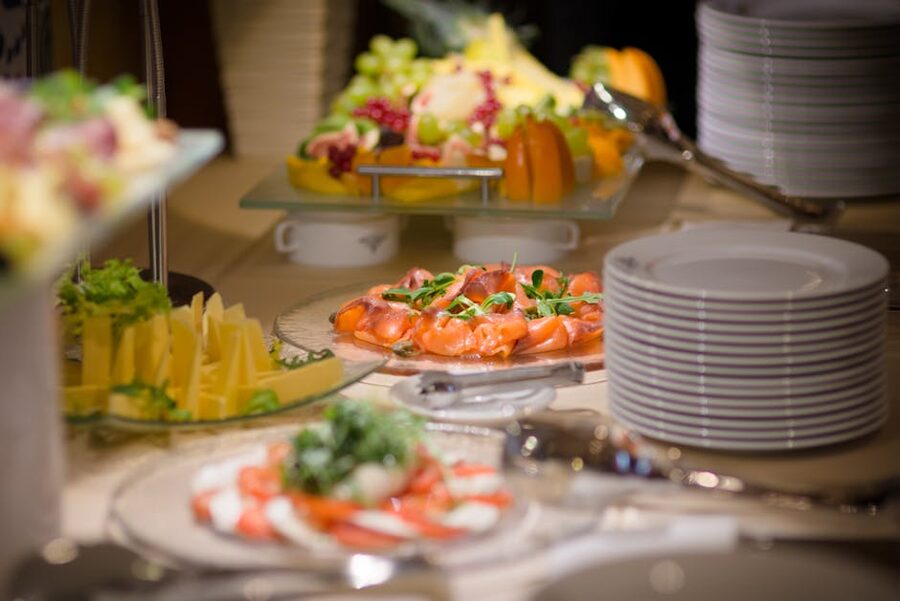
The Grande Buffet on Silja and the buffet on Viking Gabriella are both €45 per person, with two sittings: the first at 16:45 (which is also the departure time, so realistically 17:30 once the ship is moving) and the second at 19:30. Wine, beer and soft drinks are included on tap. You pre-book it with the ticket, you pre-assign your table, and on the way in you flash a wristband.
The first sitting is the better one. The food is fresher, the room is calmer, and you’re done in time to be on deck for the long Baltic dusk. The 19:30 sitting fills with people who’ve been pre-loading at the Promenade bars for two hours, and the difference is loud.
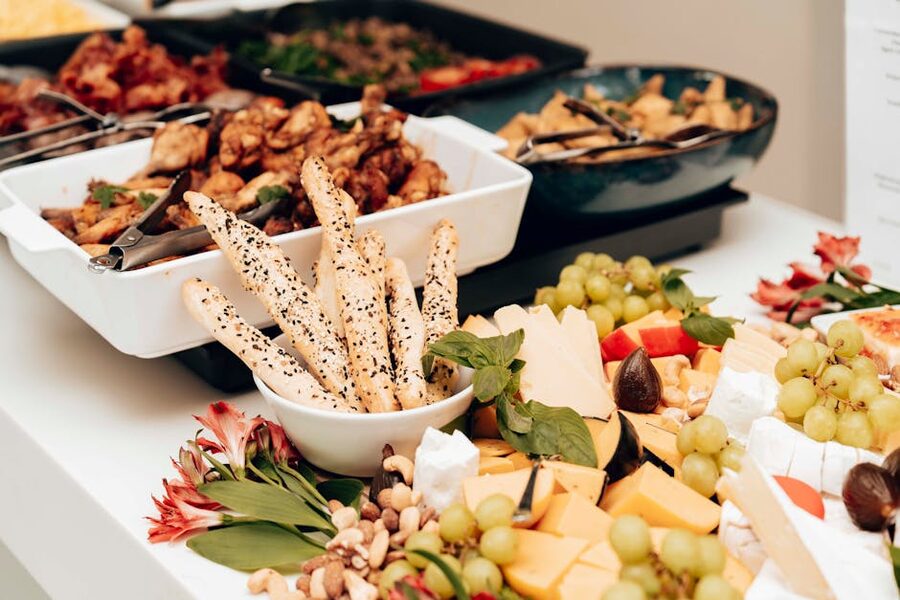
Smörgåsbord means “bread and butter table” and it has rules. Start with the herring (mustard, dill, sherry, three or four versions, served cold with boiled new potatoes and crisp bread). Then move to the warm fish: poached salmon, fried Baltic herring, sometimes vendace roe with sour cream and red onion. Salads next, then the meat course (Swedish meatballs with lingonberry, reindeer roast, sometimes a cold cuts board). Then cheese. Then dessert. The mistake nearly everyone makes is taking a full plate of everything on the first lap. You’ll fill up before the meatballs.
The wine is fine but not memorable. The beer (Lapin Kulta on Viking, Lapin Kulta or Karhu on Silja) is colder than it has any right to be. Coffee is included afterwards, brewed properly. The whole thing takes 90 minutes if you do it well. €45 for the buffet plus €10 for the next morning’s breakfast, or €50 for both if you book the package, is the right way to do it.
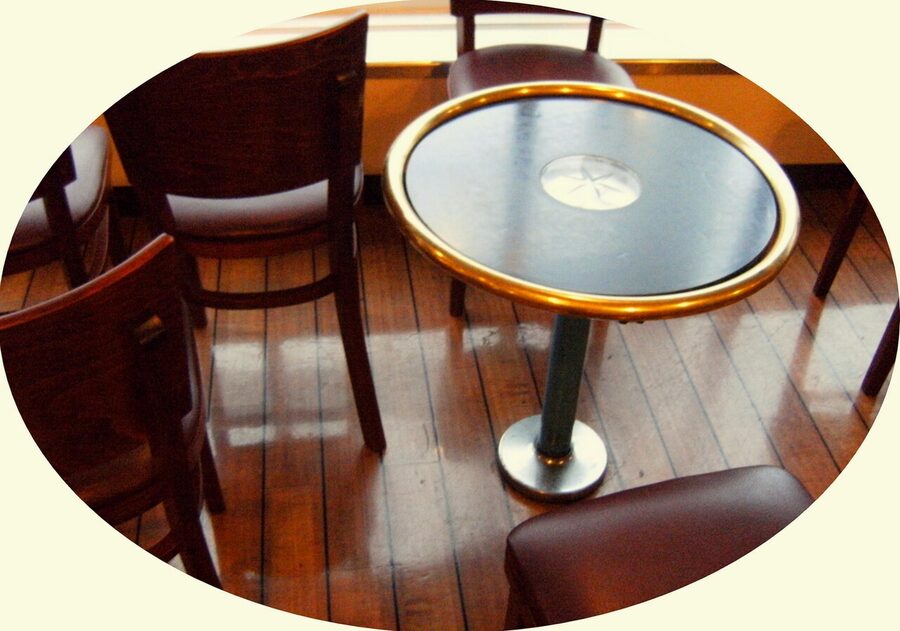
If you don’t want the buffet there are à la carte options. Bon Vivant on Silja is the fine-dining room (mains €28 to €38), Happy Lobster does seafood, the Grill House does Nordic steaks, and the casual Tapas bar on the Promenade does small plates from €8. Verdict: skip Bon Vivant unless you’re celebrating. The buffet at the same price band is better food, faster service, and you’ll have the full €45 of wine.
The Mariehamn stop and what Tax-Free actually means
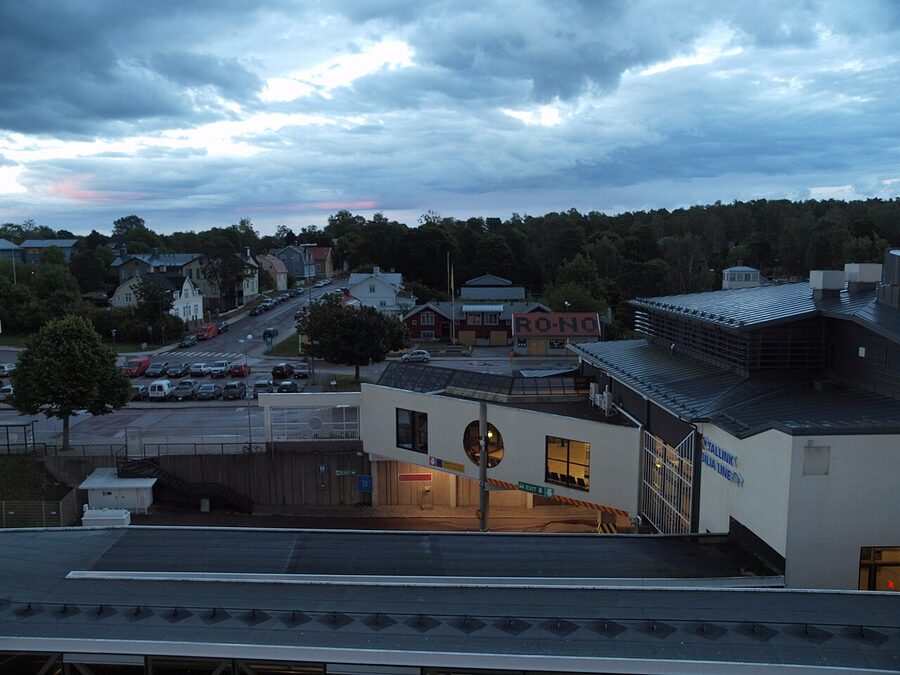
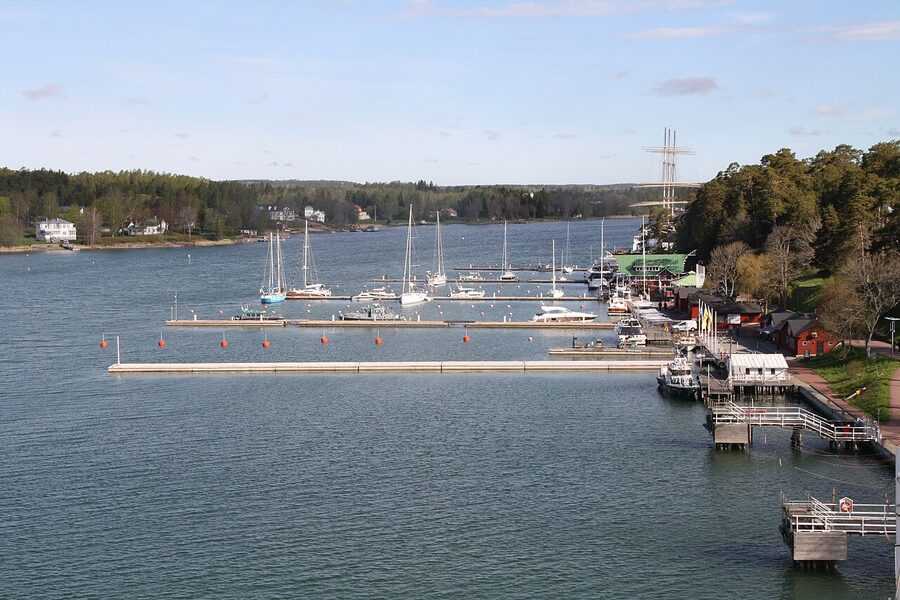
This is the part that confuses everyone. Both ferries make a brief stop at Mariehamn on the Åland Islands around 23:00. They sit in port for 5 to 30 minutes (Silja’s Symphony does a slightly longer rotation that includes Långnäs on the eastern Åland coast on some sailings), let a handful of locals on or off, and continue.
You don’t need to do anything during the stop. Don’t get off. The ship will leave whether you’re on board or not. The whole point isn’t passenger service. Åland is an autonomous, Swedish-speaking province of Finland that, by treaty when Finland joined the EU in 1995, kept its non-EU status for VAT and excise purposes. The ferries make a token call at a Mariehamn or Långnäs jetty, which legally counts as crossing into a non-EU territory, which means duty-free and tax-free shopping is permitted on the entire crossing in both directions. Without that stop, the on-board prices would jump 25% and the whole operation collapses.
This is also why the on-board demographic skews Finnish-pensioner-with-trolley. Alcohol prices in Sweden and Finland are heavily taxed (a bottle of decent Finnish gin is €40+ in a Helsinki Alko, €28 on the boat). Cigarettes are similar. So a serious chunk of your fellow passengers are on board for the booze run, and the duty-free shop on Deck 6 of Silja Symphony is bigger than most British supermarkets. They have wheeled trolleys waiting. They use them.
Practical note: if you’re not from the EU, the savings on alcohol can be real. UK travellers can carry 18 litres of wine and 4 litres of spirits home as personal use. EU travellers can carry roughly the same on these crossings because Åland is non-EU for tax purposes. The shop opens at boarding and stays open until 21:30 on the way out, then re-opens at 07:30 in the morning. It’s busy at both ends.
Onboard, the rest of the ship
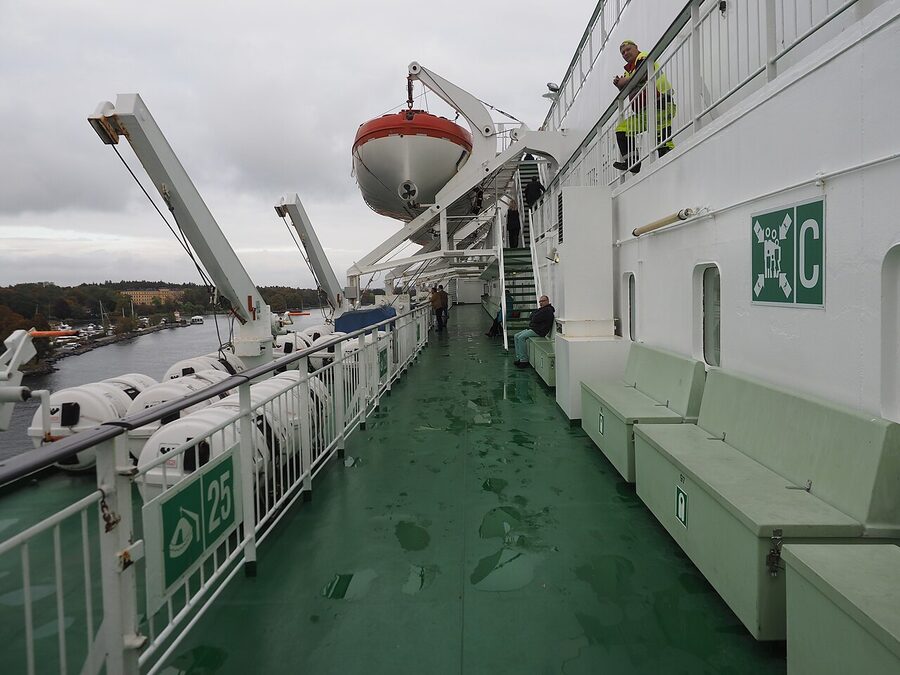
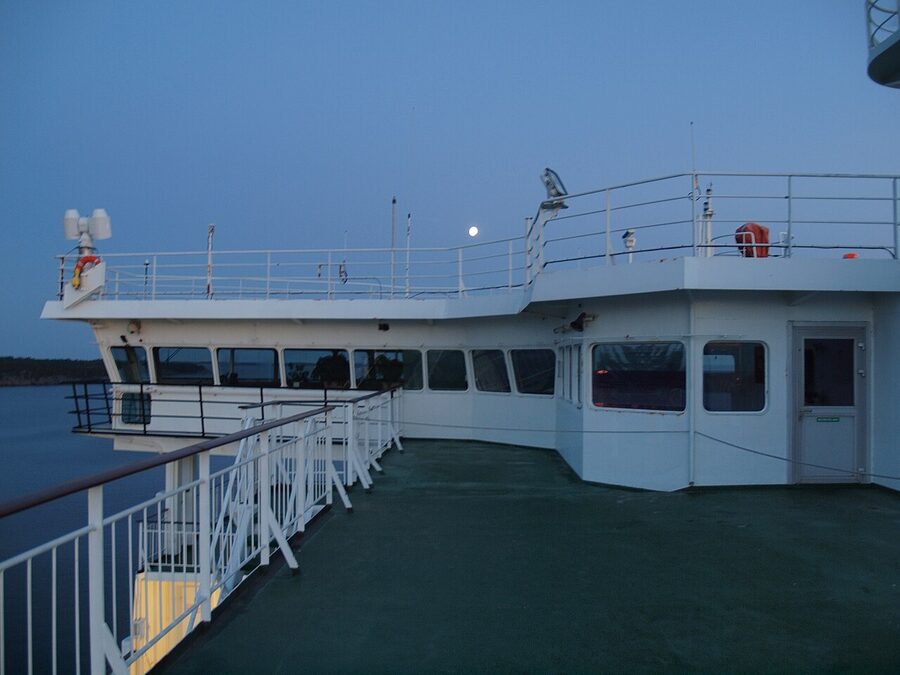
Once you’ve eaten, the rest of the ship opens up. The order I’d do it in: outside on the top deck during the archipelago hour just before sunset, then inside for the spa and sauna once it’s properly dark, then bed by midnight unless you’re committed to the disco.
The spa is the best-kept secret on these ships. Tallink Silja’s Sunflower Oasis on Symphony has saunas, a hot tub, a small pool, and a steam room. €14 per person buys 90 minutes’ access if you don’t book a treatment, and that price hasn’t changed in years. Viking Gabriella’s spa is similar (€15 for 60 minutes). Both are quietest between 21:00 and 22:30 because most of the ship is at the bar.
The entertainment runs to a formula. There’s a stage show in the Starlight (Silja) or Atrium (Viking) at 19:00 and 21:00 (cabaret, dancers, the kind of cruise-ship variety that’s better than you expect for a free included show). At 22:00 a band takes over the same stage and plays covers of Abba, Eros Ramazzotti, and whatever’s vaguely Eurovision-coded. The casino opens at 18:00 and closes at 02:00. Karaoke runs until 01:00 in a separate small room behind the duty-free. There’s a kids’ play area open until 22:00.
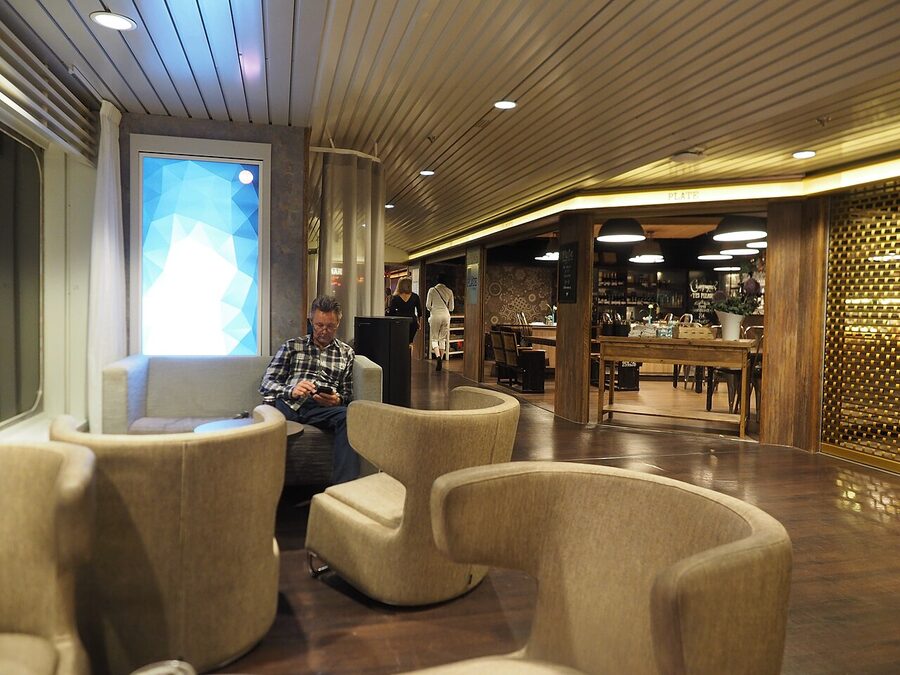
Wifi is decent in public areas, patchy in cabins, and disappears entirely between Mariehamn and the eastern Åland coast for about an hour. Don’t plan to do real work. There’s a power point in every cabin (Continental two-pin) so you can charge.
The cost-vs-flight calculation
Stockholm to Helsinki on Finnair takes 1 hour 5 minutes in the air. The ferry takes 17 hours. So the flight wins, right? Look at the actual elapsed numbers. From central Stockholm to central Helsinki by air: 40 minutes to Arlanda by Arlanda Express (320 SEK / ~€28), 90 minutes airport buffer, 65 minutes flight, 30 minutes through Vantaa, 30 minutes by Finnair Bus to Helsinki centre (€7.10). Total: 4 hours 35 minutes door-to-door, plus a hotel night somewhere on either end. Cost off-peak: roughly €120 for the flight plus €130 for a basic Helsinki hotel. €250.
The ferry: 25 minutes to Värtahamnen, 16:45 boarding, 18 hours on board, 15 minutes from Olympia Terminal to the Helsinki centre. Total elapsed door-to-door: 19 hours, but 8 of those are sleep and 4 are dinner. The cabin replaces the hotel night. Off-peak A-class with sea-view: €145 for two people. Add €90 for two buffet dinners and breakfasts. €235 total for two people, vs €500 for two people flying with a hotel.
The flight wins if you don’t need a hotel night anyway. The ferry wins comfortably any time you’d otherwise be paying for accommodation, which is most of the time when you’re chaining Stockholm and Helsinki on a holiday. And it’s worth saying: 18 hours on a Baltic ferry watching the archipelago slide past is a better evening than a 2-hour airport-and-flight transit. The ferry is the experience; the flight is just the transfer.
When each operator makes the most sense
Tallink Silja Symphony or Serenade. Pick this if: you want the marginally newer ships, you’re travelling with kids (Moomin cabins, larger play areas), you’re staying near Slussen or anywhere south Stockholm and don’t mind the trek to Värtahamnen, you want the Bon Vivant fine-dining option, or you’re booking the buffet and want the slightly bigger restaurant.
Viking Cinderella or Gabriella. Pick this if: you’re staying central Stockholm and want the easier Stadsgården terminal walk, you’ve found a better price for the night you want (this happens often), you’re booking solo and Viking has the cheaper single supplement, you specifically want Helsinki at Katajanokka because your hotel is on that side.
Don’t pick either Stockholm-Helsinki ferry if: you’re prone to seasickness in autumn (October to early March can be properly rough), you only have one night and want to actually see Helsinki (the 22-hour roundtrip cruise gives you only 6 hours in the city, which isn’t enough for a first visit), or you genuinely hate boats. The boat is the experience; if you don’t want it, fly.
A short, careful word on safety
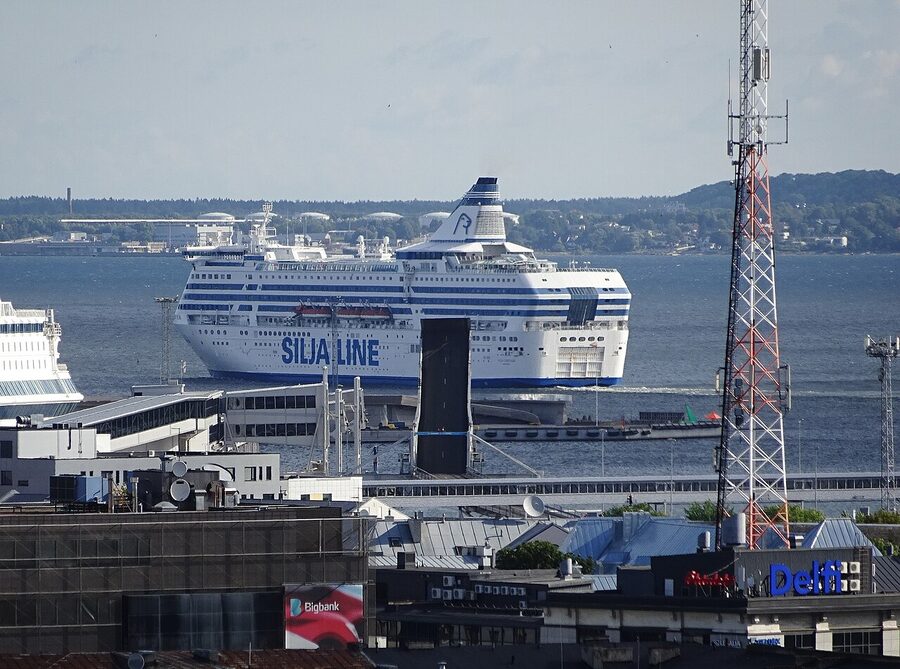
If you’ve read about Baltic ferry history at all, you know about MS Estonia. On 28 September 1994 the Estonia ferry, sailing the Tallinn-Stockholm route, lost her bow visor in a storm and capsized in 30 minutes. 852 people died. It remains the worst peacetime maritime disaster in European waters since the Second World War. Silja Symphony, Silja Europa and the Finnjet were all in the area that night and assisted in the search.
The reason to mention it isn’t to scare you. The reason is that the Estonia disaster reshaped passenger-ferry safety regulation across the Baltic and the EU. Bow-visor designs were re-engineered, mandatory route reporting was tightened, and crew training requirements were rewritten. The Stockholm-Helsinki run has been incident-free in the three decades since. The ships you’ll sail on (Symphony 1991, Serenade 1990, Cinderella 1989, Gabriella 1992) were built to or upgraded to the new standards. None of this should keep you off the boat. It should give you context for why every cabin has a printed muster card on the back of the door, why the safety briefing plays on the cabin TV at 17:00, and why crews still take it seriously.
Booking, the practical bit
Both companies sell directly online. Tallink Silja’s site handles English well and shows live cabin availability. Viking Line’s booking site is similarly clean. Compare both before deciding: prices for the same date and similar cabin can vary by €30 or €40 once you’ve added meals.
The aggregator sites (Direct Ferries, Omio, Ferryscanner) sometimes show flashy lead-in prices but the cabin shown is almost always the bottom-tier C-class, and the upgrade fees on the aggregator booking page often add up to more than booking the upgraded cabin directly. The exception is Eurail and Interrail pass holders: a 50% discount applies on standard tickets via the Tallink Silja Eurail page, and that’s worth booking through the rail aggregator if you have a pass.
Ferry bookings on this route don’t sit naturally on Booking.com or the usual hotel-affiliate platforms. The two operators are direct sellers and the discount platforms (Klook, GetYourGuide) only show inflated headline prices for tour packages, not cabin rates. So this is one of the rare travel articles where the booking link is genuinely the operator’s own website, and that’s the right answer.
Three things almost every guide gets wrong
1. They tell you to skip the cabin upgrade. They’re wrong. The €40 from C to B is the most cost-effective upgrade on a single holiday booking I can think of. C-class with a stranger snoring above you below the car deck is a different trip than B-class private with a door you can lock.
2. They tell you the buffet is overpriced at €45. It is not. €45 includes wine, beer, soft drinks and coffee for as long as you want to sit. Try buying a single glass of decent Finnish wine in Helsinki for under €10. The buffet is the cheapest meal you can eat on this trip with alcohol.
3. They tell you to take this trip in winter for the snow. They’re confusing it with the longer Stockholm-Turku Viking Glory route or the Lapland night-train. The Stockholm-Helsinki sailing in February departs at 16:00 into total darkness, sails through nothing visible for 18 hours, and arrives in the dark in Helsinki. Save the ferry trip for late April through early September. If you’re in Stockholm in summer or Helsinki in summer the archipelago in golden light is the entire point of buying the sea-view cabin.
Where this fits in a longer Nordic trip
The ferry slots into a longer Scandinavia route in two natural ways. First: as a pivot between Sweden and Finland on a north-up itinerary. Spend three or four days in Stockholm, take the overnight, three or four days in Helsinki, then continue north towards Lapland for the aurora season (the Finnish Lapland aurora cluster is a 90-minute flight from Helsinki). Second: as part of a Baltic loop with Tallinn. The Tallink Silja boats from Helsinki to Tallinn run every 2 hours and take 2 hours each way, so you can do Stockholm-Helsinki by overnight ferry, Helsinki-Tallinn by day ferry, and back via Tallinn-Stockholm overnight ferry as a triangle.
If you’re chaining capitals through the wider Nordic region, the natural extension westward is the Copenhagen guide and onwards via train to Oslo. The other Nordic comparison most people end up making is Tromsø versus Abisko for northern lights, which is the next layer up once you’ve done the capital cities. None of these involve a ferry that does what the Stockholm-Helsinki one does. There’s only one Baltic overnight cruise-ferry route between two EU capital cities, and this is it.
Christmas variant: the Santa cruise
December is the one winter exception. Both operators do a themed Christmas cruise: lights on the Promenade, a children’s Santa visit on the 23rd and 24th, glögg (Swedish mulled wine) on the upper deck, and a slightly more elaborate buffet for €50. The Stockholm Christmas markets and ferry pairing is the right way to do this if you specifically want the seasonal version: spend two days at the Skansen Christmas market and Gamla Stan, then take the overnight on the 22nd or 23rd and arrive in Helsinki for the lights on Aleksanterinkatu. Worth knowing: the December buffet sells out two months in advance.
What I’d actually book
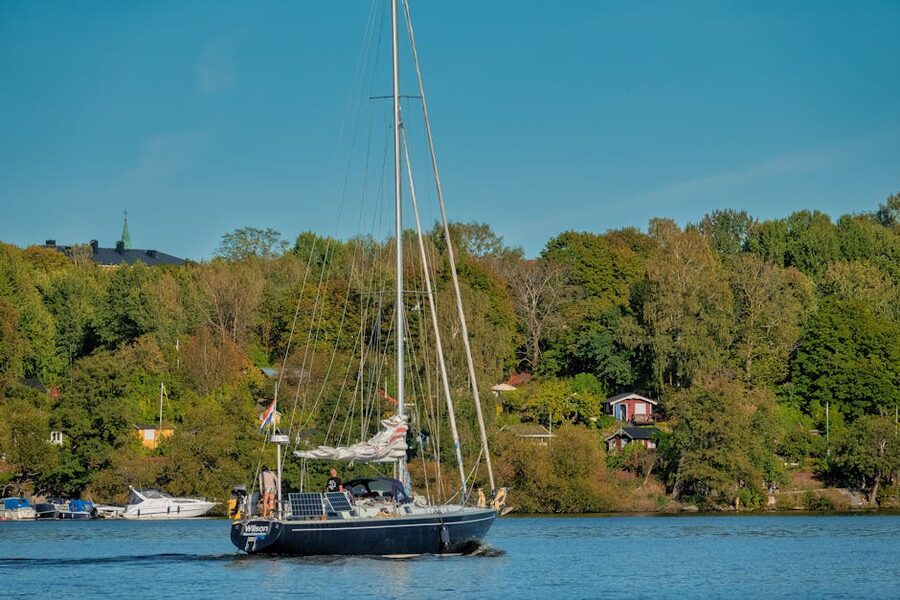
If I were booking tomorrow, here’s what I’d do. Tallink Silja Symphony, Stockholm Värtahamnen 16:45 to Helsinki Olympia Terminal 10:30. A-class sea-view cabin on Deck 9 or 10 (Deck 11 puts you near the Sun Deck noise; below Deck 7 you’re near the cargo deck and the ride feels heavier). Buffet dinner at the early sitting at 16:45, table by a window. Spa session at 21:30. In bed by 23:30. Wake up at 09:30 to the Helsinki archipelago coming into view. Walk off the boat at 10:30, drop the bag at a Senate Square hotel by 11:00, on a bench in the Esplanadi with a cinnamon roll by 11:30. €165 per person, total, including the meals.
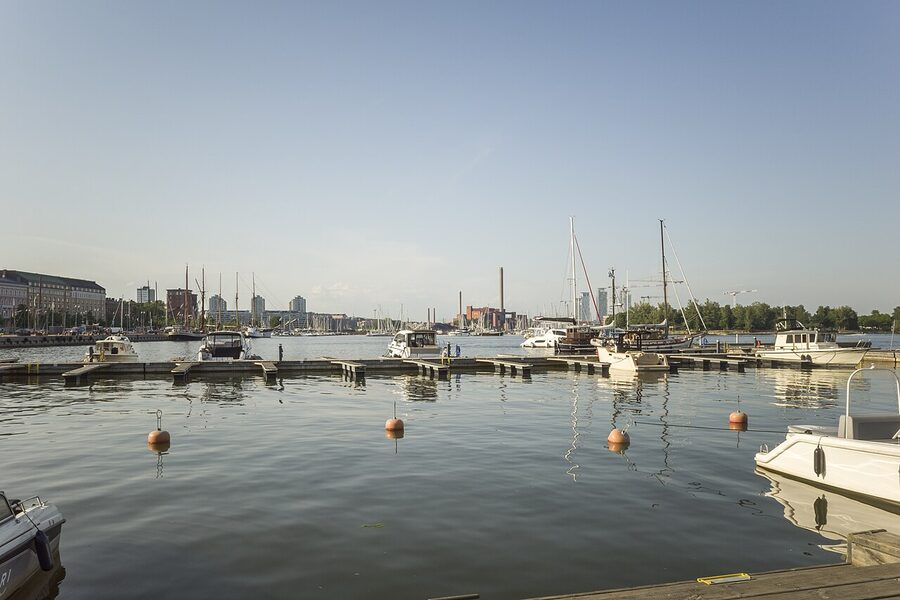
The Stockholm-Helsinki ferry is one of those genuine Nordic specialities that the rest of the world hasn’t really discovered. Every Swede and Finn over thirty has done it at least once. Most have done it dozens of times. The whole production, from the diesel-and-sea smell at Värtahamnen to the herring at the buffet to the Mariehamn loophole at midnight to the slow approach into the South Harbour at 10:00, is a small Baltic ritual. Spend the €40 on the upgrade. Eat at the first sitting. Get on deck before the sun goes down.