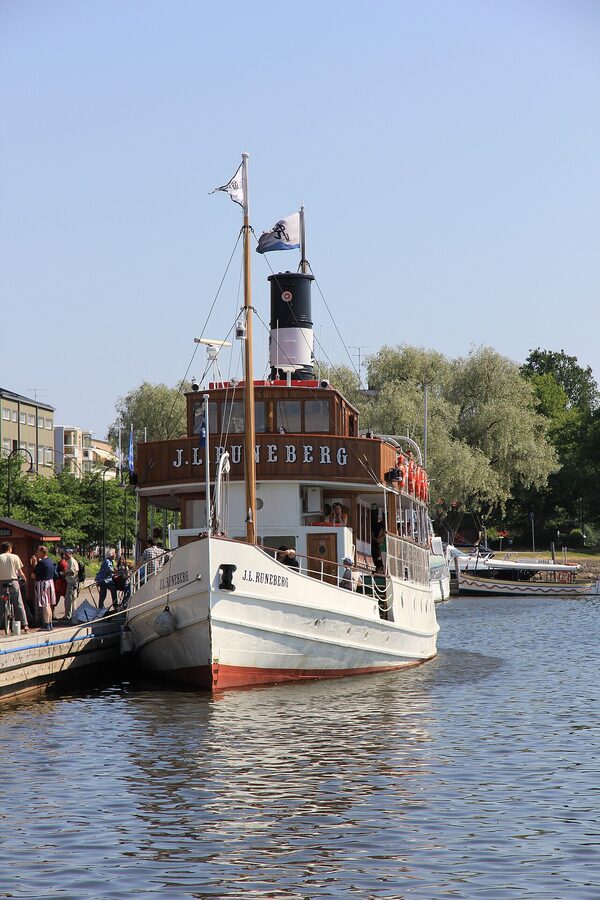
From mid-May to early September the S/S J.L. Runeberg leaves Linanlaituri pier in Helsinki at 10:00 and reaches Porvoo at 13:30. It costs €49 one way, takes three and a half hours, and runs out of harbour past Suomenlinna and into the eastern archipelago at the speed of a brisk walk. The boat is older than half the buildings it serves: launched 1912, still steam-converted-to-diesel, still painted black and white. If you only pick one transport for one day in Finland, this is the one. The bus from Kamppi will get you there in 60 minutes for €12. The boat is the trip itself.
Porvoo is the second-most-searched day trip from Helsinki after Suomenlinna, and most people who book it pick a coach tour. They shouldn’t. The town is small, the practical decisions are limited, and three of the four good reasons to go are within a 90-minute walk of each other. What follows is what you actually do and how, in the order I’d do it, with the boat, the bus, the autumn light, the cathedral fire that nearly cost the country its oldest building, and the cake invented in a Porvoo kitchen in the 1840s that is now a national institution.
In This Article
- What Porvoo actually is
- Getting there: three options, three different days
- The boat: S/S J.L. Runeberg, May to early September
- The bus: Onnibus or 850 from Kamppi, year-round, 1 hour, around €12
- The train: don’t bother
- 1809: the moment modern Finland begins
- Porvoo Cathedral: 1418, the 2006 fire, the rebuild
- The Old Town: what to walk and in what order
- Runeberg’s House and the cake that built itself a holiday
- Brunberg’s chocolate shop, since 1871
- The antique-shop loop
- Where to eat
- Iso Linnamäki: 30 minutes for the view
- The Porvoo Museum (and what it actually has)
- When to go: summer first, autumn second, winter only if you must
- Where to stay if you do the second day
- If you want a second day: Pellinge
- Porvoo and the rest of the Helsinki cluster
- Practical, in one place
What Porvoo actually is
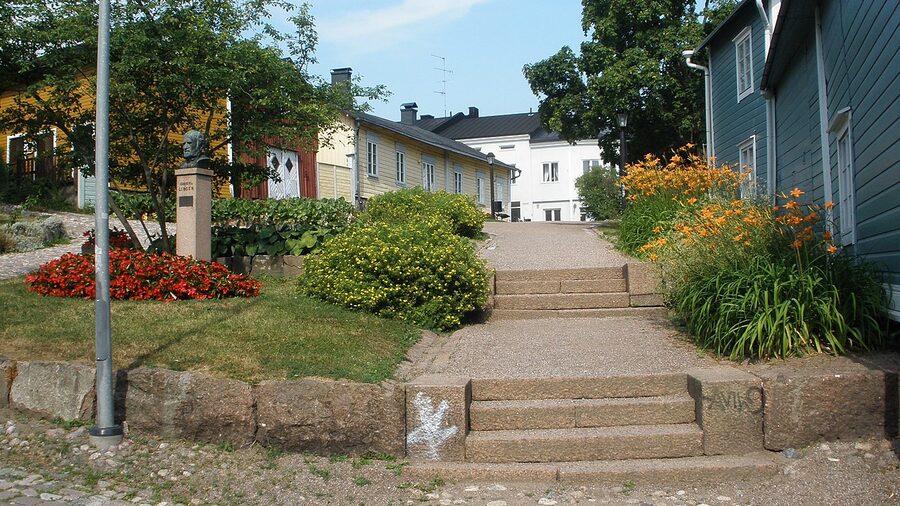
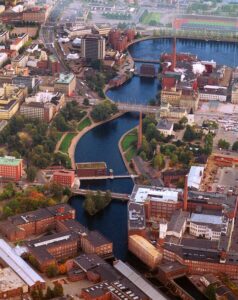
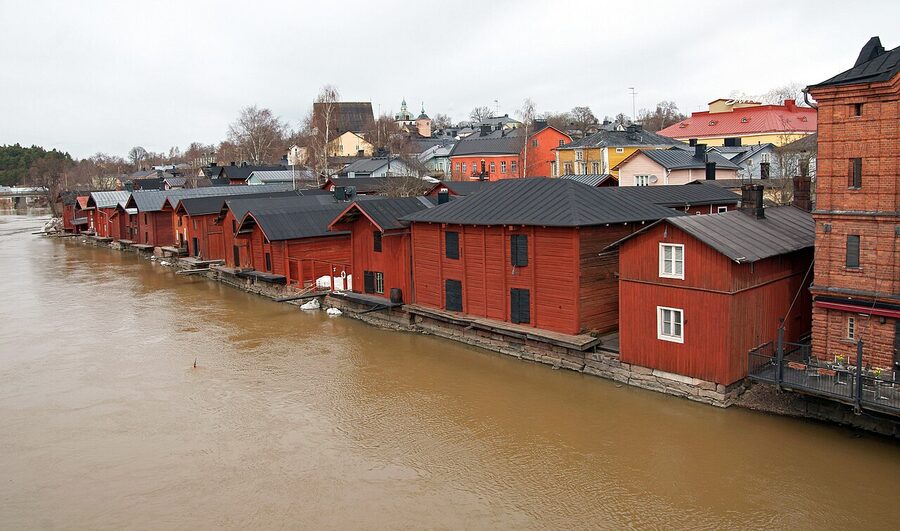
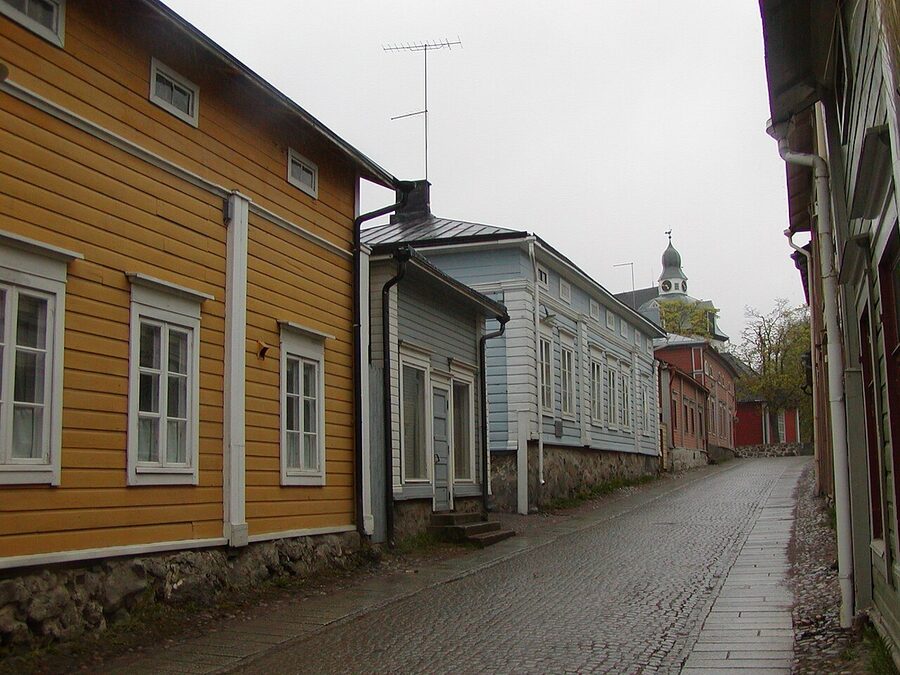
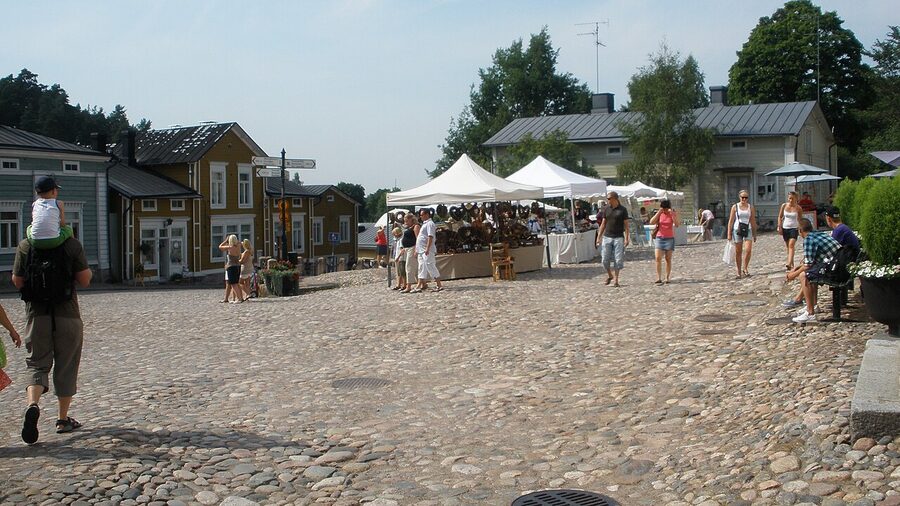
It’s the second-oldest town in Finland. Turku has the older charter (1280s), Porvoo got its rights a generation later, in 1346, when the king in Sweden was Magnus Eriksson and Finland had been Swedish for a hundred years. The Porvoonjoki river runs north into the Gulf of Finland through a low rolling country of rye fields and pine. The Old Town sits on its west bank, climbing the slope from the riverside warehouses up to the cathedral on the ridge. Eight blocks of timber, painted in the dark Falu reds and the ochres and the pale lemon yellows that the Swedish crown spent two centuries making compulsory in its colonies. Porvoo was a port. The warehouses on the water, painted that famous red, stored salt and iron and tar; the merchants lived in the houses on the streets behind them.
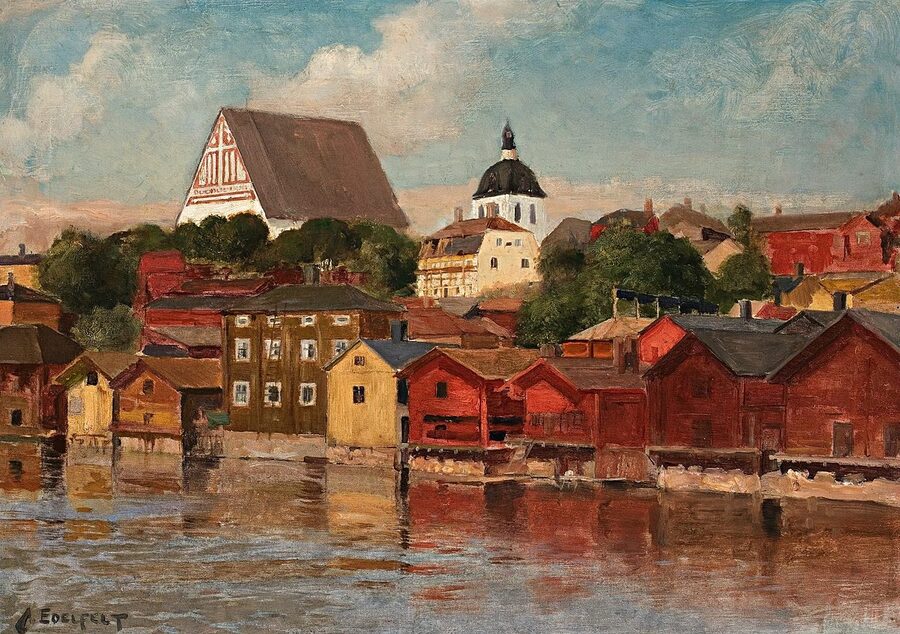
By the 19th century Porvoo had become the literary capital of a country that didn’t yet legally exist. The poet J.L. Runeberg lived here from 1837 to his death in 1877, taught at the gymnasium, wrote the words that became Finland’s national anthem, and the river he could see from his window was painted half a generation later by Albert Edelfelt, also a Porvoo boy. The Runeberg cake came out of the same kitchen that wrote “Maamme”. The town traded on its own gravity for the next hundred years. Today the population sits at about 51,000, of whom roughly 30 percent are Swedish-speaking, and the official name is bilingual: Porvoo in Finnish, Borgå in Swedish. Both are on the road signs.
Getting there: three options, three different days
You have three transports. Picking one is the only real planning decision in this article.
The boat: S/S J.L. Runeberg, May to early September
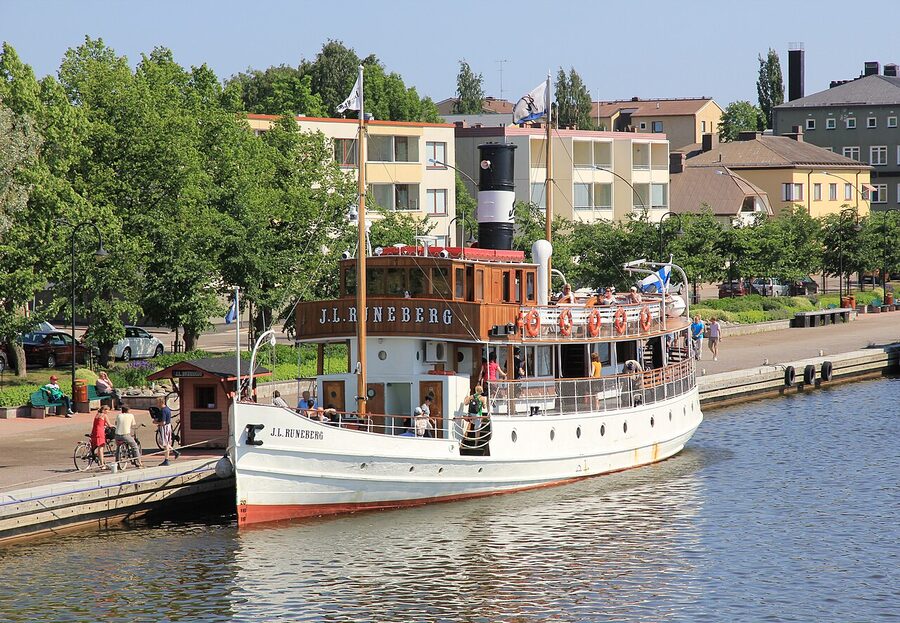
The boat is the journey. It runs Tuesday to Sunday from mid-May through end of August, less often in early May and September, and not at all from October to April. Departure is Helsinki Linanlaituri at 10:00, arrival in Porvoo at 13:30 sharp. Return is 16:00 from Porvoo, 19:30 Helsinki. You have two and a half hours in town if you do the round trip the same day, which is brutally tight. Buy a single one way and come back on a later bus or train, which is what most people on the boat actually do. A return is €60, a single is €49, kids 6-15 half price. Book on jlruneberg.fi.
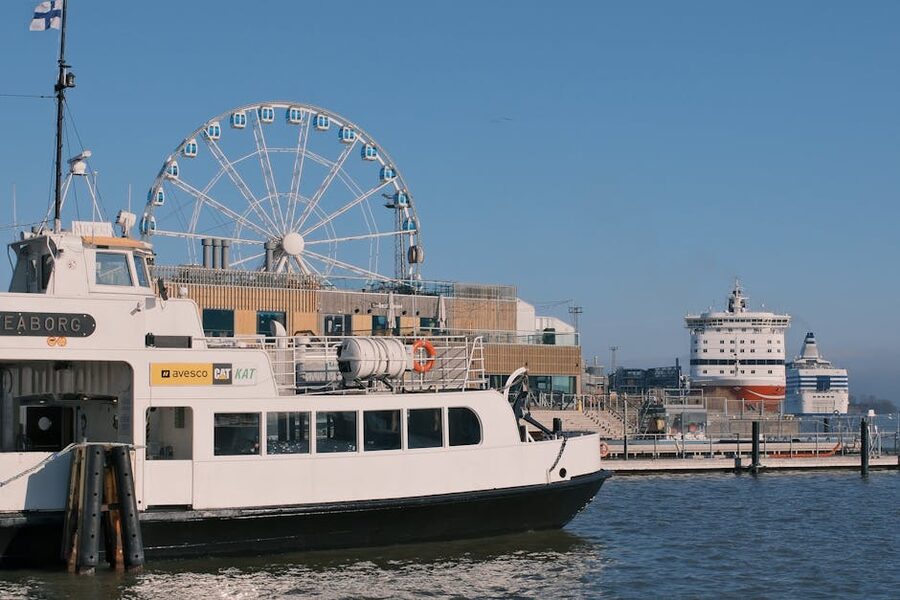
The route is the eastern Helsinki archipelago. You pass Suomenlinna to port, then Vasikkasaari, Pihlajasaari, the long thin reach across the open Helsinki bight, Sipoonkorpi to the north, and into the Pernåviken inlet. The last hour winds up the narrow Porvoonjoki itself, with the riverbanks closing in until the Old Town materialises on the slope ahead. The café onboard does smörgås, beer, coffee, the famous Runeberg cake (€7, see below). Bring a layer; the open deck is the best seat and the sea wind in June is colder than the air temperature suggests. The trip is at the speed of a long walk, around 12 knots, and it’s the only time on the day you’ll feel the country’s geography the way the people who built it did.
Take the boat if any of these are true: you have one good day in Helsinki and want one indelible day; the weather forecast is settled; you’re happy paying triple for transport because the transport is the point. Skip the boat if it’s blowing a hooley, if you only have one direction’s time budget left at the end of a Helsinki trip, or if the boat’s not running yet (May 1 is the typical first sailing, but check the schedule).
The bus: Onnibus or 850 from Kamppi, year-round, 1 hour, around €12
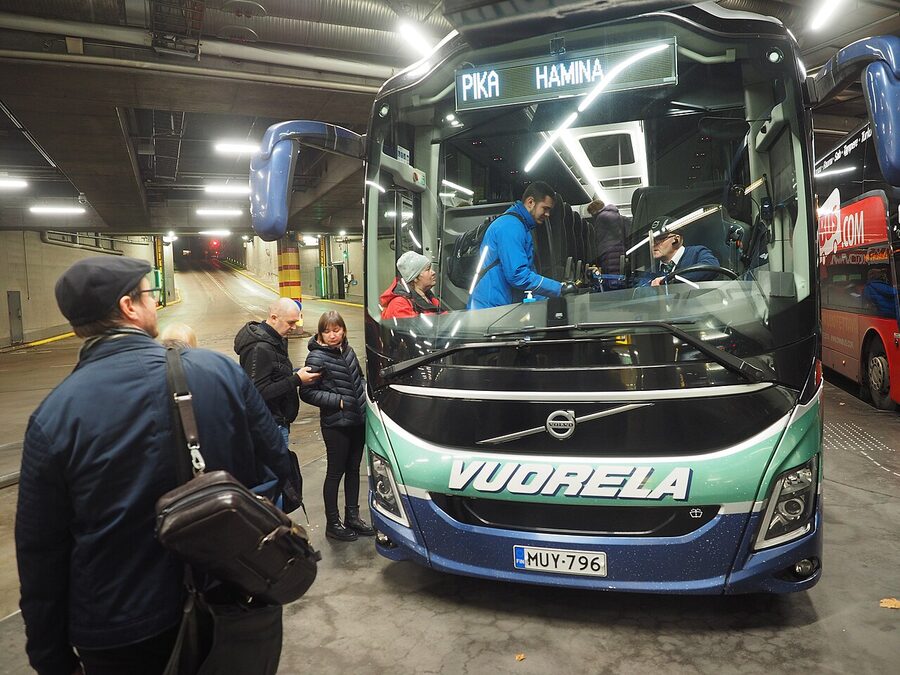
This is what 90 percent of visitors actually take. Two operators run the route: Onnibus does roughly hourly express coaches from Kamppi to Porvoo bus station for €5 to €12 depending on how far ahead you book; the local route 850 (Pohjolan Liikenne / Matkahuolto) runs about every 30 to 60 minutes for €12 standard fare, slightly cheaper with the Matkahuolto app. Both take just under an hour direct on the motorway. Both drop you at the same Mannerheiminkatu bus station, a six-minute walk from the Old Town across the river bridge.
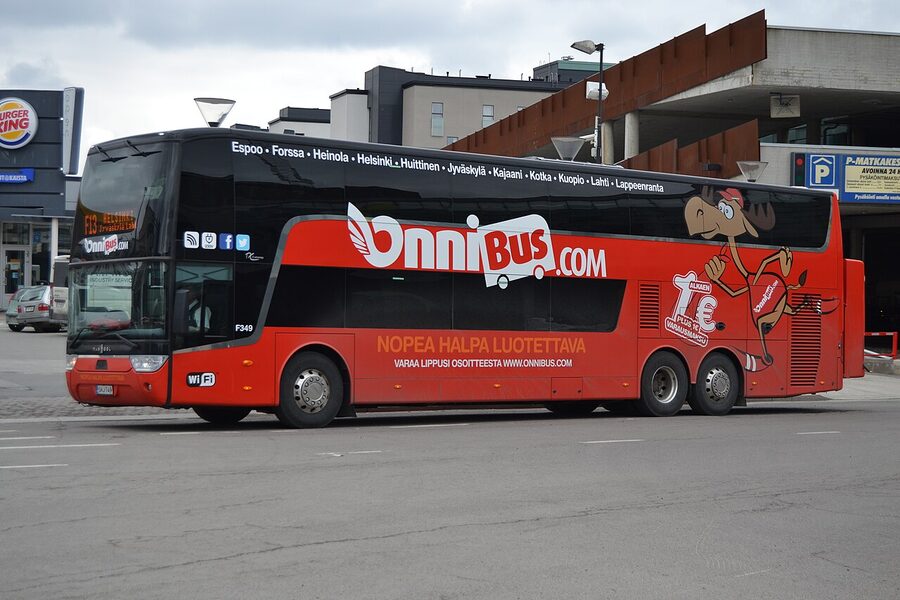
The bus is what to take in winter, in shoulder season, when the boat isn’t running, when you want to sleep an extra hour, and on any day the schedule needs to be flexible. The 850 is more frequent and easier on a Sunday; the Onnibus is cheaper if you book ahead. Both deliver you into the same town at the same place. The first bus from Helsinki gets in around 06:30; the last one back leaves Porvoo around 22:30. It is genuinely impossible to be stranded.
The train: don’t bother
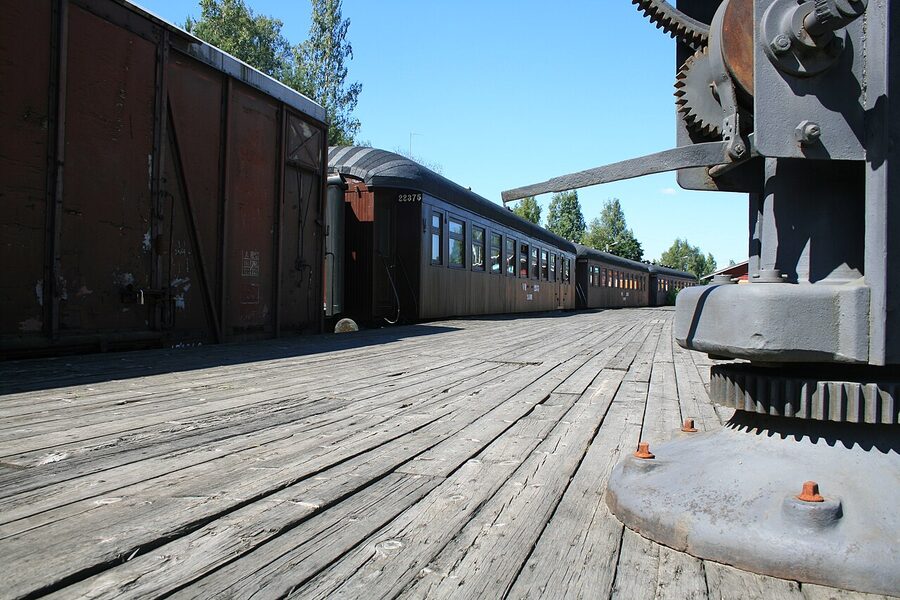
You’ll see suggestions online to “take the train via Kerava”. Ignore them. The line through Kerava is a commuter rail loop that doesn’t actually go to Porvoo Old Town; you’d land at a country halt and need a connecting bus, and the total time is over 90 minutes for more money than the direct coach. The proper Helsinki to Porvoo passenger train was discontinued in 1981. The only train that runs into Porvoo today is the heritage Porvoo Museum Railway, and that’s a steam excursion service that runs perhaps eight Saturdays per summer. Charming, but not transport.
1809: the moment modern Finland begins
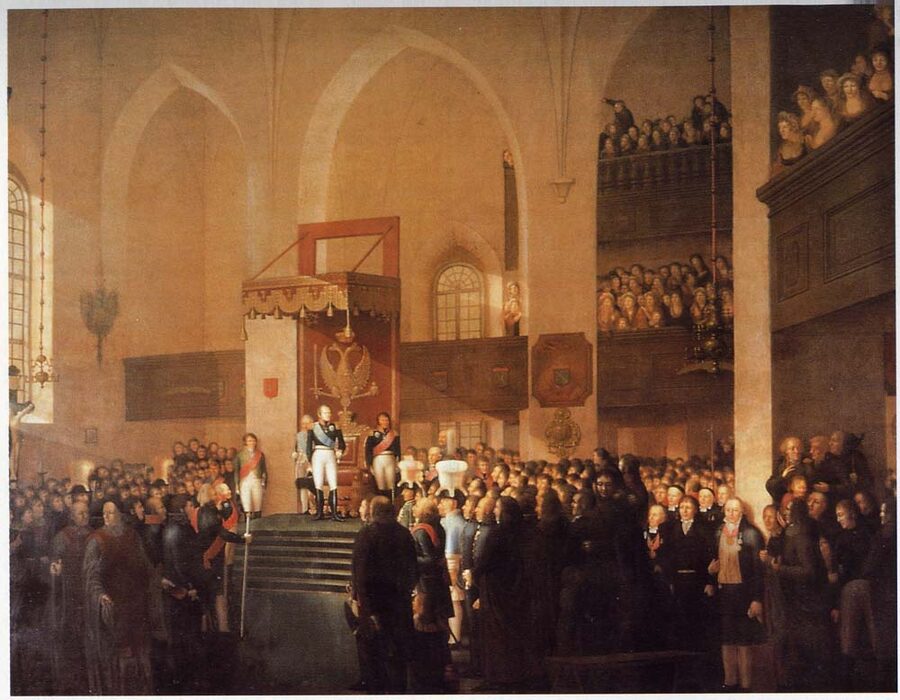
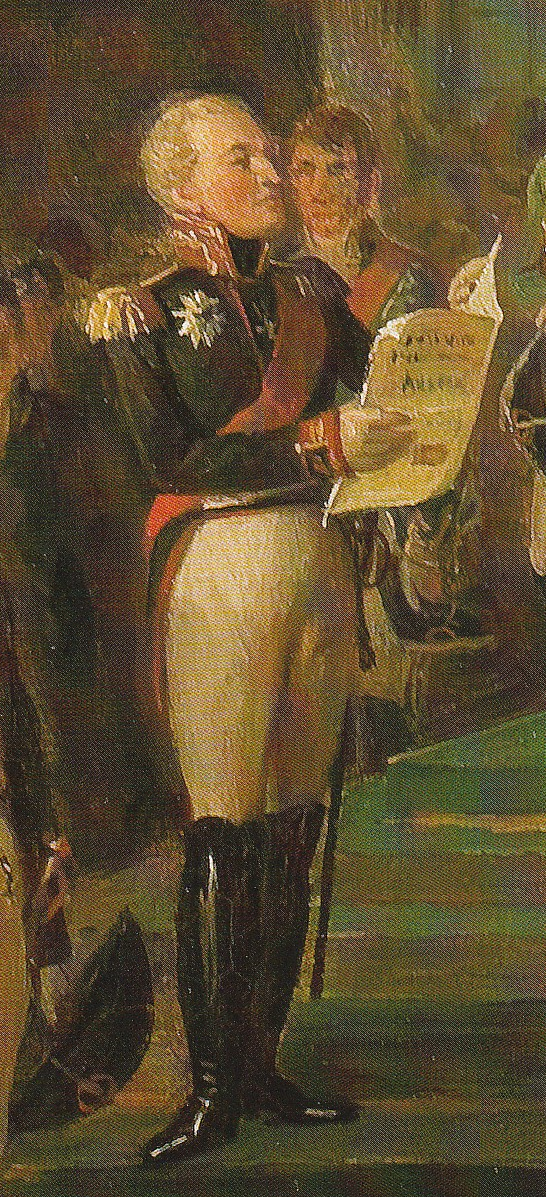
For a town of 51,000 people, Porvoo carries an outsized share of Finnish history. The pivotal date is 28 March 1809. Two months earlier, Russia had just won the Finnish War against Sweden; Finland was being transferred from one empire to another for the first time in seven hundred years. Tsar Alexander I, then 31 and three years away from his more famous quarrel with Napoleon, summoned the four estates of the new Russian acquisition to Porvoo. He addressed them in the cathedral on the hill. He swore to uphold their existing constitutional rights, their Lutheran church, and their existing laws. In return, the estates swore loyalty to him as Grand Duke of Finland.
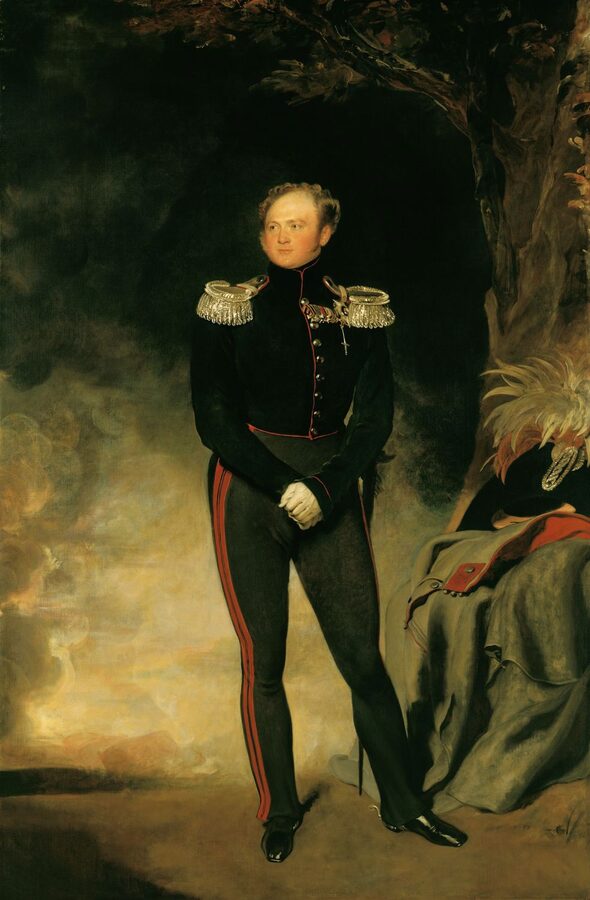
That’s the bare bureaucratic story. What it actually meant was the foundation of Finland as a self-governing political entity. Alexander gave the country its own diet, its own currency, its own laws, its own postal system, the right to keep Swedish as an official language alongside Finnish. He did the politically generous thing and got loyalty in return. The arrangement held for ninety years, give or take some friction. The Finnish state of 1917 inherited the institutions, the borders, and the legal traditions of the Grand Duchy. The straight line from Alexander’s speech in this small cathedral to Finnish independence is unbroken.
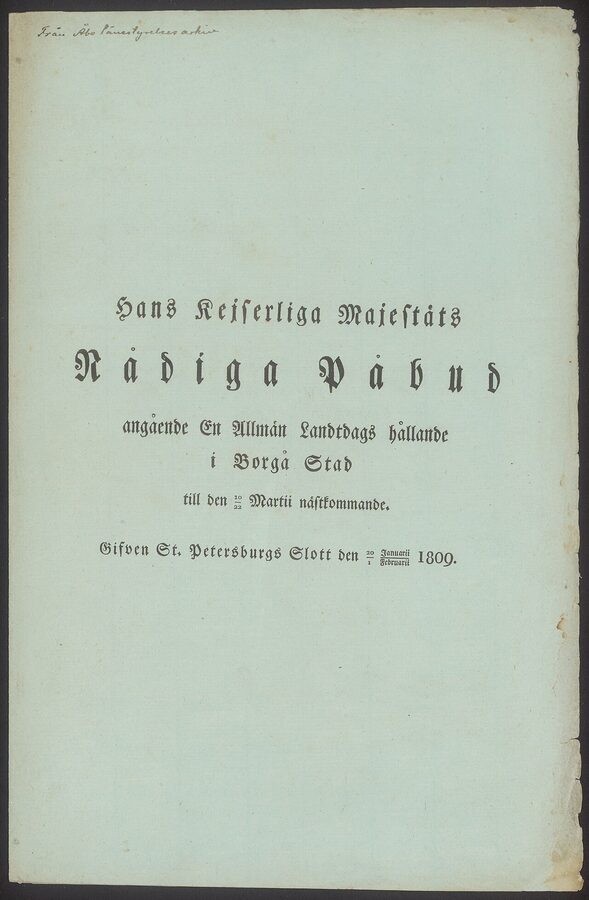
Stand on the steps of Porvoo Cathedral and look down across the Old Town. That view is roughly what the assembled estates saw on the morning of 28 March 1809. They walked from the cathedral down to the bishop’s house and Mannerheim’s grandfather administered the proceedings. The town has a small plaque marking the spot, more often missed than noticed. If you understood nothing else about Finnish history before this trip, understand this: the country’s calendar starts here. 1809, on this hill, in this church.
Porvoo Cathedral: 1418, the 2006 fire, the rebuild
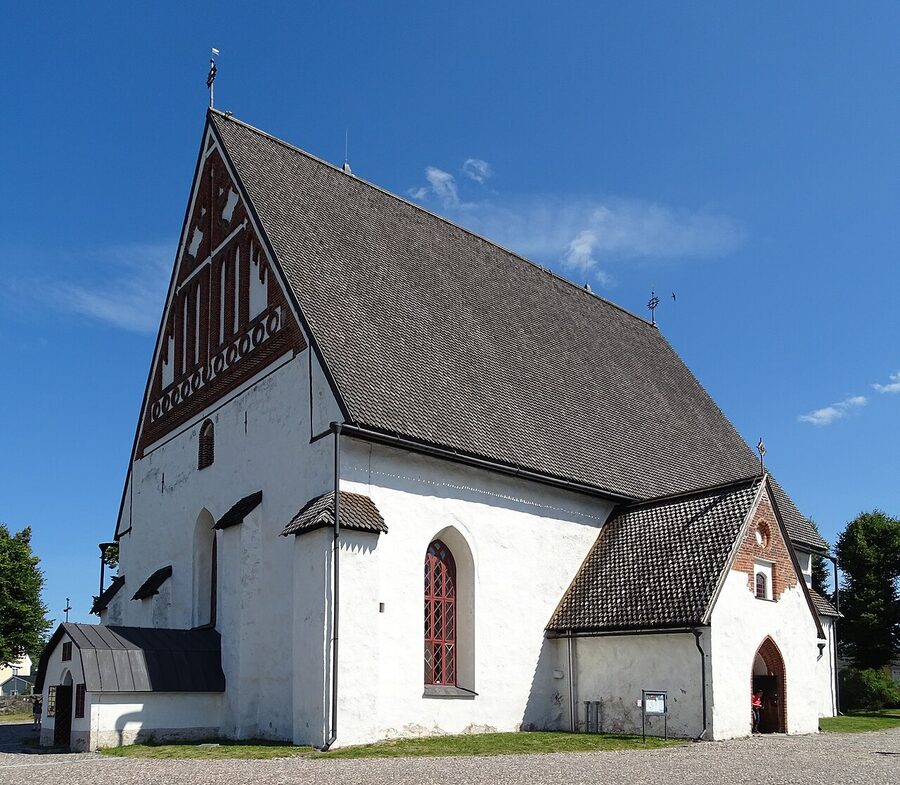
The cathedral is small. It’s a parish church that has been a cathedral since 1723, when the Diocese of Porvoo was established to serve eastern Finland after the Treaty of Nystad lost most of Karelia and Viborg to Russia. The structure is older than the diocese: a wooden chapel stood on the site by around 1300, the stone church was built between roughly 1410 and 1418, and the stepped-gable Brick Gothic east end is one of only a handful of medieval ecclesiastical buildings of any size in the country. Walk inside and you’re in a single nave, plastered white, with painted vaults and a 1764 pulpit.
The cathedral nearly didn’t exist anymore. On the night of 29 May 2006, a teenager set fire to the roof. He was 18, drunk, and had been hanging around the lych gate at the southern wall. He climbed onto the roof from the cemetery side, lit the wooden shingles, and walked away. The fire took off in a high spring wind. By the time the call went in around 03:00 the roof was already engulfed; by dawn, nothing of it remained. The vaults inside survived because they were stone. Most of the medieval wall paintings survived because the smoke and water damage was contained on the upper level. The bells had to be cut down out of the tower with a chainsaw before they fell through the floor.
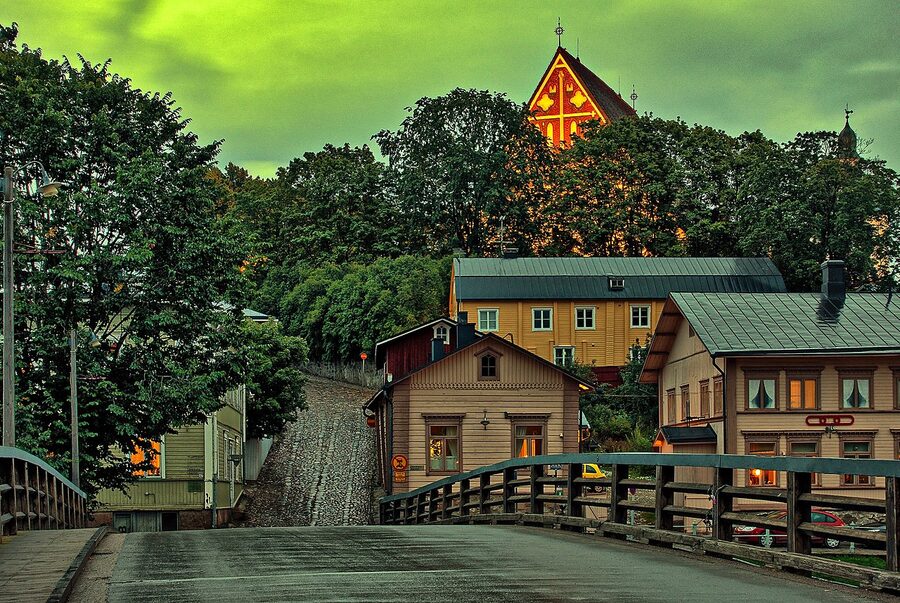
The arsonist was caught a week later. He confessed, was tried, and sentenced; you can find his name on the court records but I’m not going to repeat it here, because that’s how a particular kind of person gets famous. The interesting story is what happened next. Porvoo’s local fundraising drive raised €1.6 million within months. The state and the Lutheran church covered the rest, around €5 million more. The replacement roof was framed in the same shape using a mix of traditional and modern timber, finished in 2008, the same red tile, sized so the building looked unchanged from any normal viewing angle. From the harbour side, looking up, you cannot tell.
The cathedral is open daily 10:00 to 16:00 (longer hours in summer, shorter on Sundays around services). Entry is free. Sit at the back. The service in Finnish on Sunday at 11:00 is the closest thing in Finland to walking into a story you read about elsewhere. If you want the building empty, go on a Tuesday or a Wednesday before noon. Look up at the vaults. The bands of plaster around the lower edge are slightly different from the ribs above them; that’s the join between the medieval stone and the post-fire conservation work. The seams are visible if you know where to look. They’re meant to be.
The Old Town: what to walk and in what order
Porvoo Old Town is small. Eight blocks east-west by four blocks north-south, give or take. You can walk it end to end in 25 minutes if you cared to, or stretch the same loop to two hours if you stop in shops. The order I’d take: start at the bridge over the Porvoonjoki at the south end, walk north along Jokikatu (the riverside street, the photographs that sold you on the trip happen here), turn left up Välikatu or Kirkkokatu when you want the slope, climb to the cathedral, exit the cathedral square the south way back into Aleksanterinkatu where Runeberg’s House is, and finish at Brunberg’s chocolate shop on the way back to the bus station. That covers the four anchors in the right light: river first while it’s morning, cathedral around lunch, Runeberg in the afternoon when the house catches the south sun, Brunberg as the going-home stop because what you buy will travel.
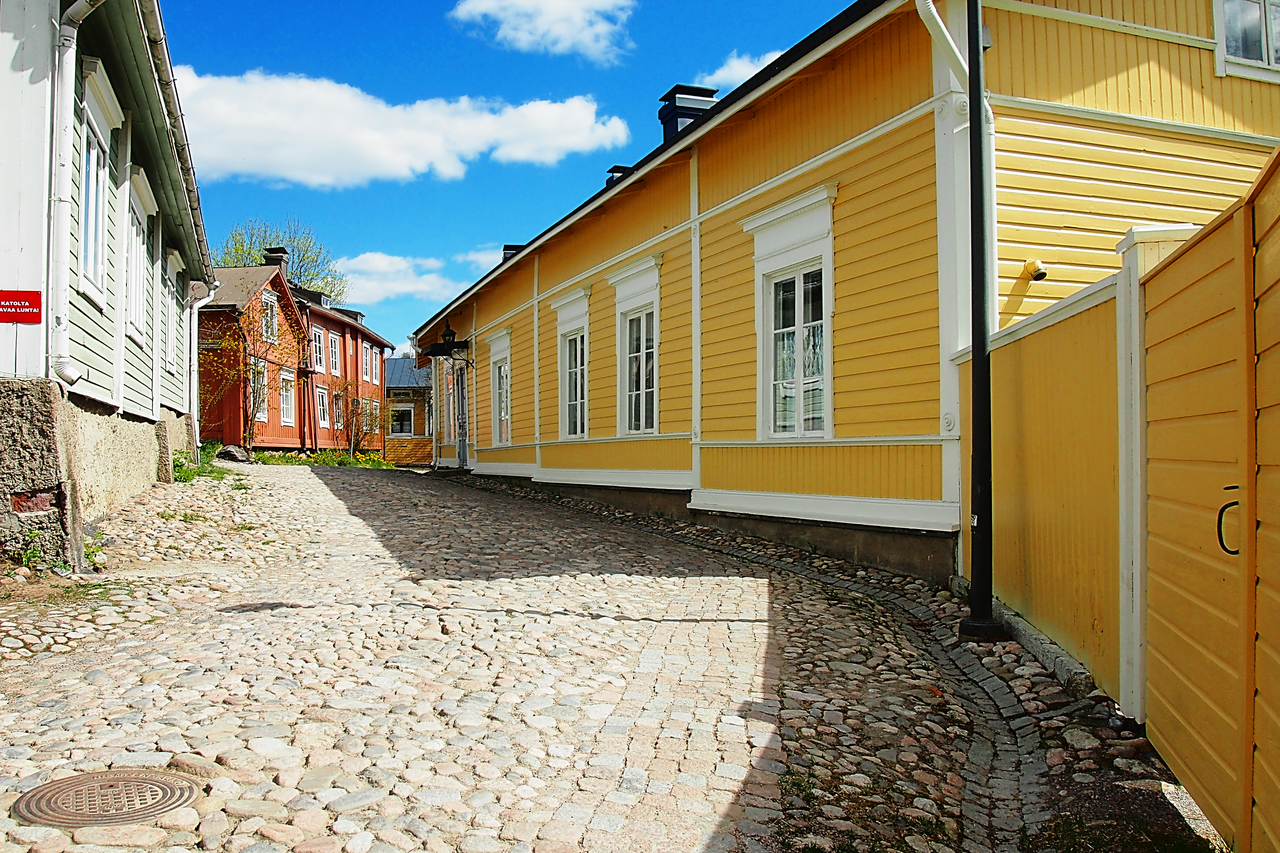
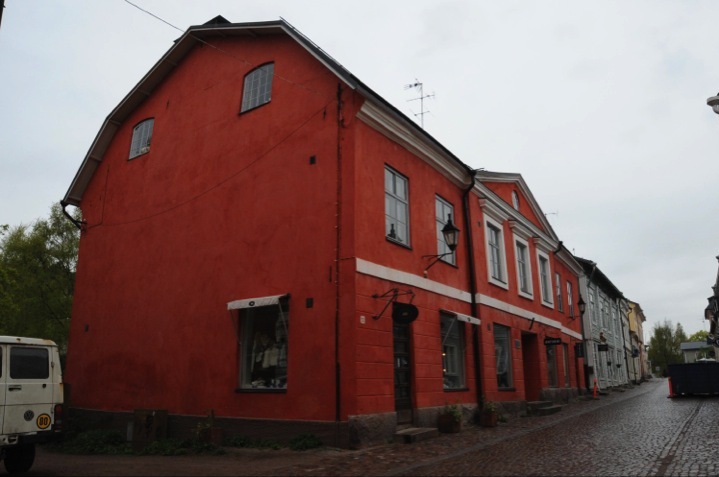
The colour rules tell a class story. The riverside warehouses are red, the houses on Jokikatu and the streets behind them range from pale lemon yellow to the same dark Falu red to ochre to the occasional white. The colour of a building was an indication of how rich the household was: red was cheap (the Falu pigment was made from copper-mining waste at Falun in Sweden, hence the name), yellow was middle-class, white was for show. The colours are now legally fixed by the Finnish Heritage Agency. You can repaint your own house in the Old Town only with permission and only in approved tints.
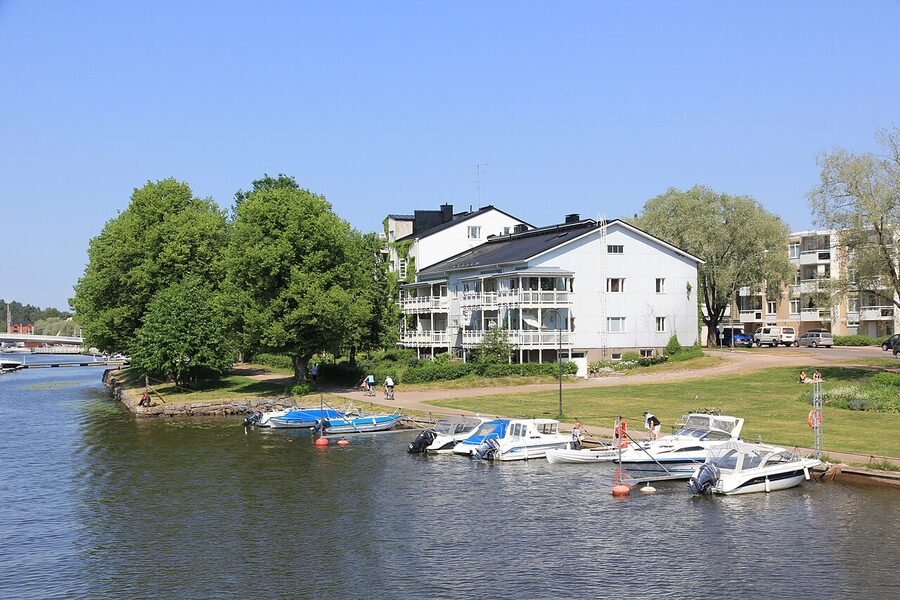
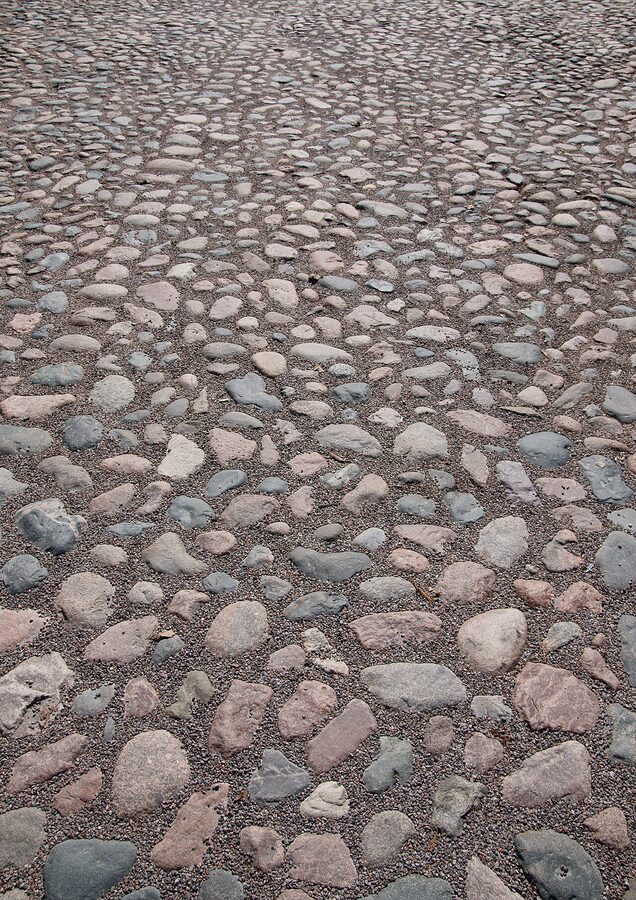
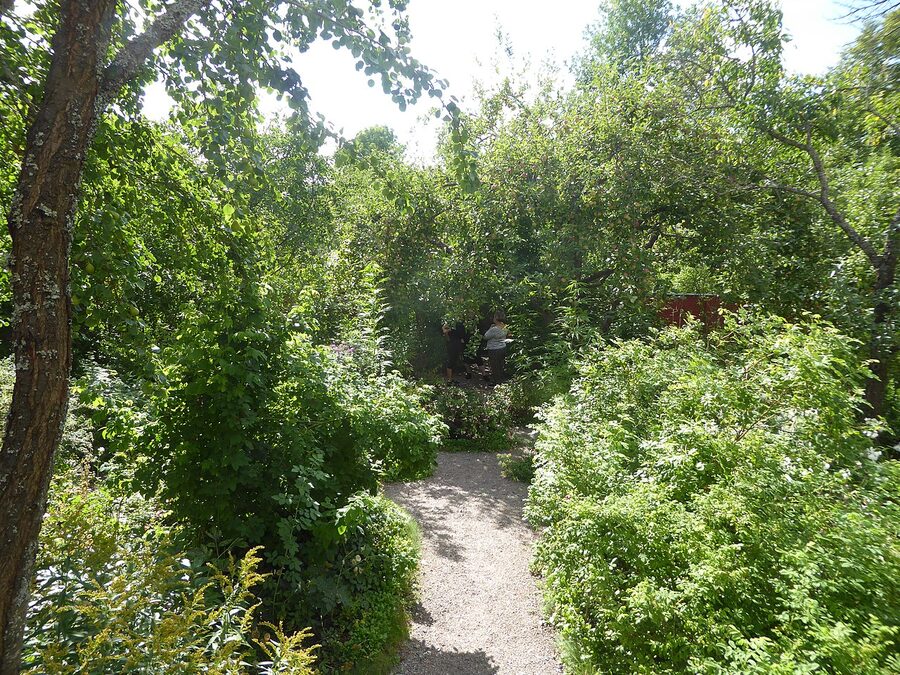
A quiet truth about the Old Town that the official tourism page will not tell you: it’s a residential neighbourhood. People live in the houses on Jokikatu, push prams along the cobbles, hang washing in the gardens behind the warehouses. Be quiet near windows, don’t open garden gates, don’t try the door handles even when they look picturesque. The town has a permanent population in the historic core, not just shops and museums. That’s what makes it different from the open-air museum towns elsewhere in Europe; it’s also why most of what you photograph is somebody’s home.
Runeberg’s House and the cake that built itself a holiday
Johan Ludvig Runeberg taught Latin at the Porvoo Gymnasium from 1837. He wrote in Swedish, the literary language of educated 19th-century Finland, and his most famous work is “Vårt land” (in Finnish, “Maamme”), the opening poem of his cycle The Tales of Ensign Stål, published in 1848. The first stanza, set to music by Fredrik Pacius the same year, became Finland’s national anthem. The text is sung in both languages today, depending on which side of the linguistic line the audience is on. Runeberg never thought of himself as nationalistic. He thought of himself as a man writing about the place where he lived.
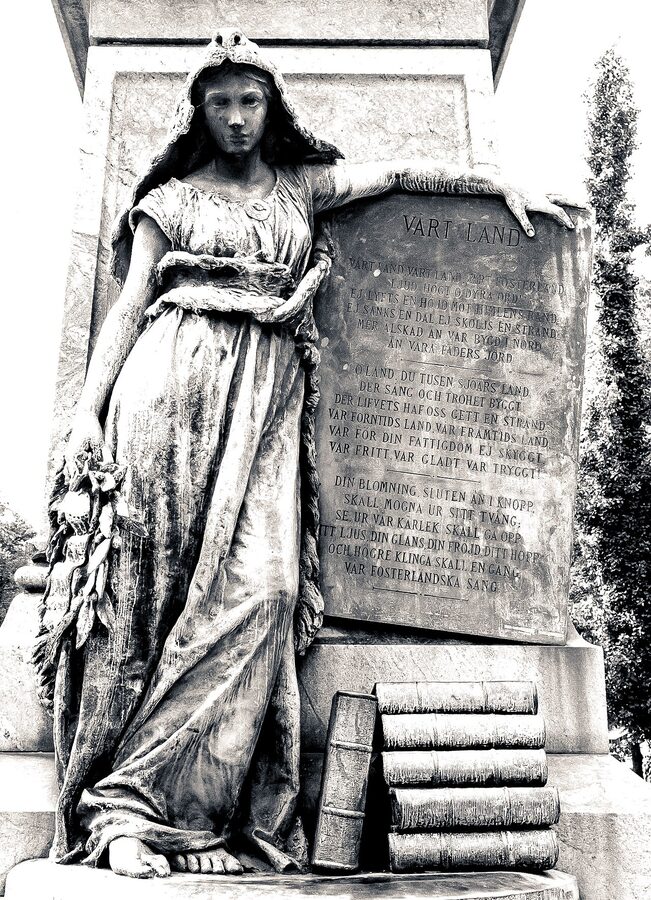
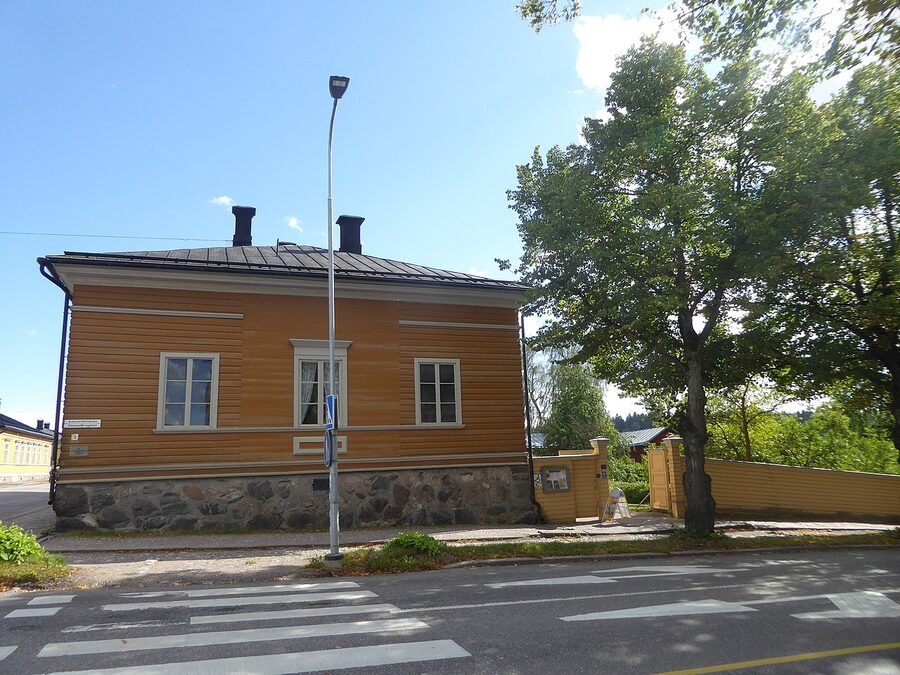
The house at Aleksanterinkatu 3 is open as a museum. Eight rooms, ground floor and first floor, kept in their 1877 state with the family’s furniture, books, and Runeberg’s writing desk. The museum is small, well done, takes 30 to 45 minutes. Entrance is €8 adult, €4 student, free on 5 February (Runeberg’s birthday and a Finnish flag day). The signage is multilingual; the explanatory leaflets are good. There’s also a separate small Walter Runeberg sculpture museum next door dedicated to J.L.’s sculptor son. The €10 combo ticket is the better value if you have time for both.
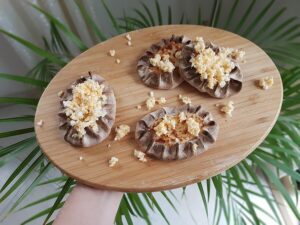
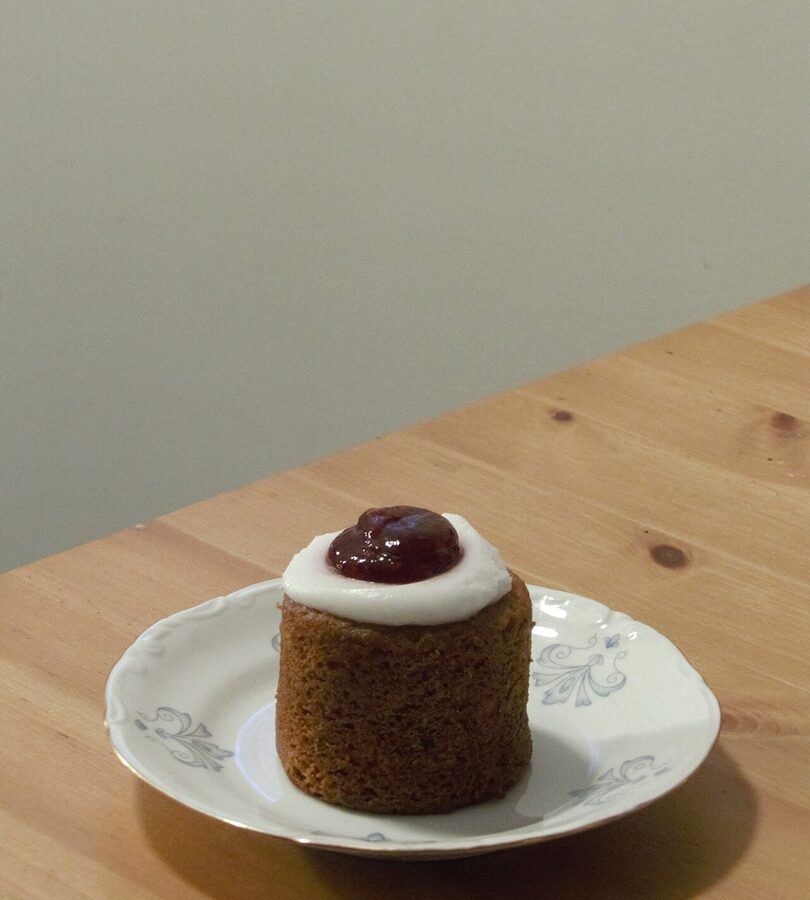
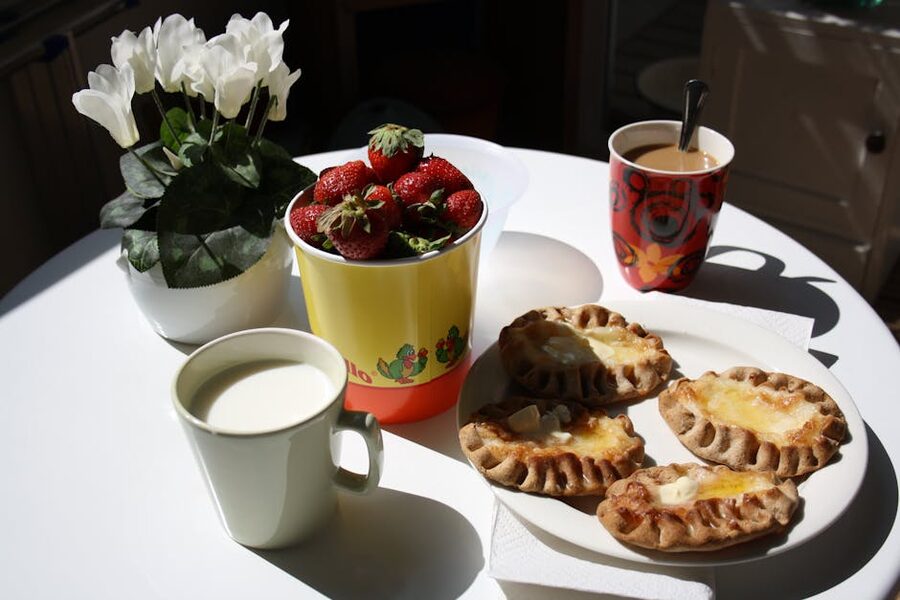
The story most visitors come for, though, isn’t his. It’s his wife’s. Fredrika Runeberg was a writer and editor in her own right, ran the local literary newspaper, and developed a small almond cake to use up stale bread and excess almonds in the kitchen in the 1840s. She made it for her husband on his birthday. Today it’s the Runebergintorttu, sold all over Finland from late January through 5 February each year (the date is a Finnish flag day), shaped like a small drum, topped with a ring of icing and a dot of raspberry jam in the centre, lightly soaked in punsch (a sweet Swedish liquor). The cake is older than the country, its origin domestic and quiet, the closest Finland has to a year-marker pastry.
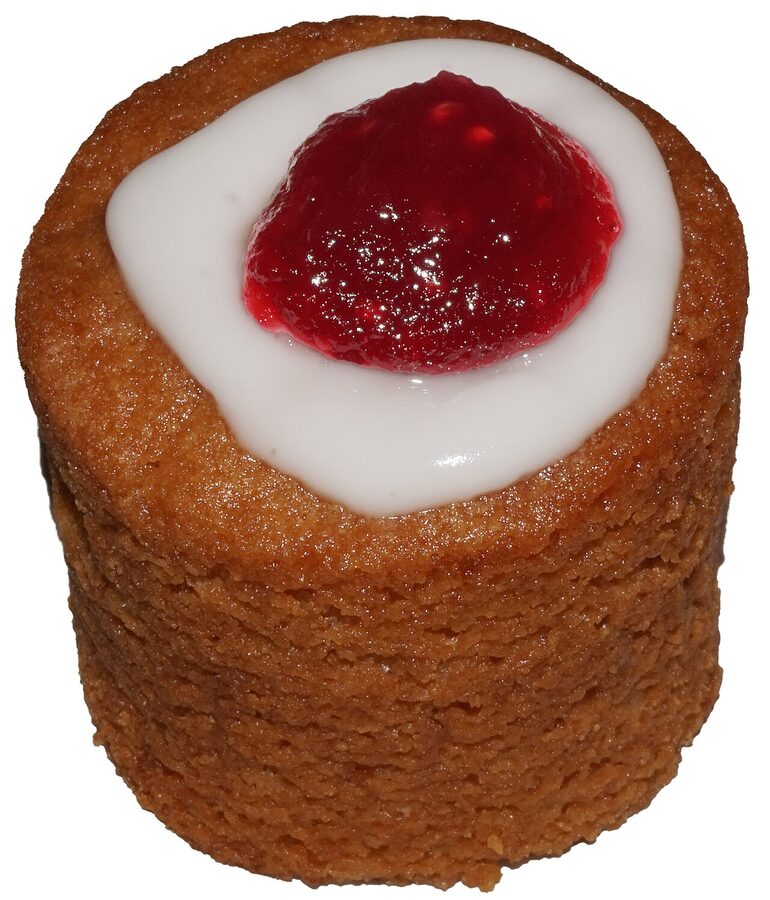
If you only buy one cake in Finland, buy this one. €4.50 to €6 each in Porvoo, almost double that at Helsinki airport. Eat one fresh; take two more home, they keep three days at room temperature, longer in the fridge. The texture is denser than a sponge, lighter than a soaked tea bread; the flavour is almond-forward with a quiet alcoholic note from the punsch. The first bite is unfamiliar, the third bite is the one that converts. There is no Nordic food I’ve taken visitors home with that has produced a higher conversion rate.
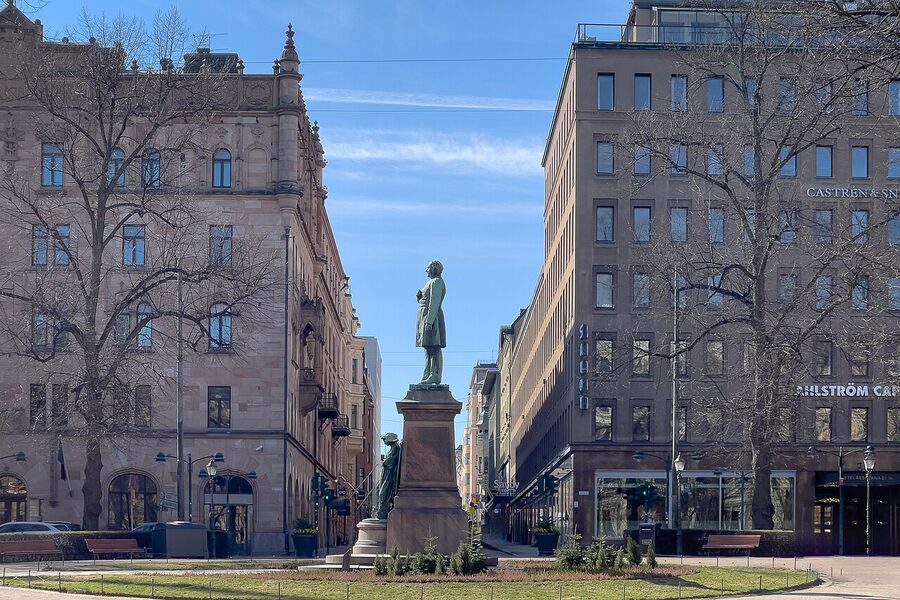
The Runeberg statue in Helsinki on Esplanadi (sculpted by his son Walter) is the one most travellers see in town without knowing whose it is. If you’ve already been past it on a Helsinki walk and noticed the figure with the laurel wreath at the eastern end of the park, you’ve already met him. The cake came first, the statue came after.
Brunberg’s chocolate shop, since 1871
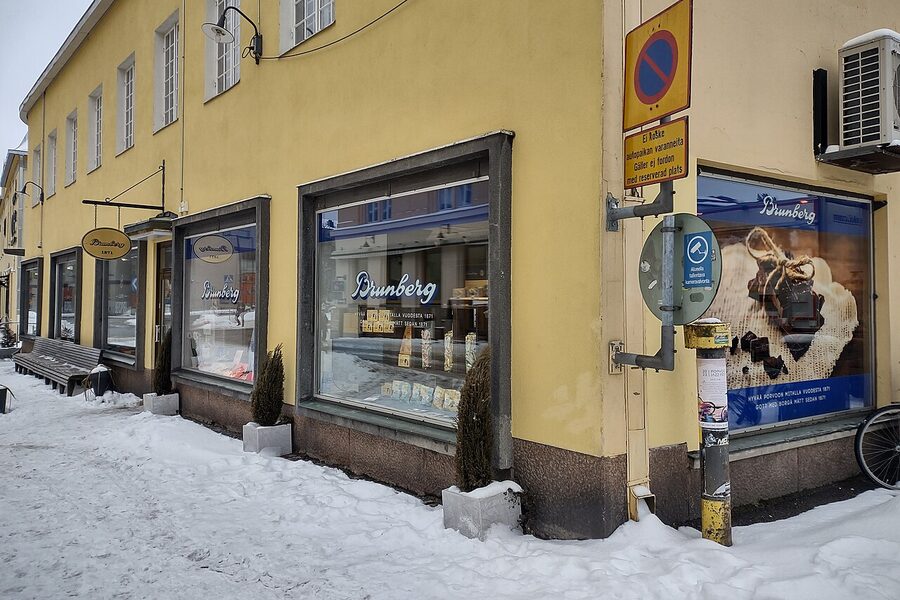
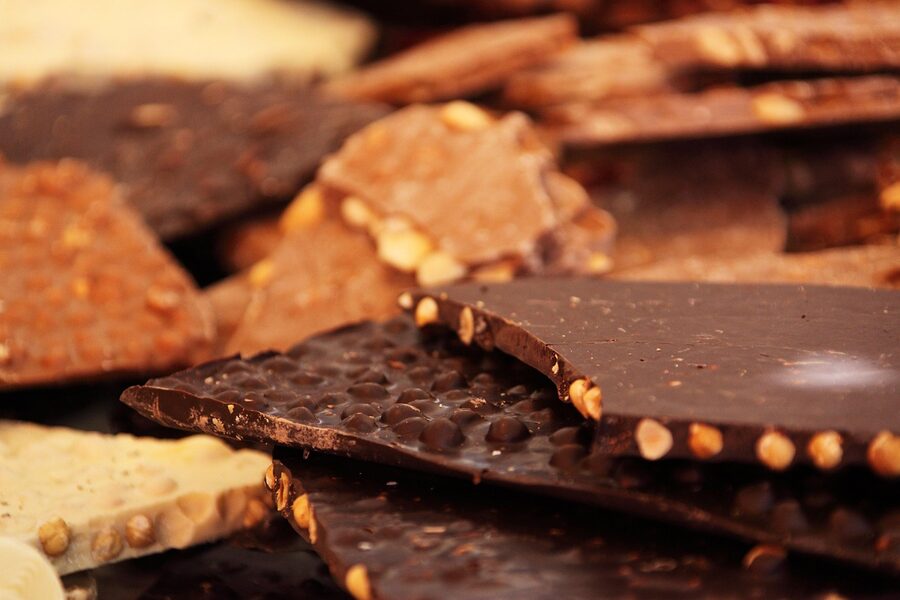
Brunberg is the second great Porvoo export. The company was founded in 1871 by August Brunberg, a Porvoo druggist, and the family has run it ever since. The signature product is the suukko, the kiss: a small soft-marshmallow chocolate dome on a thin wafer base. The original recipe has not changed in a hundred and fifty years. The other things to buy here are the cocoa-nib truffles, the sea-salt liquorice (an acquired taste, see below), and at Christmas the gingerbread chocolate, which is one of the better dark chocolate bars made anywhere in the Nordic countries.
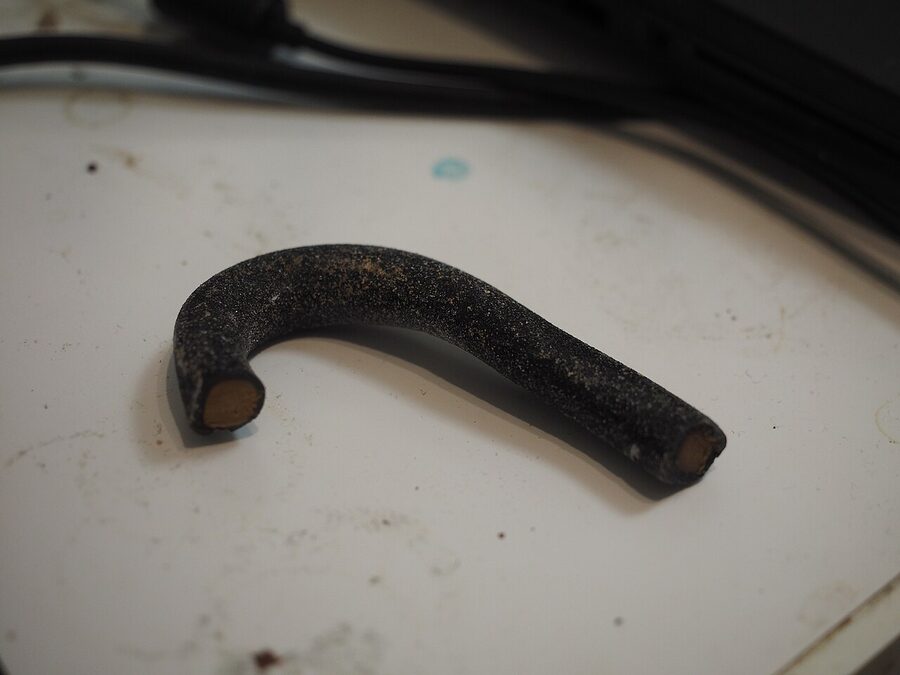
The Finnish word salmiakki names salty liquorice: black, ammonium-chloride-laced, an acquired taste even for Finns. The Brunberg version is a softer chocolate-coated salmiakki ball, milder than the standalone candy, and the easiest entry point if you’re trying it for the first time. Most foreigners who try plain salmiakki for the first time hate it. About one in five comes back the next day for more. Try a single Brunberg salmiakki ball before you commit to a whole bag.
The shop on Välikatu is open Mon-Sat 10:00 to 18:00, Sun 11:00 to 17:00 (slightly extended hours in July). They take cards. They will vacuum-pack chocolate at the till for travel, no extra charge, ask at checkout. Don’t buy ice cream from them in winter (they don’t carry it from October to April; this is a non-issue but a question I’ve heard from confused tourists in February).
The antique-shop loop
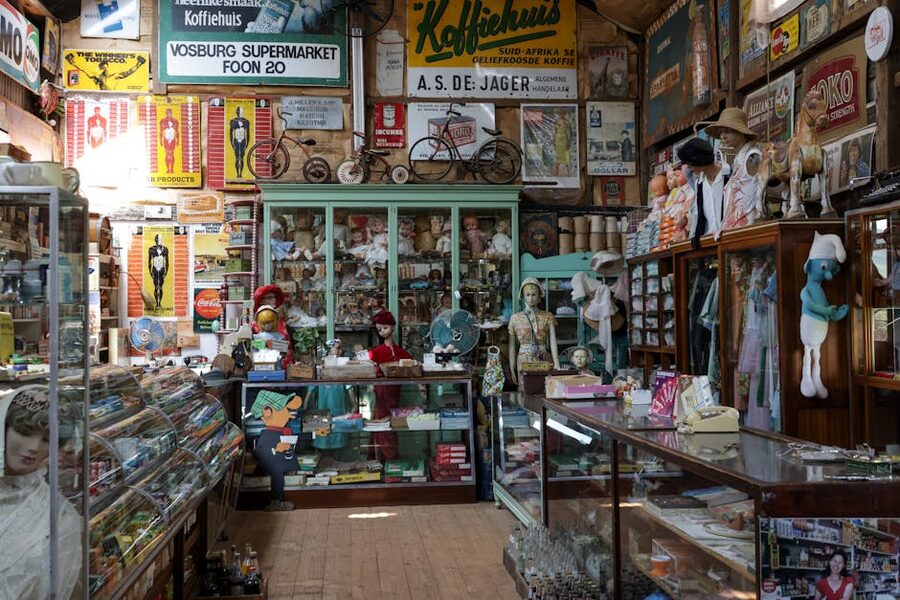
Porvoo has the second-best antique scene in Finland after Helsinki, and arguably the best per-capita. About a dozen shops are concentrated on Välikatu and the lanes between Välikatu and the cathedral. They run the gamut from genuine antique (Iittala glass from the 1930s, Arabia ceramics, old Finnish silver) to charity-shop second-hand. None of them is large; you can do the entire loop in 45 minutes if you’re disciplined and four hours if you’re not. Cash and card both fine; haggling is mild and welcome. The shops are family businesses, mostly closed on Mondays, and most don’t open until 11:00.
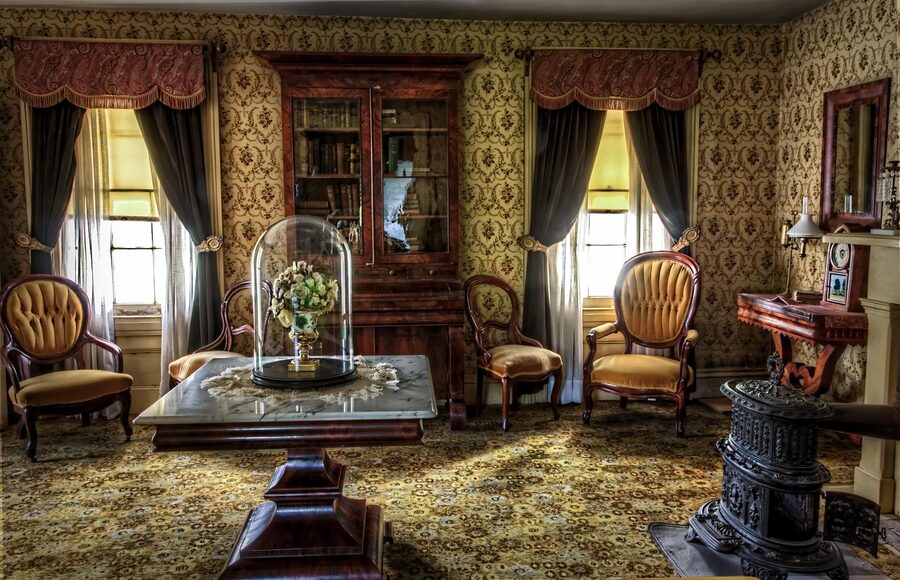
The two I’d actually point at are Antik Wanha Walli (Välikatu 12, mid-century glass, Iittala specialists) and Aitan Antiikki (Kirkkokatu 4, full-spectrum, the kind of place that has a 1950s sled in the window). If you don’t care for any of that, skip the shops entirely and use the time on the river. The point isn’t to spend; the point is that 45 minutes of pottering around antique shops is the texture of the Old Town the bus tours don’t deliver.
Where to eat
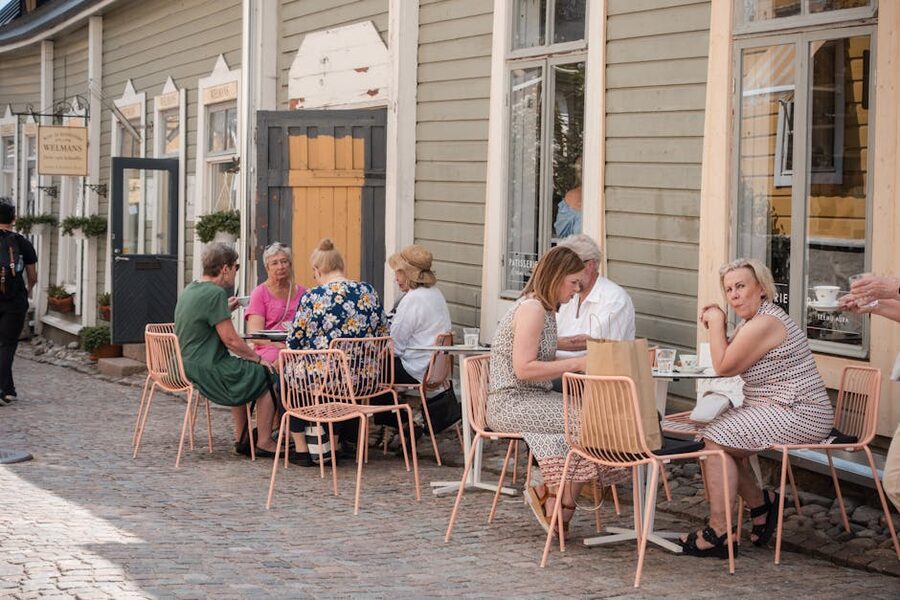
Lunch in Porvoo is honest, regional, not particularly cheap. Three categories of place: the riverside cafes that trade on view, the Old Town bistros, and the slightly out-of-centre Finnish fine dining. Five places I’d actually send people:
Bistro Sinne (Pikku Linnankatu 5) is the consensus best lunch in town. Modern Finnish, seasonal, around €25 for two courses at lunch. The reindeer dish in autumn is the one to order; the smoked fish board is the one to order in summer. Booking essential on weekends.
Porvoon Paahtimo (Mannerheiminkatu 2) is the riverside red brick building near the bridge, multi-storey with terrace seating on a floating pontoon. Coffee, lunch bowls, beer, wine. Touristy and they know it; the location is the value. Lunch around €15 to €18.
Restaurant Wilhelm Å (Aleksanterinkatu 1) is the more refined option, set menu only, in a wood-panelled dining room near the Runeberg house. €60 for three courses, €85 for five with wine pairings. Booking 2 weeks ahead in summer, 2 days ahead off-season.
Café Cabriole (Välikatu 4) is the local pastry bench. Cardamom buns, Runebergintorttu, decent coffee. €4 to €7 a head. The bench out front catches the south sun until about 16:00 in summer and is one of the better spots in town to do nothing for half an hour.
Old Hetta (Jokikatu 25) is the underrated one, riverside, lunch only, traditional Finnish. The salmon soup with rye bread is €13.50 and is the reference version of that dish in this part of the country. Don’t expect frills; expect 30 minutes of an honest plate.
Iso Linnamäki: 30 minutes for the view
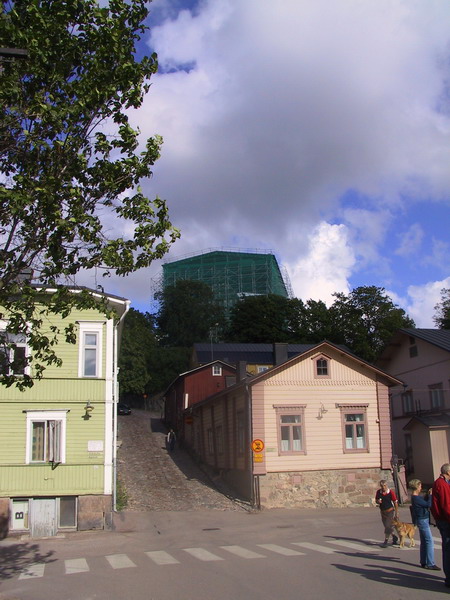
If you have an extra hour and want the view, walk up Iso Linnamäki, the wooded hill northwest of the Old Town. A medieval castle stood here, built by the Swedish crown in the 1340s and abandoned by the 15th century when the new church on the smaller hill (today’s cathedral) became the local power centre. There’s nothing to see of the castle now; the hill is a public forest park, with a short, slightly steep path up from the north end of Aleksanterinkatu. From the top you see the cathedral, the Old Town, the river, and the country east of Porvoo. Bring sensible shoes. Path is muddy in autumn, ice-slick in winter.
The Porvoo Museum (and what it actually has)
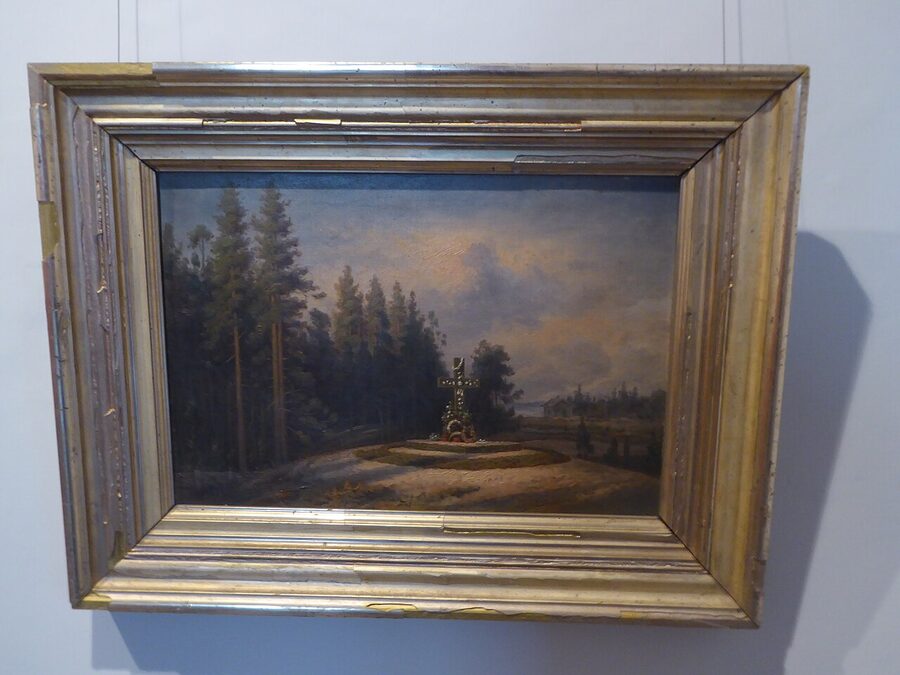
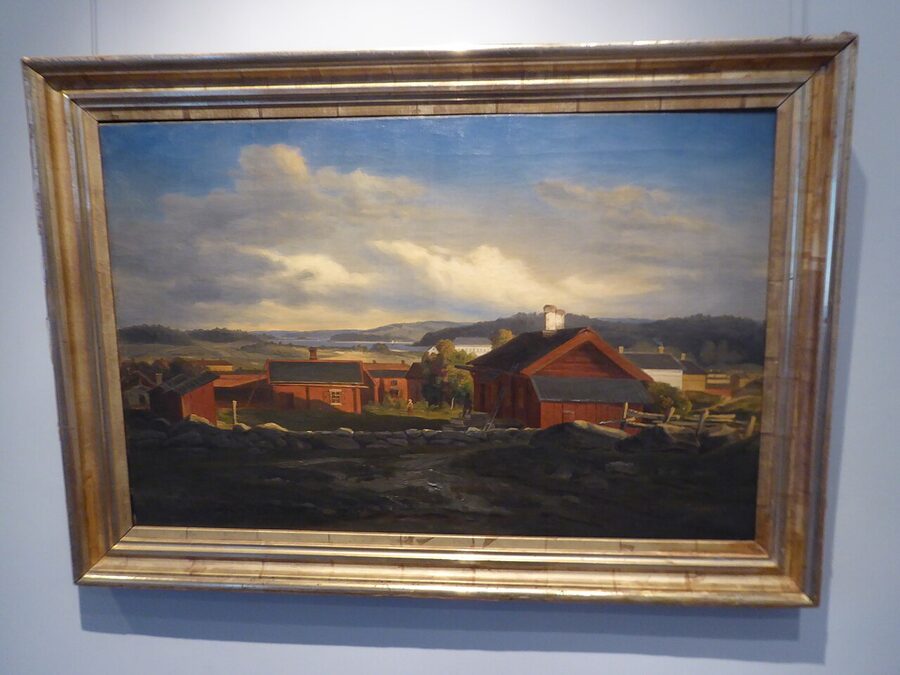
If the cathedral and the Runeberg house haven’t filled your history quota, the Porvoo Museum at Vanha Raatihuoneenkatu 4 will. Two floors in the old 1764 town hall: regional history downstairs, the Edelfelt and Vallgren art collection upstairs. The unexpected thing is the carriage room on the ground floor, with the actual carriage that brought one of the Russian envoys to the 1809 Diet, displayed alongside a chunk of the original altar from the cathedral that survived the 2006 fire. €8 entry, free with the Porvoo combo card, open Wed to Sun 11:00 to 16:00 (closed Mon-Tue and most public holidays). Allow an hour, more if you read every wall card.
When to go: summer first, autumn second, winter only if you must
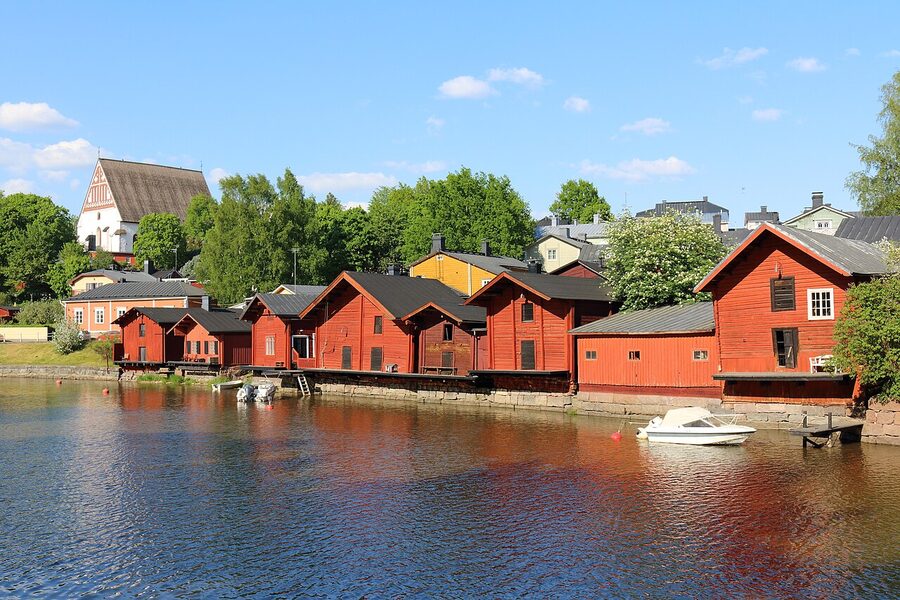
Best season is mid-May to mid-September. The boat runs, the terraces are open, the days are long enough that you can take the boat out and a late bus back and still have nine hours of daylight. June and August are the sweet spots; July is the peak crowd month and the one Finnish week to avoid in town is Helsinki’s mid-summer week (around 21 to 25 June), when the boat is packed and the cafes are full. Weekday mornings in any of those months are the right time to be there. Saturday afternoon in July is too many people for a town this size.
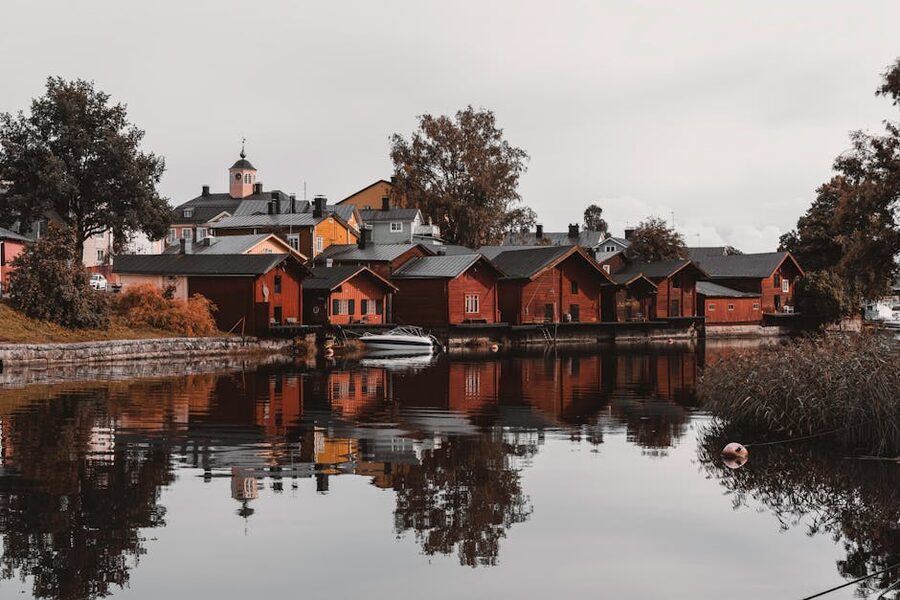
Autumn is the underrated season. From mid-September to mid-October the deciduous trees on the riverbanks turn yellow and red, the light is low, and the photographs people take in this town outperform their July versions by a wide margin. The boat runs through September; from October it’s the bus only. Bring a layer; daytime highs of 8°C to 12°C are normal in the second week of October.
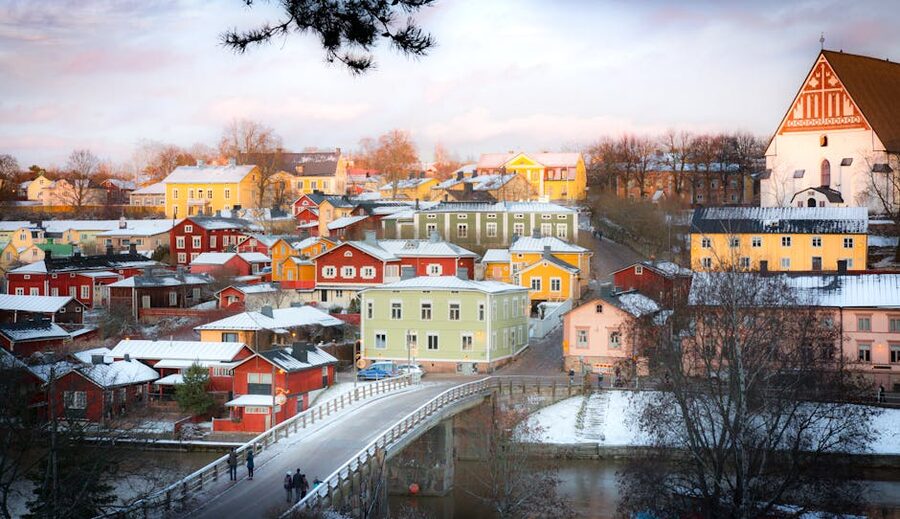
Winter is risky. November and December are dark by 16:00, January and February reliably below zero, and the Old Town’s cobblestones become genuinely treacherous when ice forms. The town is open, the cafes are warm, the chocolate shop is doing peak season, but you’ll spend half the visit looking at your feet. If your only window into Finland is January, by all means come, but wear proper grippy boots and accept that the boat doesn’t run, the antique shops have shorter hours, and the Iso Linnamäki path is closed.
Where to stay if you do the second day
Most people don’t, and that’s fine. Porvoo is a day. But if you want a quiet evening in the Old Town after the day-trippers have gone home, four options worth knowing about.
Hotel Onni (Kirkkotori 3, near the cathedral) is the small boutique option in the Old Town itself, eight rooms in a 19th-century timber house, breakfast included, around €170 to €230 per night depending on season. The location is the value: you walk out of the breakfast room and you’re 50 metres from the cathedral steps.
Hotel Sparre (Piispankatu 34, Old Town fringe) is the mid-range pick, 31 rooms, modern interior in a 19th-century building, breakfast included, around €130 to €170 per night. Five-minute walk from the riverside; quieter than the centre at night. Good for one night between train trips.
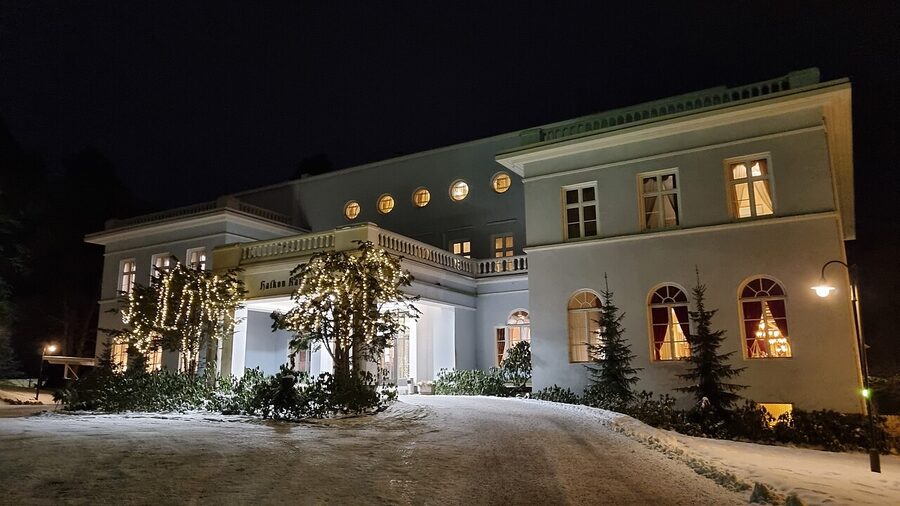
Haikko Manor (Haikkoontie 114, 6km south of town) is the spa-overnight option. A 1913 manor house and a separate modern wing, indoor pool, three saunas, the gardens that Edelfelt painted, two restaurants. Around €180 to €260 per night. The spa is the reason to come; €25 entry covers the pool, jacuzzi, and saunas for hotel guests’ day visits if you stay one night and want to make a day of it. Taxi from the Old Town is around €15.
Hotel Pariisin Ville (Porvoon Mitta) (Jokikatu 43, Old Town) is the cheaper riverside option, 25 rooms, simple, breakfast included, €110 to €150 per night. The river views from the upper rooms are the value here; the rooms themselves are functional rather than special.
One night is usually enough. Two nights becomes a holiday, three becomes a small life.
If you want a second day: Pellinge
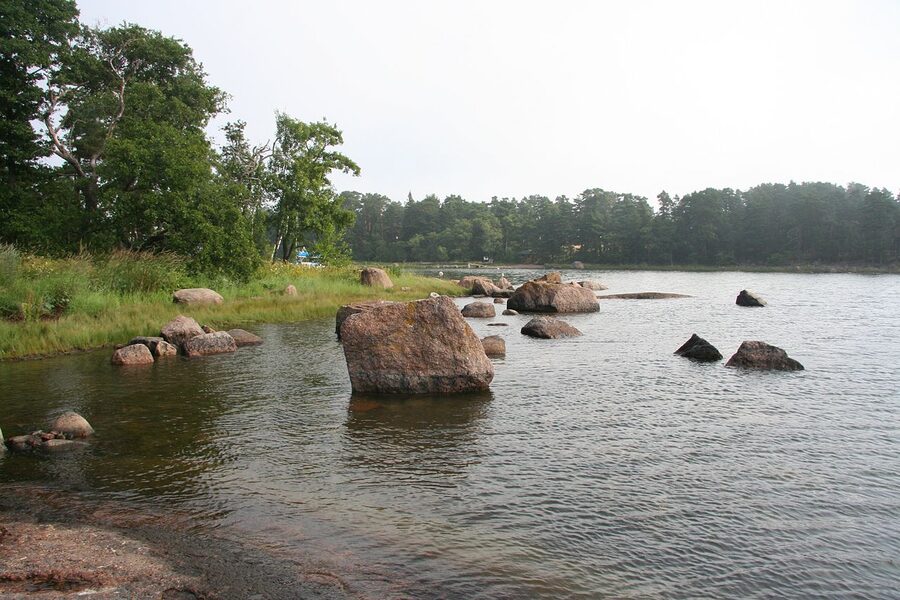
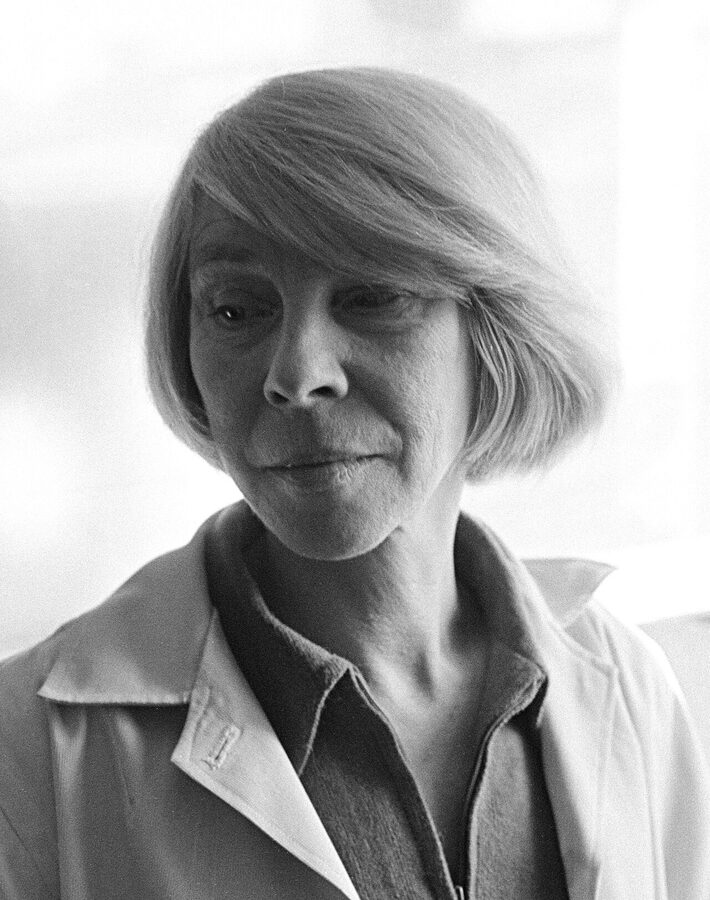
Pellinge (in Finnish, Pellinki) is the archipelago an hour east of Porvoo by car or by the once-or-twice-daily bus 970. About 50 inhabited islands, mainly Swedish-speaking, the Baltic in granite and pine. Tove Jansson, the writer of the Moomin books, summered on Bredskär in this group from the late 1940s onward, and the geography of Moominvalley is borrowed wholesale from these islands: the round houses, the rocky shore, the sea on three sides. Her summer cabin (Klovharu) is privately owned and not open to the public, but the village of Söderby on the main island has a small Tove Jansson information board, a couple of cafes, and a guesthouse.
Pellinge is a real second day, not a half-day add-on. The 970 bus from Porvoo runs at limited times in summer and almost not at all in winter; budget on a full day. The reason to go is to walk the rocky shore, sit on a granite slab, eat a smoked-fish lunch at the village cafe, take the small ferry across to one of the smaller islands. None of it is dramatic. All of it is the texture of the Finnish summer the country sells in tourism films and rarely actually delivers to visitors.
Porvoo and the rest of the Helsinki cluster
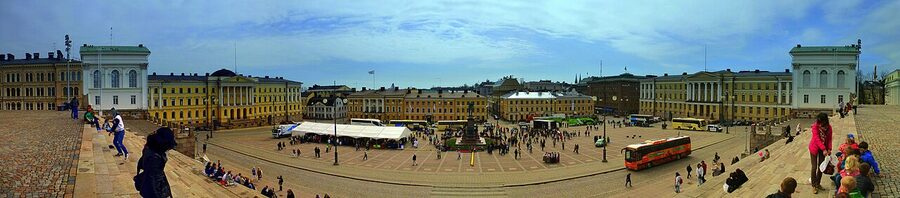
Porvoo is one half-day inside a Helsinki trip. The other places worth knowing about, in case you’re stitching together a longer week:
The Helsinki city guide covers the base city in 2 to 3 days, including the cathedral, Suomenlinna, the design district, and the question of where to eat. Porvoo is the cultural day trip; Suomenlinna is the half-day inside Helsinki itself.
If you’ve come for the saunas, the Helsinki public saunas guide is the companion piece for the city’s sauna culture: Löyly, Allas, Kotiharju, Yrjönkatu. None of those exist in Porvoo (the town is too small for a public sauna of that scale), but the Haikko Manor spa six kilometres south does the closest thing, with a wood-panelled set of saunas attached to the pool.
If you arrived in Helsinki by ferry from Stockholm, the Stockholm to Helsinki overnight ferry guide covers the Tallink and Viking Line routes. From the West Harbour where they dock, it’s 25 minutes by bus or tram to Kamppi for the Porvoo coach, or 18 minutes’ walk to Linanlaituri pier for the boat.
And if your Finland trip carries on north, the northern lights guide for Finnish Lapland covers the four anchor towns up there: Levi, Ylläs, Saariselkä, Kakslauttanen. Porvoo to Lapland is a different country in terms of light, temperature, and what to wear.
Practical, in one place
Distance from Helsinki: 50 km east. Time: 60 minutes by bus, 3.5 hours by boat, 90 minutes by car (motorway, then Vt7 east). Budget for the day: €30 to €60 by bus and back with a couple of cafe stops; €100 to €130 if you boat one way and bus back with lunch; €180+ if you boat both ways with a sit-down lunch and the museum tickets. Currency: €. Cards everywhere, including the antique shops and the public toilets at the bus station; carry €20 in coins for the toilet on the boat (€1) and small purchases at market stalls.
Boat: S/S J.L. Runeberg, mid-May to early September, single €49, return €60, 10:00 from Linanlaituri Helsinki, 16:00 back from Porvoo. Tickets at msjlruneberg.fi. Bus: Onnibus or Pohjolan Liikenne 850 from Kamppi, year-round, €5 to €12, hourly during the day. Tourist office: Visit Porvoo at Rihkamatori 4 in the Old Town, daily 10:00 to 17:00 (longer in summer), free maps. Cathedral hours: Mon-Sat 10:00-16:00, Sun after services until 16:00, free entry. Runeberg’s House: Wed-Sun 10:00-16:00 (daily in July), €8 adult. Brunberg shop: Mon-Sat 10:00-18:00, Sun 11:00-17:00. Porvoo Museum: Wed-Sun 11:00-16:00, €8 adult.
If you only do one day in Finland outside Helsinki, do this one. Take the boat out, the bus back, leave with a Runebergintorttu in your bag and a Brunberg suukko in your other hand, and you’ve seen the country the locals would have shown you anyway. The cathedral is older than half the buildings standing in northern Europe. The cake is older than the country. The town is at its best when the day-trippers have gone home and the residents are still walking the cobbles to the corner shop.