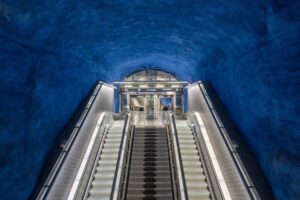
The first time you ride the red line out to Hornstull, you arrive a stop earlier than you expected. The platform is six storeys underground in a tiled cavern, and when you finally surface at the corner of Långholmsgatan and Hornsgatan, you’re looking at a flat plaza, a glass-fronted shopping mall, and a bridge that crosses water in two directions. This is the western tip of Södermalm. Most guides funnel you straight to Slussen, Mariatorget, then SoFo, in that order, and never bring you here. They are wrong. The right way to walk Södermalm is from west to east, starting at Hornstull and ending past Nytorget, because the island gets denser, busier and more obvious the further east you go. Start at the quiet end and let it build.
A small footnote: the slug on this article carries a 2015 reference to Turisterna, the Magnusson-family Swedish travel blog who reported from Hornstull a decade ago when this corner of Söder was still finishing its transformation from one of the city’s least loved streets to one of its most popular. They were doing the same thing then that I’m doing now, which is using Hornstull as a base and walking east. Whatever you’ve read about Södermalm being Stockholm’s “hipster district” or “creative quarter”, set it aside. The neighbourhood is too lived-in and too varied to be reduced to a single label, and the people who live here aren’t performing for visitors. They’re walking dogs, queueing for pastries, and complaining about the rent.
In This Article
- What you’re actually arriving at
- Liljeholmsbron and the bridge view nobody photographs
- Hornhuset, the food complex everyone in Hornstull ends up at
- Hornstulls strand, the walk you should actually do
- Hornstulls Marknad, with a caveat
- Bergsunds strand and what it’s named after
- Bio Rio and what passes for a Söder cinema scene
- Skinnarviksberget, the rock you climb for the picture
- The Hornsbergs strand confusion
- Now turn east: into the rest of Södermalm
- Mariatorget: leafy, central, calm
- SoFo: Nytorget and Bondegatan
- Brännkyrkagatan, the parallel street that’s actually nicer
- Fotografiska, and whether to bother
- The Katarina-Sofia parish: where Söder gets quietest
- Tantolunden, the allotment slope above Hornstull
- Where to actually eat in Hornstull and central Söder
- Where to stay if you’re using Söder as a base
- The walking sequence, in order
- How Söder fits the rest of a Stockholm trip
- Practical bits
What you’re actually arriving at
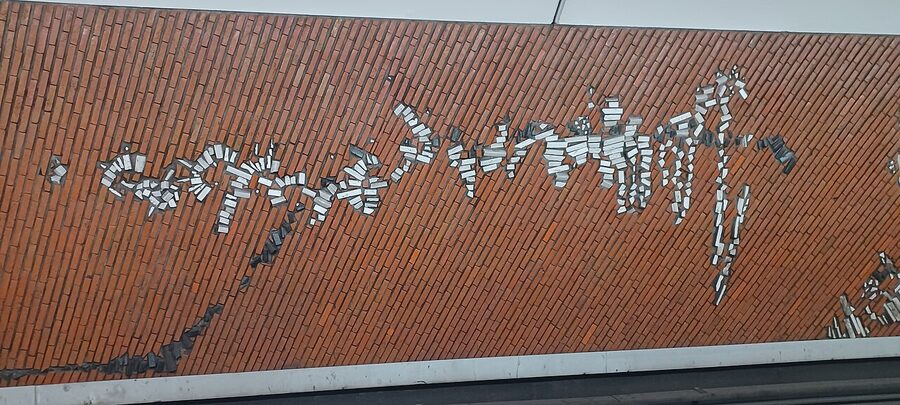
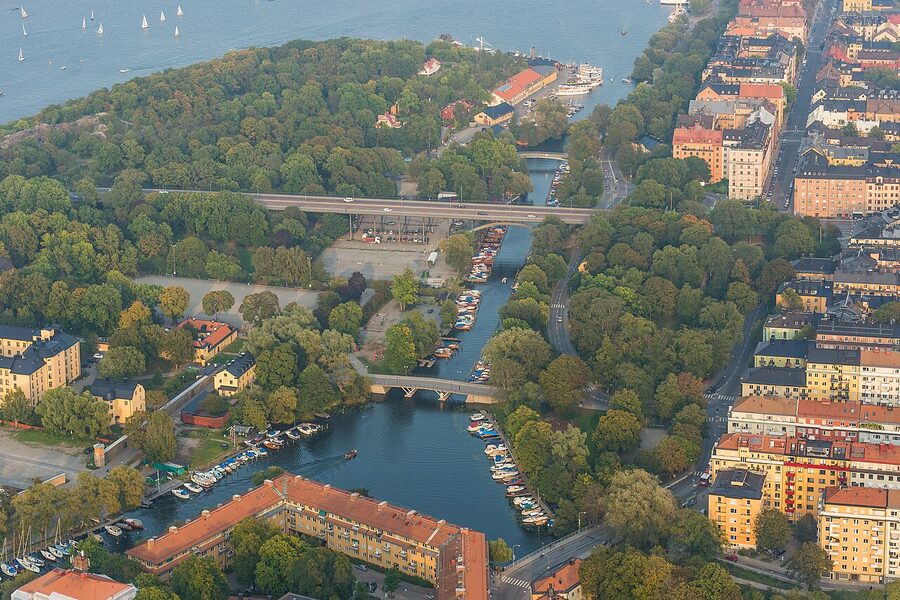
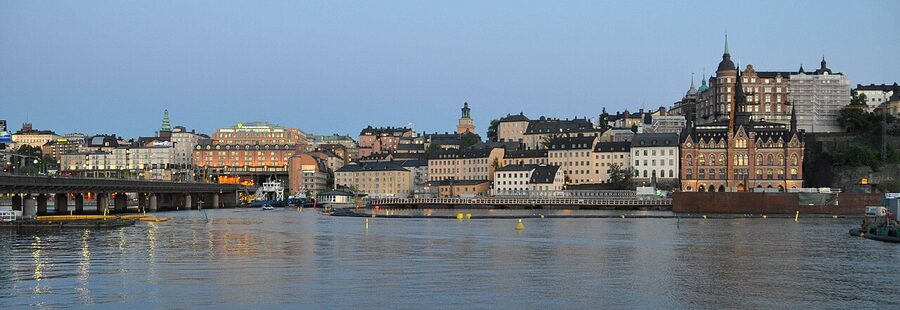
Hornstull sits at the western end of Södermalm. The name comes from the old city toll, the tull, that used to stand at the junction of Hornsgatan and Långholmsgatan until the early nineteenth century. The toll is gone. The position isn’t. You’re at a hinge between three islands, and from the metro exit you can walk south across Liljeholmsbron to mainland Liljeholmen in seven minutes, west across the small Pålsundsbron to the wooded former prison island of Långholmen in five, or east along the Söder Mälarstrand promenade toward Slussen for as long as your legs can take it.
For most of the twentieth century this was a working corner. Forbes Travel Guide called it “one of the least charming streets in Stockholm” before the redevelopment, which is an unusually direct quote for a guidebook to use. The mall, designed by the architect firm Wester+Elsner, opened in the early 2010s with a public terrace on top and reframed the whole crossroads. That’s the explanation for the slightly odd flying-saucer geometry of the buildings around the metro exit. They’re new, and they wanted to be noticed.
Liljeholmsbron and the bridge view nobody photographs
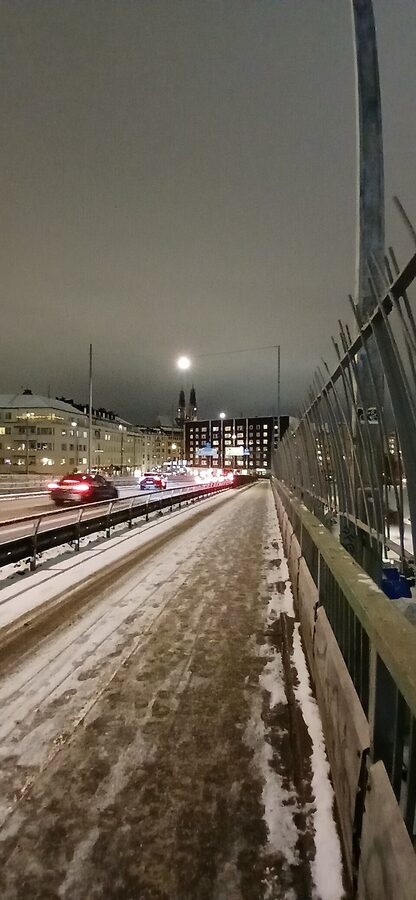
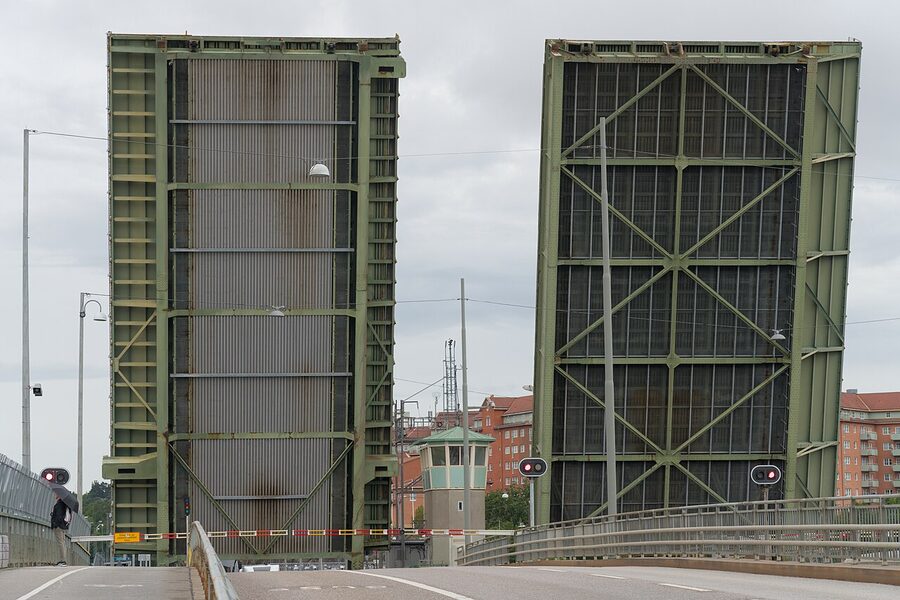
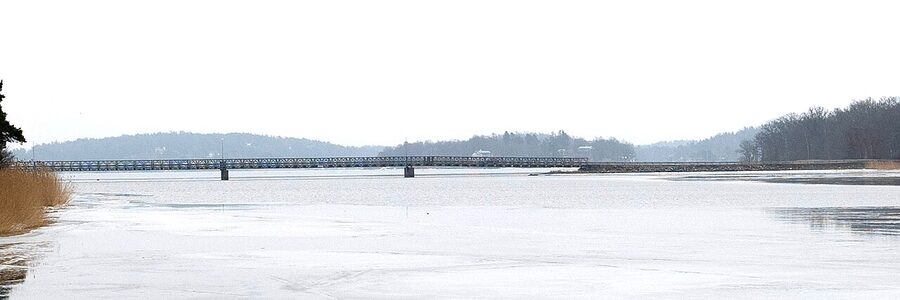
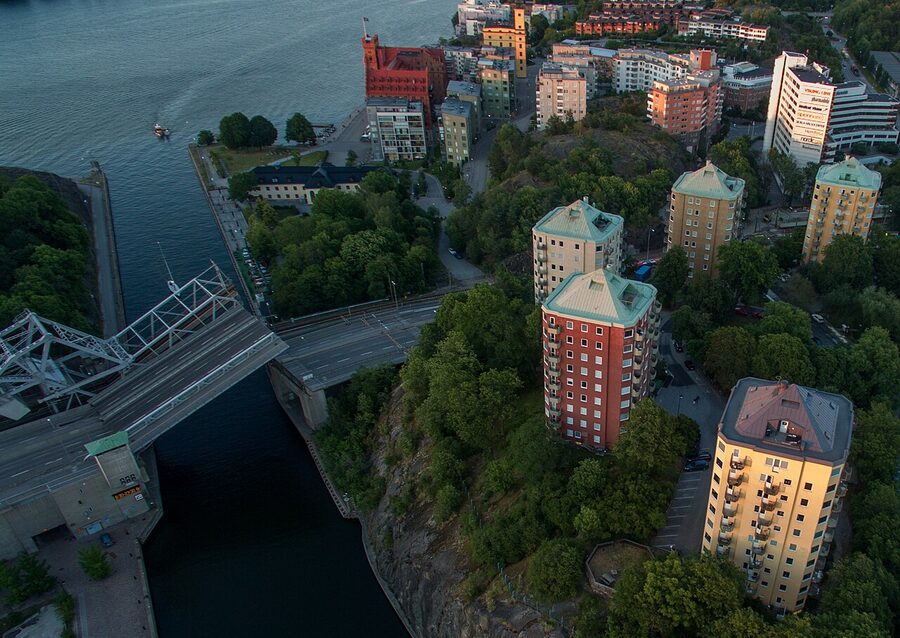
Cross Liljeholmsbron to your left as you exit the metro and turn back. Halfway across, where the bascule lifts to let bigger boats pass into Lake Mälaren, you get one of the cleanest views of Sjöstaden’s water and the southern shoreline of Söder. Most people walk straight past it because Sjöstaden isn’t on the standard tourist circuit. They’re missing the best free vantage point in the area. Bring a coffee. The bridge has wide pavements on both sides and the wind off the water is steady but not punishing.
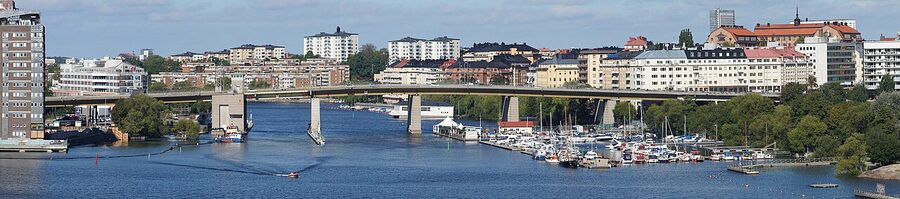
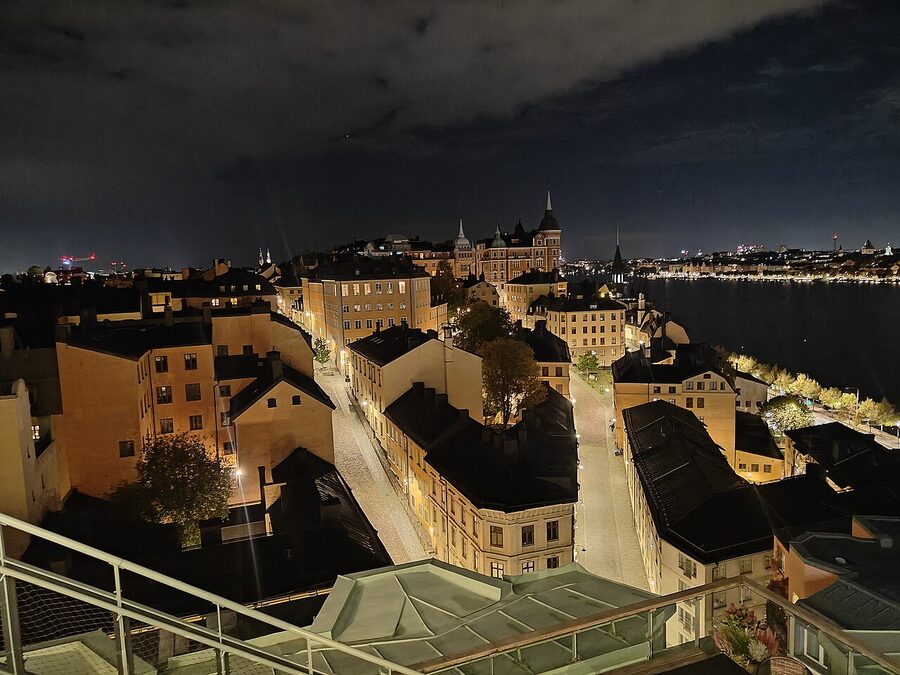
If you have time and good shoes, walk south across the bridge into Liljeholmen for half an hour. There’s nothing famous on the other side. There’s a quiet shopping centre, a metro stop, and the start of the Sickla cycle path. But standing on the south shore looking north back at Hornstull is the angle you don’t see anywhere else. The mall reads as a clean glass slab against the older yellow apartment blocks behind it, and the Söder rooftops climb in stepped tiers toward the centre of the island. Then turn around and come back the same way. The bridge is your hinge for the rest of the day.
Hornhuset, the food complex everyone in Hornstull ends up at
Back on the Hornstull side, the building you can’t really avoid is Hornhuset. It’s three storeys of food spread across one address on the edge of the mall plaza. Top floor: an Italian-leaning room with pizzas and big-screen TVs that get loud when there’s football on. Second floor: an upscale dining room with floor-to-ceiling tilted glass and a menu that runs through baked turbot, lemon-marinated herring and king crab. Ground floor: a daytime café with seats out on the plaza in summer and a more workaday lunch menu of grilled chicken sandwiches and salads.
It’s a deliberately covers-everything operation, and that’s the point. You can land at Hornstull at one in the afternoon, eat something competent, and not have to think about it. None of the three floors is the best version of what it does, but all three are reliably good and the prices are fair by Stockholm standards. A weekday lunch on the ground floor lands at around 145 SEK (~€13). Pizzas upstairs run 195 to 250 SEK (~€18 to €23). The fine-dining room is the room to book for a proper dinner, around 600 SEK (~€55) for three courses without wine.
Hornstulls strand, the walk you should actually do
From the metro, head north a hundred metres and you’re at the water. The narrow strip of pavement, gravel and old industrial buildings between the Hornstull mall and the inlet is called Hornstulls strand. It runs west toward Pålsundsbron and east toward Bergsund. Walk it. The strand is what most people imagine when they hear “Söder”. You’re below street level, the apartment blocks rise behind you, the water is twenty metres away, and on a Sunday it smells of grilled corn and fried onions because of the market.
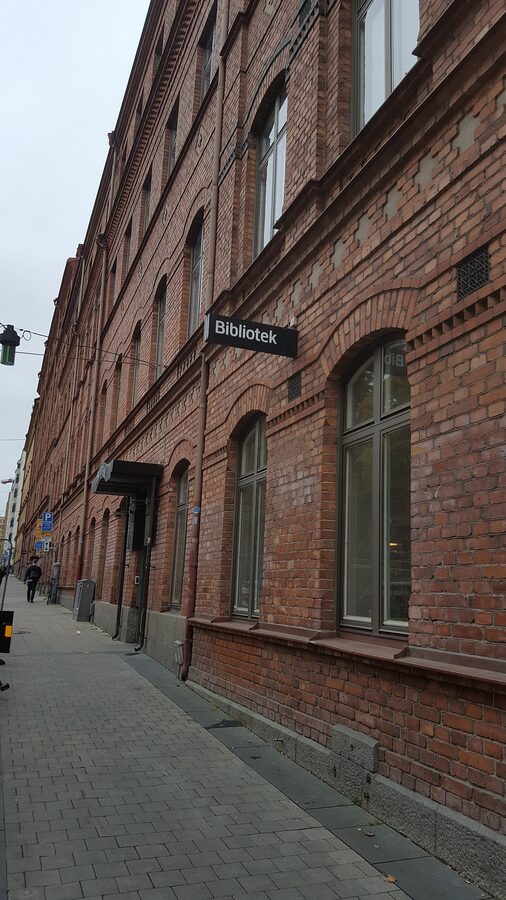
The strand was a working harbour for most of the nineteenth century, with a steam-powered cotton spinning mill and a series of timber yards. You can still read the industrial bones in the brick warehouses that survive between the residential blocks. Most have been turned into apartments or studios, but the proportions and the loading-bay windows give it away. If you like that kind of detail, the same pattern repeats further east along Söder Mälarstrand all the way to Slussen.
Hornstulls Marknad, with a caveat
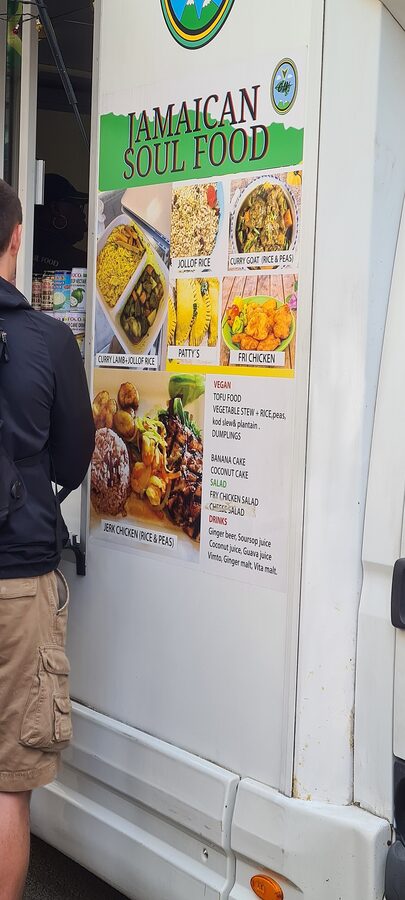
On Saturdays and Sundays from late April to mid-September, Hornstulls strand hosts a flea market and a row of food trucks. The stalls run flea, vintage clothes and craft. The food trucks are the better attraction: Vietnamese banh mi, pulled pork sandwiches, and a long-running taco truck doing Coca-Cola-marinated carnitas. Prices are tourist-grade by Stockholm standards, around 150 SEK (~€14) for a taco plate and a soft drink, but the quality is holding up.
The caveat: by noon on a sunny Sunday the strand is genuinely full, the queues at the trucks each take twenty minutes, and the photogenic version of Hornstull you wanted is buried under bachelorette parties. If that’s not your scene, come back at six in the evening when the queues are gone, the stallholders are packing up, and the light is better anyway. Or come on a Saturday, which is quieter than Sunday by some margin.
Bergsunds strand and what it’s named after
Walk east past Hornstulls strand and you cross into Bergsunds strand without anything obvious changing. The path is the same path, the water is the same water, and the apartment blocks change shape only marginally. Bergsund is named after a nineteenth-century engineering works that built ships on this stretch of waterfront. The works closed in 1929. The shipyard cranes are gone. What’s left is one of the calmest fifteen-minute walks on Söder, particularly at sunset, when the low sun hits the western face of every apartment building head-on.
Bio Rio and what passes for a Söder cinema scene
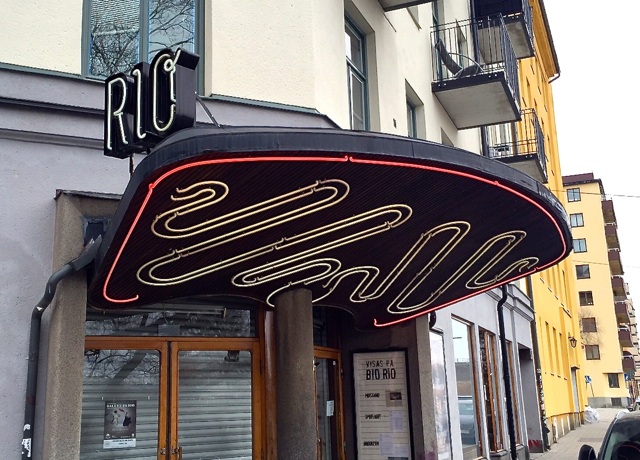
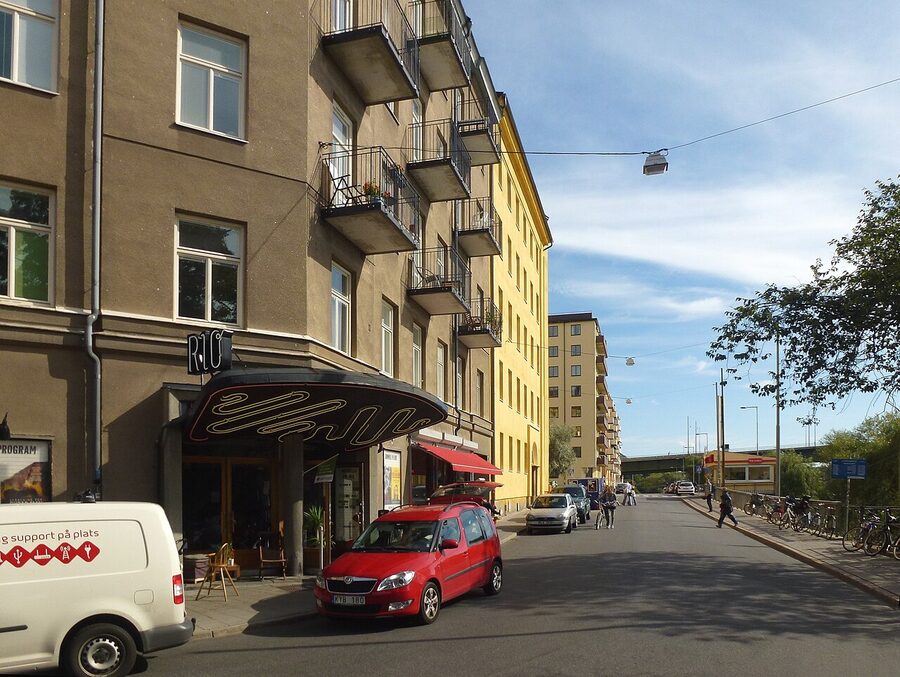
Stockholm’s chain cinemas mostly live north of the bridge in Norrmalm. Söder is where the independents are. Bio Rio is the closest one to Hornstull, an old single-screen room with a small bar that opens before screenings. They run a mixed programme of new arthouse releases, early-evening kids’ matinees, and occasional Friday-night cult double bills. Tickets are 130 SEK (~€12) for a standard seat, less if you’re a member of the Folkets Bio cinema chain it belongs to. Subtitles are in Swedish for English-language films, which means you can comfortably watch anything anglophone without speaking the language.
The other Söder option is Bio Capitol on Sankt Eriksgatan, technically across the water on Kungsholmen, and Saga on Kungsgatan in the centre. If you’ve got a free evening on a wet day, Bio Rio is the choice. It’s a five-minute walk from the Hornstull mall and the ticket is cheaper than two coffees on Strandvägen.
Skinnarviksberget, the rock you climb for the picture
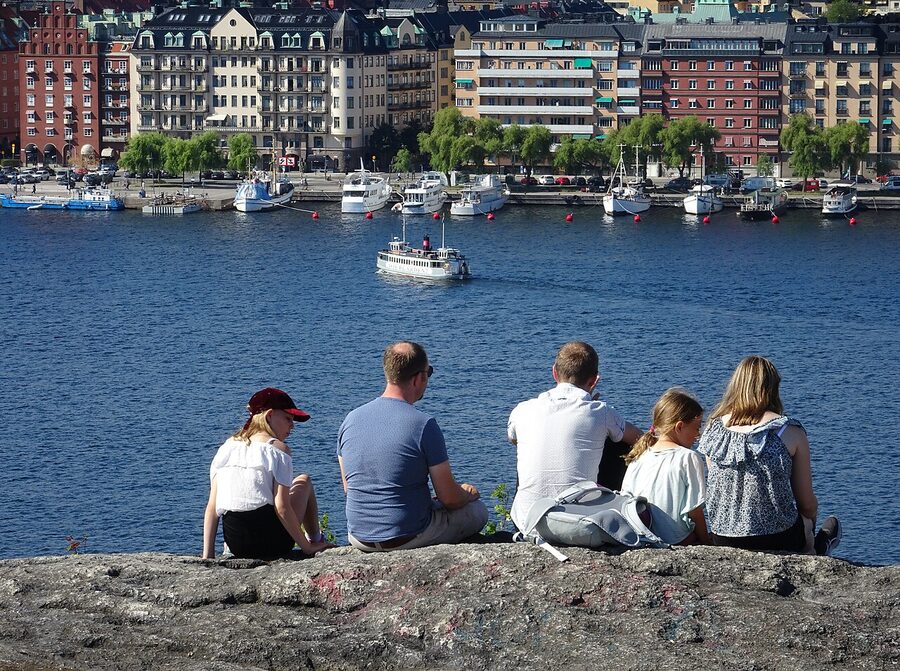
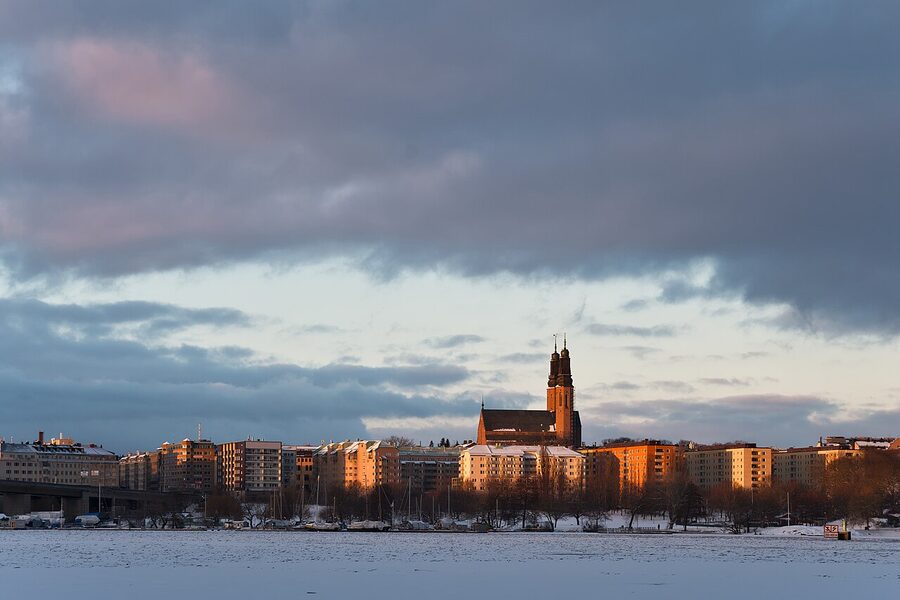
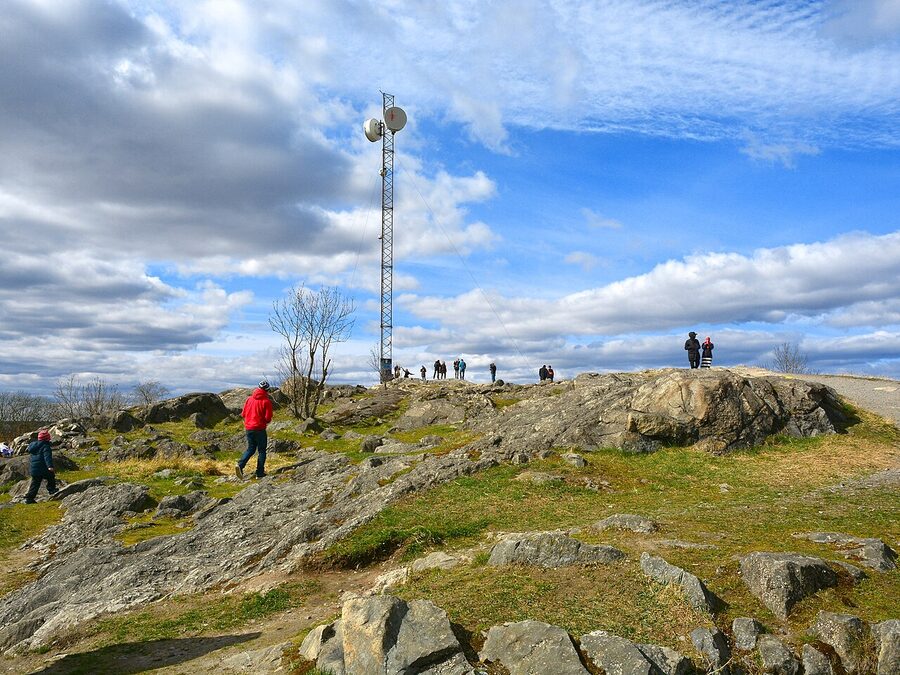
From Hornstull, walk fifteen minutes east along Söder Mälarstrand and you’ll come to a granite outcrop with a path of worn rock and grass that climbs about thirty metres above the waterline. This is Skinnarviksberget, the highest natural point on Södermalm. There’s no ticket booth, no fence, and no signpost. The Stockholmers are already there, sitting on the rocks with a takeaway pizza and a bottle of natural wine, watching the sun go down over Riddarfjärden and the City Hall spire on Kungsholmen.
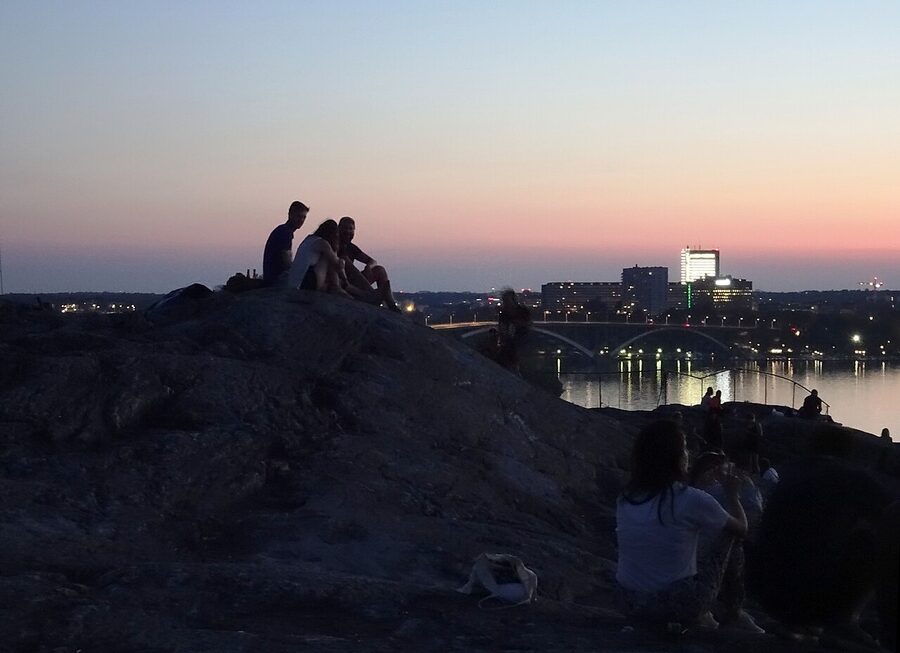
This is the city’s view. Better than Monteliusvägen which is more famous and more crowded, better than the Söder Torn observation deck which costs money and is closed half the time, and easier to find than the Fjällgatan terrace at the far eastern end of Söder. If you’re in Stockholm for a single evening, walk up here. If you’re in Stockholm for three days, do it twice. The viewpoint changes with the weather; on a flat grey afternoon the colour palette flattens to slate and brick, on a clear August evening you get an hour of pink reflected light off Riddarfjärden that flatters everything.
The Hornsbergs strand confusion
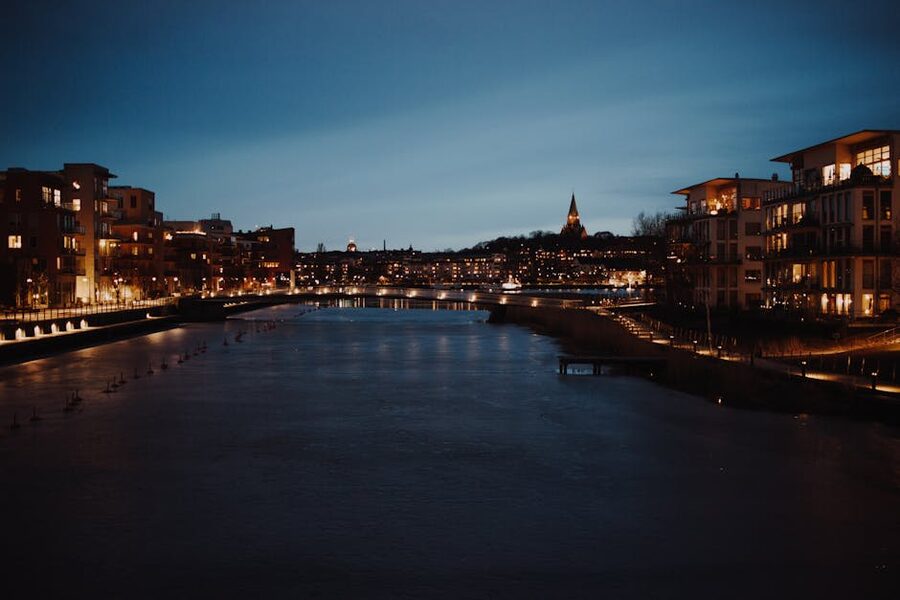
This trips up almost every visitor. Hornstulls strand is on Söder. Hornsbergs strand is on Kungsholmen, the next island north. They are different places. Hornsbergs strand is a 2010s redevelopment on Kungsholmen’s western shore, with new-build apartments, a wooden boardwalk, and three or four restaurants on the water. It’s lovely and worth a visit, but it isn’t part of the Söder walking circuit and you can’t walk to it without a metro ride or a long loop.
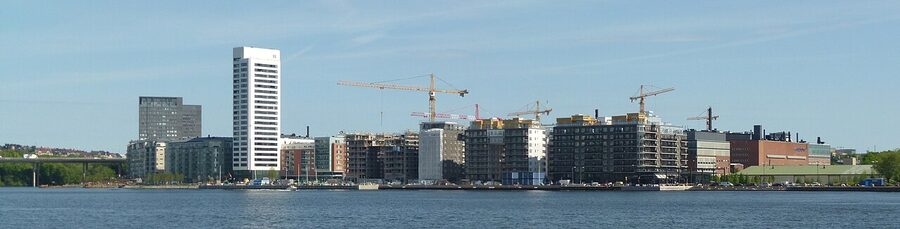
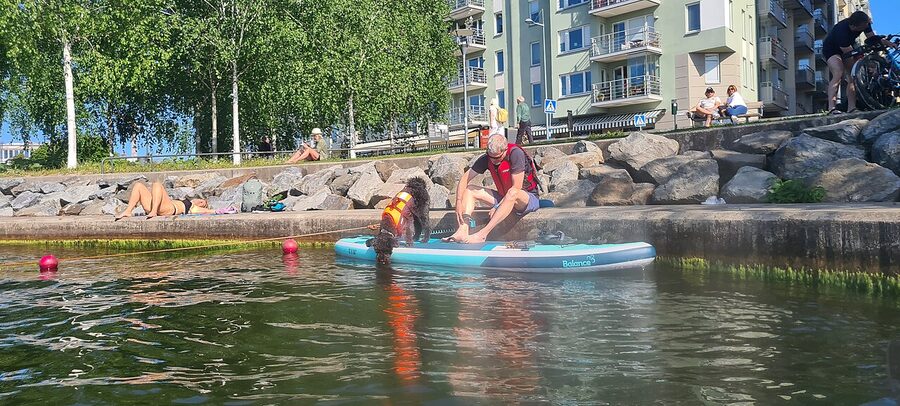
If you do want Hornsbergs strand, take the green line to Stadshagen and walk fifteen minutes south-east. The summer crowd is younger and more local than at Hornstull, the water reflects the sunset directly because the boardwalk faces west, and there are paddleboard rentals on the beach. Don’t try to walk between the two stretches of water in the same evening. It looks short on a map and it isn’t.
Now turn east: into the rest of Södermalm
Once you’ve done Hornstull and Skinnarviksberget, the smart move is to keep walking east through the rest of Söder rather than going back to the metro. The island is only 5.7 square kilometres in total, and from Hornstull to the eastern tip at Sofia is about forty minutes on foot. You’ll cross three quite different versions of the same neighbourhood, and the contrast between them is the most useful thing you can learn about Stockholm in an afternoon.

For the bigger frame on what to do beyond this neighbourhood, the Stockholm three-day guide covers the rest of the city: Gamla Stan, the Vasa, the Djurgården loop, and how to fit them around a Söder day like this one.
Mariatorget: leafy, central, calm
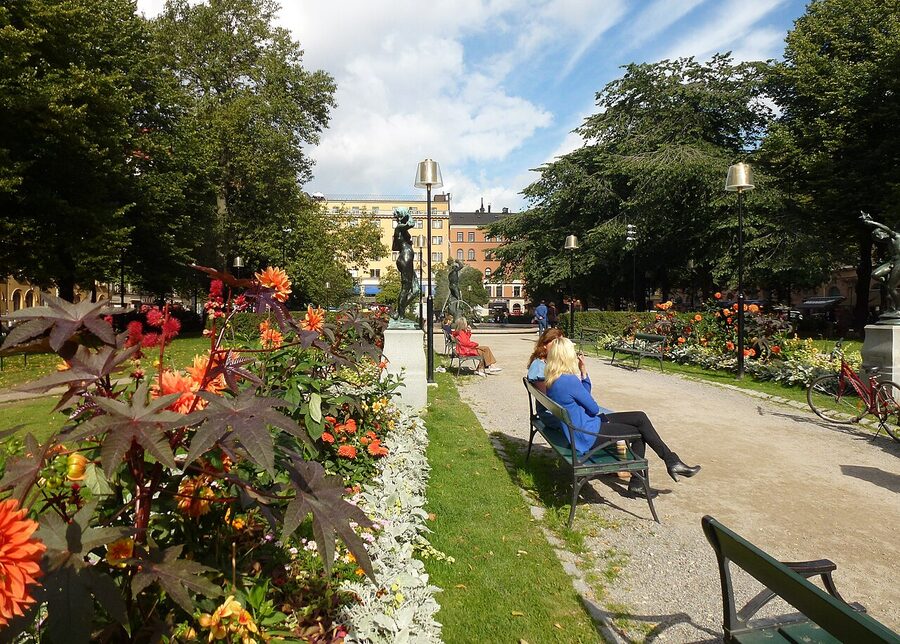
About fifteen minutes east of Hornstull on Hornsgatan you arrive at Mariatorget, the most genteel square on Söder. It’s a leafy rectangle with two metro entrances, a fountain in the middle, and a ring of cafés. The buildings around it are nineteenth-century, the trees are mature, and the ground is almost flat, which by Söder standards counts as a luxury. It is the gentlest part of the island and the easiest one to pass through.
The cafés worth your time are Pom & Flora at Bondegatan 64 (the SoFo branch is better but the Mariatorget original is honest), and the bakery Gateau in the Hornstull mall if you’re working backwards. A cinnamon bun and a black coffee at Mariatorget on a cold afternoon costs around 75 SEK (~€7) and earns you a bench. Hotel Rival sits on the square’s south side, owned by ABBA’s Benny Andersson, with a bar that opens onto the square in summer.
SoFo: Nytorget and Bondegatan
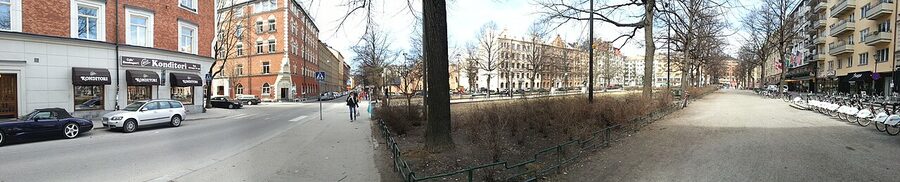
From Mariatorget, walk east along Hornsgatan or Bondegatan for another twenty minutes and the buildings get older, the streets narrower, and the shops more independent. This is SoFo, “South of Folkungagatan”, a tag the local property and bar trade adopted in the 2000s and have been profiting from ever since. The actual experience of the area is a grid of low-rise apartment blocks, small bars, second-hand shops, and the kind of restaurants where the wine list is hand-written.
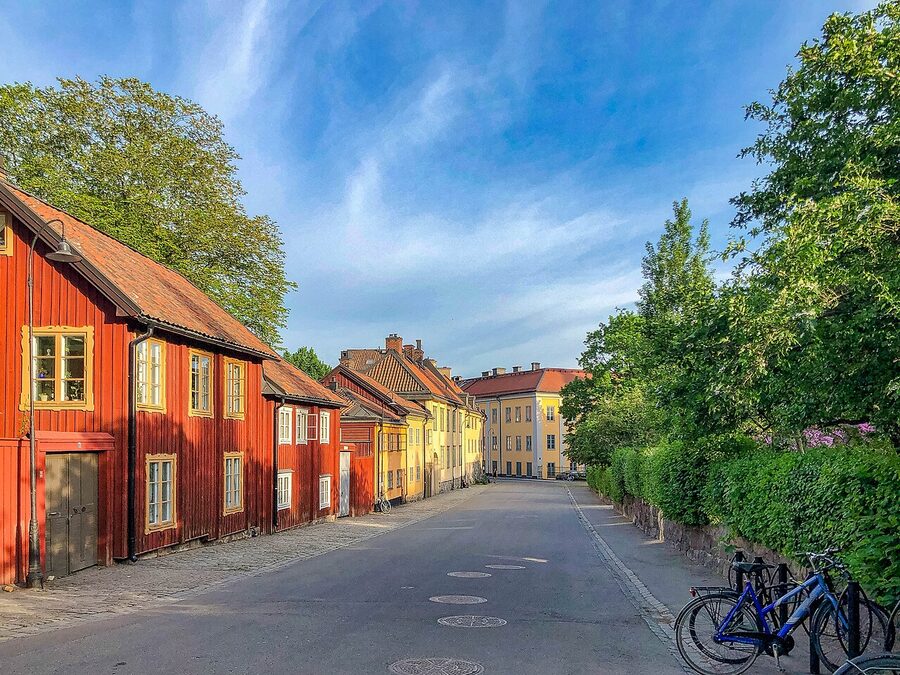
Nytorget is the SoFo equivalent of Mariatorget. Smaller, less landscaped, more lived-in. It’s a square with a small playground, three good cafés on its perimeter, and a strong claim to being the centre of gravity for a particular kind of Stockholm afternoon. Try Nytorget Urban Deli on the north-west corner for a salad-and-coffee lunch around 165 SEK (~€15), or, if you’d rather a sandwich and a pint, Pelikan on Blekingegatan two blocks south, a beer hall that has been pouring since 1904.
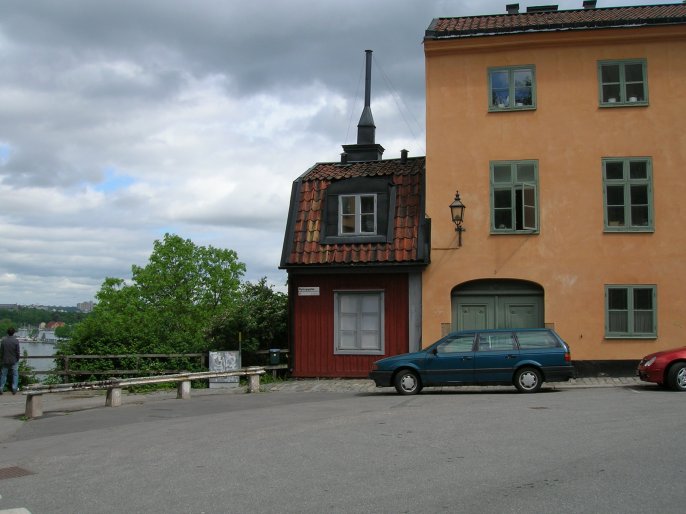
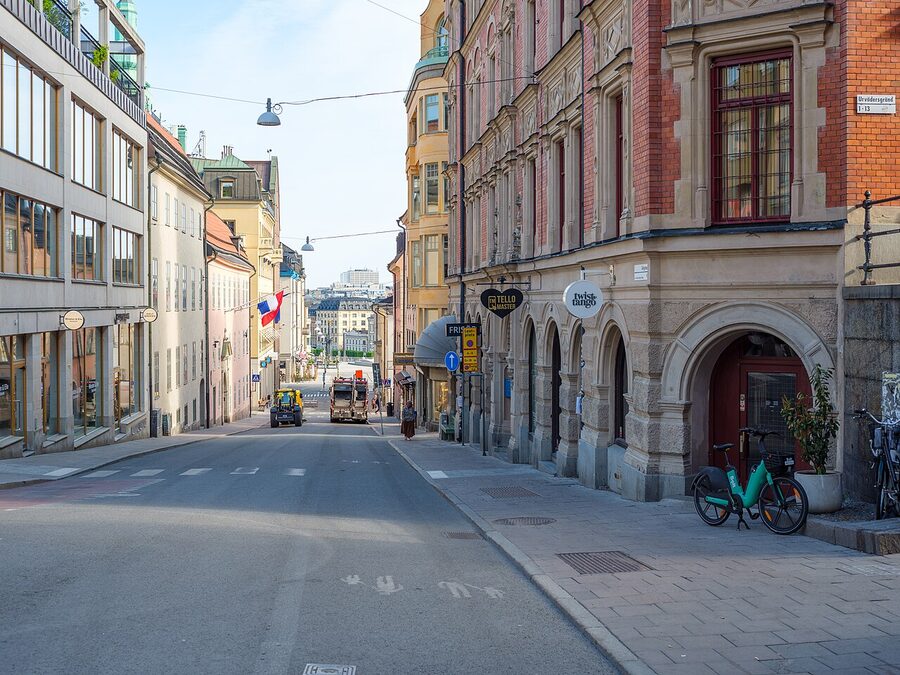
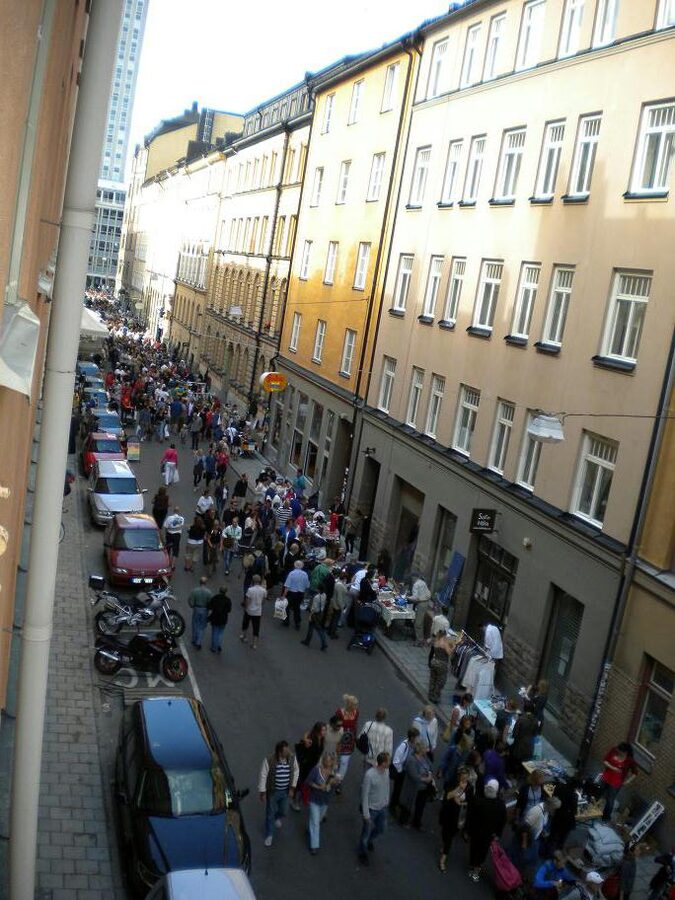
Bondegatan is the spine of SoFo. Walk it east from Götgatan to Renstiernas Gata and you pass: a vintage clothes store, a vinyl shop, a stationery boutique, three bakeries, two natural-wine bars, a tattoo studio, and at least one Persian rug dealer with a perpetually closed sign on the door. None of these places is doing anything dramatic. They are quietly operating year-round at small scale, the way that small businesses do in cities where rent isn’t yet impossible. That is the SoFo experience. If you’re looking for one specific shopping street to walk, this is it.
Brännkyrkagatan, the parallel street that’s actually nicer
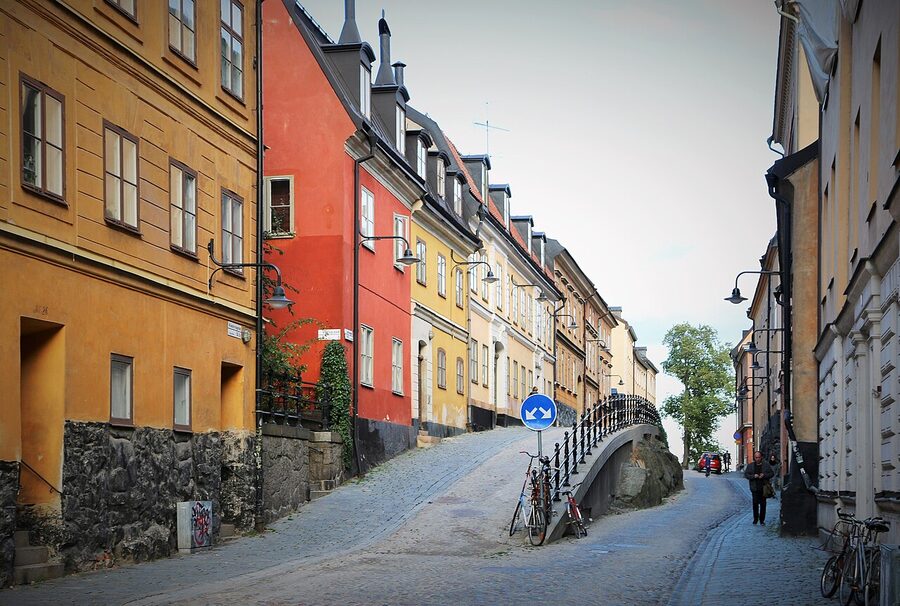
If Bondegatan is busy, walk one block north to Brännkyrkagatan. It’s the parallel street with a fraction of the crowds, the same period buildings, and a quieter spread of bookshops, a furniture restorer, and a few of the older cafés that have been around since before SoFo had a name. This is the move when you want central Söder without the queue.
Fotografiska, and whether to bother
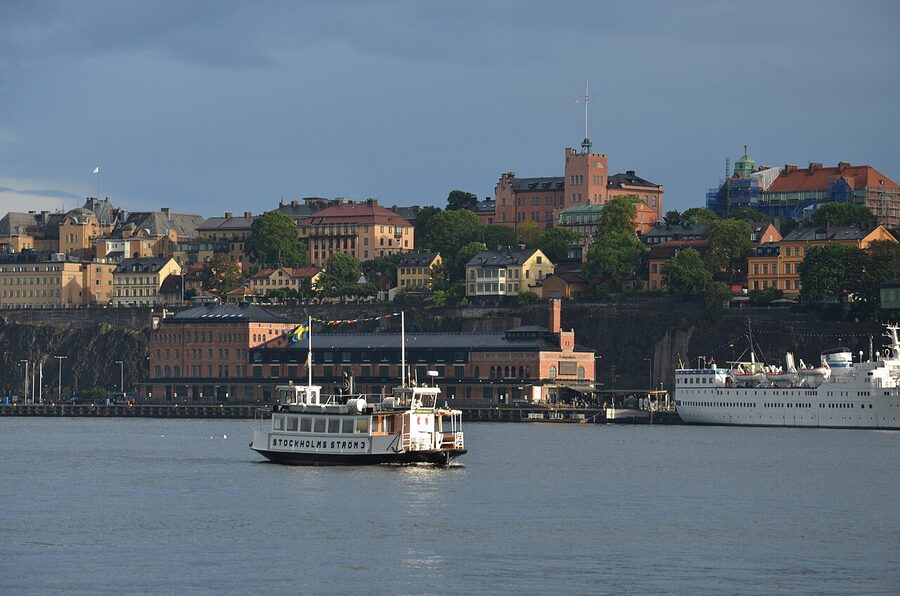
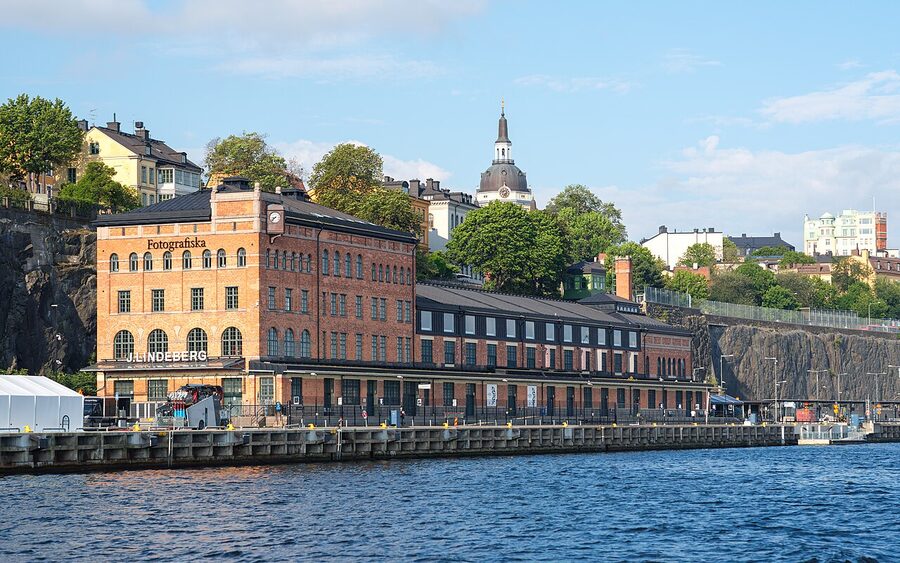
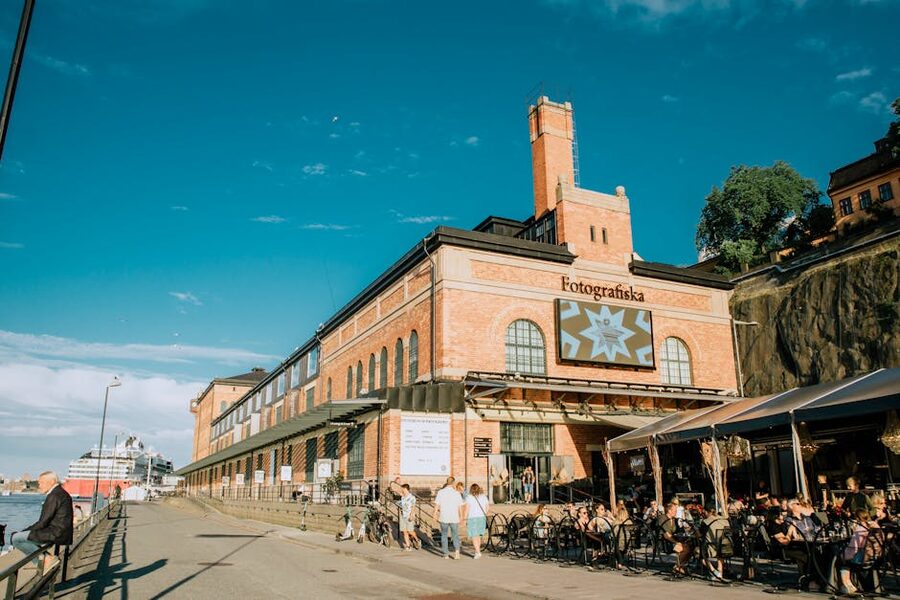
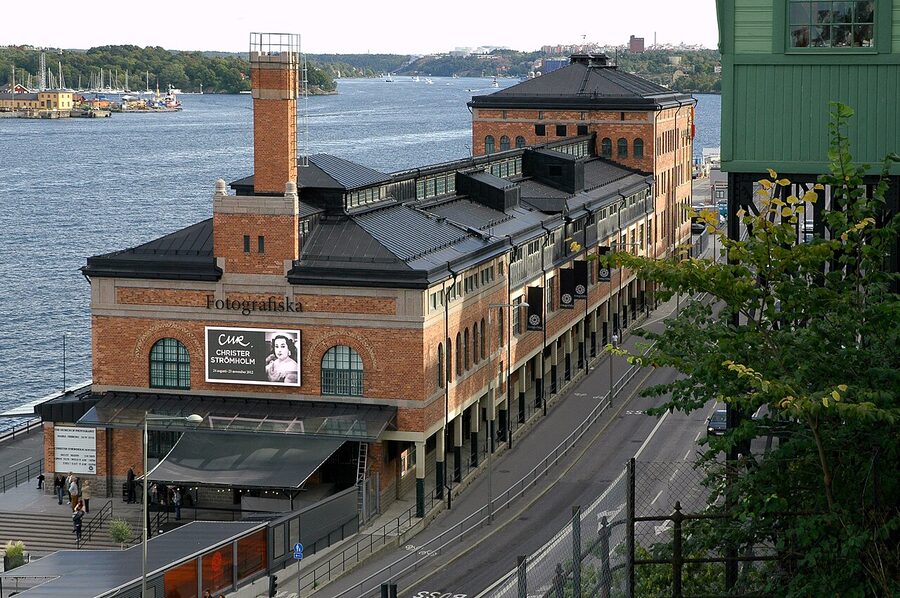
Fotografiska is the photography museum on the Söder waterfront just east of Slussen, in a converted Art Nouveau customs house. It’s open until eleven at night, which is the most useful thing about it: you can roll up at nine after dinner and have an exhibition mostly to yourself. Standard ticket is 195 SEK (~€18) for adults, 145 SEK for students and seniors. Five rotating exhibitions usually run at once. The quality is uneven. Annie Leibovitz, Robert Mapplethorpe and Shepard Fairey have all had retrospectives here that were genuinely good, and there have also been cycles of fashion-shoot work that didn’t earn the entry price.
What’s reliably worth the trip is the top-floor restaurant and bar, which has a window-line straight across to the Royal Palace, the Old Town, and the Skeppsholmen island. You can buy a drink or eat without a museum ticket; you go in through the same door, but the staff route you up. The bar is not cheap. Cocktails run 175 to 220 SEK (~€16 to €20). For that money you get one of the better waterside views in the city without paying the full museum entrance, and you can stay until midnight.
If you want one rule of thumb: check what’s on the walls before you go. Their website lists the current exhibitions with thumbnails. If two of the five interest you, the ticket is worth it. If only one does, drink in the bar instead and skip the museum floor entirely.
The Katarina-Sofia parish: where Söder gets quietest
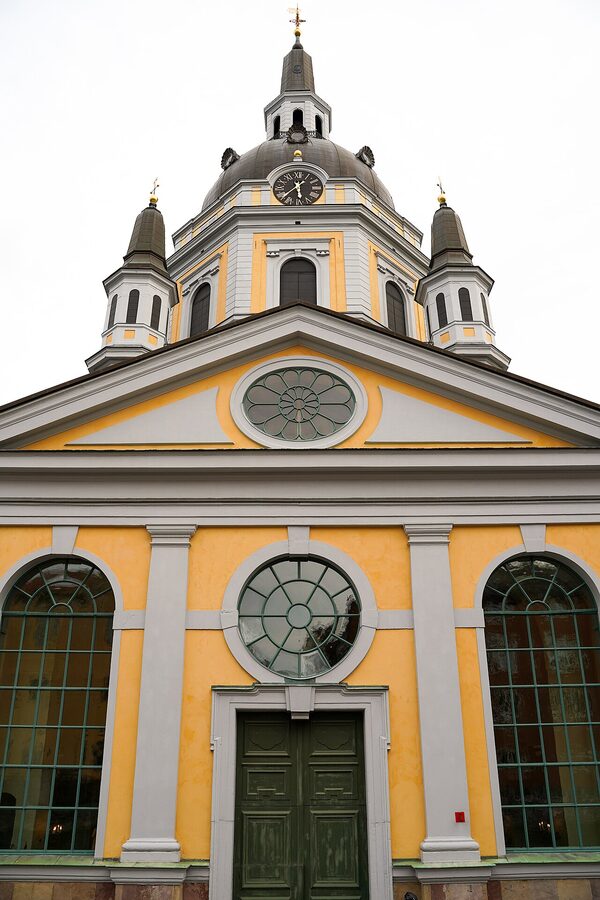
The eastern half of central Söder is split into the Katarina-Sofia parish, the oldest urban part of the island. You’ll know you’ve crossed into it when you climb the steps of Katarina kyrkobacke, the slope below Katarina Church. The church burned down in 1990 in one of the most-talked-about Stockholm fires of the twentieth century. The current building is a faithful rebuild to the 1690s plan, finished in 1995. From the churchyard you get a quiet, slightly elevated view back across the rooftops you’ve just walked through, and the bench by the southern wall is one of the city’s better pause points.
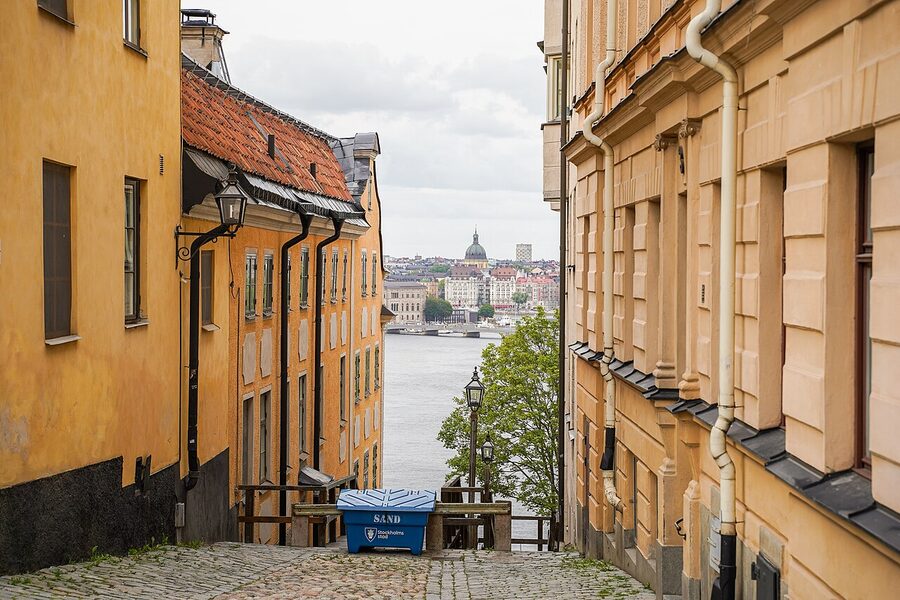
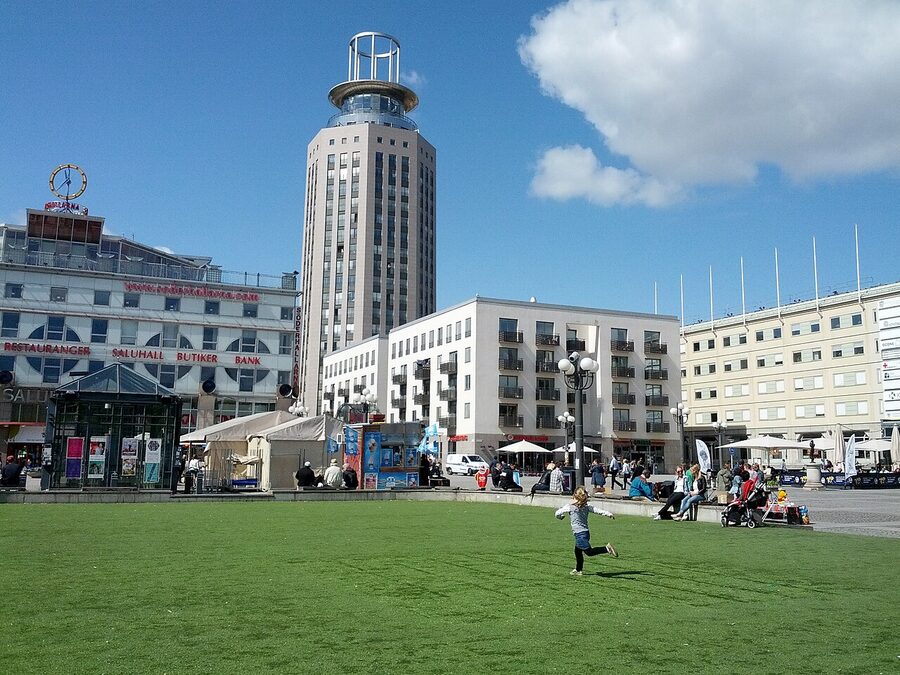
Söder Torn, the eighty-six-metre Henning Larsen tower at Medborgarplatsen, sits between SoFo and Katarina parish. It’s the only modern high-rise on Söder and is generally agreed not to belong, but it’s a clear orientation point and the apartments inside are some of the most expensive on the island. Locally, it’s known by a less polite shorthand than I’ll print here.
Tantolunden, the allotment slope above Hornstull
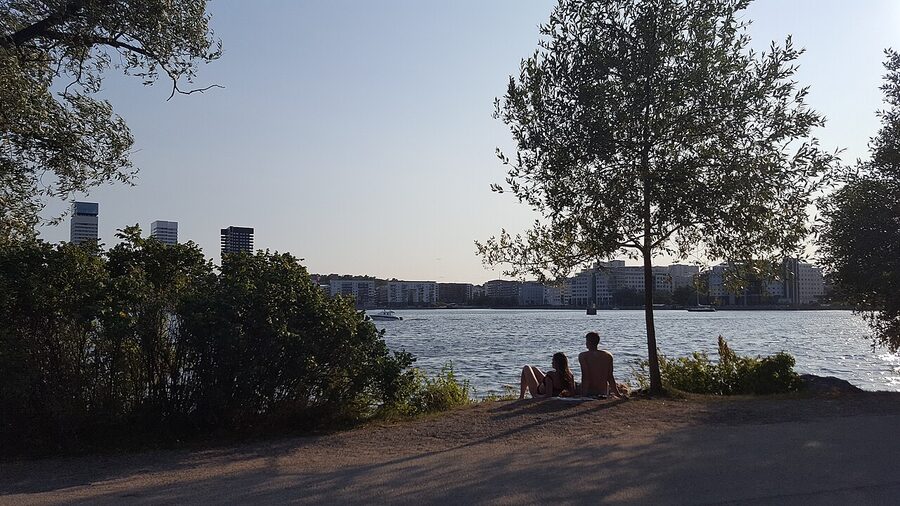
If you have a couple of extra hours and the day is warm, walk south from the Hornstull metro and climb the Tantolunden slope. The hill behind the apartment blocks is laid out as kolonilotter, allotment gardens with painted wooden cabins on plots of fifty square metres each. People rent them by the year and grow whatever they want, mostly tomatoes, herbs, and roses. From the top, you get a view south over Årsta and east toward Globen. It’s a different angle on Stockholm and almost no one but locals walks up here.
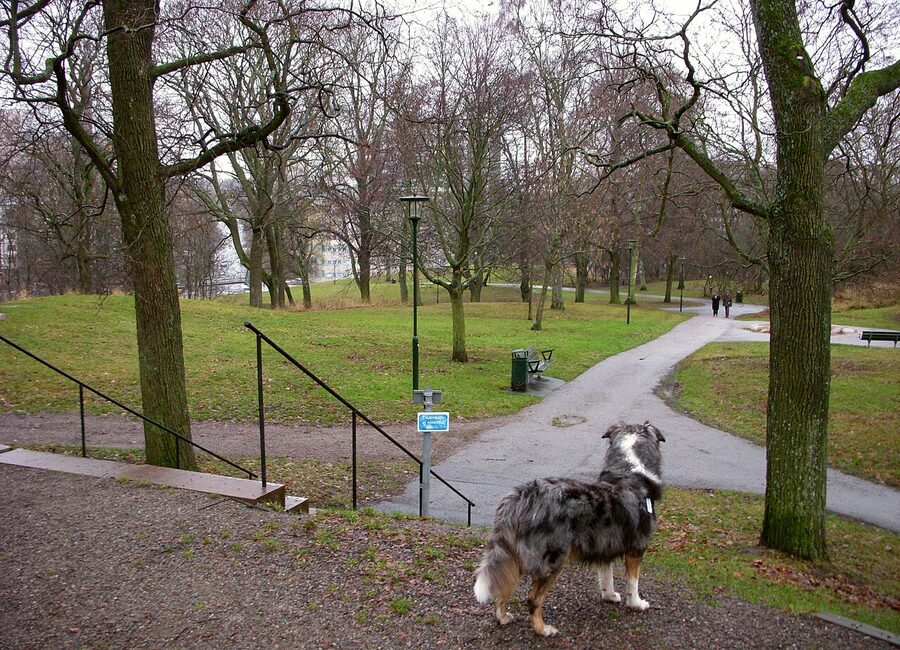
The path is a mix of unpaved track and gravel road. It’s not stroller-friendly. Wear shoes that can take a bit of mud after rain. The full loop from Hornstull metro round Tantolunden and back is about forty-five minutes at a casual pace. Combine it with the strand walk and you’ve spent half a day on the western tip of Söder without ever crossing into the standard tourist zone.
Where to actually eat in Hornstull and central Söder
This is the part where I cut the list short, because Stockholm food guides too often lean on twenty places and force every traveller to pick badly. A short list of places that have stayed reliably good across multiple visits, with prices as of mid-2026:
- Hornhuset (Långholmsgatan 15B, Hornstull). Three floors, three different menus, all dependable. Lunch on the ground floor around 145 SEK, dinner upstairs 600 SEK without wine.
- Tjoget (Hornsbruksgatan 24, Hornstull). The bar that triggered the area’s restaurant revival. Oysters, charcuterie, French and Italian small plates, an excellent natural wine list. Cocktails 175 SEK, mains 285 SEK and up. Loud at weekends.
- Pelikan (Blekingegatan 40, SoFo). A working-class beer hall from 1904, dark wood, white aprons, and a menu of husmanskost (Swedish home cooking). Meatballs and lingonberry 195 SEK; pyttipanna 175 SEK.
- Nytorget Urban Deli (Nytorget 4, SoFo). Daytime salad and soup spot, decent breakfast, fast turnaround at lunch. Mains around 165 SEK.
- Bistro Rio (Hornsbruksgatan 19, Hornstull). Small French-leaning bistro with an open kitchen. Tuesday set menu 395 SEK for three courses is the deal of the week.
- Kvarnen (Tjärhovsgatan 4, Medborgarplatsen). Stockholm’s last unreconstructed beer hall. Football crowd on match nights, but otherwise calm. Pyttipanna 165 SEK; lager from the tap 65 SEK.
The honest negative: skip Café Dello Sport. The Forbes write-up praised it a decade ago but the room has changed hands twice since and the espresso isn’t worth the queue. If you want a proper coffee in Hornstull, walk to Café Pascal (Norrtullsgatan branches across town are better; the Söder option is currently Drop Coffee Roasters on Wollmar Yxkullsgatan, a fifteen-minute walk east).
Where to stay if you’re using Söder as a base
If you can sleep on Söder rather than Norrmalm, do. The price gap isn’t huge, the room sizes are usually larger, and you save thirty minutes a day on the metro. The four picks below all sit within a fifteen-minute walk of either the Hornstull or Mariatorget metro:
- Hotel Rival, Mariatorget (check on Booking.com). Owned by Benny Andersson, sits on the south side of the square, has a cinema in the basement and a bar that opens onto the square in summer. Mid-range and the best-located on the island.
- Clarion Hotel Stockholm, Skanstull (check on Booking.com). Big, modern, art-heavy, with a rooftop pool and bar that’s worth the room price even if you don’t swim. Right at Skanstull metro on the south side of Söder.
- Hilton Stockholm Slussen, Slussen (check on Booking.com). Forty-year-old building on top of the Slussen interchange. Ask for an upper-floor harbour-view room or skip it; the lower-floor rooms face the bus station.
- Generator Stockholm, Norrmalm (check on Booking.com). Not on Söder, but the cheapest serious option in central Stockholm and a fifteen-minute metro to Mariatorget. Dorms and private rooms; design-conscious for the price band.
- Scandic Malmen, Medborgarplatsen (check on Booking.com). The classic Söder business hotel. Reliable, no surprises, breakfast included, walkable to SoFo and Hornstull.
The official Stockholm tourism site at visitstockholm.com lists the broader hotel picture and seasonal events. For getting around the rest of the city, the SL transport authority’s site sl.se handles tickets and routes.
The walking sequence, in order
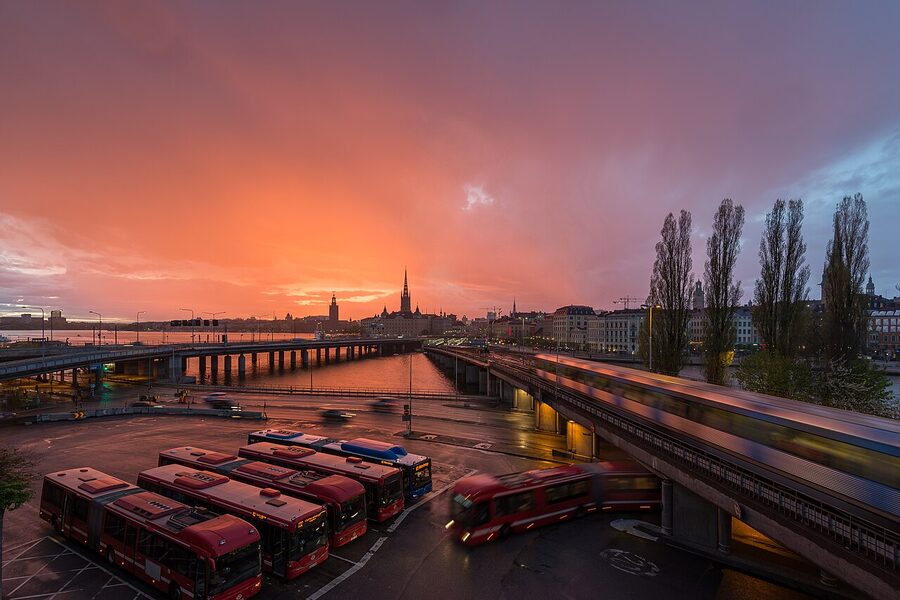
If you want one cleanly mapped Söder day starting from Hornstull, here it is:
- Arrive Hornstull metro. Top of the mall terrace for ten minutes of orientation.
- Walk down to Hornstulls strand. Continue west to Pålsundsbron, look across to Långholmen, return.
- Cross Liljeholmsbron southbound, twenty minutes total there and back, for the rooftop view of Söder.
- Lunch at Hornhuset or Bistro Rio.
- Walk east along Söder Mälarstrand to Skinnarviksberget. Climb. Sit. (Twenty minutes from Hornstull.)
- Continue east on Hornsgatan to Mariatorget. Coffee. Bench.
- Detour two blocks south to Bondegatan, walk it to Nytorget. (Twenty minutes.)
- Drop down to Slussen via Götgatan or Katarinavägen.
- Fotografiska at nine, when the daytime crowd has gone.
- Last drink at Tjoget back in Hornstull, or at the Hotel Rival bar on Mariatorget.
That sequence, plus the eating breaks, takes about seven hours at a moderate pace. You can comfortably break it across two afternoons if you’d rather, and you should if the weather turns. Söder in good light is one of the better walks in northern Europe. Söder in horizontal rain is a slog and there’s no shame in retreating to Bio Rio with a hot chocolate instead.
How Söder fits the rest of a Stockholm trip
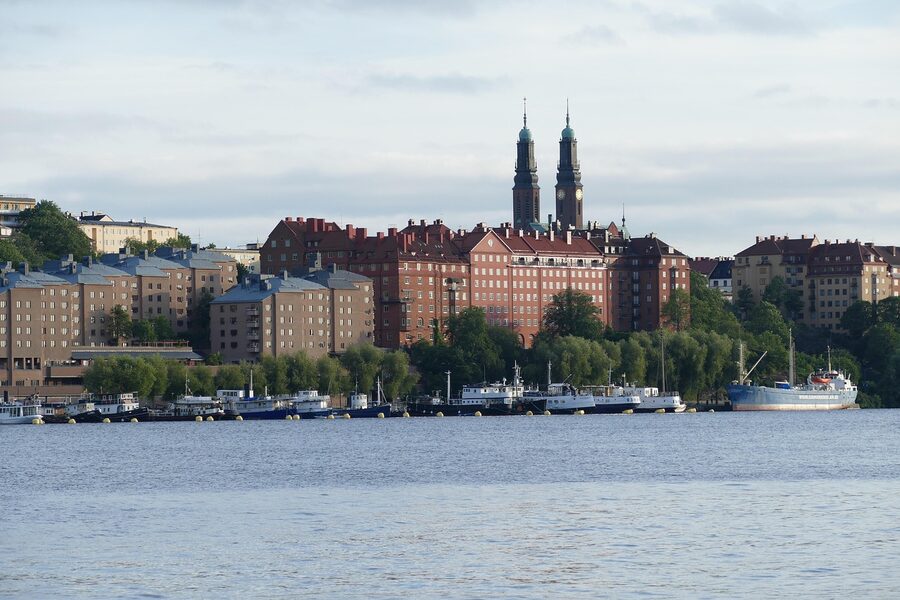
For first-timers, I’d plan two days on Söder out of a three-day Stockholm trip and use the third for Gamla Stan and Djurgården. The Stockholm three-day guide sequences that for you, including how to handle the Vasa, Skansen, and the City Hall tour without doubling back across the bridges. If you’re chaining Stockholm with Helsinki, the obvious next step is the Stockholm to Helsinki overnight ferry from Värtahamnen. It leaves at four-thirty and you wake up the next morning in a different country, having slept through the journey, for less than the price of an indifferent flight.
For the wider Nordic capitals comparison, the city guides for Helsinki, Copenhagen, Oslo and Reykjavík cover the same single-traveller perspective. If you’re trying to choose between Stockholm and one of the others for a single weekend, those four pages are the right comparison set.
Practical bits
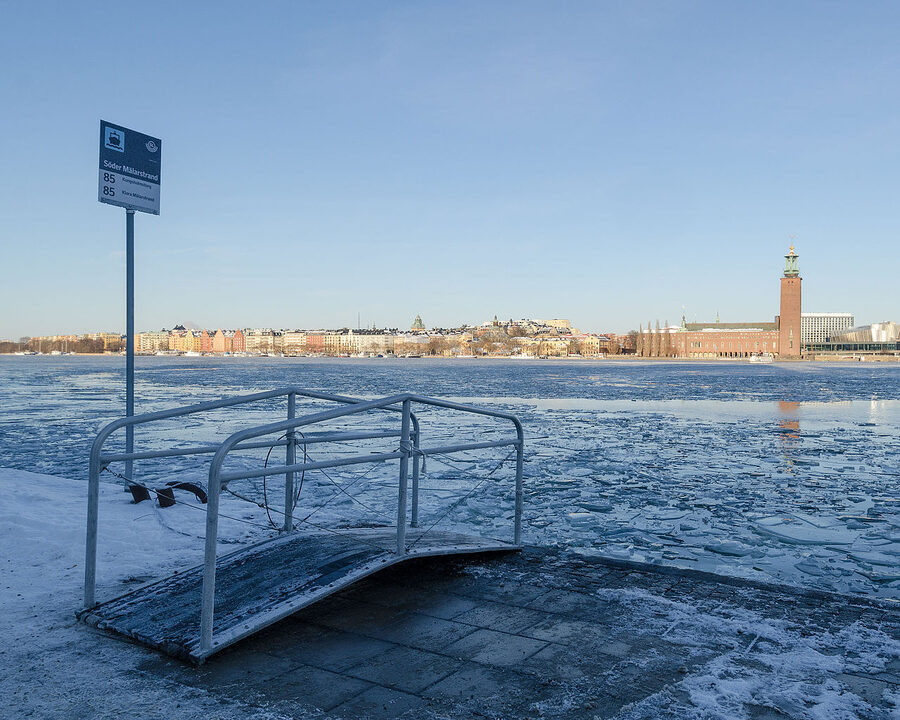
- Getting to Hornstull from Arlanda airport. Arlanda Express to Stockholm Central, twenty minutes; transfer to the red line southbound (T13 toward Norsborg or T14 toward Fruängen), four stops to Hornstull. Total around forty minutes.
- Tunnelbana ticket. Single trip 42 SEK (~€4) if bought through the SL app, valid 75 minutes. A 24-hour pass is 175 SEK (~€16) and pays back at four rides. A seven-day pass is 460 SEK (~€42).
- Tipping. Service is included. Round up at restaurants, no tip needed at cafés or bars. Card and Swish dominate; cash is rare.
- Best months. Late May to early September for the strand and Skinnarviksberget. October has the cleanest light. December is dark by three, but the Christmas market on Hornstulls strand earns its place.
- Worst weather. Horizontal February rain, when neither the strand nor Skinnarviksberget is enjoyable. Move the day to Fotografiska, Bio Rio, and a long lunch at Pelikan.
The thing nobody quite tells you about Söder is that the island rewards repeat visits more than it rewards a first one. The Stockholm guide that puts Hornstull in a Sunday-afternoon checklist and moves on by tea time is missing the point. You walk it once to learn the geometry. The second time, you start to notice which café has the regulars at the window, which corner of Mariatorget gets the late-afternoon sun, and which set of granite steps leads up to the view that isn’t on any map. The first time is for the sequence above. After that, just come back. The strand is still there, the bridge still opens, and the rock at Skinnarviksberget is still the best free seat in the city.