On 27 July 1361, a Danish king walked into a Swedish island city and changed it forever. Valdemar IV Atterdag landed at Vivesholm with a professional army of perhaps 2,000 men, mostly German mercenaries who had spent the summer subduing Öland on his behalf. The farmers and townsmen of Gotland met him outside the southern wall at a place called Korsbetningen. By evening, an estimated 1,800 of them were dead. The Visby townsfolk inside the wall watched the slaughter, then opened the gates and paid Valdemar a ransom in silver to leave the city standing. The mass grave at Korsbetningen sat under a fallow field for 544 years until archaeologists started excavating it in 1905. They pulled out 1,185 sets of bones, many still wearing their chain mail, some skulls still inside their padded coifs, and you can stand a metre away from one of those skulls today inside the Gotland Museum on Strandgatan. That is the strange thing about Visby. The wall the dead were defending still rings the town. The town inside it is the most complete medieval Hanseatic city in northern Europe and on a UNESCO list since 1995. And every August, several thousand people in linen and wool turn up in Visby to drink mead and hold a tournament, in a festival the locals call Medeltidsveckan, on the same paving stones the 1361 farmers were trying to reach when they died.
I have been to Gotland twice. Once on the Destination Gotland ferry from Nynäshamn in early June, sleeping on a deck recliner because I was too cheap for a cabin, and once on a 35-minute BRA flight from Bromma in late September with six other passengers. Both visits were cold by the time evening came. Both included the Lummelunda cave, the rauk coast at Langhammars, a long afternoon at Bergman’s grave, and a slightly drunk evening on Strandgatan that ended at a place that didn’t look open from the street. This is the guide I wish I’d had on the first trip. It assumes you have between three and seven days, that you care about the medieval town for itself rather than as a backdrop, and that you’d quite like to leave Visby for at least one day to see the rest of the island, which is a different country.
In This Article
- The 3.4-kilometre wall and what survives inside it
- The battle and the bones
- Sankta Maria, the only church that kept its roof
- The eleven church ruins, in roughly the order you should walk them
- Strandgatan, the merchant houses, and where the Hanseatic city actually lived
- Almedalen and the politicians’ week
- Medieval Week, which is the right week to visit if you can stomach the chaos
- Fårö, Bergman’s island, and the six-minute ferry
- The rest of the island, by car or by bike
- Klintehamn, the southwest, and the rest of the lamb-farm coast
- Where to base yourself, and what to pay
- Eating, with the lamb thread underlining everything
- Getting to the island
- The Bornholm comparison, and why both islands are worth your time
- What to skip
- When to come
- A 3-day, a 5-day, and a 7-day shape
- One last thing
The 3.4-kilometre wall and what survives inside it
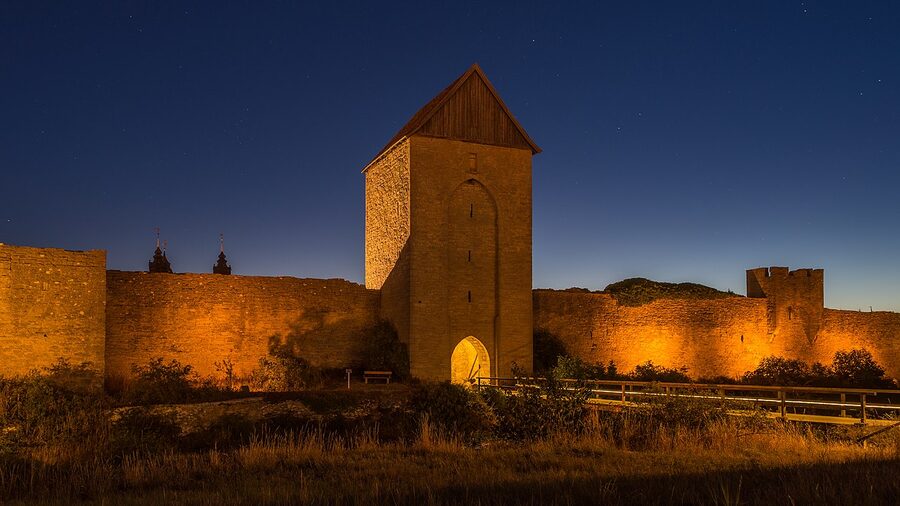
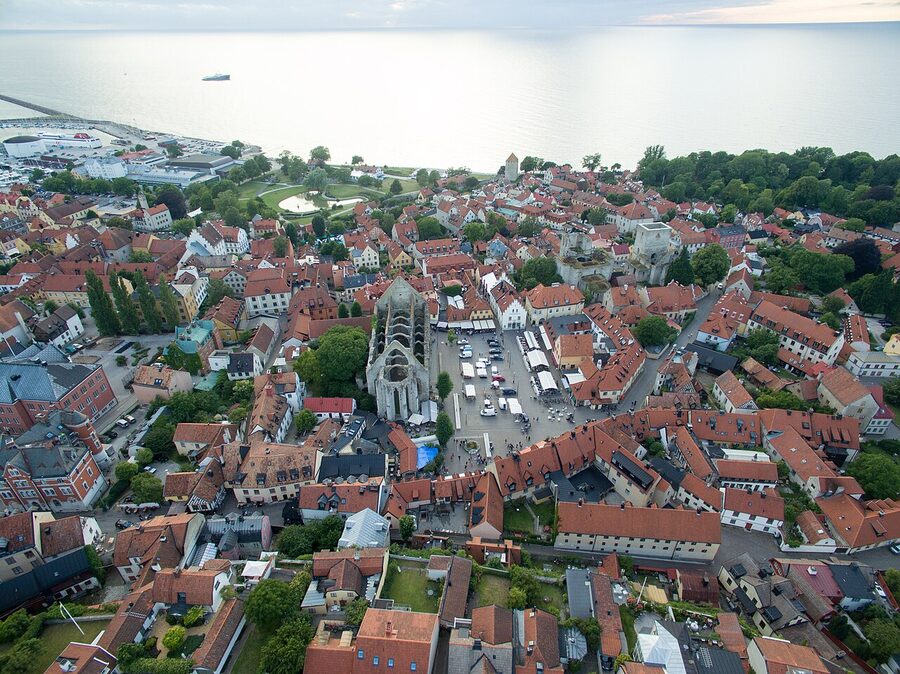
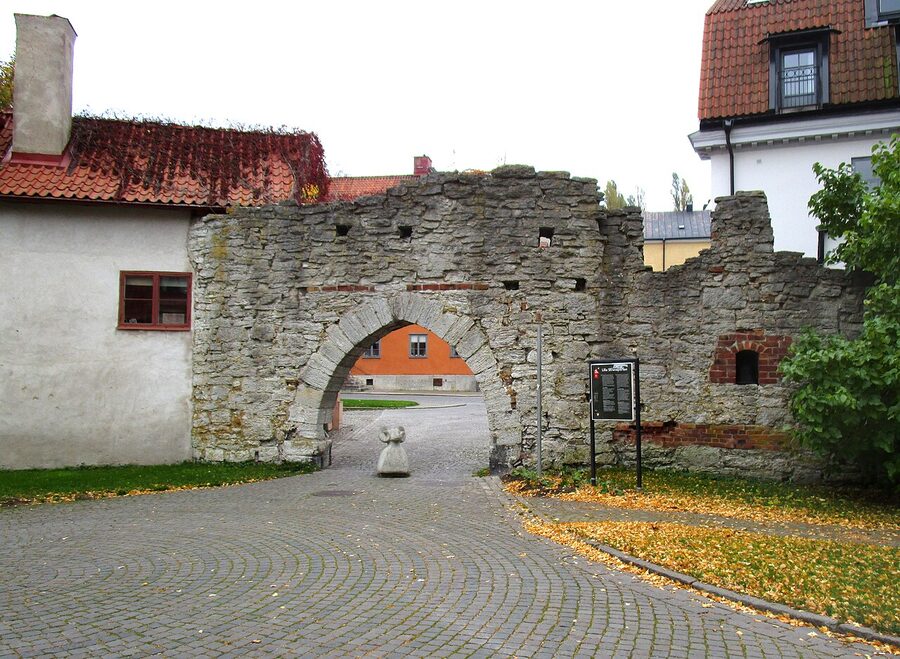
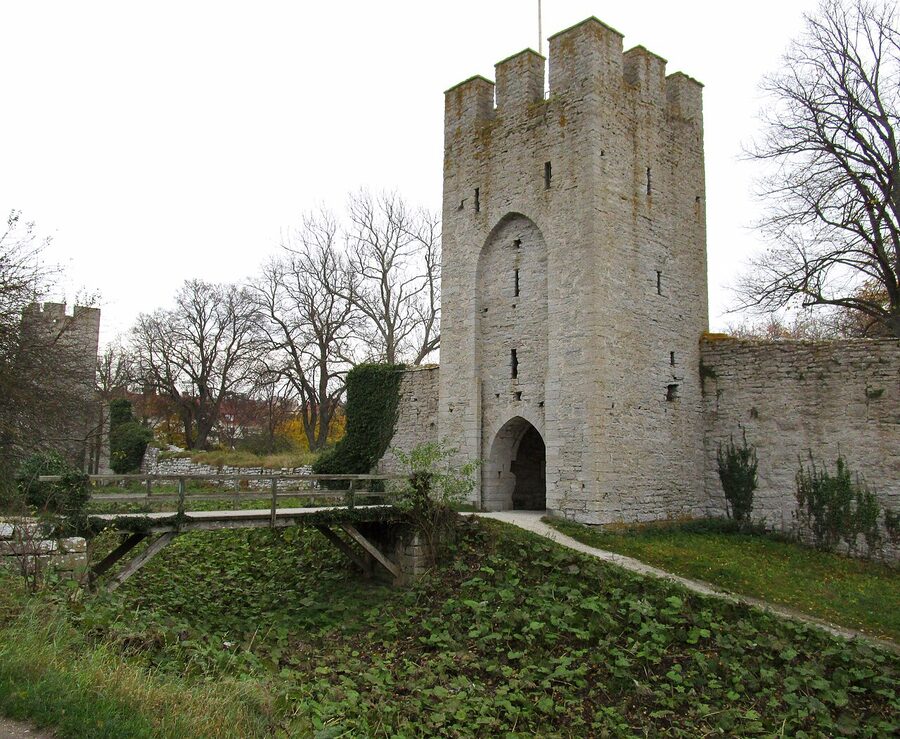
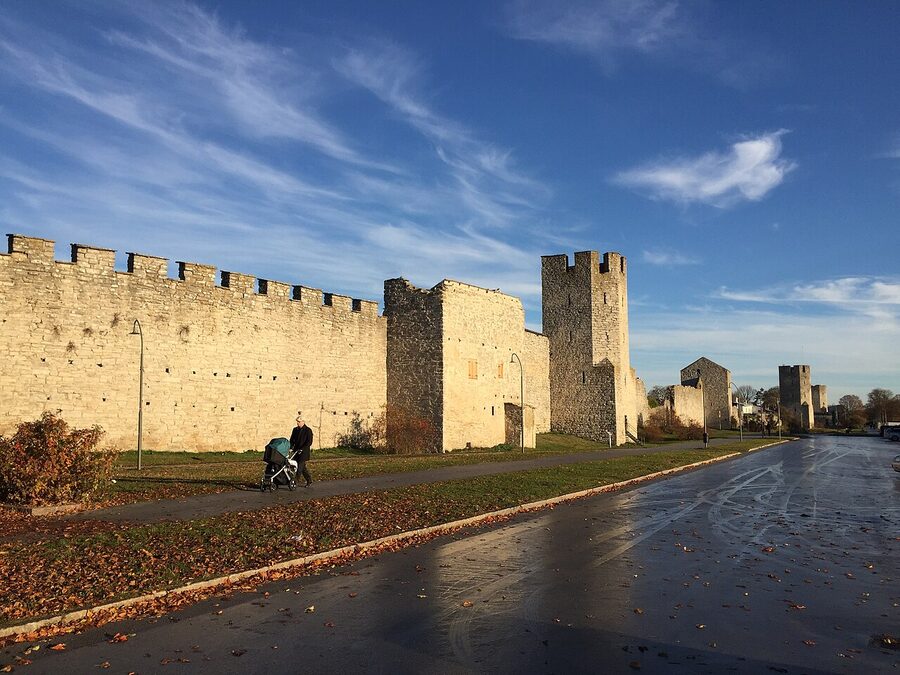
The Ringmuren, to give it its proper name, is the headline. Started in the late 13th century, finished by about 1288, raised in height during the early 14th, it runs 3.4 kilometres and survives almost intact. There are 27 large towers (out of an original 29) and 9 smaller saddle towers, plus the gate-towers at Söderport, Norderport and Österport, plus a few free-standing ones like Kruttornet and Snäckgärdsporten. No other Hanseatic-era city wall in northern Europe still encloses its town the way Visby’s does. Lübeck has fragments. Stralsund has a stretch and two towers. Tallinn has a long curve and four towers. Visby has the whole thing.
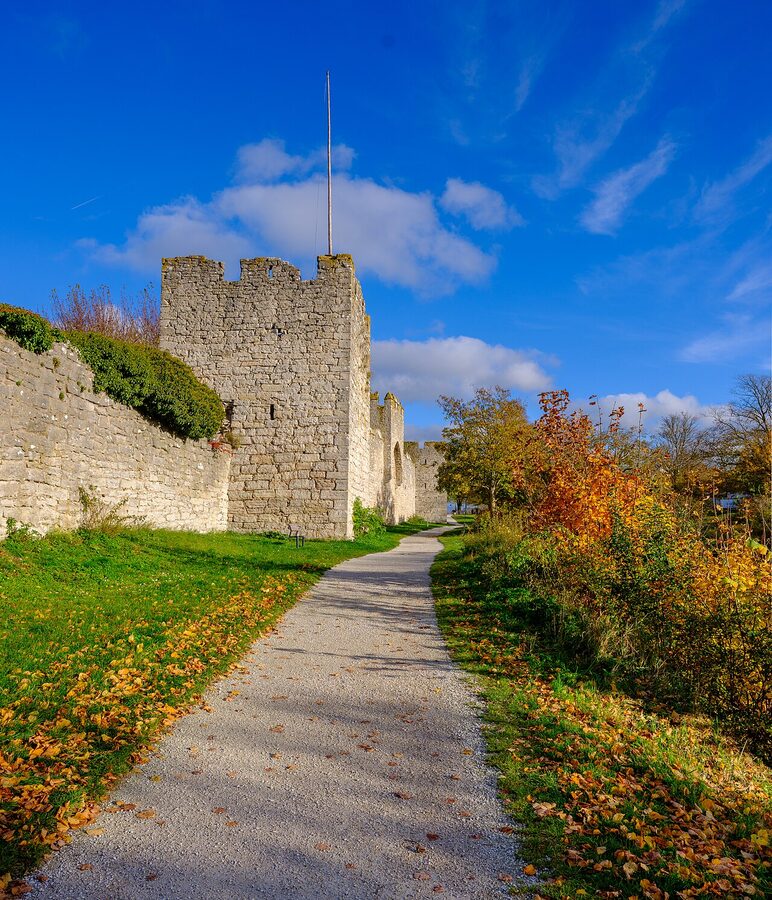
Two practical things. The wall is free to walk along the outside, and there is a clear gravel path most of the way. The inside walk is also free, but the climbing of any of the towers is not. Kruttornet, the squat round Powder Tower at the harbour, is the only one consistently open to the public, and it has the small museum about the wall itself that the tourist office should signpost better than they do. Going up costs around 60 SEK (about €5.50). Worth it for the view down Strandgatan, not life-changing.
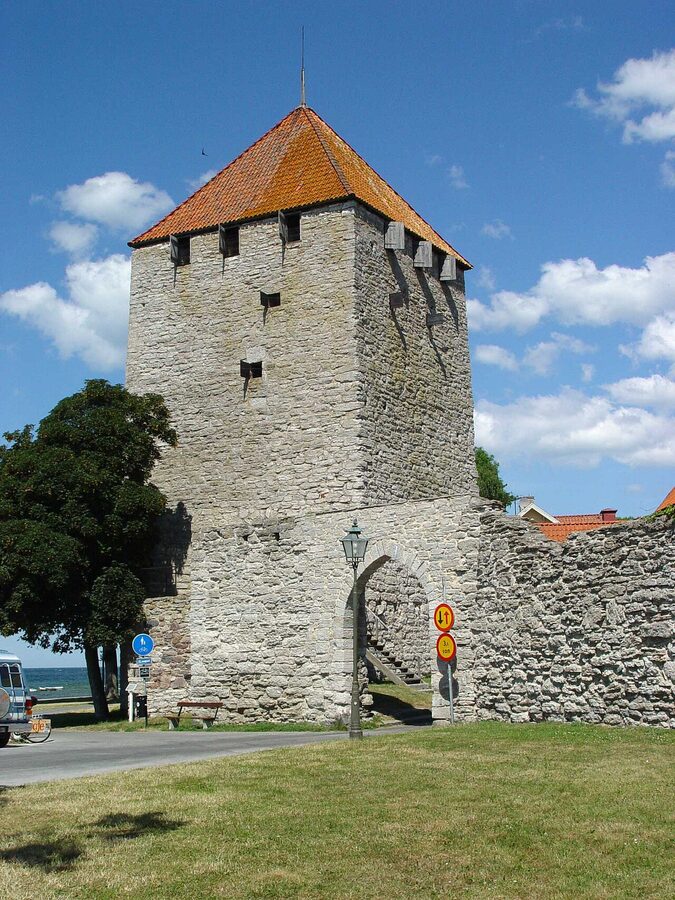
The smartest 90 minutes you can spend on arrival is a full circuit on the outside. Start at Söderport, walk anti-clockwise via Kruttornet, the Lilla Strandporten, the long western stretch above the harbour, then up over the ridge at the north end past Snäckgärdsporten, then down past the eastern saddle towers and back to Söderport. Half-empty in early morning, busy by 11am from May to August, manageable any time outside July.
The battle and the bones
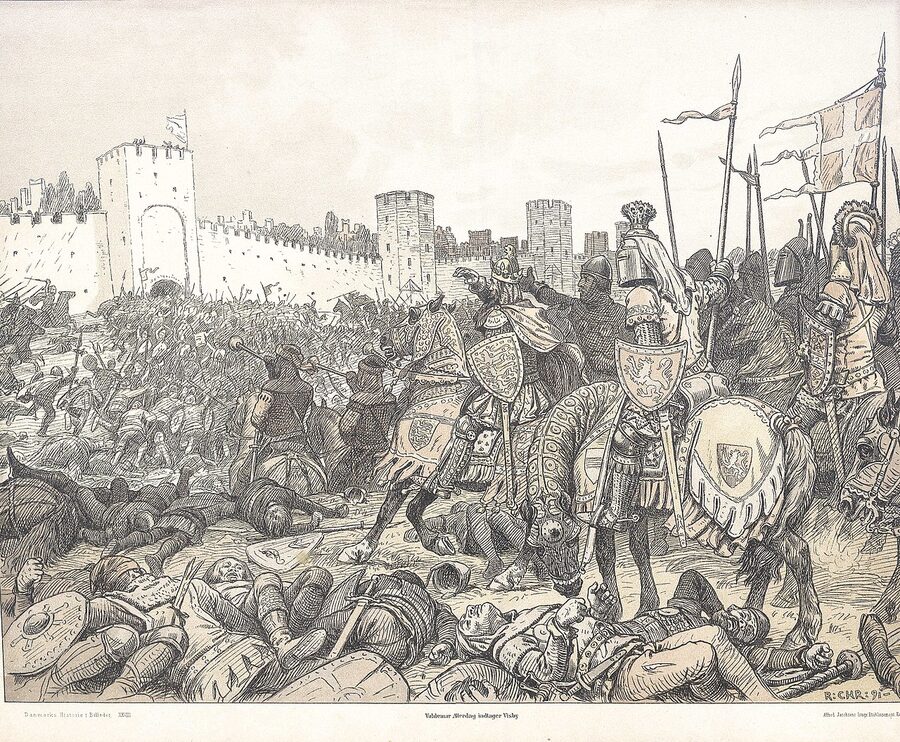
Here is the story straight. Visby in 1361 was the richest town in the Baltic. It had been a full Hanseatic League member since the 13th century, sending its own delegation to the Lübeck assemblies, controlling the southern stretch of the trade route between Novgorod and Lübeck. The harbour took 200 cogs at peak. The cathedral church of Sankta Maria was already standing. Eleven other parish churches and three abbey churches were inside the wall, more per capita than anywhere in Scandinavia. Visby was the city Stockholm wanted to be when it grew up.
Valdemar IV Atterdag, king of Denmark, had spent the summer of 1361 retaking the southern Swedish provinces of Skåne, Halland and Blekinge from his rival Magnus Eriksson, then sailed his fleet up to Öland and reduced it. By late July he was on Gotland with maybe 2,000 men. The Gotland farmers, organised in a body called the Almoge, came out from the rural parishes and met him at Korsbetningen, a fallow stretch of ground 200 metres south of the Visby wall. The farmers were poorly armoured, many of them old or very young, and their formation broke under the German cavalry charge within a couple of hours.
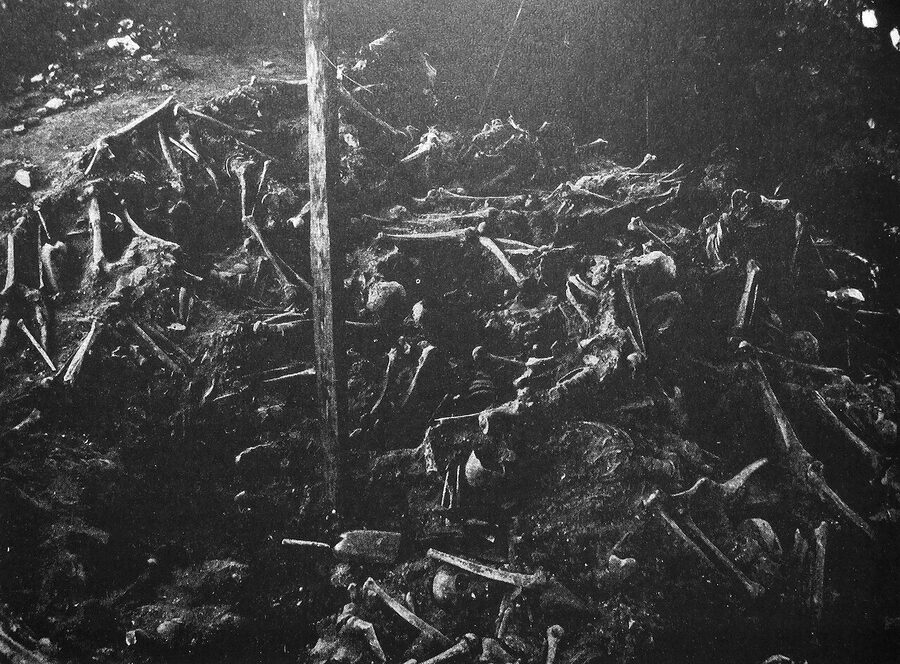
The townsfolk inside the wall did not come out to help. They had a treaty obligation, technically, but the wall was new, the Danish army was professional, and the Visby merchants knew that whichever king won the war would still need somewhere to dock his cogs. After the slaughter, Valdemar’s army stripped the Gotlandic dead of armour and weapons (worth more than the silver they were carrying), and the bodies were dropped without much ceremony into three communal pits the prisoners had dug. The townsfolk paid a ransom of 30,000 marks in silver, plus accumulated tribute, and Valdemar sailed away.
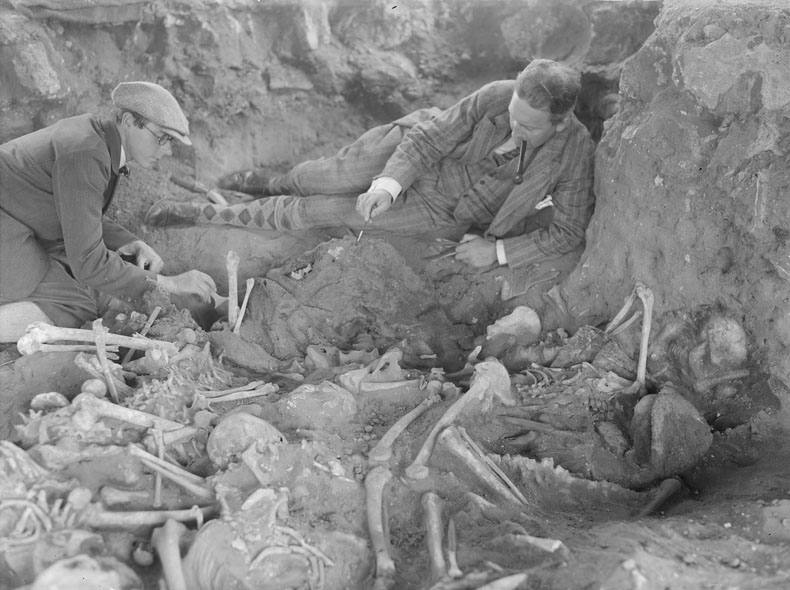
The grave sat unfound for 544 years. In 1905 a local antiquarian called Oscar Wennersten started a small excavation, and immediately turned up bones and chain mail at less than half a metre’s depth. The dig went on intermittently until 1928. By the end, archaeologists had recovered 1,185 sets of remains and roughly 25 percent of them were still inside their armour. That part is unique. Almost every other medieval mass grave was stripped before burial, because mail was reusable and expensive. The Korsbetningen dead went into the pit fully kitted because the army was in a hurry and there were too many to process. Some skulls were inside their padded textile coifs. One had a crossbow bolt embedded in the brow ridge. Another had been struck through the eye-slot of a bascinet helmet by a single arrow.
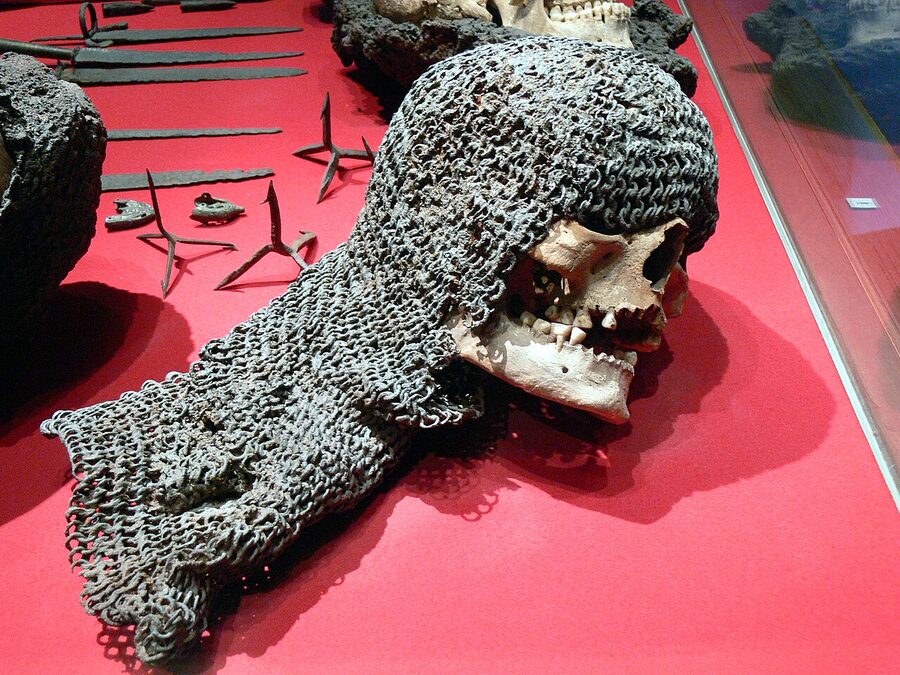
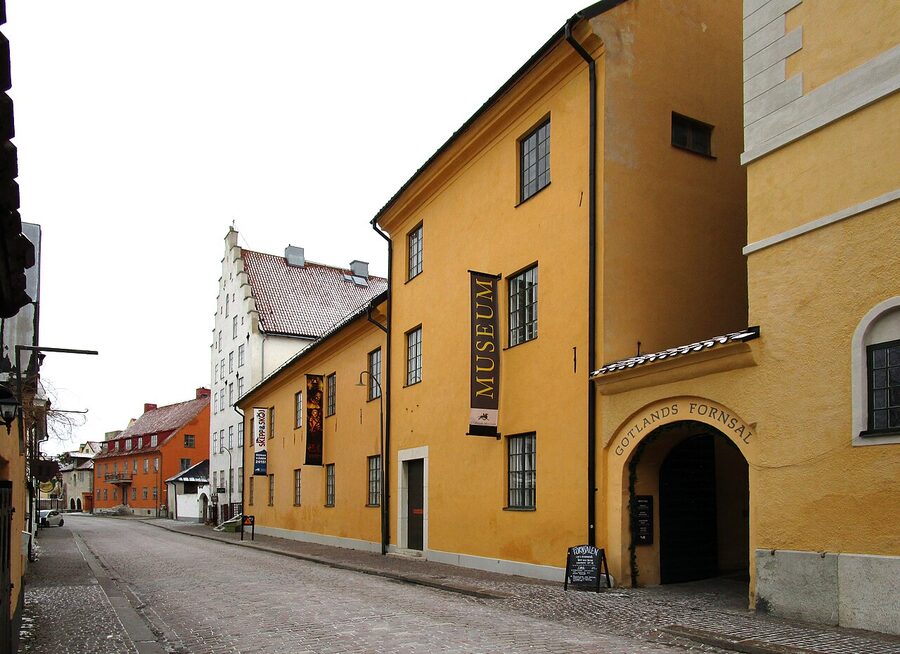
The Gotland Museum (Fornsalen, on Strandgatan 14) holds the surviving material. Around 12 mailed skulls, a bascinet, several sets of plate fragments, two complete coifs, plus the everyday textile finds the dry calcareous soil preserved that no other 14th-century site has matched. Entry is 150 SEK (about €13), open 10:00 to 17:00 daily in summer, shorter hours October to April. The display takes about 90 minutes if you read the panels. The 1361 room is upstairs, third along after the Stone Age and Bronze Age galleries. People who say Sweden’s museums are sterile have not been here.
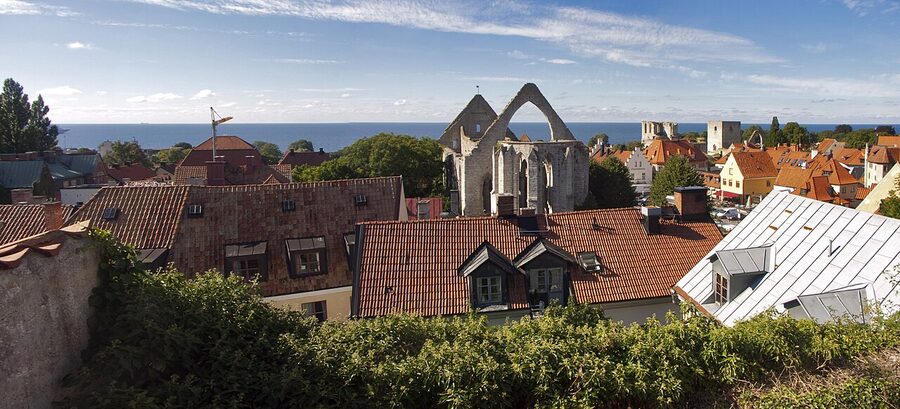
What happened to Visby afterwards is the long part of the story. The Hanseatic League formally expelled the town in 1470 for failing to act against pirates, by which time the harbour was already silting up. In 1525 a force from Lübeck (the parent Hanseatic city) sacked Visby in a punitive raid that burned the church of Sankta Maria’s roof and several others; the cathedral was the only one rebuilt. The 11 inner-city parish churches all became ruins between roughly 1525 and 1620 as the population collapsed and there was no money to roof them. They were never demolished, just left. Which is why Visby today is the only city in northern Europe where you walk past intact 13th-century Gothic stonework with no roof, with grass and rowan growing on the upper courses, four or five times in a single afternoon.
Sankta Maria, the only church that kept its roof
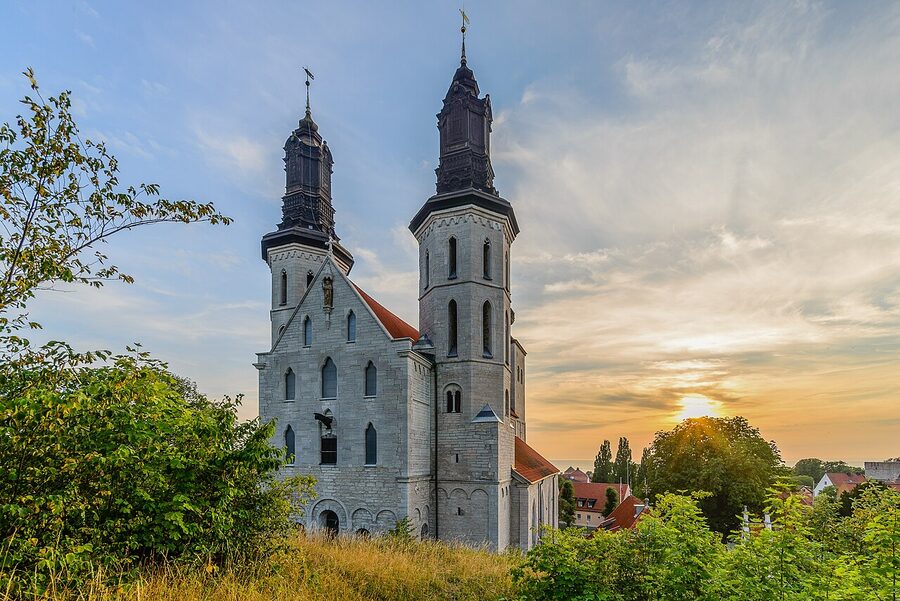
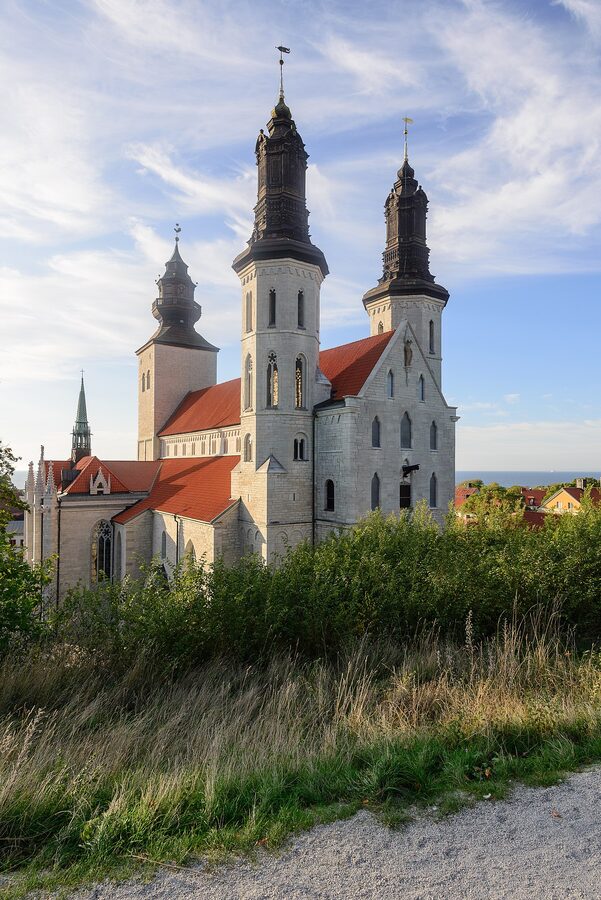
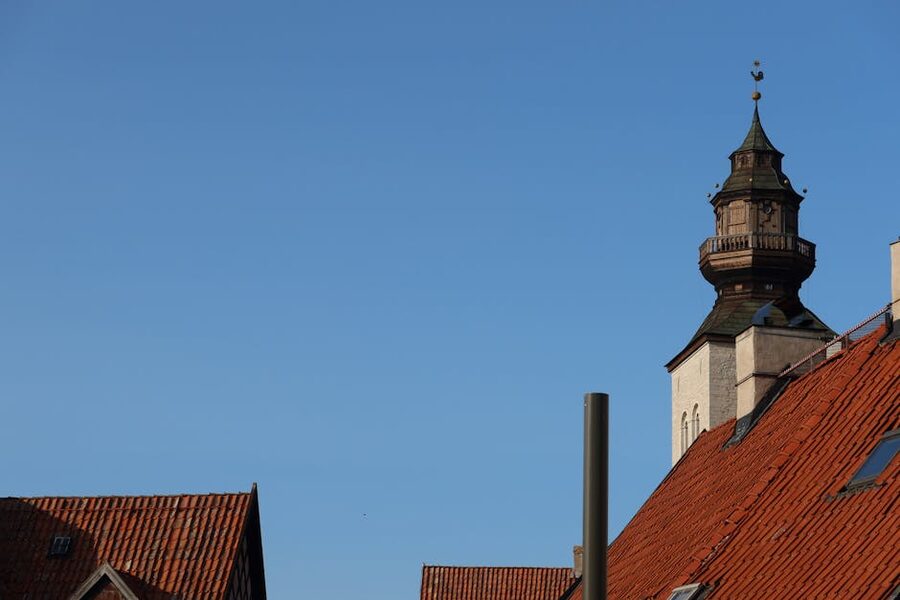
Domkyrkan Sankta Maria is the working cathedral, consecrated 1225, taken over by the Lutherans in 1572, restored heavily in the 1890s and again after a 1947 fire. The interior is plainer than most Swedish cathedrals because the Lutheran reformation stripped the altarpieces. What you go in for is the limestone columns and the geometry. There is a 17th-century pulpit in dark oak that’s worth ten minutes. The organ is 1980s and disappointing if you’ve come from Roskilde. Free entry, open 09:00 to 18:00 most of the year. The other detail to know is that the cathedral sits on the highest point of the upper town, so when you come up the steps from Strandgatan, you’ve climbed about 20 metres of vertical and the harbour is suddenly below your shoulders.
The eleven church ruins, in roughly the order you should walk them
This is the bit that wrecked my schedule on day one. I had planned an hour. It took four. The ruined churches are the unique architectural fact of Visby, and they aren’t a single set piece, they are scattered through every quarter of the upper town. None of them have signage that goes beyond a small Riksantikvarieämbetet plaque. None charge admission. All are entered through a gate that’s open during daylight. You can get the map free from the tourist office at Donners plats, but the real walking order is roughly south to north.
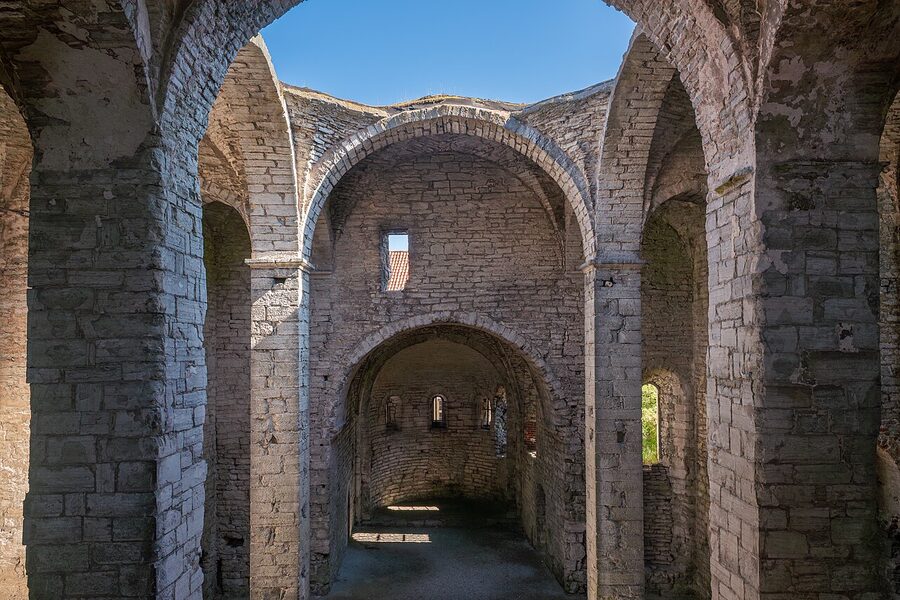
Sankt Lars sits two streets up from Strandgatan and is the strangest of them, a four-aisled church on a Greek-cross plan that nobody else in northern Europe was building in the 12th century. The theory is that the merchants from Novgorod brought their own masons over and asked for an Orthodox-influenced layout. The east apse is intact. The aisles are roofless. Stand in the centre and look up.
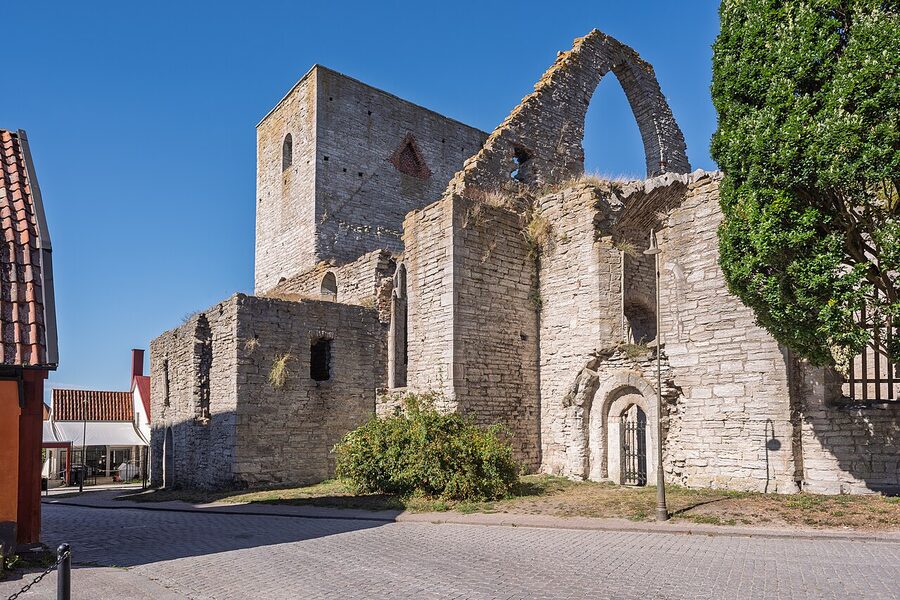
S:t Drotten, on Sankt Hansgatan, has the most intact west tower. You can walk into the nave and stand under what’s left of the springers for the vault. The acoustics are surprising. A friend tried a single low note from a Bulgarian throat-singing book she’d been reading and it carried up the tower like an organ pipe.
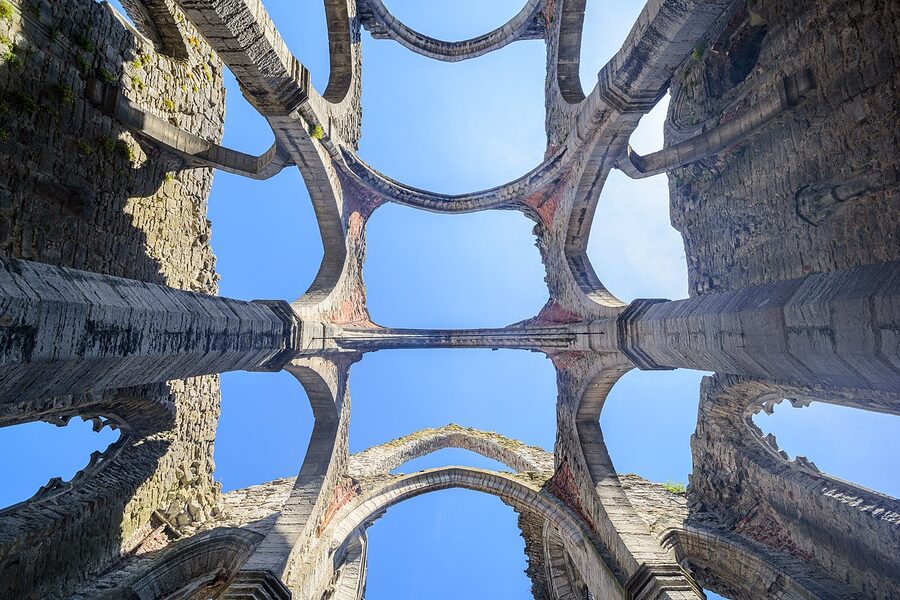
Sankta Katarina on Stora Torget is the most photographed ruin and the one most people see first because the main square wraps around it. Built by Franciscans in the 13th century, ruined by 1531, it has been used as an outdoor concert venue since the 1960s. If you are in town in July or early August, check the gotland.com what’s on listing. The chamber music programme during Medieval Week is genuinely good and you sit on the medieval benches with the open sky above.
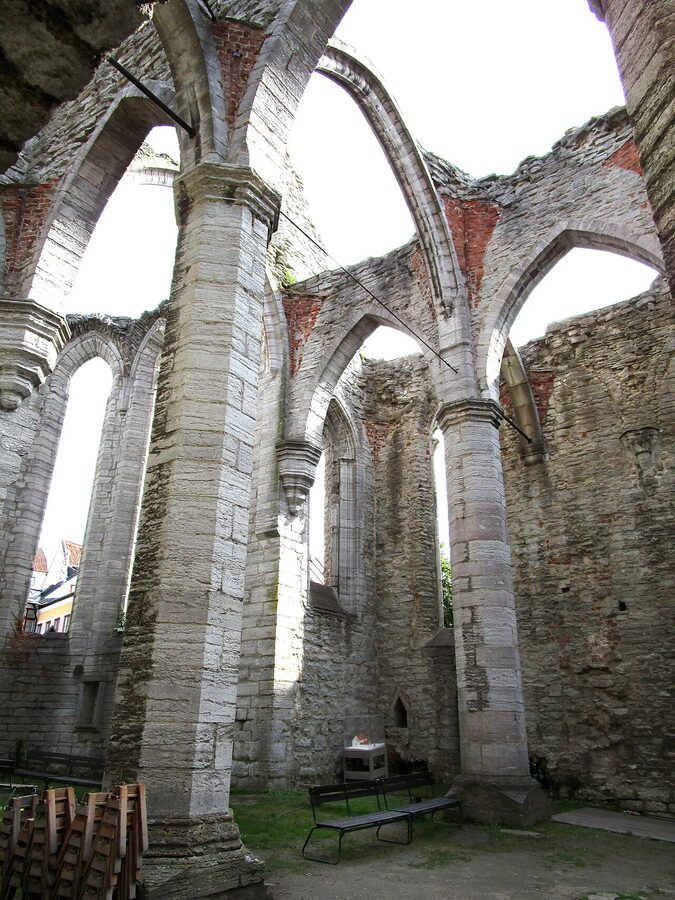
Sankta Karin is the one English-speaking visitors keep confusing with Sankta Katarina. They are different churches. Karin is smaller, a block north on Mellangatan, and the rose window in the west wall is the most beautiful single architectural detail in Visby’s church ruins. Come in the late afternoon when the western light is angled through the wheel of stone tracery.
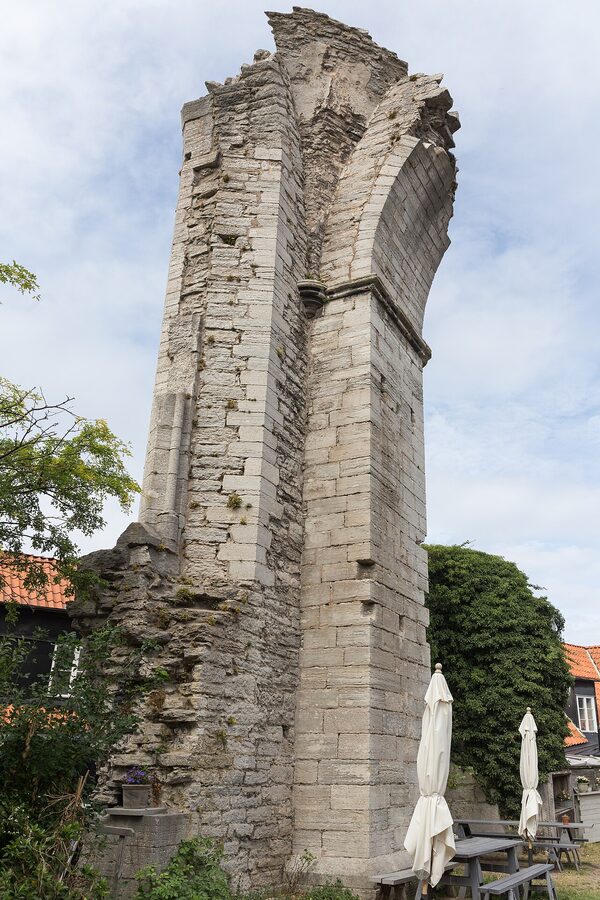
Sankt Hans and Sankt Per share a single garden, on Sankt Hansgatan up the slope. They are two churches built parallel within metres of each other. The reason is the medieval ethnic divide of the city. Visby in 1300 was about 60 percent German-speaking merchants and 40 percent Gotlandic-speaking burghers, and although they shared the cathedral, neither group wanted to share a parish church. So they built two, side by side, with the ground for separate cemeteries. The Gotlandic one (Sankt Per) is slightly larger. The German one (Sankt Hans) has the better preserved south wall.
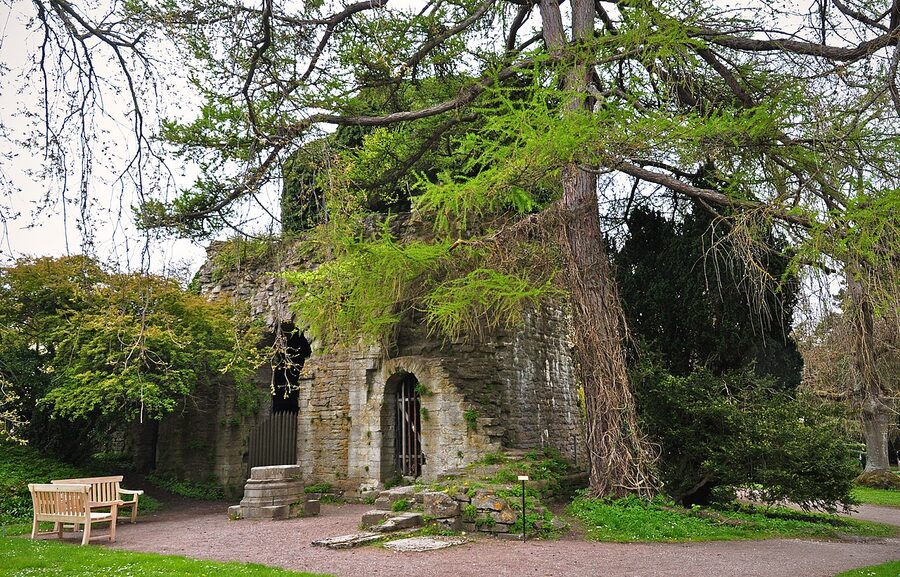
Sankt Olof is inside the Botaniska trädgården (free, open daily), and a lot of people miss it because they don’t realise the garden is free to enter or that there’s a ruin in it. Smaller than the others, but the rose garden and the hardy fig trees that the local horticultural society has been propagating for 150 years are reason enough to walk in.
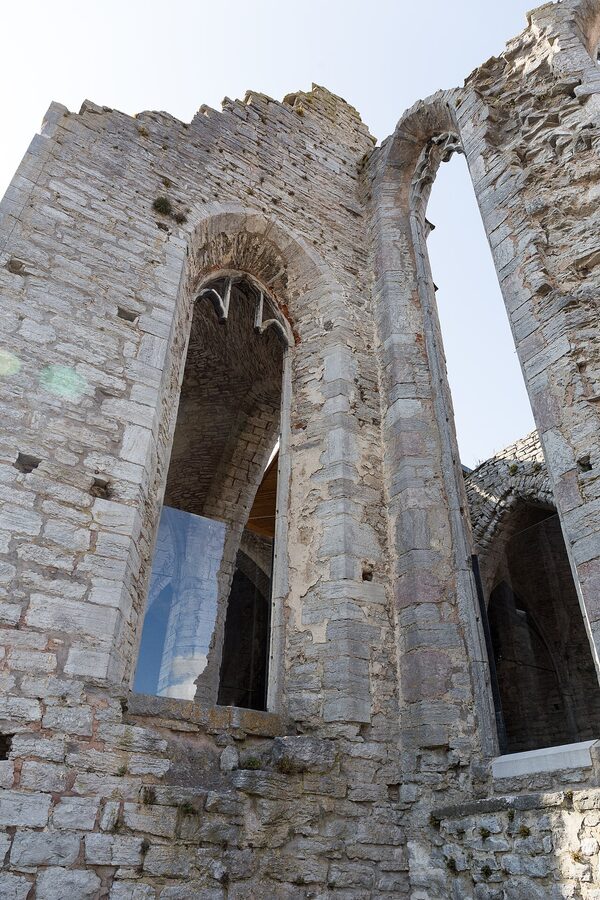
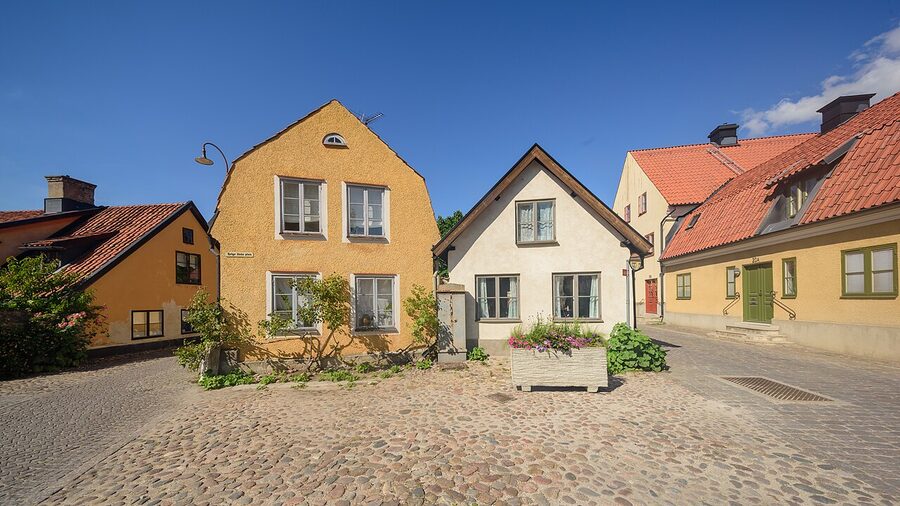
Sankt Nicolai and Helge And are the last two big ruins to find. Nicolai was the Dominican priory church (the Greyfriars were across the wall at Sankt Olof, the Blackfriars here). Helge And served as the hospital church of the Holy Spirit order, and now is the gentlest piece of green-and-stone garden in Visby, where locals eat their lunch on the wall stubs. Sit there for 20 minutes and you’ll see at least three families with toddlers using the place as a playground, which is the right way to use it.
Strandgatan, the merchant houses, and where the Hanseatic city actually lived
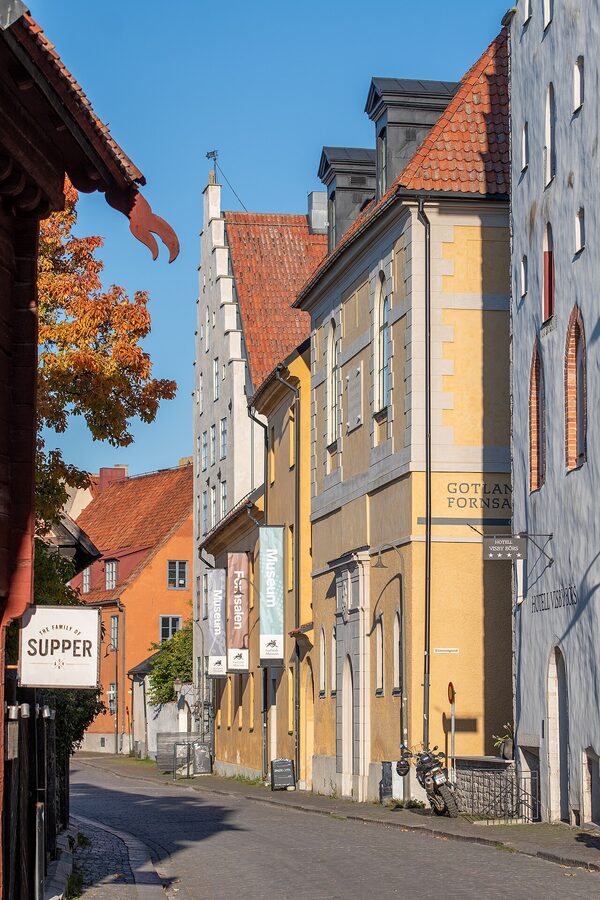
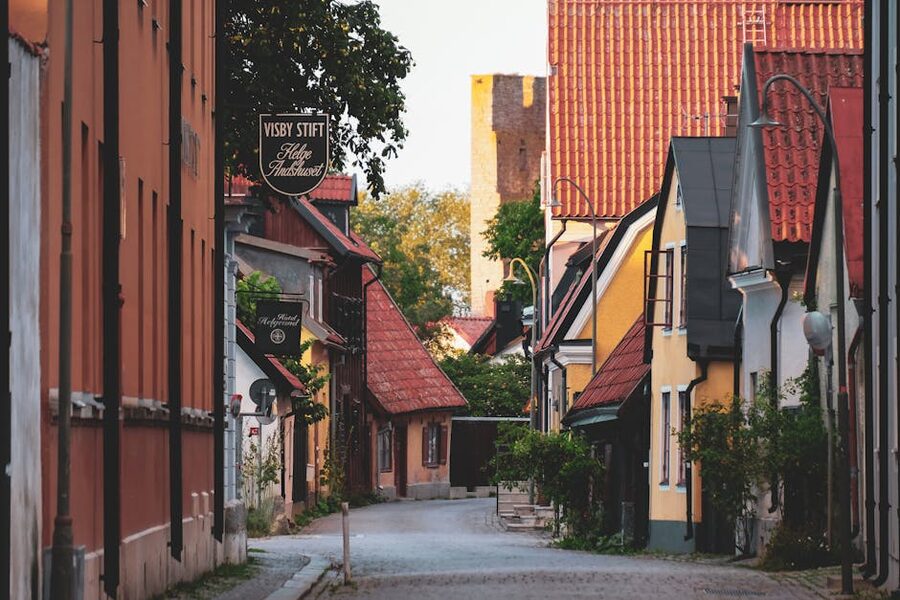
Strandgatan runs north-south through the lower town, parallel to the harbour, and it’s the medieval high street. Many of the buildings on its north end are 13th-century stone packhouses, with the merchant family living above the ground-floor warehouse. They are recognisable by the small high windows and the heavy stone walls; some still have the original outside hoist beam where the goods were lifted from the cart up to the storage floor. The most famous of these is Burmeisterska huset, named after a 17th-century merchant family who owned it long after it was first built around 1380. It is now the Konstmuseum’s annexe and you can go in.
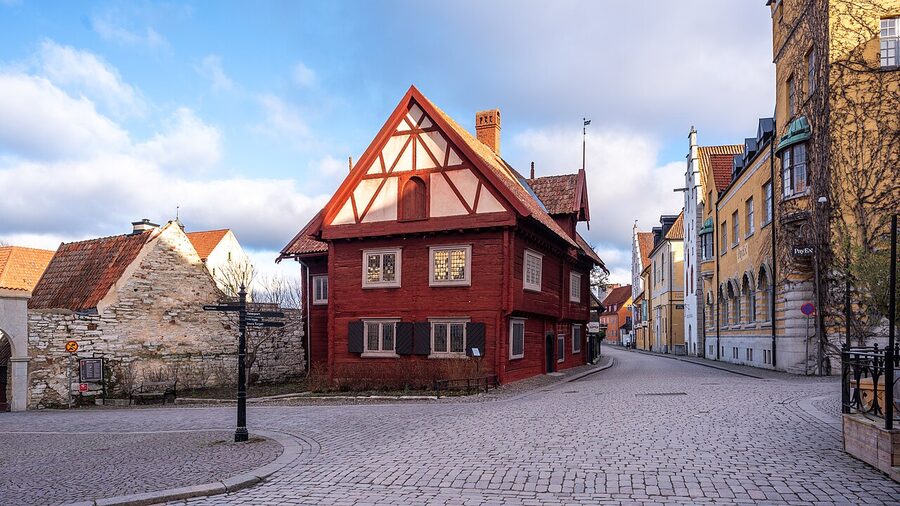
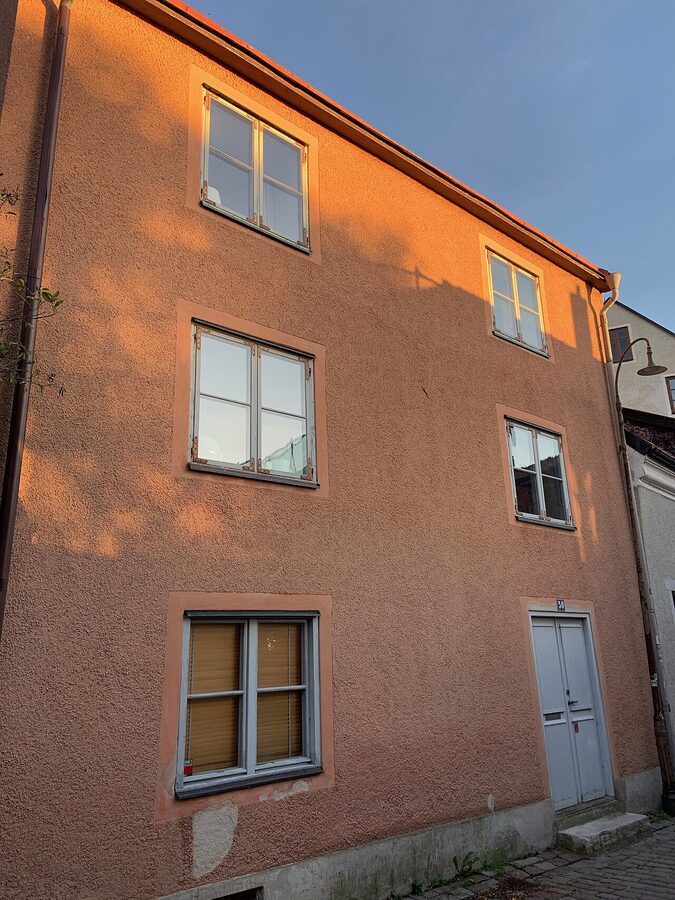
The verdict on Strandgatan in July: avoid the southern half between 11:00 and 16:00. It’s a tourist channel of paste-jewellery shops and unimaginative cafés, and the cruise day-trippers off the AIDA have packed it. Walk Strandgatan early in the morning before 09:00, or after the cruise ship has left around 18:00. The northern half above Donners plats has fewer shops and stays manageable. The cobbled side streets behind the western terrace, especially Fiskargränd and Specksrum, are where the photography you’ve seen on Instagram actually was taken.
Almedalen and the politicians’ week
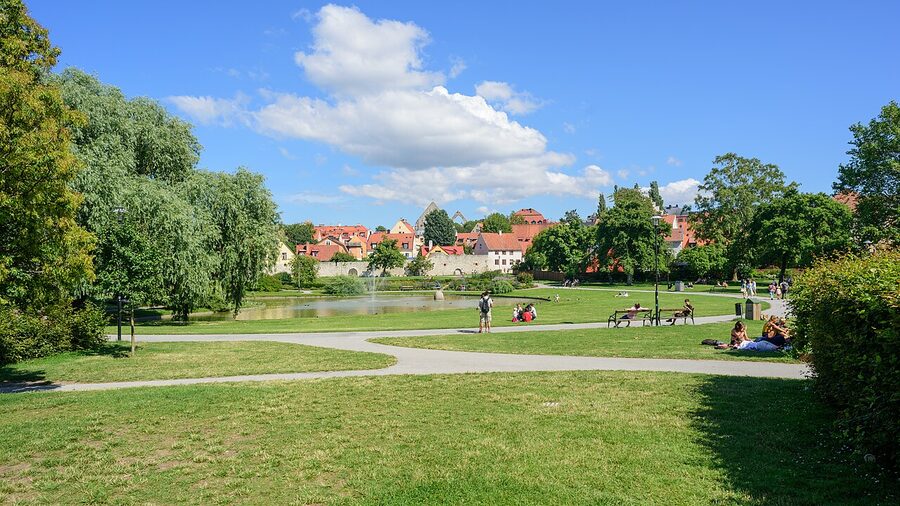
Almedalen is a strip of waterfront park outside the western wall. For 51 weeks of the year it’s a place to eat your sandwich on a bench. For one week every late June or early July it’s where the entire Swedish political class shows up to speak from a small wooden podium called the Almedalstribunen. The tradition started in 1968 when Olof Palme, on holiday on the island, gave an unscheduled speech from the back of a pickup truck. Almedalsveckan grew from there. Today every party leader speaks across the week, every major NGO and lobby group sets up a tent, and around 30,000 people come for at least part of it.
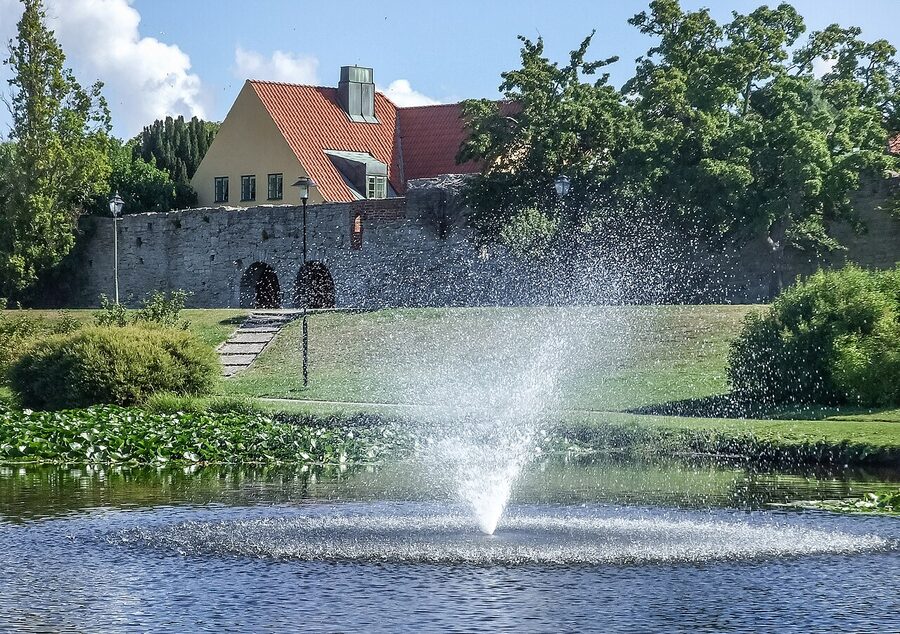
Should you visit during Almedalsveckan? Only if you have a professional reason or you are deeply into Swedish politics. The town is overrun, hotels triple their rates, every restaurant table is booked from May, and the speeches are all in Swedish. The week after, the first week of July, is the smarter window. Hotels back to normal price, weather usually good, the town breathing again.
Medieval Week, which is the right week to visit if you can stomach the chaos
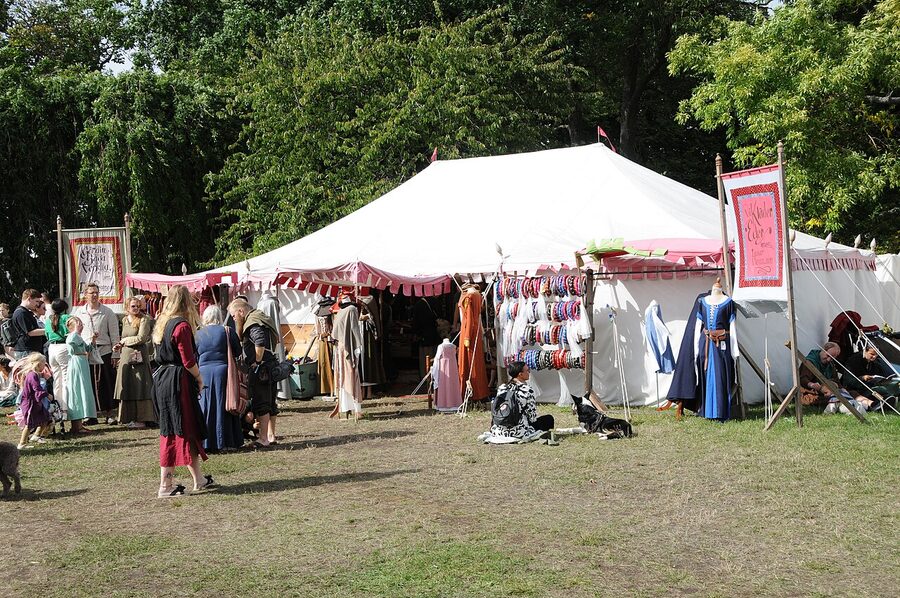
Medeltidsveckan started in 1984 as a small reenactment, has grown to roughly 40,000 visitors a day at peak, and is the cultural event that defines Gotland’s August. Eight days, usually the second week of August (in 2026 it runs 2 to 9 August), with about 600 medieval-themed events, market stalls in linen and wool, knights’ tournaments at the Gröna Lunden field, evening processions through the wall gates, free public concerts in the Sankta Katarina ruin, archery contests, falconry, mead halls, and a lot of people in linen with a lot of sweat in the linen.
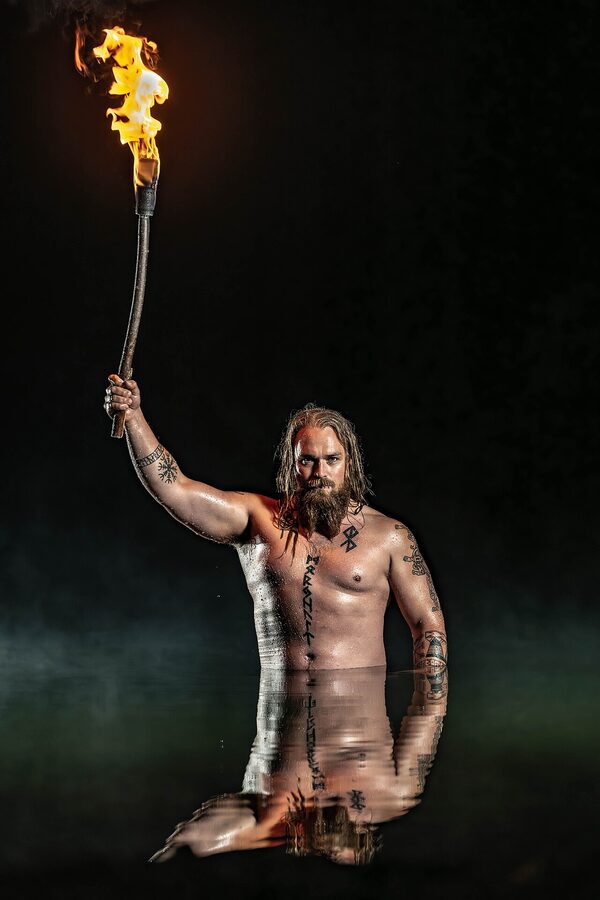
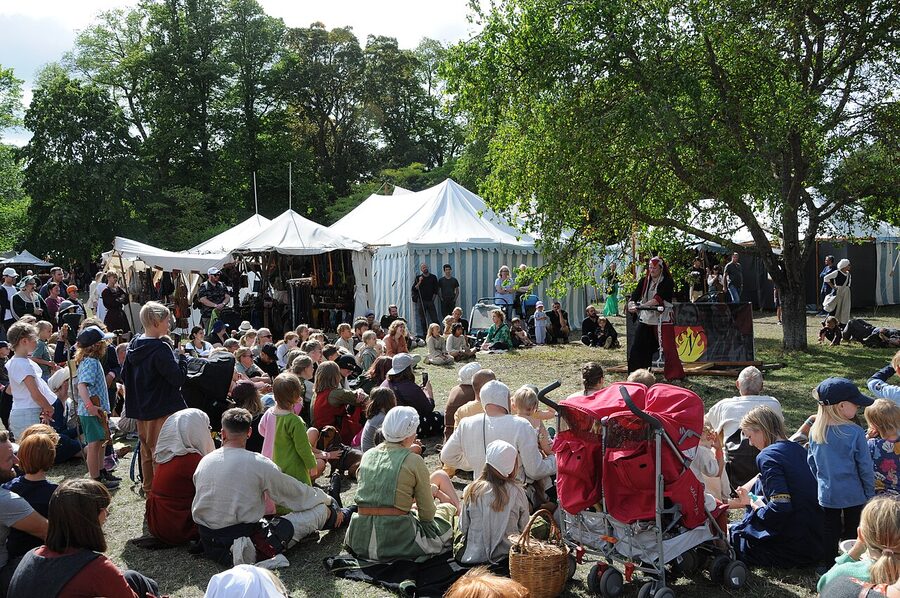
The verdict: worth one day, not a week-long base. Hotel prices double or triple, the queues are real, and a lot of the daytime event programme is the same kind of generic medieval pageantry you can see at any English castle in summer. But the evening programme on the Sunday and Monday is genuinely something. The Battle of Visby reenactment outside the wall, on the same ground as Korsbetningen, is the one event most worth turning up for. Tickets sell out by April; book at gotland.com or via Medeltidsveckan’s own programme site, around 250 SEK (about €22) for the standing-room enclosure.
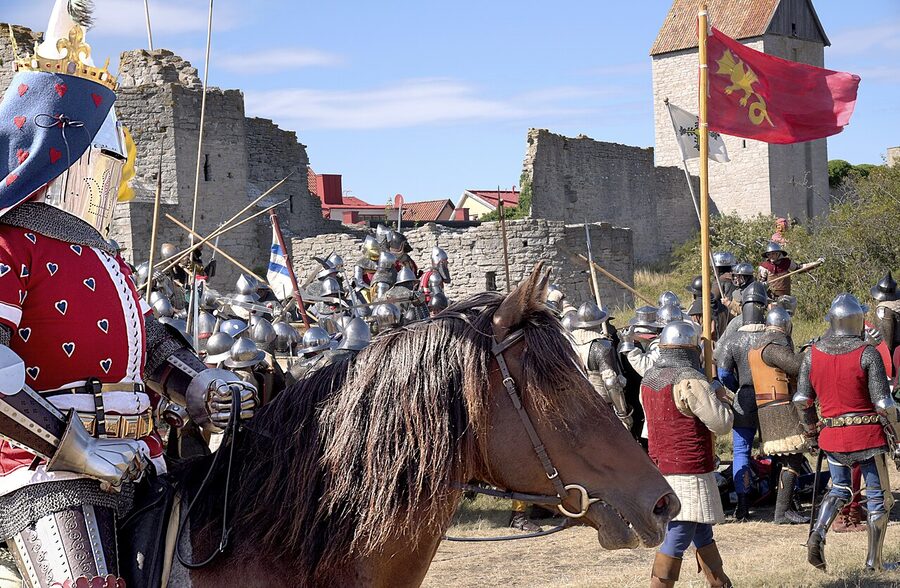
If you can’t do Medieval Week, the smarter windows are mid-June (school holidays haven’t started, weather decent), the first week of July (the week after Almedalsveckan), or early September (warm enough, ferry runs, half the crowds).
Fårö, Bergman’s island, and the six-minute ferry
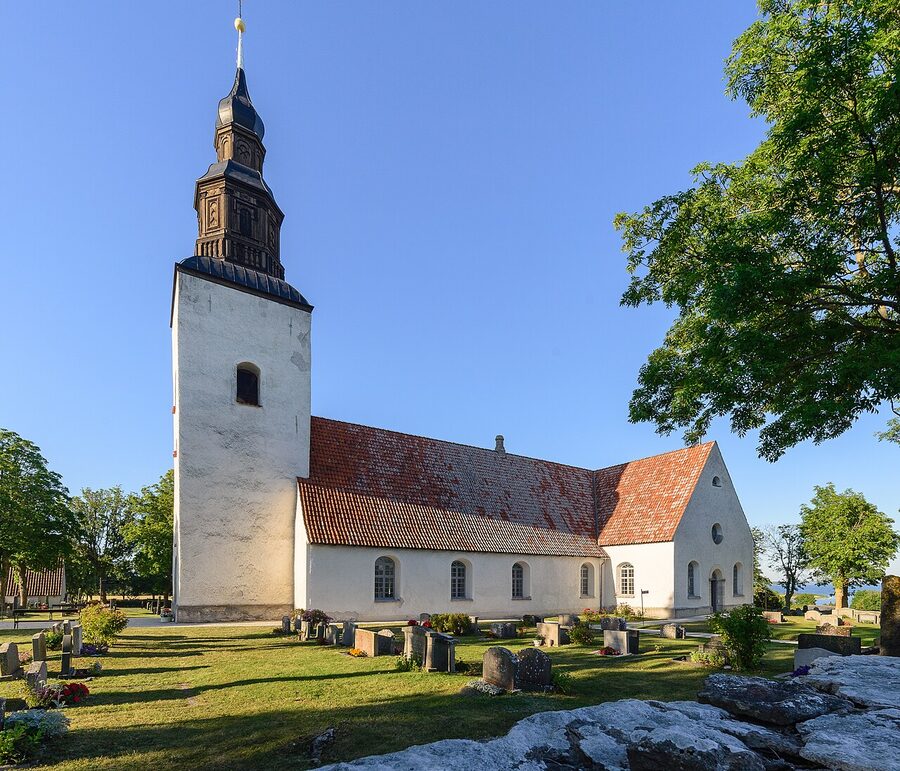
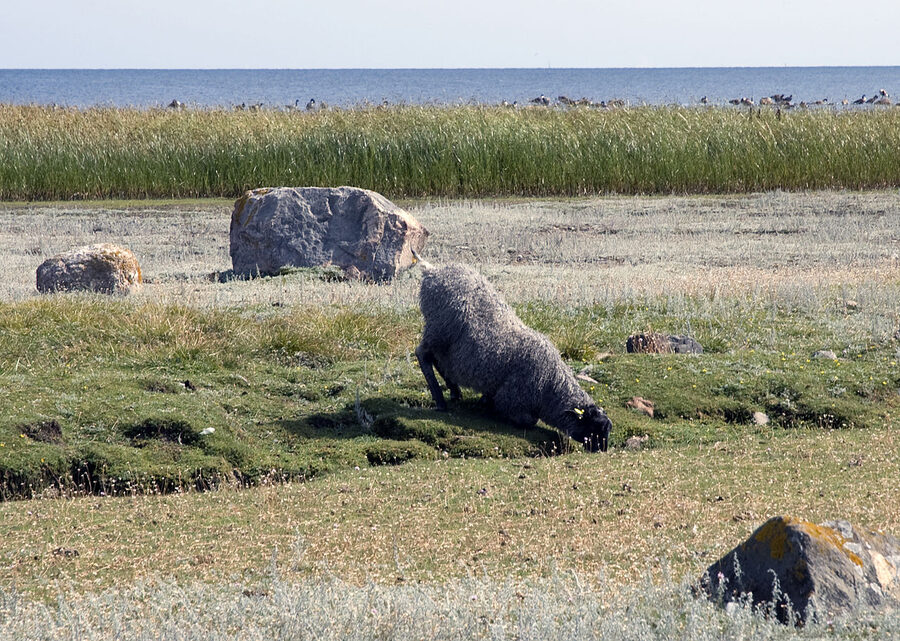
Fårö is the smaller island off Gotland’s north-east tip. The ferry from Fårösund runs every 30 minutes through the day, takes six minutes, costs nothing (Region Gotland operates it as a free public service, and you don’t even pay for the car), and is the easiest interesting boat trip in Sweden. You arrive on Fårö and the air is different. The island is flat, treeless in stretches, scattered with wooden farmhouses and very black-faced sheep, and crucially, ringed by some of the strangest sea-stack formations on the Baltic coast.
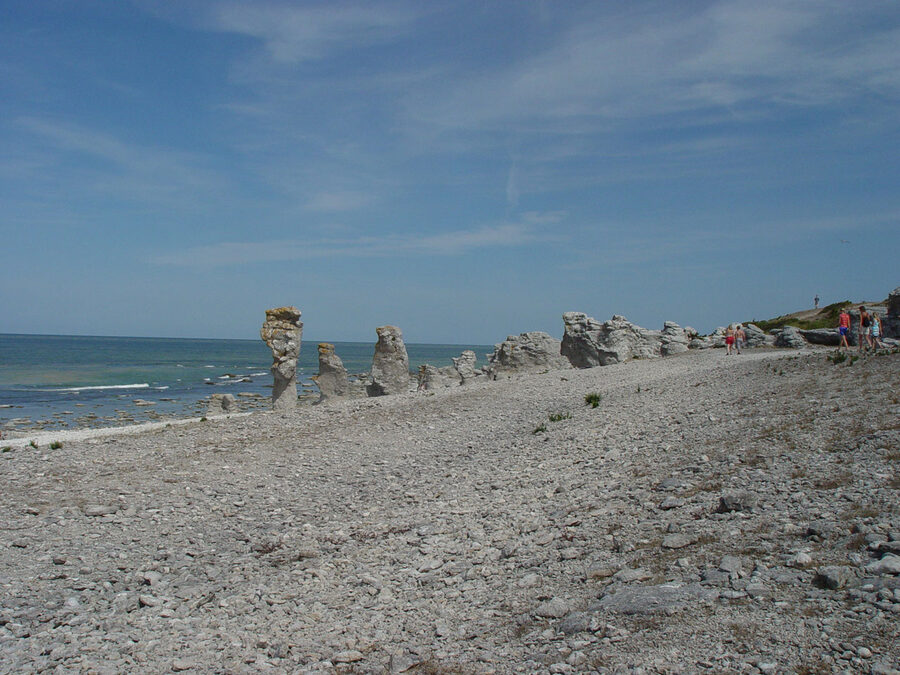
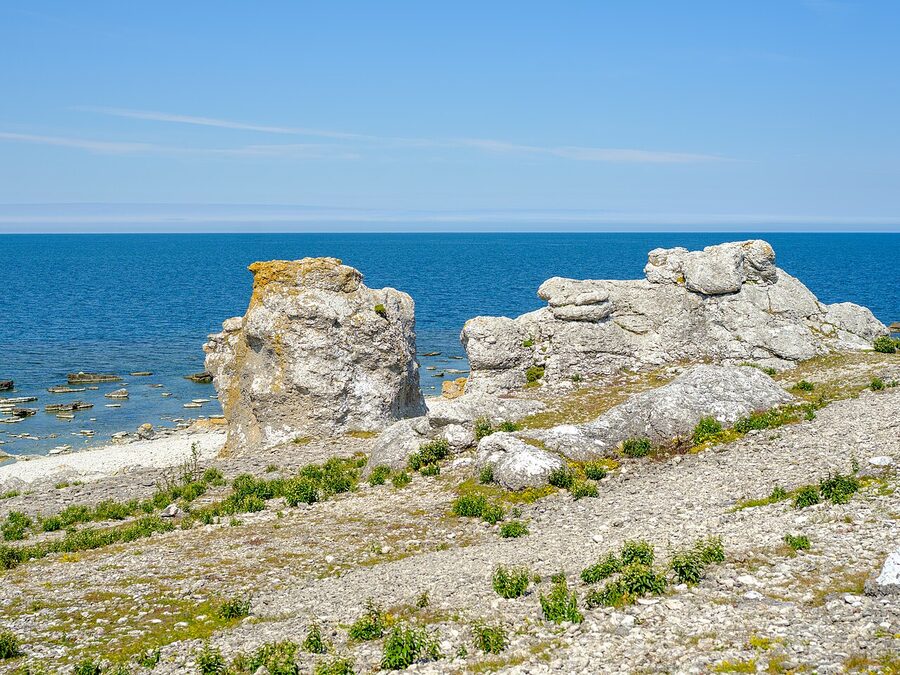
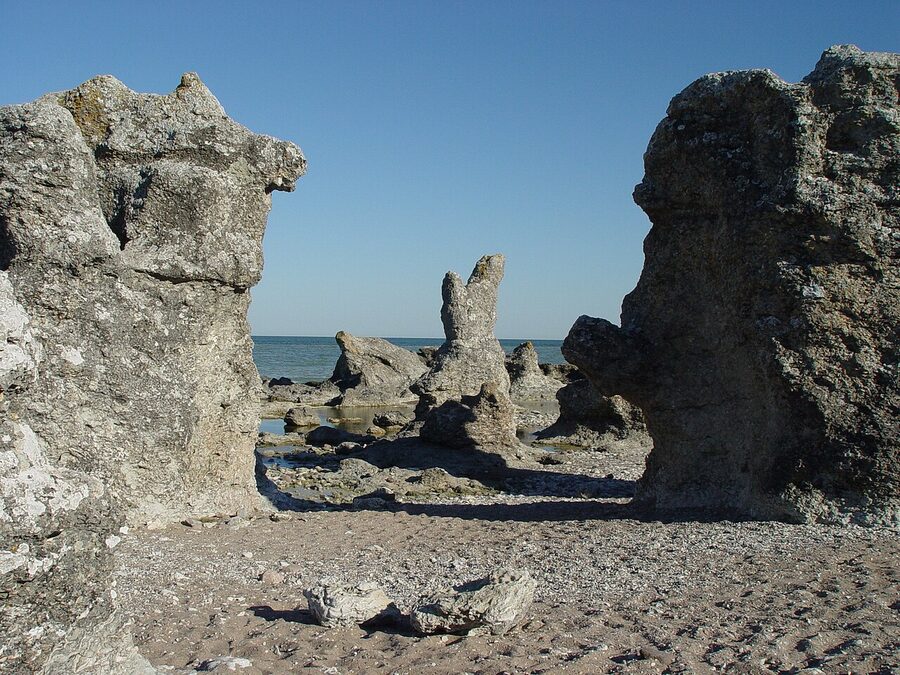
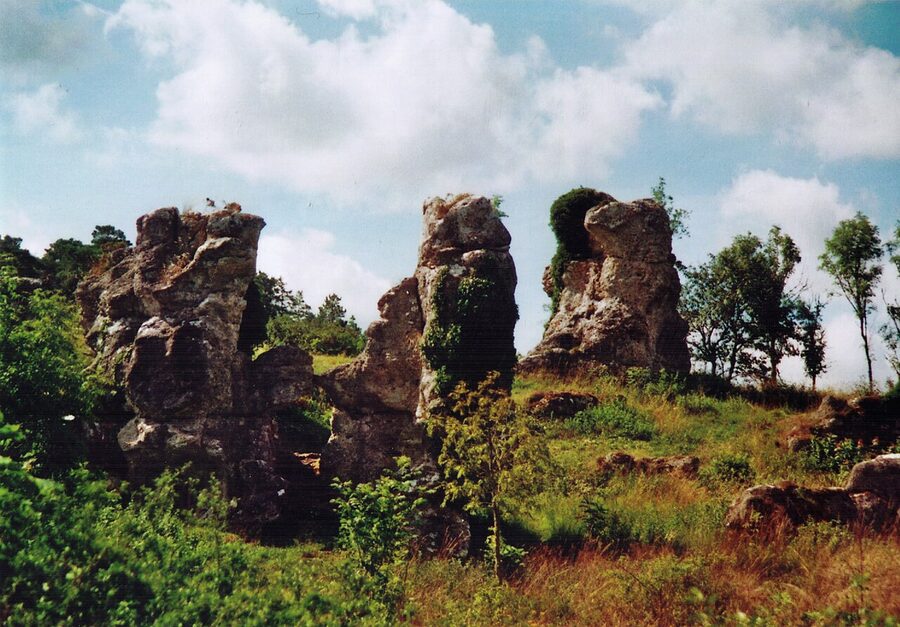
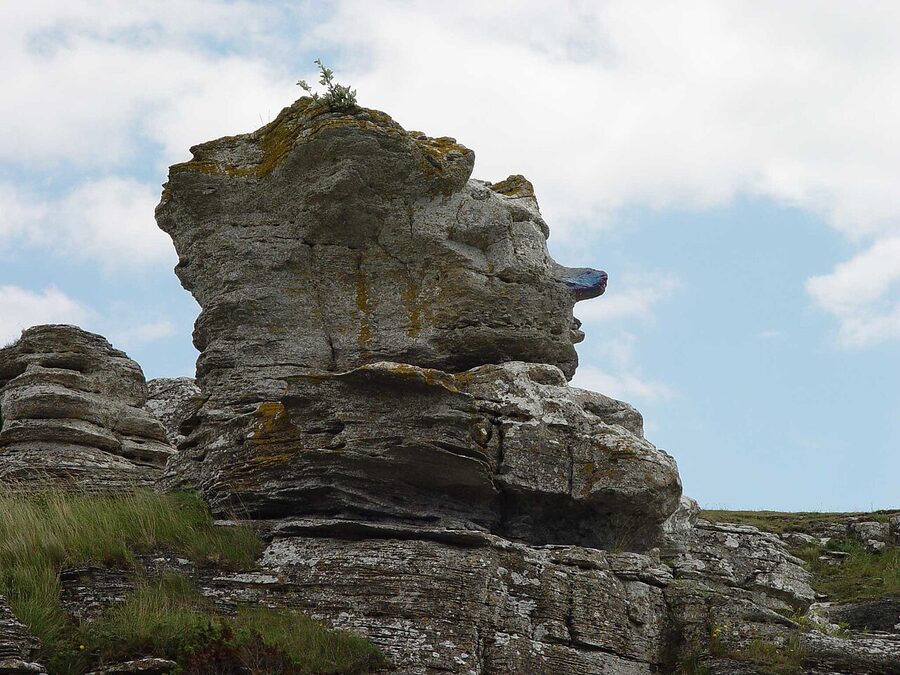
The raukar (singular: rauk) are limestone sea-stacks left behind when the surrounding rock eroded faster. Gotland is a slab of fossil reef from the Silurian period, 425 million years old, and the harder cores of the reef have weathered into freestanding pillars. Langhammars on Fårö’s north coast is the most spectacular concentration. Helgumannen is a smaller stretch a few kilometres further west. Folhammar on Gotland’s east coast and Lickershamn on the west are the equivalents on the main island.
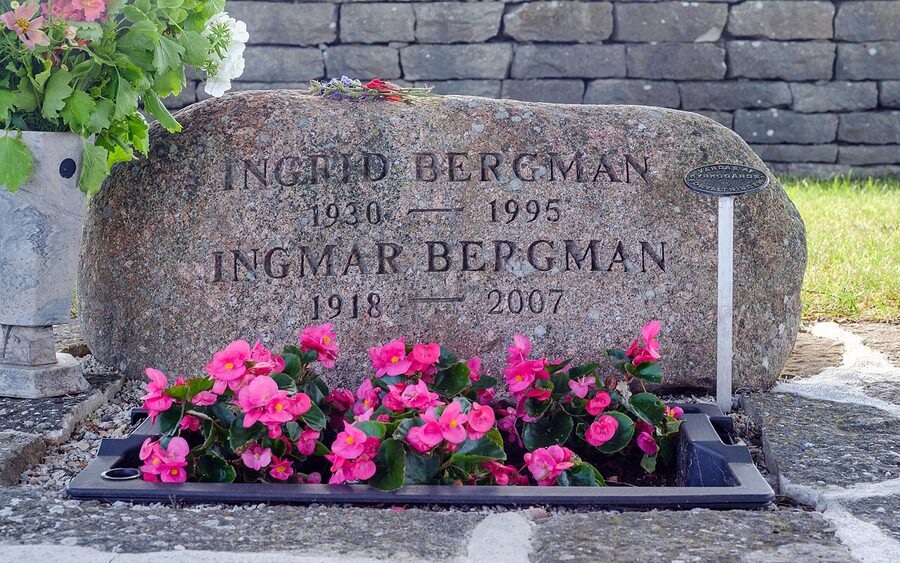
Then there’s Bergman. Ingmar Bergman first came to Fårö in 1960 to scout locations for “Through a Glass Darkly” and ended up filming “Persona” (1966), “Hour of the Wolf” (1968), “Shame” (1968), and “Scenes from a Marriage” (1973) on the island, plus the documentary “Fårödokument” in 1969 and 1979. He bought a house at Hammars in 1967, then a second one nearby, and lived there permanently from the 1980s until his death in 2007. The house at Hammars is now privately owned by the Bergman Foundation and runs occasional summer film weeks. The grave is in the small Fårö churchyard, and is the smallest, plainest stone you’ll find. Pebble offerings at the foot, a single name, a date.
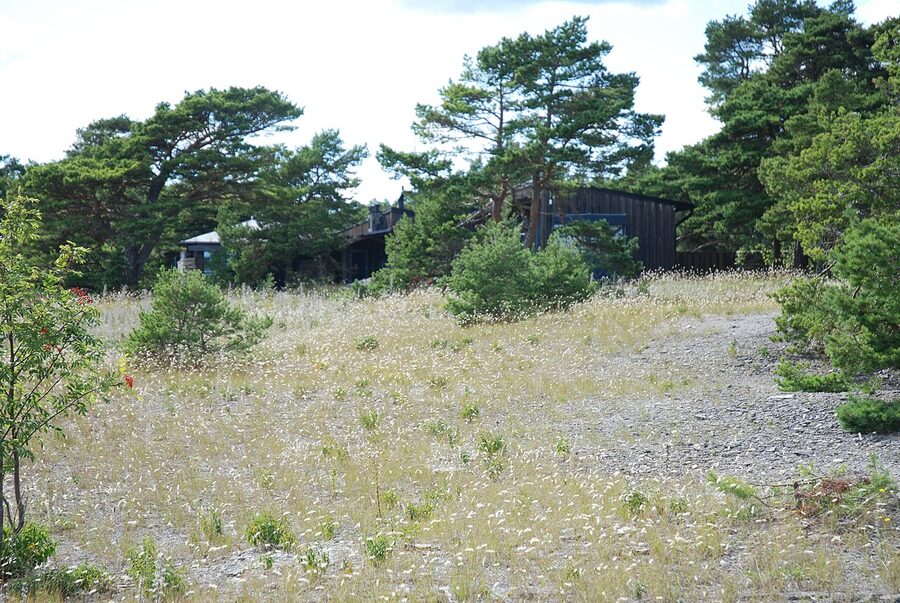
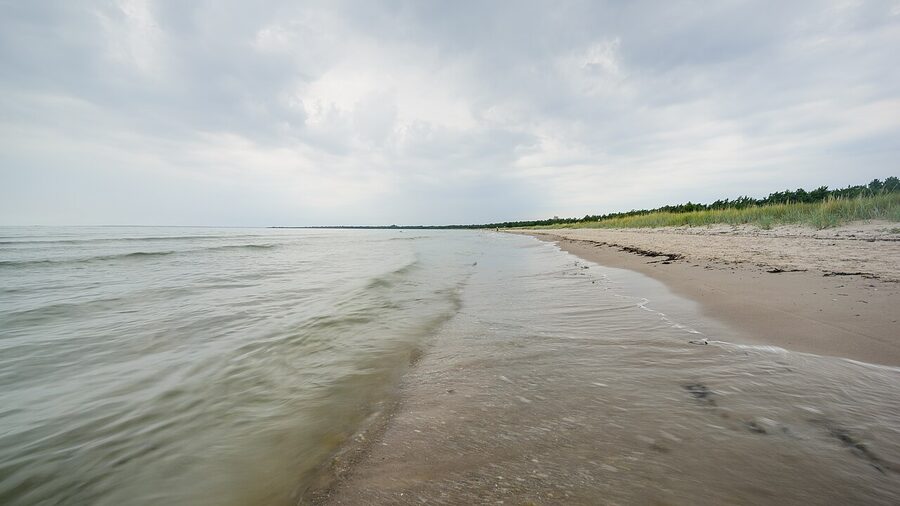
The Bergman Centre at Sudersand (10 minutes from the ferry, well signposted) has the open exhibitions, the surviving prints of his work, and a small but good film bookshop. Open daily May to September, 11:00 to 17:00, around 100 SEK (about €9) entry. You can do Fårö in a day from Visby, but a night on the island in a stuga (cottage rental) makes the visit twice as good. Sudersand has the long sandy beach, Sudersands Semesterby has self-catering cottages, and the verdict is to swim early before the day-trippers arrive.
The rest of the island, by car or by bike
Gotland is 176 km long top to bottom and 52 km across at the widest. It has 58,000 permanent residents and a summer population that swells to roughly 100,000 in July. The road network is good and quiet, the rental-car argument is straightforward (yes, get one for at least three days if you can), and the bike option works for the southern third of the island where the gradients are gentle. Visby has a Cykeluthyrning by the harbour at Strandvägen 1; expect 150 SEK (about €13) per day for a three-speed.

The single most useful day-trip out of Visby for a first-timer with a car is north up Route 149 to Lummelundagrottan (the limestone cave system, see below), then on to Bunge for the Bungemuseet, then over the Fårö ferry for the rauk coast and back. That’s a long day but achievable in summer when daylight runs to 22:00. Allow 12 hours.
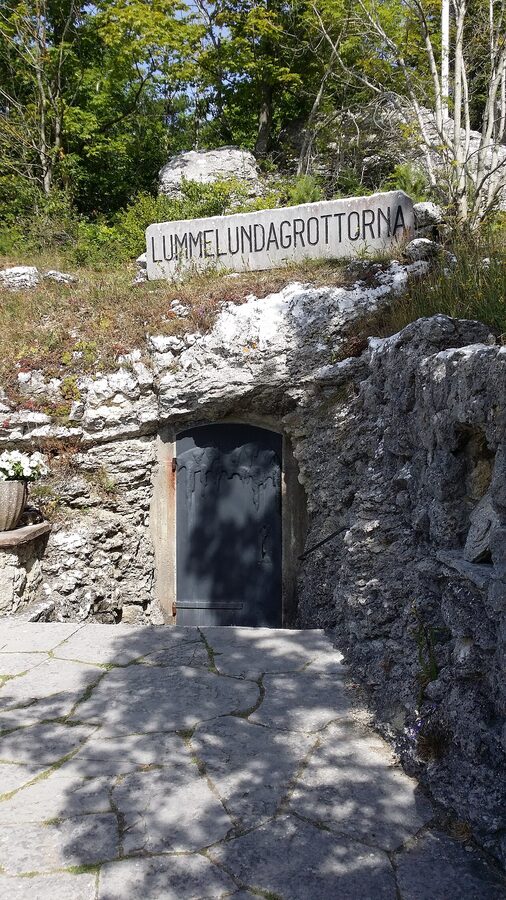
Lummelundagrottan is 13 km north of Visby on the west coast and is one of Sweden’s longer cave systems. The guided public visit covers around 400 metres of passage with stalactites, stalagmites and an underground stream. Allow 90 minutes including the small museum on cave fauna. Around 175 SEK (about €15) for adults, 95 SEK for kids. Open 09:30 to 17:00 mid-May to mid-September; closed the rest of the year. The cave is genuinely cold (8°C constant), so bring a jumper even if it’s 28°C outside.
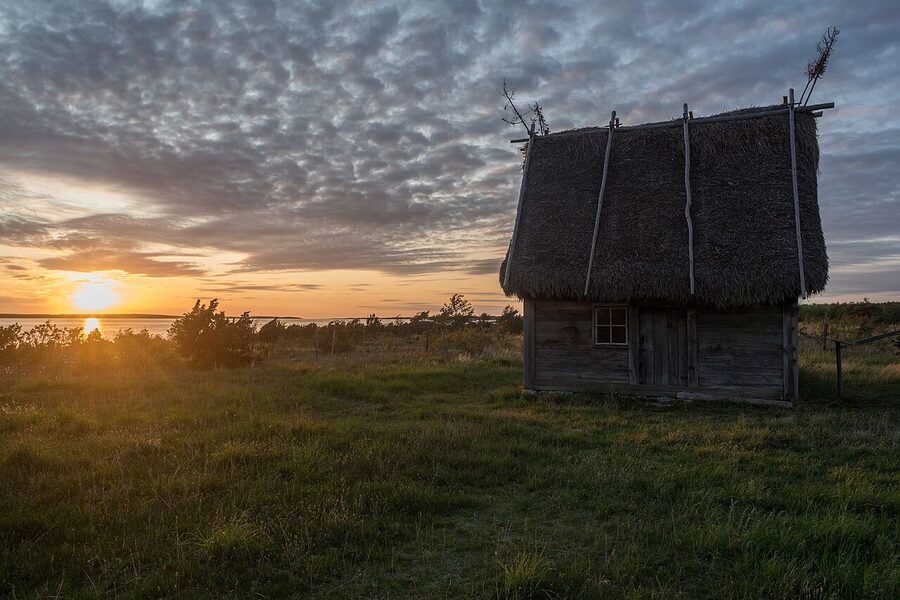
Bungemuseet is the open-air rural museum at Bunge, founded in 1907 by the Swedish ethnographer Theodor Erlandsson. About 30 buildings (farmhouses, smithies, schoolhouses, a windmill, several stone-walled barns) gathered from across the island. Open daily June to August, weekends only in May and September, 130 SEK (about €11) entry. Two hours is enough. The summer programme has working blacksmiths and wool-spinners on certain days; the website carries the schedule.
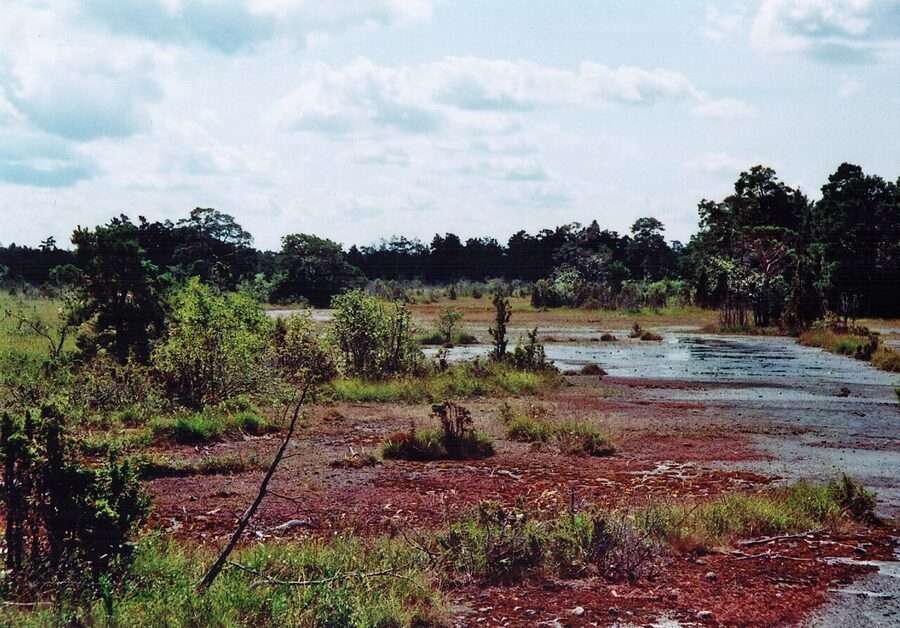
For a quieter coastal walk on a less-visited stretch, try Hangvar-Hall on the north-west coast. It’s a small naturreservat with raised limestone cliffs (clintkust), no entrance fee, no facilities. Park at the gravel pull-off on Route 149, walk the marked path 600 metres to the coast, then turn left or right along the cliff for as long as you want. I had it to myself for two hours on a Friday afternoon in early September.
Klintehamn, the southwest, and the rest of the lamb-farm coast
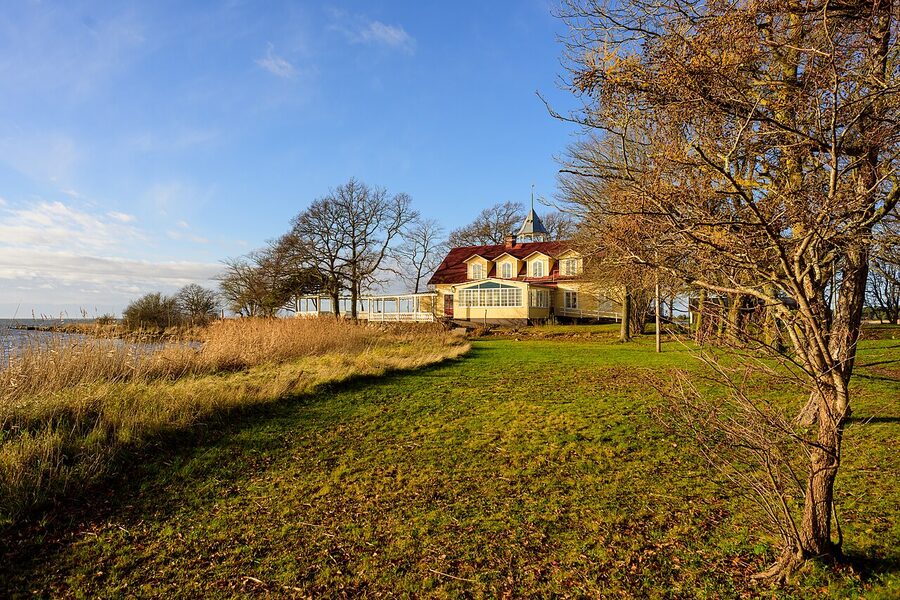
Klintehamn is the small fishing town 30 km south of Visby and the alternative base if you want quiet evenings and a boat to the bird island. The pensionat at Warfsholm has been run as a guesthouse since the 1920s and is the most pleasant non-Visby place to sleep on the western coast. Rooms about 1,400 SEK (about €125) in summer, half-board option useful given how far you are from a restaurant otherwise. Book direct via the Booking.com listing or warfsholm.se.
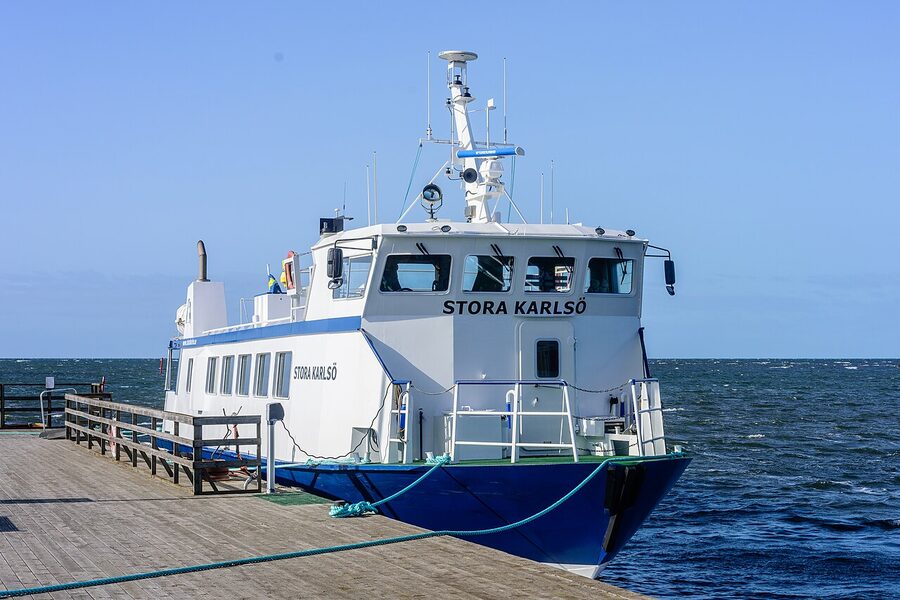
Stora Karlsö is the bird-cliff island a 30-minute boat ride off Klintehamn. Designated a nature reserve in 1880, it’s the second-oldest reserve in Europe after Yellowstone and the most concentrated guillemot and razorbill cliff in the Baltic. The day boat from Klintehamn runs once daily, May to September, around 540 SEK return (about €48), book via storakarlso.se. Bring a packed lunch; the small kiosk on the island is fine for coffee but not for meals. There’s also a small hostel on the island if you want to stay over and do dawn ornithology, around 950 SEK (about €85) for a four-bed room.
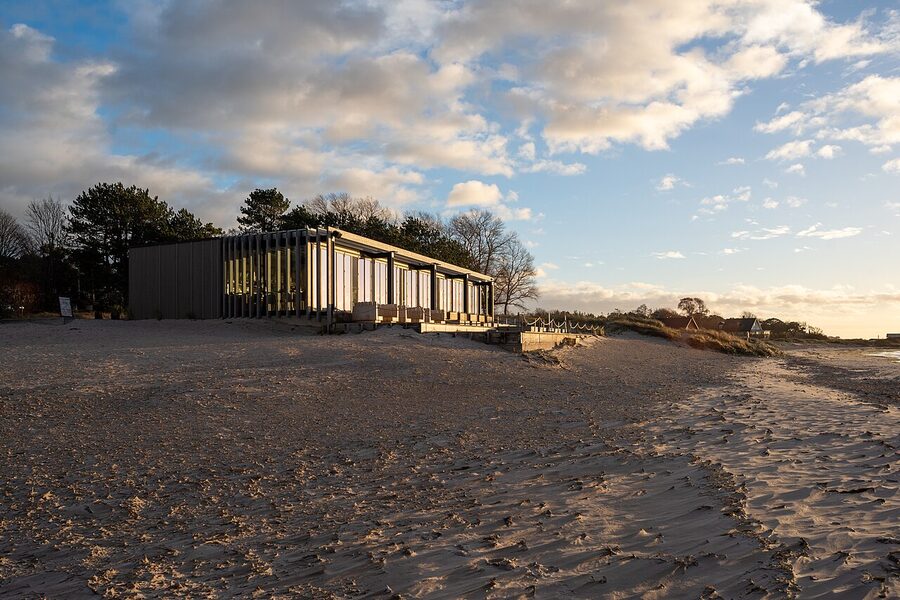
Tofta is the closest of the big sandy beaches to Visby, 20 km south on the west coast. Long, gently sloping, the sand goes shallow for 50 metres so it’s a sensible swim with kids. The beach restaurant Kusthuset is fine for a long lunch (smoked herring around 195 SEK / €17, lamb burger 240 SEK / €21). If you want the longer beach without the crowds, drive on past Tofta to Vivesholm, which is empty even in mid-July.
Where to base yourself, and what to pay
Three sensible options, with prices for a double room in late June or July:
Inside the wall is the right choice for a first visit and a 2-3 night trip. You walk everywhere, you see the town in the morning before the day-trippers arrive, and the evening light on the limestone is the reason you came. The rooms cost a premium for it. Expect 2,200 to 3,500 SEK (about €195 to €310) per night for a decent mid-range double in July.
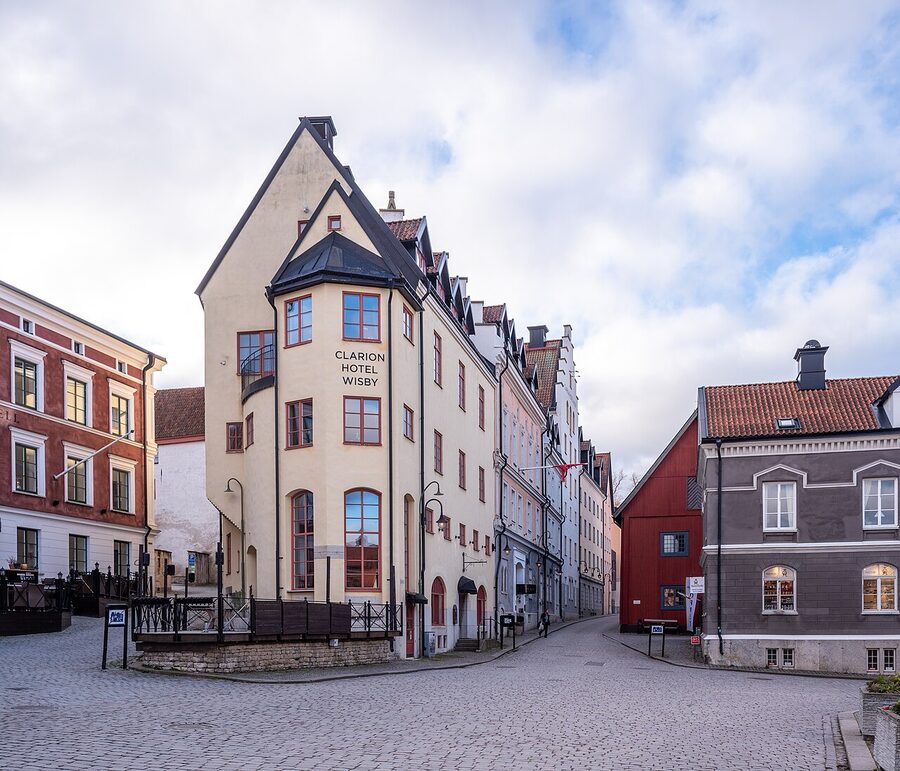
- Clarion Hotel Wisby on Strandgatan is the upper-end option, a converted 13th-century merchant complex with a working medieval cellar bar. Rooms about 3,200 SEK (€285).
- Best Western Strand is the harbour-front mid-range with breakfast included, about 2,500 SEK (€220).
- Medeltidshotellet i Visby (sometimes signposted as Hotel Helgeand) is a small medieval-themed boutique on Helgeandsgatan, about 2,400 SEK (€215).
- Hotell S:t Clemens on Smedjegatan, with a small rear garden, is the best-value-inside-the-wall option, about 2,000 SEK (€175).
- Hotell Stenugnen on Korsgatan is a 12-room family-run guesthouse, about 1,900 SEK (€165), and the breakfast (homemade saffranspannkaka most mornings) is the best of the in-wall hotels.
- Best Western Solhem sits just outside the north wall above the harbour with the longest harbour view in town, about 2,300 SEK (€205).
Outside the wall but in the town is the smarter pick for a 4-7 day trip when you have a rental car. Tott Hotell sits five minutes south of Söderport with sea-view rooms and parking, about 1,800 SEK (€160) including breakfast. Easier on a wallet than anything inside the wall, and you walk into the old town in 10 minutes.
On Fårö or in Klintehamn is the right choice for the third or fourth night when you’re tired of the town. Fårö’s Sudersands Semesterby rents self-catering cottages on the long beach, around 1,700 SEK (€150) for a small two-bed cottage. The best base if you want one early-morning beach swim and one late-evening rauk walk in the same trip. Warfsholm at Klintehamn is the alternative on the southwest coast (1,400 SEK / €125, half-board recommended).
Skip Tofta unless you specifically want a beach base; the village strung along the road has limited charm and the restaurants vary. Tofta Strandpensionat is fine, not exceptional.
Eating, with the lamb thread underlining everything
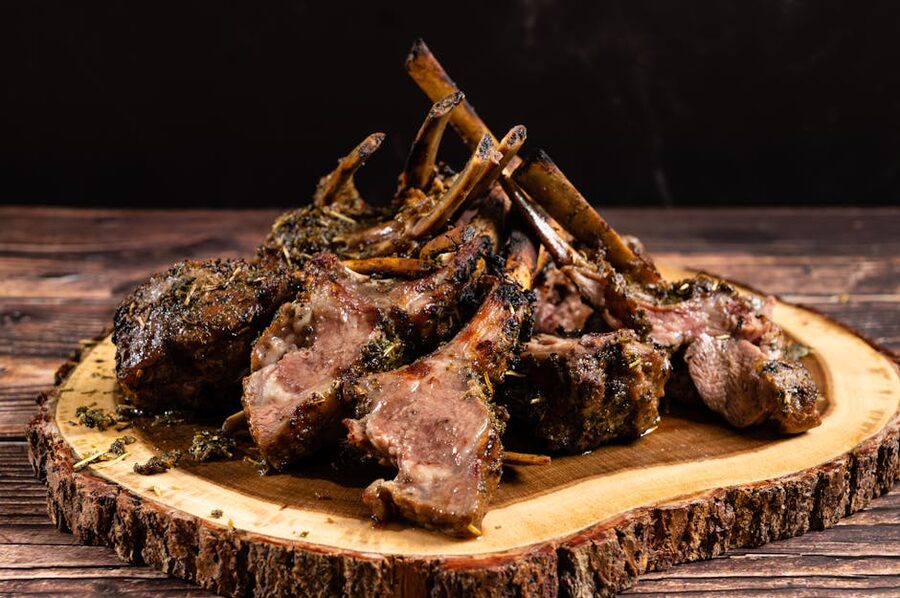
Gotland lamb (lamm från Gotland) is the protected-origin meat that defines the island’s restaurant menus. The sheep are a specific Gotlandic breed (the gutefår or grålamm), graze on the limestone heath, and the meat is herby, gamey and prized across Sweden. Order it rare, never well-done. The smart restaurants serve it with a Gotlandic sauce of juniper, lingonberry and rosemary. A lamb main runs roughly 320 to 480 SEK (€28-€42) depending on whether it’s the menu chop or the slow-roast shoulder.
Inside the wall, Bakfickan på Stora Torget is the dependable choice (lamb shoulder around 365 SEK / €32, fish soup the other thing to order). Lilla Bjers, 8 km south of Visby and worth the drive, is the proper destination restaurant with a vegetable garden you can walk through, lamb tasting menu around 1,400 SEK (€125). Surfers Bistro on Adelsgatan is the affordable option for evenings when you don’t want a full sit-down. Sjökrogen on the harbour is fine for a long lunch with a Pilsner Urquell, but I’d skip dinner there in July; cruise-ship overflow.
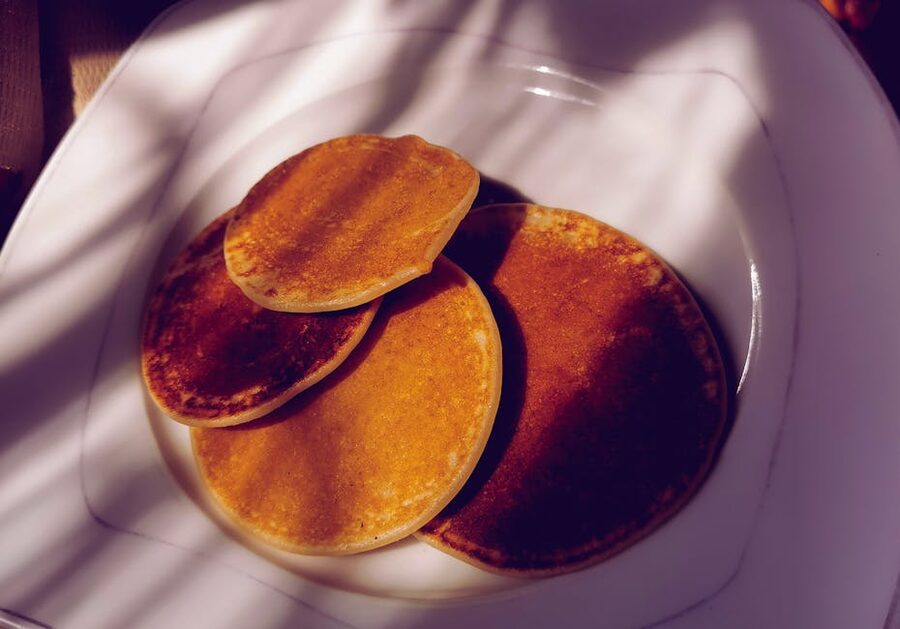
The other thing to order is saffranspannkaka, the Gotland-specific saffron pancake, made with rice, milk, eggs, saffron and almonds, baked rather than pan-fried, and served warm with whipped cream and salty salmon roe. Yes, the combination sounds wrong. It works. The traditional version is at any of the gårdsbutiker (farm shops) outside the town, and the upmarket version is at Lilla Bjers.
For breakfast in Visby itself, the saffranspannkaka mornings at Hotell Stenugnen are a known thing. Otherwise, Café Kaffeglädje on Mellangatan does the proper Swedish fika breakfast (bullar, kanelbulle, smörgås, an actual French croissant) for about 95 SEK (€8.50). Bagariet på Hästgatan does the better sourdough loaves if you’re self-catering.
Getting to the island
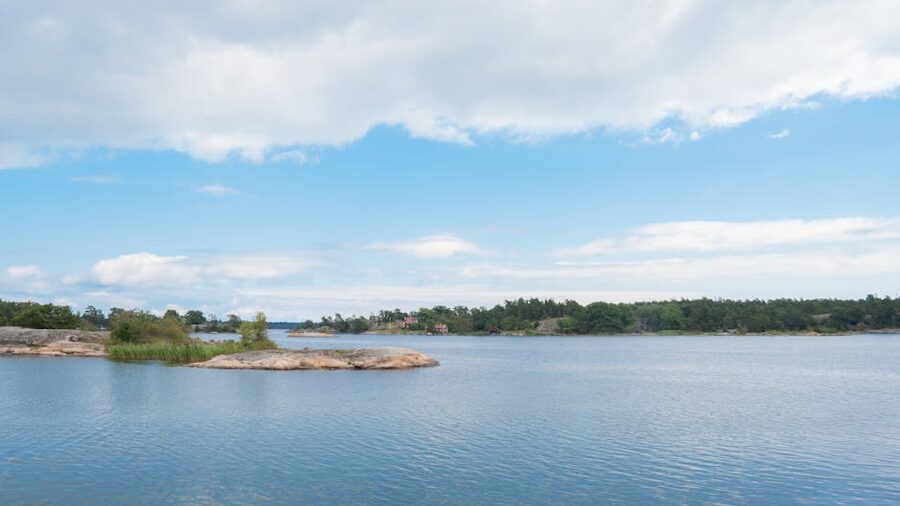
Two practical routes, with the third being the wrong one.
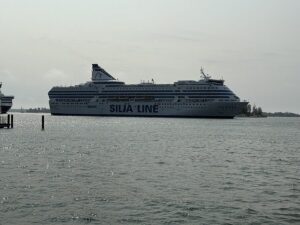
Destination Gotland ferry is the standard way. It runs from Nynäshamn (60 minutes south of Stockholm by commuter train, 105 SEK / €9 single) to Visby. The crossing takes 3 hours 15 minutes on the day boat (HSC), 4 hours 30 on the slower overnight. Mid-summer one-way fare in a deck recliner is around 360 SEK (€32) per person plus 700 SEK (€62) for a car; an inside cabin adds 800 SEK (€71); a window cabin 1,200 SEK (€105). The ferry runs from Nynäshamn most of the year. It also runs from Oskarshamn (220 km south, 5 hours’ drive from Stockholm or directly accessible from Småland) seasonally and on different days; check the destinationgotland.se schedule before booking. Verdict: the Nynäshamn route is the practical default; Oskarshamn only if you’re driving up from Skåne.
BRA flight from Stockholm Bromma to Visby takes 35 minutes and costs about 1,400 SEK return (€125) in shoulder season, double that in July. There’s also a TUI seasonal flight from Gothenburg. If you have a tight 2-night trip and you’re flying into Stockholm anyway, the Bromma flight is a defensible choice. If you have any time at all, the ferry is the better experience.
The wrong choice is to drive yourself from anywhere south of Stockholm via Oskarshamn unless you’re already on that side of the country; the Nynäshamn route is shorter and more frequent. The other wrong move is the Friday-evening summer ferry from Nynäshamn, which sells out in May for July dates. Book ahead.
If you’re chaining this with a Stockholm trip, our Stockholm 3-day guide has the city in the time most people give it. The Stockholm-Helsinki ferry guide covers the bigger Baltic crossing east, and is useful context if you’ve never used a Scandinavian overnight ferry before; the Destination Gotland trip is the same idea on a smaller scale.
The Bornholm comparison, and why both islands are worth your time
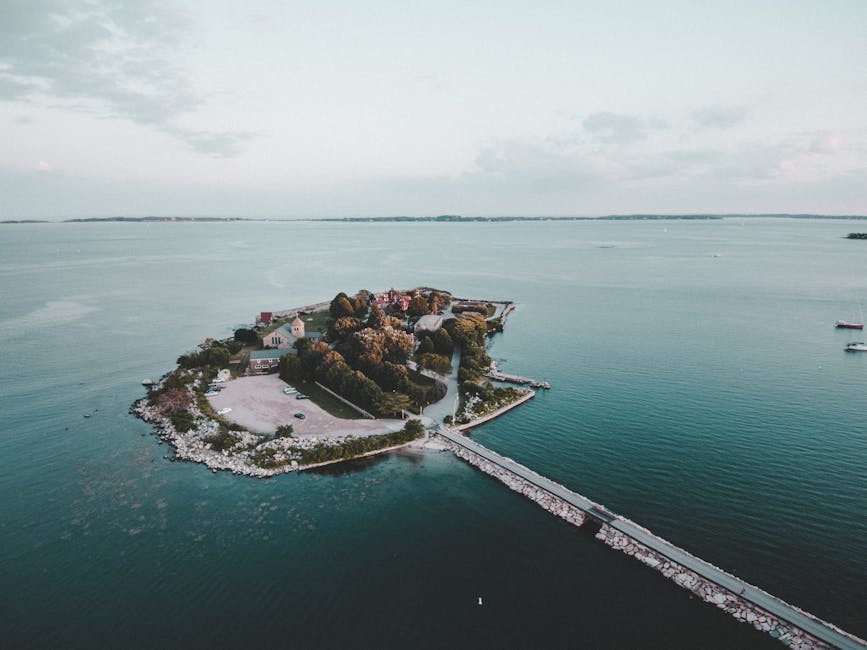
Gotland is the Sweden side of the Baltic-island pair. Bornholm is the Denmark side. Both are limestone or granite islands roughly equidistant from the southern Swedish coast; both have UNESCO-or-equivalent landscape protection, both run on a summer-population economy and a ferry service, both have lamb traditions and a quiet-island culture. The differences are what make the choice interesting.
Gotland has the city. Visby is unique in northern Europe and Bornholm has nothing like it (Rønne is a working harbour town, not a UNESCO old town). Bornholm has the rounded round churches (Østerlars, Nylars, Olsker, Nyker), four whitewashed Romanesque drum churches with no equivalent on Gotland. Gotland has the rauk coast, which Bornholm can’t match. Bornholm has the smoked herring (sild) tradition that Gotland doesn’t have. Gotland has Bergman; Bornholm has Martin Andersen Nexø, which is about a tenth as famous internationally.
If you have one Baltic-island week, pick the city or the round churches. If you have ten days, do both. The chain Stockholm to Visby to Stockholm to Copenhagen to Bornholm to Copenhagen is doable and not even that exhausting.
What to skip
Most of the Strandgatan tourist shops between Norderport and Donners plats. The tourist-trap stretch is uninspired and the prices are inflated. The “medieval banquet” places that pop up during the August week, with limited food and overpriced. The Gotlands Whisky tour at Romakloster (long drive for a small distillery; if you want Swedish whisky, Mackmyra outside Stockholm has the deeper visit). The buggy-rental scooter places on Strandvägen unless you’re with kids; cycling is fine for almost everyone over 12.
When to come
The month-by-month picture:
- Mid-May to mid-June. The wildflowers, including the Gotlandic orchid (Orchis mascula) at Stenkyrkohuk, are at peak. Cool but workable, around 14 to 18°C in daytime. Hotels at low-shoulder rates. The smart-traveller window.
- Mid-June to early July. Long days, warm enough to swim by 20 June. Almedalsveckan in the last week of June or first of July triples Visby’s hotel rates; either book early or avoid that week.
- Mid-July to mid-August. Peak. Hot, crowded, expensive. Medieval Week the second week of August is the cultural highlight and the busiest week of the year.
- Late August to mid-September. The other smart-traveller window. Half the crowds, water still warm enough to swim, hotels back to shoulder-season pricing. Personal favourite.
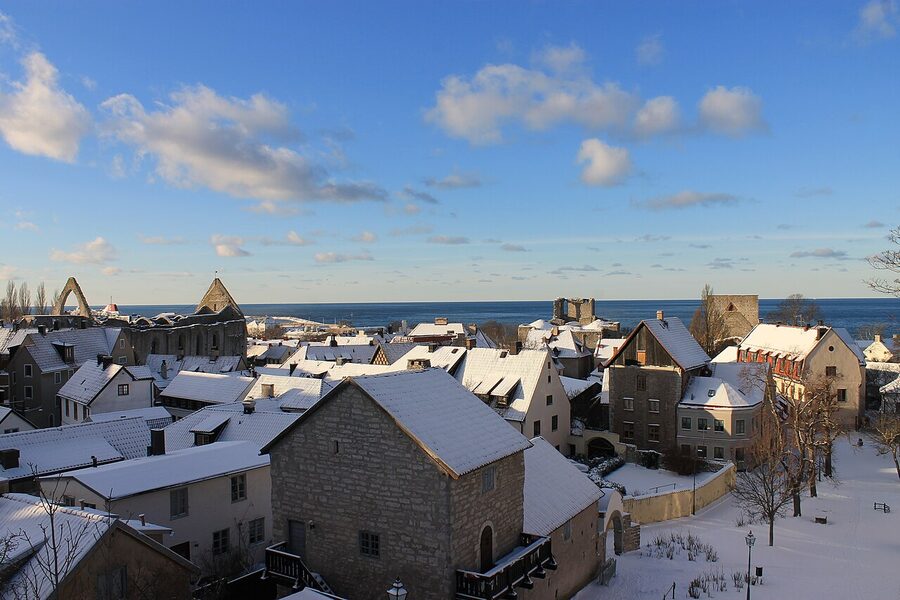
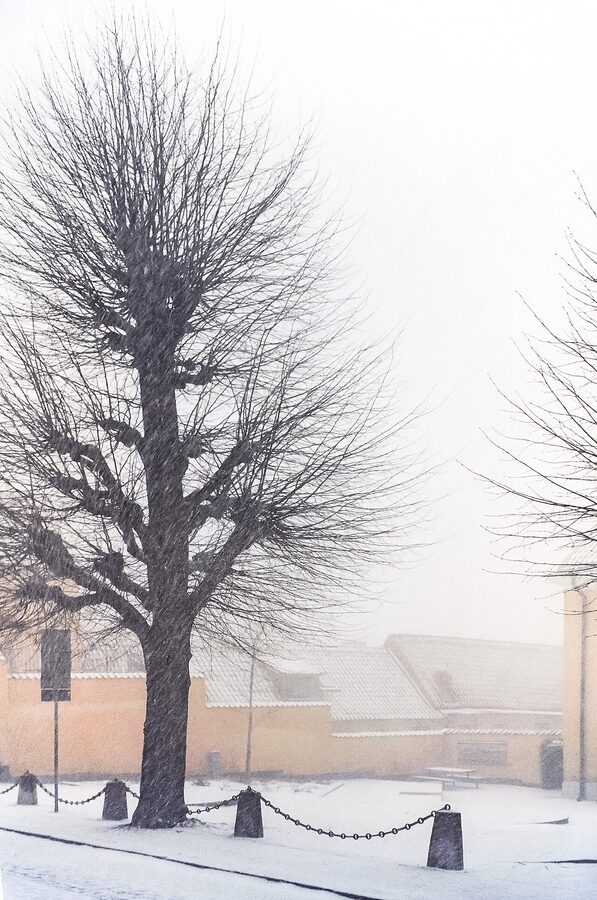
- Mid-September to late April. Most of the island shuts. The Visby restaurants stay open, Bakfickan does, Lilla Bjers closes November to April, the Fårö ferry runs but a quarter of the cottages are shuttered. The town is photogenic in winter snow, but you’ve come for medieval ruins to walk through and it’s cold.
A 3-day, a 5-day, and a 7-day shape
3 days, no car. Day 1: outer wall walk, Strandgatan in the morning, the four big ruins (Sankta Katarina, Sankta Karin, Drotten, Sankt Lars), Fornsalen for two hours, harbour-front dinner. Day 2: morning at Sankta Maria, the cathedral terrace, the Kruttornet, Burmeisterska huset, lunch at Bakfickan, afternoon at the Botaniska trädgården (Sankt Olof) and the smaller ruins, evening on Stora Torget. Day 3: hire a bike for the day, ride south to Tofta beach (30 min) and back, or take a half-day bus to Lummelundagrottan and walk along the cliffs back.
5 days, with a rental car. Days 1-2 in Visby as above. Day 3: drive north to Lummelundagrottan, then to Bunge, ferry to Fårö, Langhammars and Bergman’s grave, sleep at Sudersand or Bunge. Day 4: morning at Sudersand beach, ferry back to Gotland, drive south to Folhammar raukar and on to Hoburgsgubben, sleep in Klintehamn. Day 5: morning boat to Stora Karlsö, afternoon return to Visby.
7 days, with a rental car. Add a second night on Fårö (proper time at the Bergman Centre), a day in Klintehamn with the southwest coast and Stora Karlsö, and a day for the central island (Romakloster, the medieval church at Lojsta, the Forsa cliffs).
One last thing
The first morning I walked the wall I got there at 06:30 because I was jet-lagged and couldn’t sleep. There were sheep grazing the grass strip outside the south wall. A woman in her sixties was running the path with a small dog. The light was grey-pink and the limestone was cold and the only sound was the gulls over the harbour. By 11:00 the same path had a hundred people on it. The woman with the dog had gone home. The sheep had moved off. And I understood, properly, why people who have lived on Gotland for a long time tell you not to come in July.
If you have one Nordic island in you, this is one of the two. The other one is Bornholm. They are different countries with the same problem: limestone, sheep, a UNESCO old town or four round churches, a ferry queue in July and an empty road in October. Pick the one whose summer you can fit, or do both. The walls were here before you arrived and they’ll be here when you leave, and that is the right reason to come.