
Walk up to the Skansen ticket gate on a December afternoon and you smell the glögg before you see the stalls. Hot wine and almonds, woodsmoke from the bonfire above the slope, warm cardamom drifting from the bakery hut, all of it hitting you at once at minus three degrees. That’s the cue. Past the turnstile the Christmas market opens out across the hilltop, copper kettles steaming, and the city below is already going dark at three in the afternoon.
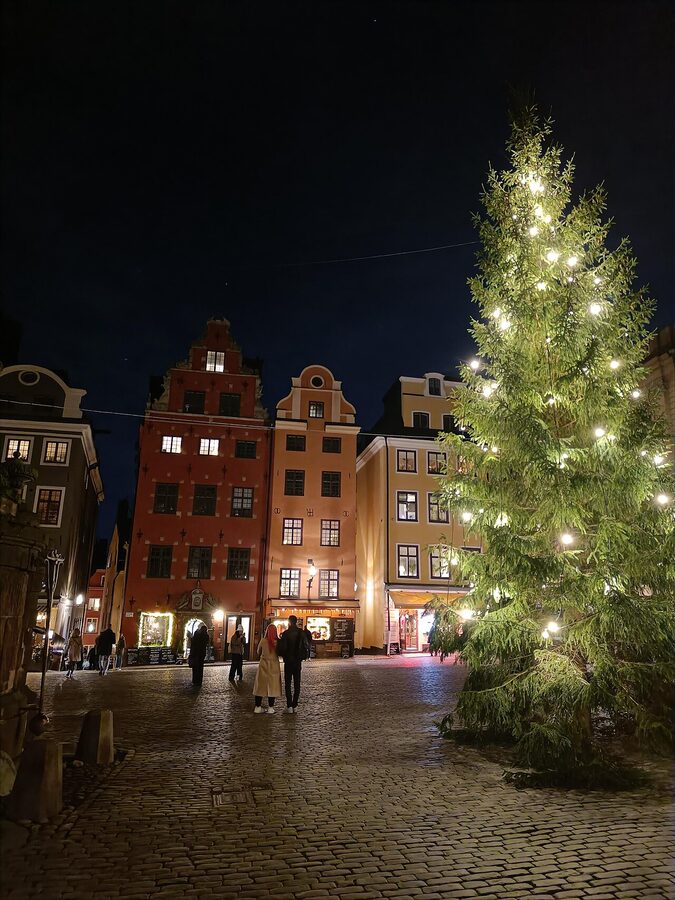
This is the trip Stockholm does best, and the one most visitors get half right. They book the long weekend, find Stortorget on day one, post the photo, and miss the actual heart of it: that Christmas in Stockholm runs on a schedule, has a saint with a date, leans on a single open-air museum founded in 1891, and rewards anyone who stays long enough to eat a proper Swedish julbord and watch a Lucia procession by candlelight on 13 December.
I’ve come back four times in five years to get this right. What follows is the whole thing. The markets that earn the visit and the ones I’d skip. The food that’s worth the queue. The day Lucia owns. The question of whether you bother with Drottningholm in winter. And a slower way in if you’ve got the time: a Stena Line winter ferry from Frederikshavn or Gdynia and the train up from Gothenburg or Karlskrona. Stena Line doesn’t run to Stockholm proper. It does run to two of Sweden’s other front doors, and Christmas is the trip that earns the detour.
In This Article
- Skansen, the one market that’s worth your day
- If you only have one afternoon
- Stortorget: small, beautiful, oversold
- Kungsträdgården, the biggest one with the ice rink
- The other markets, ranked by whether to bother
- Lucia, the day that earns 5:30am
- The food, named
- Drottningholm, in winter, with caveats
- The Christmas lights walk that’s actually free
- The slow way in: Stena Line and the train
- When to come and what it costs
- Where to stay for Christmas specifically
- Getting around once you’re there
- What I’d actually do with three days
- The bigger Nordic picture
Skansen, the one market that’s worth your day
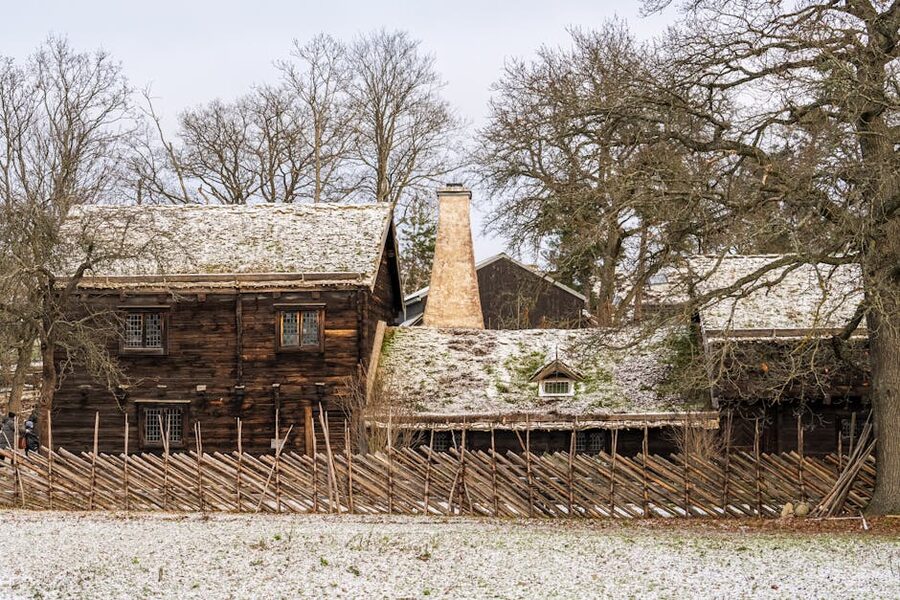
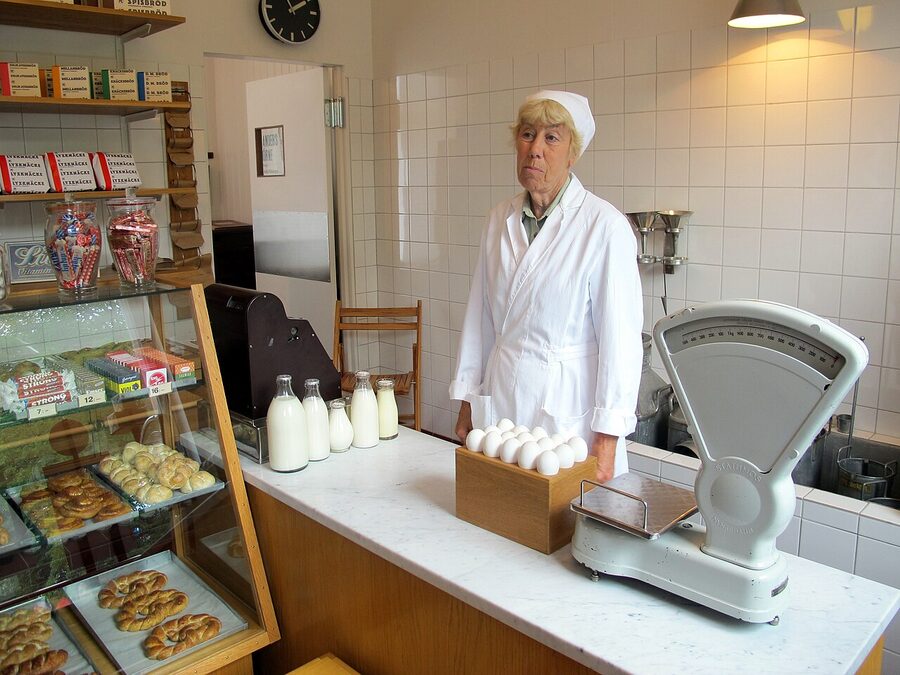
Skansen is the one to plan around. The world’s first open-air museum, founded by Artur Hazelius on Djurgården island in 1891, runs its julmarknad on Advent weekends only. Typically the Friday after the first Sunday of Advent through 21 December, then a final stretch through Christmas Eve. Skansen’s own page puts the tradition at 1903, which makes this the longest-running Christmas market in Sweden after Stortorget. It runs 10:00 to 17:00 daily during market days. Adult admission to Skansen sits around 305 SEK (~€28) in 2026 and includes the market, the historic farmsteads, the children’s zoo, and the Sami camp on the hill.
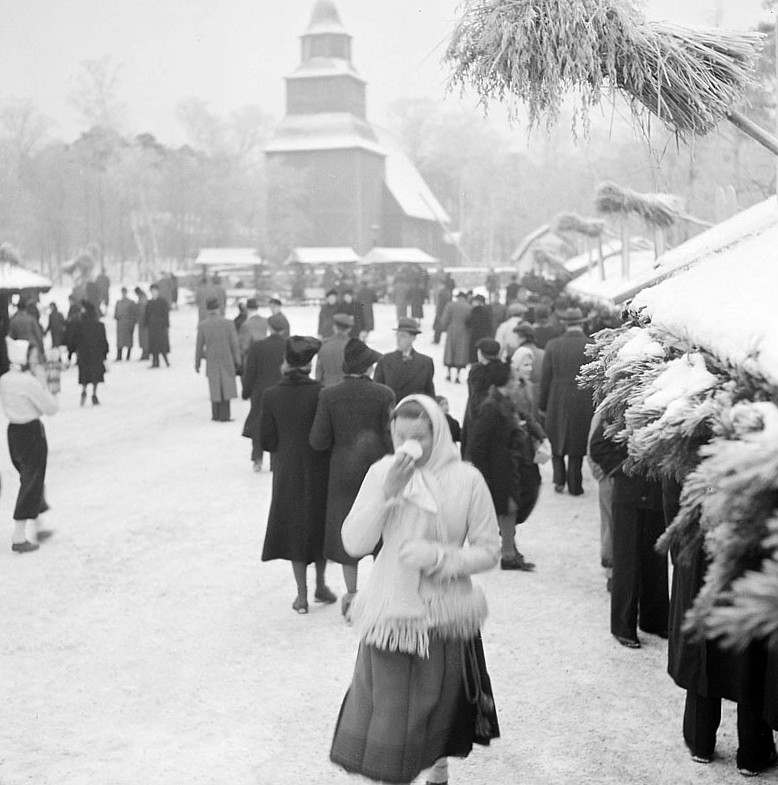
What you actually want to do at Skansen on a market day. Arrive at opening, work your way up the hill, eat a hot dog from the wood-fired stall above the carousel (50 SEK for a proper bratwurst, 30 SEK for the basic one), warm up with glögg at 40 SEK from the kettle hut, then head into the historic farmsteads where the staff in period dress are baking bread and rolling out lussekatter on a wood stove. The bread is real. They give it to you.
By two in the afternoon the bonfire on the upper slope is going. By three the light’s already softening to that flat blue-grey Stockholm gets in December. By four it’s fully dark and the candle lanterns are doing the work. Stay for the folk dance around the Christmas tree. It happens hourly on the half hour at Bollnästorget, the central square. Then walk down past the Skansen Aquarium with the city skyline lit up across the water. The whole route works as a four-hour day. Do not try to do this and Stortorget on the same afternoon. You’ll rush both.
Getting to Skansen: tram 7 from Sergels Torg goes the whole way and costs the standard SL fare (39 SEK single, free with a 24-hour pass at 175 SEK). The tram is faster than the ferry in winter because the ferry across to Djurgården takes a long route via Slussen and slows down further when ice forms. Save the ferry for summer.
If you only have one afternoon
Pick Skansen. The bigger square markets are smaller experiences. Skansen is the only one that gives you a whole day’s worth of Sweden in winter without leaving a single hilltop.
Stortorget: small, beautiful, oversold
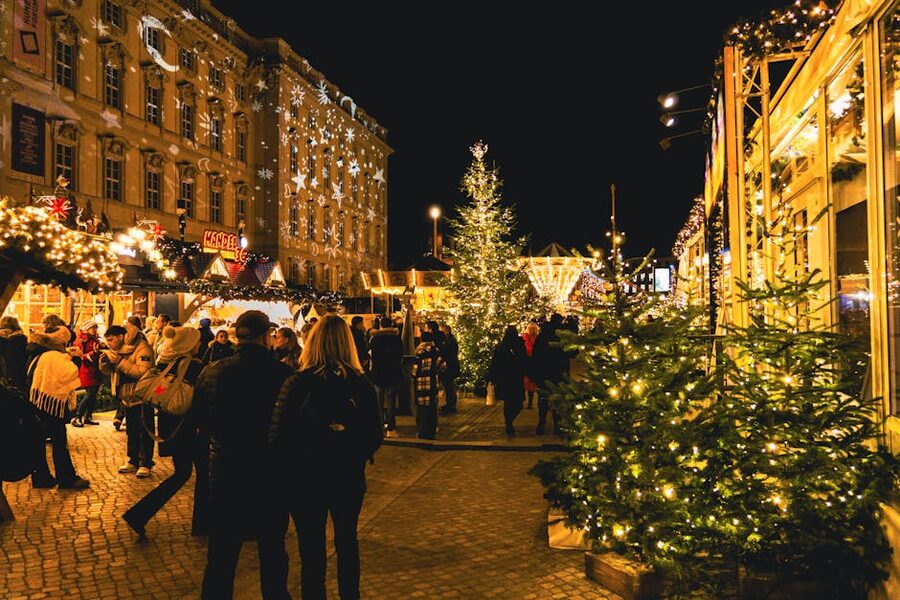
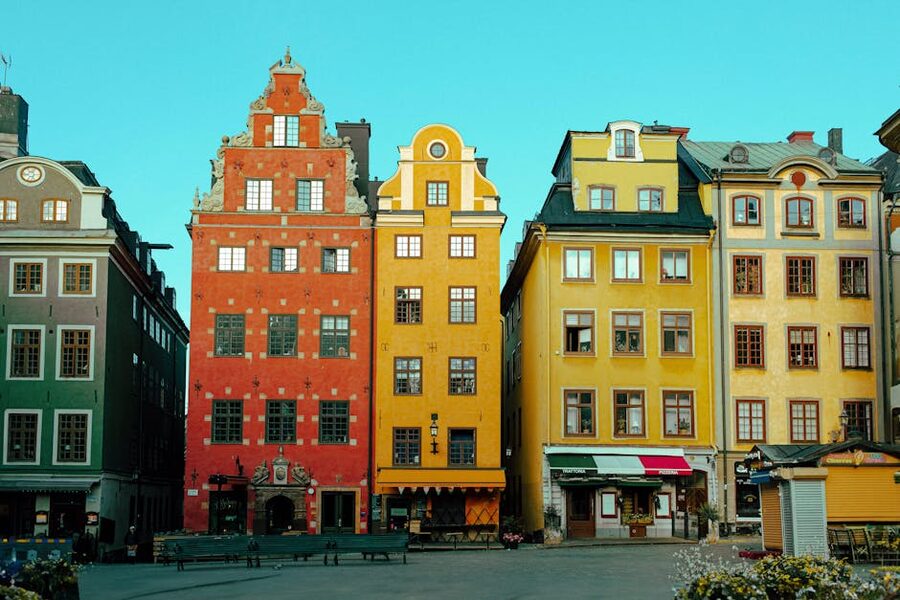
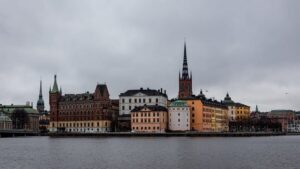
Stortorget is the photo. The 17th-century pastel townhouses with the red wooden stalls in front of them, in the oldest square of Gamla Stan, the central square of Stockholm’s old town, the place where the village that became Sweden’s capital first formed. Sweden’s oldest Christmas market has been running here since 1837. It’s beautiful. It’s also tiny. Forty-one stalls, in a square that fits maybe 300 people comfortably and gets ten times that on a Saturday afternoon in December.
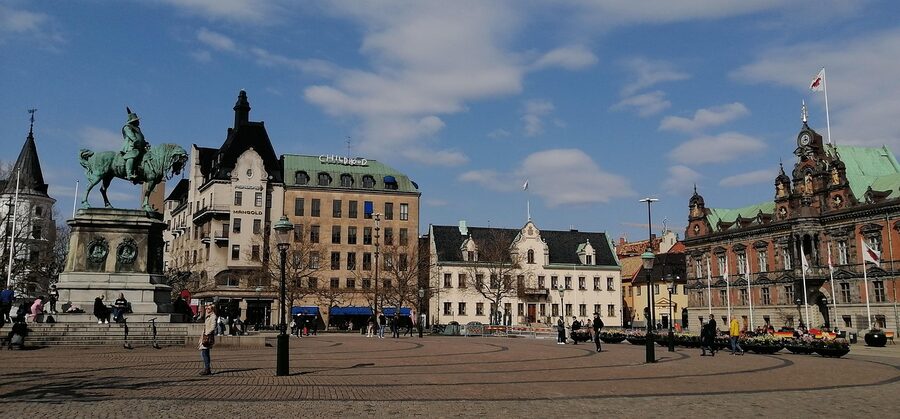
Honest take: 40 minutes is enough. Walk a slow loop. The stalls sell traditional Swedish gifts. Wooden Dala horses, knitted mittens, candle holders, smoked herring, jars of cloudberry jam, tomte figurines, that kind of thing. Some of it is genuinely Swedish. Some of it is Christmas-market generic that you’d find anywhere from Vienna to Tallinn. The glögg and pepparkakor at the corner stalls are good and run about 35 to 50 SEK a cup. The roasted almonds smell better than they taste.
What I’d actually do here: come in the morning around opening for the photo, spend 30 minutes, then walk five minutes to Storkyrkan, the cathedral, which holds Lucia services in mid-December if your timing’s right. Past the cathedral the lanes of Gamla Stan close up to two-metre-wide cobbled passages and the cafés have window seats. Sundbergs Konditori on Järntorget has been baking pepparkakor since 1785 and that’s not a marketing claim, it’s the original shop.
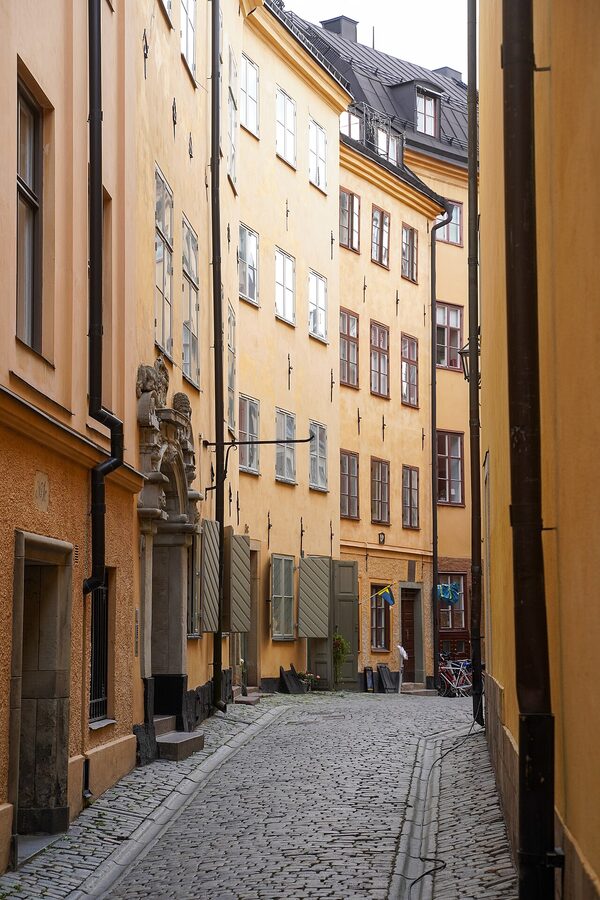
If you’ve already done the three-day Stockholm itinerary in summer or autumn, Stortorget at Christmas is the one square that genuinely changes character. The medieval bones look right with snow on them. In July it’s just a square full of restaurants.
Kungsträdgården, the biggest one with the ice rink
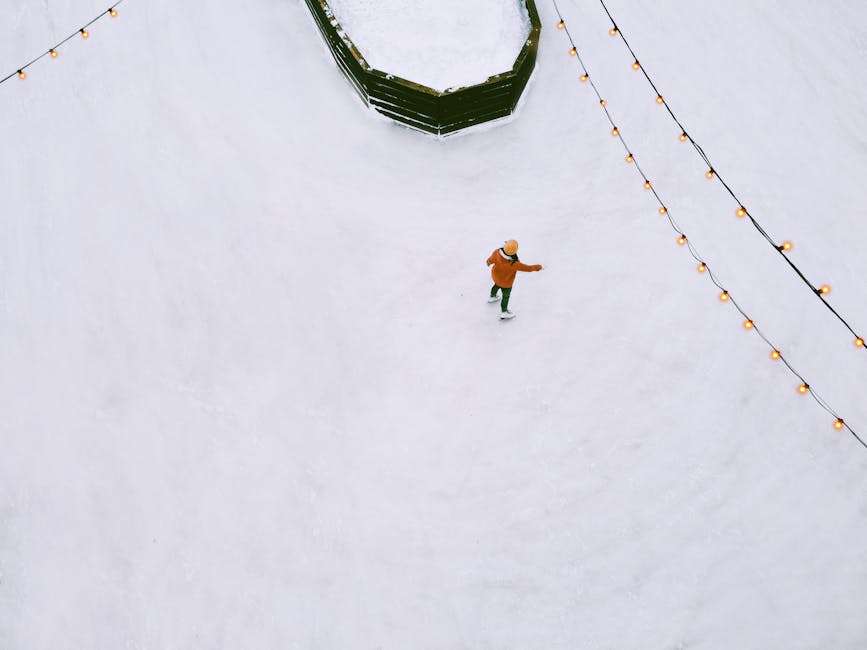
Sweden’s biggest Christmas market in raw numbers. 400 exhibitors most years, organised by Ung Företagsamhet (Junior Achievement) as a school enterprise programme, in partnership with the city. It runs across the long thin park between Kungsgatan and the Royal Opera, two metro stops from Stortorget on the blue line. Free to walk through. Ice rink at the south end open until around 21:00.
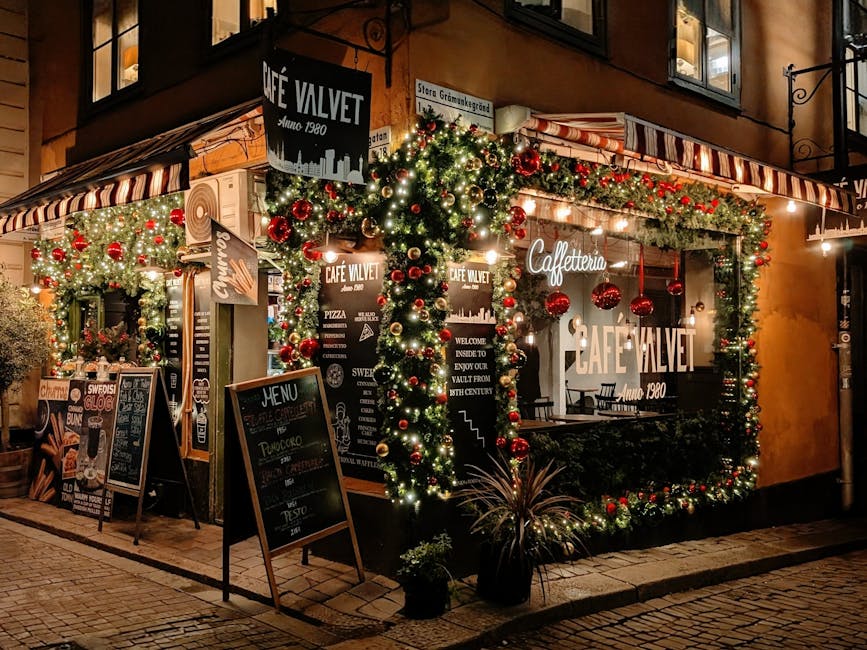
The reason to come: variety. Where Stortorget has 41 traditional stalls and Skansen has its on-site selection, Kungsträdgården has hundreds of small Swedish design and craft makers, students from Konstfack and Beckmans, food trucks from across Stockholm, and the city’s largest concentration of Christmas tree decorations in one place. It’s also where you can actually buy stuff. The Stortorget stalls lean toward souvenir gifts. Kungsträdgården is where Stockholmers come to do real Christmas shopping.
Skating tip: hire skates at the rink-side hut, not from a sports shop in town. The hut has people who’ll lace them and adjust them for you. The shops will sell you a 700 SEK skate-hire for the day.
The other markets, ranked by whether to bother
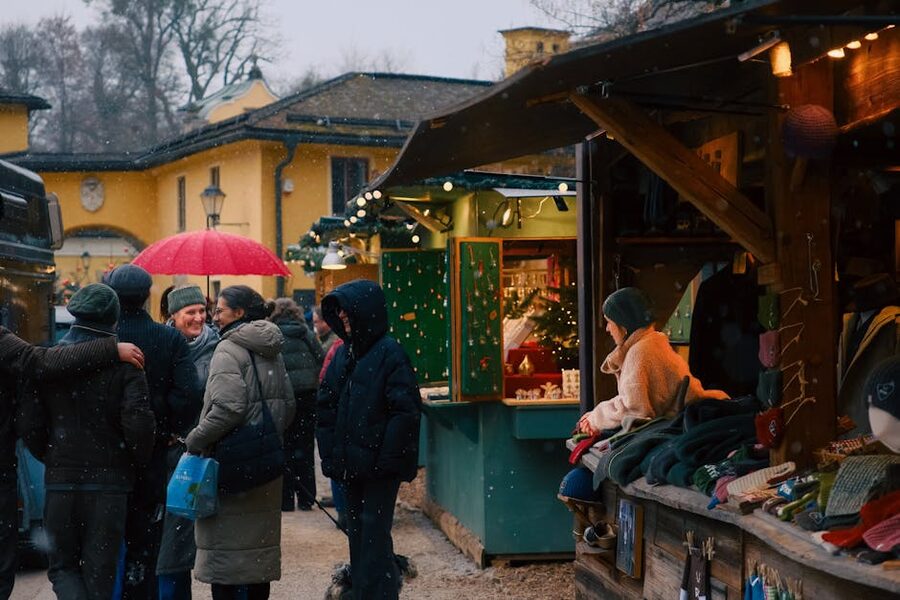
Stockholm has a dozen smaller julmarknader most Decembers. Most run a single weekend or two. Worth knowing about, in roughly the order I’d send you to them.
Skeppsholmsgården. The most charming small market in town. Held in mid-December on the Skeppsholmen island, all-day on a single Saturday or Sunday. Maybe 30 stalls, all artisan, no tourist tat. Free entry. Take the 65 bus or walk the bridge from Kungsträdgården (10 minutes). The setting on the water with the Royal Palace lit up across the channel is the photo nobody else has.
Konstfack and Beckmans. The two design schools’ Christmas markets. One weekend each in mid-December, on campus, sold by the students themselves. Hand-printed posters, ceramics, jewellery, the kind of small Swedish design pieces that would cost three times as much in a boutique. If you read about Scandi minimalism and want to actually buy some, this is where.
Hornstull julmarknad. Held on Nytorget in southern Södermalm one weekend in mid-December, usually 13 to 14 December. Smaller, neighbourhood-feeling, no tourists. Pair it with a wander around Hornstull and the Söder neighbourhood on the same afternoon.
Sigtuna. Sweden’s oldest town, 45 minutes by train and bus from Central Station. The market is a single Saturday and Sunday in early December, runs along the main lakeside street, and feels like a Christmas card without the staging. If you’re in Stockholm for a full week and can spare a Saturday, take the 7:53 commuter train from Stockholm Central toward Märsta, change at Märsta for the 575 bus to Sigtuna. About 90 minutes door to door, 75 SEK each way.
Vaxholm. The archipelago town. Ferry from Strömkajen, 75 minutes one way. Christmas market is one Saturday in early December. Honestly: lovely in summer, in December you’ll be cold on a ferry deck for an hour and a half each way for a 40-stall market. Skip unless you’d take the ferry trip anyway.
Skip: Filmstaden Sergel’s Christmas market (it’s a shopping mall, the market is a corridor of stalls). The Viking Museum winter market (small, themed, expensive entry). Vintermarknad inside Stockholm’s Central Station (it’s there for the commuters, not the visitors).
Lucia, the day that earns 5:30am
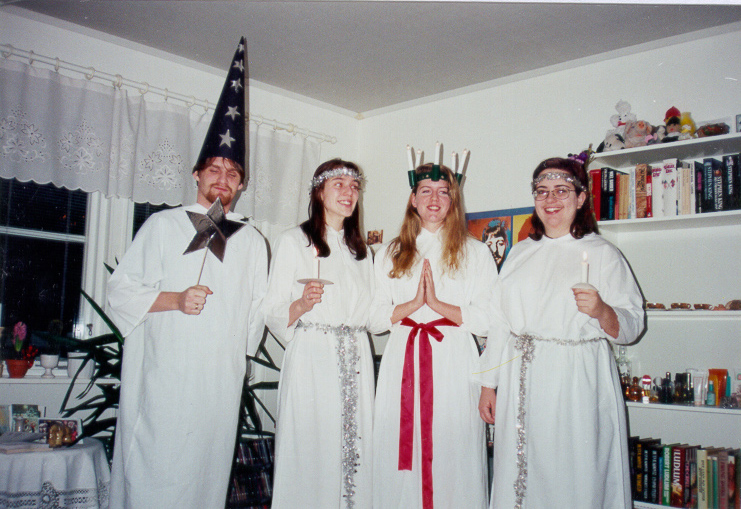
If your dates are flexible, build the trip around 13 December. Lucia is the one Swedish Christmas tradition that’s truly its own. Choirs of children and teenagers, the lead girl wearing a crown of seven lit candles, all dressed in white with red sashes, processing into a dark church or hall singing the Sankta Lucia hymn. The original is a martyr who died in 304 AD in Syracuse. The Swedish version is a thousand-year-old Christianised solstice ritual about light returning to the longest dark of the year. It’s the most genuinely moving public ceremony I know in Stockholm.
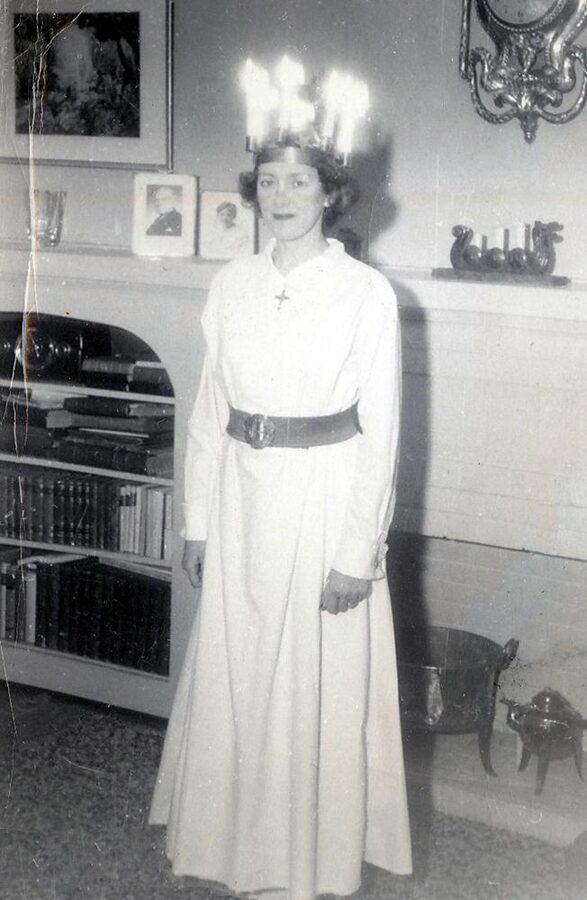
Where to see one. Storkyrkan, the medieval cathedral on Gamla Stan, runs the city’s headline service the morning of 13 December. 7:30 typically, free, queue from 6:30 in the cold. Skansen runs its Lucia procession on the evening of 12 December and again on 13 December at 17:00, walking from the Seglora church up the hill, included in your day ticket. Hjorthagskyrkan in the eastern suburbs is more local. Your hotel will know which churches are running services that day; ask at reception.
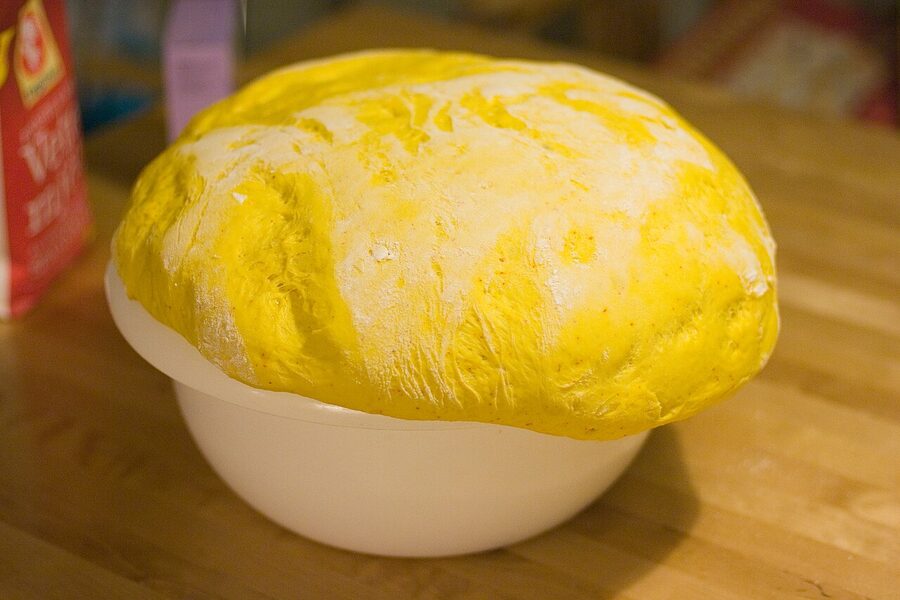
What to eat that morning. Lussekatter, always. The S-shaped saffron bun with two raisins for eyes. Vete-Katten on Kungsgatan does the city’s best, around 35 SEK each, and they sell out by 11:00 on 13 December. Have one with a coffee or with a small glass of glögg if your hotel breakfast does it. The pairing is the point.
The food, named
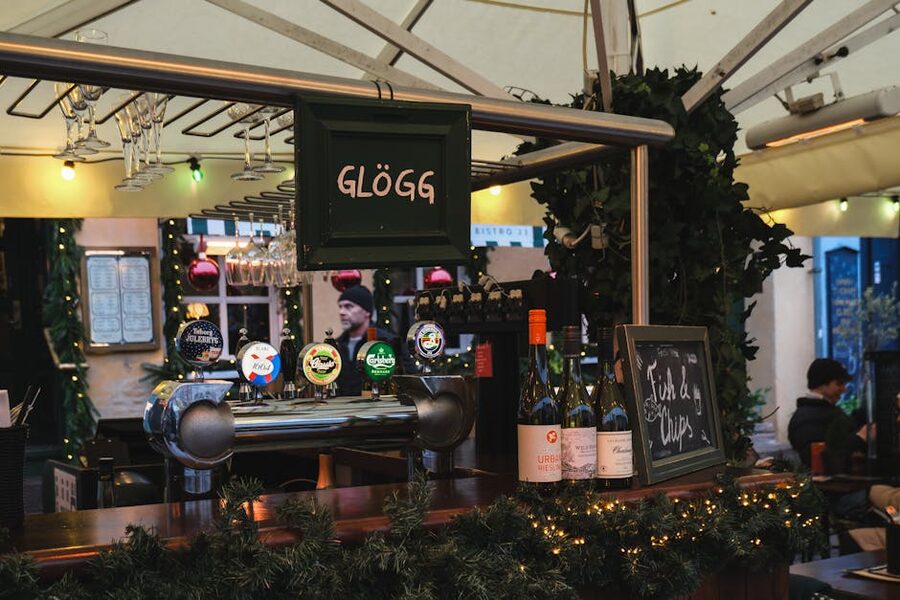
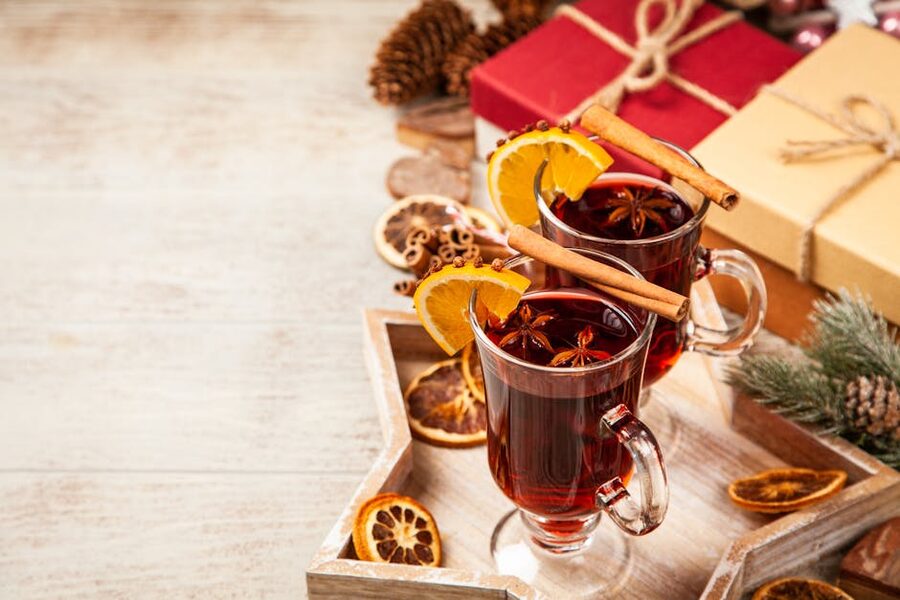
Glögg. Not “mulled wine.” Spiced, sweetened, fortified red wine, served warm in a small glass with raisins and slivered almonds at the bottom. Around 40 to 50 SEK at a market stall, 80 to 100 SEK in a bar. Some places do a stronger version with extra brännvin (Swedish vodka). Order it as glögg, drink it standing up at the kettle hut, do not ask for it on the rocks. There’s also a non-alcoholic version (alkoholfri glögg) which is honest and good. Supermarkets sell decent bottles for 50 SEK. Saluhallen Östermalm is the place to buy the bottled stuff if you want to take some home.
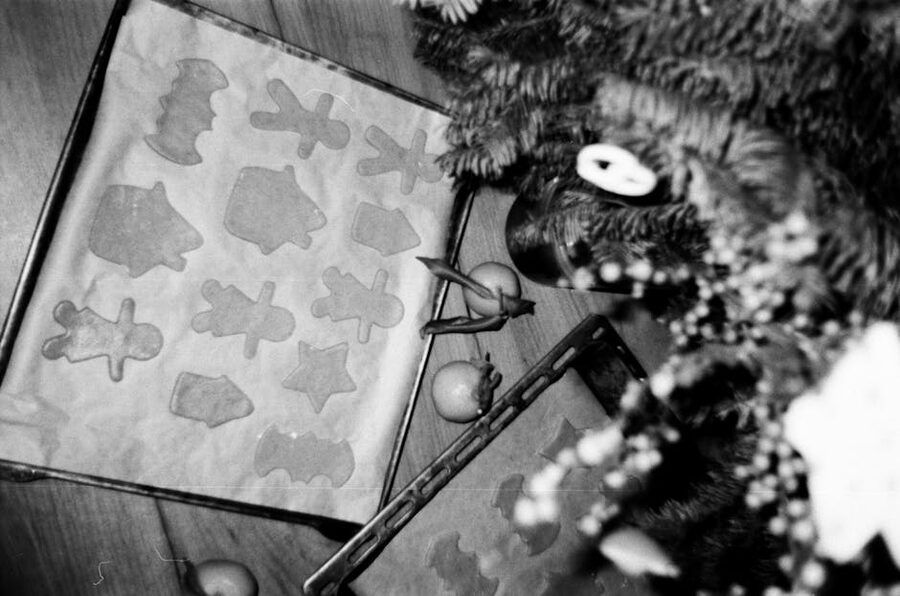
Pepparkakor are not gingerbread the way you mean it. They’re paper-thin, crisp, broken with a snap, and Swedes traditionally make a wish on one before eating. You hold a heart-shaped pepparkaka between your palms, close your eyes, make the wish, and snap it. If it breaks into three pieces the wish comes true. Buy a tin from any supermarket. Anna’s Pepparkakor in the red tin runs about 35 SEK and has been the standard since 1929.
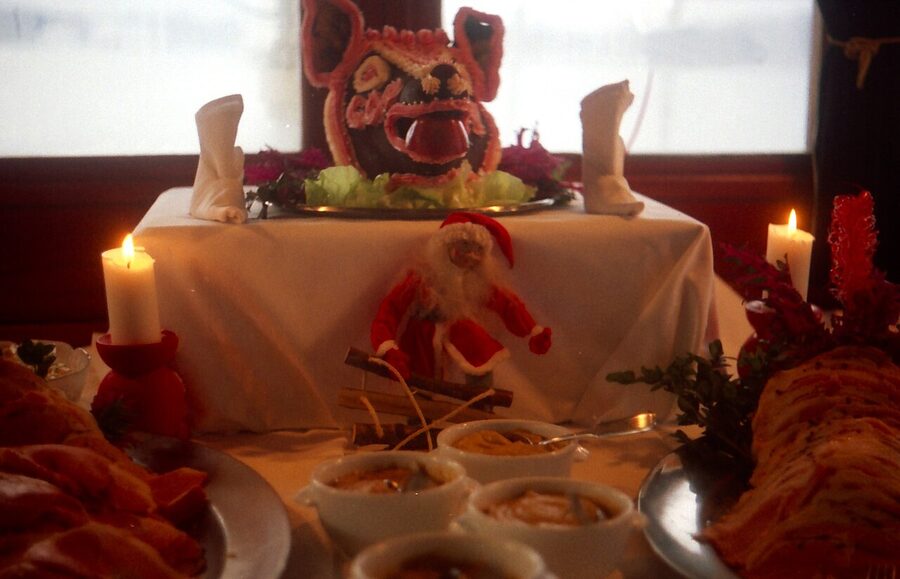
Julbord is the proper sit-down Christmas buffet, served in restaurants from late November until 23 December. Around 595 to 895 SEK (~€55 to €80) for a full julbord with dessert in central Stockholm; bigger hotels charge more. Two non-touristy ones I’d send you to: Operakällaren on the harbour does a formal version that’s been running since 1787 (book three weeks ahead), Stallmästaregården at Norrtull does a riverside one that locals book for office Christmas parties (700 SEK in 2025). Drink Julmust with it, the Swedish Christmas soda, which outsells Coca-Cola in December every year. That’s the kind of fact only true in this country.
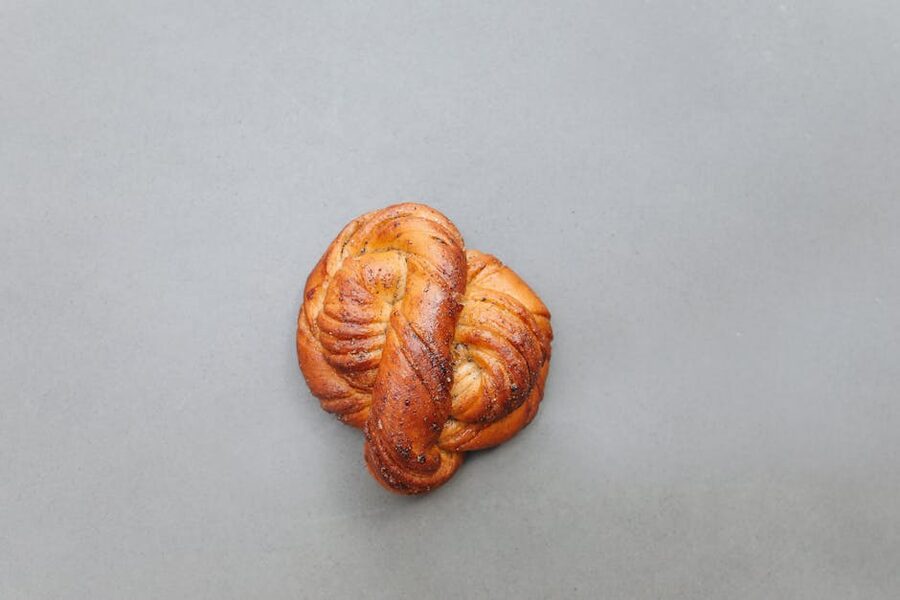
The breakfast move. Most decent hotels in Stockholm do a Lucia breakfast 7 to 13 December: lussekatter on the bread board, glögg on the side table at breakfast, sometimes a small in-house Lucia procession on the morning of the 13th. Worth checking with your hotel before you book. Mid-range hotels that reliably do this: Scandic Park, Hotel Skeppsholmen, the Hilton Slussen.
Drottningholm, in winter, with caveats
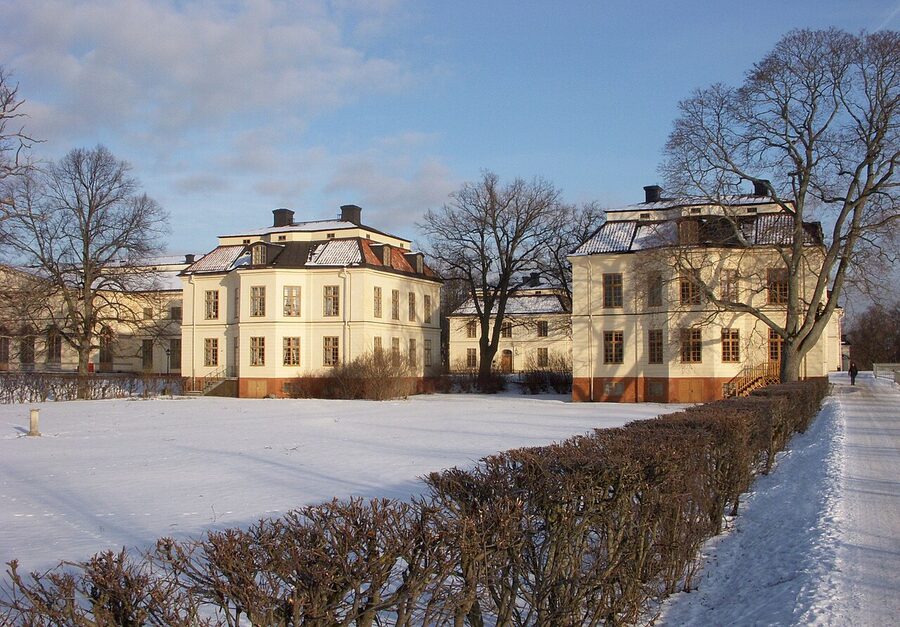
Drottningholm Palace, the King’s residence, UNESCO World Heritage site, 11km west of central Stockholm on Lovön island. In summer it’s the city’s busiest day-trip. In winter it’s almost empty.
The catch: in winter the palace itself is open weekends only. Saturday and Sunday 10:00 to 16:00 in November, December, January, February, closed weekdays except a daily-open stretch from 31 December to 6 January. Most of the gardens are closed. The Chinese Pavilion is closed (May to September only). The Court Theatre runs guided tours but only by booking on specific dates. So a winter Drottningholm trip is basically: see the state apartments inside the main palace and walk the snow-covered grounds.
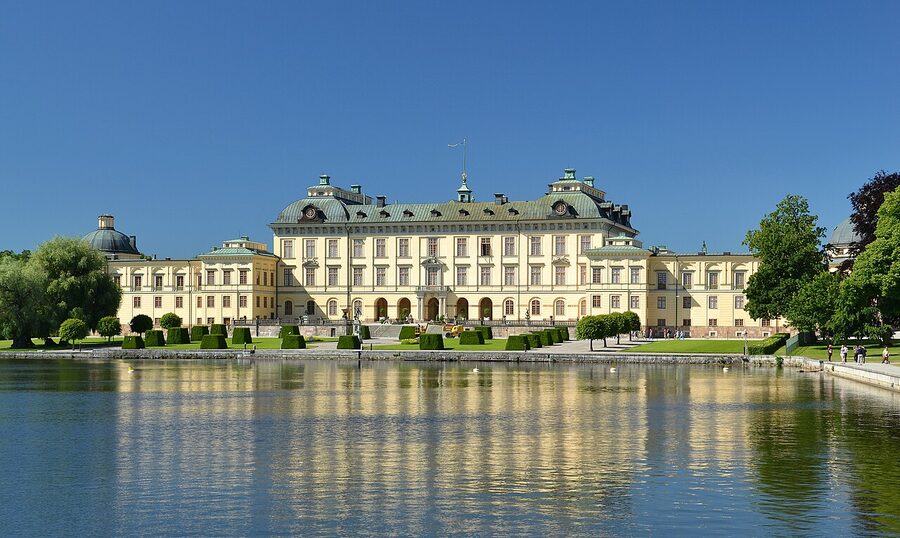
Worth doing if you’ve already done Skansen and Stortorget and you’ve got a clear Saturday morning with snow on the ground. Take the tunnelbana green line to Brommaplan, then the 176 or 177 bus to Drottningholm. About 50 minutes from central Stockholm, 39 SEK on the SL ticket. The summer ferry from Stadshuskajen does not run in winter, so don’t plan around that.
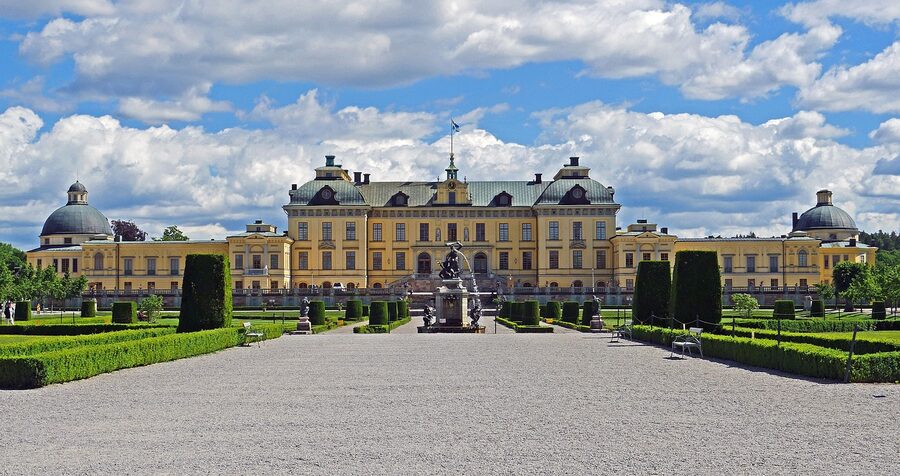
Skip if it’s your first Stockholm trip and you’ve got under four days. The state rooms are good, not great, and the absence of the gardens makes the visit feel half-finished. Save Drottningholm for a summer return.
The Christmas lights walk that’s actually free
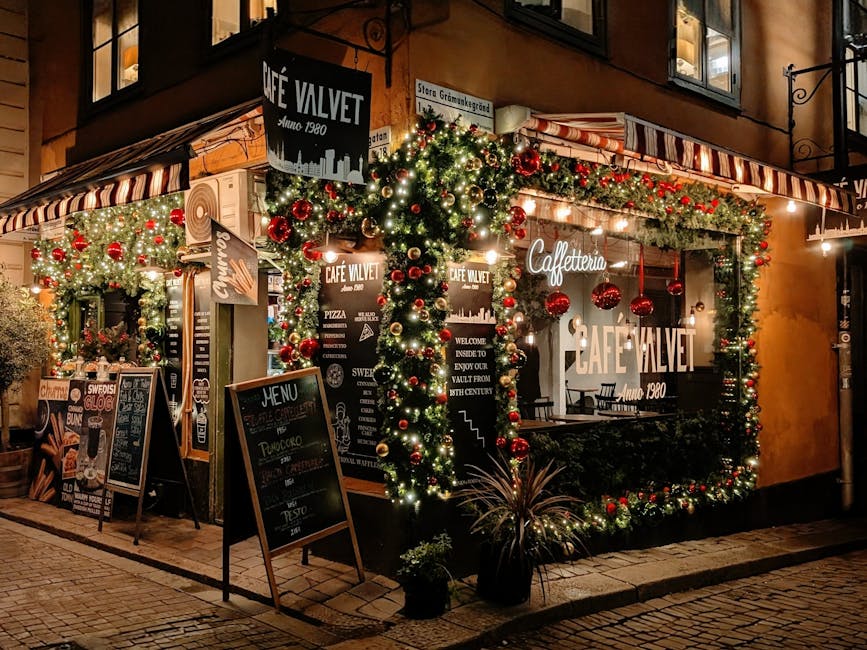
Stockholm’s central shopping streets do the city’s commercial Christmas lights, and they’re better than London’s. The streets that matter: Drottninggatan, Biblioteksgatan, Birger Jarlsgatan, Norrlandsgatan, Hamngatan. The walk that’s worth doing in this order:
Start at Operakällaren by the Royal Opera, on the harbour. Walk through Kungsträdgården and the central tree. Cut up Hamngatan to NK, the department store that’s been Stockholm’s central Christmas shop window since 1902. Their window displays change every year and draw queues on weekend evenings. Continue up Biblioteksgatan to Stureplan, then loop back via Norrlandsgatan and Jakobsbergsgatan to Sergels Torg. The whole route is about 2.5km and takes 90 minutes if you stop to look. Add another 20 minutes if you go through Hötorget, where the giant Christmas tree (20 metres or so, the country’s largest in central Stockholm) sits in front of the concert hall.
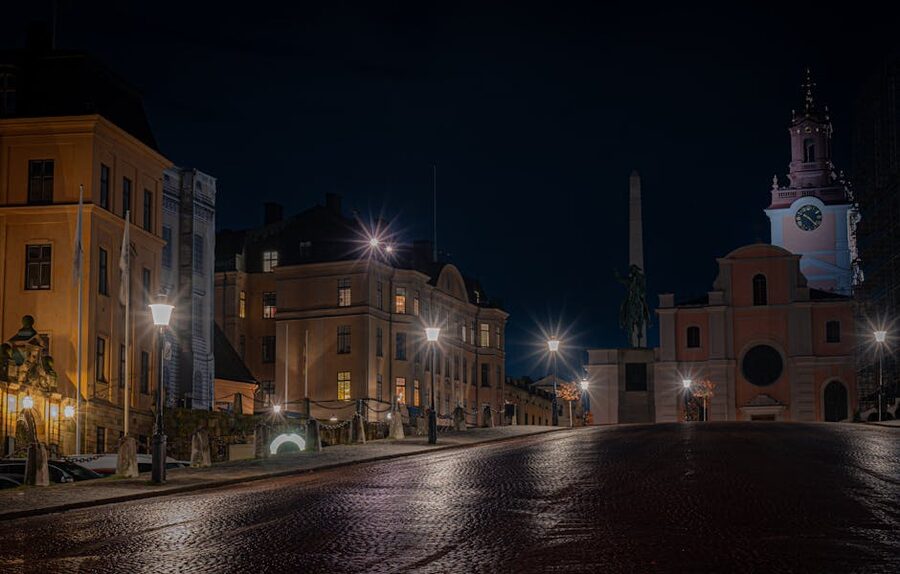
An app called Stockholmsjul (free) maps out every official light installation in the city. It updates every November. If you’re a lights nerd, install it before you arrive.
The slow way in: Stena Line and the train
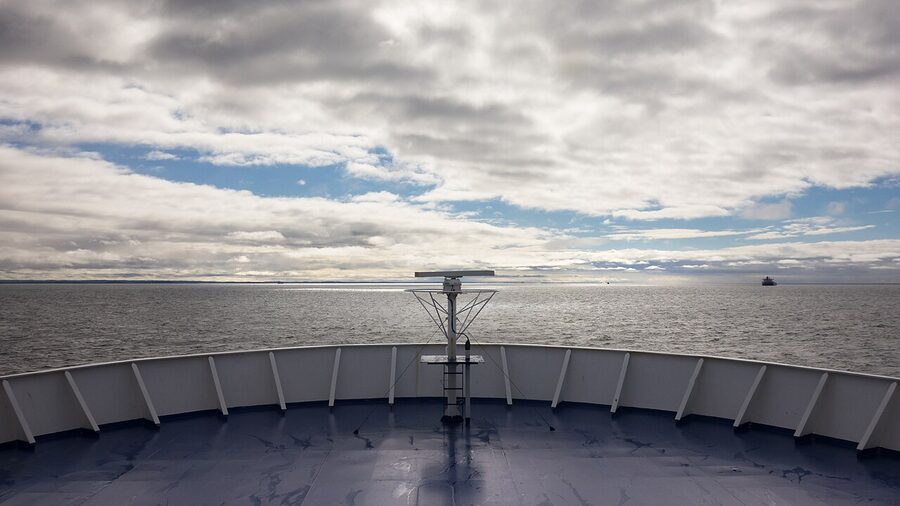
Stena Line doesn’t run a ferry to Stockholm. It runs to two of Sweden’s other front doors, and if you’ve got the time, taking the long way in by sea is the trip that earns the detour.
Frederikshavn to Gothenburg is the headline route. Northern Denmark to Sweden’s second city, 3 hours 30 minutes across the Kattegat, multiple sailings a day all winter. From Gothenburg, the SJ X2000 high-speed train runs to Stockholm Central in 3 hours 5 minutes. So a full sea-and-rail day, Frederikshavn to Stockholm: ferry 06:30 to 10:00, train 11:30 to 14:35, your hotel by 15:00. Tickets are flexible. Book the ferry on stenaline.co.uk and the train on sj.se. Off-peak winter return for one adult typically runs around 350 to 700 SEK on the train and 200 to 400 SEK on the ferry without a car.
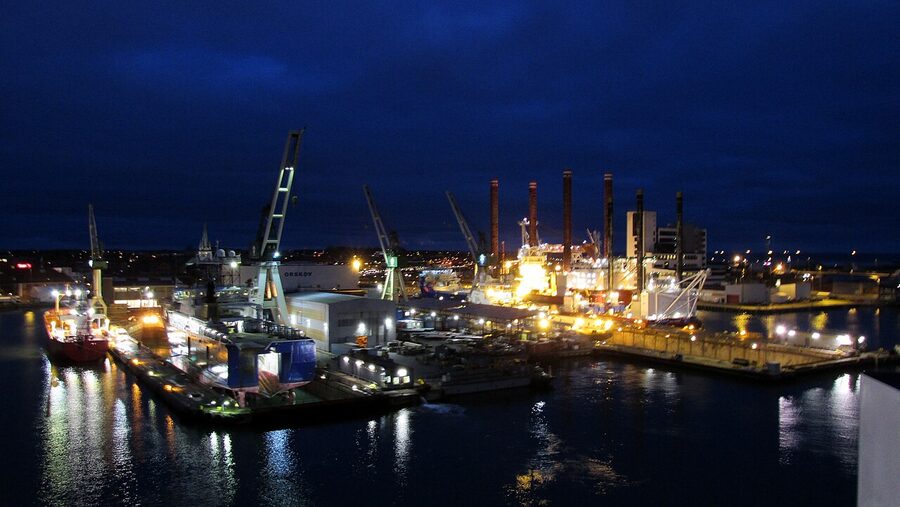
Karlskrona to Gdynia is the longer route. Southern Sweden to the Polish coast, around 11 hours, an overnight crossing with cabins. Coming the other way, this is the cheap option from Eastern Europe into Sweden in winter: leave Gdynia 21:00, arrive Karlskrona 06:30 the next morning, then catch the early train to Stockholm via Hässleholm and arrive Stockholm Central by midday. The whole journey from Warsaw to Stockholm via Gdynia and Karlskrona on this combination runs about 600 to 900 SEK off-peak, less than half the equivalent flight if you can get a £30 cabin.
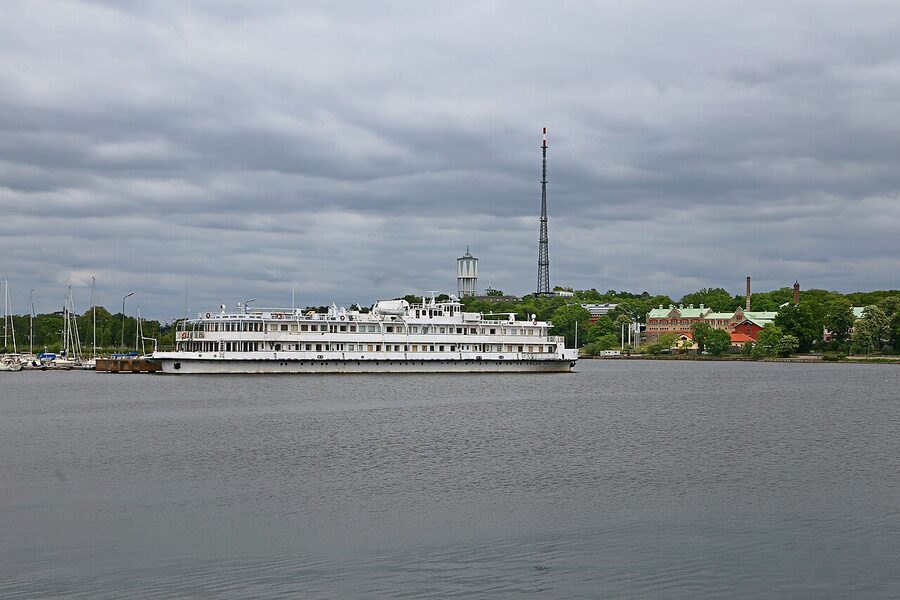
Why bother with a ferry when you could fly? Three reasons. First, the Baltic in winter from a heated cabin is one of the calm, near-empty experiences of Nordic travel. Open water, low light, gulls following the wake, and you can actually see the Swedish coast appear at sunrise. Second, you arrive in a different city than the airport drops you in: Gothenburg or Karlskrona instead of Arlanda, which means you’ve added a Swedish second city to your trip. Third, the carbon. A car-and-passenger ferry is roughly half the per-person emissions of a flight on the equivalent route, and trains the rest of the way are negligible.
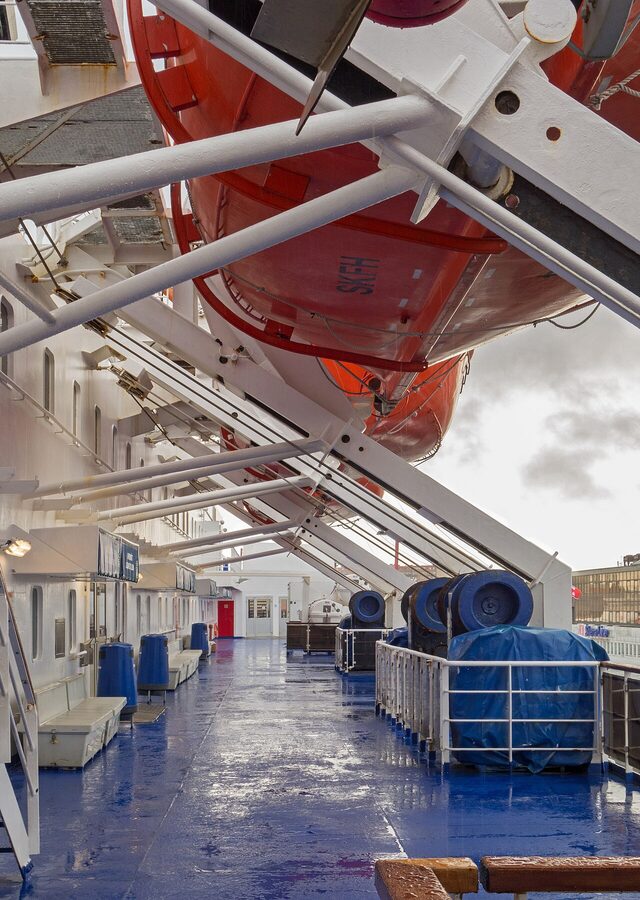
If you want the proper Nordic-by-sea trip across the region, pair this with the Stockholm to Helsinki overnight ferry on the way out. Land in Gothenburg via Stena, train up to Stockholm, two nights at the markets, then the Silja or Viking overnight to Helsinki. Stockholm is the middle of a four-day ferry-and-rail loop, and the markets are the reason to do it in December.
When to come and what it costs
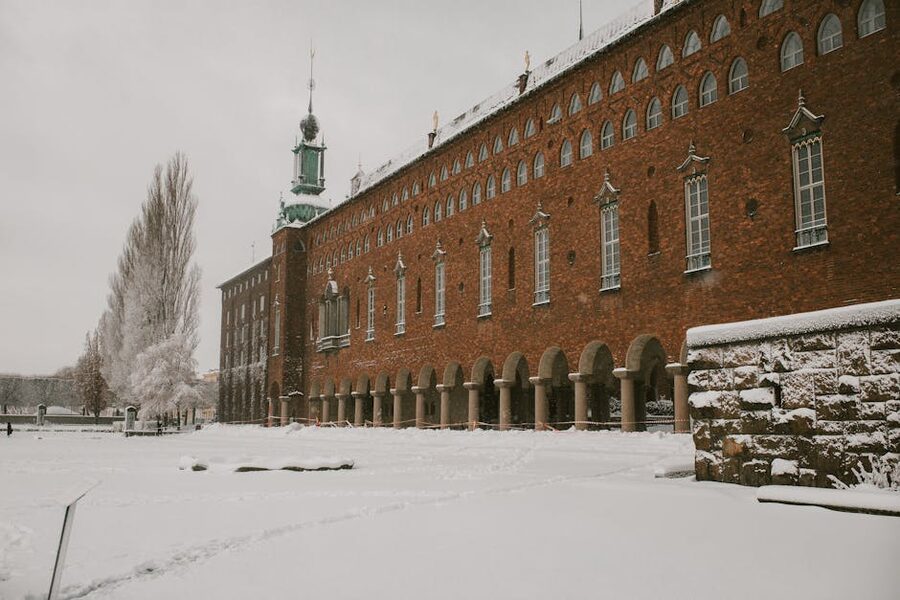
The Christmas window in Stockholm runs from the second weekend of November (lights on, first markets opening) to 23 December (everything closes for Christmas Eve). Within that, the sweet spot is 11 to 18 December. Lucia is in there, all markets are open, and the city hasn’t gone into pre-Christmas Eve shutdown. After 23 December and through 26 December most shops, restaurants and museums are shut. The 27th to New Year’s Eve picks back up with a new wave of activity around the Drottningholm holiday opening.
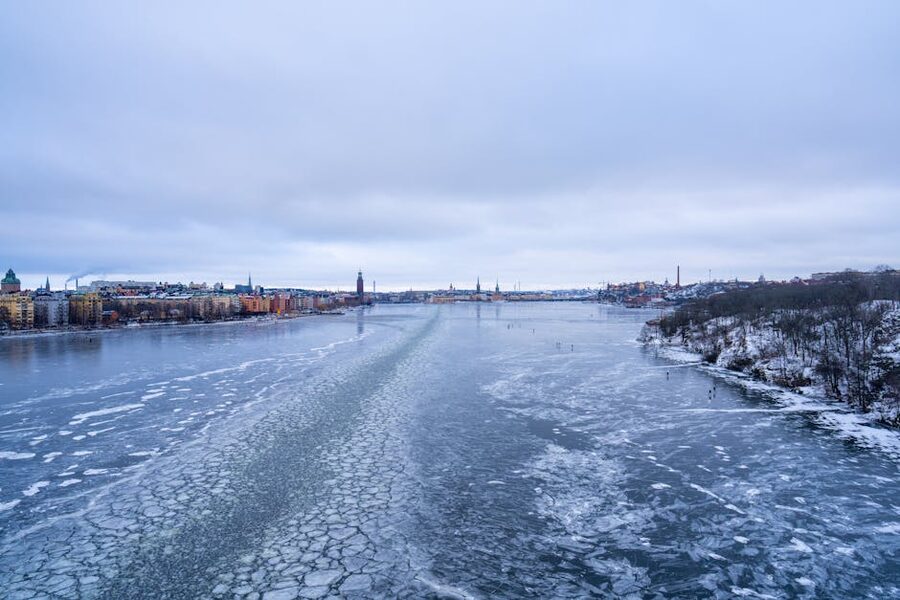
Weather. December in Stockholm averages -3°C to +1°C. Some years it’s all rain and grey-brown grass. Other years deep snow from late November on. The 2010s averaged about 8 to 12 days of snow cover in December; the 2020s have been more variable. Plan for cold, layered, with proper boots, because pavements get icy and Swedes salt sparingly.
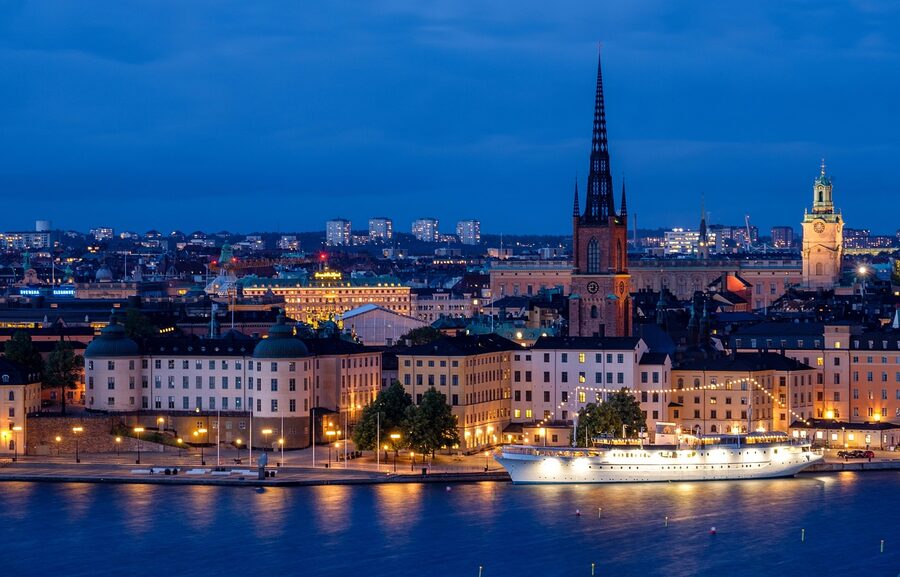
Daylight. The shortest day of the year is 21 December. Sunrise around 08:50, sunset around 14:50. That’s six hours of light, and most of it the soft blue twilight Swedes call mörkret. Plan most outdoor sightseeing for 10:00 to 14:00, then move into a market or a café when it gets dark.
Money. A four-day Christmas trip to Stockholm in December 2026, two adults sharing a mid-range hotel: figure 12,000 to 18,000 SEK (~€1,100 to €1,650) all in, including flights from a European city, four nights, the SL travel pass, two julbord meals, three regular meals a day, market food and glögg, and museum tickets. Halve that if you’re flying budget and staying in a hostel. Triple it if you’re at the Grand Hôtel.
Where to stay for Christmas specifically
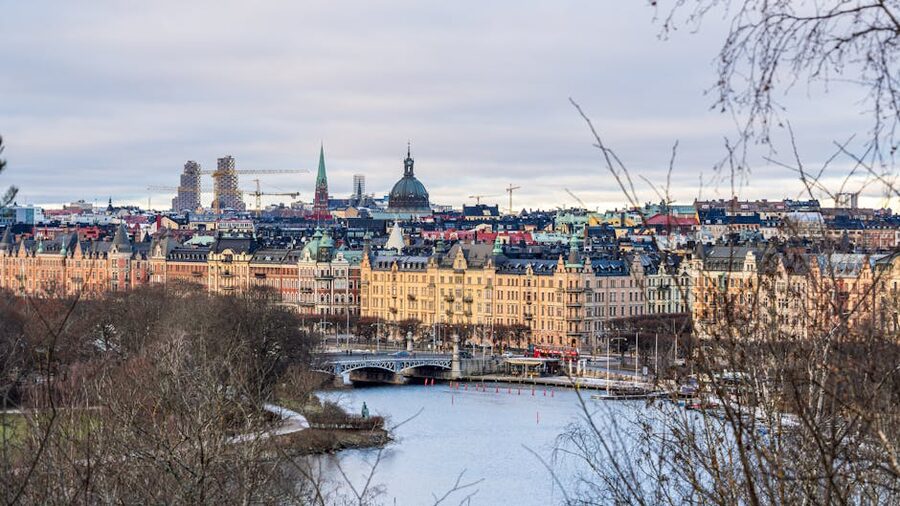
For Christmas markets specifically, base in Gamla Stan or southern Norrmalm. Skansen and Kungsträdgården are then both 15 to 20 minutes by tram or metro. Three honest hotel calls:
For the Christmas atmosphere: Lord Nelson Hotel or Victory Hotel, both on Västerlånggatan in Gamla Stan, both small (under 50 rooms), both 10 minutes’ walk from Stortorget. Around 1,500 to 2,200 SEK a night in mid-December. Check Lord Nelson on Booking.com. Check Victory Hotel on Booking.com.
For comfort and the Lucia breakfast: Hotel Skeppsholmen sits on a quiet island, runs a proper Lucia breakfast on the morning of 13 December, and is 10 minutes’ walk from Kungsträdgården. Check Hotel Skeppsholmen on Booking.com.
For the budget: Hotel C Stockholm at the central station. Not pretty, but you’re 50 metres from the train to anywhere in Sweden and 10 minutes from Kungsträdgården. Check Hotel C on Booking.com.
Avoid the airport hotels and the Solna business district unless you’re flying out at 6am. Christmas in Stockholm is a city-centre trip; staying out by Friends Arena means a 30-minute commute every morning to where you actually want to be.
Getting around once you’re there
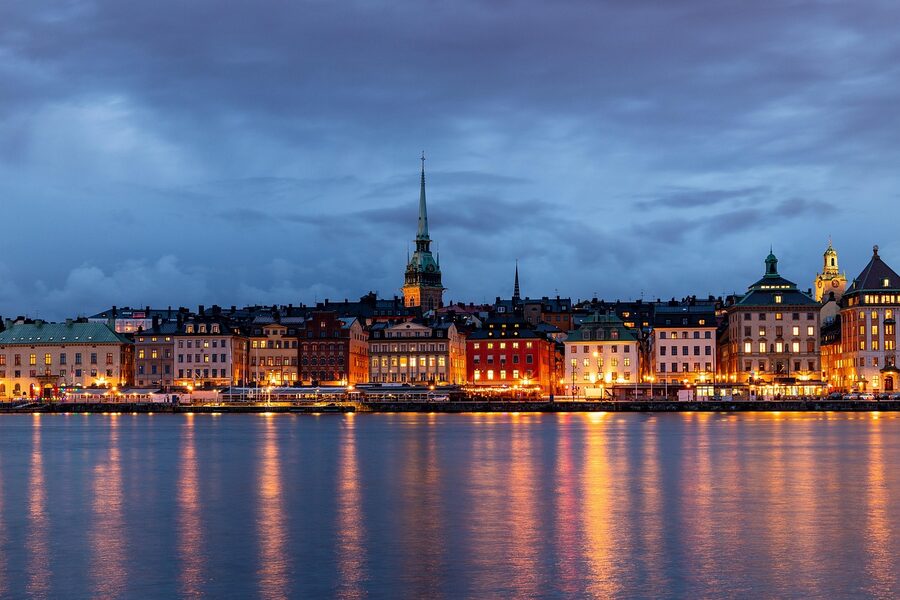
Buy a 24-hour SL travel card (175 SEK) or 72-hour (350 SEK) on arrival at any tunnelbana station or in the SL app. Covers all metro, buses, trams, and city ferries. The single-ride is 39 SEK if bought through the app, 52 SEK from the kiosk. Children under 7 free. Children 7 to 19 ride free on weekdays before 12:00 and all day weekends.
Trams 7 and 7N go to Skansen. The metro red and blue lines connect Gamla Stan, T-Centralen, and Kungsträdgården in under 10 minutes. Walking between the three main markets is doable. Stortorget to Kungsträdgården is 15 minutes through pedestrianised streets. Kungsträdgården to Skansen is 35 minutes if you walk via Strandvägen and the Djurgården bridge, but in deep snow take the tram from Sergels Torg.
Taxis are fine but expensive. Figure 220 SEK for a 5-minute ride. Use Bolt or Cabonline rather than flagging from the street; the unmarked cabs at the airport and outside hotels charge whatever they like and it’s legal.
What I’d actually do with three days
Day one (arrival, Friday): drop bags at the hotel by 14:00. Walk Drottninggatan and the central lights as it gets dark, ending at Kungsträdgården for the tree and the ice rink. Eat dinner in Norrmalm. Early night.
Day two (Saturday): Skansen, all day. Arrive 10:00 at opening. Eat lunch at the wood-fired hot dog stall above the carousel. Stay until the bonfire’s going. Take the tram back at 17:00 and rest before dinner. Julbord booking at Operakällaren or Stallmästaregården for 19:30.
Day three (Sunday): Stortorget early, 11:00 for 30 minutes, then Gamla Stan lanes for an hour. Storkyrkan if you’re there during a service. Coffee and lussekatter at Vete-Katten on Kungsgatan. Afternoon split: either Drottningholm if you’re up for it, or the Christmas lights walk plus Kungsträdgården revisit. End at Hötorget and the giant tree.
If you’ve got a fourth day, push it to a Lucia date and skip the hotel breakfast on 13 December. Go to Storkyrkan for the morning service instead. That’s the trip’s strongest single moment.
The bigger Nordic picture
If you’re chaining Nordic capitals at Christmas, Stockholm pairs naturally with two others. Copenhagen has Tivoli’s full winter takeover and is a 5-hour train south. Helsinki has the Tuomaan markkinat at Senate Square and the harbour Christmas market, and it’s an overnight ferry east. Oslo is a slower play. The train from Stockholm via the X2 takes about 5 hours and 30 minutes, but Christmas in Oslo is quieter, more domestic, and not really set up for the visitor in the way Stockholm and Copenhagen are.
The two-city Christmas trip I’d actually run: Stockholm and Copenhagen, three nights each, train between them. Stockholm gives you the sit-down Christmas city, the Lucia ceremony, the open-air museum tradition. Copenhagen gives you Tivoli, hygge, and the food. Skip Oslo and Helsinki for this one unless you’ve got a full week.
And if Christmas in Stockholm becomes a return trip, the year you come back is the year to do Lucia properly, eat a real julbord booked in October, and take the Stena Line ferry across instead of flying. Stockholm in December is an annual city, not a one-off.
Last thing. Do not leave on 22 December because the airport gets brutal. Do not arrive on 24 December because nothing’s open. Aim for the long second weekend of Advent, 12 to 14 December, and the city is at its right temperature, in every sense.




_1.jpg)

_-_Hafen_(_Karlskrona_(Sweden)_-_the_port).jpg)