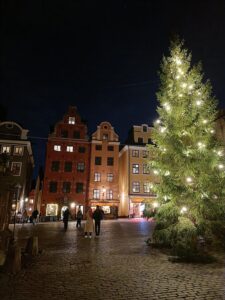
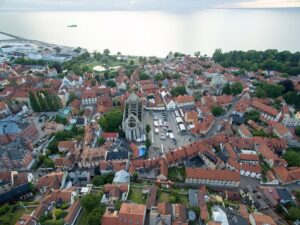
The first time I came to Gothenburg I was up at 05:45 on a Wednesday in October to ride the 11 tram south to the Saltholmen ferry terminal, and on the way back into town three hours later I had eaten a smoked-mackerel sandwich on a windy quay on Brännö, watched a herring boat unload at Fiskhamnen, and passed a fish-market hall built in 1874 that looks like a small Lutheran church. The city was still mostly asleep. By 09:30 I had a cinnamon bun the diameter of a small pizza in front of me at Café Husaren in Haga and a coffee that, after eight hours of travelling and a ferry, was holding the morning together. That’s what Gothenburg does best. It’s a working port city of 600,000 people on Sweden’s west coast that runs at half the speed of Stockholm, costs noticeably less, eats better seafood than anywhere else in the country, and has its own archipelago of car-free islands you can reach for the price of a single tram ticket.
I’m going to make the case that Gothenburg is the smarter Sweden visit if you’re not already locked into Stockholm. It’s the country’s second city by population (about 600,000 in the metro area, give or take), the largest port in the Nordics, the headquarters of Volvo, and the closest big Scandinavian city to the UK and the European mainland. It is also, on every metric I care about as a visitor, easier and more rewarding than Stockholm for a long weekend. The food is better. The walking is gentler. The hotels are cheaper. The people sound different (the Göteborgska accent is a regional joke for the rest of the country, in the way Glaswegian is to Londoners). And nobody has written the practical guide it deserves on the open web. So this is mine.
In This Article
- Getting in, and why the X2000 is the right answer from Stockholm
- Where to stay, and which neighbourhood saves your feet
- Feskekörka and the fish you came here for
- The southern archipelago: a day for 80 SEK
- Haga and the cinnamon-bun arithmetic
- Liseberg: yes once, no on a weekend
- Slottsskogen, Universeum, and the museum cluster
- The Volvo and shipbuilding thread
- A short history block, since the city earned it
- Eating beyond seafood
- The day-by-day, if you want one
- When to come, and what each season does to the city
- What to skip
Getting in, and why the X2000 is the right answer from Stockholm
From Stockholm, the SJ X2000 high-speed train is the answer. Stockholm Central to Gothenburg Central runs roughly hourly during the day, takes 3 hours 5 minutes door to door, and costs from around 395 SEK (~€36) on advance “Just nu” tickets up to about 1,295 SEK (~€118) walk-up. Book seven days ahead and you’ll usually pay 495 to 695 SEK (~€45 to €63). The slower InterCity at 4 hours 20 minutes is rarely cheaper enough to be worth the time. Buy via SJ and reserve a seat upstairs in coach 2 on the right-hand side: the run between Hallsberg and Vänersborg goes past Lake Vänern’s southern shore and the view there is the best stretch of the journey. If you’re chaining cities further north, the Stockholm pillar covers what to do in the capital before you leave; if you’re going south after, Copenhagen by the Öresund link is roughly 3 hours 40 minutes by train via Lund.
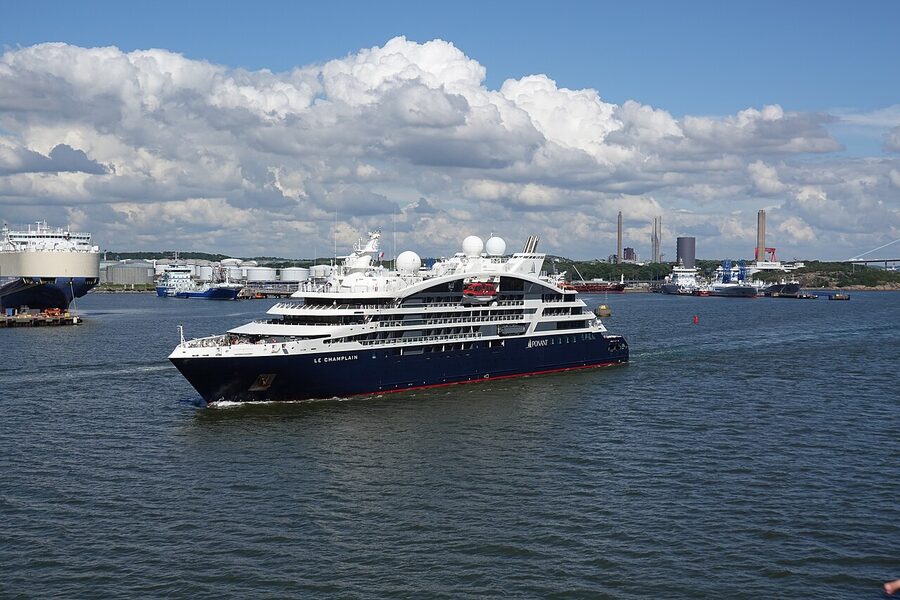
From the UK and Continental Europe, two routes worth knowing. Direct flights from London Heathrow on SAS or BA put you on the ground at Landvetter Airport (GOT) in 2 hours 5 minutes. The Flygbussarna airport coach into the city centre runs every 15 to 20 minutes, takes 30 minutes, and costs 119 SEK (~€11) one way if booked online (135 SEK at the kiosk). Book the return ticket as a combo and it’s around 199 SEK (~€18). The other route, slower but better as an experience, is the Stena Line overnight ferry from Kiel in northern Germany. The crossing runs 14 hours 30 minutes, departs Kiel 19:00 daily, arrives Gothenburg 09:15. I’ve done it once with a small cabin on Deck 9 and it’s the gentlest way to arrive in Sweden if you’re driving. The fact that the ferry doubles as a Christmas trip, which the brand has covered separately in the Stockholm Christmas and Stena Line route guide, is the other reason to consider it. From Copenhagen, the FlixBus runs the 4-hour 30-minute crossing via the Öresund Bridge for around 215 SEK (~€20).
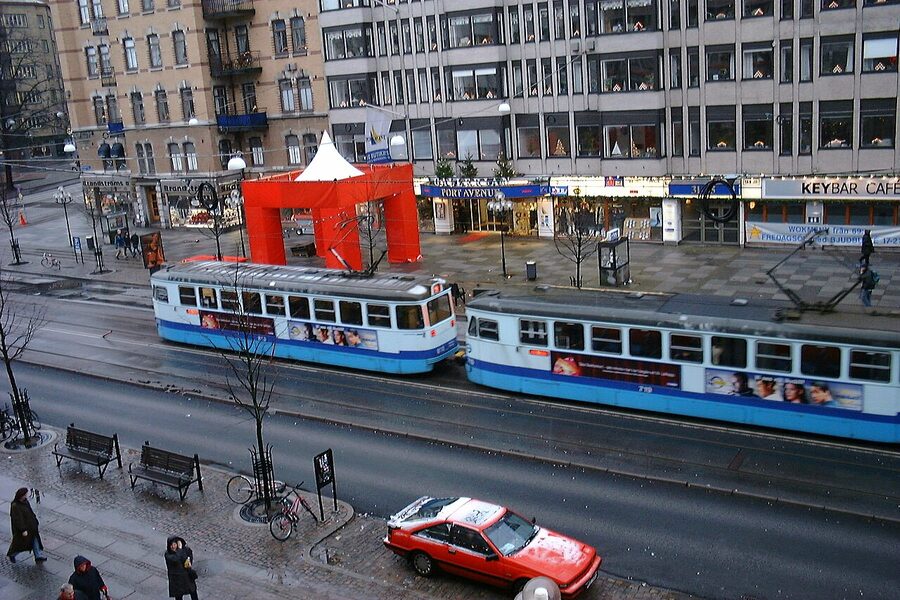
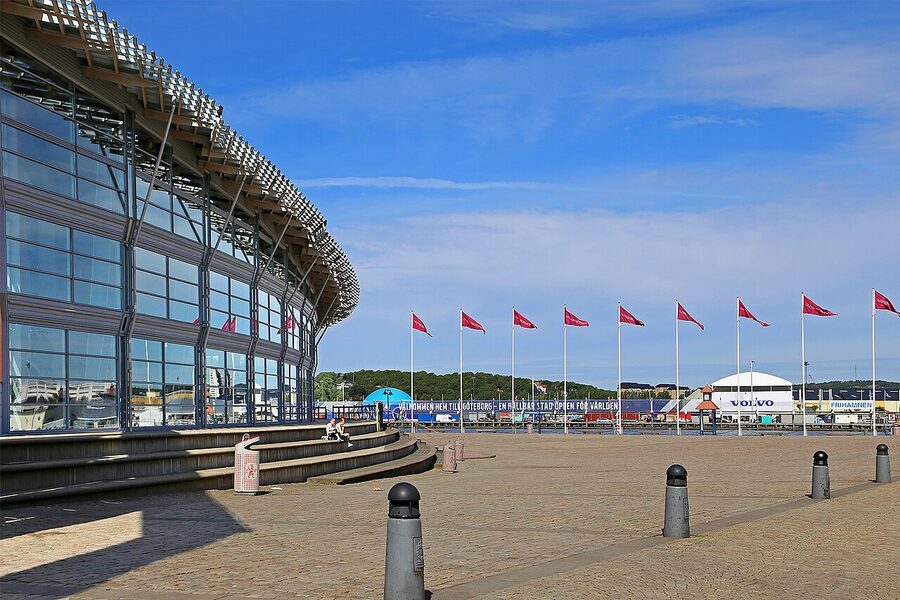
Once you’re in town, you don’t need a car. The whole central area sits inside a 2-kilometre square between the river to the north, the moat (Vallgraven) to the east, the Avenyn district to the south, and Järntorget to the west. Everything in this guide that isn’t the archipelago or the Volvo Museum is inside that square. Use the trams: a 24-hour Västtrafik pass is 80 SEK (~€7.20) and a 72-hour pass is 200 SEK (~€18). Both work for the trams, the city buses, and the archipelago ferries. The Göteborg City Card at 495 SEK for 24 hours bundles transport and museum admissions, and pays for itself only if you do three paying museums in a day. Most visits don’t.
Where to stay, and which neighbourhood saves your feet
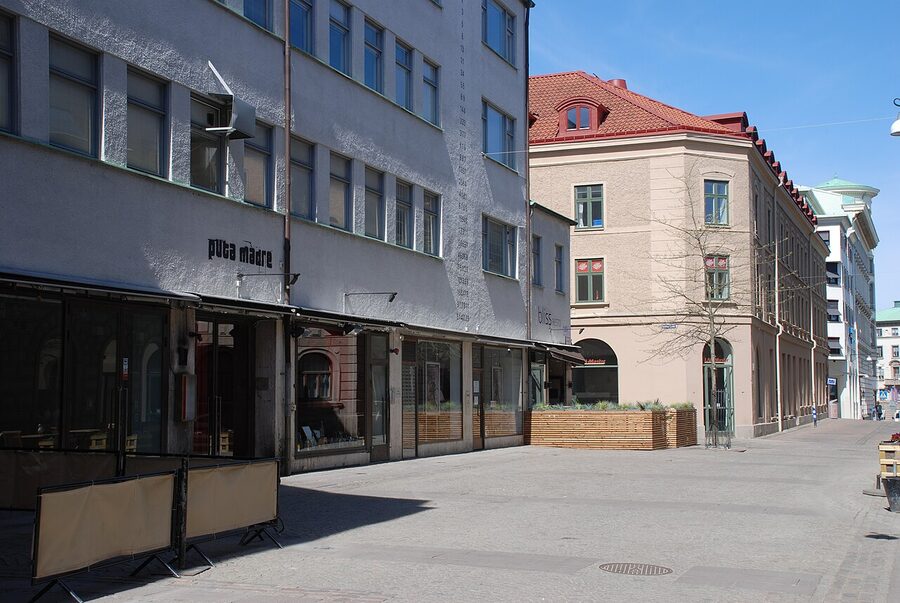
Stay in the centre. Specifically, stay between Vasagatan, Magasinsgatan, and the Inom Vallgraven block. Anything outside that and you’re in tram territory rather than walking territory, which is fine but it’s not why you came. Haga is great for atmosphere and one or two nights but the cinnamon-bun-and-tourists ratio gets thick by lunchtime, and Linné to its south is residential and quiet. Lindholmen, on the north bank, is a 2026 thing: tech district, glass-fronted hotels, decent restaurants, but you cross the river by ferry every time you want a coffee. Useful if you have a conference there. Inconvenient otherwise.
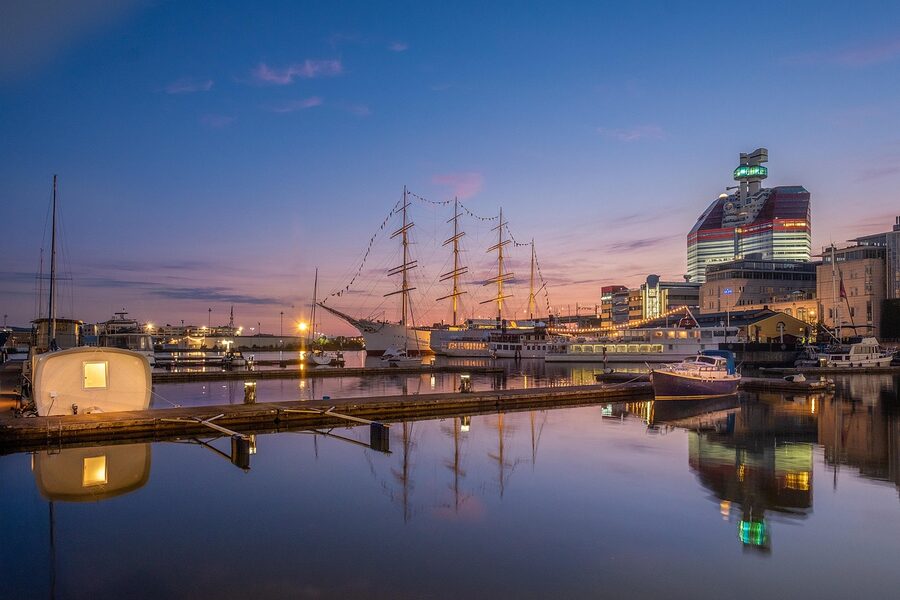
For a small, characterful first stay, Hotel Pigalle is the one I keep going back to. It’s a 79-room boudoir-style hotel on Södra Hamngatan, two minutes from Gustav Adolfs torg, with red-velvet rooms that are deliberately not Scandi. Doubles from around 1,650 SEK (~€150). The basement bar is open to non-guests but small enough that you should book. Avalon Hotel across the square (Kungstorget) is the design alternative: 101 rooms, a rooftop pool that hangs over the street edge, doubles from around 1,750 SEK (~€159). Of the two I prefer Pigalle for the rooms and Avalon for the bar, but both are walking-distance to everything.
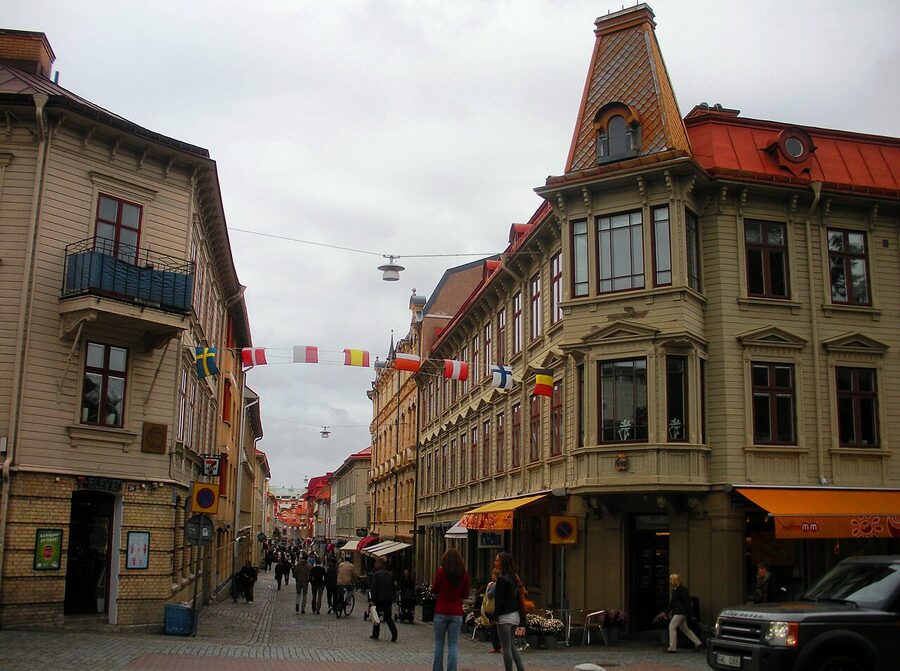
Mid-range, the dependable picks are Clarion Hotel Post in the converted 1925 main post office on Drottningtorget (500 rooms, rooftop pool with views over the Central Station, doubles from around 1,395 SEK / ~€127), Hotel Eggers next door (the second-oldest hotel in the country, opened 1859, creaky floors, history-museum vibe, doubles from around 1,200 SEK / ~€109), and Scandic Rubinen on Avenyn for the location-on-the-main-street option (doubles from around 1,250 SEK / ~€114).
Top end: Dorsia Hotel on Trädgårdsgatan is the maximalist boutique pick, all red lacquer and Murano chandeliers (39 rooms, doubles from around 2,950 SEK / ~€268). Upper House at Gothia Towers sits on the 26th floor of the same Gothia Towers complex as the Liseberg conference rooms, has a glass-fronted infinity pool that hangs out over the side of the building, and is the only address in town that justifies “view-tax” pricing (doubles from around 3,250 SEK / ~€295). For a romantic small option, Hotel Bellora on Kungsportsavenyen is 100 rooms in an Italianate corner building with a downstairs restaurant Italians actually eat in.
Skip Avenyn at the southern end and Lindholmen on the north bank for a first visit unless your reason is specific. Skip the airport hotels for anything other than an early flight: Landvetter is 25 km out and the bus is straightforward.
Feskekörka and the fish you came here for
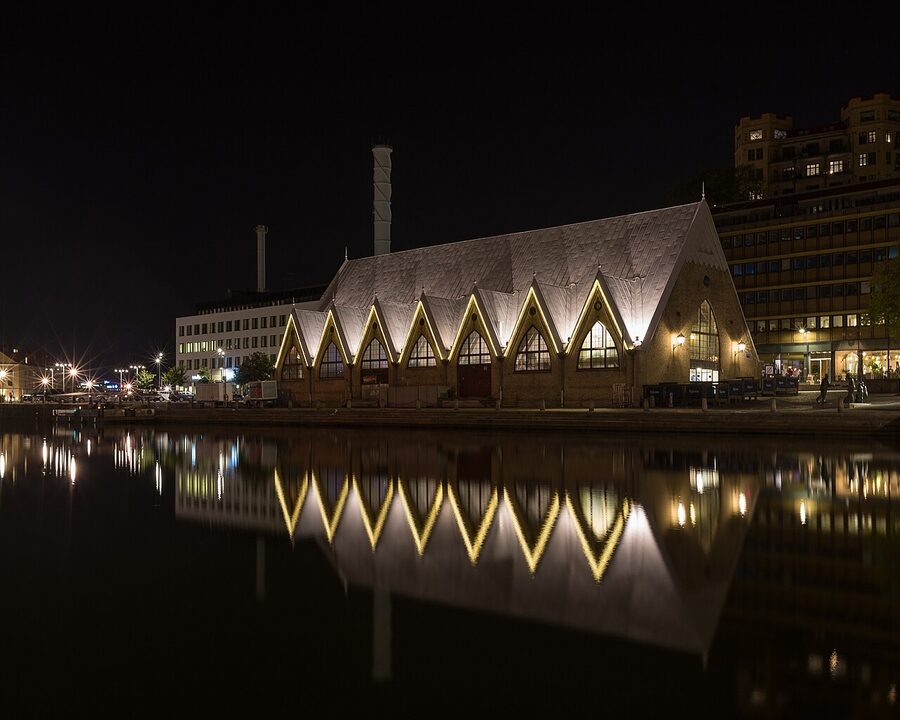
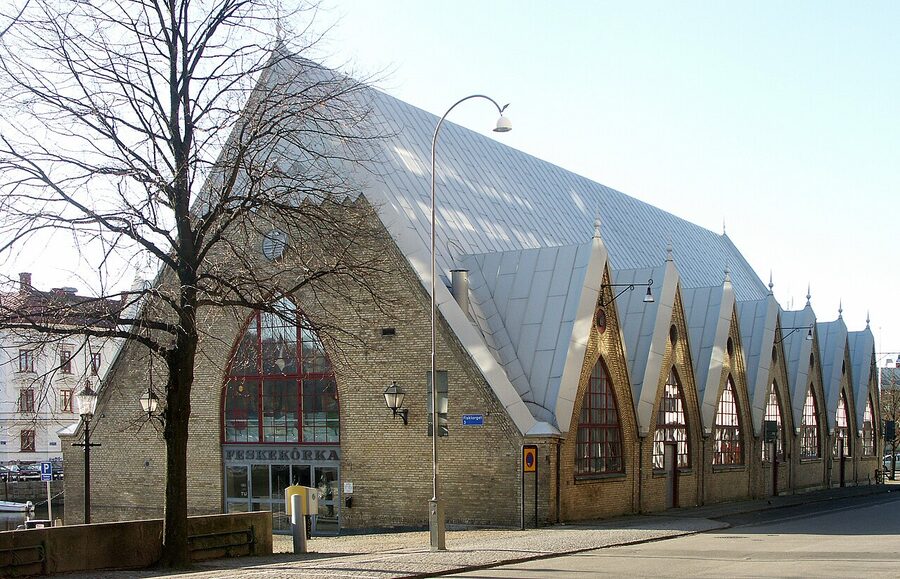
The fish thread is the part of Gothenburg most other guides miss. So let me start here. Feskekörka, the 1874 covered fish market on the south bank of Rosenlundskanalen, is the city’s signature building and the country’s most-visited fishmonger. The brick exterior is the church-on-the-canal joke. Inside, six stalls share a single hall with the timber-roofed nave, all of them selling line-caught North Sea fish brought in overnight from the Hisingen wholesale market. The hall closed for a 4-year renovation in 2020 and reopened in stages through 2024 and 2025; the upstairs is now a sit-down restaurant called Kajskjul 105‘s sister site, which I’ll come back to. Open Tuesday to Saturday, 10:00 to 18:00, closed Sunday and Monday. Admission free.

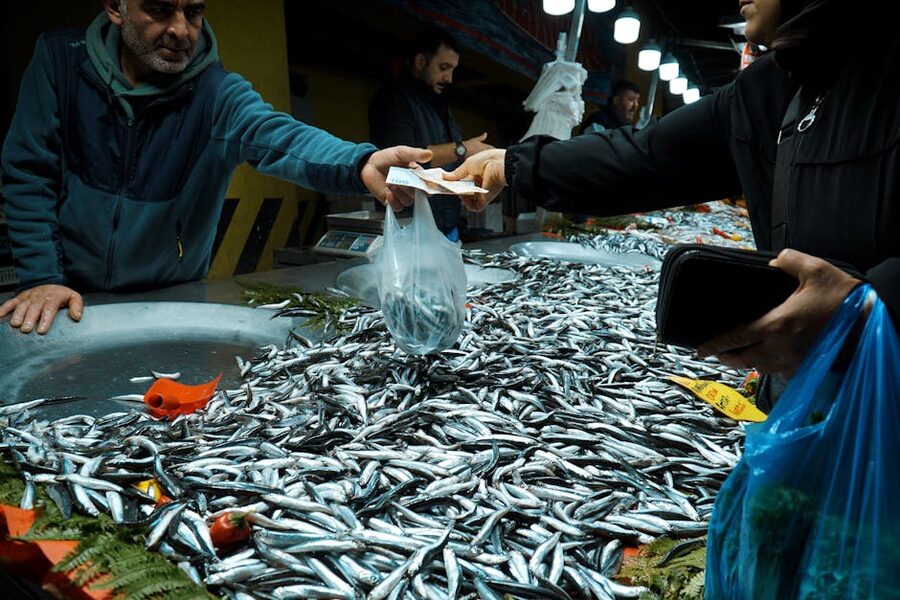
What to actually do at Feskekörka. Buy a smoked-mackerel fillet from Gabriel for around 80 SEK (~€7.20) and a slice of tunnbröd, eat it on the bench by the canal. Or order the räksmörgås upstairs for around 195 SEK (~€18) and sit by the window over the canal. The proper meal of the day, if you want one full sit-down seafood lunch, is a fiskgryta (Swedish bouillabaisse) at the upstairs counter for around 295 SEK (~€27). Avoid the lobster and crab dishes unless they’re in season (lobster opens on the first Monday of September; the Gothenburg lobster premiere is a small event in itself, with a quayside auction at Smögen).
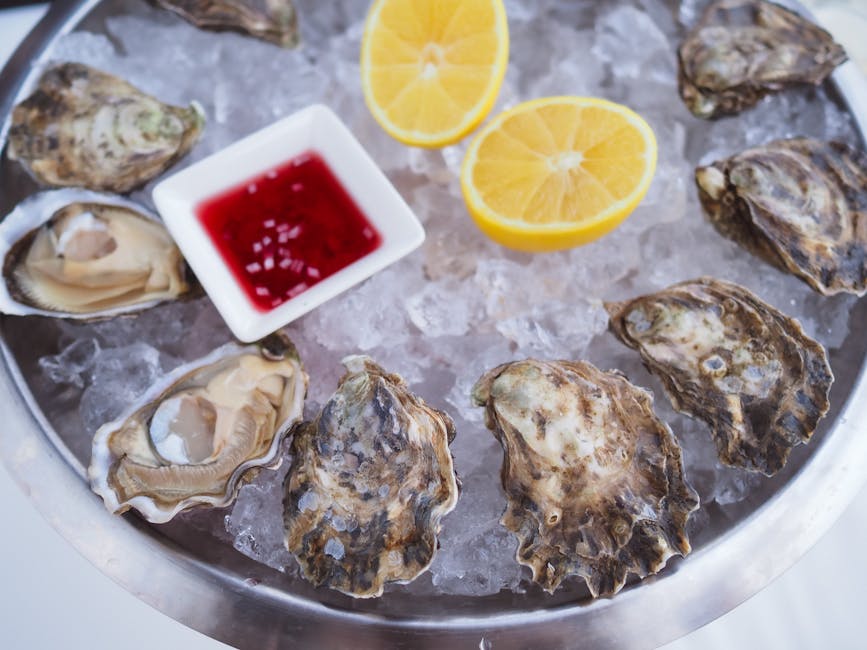
The serious seafood restaurant in town is Sjömagasinet, a Michelin-starred dining room in a 1775 East India Company warehouse on the south bank of the river at Klippan, 3 km west of the centre. Tasting menu around 1,950 SEK (~€177); a la carte mains 395 to 595 SEK (~€36 to €54). Book two weeks ahead for a Saturday and three weeks ahead in summer. The main dining room has the harbour view but if there’s only the bistro side available, take it: same kitchen, same fish, half the table fee. Bhoga on Norra Hamngatan, also Michelin-starred (and Mathias Dahlgren-trained chef), runs a tighter menu: 9 courses for 1,795 SEK (~€163), seasonally driven, and the better choice if you’d rather eat in town than make the trip out to Klippan. Fiskekrogen on Lilla Torget is the one to book if you want the seafood platter (skaldjursfat) for two at around 895 SEK (~€81) per person; this is the dish that locals split with a half-bottle of riesling at lunch. Skip the kitsch tourist place at the same square that is in every guidebook because someone got paid.
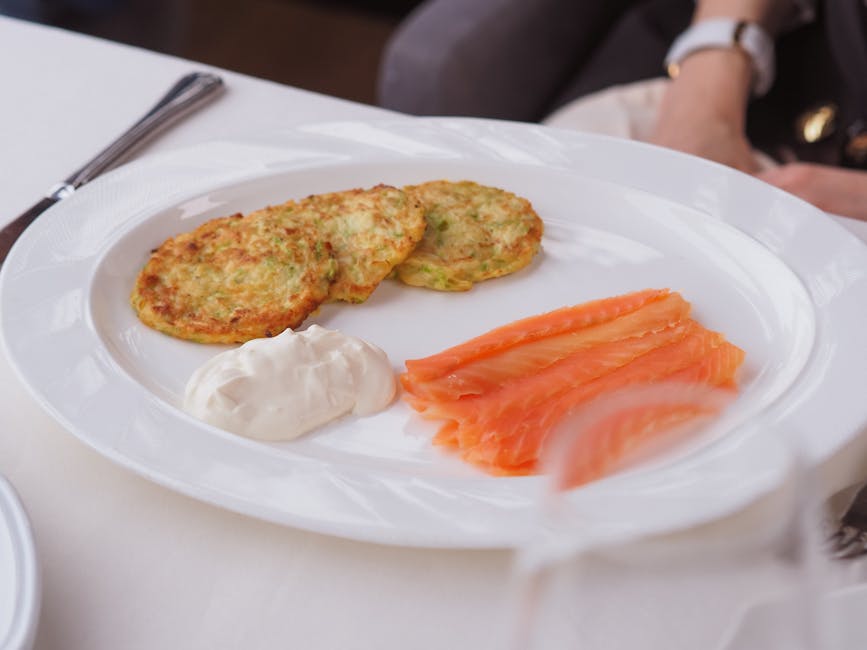
One Gothenburg seafood item that nobody tells you about: Strömmingsluckan. It’s a herring window, literally a hole-in-the-wall stall at the Magasinsgatan end of Kungstorget. Open Monday to Saturday, 10:00 to 18:00. They serve fried herring (stekt strömming) with mash and lingonberry for 145 SEK (~€13) and that’s all they serve. There’s no seating, just a small standing counter and a wall to lean on. It’s the meal a local will recommend after they’ve recommended the Michelin places and noticed you’re not the type for tasting menus.
The southern archipelago: a day for 80 SEK
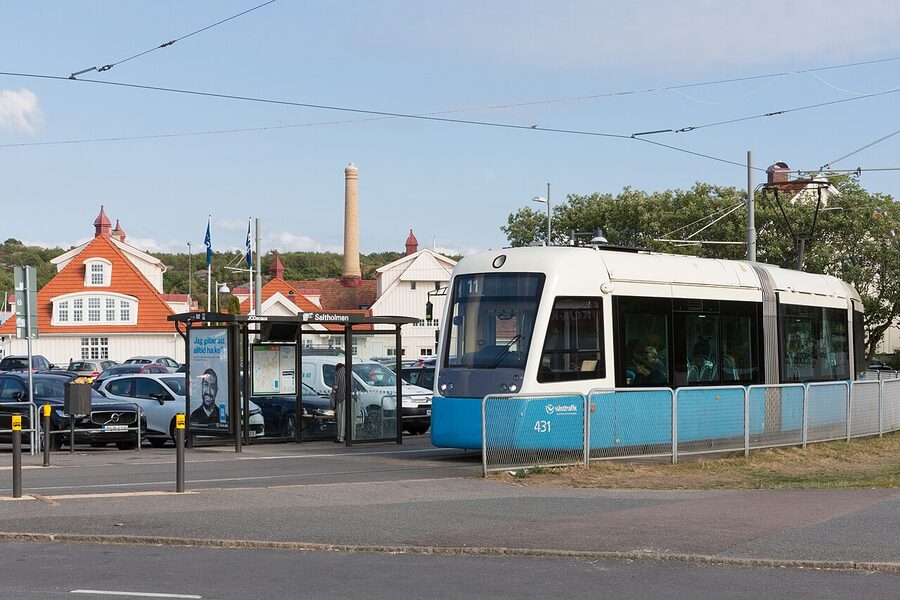
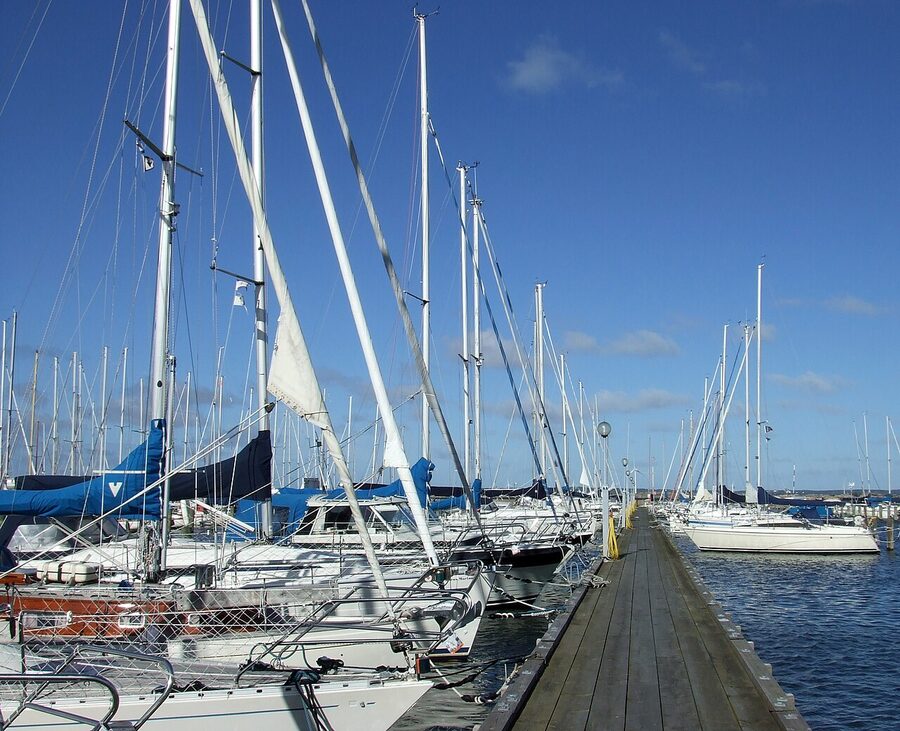
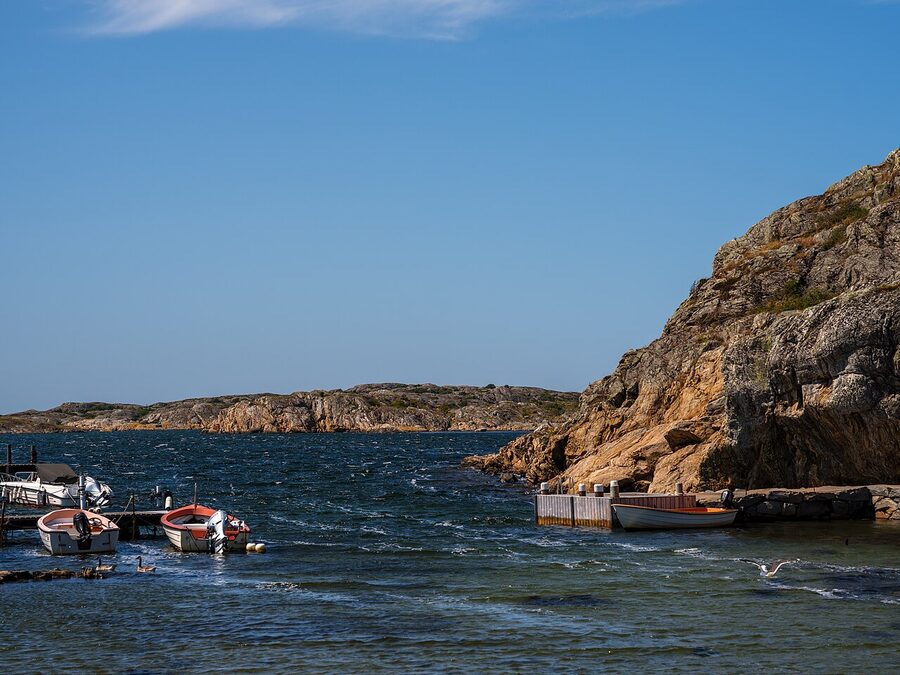
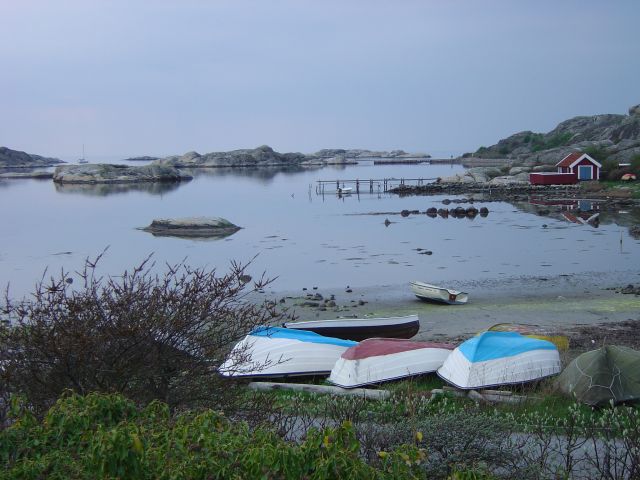
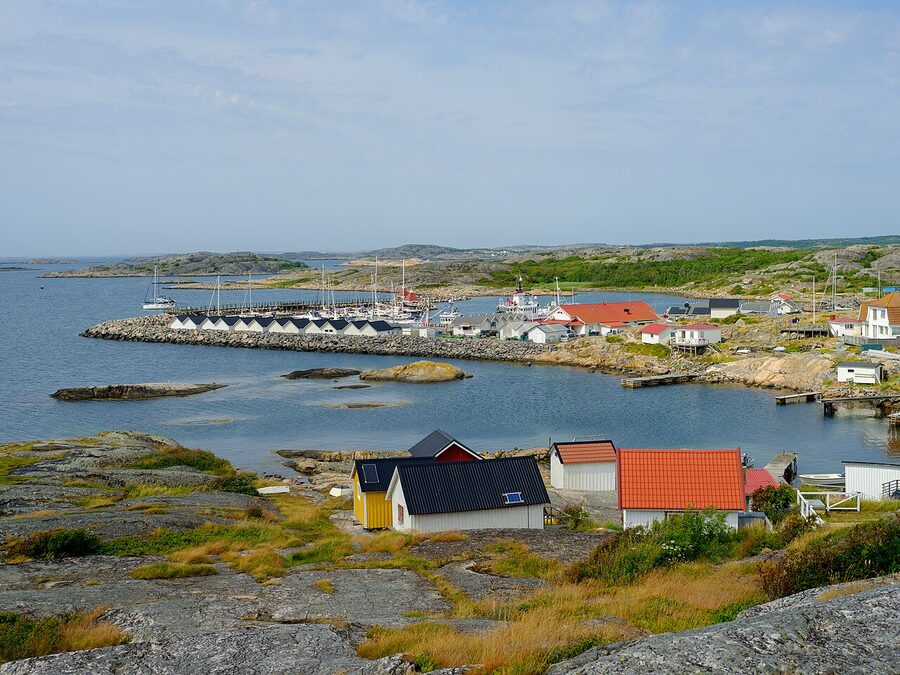
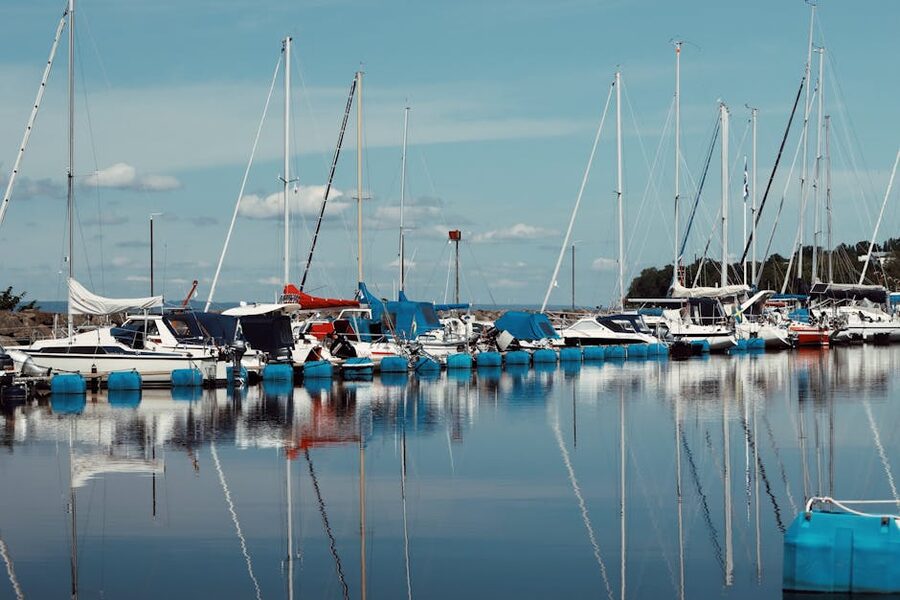
This is the section most other guides skip on, and it’s the best day in Gothenburg if you have the weather for it. The southern archipelago (Asperö, Brännö, Styrsö, Donsö, Vrångö, Köpstadsö) is a string of small islands south of the Saltholmen peninsula, all within an hour of the centre by tram and ferry, all car-free, and all on the standard Västtrafik ticket. This means a 24-hour pass at 80 SEK (~€7.20) gets you out and back with the trams either side. There is no other major European city where the sea and the islands are this cheap and this easy.
How it works. Take the 11 tram from Brunnsparken (in the centre) to Saltholmen, the end of the line. Journey time about 30 minutes. The terminus is a 90-second walk from the ferry quay. Boats run roughly every half hour during the day, less often after 19:00. The ferry network is a milk run with named stops: Saltholmen → Asperö → Brännö Rödsten → Brännö Husvik → Köpstadsö → Styrsö Bratten → Styrsö Tången → Donsö → Vrångö. End-to-end is 50 minutes. You don’t have to plan a stop in advance; ride the boat, get off where it looks right, walk for 90 minutes, ride the next boat.
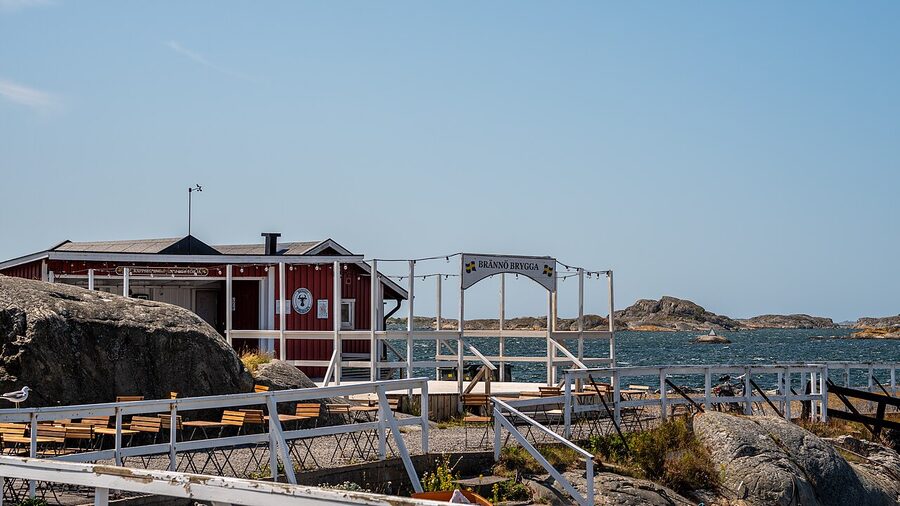
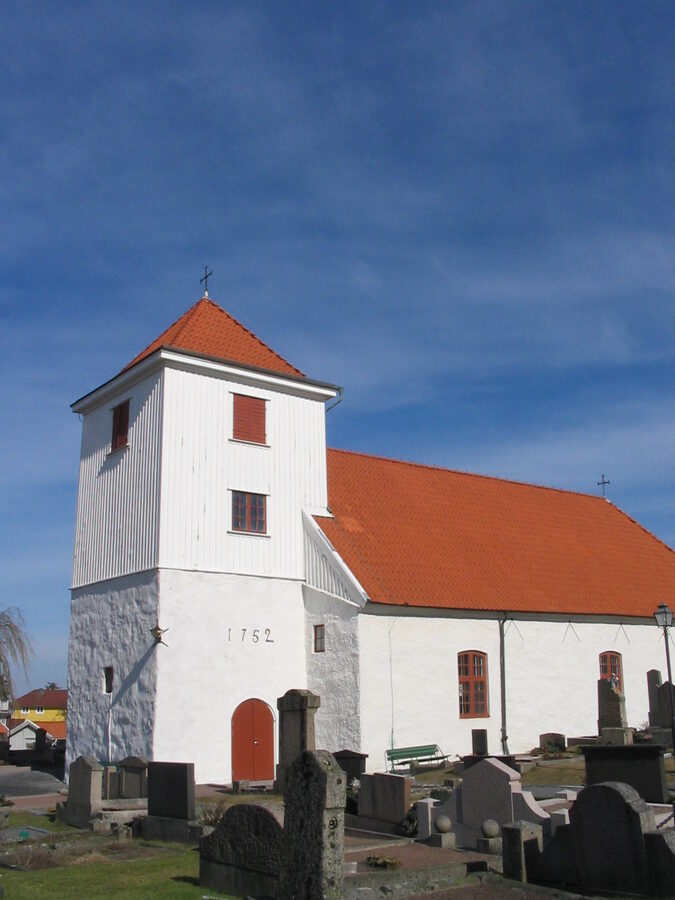
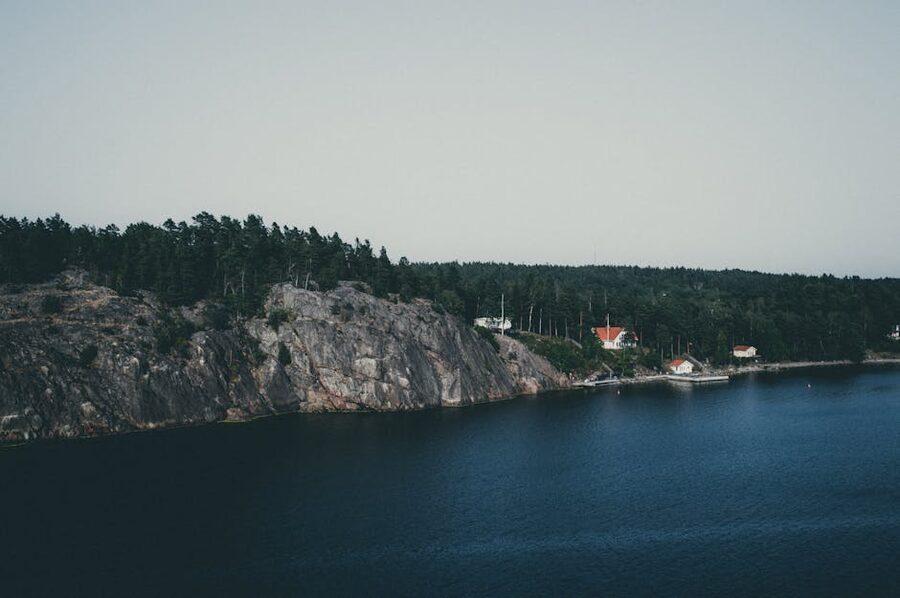
Where to stop, in order of how I’d plan a day. Brännö is the most-visited island and the easiest first taste: red wooden houses, a shop, two cafés (Skäret and Café Brännö), a 4-km loop walk you can do in about 75 minutes if you keep moving. Get off at Brännö Husvik (the second of the two Brännö stops), walk south to Brännö Brygga past the dance pavilion, then loop back along the western shore to Rödsten for the next ferry. Styrsö is bigger and more lived-in, with a 1799 church on the highest point and a small but proper harbour at Bratten. Vrångö is the last island on the line, the smallest of the four serious ones, and the one most worth the time if you only get one. There’s a marked nature trail (the Vrångö Naturreservat loop, 4 km, 90 minutes) that takes you over heath, granite, and a pebble beach. The southernmost point of the archipelago is the cairn at Vrångö’s south tip; on a clear day you can see the open Kattegat to the south.
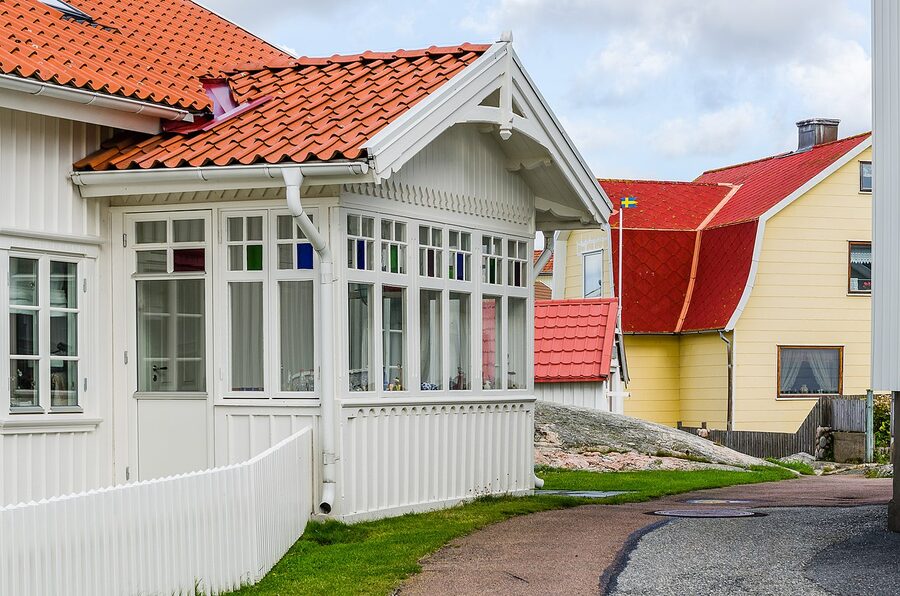
Practical notes for the day. Bring food and water with you for Vrångö especially; the single shop on the island shuts early. Brännö and Styrsö both have year-round cafés. The ferries are for foot passengers and bikes, no cars; you can rent a bike from Styr & Ställ for 60 SEK/day in the city and bring it across, but the islands are flat enough to walk. Swimming is fine in July and August; the water is around 17°C in mid-July and noticeably warmer than Stockholm’s archipelago because of the Atlantic drift. There is no proper restaurant on Vrångö; book a table at Pensionat Donsö on the next island over (the boat goes there too) if you want a sit-down dinner before the last ferry back. The last reliable boat to Saltholmen leaves Vrångö at around 22:00 in summer and 19:30 in winter; check before you commit.
Haga and the cinnamon-bun arithmetic
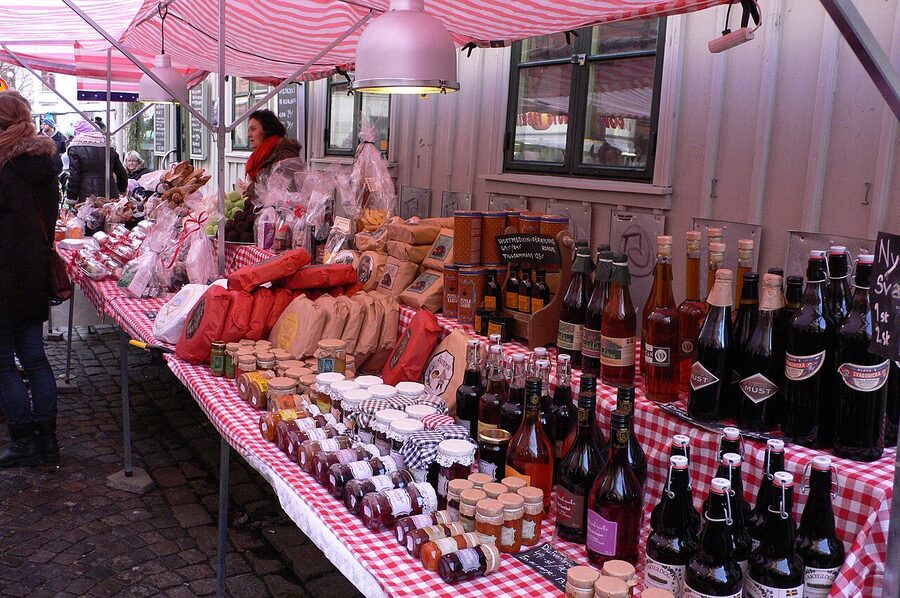
Haga is the wooden-house neighbourhood west of the centre, walkable from anywhere in 15 minutes, and the photogenic part of the city. Haga Nygata is the central street; the side alleys behind it are quieter and the architecture is the same. The two- and three-storey buildings with stone ground floors and timber upper floors are called landshövdingehus, a Gothenburg invention from 1875. The county governor (landshövding) signed off on the design as a way around a fire-code rule that forbade wooden buildings over two storeys; building the ground floor in stone meant the timber upper floors counted as the second and third storeys of a permitted three-storey building. There are 1,300 of them in the city in total, and Haga is where they cluster.

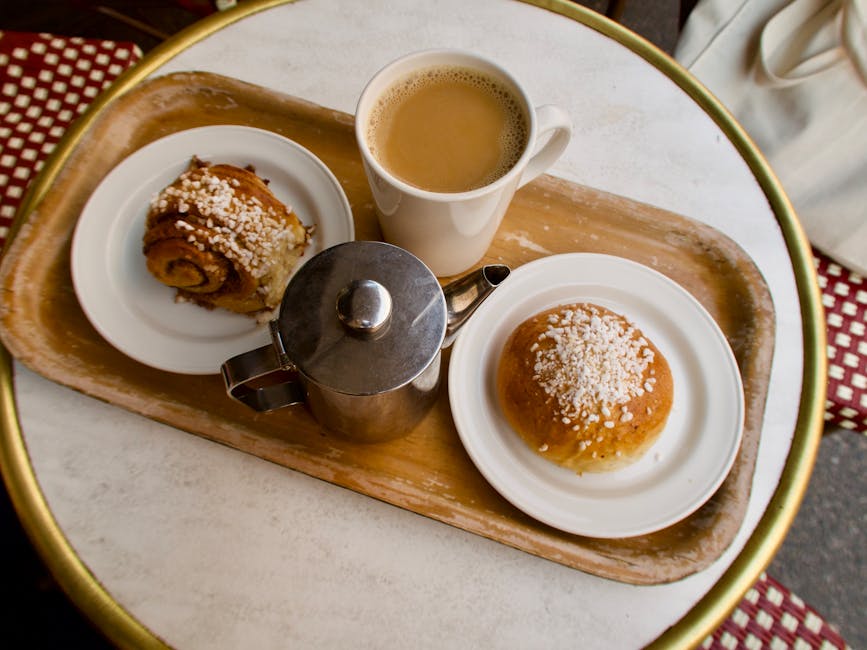
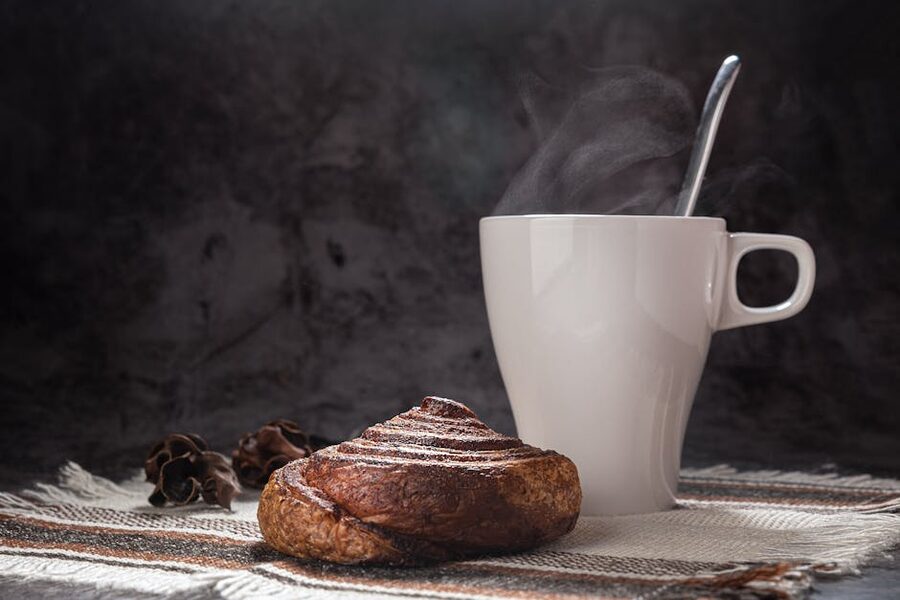
The Café Husaren bun is the famous one: 25 cm across, big enough for two people, and on the Instagram itinerary of every visitor to Sweden. It costs around 95 SEK (~€8.60) and is genuinely a perfectly good cinnamon bun, with the right butter-to-sugar ratio and a cardamom edge. But it isn’t the best bun in Haga, never mind in town. Da Matteo on Magasinsgatan (and the smaller branch on Vallgatan) makes a 70 SEK (~€6.30) kanelbulle that is half the size and twice the cinnamon. Alvars & Co Bageri on Magasinsgatan does a kardemummabulle (cardamom version) that you should order instead, around 55 SEK. The locals’ favourite is Bröd & Salt on Linnégatan, who do an everyday bun for 35 SEK that beats them all on price-to-substance. The Café Husaren bun is worth ordering once for the photo and the size; after that, walk a block.
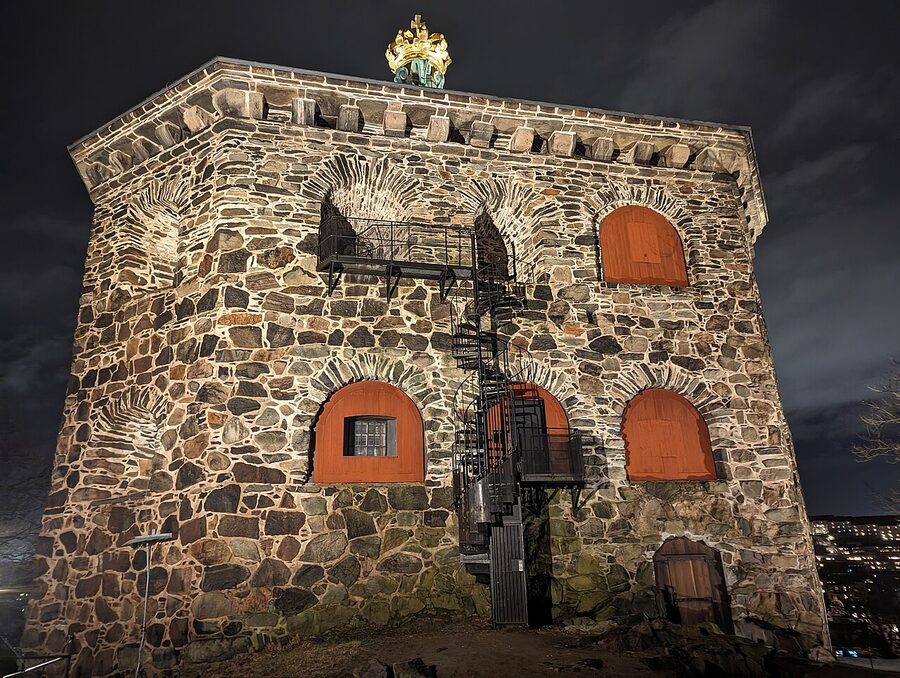
The other thing to do in Haga is walk up to Skansen Kronan, the small star-shaped fortress on the rocky bluff above. It’s a 15-minute climb up some stone steps from Haga Nygata. The fort itself isn’t open to visitors except for occasional events, but the bluff has the best free view of the city and the harbour, and it’s where I’d send anyone who has 30 minutes to spare for the Gothenburg-from-above shot.
Liseberg: yes once, no on a weekend
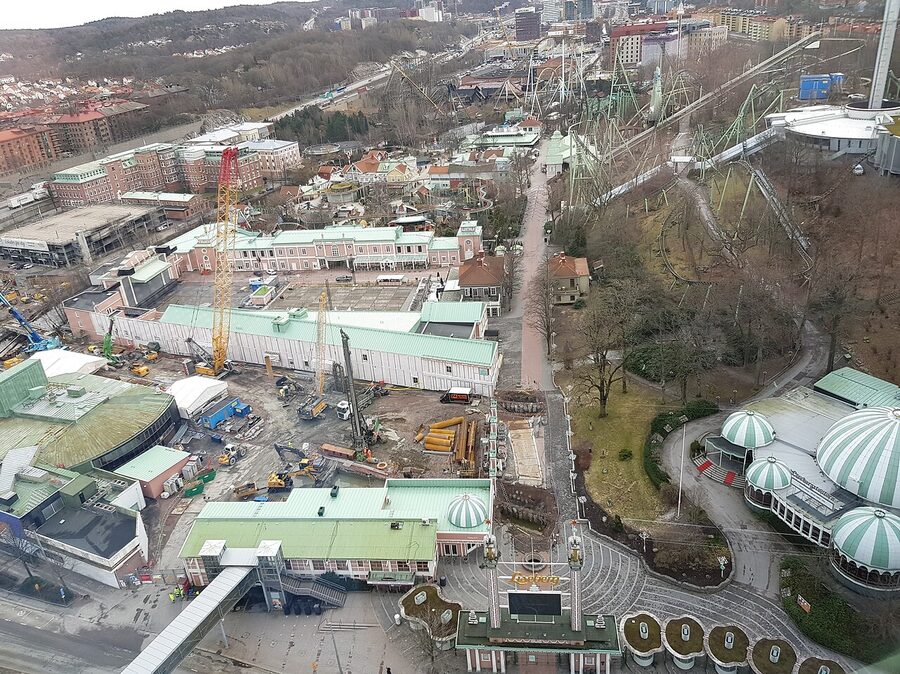
The verdict on Liseberg first, then the practical layer. Liseberg is the biggest amusement park in Scandinavia (about 3 million visitors a year), it’s a 5-minute walk from Korsvägen tram stop, and it has the only amusement park I know that genuinely improves the city next to it rather than ghettoising itself. The food is good. The queues are well-managed. The wooden Valkyria coaster (2018) is the headline ride. The 1923 Lisebergsbanan wooden coaster is the heritage ride and the one that locals will tell you to do. So if you’re travelling with kids who want a ride day, or you’ve never been to a proper European amusement park, yes, go.
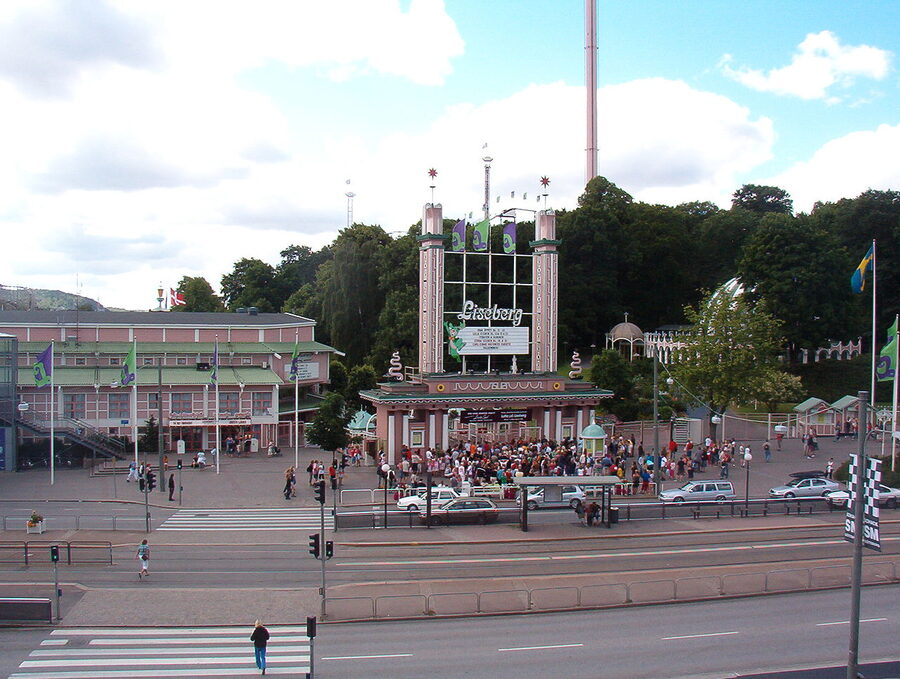
What to actually expect. The park has two seasons that matter. The summer season runs roughly mid-April to early October. Liseberg Christmas (Lisebergs Jul) runs mid-November to 23 December and is the better visit, full stop. 5 million fairy-lights, the country’s biggest Christmas market on the central avenue, glögg at every kiosk, and significantly less coaster queueing because half the rides are closed for the season. The Halloween season runs late September to early November and is a smaller version of the Christmas event with pumpkin styling. The park is closed for January, February and most of March.
Pricing in 2026: a one-day pass with unlimited rides costs around 545 SEK (~€49); ride-free park entrance is 145 SEK (~€13) and individual ride coupons are 35 to 75 SEK each (~€3.20 to €6.80) depending on the ride. Christmas entry is 195 SEK (~€18) without rides, 425 SEK (~€39) with. A family of four with full passes will spend 2,180 SEK (~€198) before food. The food is moderately priced for a theme park (around 145 to 175 SEK / ~€13 to €16 for a main meal), better than most.
What to skip: the queue on a July or August Saturday afternoon. Go on a weekday, go in shoulder season, or come at Christmas instead. The other thing to skip if it doesn’t tempt you: the Liseberg Hostel up the hill from the park, which is run by the same operator and is fine but unexceptional. Stay in the centre and tram out.
Slottsskogen, Universeum, and the museum cluster
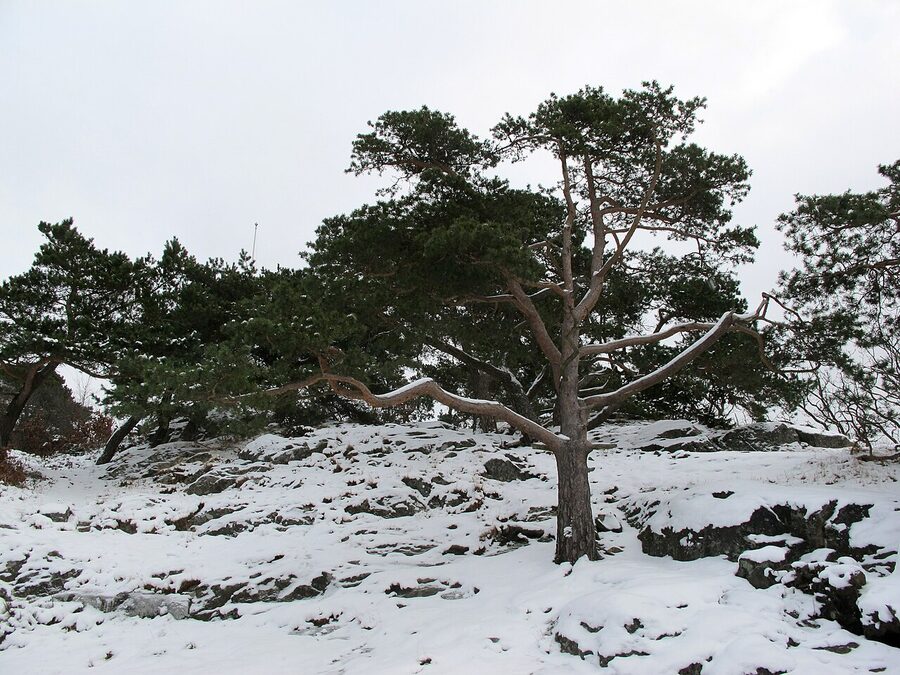
Slottsskogen is the central park, walking distance from Linné, and the easiest hour-out-of-town inside town. It runs about 137 hectares, has the city’s small free zoo (Nordic species: moose, seal, reindeer), an old observatory, and the Way Out West summer music festival on the second weekend of August. If you’re here on a clear morning and want a 90-minute walk before the city wakes up, this is where to do it. Free, all year.
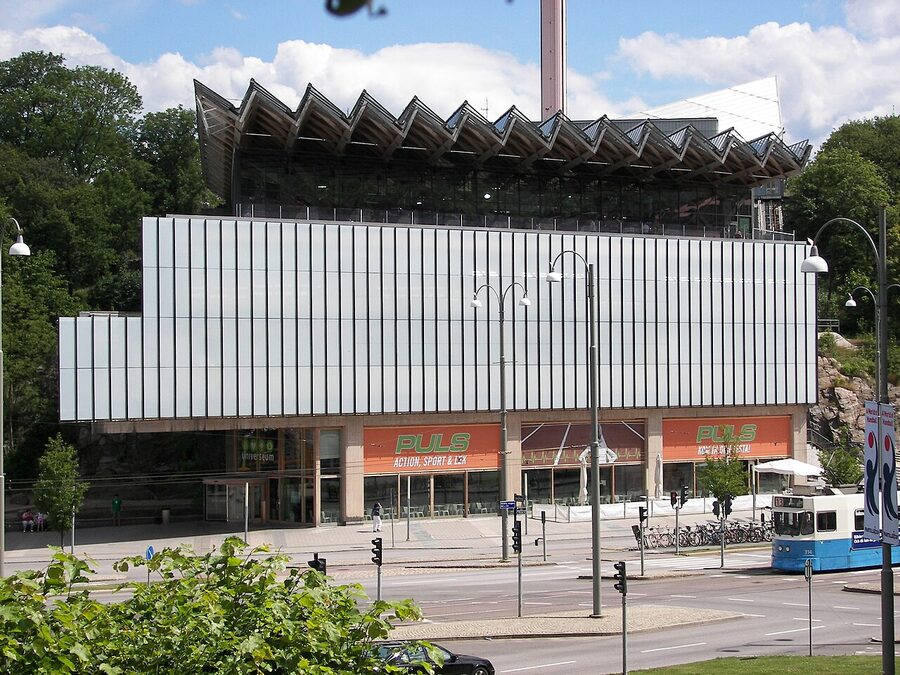
Universeum, Sweden’s national science centre, sits on Korsvägen and is the kid-friendly add-on to a Liseberg day. Adult admission 295 SEK (~€27), under-15s 245 SEK (~€22). What sets it apart from any other science museum I’ve been to: a multi-storey indoor rainforest (the Regnskog) with free-flying birds, a glass-bottomed walkway, and a humidity that hits you on the way through the door from the floor below. The aquarium downstairs has a respectable shark tank and the country’s only ocean-fish exhibit at this scale. Plan three hours; longer with under-10s. The only thing that feels dated is the engineering-and-mathematics floor at the top, which would benefit from a refresh.
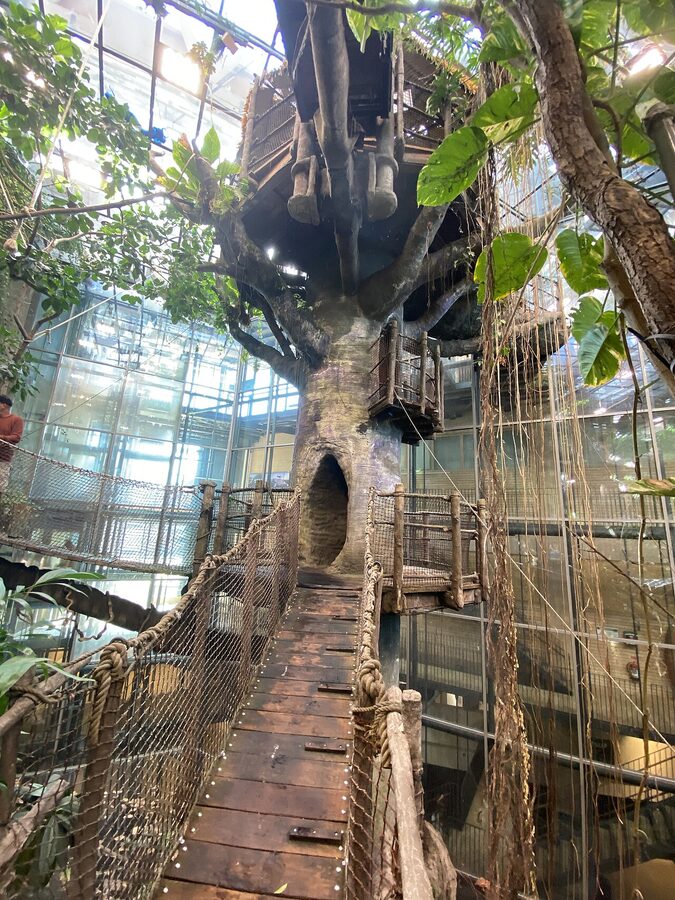
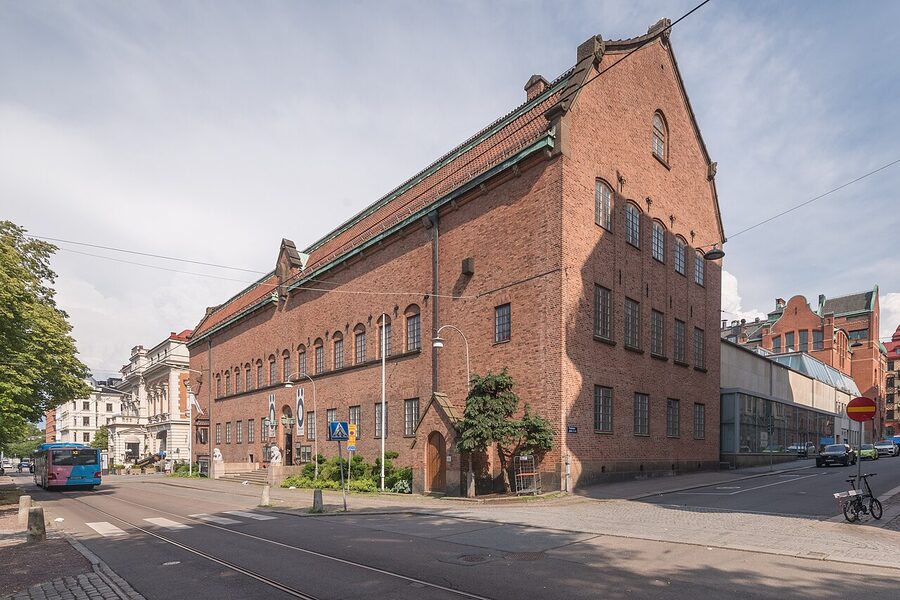
The serious design museum in town is Röhsska, on Vasagatan, the only national museum in Sweden with design and applied arts as its full remit. Permanent collections cover medieval craft, Bauhaus, mid-century Scandinavian (the Arne Jacobsen and Bruno Mathsson rooms are the heart of the place), and a contemporary section that rotates twice a year. Adult admission 80 SEK (~€7.30). Allow 90 minutes. If you’ve already done Designmuseum Danmark in Copenhagen, this one runs lighter on furniture and heavier on craft, and the two complement rather than duplicate.
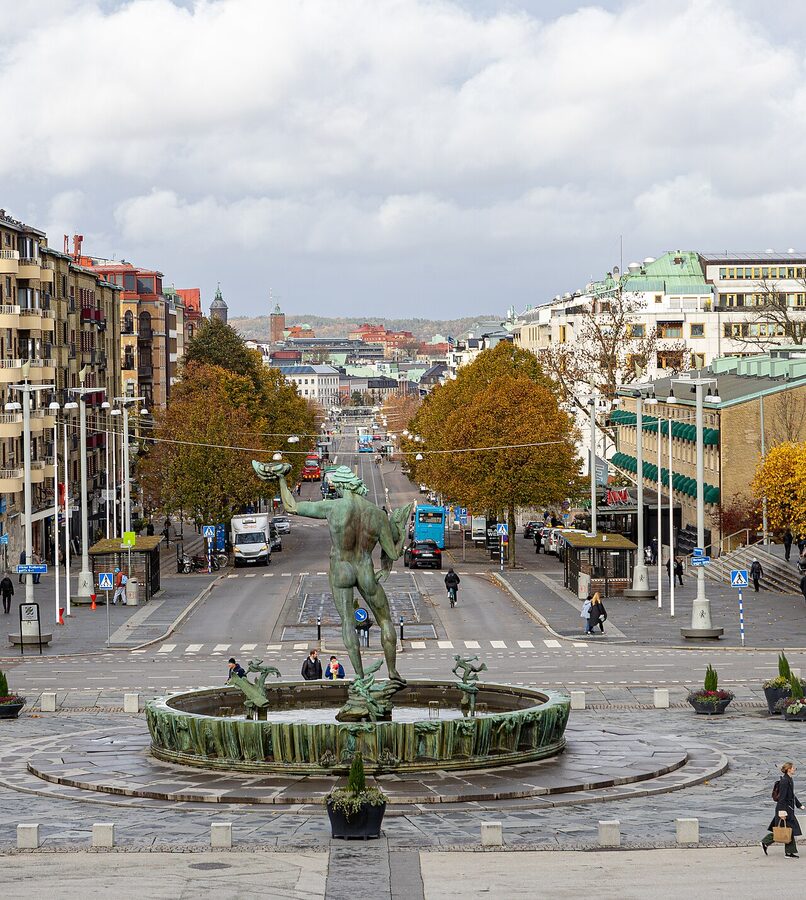
Götaplatsen is the cultural square at the south end of Avenyn, a 15-minute walk from the centre. The bronze Poseidon (Carl Milles, 1931) in the fountain is the city’s unofficial logo, and the way the figure has been quietly censored over the years is one of the better Gothenburg stories. The original 1931 figure had a more anatomically committed lower half, and Milles was asked to file it down for the Stockholm-print version of his work. The original is still in place. The Konstmuseum behind the fountain has 17th-to-21st-century painting, with the Hasselblad photography wing the strongest section; adult admission 80 SEK.
The Volvo and shipbuilding thread
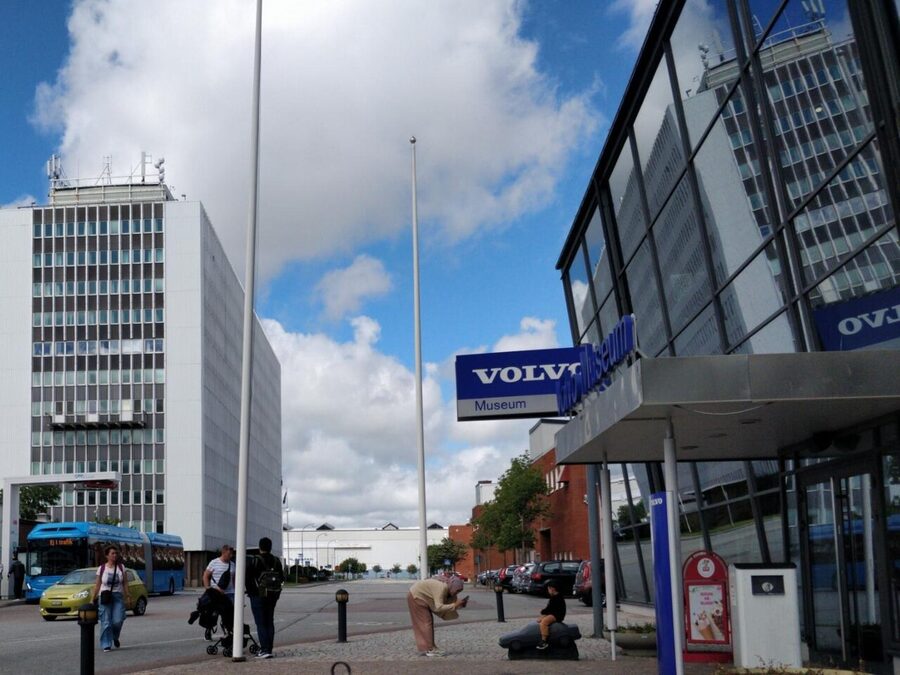
The reason Gothenburg exists as a major city in the 20th century is industry and shipping. The Swedish East India Company set up here in 1731 and ran 132 voyages to Canton between then and 1813, returning with tea, porcelain, silk and the silver that founded much of the city’s old wealth. The Company building (Ostindiska huset) on Norra Hamngatan still stands and now houses the City Museum (Göteborgs Stadsmuseum). The shipyards at Eriksberg, Götaverken and Lindholmen built ferries and oil tankers right through the post-war boom; the last serious shipyard closed in 1989. Volvo is what replaced the shipyards as the city’s industrial spine: founded 1927 by Assar Gabrielsson and Gustaf Larson, headquartered here ever since, the inventor (in 1959) of the three-point seatbelt, which Volvo licensed to every other car manufacturer for free.
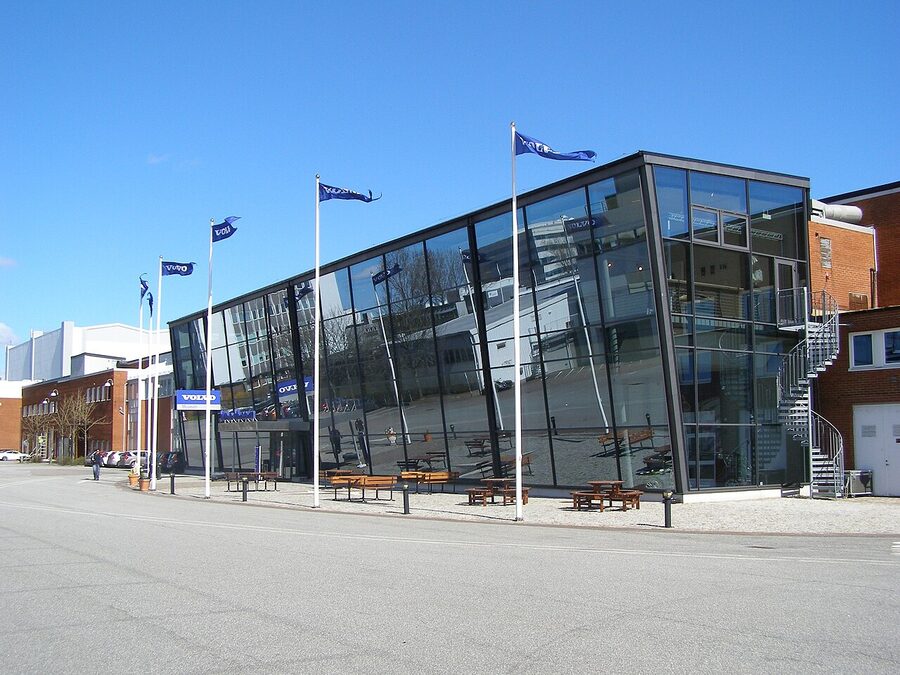
The Volvo Museum, on Arendalsvägen 25 km west of the city, walks you through that history with about 100 cars on the floor. The 1927 ÖV4 (the original “Jakob”) at the entrance is in jubilee blue. The Amazon, the 240, the 740, the C70, the 850 estate that Volvo entered into the British Touring Car Championship in 1994 are all there. The 1959 PV544 with the original three-point seatbelt is the one to stop at: there’s a small cabinet next to it with the Bohlin patent and a copy of the 1959 royalty-free licence. Adult admission 200 SEK (~€18). Allow 2 hours. Open Tuesday to Sunday, 11:00 to 17:00, closed Monday. The bus 31 from Lilla Bommen does the run in 35 minutes.
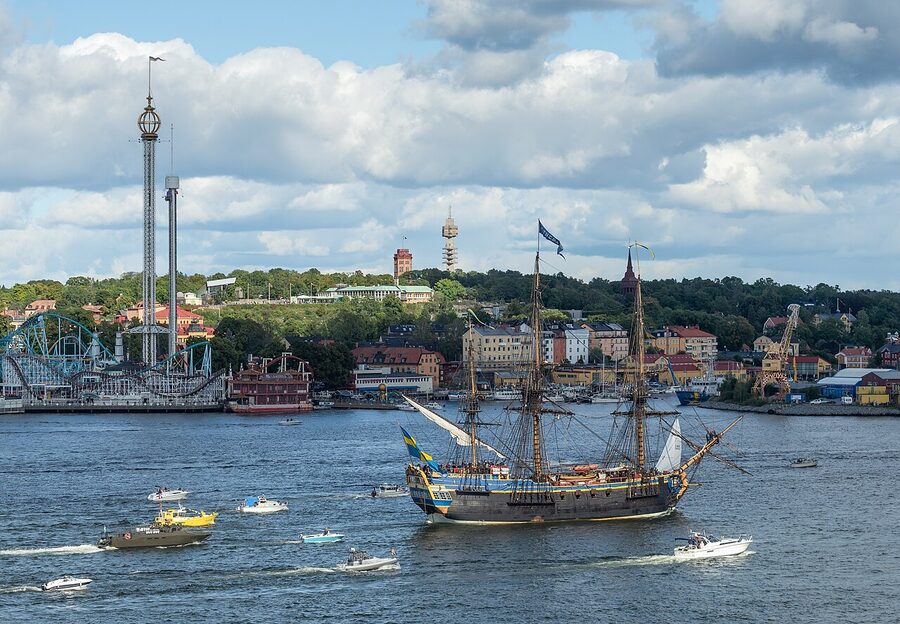
The Götheborg replica, the country’s most famous sailing ship, lives at Eriksberg on the north bank when she’s in port. She tours the world for months at a stretch (Asia 2023, Mediterranean 2024, Norway 2025) so check the schedule via Swedish Ship Götheborg before walking out. When she’s home, you can board for a tour at around 100 SEK (~€9). The hull is mostly oak from the same Halland forests as the original 1738 ship; the rigging uses 4,800 m² of canvas. The original sank on 12 September 1745 within sight of Älvsborg fortress, on the way back from Canton. The standard local theory is that someone took a kickback and ran her aground deliberately for the salvage; the polite museum theory is navigation error. Either is plausible.
A short history block, since the city earned it
Gothenburg was founded by Gustavus Adolphus on 4 June 1621, by royal charter, and the Dutch were brought in to plan and build it. The city’s first century was effectively a Dutch colony with a Swedish flag: Dutch merchants ran the trade, the canal grid was modelled on Amsterdam, the official language inside the council chambers was Dutch until 1652, and even the city’s name is a Latinised “Gotha-burg” rather than the older Swedish Götaborg. The reason the Swedes wanted a city here was straightforward: until the 1658 Treaty of Roskilde, the Danes owned the entire western coast of what is now Sweden (Halland, Skåne, Bohuslän) and Sweden’s only access to the North Sea was a 5-kilometre slice of coast at the mouth of the Göta älv. Gothenburg was built to hold that slice.
The Swedish East India Company (Svenska Ostindiska Compagniet) was chartered in 1731 with a 15-year monopoly on Asian trade. The Company’s 132 voyages over 82 years made Gothenburg’s mercantile fortune; the wealth funded the building of much of the old centre, including the Sahlgrens family’s hospital (still the city’s main one) and the original university endowment. Volvo opened in 1927 with two prototypes built in a workshop on Hisingen. The shipyards through the postwar period employed 25,000 men at their peak in 1965 and were a third of the city’s GDP. They are gone now: Eriksberg’s last ship was launched in 1979, Götaverken’s in 1989. What’s there now is the Lindholmen tech district, Volvo’s R&D headquarters, and the Liseberg accelerator school. The shipbuilding thread is the part of the city’s history that gets least attention from visitors and explains the most about how the place feels: a working city that lost its industrial purpose in the 1980s and rebuilt itself, slowly and not without scars, as something else.
Eating beyond seafood
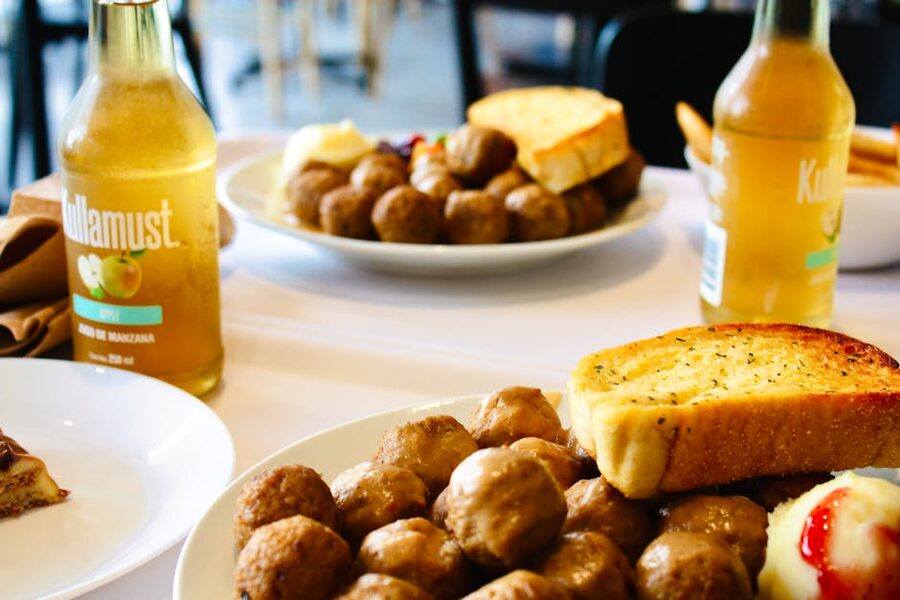
The seafood is the headline. The rest of the food scene is good but quieter. Toso on Magasinsgatan is the contemporary Nordic kitchen with the most consistent reviews from people I trust: fixed seven-course at around 1,150 SEK (~€104), seasonal, ingredient-led. Bord 27 on Götabergsgatan, in the Vasastan block south of Avenyn, is a 28-seat tasting room that does a longer 11-course menu for around 1,650 SEK (~€150) and is the choice if you have a date night.
For something less expensive and more local, Familjen on Arkivgatan is the bistro the chefs eat at on their nights off, with 4-course set menus around 595 SEK (~€54) and walk-ins welcome at the bar. Tvåkanten on Kungsportsavenyen does the standard Swedish bistro menu (meatballs, pyttipanna, raggmunk, herring) at fair prices and feels like the town’s living room. The Wednesday-night herring buffet at Tvåkanten (around 235 SEK / ~€21) is one of those things only locals know about.
For coffee, the names to know are Da Matteo (Magasinsgatan and Vallgatan, the city’s standard-bearer), Alvars & Co (Magasinsgatan, the one with the kardemummabulle), and Kafferepet Komet (Linnégatan, the third-wave option). Skip the Espresso House chain unless you absolutely have to; the independents are within walking distance of everywhere central. For drinks at the end of a long day, Dorsia‘s ground-floor bar is the cinematic option and Bar Bruno on Tredje Långgatan is the local one.
The day-by-day, if you want one
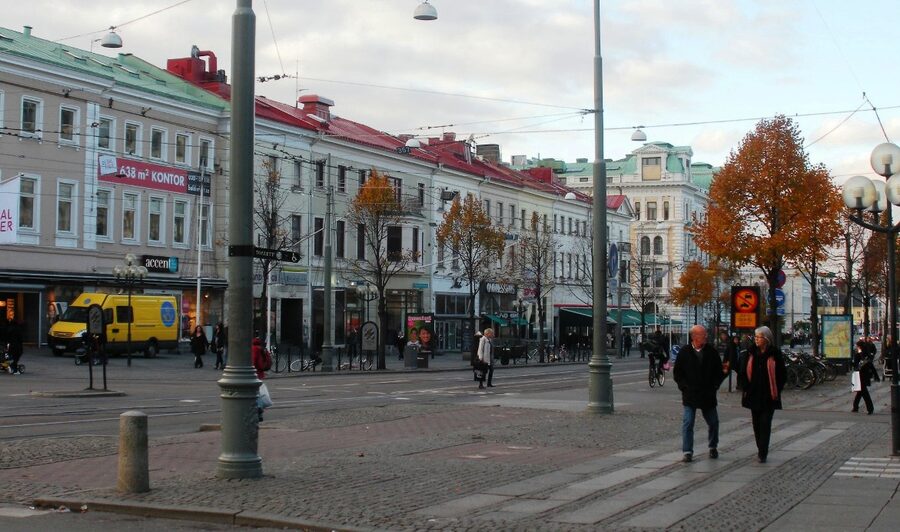
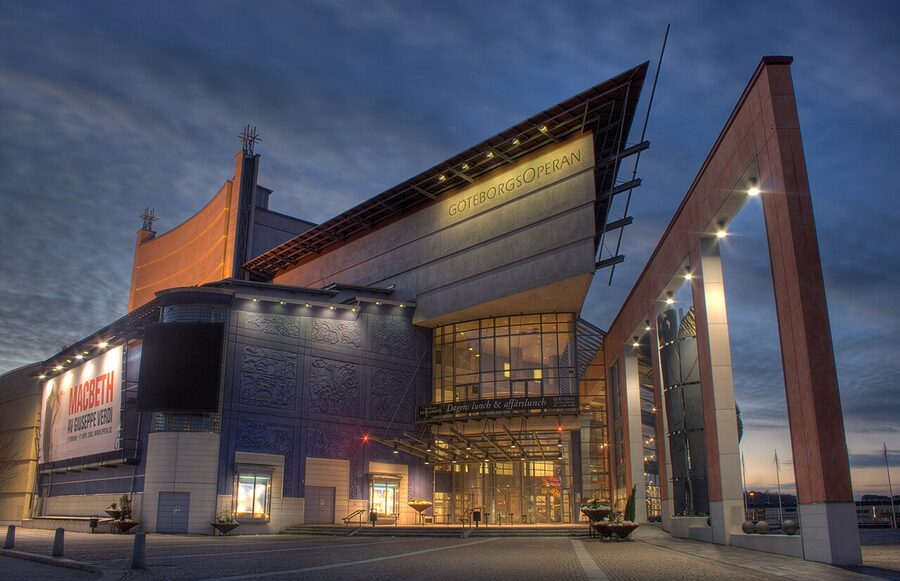
I’d suggest three days as the standard length. Day one in the centre: arrive on the morning train, drop bags, walk Magasinsgatan and the Inom Vallgraven block, lunch at Feskekörka, afternoon at Röhsska or the Konstmuseum, dinner at Tvåkanten or Familjen. Day two on the islands: 09:00 tram to Saltholmen, ferry hopping through Brännö, Styrsö and Vrångö, lunch on Styrsö, back to town for an evening at Bhoga or Toso. Day three split: morning at Liseberg or Universeum (depending on your party), afternoon walk through Slottsskogen and up to Skansen Kronan, evening at the Opera if there’s a programme that suits, otherwise drinks at Dorsia. If you have a fourth day, take it to the Volvo Museum and the Götheborg ship in the morning, and Haga in the afternoon, with the cinnamon-bun arithmetic done properly.
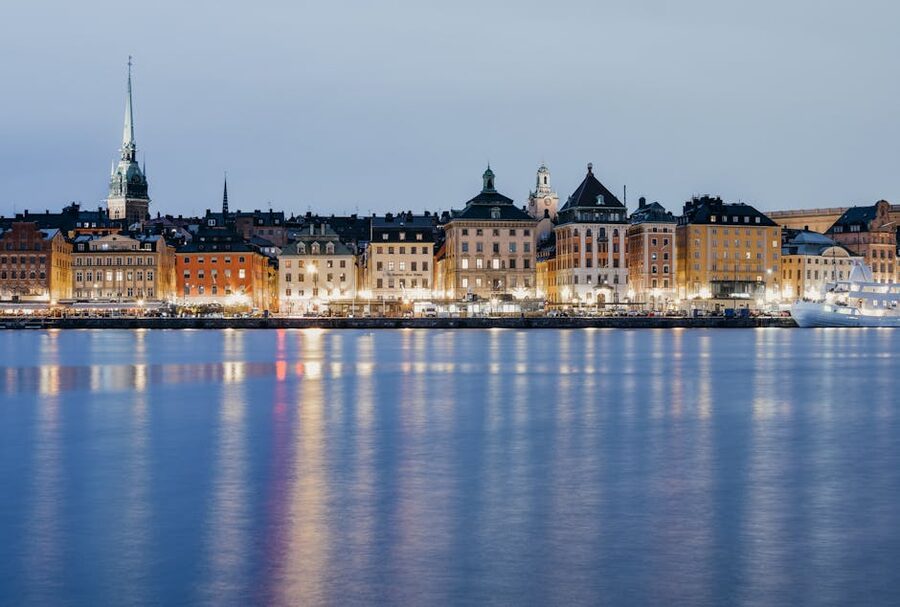
If you’re putting Gothenburg into a longer Nordic trip, the natural extensions are: south by train 3 hours 40 to Copenhagen via Lund, north by train 4 hours to Oslo (the Vy line through Bohuslän, and one of the prettier rail journeys in the region; book the right-hand window for the coast views), or east by X2000 3 hours back to Stockholm. From Stockholm onward, the Silja and Viking Line overnight ferries to Helsinki are the obvious next leg if you’re chaining capitals.
When to come, and what each season does to the city
Late May to early September is the easy answer. Daylight runs from about 04:30 to 22:00 in late June (the city is at 57.7° north, similar to Glasgow), the archipelago ferries run their full schedule, and Liseberg, the cafés and the outdoor seafood places are all open. Midsummer (around 21 June) is the year’s biggest weekend; you’ll struggle for hotel rooms in the centre for the Friday and Saturday, and most independent restaurants close, but the pole-and-flowers tradition is strong on Brännö and worth the trip out if you happen to be in town.
September and early October are the smart-traveller window. The trees along Avenyn turn yellow, the daylight drops to about 12 hours, the archipelago ferries still run, and prices on hotels drop 20 to 30%. The summer sailing crowd has gone home. The city feels more like a city. The lobster premiere (the first Monday of September) is the marker for west-coast seafood season.
November and December belong to the Christmas market at Liseberg and the Christmas season at Haga, and these two together are the strongest reason to visit in winter. Daylight is short (sunrise 09:00, sunset 15:30 in mid-December), but the streetlights are out by 16:00 and the city looks better with snow than without. Liseberg’s Christmas event runs four to five evenings a week from mid-November to 23 December and brings 2 million visitors over the season; book accommodation a month ahead for the early-December weekends.
January, February and March are the lean months. Liseberg and Universeum’s outdoor parts close. The archipelago ferries run a winter schedule (roughly half the summer frequency) but Brännö and Styrsö remain reachable. The trade-off: hotels are at their cheapest, the Sjömagasinet table you can’t get in summer is available on a Thursday, and the herring-smoke from the harbour somehow smells stronger in the cold.
What to skip
A few skips, then. The Avenyn restaurant strip is overpriced for what you get; eat one block off it on Vasagatan or Magasinsgatan instead. The Marstrand half-day, which most guides recommend, is a nice island but it’s an hour by bus each way and you’ll have a better day on the southern archipelago for a tenth of the cost. The Skansen Kronan interior tour is worth your time only if a costumed-soldier reenactment is on; otherwise the bluff outside is the bit. Paddan canal tours are touristy and I personally find them more interesting in winter when the boats run only weekends and the open-deck ride feels more authentic. The Botanical Garden is a serious 175-hectare collection but Slottsskogen next door is free and easier to fit in.
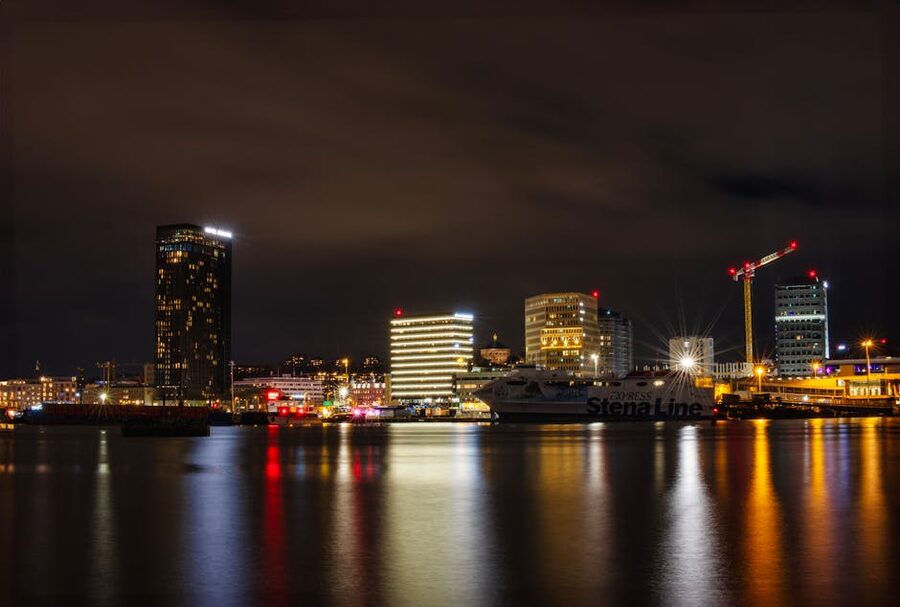
Last note. If you have to choose between Stockholm and Gothenburg for a long weekend, and you’ve never been to either, I’d send you here first. Stockholm is the country’s capital and a beautiful city built on water; Gothenburg is the country’s port and a working city that eats well. The visit is more relaxing, the food is better at every price point, and you’ll leave knowing you’ve seen something specific to the place rather than the standard Scandinavian capital experience that Helsinki, Copenhagen and Oslo also do. If you’ve already done Stockholm and you’re booking a second Sweden trip (which is the readership this guide is mostly written for) then this is, on every metric I have, the right second visit. Take the X2000 across, eat at Feskekörka the morning you arrive, and ride the 11 tram out to Saltholmen on the second morning. The rest will work itself out.
If you’re chaining the city with the Sweden second-city pattern across the catalogue, the structural sister piece for Denmark is the Aarhus city guide; both are working second cities of small countries that are easier and friendlier than the capital, and the comparison frame is identical.