56,400 visitors. Nearly 1,000 exhibitors from 60 countries. One weekend, one building, in the dead middle of Finnish January. That’s MATKA Helsinki, Northern Europe’s biggest travel fair, and the figures above are from the 2026 edition, the 38th time the show has run. The first MATKA opened in 1989. Visit Finland calls it the start of the travel year, and it genuinely feels like that when you stand in the entrance hall on a Friday morning with snow falling outside and a Cypriot meze stand on your left and a Lapland husky operator on your right.
I’ve been a few times. The first was as a curious visitor on a public Sunday with a friend who works in tourism. The most useful was a Friday morning straight off the overnight ferry from Stockholm, with a backpack still smelling of ship coffee and a list of Lapland operators I wanted to talk to. If you’re reading this because the URL had “nordictb” in it: yes, the Nordic Travel Bloggers’ Collective ran a side event here in 2014, 2015 and 2016 called the Nordic Bloggers’ Experience (NBE), and 2016 was their last year before the network reorganised. That history is the reason this URL exists. The article you actually want, though, is the one I would have wanted before my first visit: what’s on, when, what to skip, and how to get there without overspending the day at the door.
In This Article
- What MATKA actually is
- When it’s on, and why January
- Where it is: Messukeskus, the venue you’ve never heard of
- Trade days, public days, and which one is for you
- The contrarian recommendation: skip Friday, go Saturday
- Skip the trade days unless you have a buyer pass
- What’s actually on the show floor
- The Nordic Bloggers’ Experience: a small note on history
- Tickets and prices
- Opening hours
- Getting to Messukeskus
- From Helsinki Airport
- From Helsinki Central
- By tram
- The walk from station to venue
- Where to stay near the fair
- Pasila itself, in case you arrive early
- What to do before and after the fair
- What to bring, eat and not be surprised by
- Should you actually go?
What MATKA actually is
MATKA (the Finnish word for “travel” or “trip”) is a five-day trade-and-public hybrid. The first two days are for industry only. Then it opens to anyone who buys a ticket. The combined ticket also lets you walk into the Helsinki Caravan Fair, which runs in the next halls and is genuinely interesting if you’ve never seen what a Finnish family pays for a four-berth motorhome.
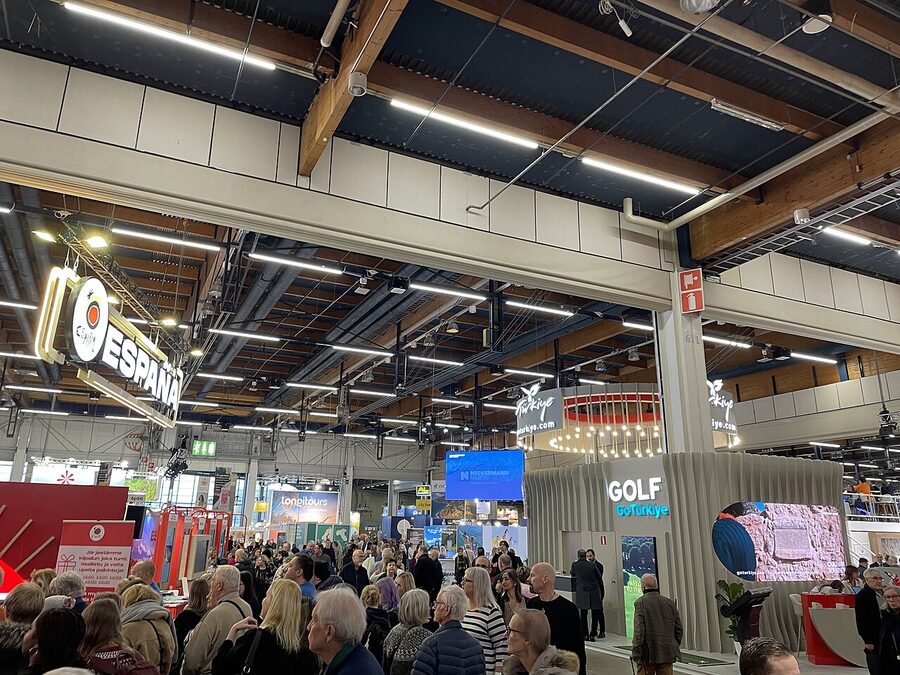
The official line is that this is “Northern Europe’s largest travel industry event”. I’d push back on the “industry” word for the public weekend. By Friday afternoon the consumer foot traffic completely outnumbers the buyers, and the energy is closer to a national tourism fair than a B2B trade show. National stands battle each other with traditional dance, free coffee, scratch cards for prize draws, and the kind of brochures that haven’t really been replaced by an app.
Scale, in case you’re sceptical of “biggest in Northern Europe”:
- 2026 numbers (announced January 19, 2026): 56,400 visitors, just under 1,000 exhibitors, around 60 countries represented, four full days open. Workshop Day on the Friday brought 704 trade professionals and produced 5,300 buyer-seller meetings.
- 2027 (the next edition): 21–24 January 2027. Workshop Day for trade buyers is the day before, on 20 January.
- 2028: 20–23 January.
The fair has roughly tripled in scale since the mid-2000s. Visitor numbers have stayed in the 56,000–65,000 range for a decade now, which is why “60,000 visitors” tends to be the round figure quoted in news write-ups.
When it’s on, and why January
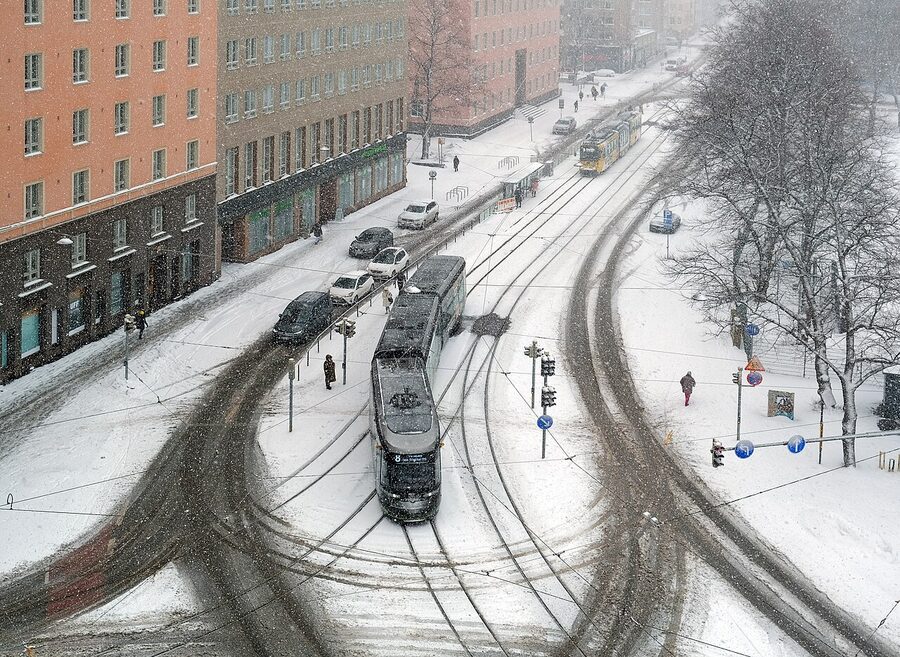
MATKA always sits in the second half of January. The Friday-to-Sunday public weekend is what most non-trade people come for, with Workshop Day and Professional Day immediately before. The pattern over the years tells the story:
- 2015: 15–18 January
- 2016: 21–24 January (the NordicTB year)
- 2017: 19–22 January
- 2018: 18–21 January
- 2019: 17–20 January
- 2020: 16–19 January
- 2023: 19–22 January
- 2024: 17–21 January
- 2025: 17–19 January (the public weekend was shorter that year)
- 2026: 15–18 January
- 2027: 21–24 January
- 2028: 20–23 January
So if you’re locking in a trip and don’t have the next year’s dates yet, “third or fourth weekend of January” is a safe planning anchor. The reason it lands there is straightforward. Finnish school holidays around Christmas wrap up early in the month, the booking-window for summer trips opens for many Finnish families in the third week of January, and Messukeskus has historically used the slot for kicking off the travel year before the Hamburg ITB and Berlin shows in March pull all the international press east. It’s also the dead-quiet time for Helsinki tourism, which means hotel rates around the venue actually drop the week of the fair compared to early December or late February.
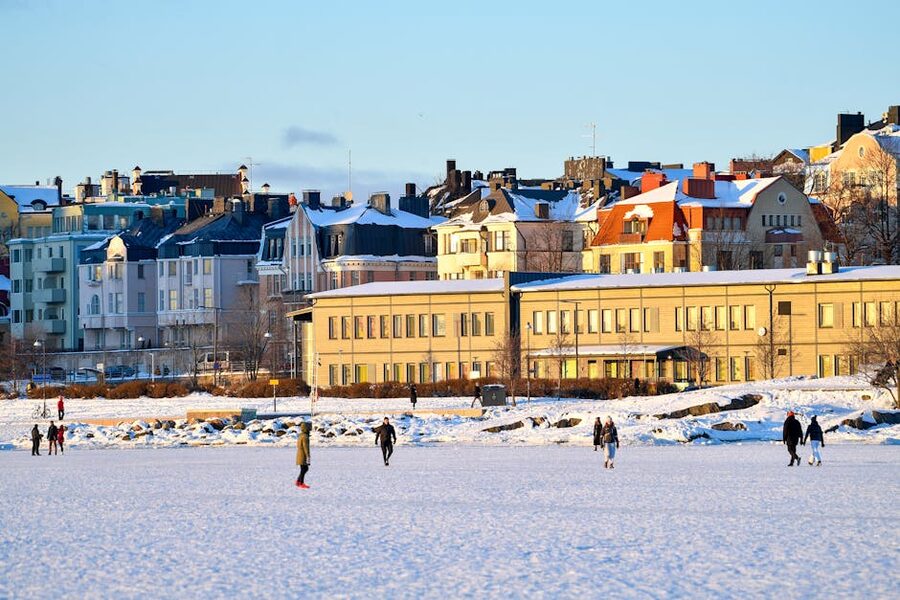
Where it is: Messukeskus, the venue you’ve never heard of
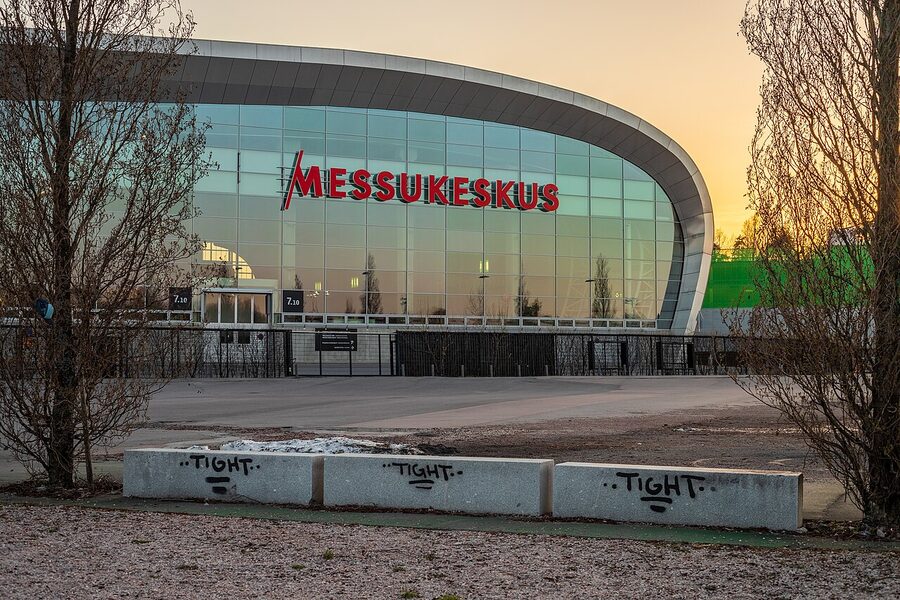
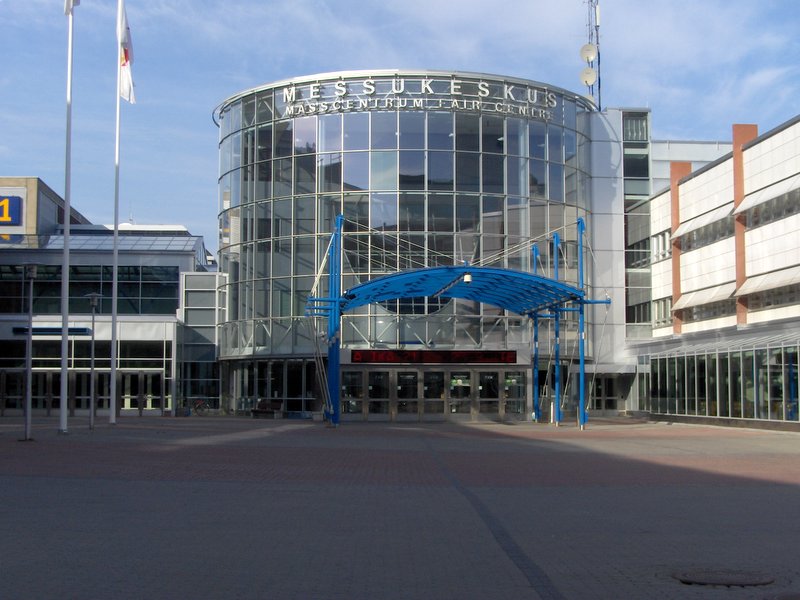
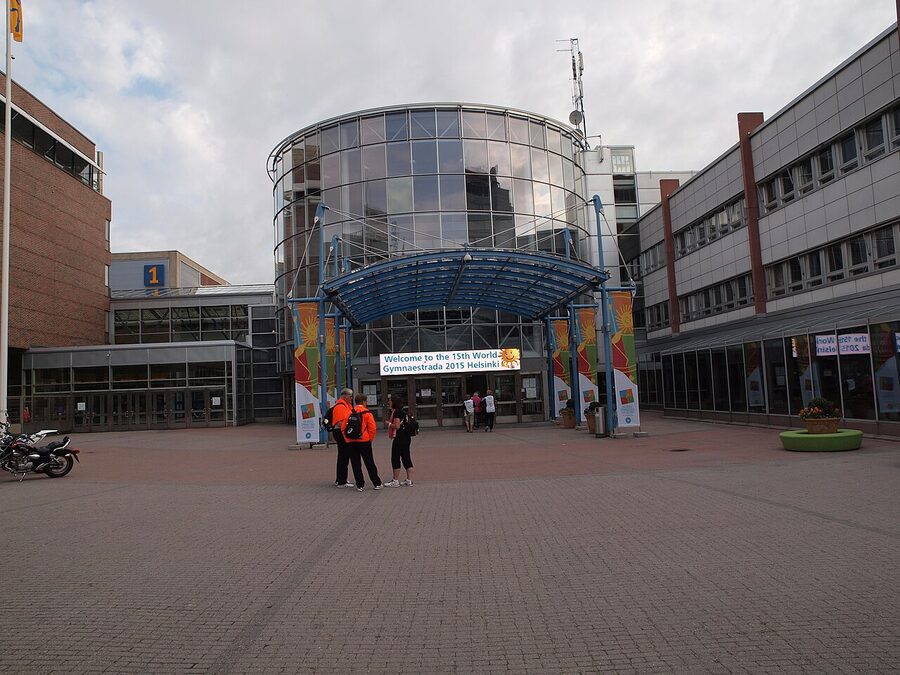
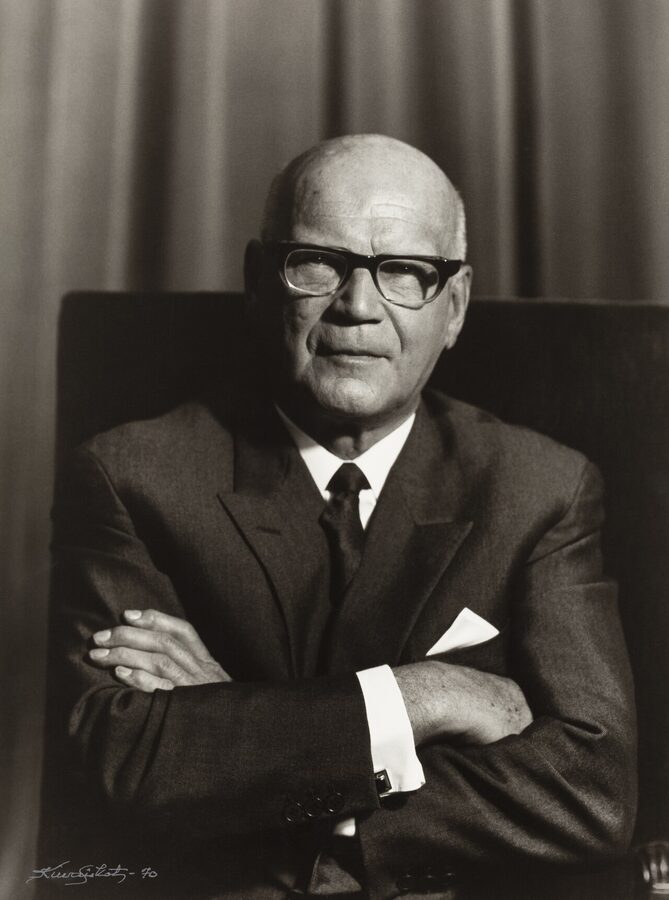
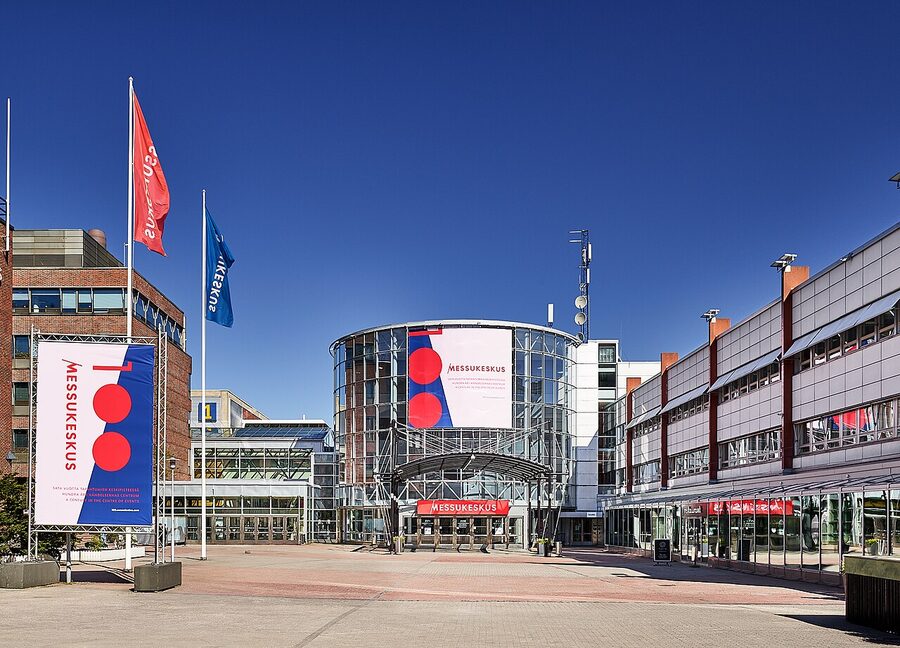
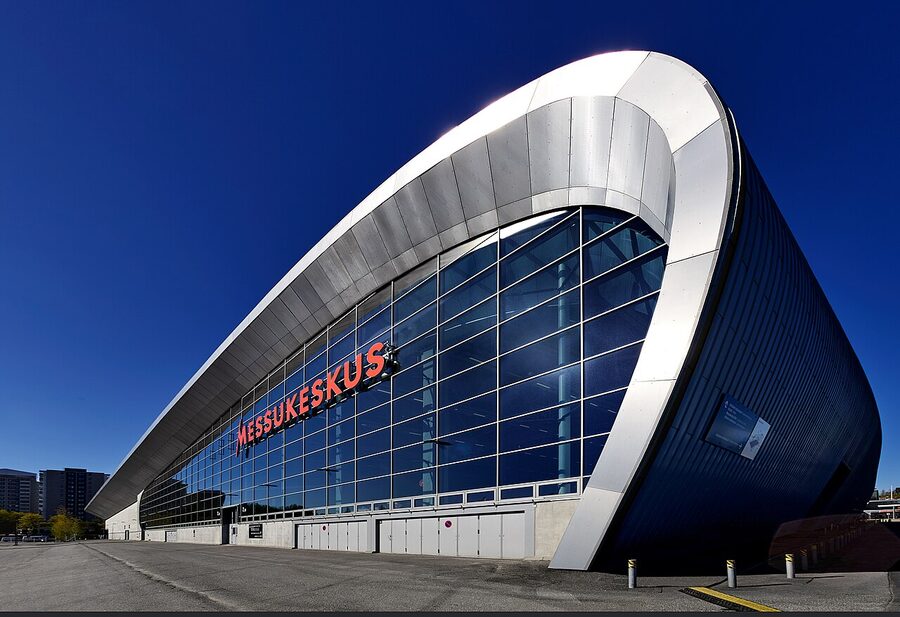
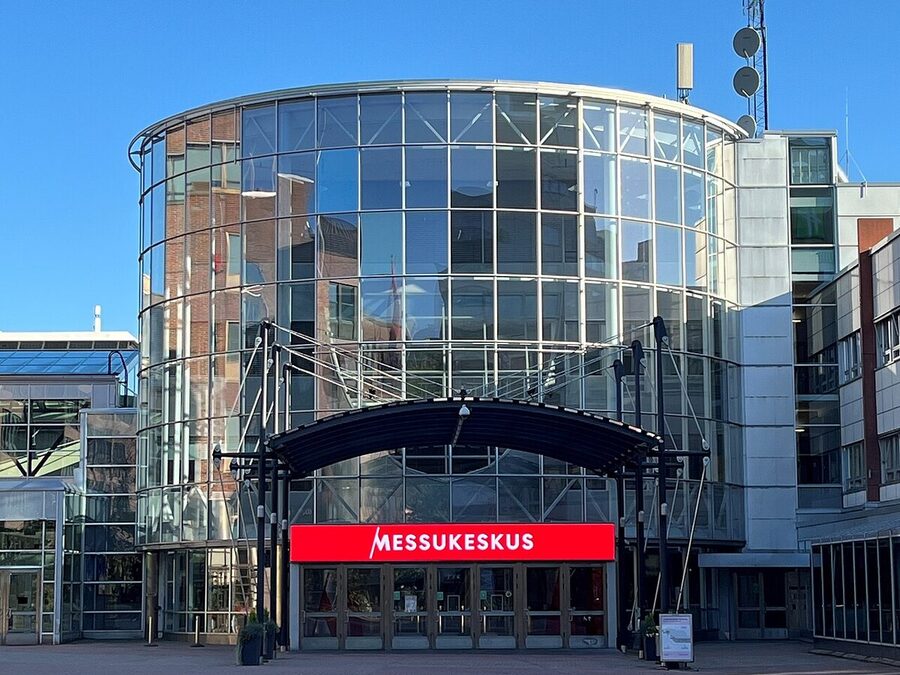
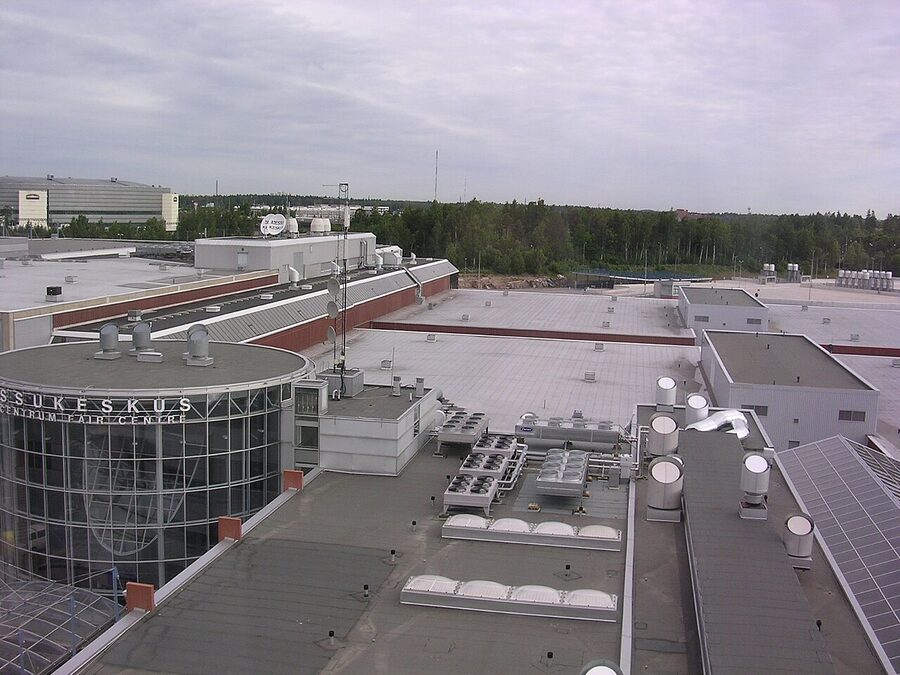
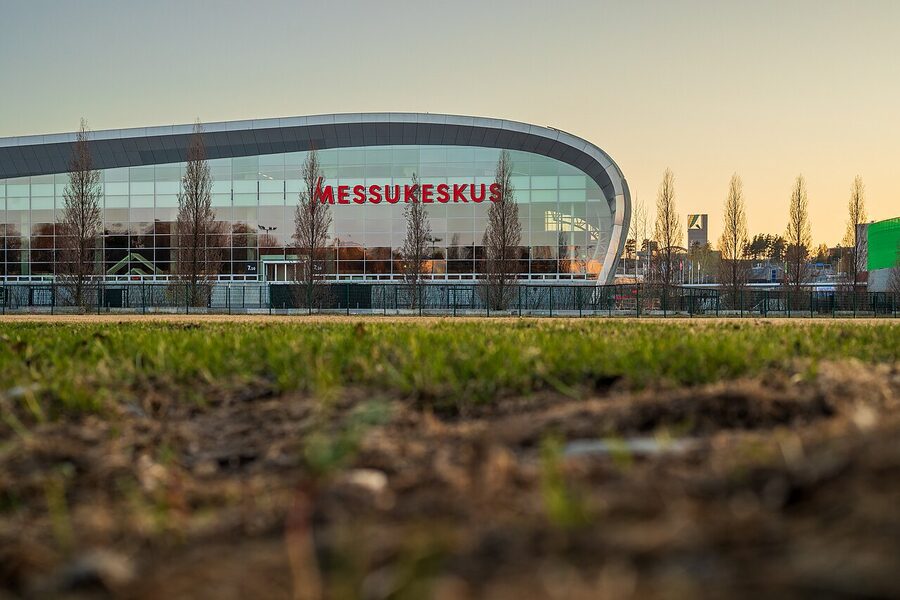
The Helsinki Expo and Convention Centre, Messukeskus to anyone Finnish, sits in Itä-Pasila a short walk from Pasila railway station. It’s owned by Suomen Messut, the Finnish Fair Corporation, founded on 19 October 1919 to push Finnish trade after independence. The first Suomen Messut fair ran in summer 1920 in a field next to St John’s Church and pulled 120,000 visitors, which tells you how starved Helsinki was for trade events at the time. The corporation built its first dedicated home in Töölö in 1935, then moved to the current Pasila building in 1975, when President Urho Kekkonen drove the first stake into the ground (literally, in October 1973) and opened the doors a year and a half later.
The current building is seven exhibition halls plus a 4,400-seat auditorium called the Amfi. Around a hundred trade shows and public fairs run here every year, plus more than 2,200 meetings and congresses. Annual footfall is over a million people, in a city of 660,000. Helsinki Book Fair in October and the International Boat Show in February are the other two giants on the calendar. Most non-Finns have never heard of Messukeskus, which is fair, because nothing about its grey Brutalist exterior tells you anything is happening inside.
Trade days, public days, and which one is for you
The five-day structure breaks down like this. Workshop Day (Tuesday in 2027, 20 January) is the trade-only buyer-seller event. You need to be a registered industry buyer, paying separately, and that gets you a structured day of pre-arranged 15-minute meetings with destinations and operators. Around 260 international buyers meet 260 exhibiting destinations from 52 countries, and the day produces something like 5,300 meetings on average. Professional Day (Wednesday) is the soft trade day. Industry attendees register free with a code from the professional newsletter. Press, agents, tour operators, hotel and DMC reps all use it. The aisles are quiet enough that you can have a long conversation at any stand, and the stage programme leans heavy on industry topics: sustainability metrics, AI in booking, source-market trends.
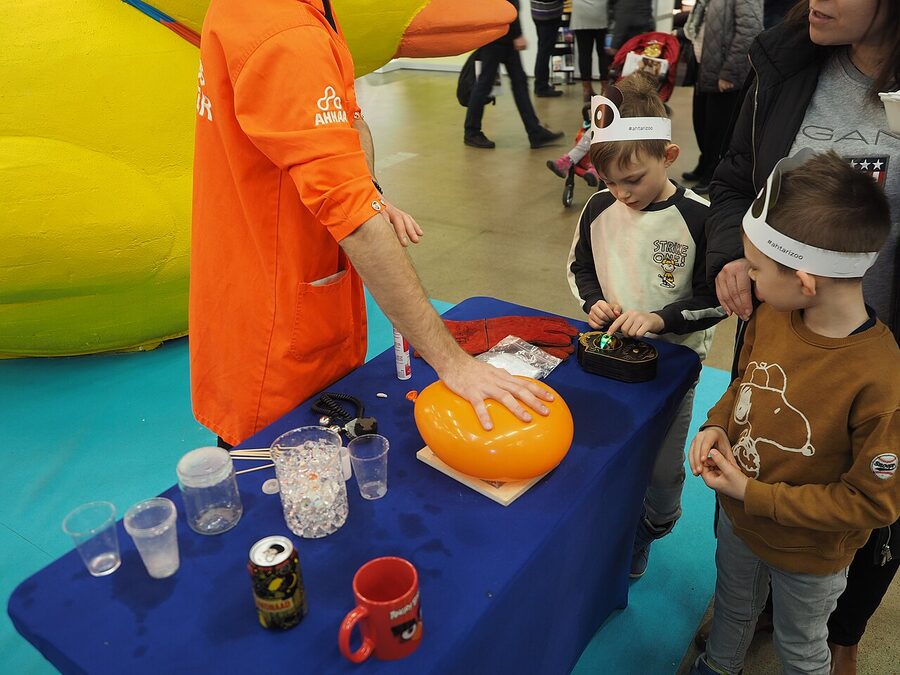
Then come the three public days on the Friday-to-Sunday weekend (Thursday to Sunday in some past years; check the dates above). These are the ticketed days. The public days are very different in feel. National pavilions ramp up, mascots come out, dance troupes appear on stage, the food stands open, and the crowds thicken. Sunday is officially Family Day, with kids’ programming and a Helsinki bingo for under-12s.
The contrarian recommendation: skip Friday, go Saturday
If you have the choice, go Saturday afternoon. Most travel-fair guides default to “Friday morning is quieter, get in early”. That’s true on paper. In practice the Friday morning opening is dominated by Finnish school groups, retirees with bus tour bookings, and the press swarm finishing off Workshop Day interviews. Stands aren’t fully back in consumer mode. By 13:00 on Saturday everything is open, every staffer has settled into a rhythm, the food court is fully stocked, the stage programme is the strongest day of the three, and the queues for the children’s programme have absorbed most of the families before they hit the main aisles.
Sunday is Family Day. If you’ve got kids, this is the right day. If you don’t, the queues for the photo booths, mascot meet-and-greets and the Caravan Fair test drives swing the calculation. The afternoon tends to thin out from 16:00 anyway because the show closes at 18:00.
Skip the trade days unless you have a buyer pass
If you’re not in the industry, do not try to crash Workshop Day or Professional Day. The free professional registration looks tempting but it’s tied to an industry email address and a verifiable affiliation, and they check. Even if you got in, the public-day stands aren’t fully built out, the kid-friendly programming hasn’t started, and most of the small Finnish exhibitors haven’t arrived yet because their setup window starts on Wednesday evening. The trade days are for trade. Pay your €19 advance ticket and turn up Friday or Saturday.
What’s actually on the show floor
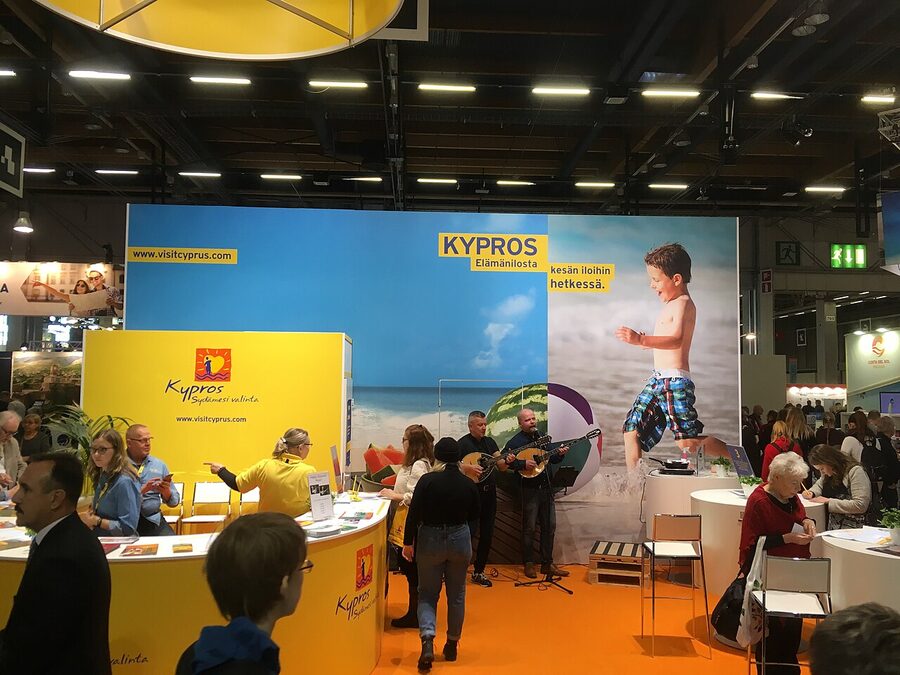
The MATKA floor breaks roughly into these areas. The hall numbers shift slightly each year but the categories are stable.
Domestic Finnish destinations. The strongest single section. Visit Finland anchors it, and inside you’ll find every regional tourism organisation: Visit Lapland, Visit Karelia, Visit Saimaa, Visit Helsinki, plus the smaller boards for individual islands and lakes. This is where you go if you want the Finnish itinerary nobody is going to give you in English on the open web. The 2026 edition launched a unified VisitKarelia brand pulling all 13 Karelian municipalities under one stand, and you could see the Visit Finland team using it as a model for what the smaller regions are working towards.
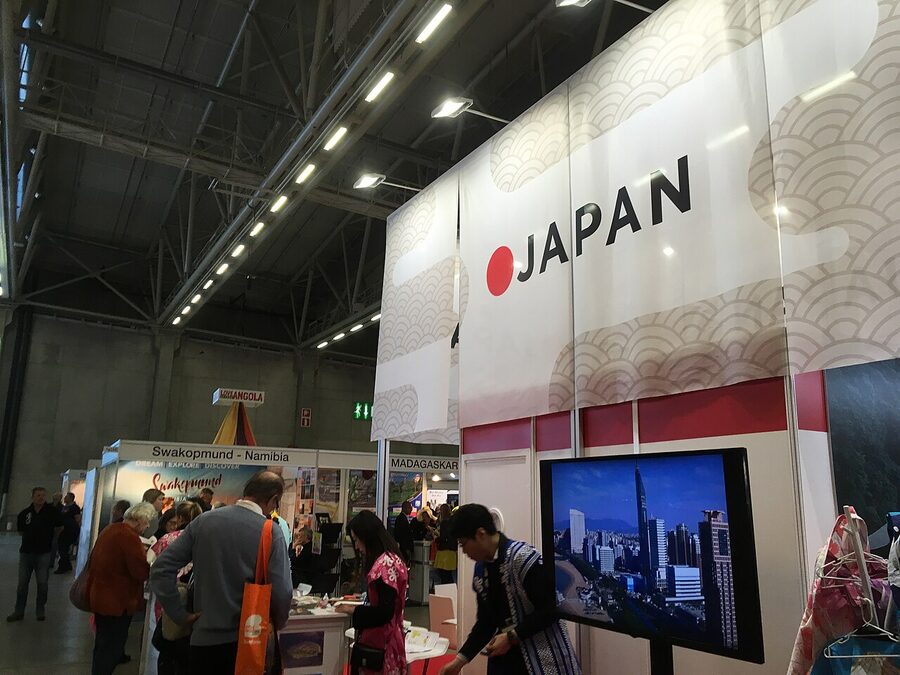
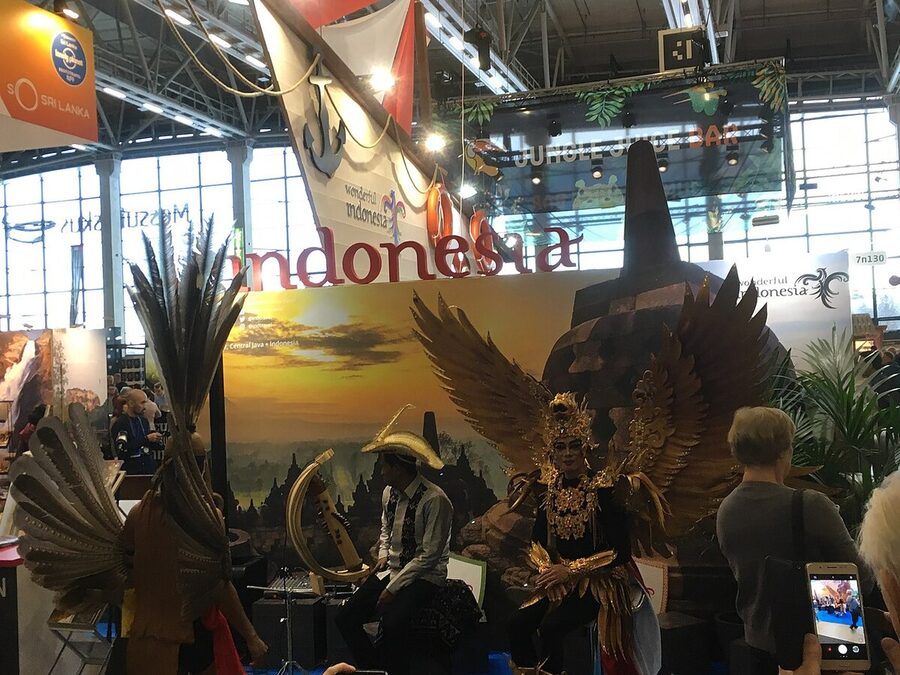
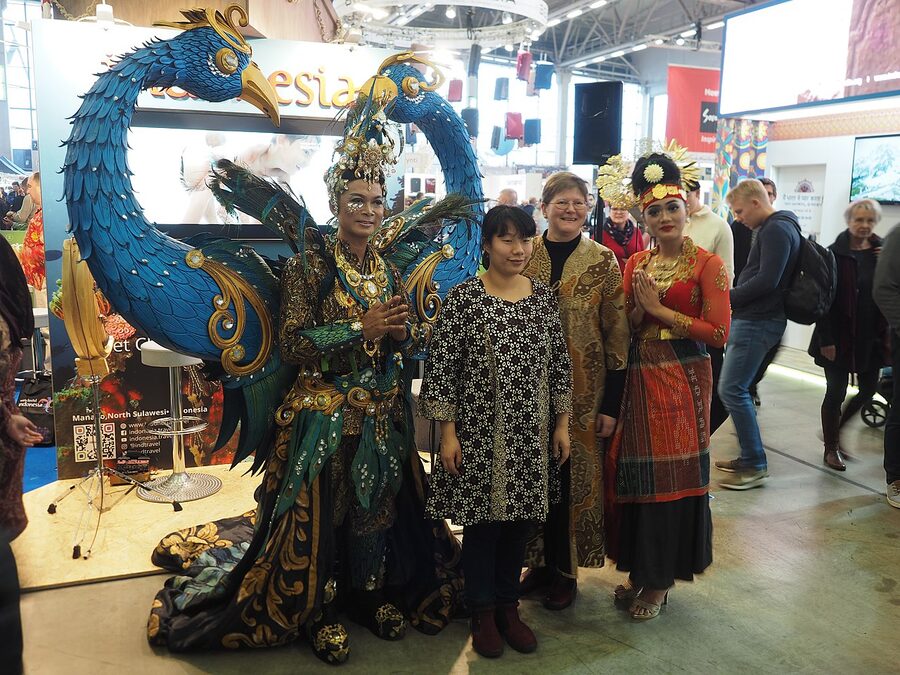
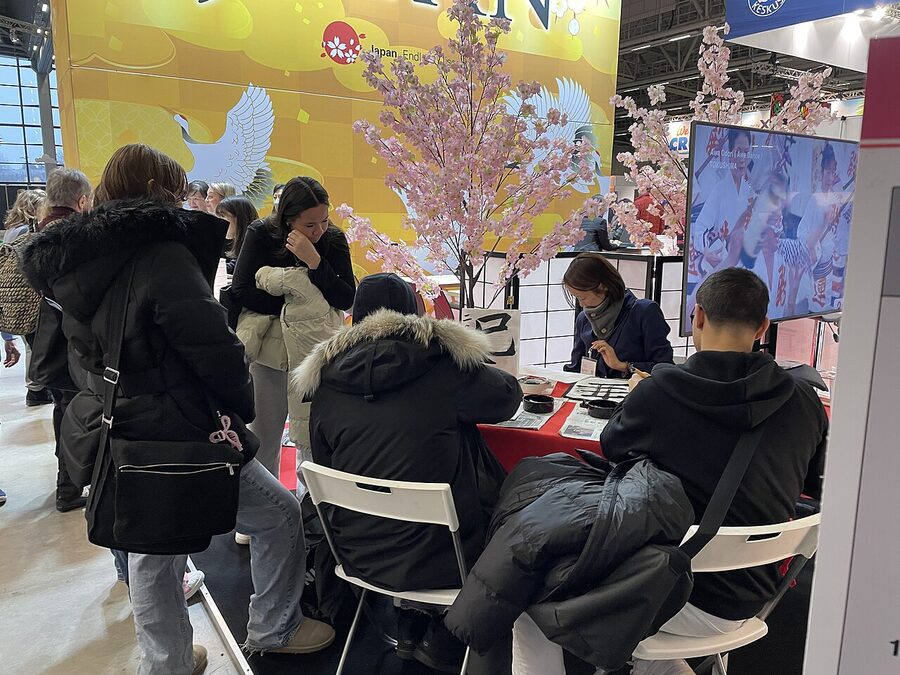
International destinations. The biggest national stands rotate but the Mediterranean countries (Cyprus, Greece, Spain, Croatia) are always in force, the Baltic neighbours (Latvia, Lithuania, Estonia) come for the cross-border buyer, and Asia is represented by Japan, Indonesia, India, Thailand and recently South Korea. Finnair’s destination shifts pull the floor. When the airline starts a new route to Seoul or extends Doha, those tourism boards turn up at MATKA the following January.
Sunny Village. The branded warm-weather area: package operators, all-inclusives, the Finnish low-cost charter brands. If you’re booking a beach week, this is fine to walk past quickly. The deals look loud but most of them match what’s on the operator’s own site if you book within 14 days.
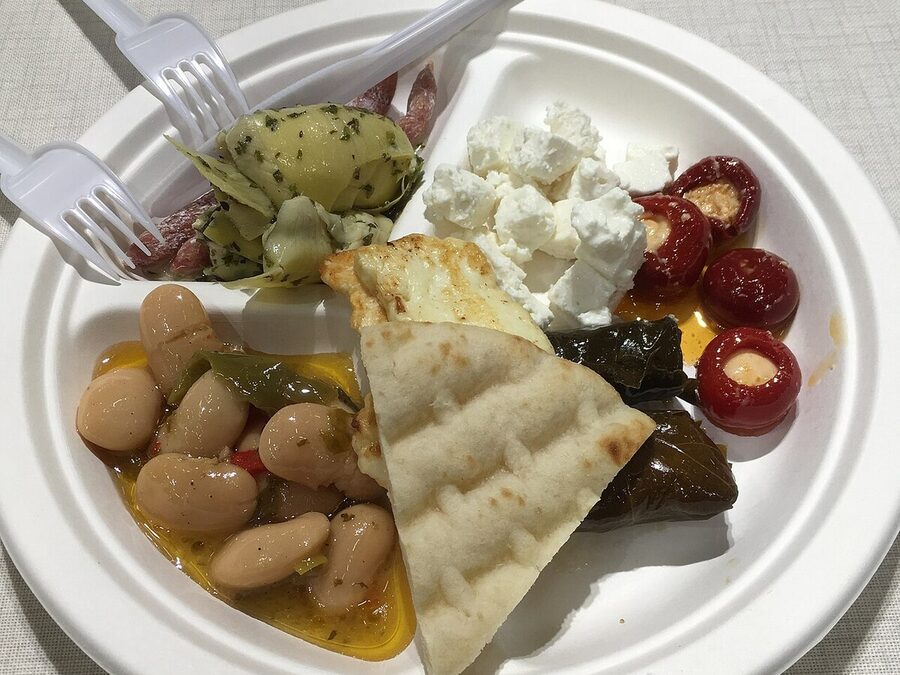
Tasty Travel and Mediterranea. Food, wine and culinary tourism. Free tastings, occasionally a chef demo on the small Mediterranea stage. This is the area that gives the show its accidental personality. Greek olive vendors, Cypriot halloumi, Italian truffle producers, Estonian sweet bread. Pace yourself and don’t fill up before lunch.
Wellness and active travel. Sauna providers, ski resorts, kayaking and trekking operators. This area has grown noticeably in the last three editions. Nature and active travel were the headline themes in the official 2026 wrap-up.
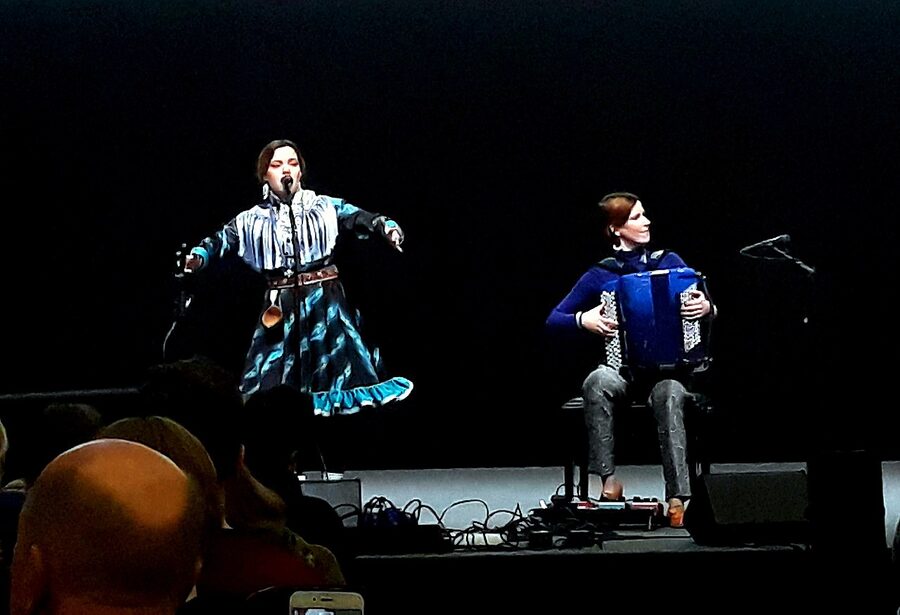
Stage programme. Two stages run all weekend with talks, panels, dance and music. The big one usually has the Visit Finland trends panel, a Finnair route-network update, and at least one author talk. Sami music and yoik performances appear most years, and traditional dance from at least three of the international pavilions is normal. The programme drops about a week before the fair on matkamessut.fi.
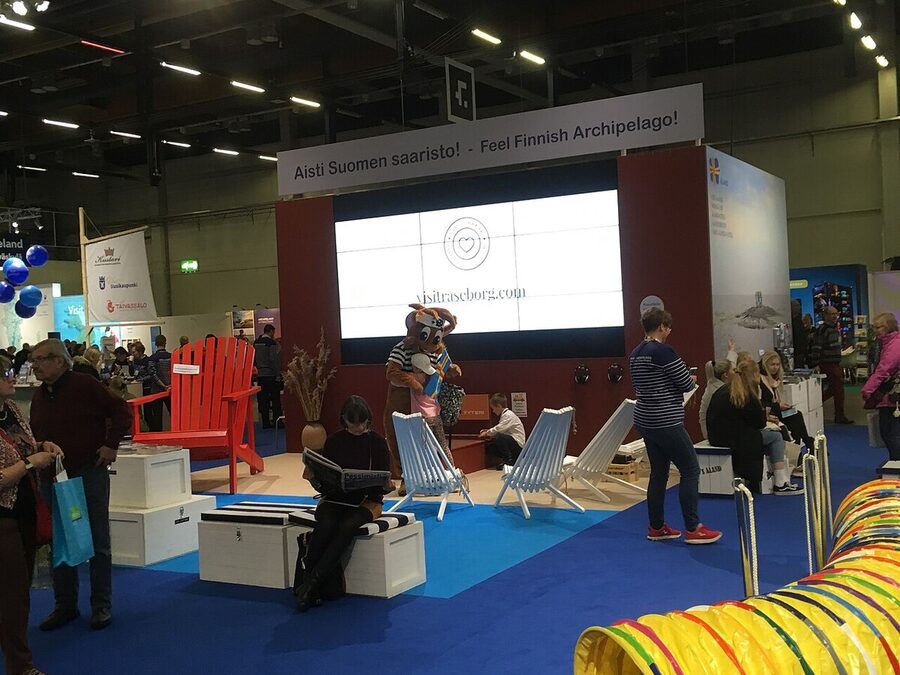
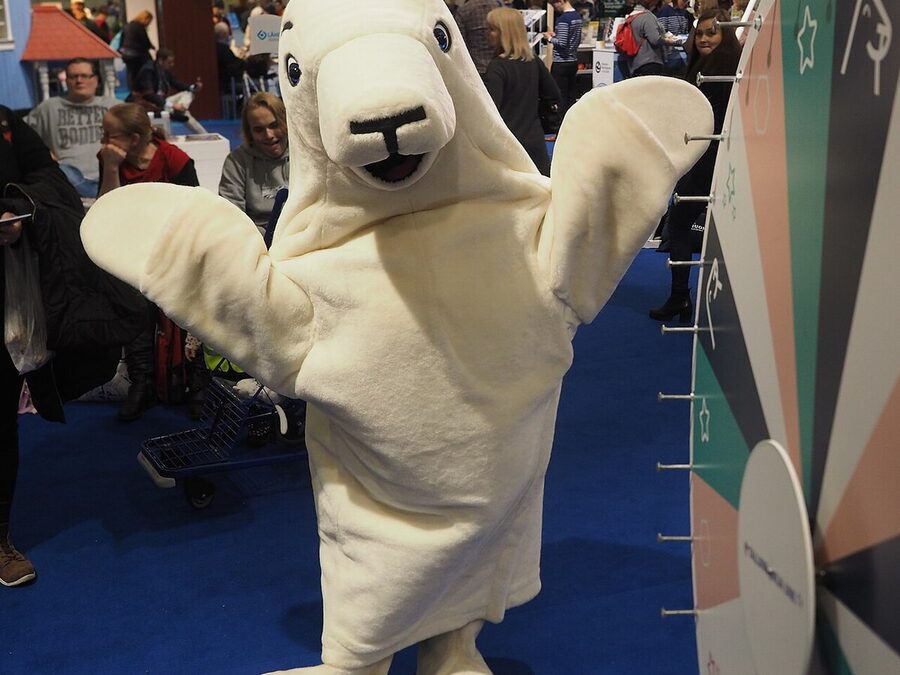
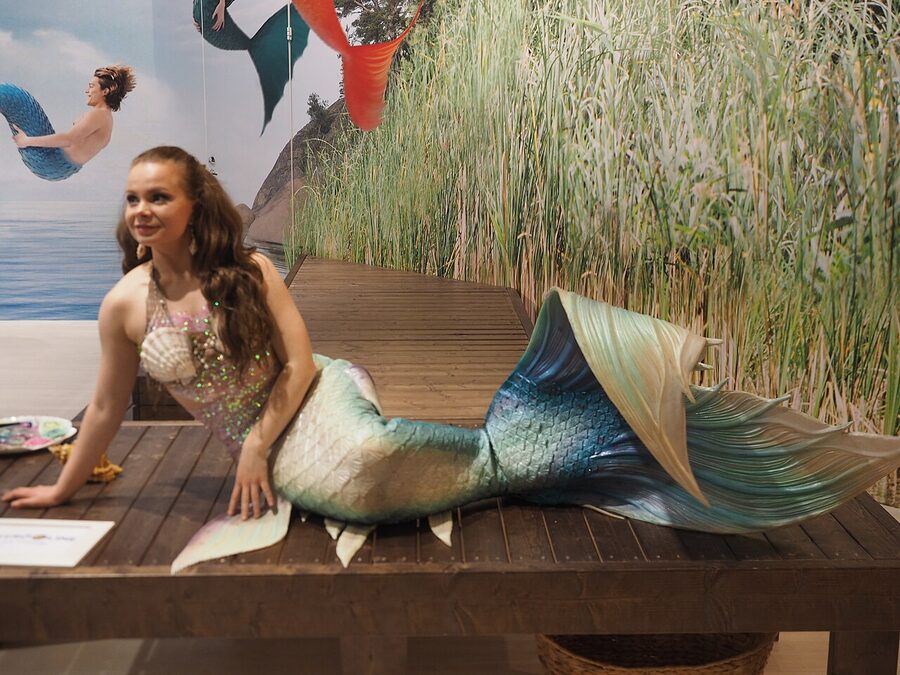
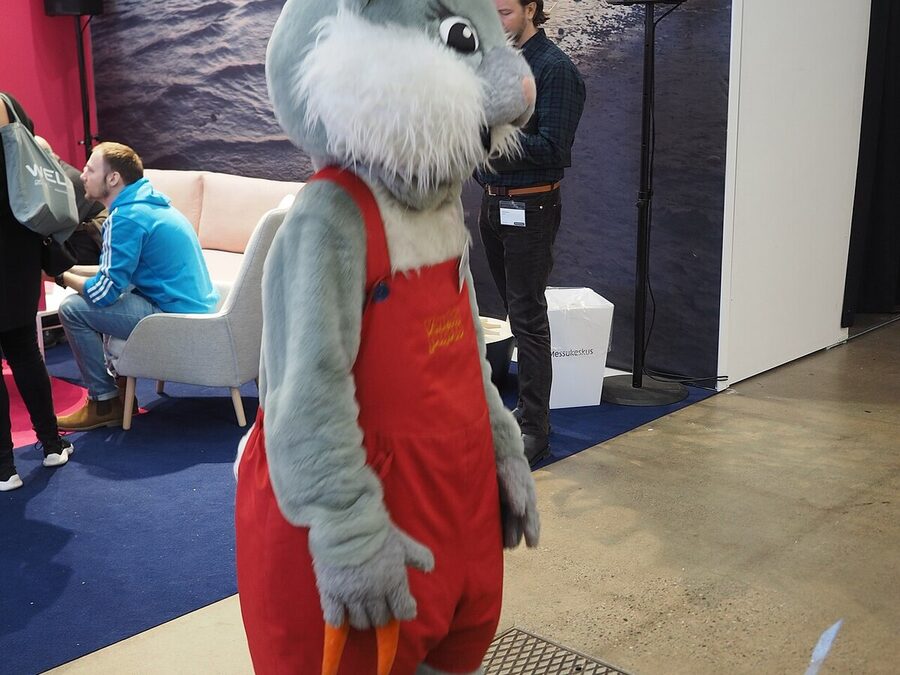
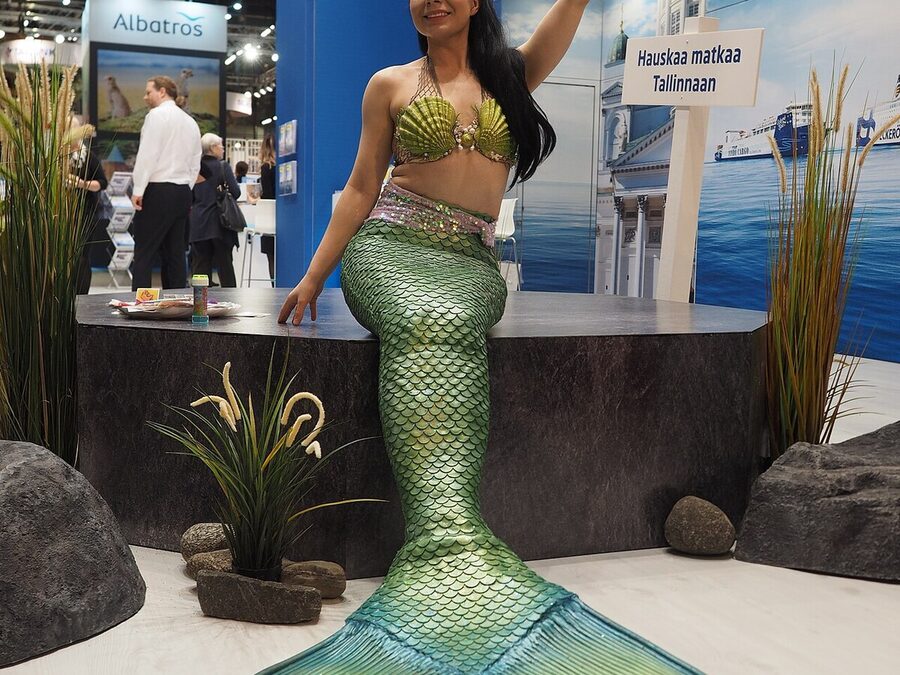
Mascots and characters. Every year there are at least four. Tuula and Börje are the recurring Helsinki seagulls; Harri Hylje the seal turns up for the Helsinki maritime stand; an annual mermaid character has been at the central stage three years running. If you have a child under eight, this matters. If you don’t, you’ll be sidestepping them politely.
Caravan Fair. The Helsinki Caravan Fair runs in the back halls, on the same ticket. Around 200 caravans and motorhomes, plus the Finnish travel-vehicle importer association’s stand. It is not what people fly to Helsinki for, but if you have any interest in motorhome travel in Scandinavia, the layout shows you what Finnish families actually buy and what conversions look like in practice. Walk through it for thirty minutes after lunch.
The Nordic Bloggers’ Experience: a small note on history
This part is for context, and only because the URL you came in on suggests it. From 2014 to 2016 a network of about 25 Scandinavian travel writers ran a side event at MATKA called the Nordic Bloggers’ Experience (NBE). It pulled bloggers from across the region into Helsinki for the fair, with sponsored visits to Finnish destinations on the days either side. The collective rebranded to nordictb.com in spring 2016, and this site is not them. I’m a frequent visitor to the region rather than a member of any collective, and the side event hasn’t run as NBE since. The fair itself has grown enough that it doesn’t need a side gathering to anchor the international press week.
What that history means in practical terms: if you’ve followed travel writing about Finland from the mid-2010s, MATKA was where many of the press trips to Lapland, Karelia and Saimaa originated. The relationships between the regional tourism boards and a generation of European bloggers were often built on the Pasila floor in late January. There’s a longer story in the Nordic travel bloggers awards retrospective if you want it. Otherwise, treat it as a footnote and move on.
Tickets and prices
The pricing structure rewards you for buying early online. There are three tiers of online prices and a fourth tier for buying at the door, where Messukeskus adds a €3 service fee per ticket on top.
Online before 1 January (the cheapest tier): adult €19, special €13 (children 7–17, students, unemployed, retirees, conscripts, civil-service personnel), group of 10+ €13 per person, family ticket for two adults and three children €39, full-time pass €33.
Online 2–15 January: adult €20, special €14, group €14, family €42.
Online during the event: adult €23, special €16, group €16, family €51.
At the door during the event (the most expensive): adult €26, special €19, group €19, family €54. Full-time adult pass €44.
Children under 7 are free. Under-12s have to come with an adult. The same ticket gets you into the Helsinki Caravan Fair in the next halls, no upgrade required. Buying online genuinely saves money: a couple buying advance online before the new year pays €38 for two adults; the same couple buying at the door on Saturday morning pays €52, an extra €14 for a thirty-minute time saving.
Tickets are sold via the Messukeskus webshop at matka.messukeskus.com. They drop links from the front page about six weeks before the fair.
Opening hours
Public weekend hours are short, by Finnish convention. The 2026 schedule:
- Friday: 10:00–19:00
- Saturday: 10:00–18:00
- Sunday: 10:00–18:00
The Friday late close to 19:00 is supposed to give workers a chance to get there after office hours. In practice the post-17:00 crowd is thin and the stand staff are tired. If you’re working in Helsinki and can only do a Friday evening, you’ll have a quieter floor than Saturday morning, but several smaller stands will already be packing materials.
Workshop Day and Professional Day are not open to the public; their hours don’t matter unless you’ve got a buyer pass.
Getting to Messukeskus
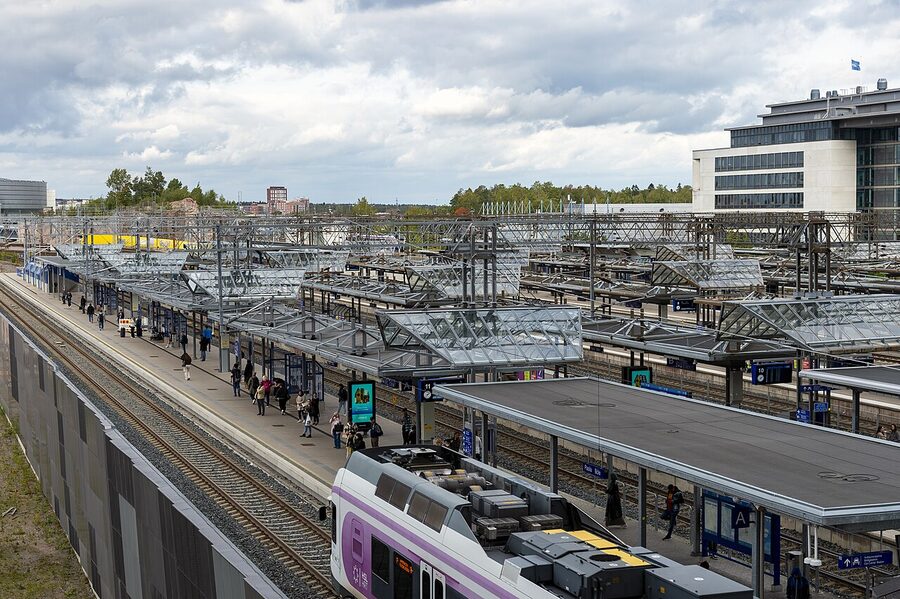
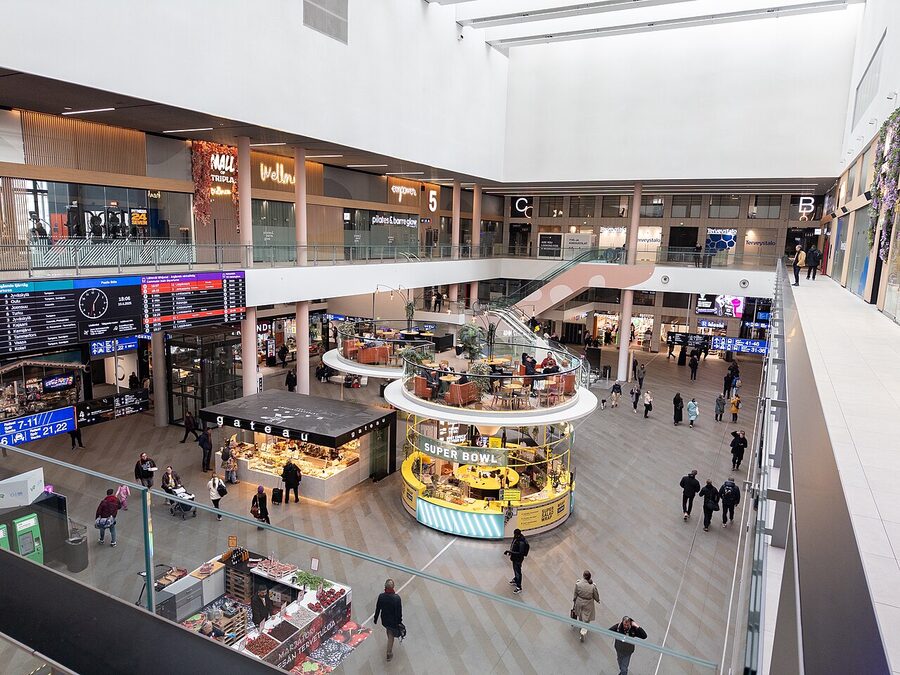
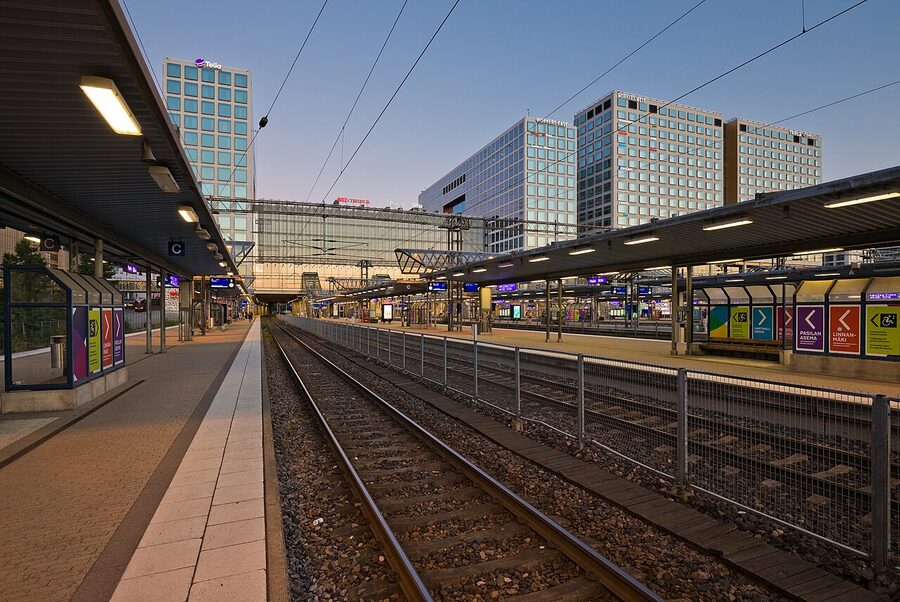
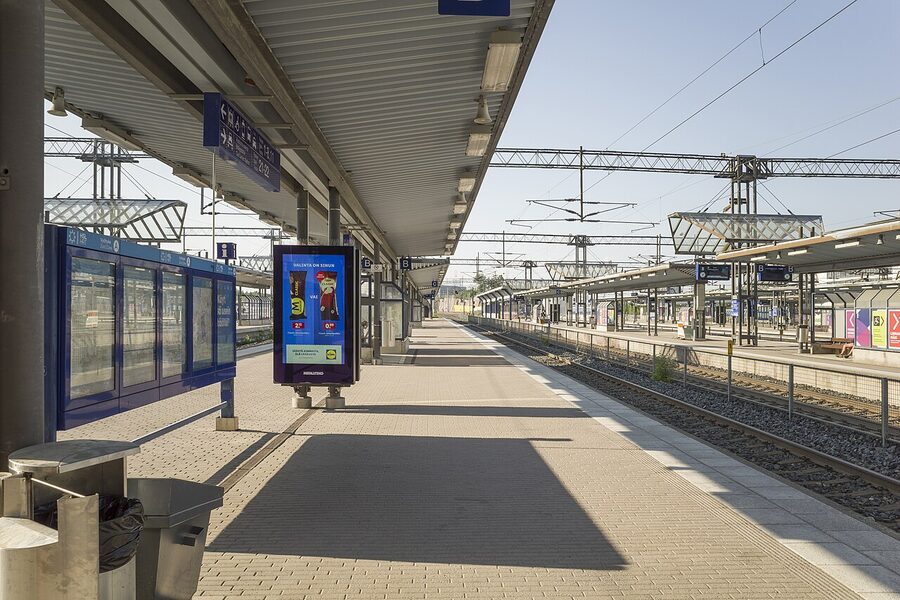
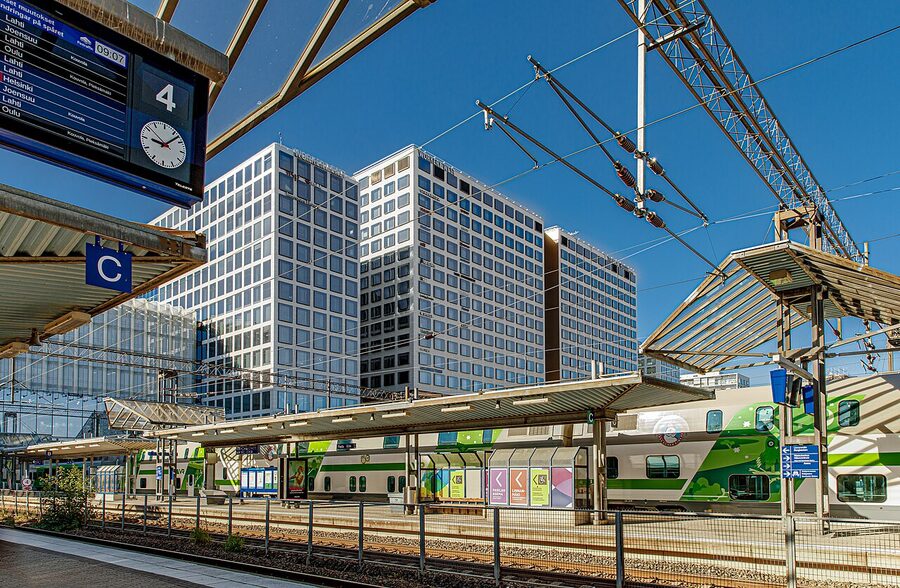
The fair is in Pasila, about 3.5 km north of the city centre. Pasila station is the second-busiest railway station in Finland after Helsinki Central, and the rebuild that opened in October 2019 connected it directly into the Mall of Tripla shopping centre. Every long-distance and commuter train to Helsinki stops here. From station to Messukeskus front door is roughly 350 metres, four minutes if you don’t dawdle.
From Helsinki Airport
The cheapest option is the Ring Rail commuter line. Trains I and P loop both ways from the airport into Helsinki via Pasila. Either direction works because Pasila is on both halves of the loop. Journey time is about 28 minutes from the airport, fare €4.10 for a single ABC-zone ticket (HSL app or station ticket machine). Trains run every 10 minutes during the day, every 20 minutes evenings.
If you’re arriving with luggage and want a single transfer, the Finnair City Bus is gone now. The current options are the 600-series buses (615 to Central or any line stopping in Pasila), or a taxi for around €40 to Pasila. Ring Rail is what most Finns use.
From Helsinki Central
Any northbound train from Helsinki Central stops at Pasila. K, T, R, Z, D commuter trains and every long-distance VR service. Journey time is four minutes. Fare €3.10 single in Zone A (the city zone covers both stations). If you’re staying in the city centre, this is the obvious move.
By tram
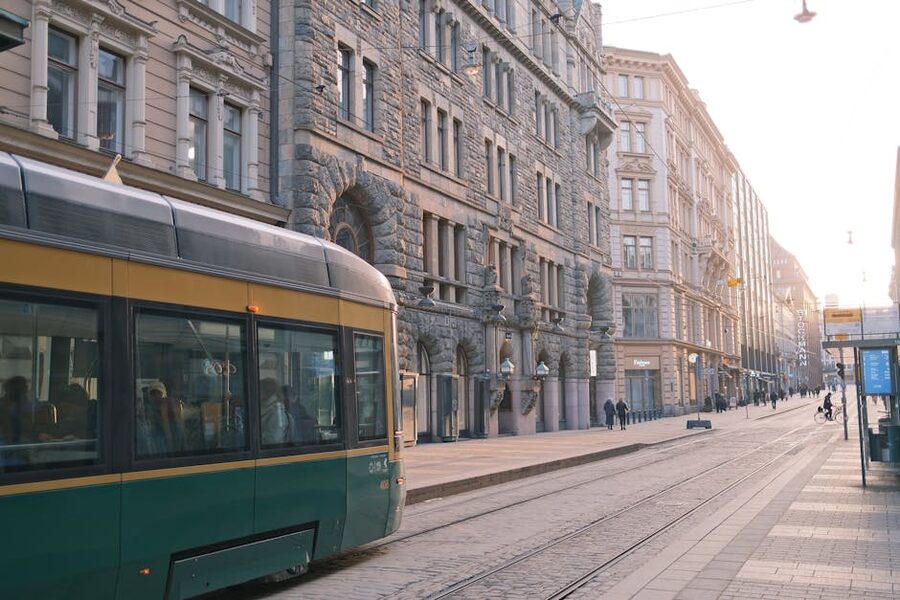
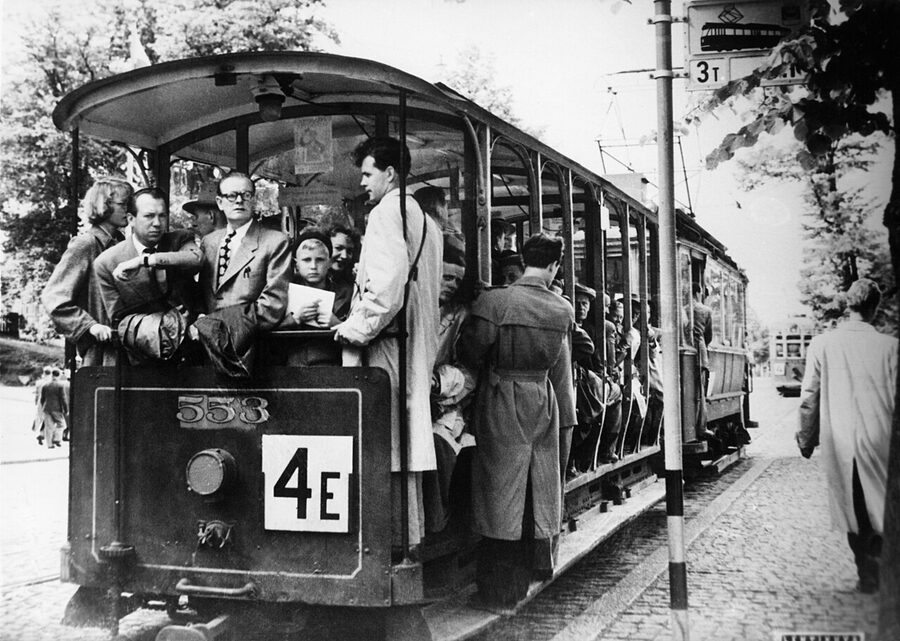
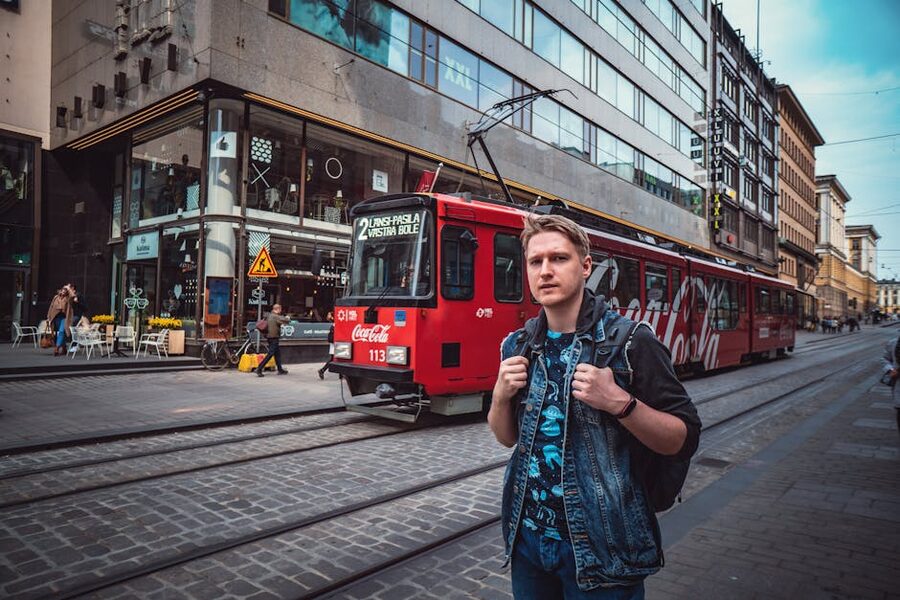
From Töölö, Kallio, Kamppi or anywhere else on the central tram network, lines 2, 7, 9 and 13 run to Pasila. Tram is slower than the train but more pleasant, and you’ll see more of the city on the way. Day ticket €9 covers you for unlimited rides on the same Zone A.
The walk from station to venue
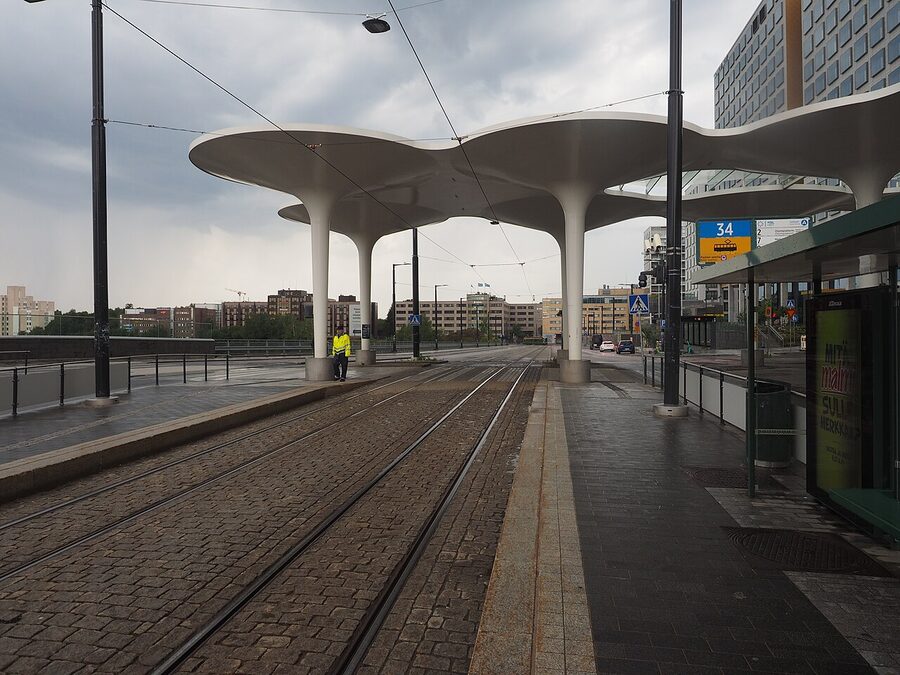
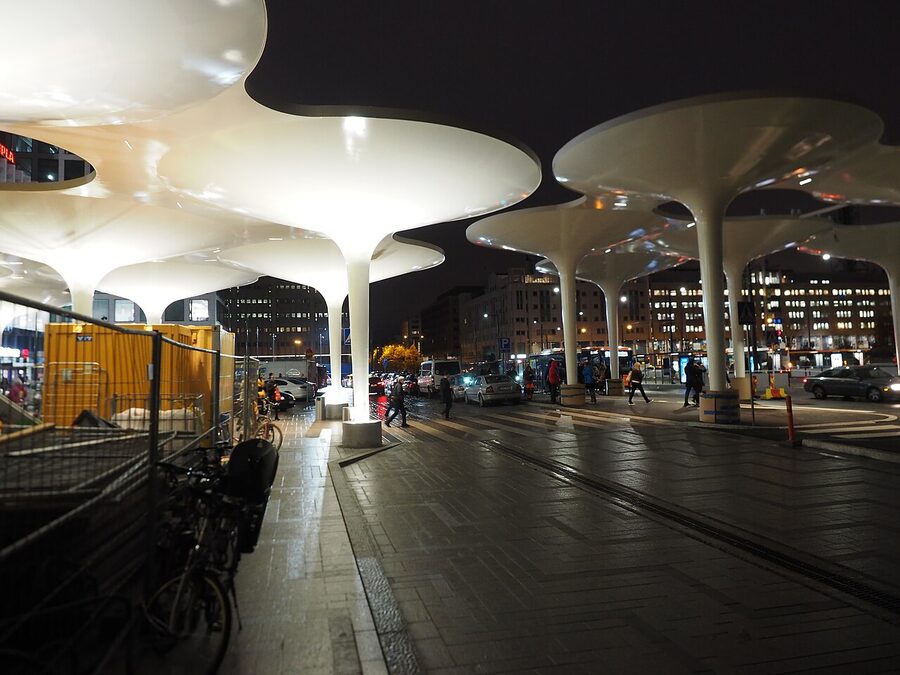
From Pasila station’s east exit (signed for Messukeskus), turn left, cross Pasilansilta bridge if you’ve come out on the Mall of Tripla side, and walk straight up Messuaukio. The fair entrance is on your right. It’s signposted, and on a fair day you can just follow the queue. The walk is exposed, so in January you want a hat. There is no covered passage from the station; the city has talked about one for years and it has never happened.
Where to stay near the fair
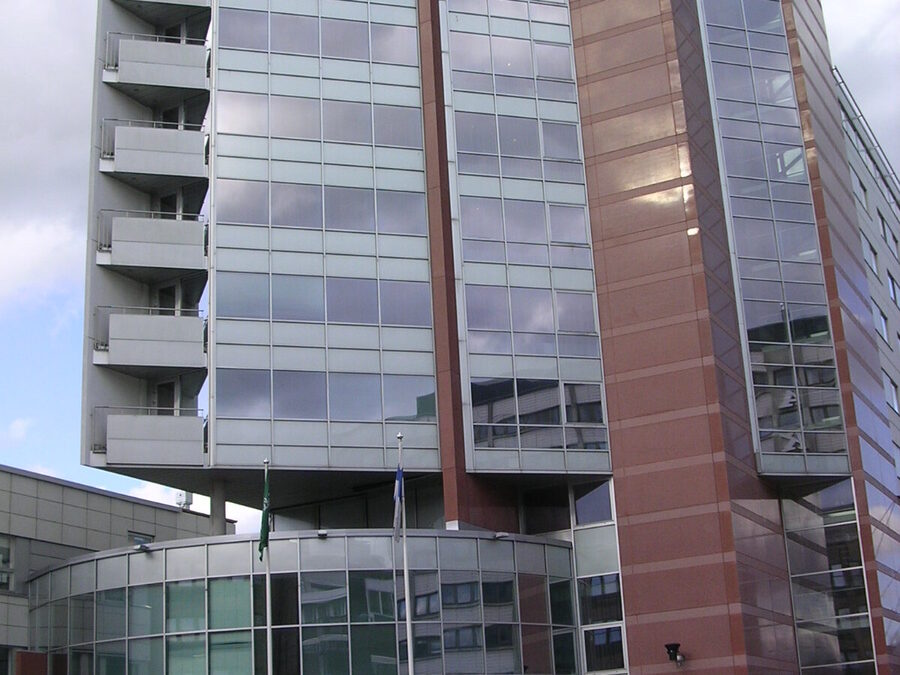
The hotel question splits cleanly into “stay in Pasila to be next to the venue” and “stay in the centre because Helsinki is small enough that the train is fine”. I’ve done both. For a one-day fair visit, Pasila is not worth the trade-off; you eat dinner in a smaller neighbourhood. For a three-day visit, especially if you have a buyer pass and need to be back at the venue early, Pasila wins.
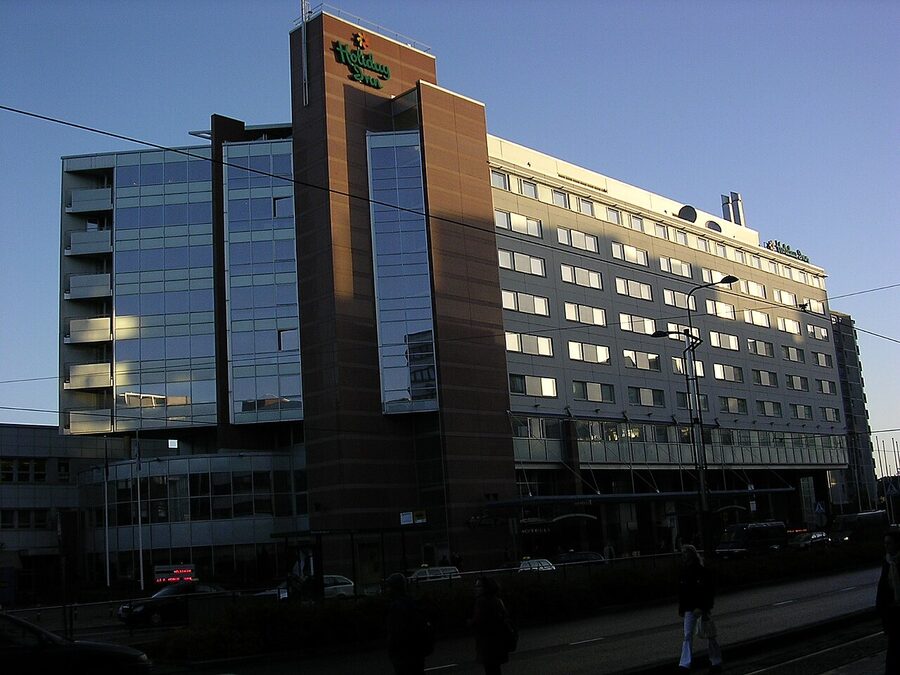
Holiday Inn Helsinki Messukeskus is the literal next-door hotel. There’s a covered passage between the lobby and the convention centre, which is the single best argument for staying here in January when the wind is turning Pasilansilta into a wind tunnel. Standard Holiday Inn product, no surprises. Rates during MATKA week sit around €140–180 a night for a double; book early because it sells out for Workshop Day.
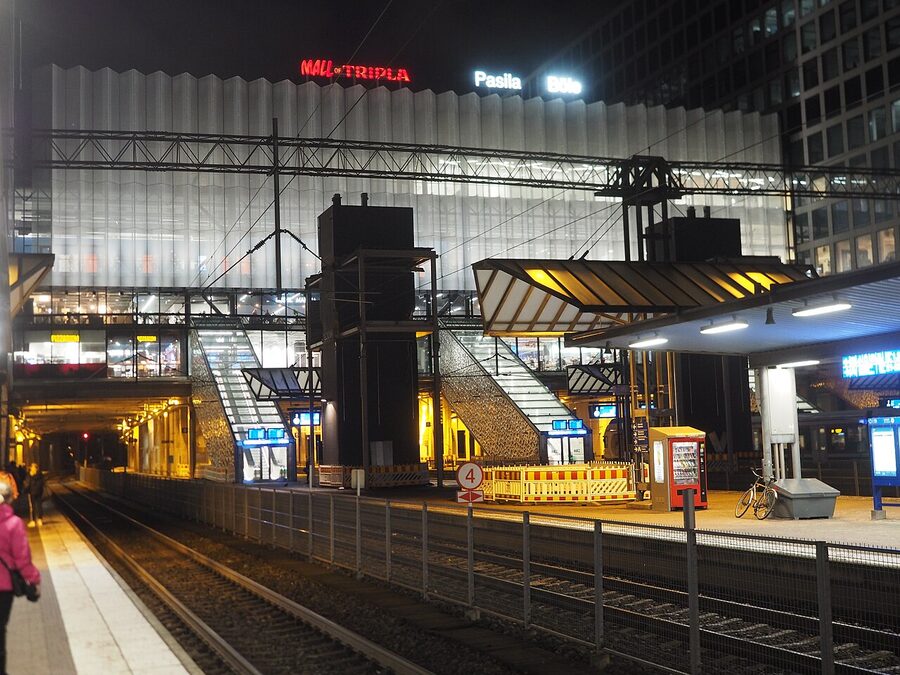
Original Sokos Hotel Tripla is the other Pasila option, attached to the Mall of Tripla above Pasila station. Newer than the Holiday Inn, slightly more business-minded. Around €130–170 in MATKA week. The advantage is the connected mall: K Supermarket, three breakfast cafés, and a long covered walk to the fair through the station underpass.
Scandic Continental Helsinki sits between Pasila and the centre on Mannerheimintie, a 25-minute walk to the fair or one tram stop. Scandic at its most reliable: solid breakfast, a sauna on every floor, around €150 in MATKA week. The 2 tram stops out front.
If you’d rather stay central and ride out, Original Sokos Hotel Presidentti is on Eteläinen Rautatiekatu next to Helsinki Central. Around €140–180 in fair week. Walk thirty seconds to the station, four minutes on the train, you’re at the fair. Dinner options after the fair are then the entire city centre, not just whatever’s open in Pasila.
What I’d skip: any of the cheaper airport-cluster hotels. The Ring Rail train works fine but you spend half an hour each way every time you go to dinner, and Helsinki dinner times start late enough that you’ll be the last person on the platform back to Vantaa.
Pasila itself, in case you arrive early
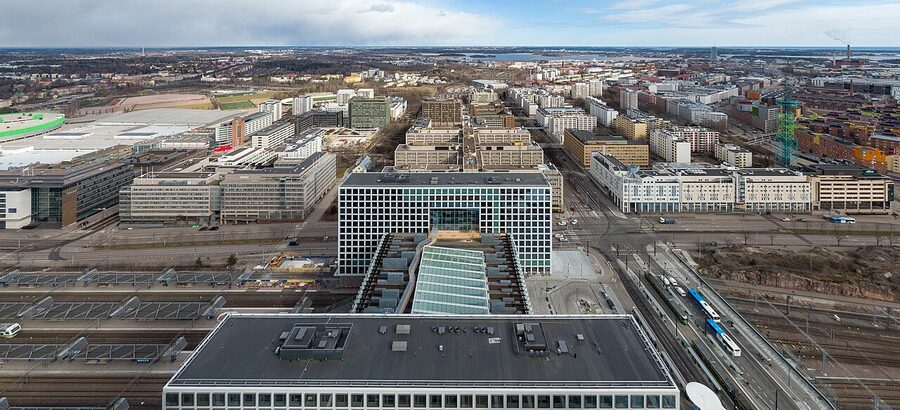
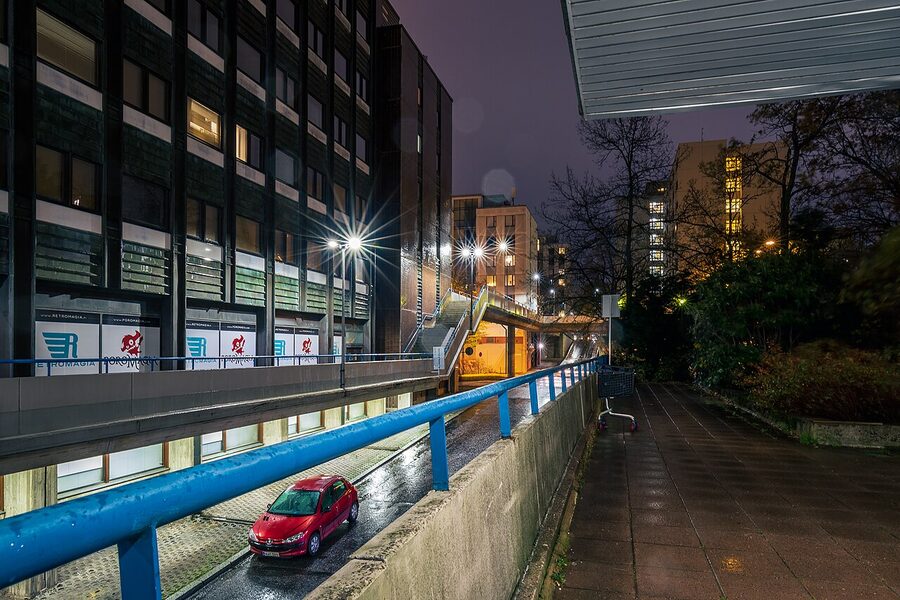
Pasila is not a tourist neighbourhood, and it shouldn’t be on your Helsinki itinerary unless you have business there. Itä-Pasila (East Pasila) was built fast in the 1970s and 1980s as a planned office and housing district, and it shows. Concrete walkways suspended over the streets. Aluminium cladding. The whole place is a monument to a kind of Finnish urban planning that the country has since spent forty years quietly walking back from.
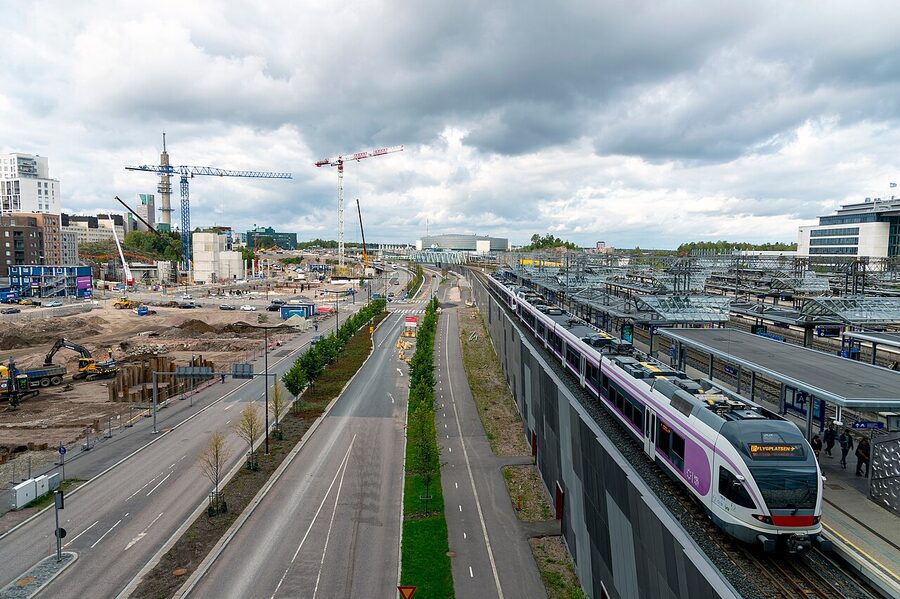
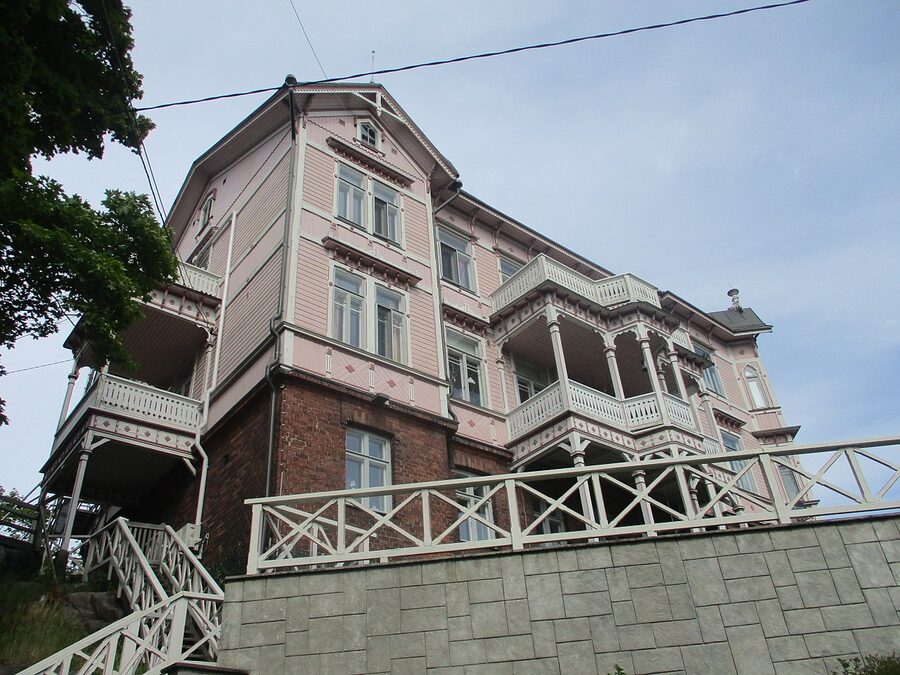
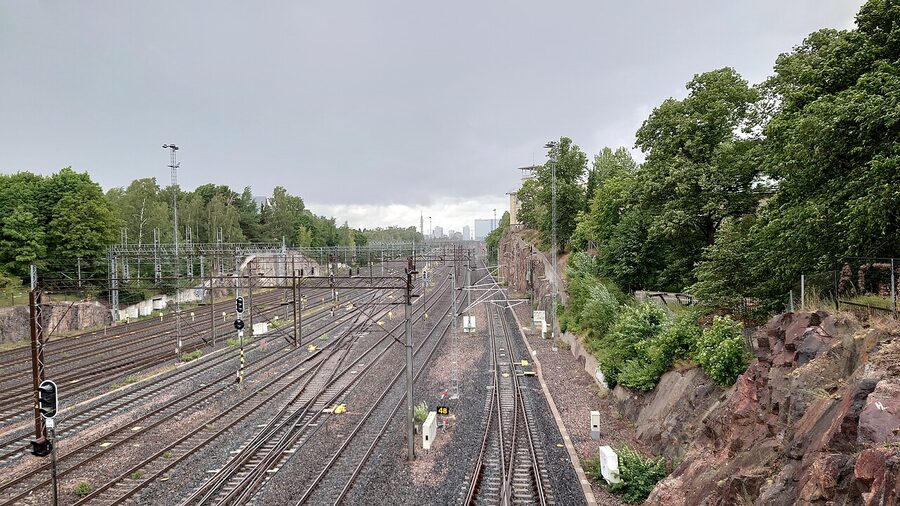
The Mall of Tripla is the practical anchor. The food court is in the lower level, K Supermarket on -1, and there are a couple of decent breakfast cafés (Kaffecentralen, Robert’s Coffee) on the ground floor. If you arrive in Helsinki the night before MATKA on the overnight train from Rovaniemi or the early morning ferry, Tripla will be the only thing open at 07:00, and that matters.
What to do before and after the fair
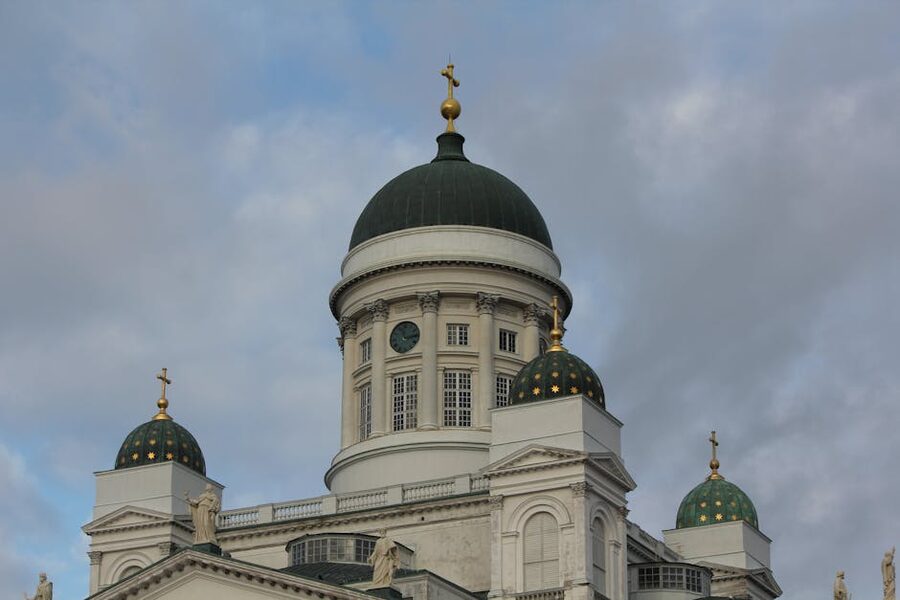
One of the things I like about MATKA’s January slot is that it pairs with the rest of a Helsinki winter weekend without any of the obvious things being closed. A possible two-and-a-half day shape:
Friday morning. Arrive on the overnight ferry from Stockholm into the West Harbour around 10:00. Walk fifteen minutes to Helsinki Central. Train to Pasila. Drop bags at the Holiday Inn or hand them to Tripla luggage. Eat at the K Supermarket bakery. Spend the afternoon at the fair.
Friday evening. Train back to the centre. Sauna at Löyly on the seafront, dinner around Punavuori or Kallio. The fair will run until 19:00 if you want a longer day, but you’ll have seen most of what you need by 16:00.
Saturday. Whatever you didn’t get to at MATKA. The Saturday opening hours give you a clean 10:00–18:00 window. If you’ve already had your fill, this is the day for Suomenlinna, the Design Museum, or a long lunch at the Old Market Hall. Helsinki is a small city; you don’t lose much by walking everywhere.
Sunday. Train north. The night train from Helsinki to Rovaniemi or Kemijärvi runs every evening, and pairing MATKA with a Lapland half-week is the obvious move if you’ve come this far. If you’d rather, head north for the northern lights via my Finnish Lapland aurora guide.
If you came in from Sweden, the easiest exit is the same way you arrived. The overnight ferry from Stockholm to Helsinki runs daily on Tallink Silja and Viking Line, and Sunday’s late departure puts you back in Stockholm in time for Monday morning.
What to bring, eat and not be surprised by
A few things that aren’t obvious from the official site.
The cloakroom is cashless, and so is the event office. Bring a card. The ticket counters take cash, but nothing else inside the building does. The lockers are coin-operated and accept €2 (refunded on return), which is a fine system if you’ve remembered to bring a €2 coin and useless if you haven’t.
Free coffee at the Finnish stands. Visit Karelia and a couple of the other Finnish regions usually run free coffee for the first hour of each day. It’s bad coffee. Take it anyway; it’s the lubricant that keeps the conversations going.
The Tasty Travel area is genuinely free, but the rules vary stand-to-stand. Most national pavilions do free tasting; some Greek and Italian operators charge for the bigger plates. There’s no upgrade ticket required.
Bring brochures back if you book later. The pricing on the brochures handed out at the fair is often slightly above what’s on the operator’s website, but several of the smaller Finnish operators run “MATKA week” discounts if you book by the end of January and reference your fair visit.
Don’t fly out the same evening as Sunday close. The fair shuts at 18:00, last admission 17:30. Pasila to airport is forty minutes door-to-door minimum, security at Vantaa starts pulling in twenty minutes before scheduled departure on Finnair short-haul. The maths doesn’t work if you tried for a 21:00 flight.
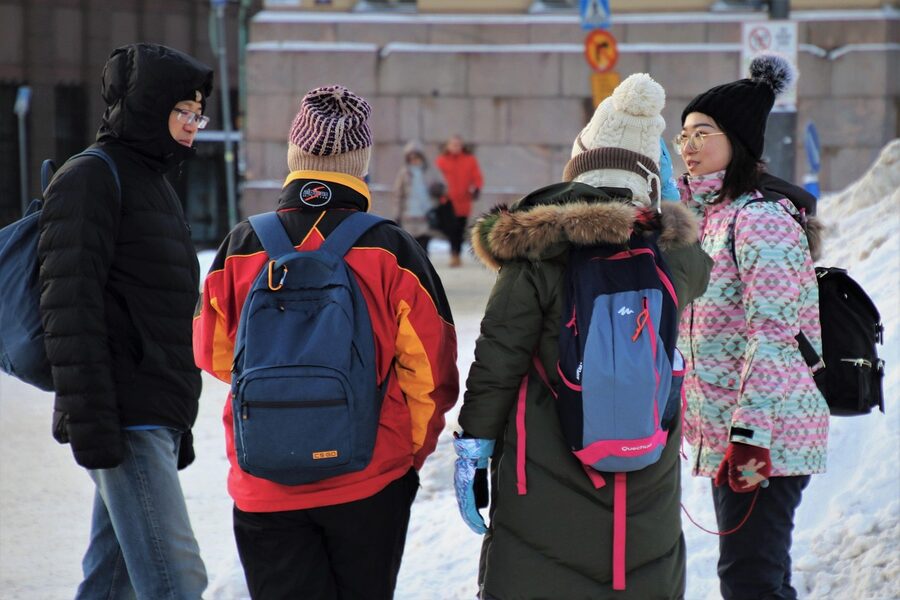
The wind on Pasilansilta is the worst part of any winter day at the fair. Bring a hat and a scarf. The walk is open to the south, the bridge gets a clean run from Töölönlahti, and the temperature gauge always reads colder there than the official Helsinki forecast. Local trick: walk through the Tripla station underpass instead of over the bridge if the wind has started.
Should you actually go?
If you’re in Helsinki in late January for any other reason, MATKA is the easiest €19 you’ll spend. You get four hours of national tourism boards, a stage programme that’s better than it has any right to be, and an unfiltered look at what Finns think the next year of travel is going to look like. The free coffee is bad and the Pasilansilta wind is brutal, but the floor-level information density is extraordinary and you walk away with a Lapland operator’s mobile number and a strong sense of which Mediterranean countries are going to court Finnish charter business hardest in the next twelve months.
If you’re flying in from elsewhere just for MATKA, the calculation is harder. The fair on its own isn’t worth a transatlantic flight unless you’re in the travel trade. Stitched together with three days of winter Helsinki, an overnight to Lapland, or the ferry leg from Stockholm, it earns its place in the trip. The Helsinki city guide covers what else there is to do in the rest of the weekend.
Go on the public Saturday if you can. Buy your ticket online before 1 January. Bring a hat. Eat the meze.