Oslo to Geiranger is 461 kilometres on the map and seven hours behind the wheel if you don’t stop. Bergen to Lofoten is 1,650 kilometres, two ferries, and three days of driving even at Norwegian summer speed limits. Norway is bigger than people think. The country runs 1,750 km from Lindesnes in the south to Nordkapp at the top, and there are no motorways for most of it. Most of the roads you actually want to drive are 80 km/h two-lane tarmac that runs along a fjord on one side and a mountain on the other, and stops every twenty minutes for a tunnel or a ferry. That is the trip. That is also why people who plan a Norway road trip on a paper map of Europe end up booking ten days, driving fourteen hours a day, and seeing a windscreen.
This is the practical version. Three loop options from Oslo by length: 7 days for the Sognefjord-only loop, 10 days for the full fjord loop including Geiranger and the Atlantic Road, 14 days if you want to add Lofoten on the back end. Real driving hours, not Google Maps numbers. Verdicts on which segments are worth the petrol bill and which are filler. Plus the bits that nobody mentions until you’ve already booked the rental: Norwegian winter tyres are mandatory from November to April, the toll system bills your home address weeks after you leave, mountain passes including Trollstigen and Sognefjellet are closed half the year, and the Atlantic Road is a 90-minute novelty rather than a destination.
In This Article
- When to go: the four-month window
- The 18 National Tourist Routes you’ll actually want to drive
- The car rental, the toll system, and the Norwegian fuel bill
- The 7-day Sognefjord loop from Oslo
- The 10-day fjord loop with Geiranger and the Atlantic Road
- The 14-day version with the Lofoten extension
- The skip-list
- Where to stay each night, in one list
- The winter version: the southern loop only
- Camping, allemannsretten, and the gravel-pull-off culture
- Flåm and the railway: the spur worth the day
- What to pack and what not to
- The numbers
- The cross-Norway view
When to go: the four-month window
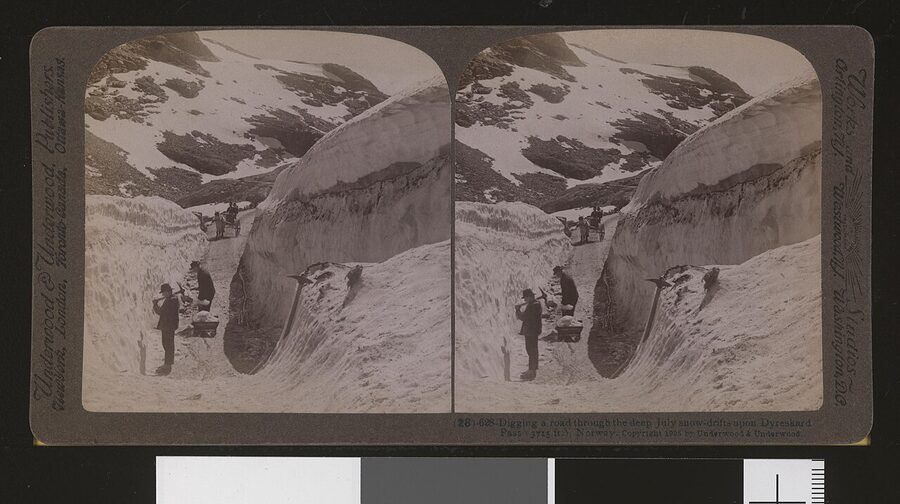
Norway has a real road-trip season and a real off-season, and they don’t overlap. From late May to mid-September the mountain passes are open, the ferries run on full schedule, and the daylight runs from 04:30 to 23:00 in June. Outside that window most of the iconic routes you booked the trip for are physically closed. Trollstigen typically opens around 18 May and closes around 1 October. Sognefjellet, the highest mountain pass in northern Europe, opens late May and closes by early November. The Geiranger-Hellesylt ferry runs only from May to October. Aurlandsfjellet (the Snow Road) is closed October to May. The Atlantic Road stays open year-round but the bridge sections close in storms, which is most weeks from November to February.
The four windows in practice:
Mid-June to mid-August is high season. Everything is open, every ferry runs, every guesthouse has a coffee machine going at 7am. It’s also the most expensive (rentals are 30 to 50% above shoulder season), the most crowded (Geiranger village population multiplies by thirty when the cruise ships arrive between 09:00 and 16:00), and the buggiest (mosquitoes inland in late July are real). The midnight sun north of Trondheim from late May to mid-July is the trade-off; you can drive at 23:00 in lateral gold light and that’s a proper memory.
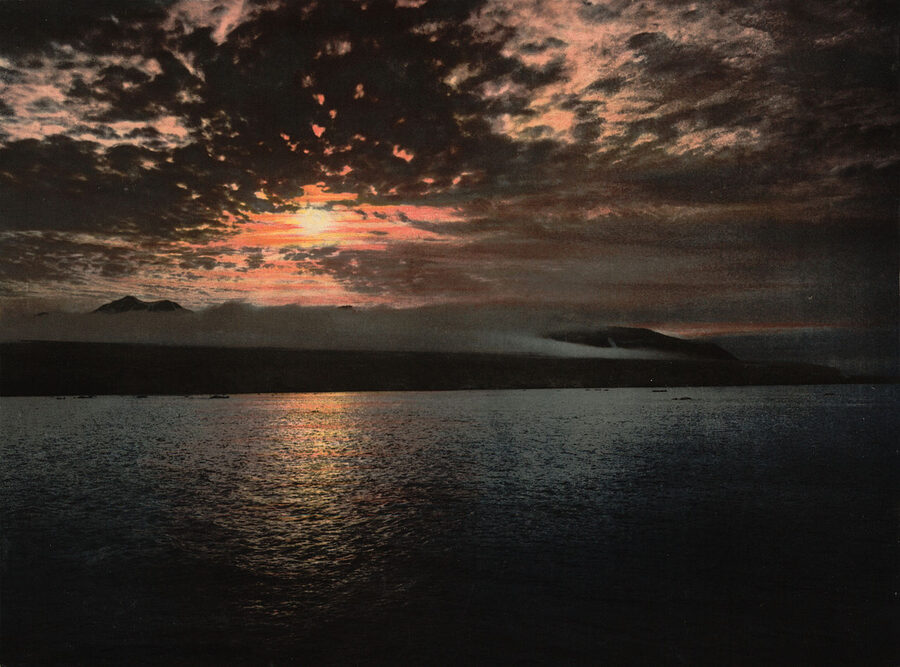
Late August to mid-September is the sweet spot. The crowds thin out by 25 August. Days are still long enough for full driving days. The first proper aurora appears from late August onwards. Weather is a mix of bright cold days and the occasional storm. Prices drop. I’d take the second week of September over any week in July if I was choosing.
Late May to early June is the spring shoulder. The mountain passes open week by week. The waterfalls run at full force from snowmelt. Hotel availability is open a fortnight out rather than four months out. The risk: a late spring can keep Trollstigen and Sognefjellet shut into the second week of June. Check Vegvesen.no the week before you fly.
Mid-October to mid-May is winter. You can still drive, but on a reduced southern loop only: Oslo, Bergen, Stavanger, the Hardangerfjord, the Hurtigruten as a way to get to Lofoten by boat. The interesting fjord-loop stuff is closed. People do drive Norway in winter and have a good time, but it’s a different trip with snow tyres, much shorter daylight, and the explicit acceptance that Geiranger is unreachable by road from October to May.
The 18 National Tourist Routes you’ll actually want to drive
The Norwegian Public Roads Administration (Statens Vegvesen) runs a scheme called Nasjonale Turistveger. Eighteen drives, each chosen because it’s beautiful and because it can be improved with proper rest stops, viewing platforms, and architect-designed pull-offs. The scheme has been running since 1997 and they’ve spent decades commissioning Reiulf Ramstad, Snøhetta, Peter Zumthor, and others to build the platforms. They are not just signs at the top of a viewpoint. They are the reason a fjord pull-off in the middle of nowhere has a Pritzker-laureate concrete shelter and a public toilet that’s spotless. Their official map and route descriptions live at nasjonaleturistveger.no.
You will not drive all eighteen on a single trip. The realistic answer for a 10-day fjord loop is four or five of them. The five I’d plan around:
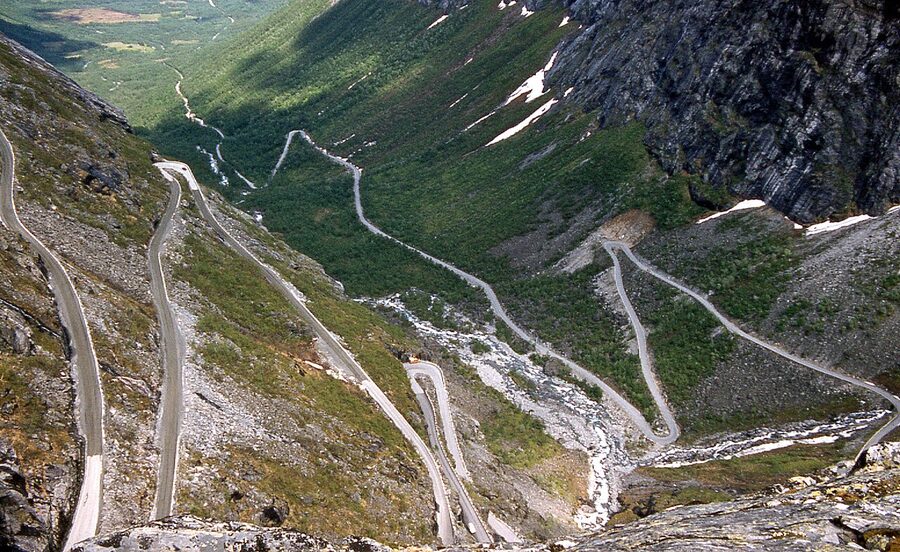
Geiranger-Trollstigen. The classic. Drives from Geiranger village up the Eagle’s Bend on Route 63, over the mountain plateau through Valldal, and down Trollstigen to Åndalsnes. About 100 km, three to four hours with stops. Both ends have architect-designed platforms. This is the single most spectacular drive in southern Norway and it’s a half-day rather than a full day.
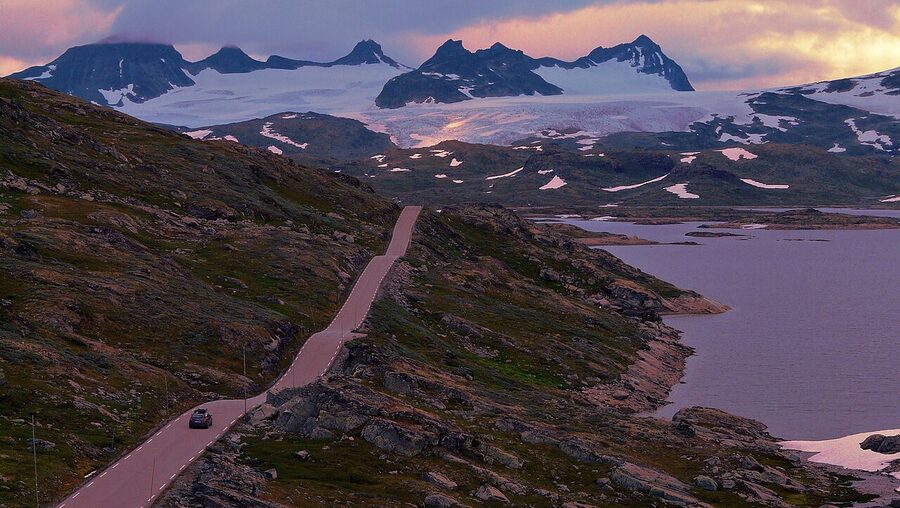
Sognefjellet. Norway’s highest mountain pass, 1,434 metres at the top, between Lom and Skjolden on the Sognefjord. Open late May to mid-October only. Drives through high mountain plateau between glaciers, with stops at Mefjellet and Vegaskjelet platforms. About 100 km, two and a half hours. The road from Lom on the eastern side does the climb in 27 km of switchbacks.
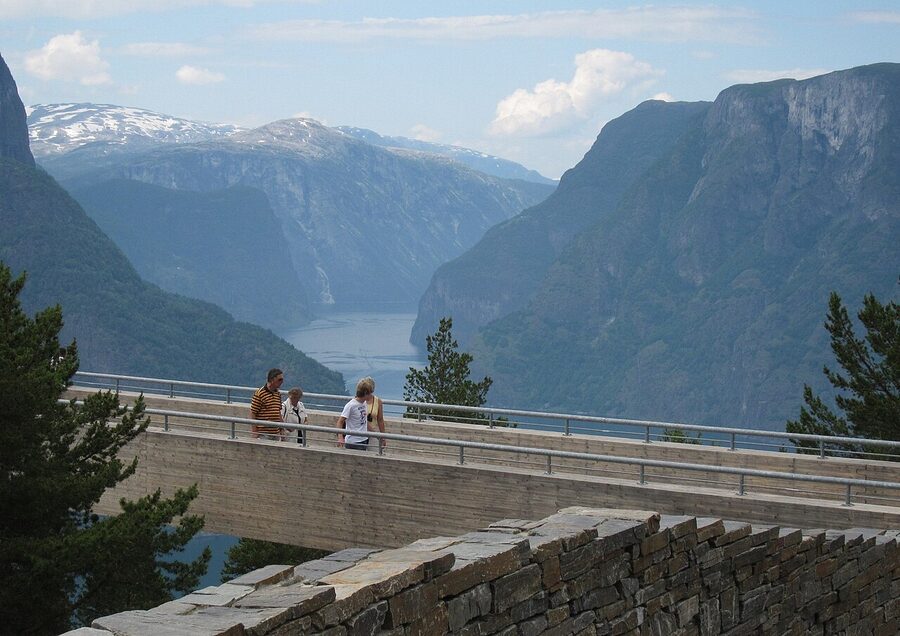
Aurlandsfjellet (the Snow Road). Aurland to Lærdal over the high plateau, 47 km. Closed October to early June. The Stegastein viewing platform at 650 metres above the Aurlandsfjord, designed by Todd Saunders and Tommie Wilhelmsen, is the photo nobody who doesn’t drive this road gets.
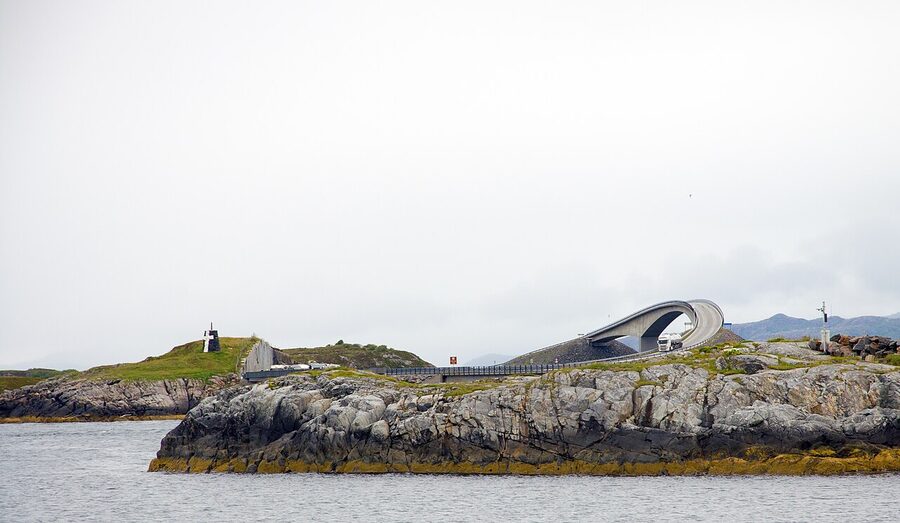
Atlanterhavsvegen. The Atlantic Road, 8.3 km of bridge-and-causeway between Vevang and Kårvåg on the western coast. Open year-round, closed in storms. It’s a National Tourist Route for the engineering rather than the length. Plan 90 minutes to drive it both ways with stops. Don’t plan a day around it.
Gamle Strynefjellsvegen. The old Strynefjell road, the original 1894 mountain road between Stryn and Grotli, closed to through traffic now and signposted as a tourist route only. 27 km of unpaved gravel through the high pass, one carriageway, and you are absolutely going to meet a tour coach coming the other way. Open July to early September.
The other thirteen are good to brilliant depending on season and what you want; I’ll flag specific ones inside the loop itineraries below.
The car rental, the toll system, and the Norwegian fuel bill
Renting in Norway is straightforward in summer and complicated in winter. Sixt, Hertz, Europcar, Avis, and Avis-owned Budget are all at Oslo Gardermoen and Bergen Flesland airports. Expect 700 to 1,200 NOK (~€60 to €103) per day in summer for a compact, double that for a winter-ready 4×4 with studded tyres. Booking three to six months out for July and August saves about 30%. The cheapest pickup is at the airport, never in town, and never at a regional airport like Ålesund or Molde where the desk markup is 30% to 50%.
Two practical gotchas the rental desks don’t volunteer:
Tolls run on AutoPASS, the national electronic system. Almost every rental car has a transponder fitted. The rental company adds a service fee of 50 to 200 NOK on top of the actual toll charges and bills your home credit card four to eight weeks after you return the car. Total tolls on a 10-day fjord loop are typically 1,000 to 1,500 NOK (~€86 to €129) plus the service fee, more if you cross the Oslo cordon multiple times. Independent foreign cars register at EPCPLC or EuroParking Collection and pay through them. Don’t try to ignore the tolls; the system reads number plates at every gate.
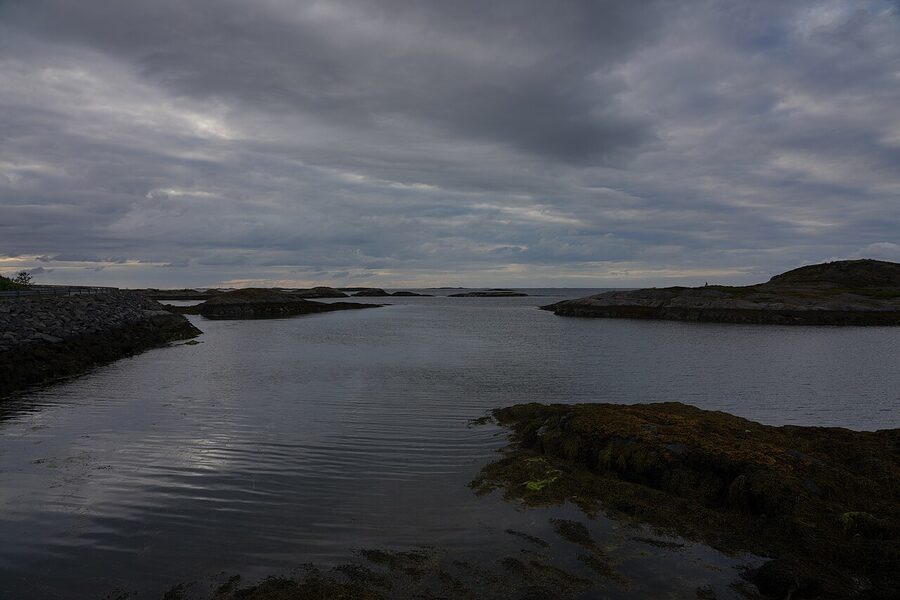
Ferries used to use Ferjekort, a top-up fuel card that gave you a 50% discount on certain routes. AutoPASS for ferjer, the modernised version, replaced it. Foreign-registered rental cars usually pay the full standard fare on each ferry crossing, around 200 to 400 NOK per car for a short crossing and up to 1,400 NOK for the Bodø-Moskenes Lofoten ferry. Save the receipts. Some rentals offer a discount card you can request at pickup, others don’t, and it’s worth asking explicitly.
Fuel sits at roughly 22 to 25 NOK per litre at the time of writing, about €1.90 to €2.15. Norway is the most expensive country in Europe for petrol. Budget about 4,500 to 5,500 NOK (~€385 to €470) for a 10-day fjord loop in a compact car driving 2,000 km, more in an SUV. Diesel is slightly cheaper, EV charging cheaper still if you’ve rented an electric and you’re patient with charge stops in remote villages.
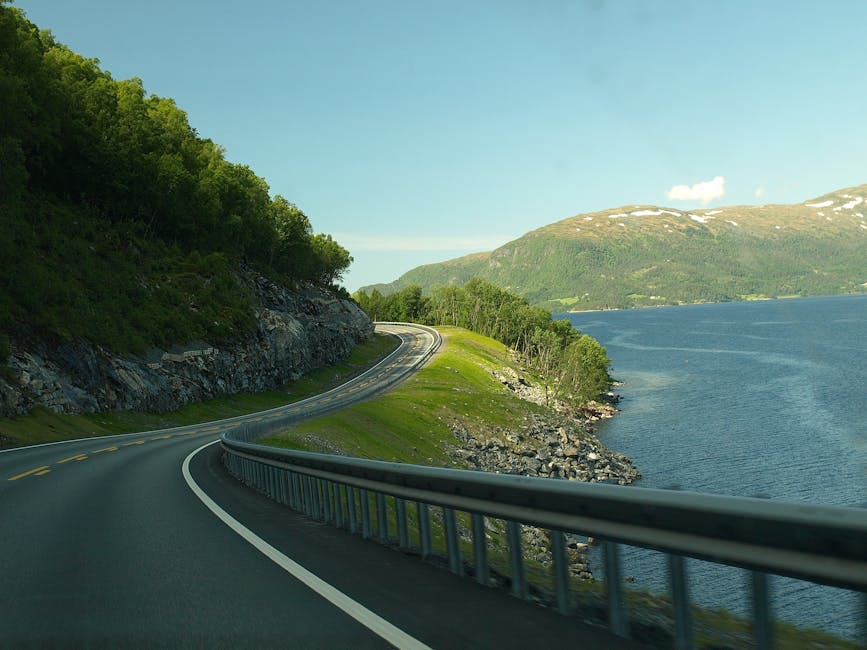
Speed limits are 80 km/h on most rural roads, 90 km/h on a few stretches, 100 km/h on a few short motorways near Oslo, and 50 to 60 km/h through villages. The police enforce, and the fines are severe: 8,000 NOK (~€690) for 21 km/h over a 60 km/h limit. There are speed cameras on the Oslo to Bergen route every 50 km or so. Drive the limits. The roads are slow for a reason; they’re cliff-edges with two-way traffic.
The 7-day Sognefjord loop from Oslo
This is the loop for travellers with one week. Oslo as the airport, Bergen as the airport at the other end, a one-way rental that costs about 1,500 NOK extra in drop-off fees, and the fjord country in between. Total driving is around 1,200 km. Real wheel time is about 22 hours over six driving days, leaving the seventh for Bergen.
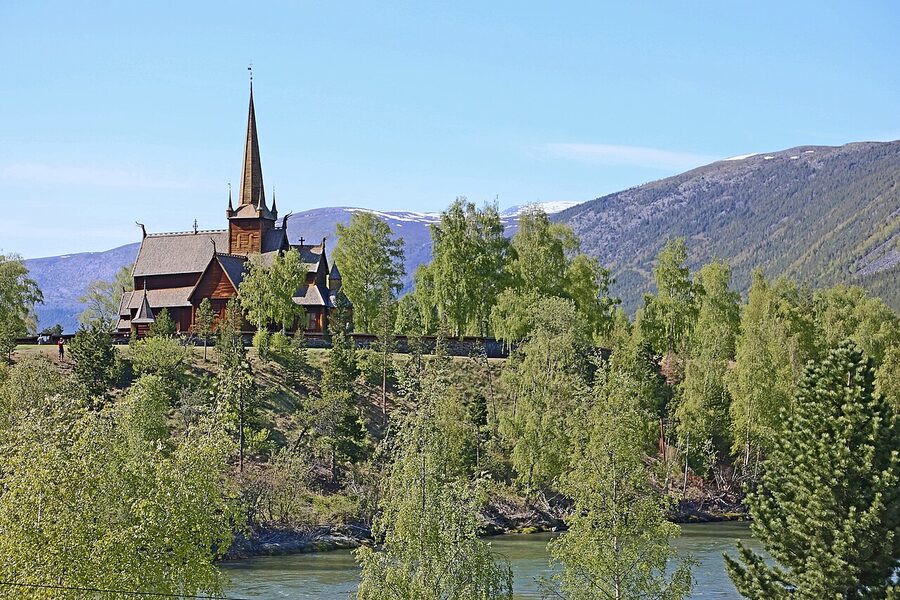
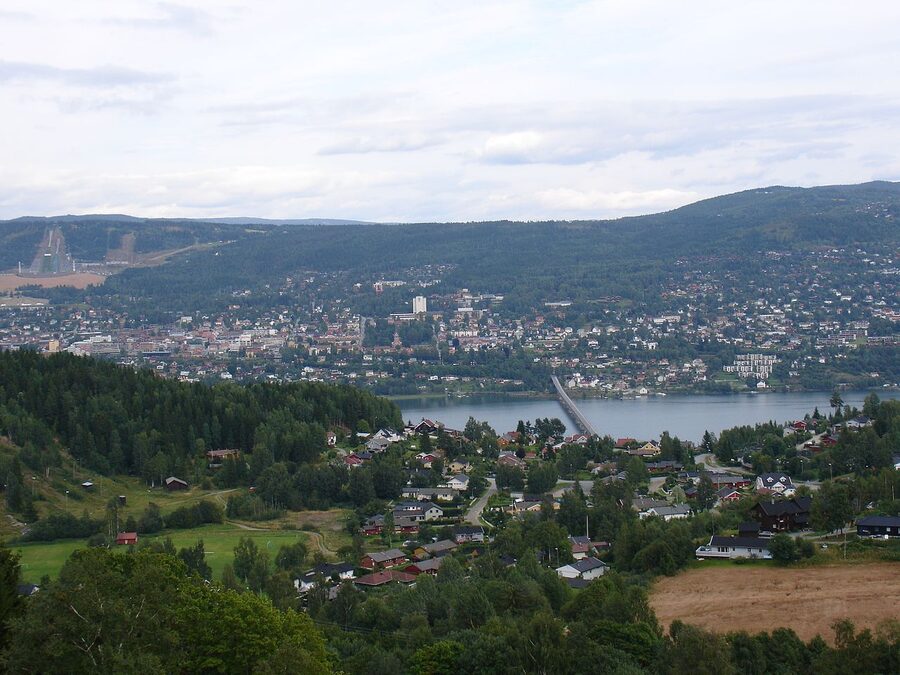
Day 1: Oslo to Lillehammer to Lom (310 km, 5h driving net, plan 8h with stops). Pick up the car at Gardermoen by 09:30. Drive north on the E6 to Lillehammer, which takes about two hours. Stop at the Maihaugen open-air museum if it’s an hour you have, skip it if it isn’t. Lunch in Lillehammer or push through. Then turn west on the E136 along the Gudbrandsdal valley, then north on the E15 (Otta to Lom). Lom has a beautiful 12th-century stave church (entry 90 NOK ~€8, open 09:00 to 19:00 in summer) and the Norwegian Mountain Museum (110 NOK ~€9.50). The drive through the valley is calm and pretty rather than dramatic; the drama starts the next morning.
Sleep at Elveseter Hotel in Bøverdalen, 18 km west of Lom along the road towards Sognefjellet. It’s a working farm-hotel with original 1700s log buildings and a sensible breakfast spread. Røisheim Hotell is the alternative two valleys further on, more upmarket and more atmospheric.
Day 2: Lom to Skjolden over Sognefjellet (110 km, 3h driving net, plan 6h with stops). The Sognefjellet road. This is one of the great drives in Europe and you should give it a full half-day, not a thrash. Climb out of Bøverdalen, gain 1,400 metres, top out on the Sognefjellet plateau between glaciers, descend through the Mørkridsdalen valley to Skjolden at the head of the Sognefjord. Stops at Mefjellet platform, Nedre Oscarshaug viewpoint, and the Vegaskjelet rest area. The pass road is closed October to late May. In late May or early September it’s empty; in July it’s a procession of motorhomes you’ll be stuck behind.
Skjolden is a small village at the deepest inland point of the Sognefjord. From here you have two choices for the rest of the day. Either drive 50 km west to Sogndal and stay at Hotel Mundal in Fjærland (an hour north of Sogndal, on the Fjærlandsfjord, 1891 wooden hotel, the village has a glacier museum and a feeder road to the Jostedalsbreen glacier arm). Or drive south down the Lustrafjord to Solvorn for the Urnes stave church ferry (Urnes is the oldest stave church in Norway, UNESCO-listed since 1979, and the small ferry from Solvorn is part of the experience).
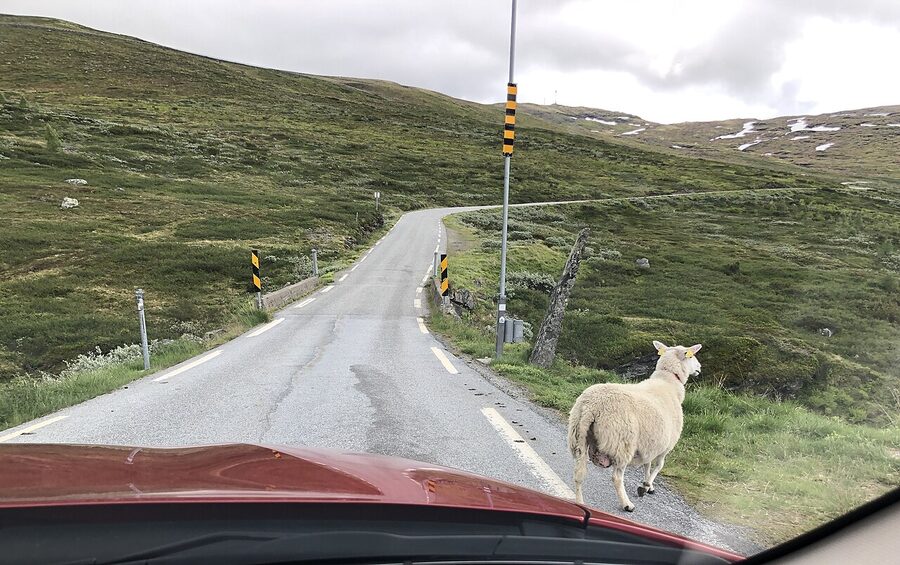
Day 3: Skjolden / Fjærland to Aurland over the Aurlandsfjellet (130 km, 3h net, plan 7h). Drive south through Sogndal, take the Mannheller-Fodnes car ferry across the Sognefjord (15 minutes, runs every 30 minutes, 110 NOK ~€9.50 for a small car), then climb east up the E16 to Aurland. From Aurland, take the Aurlandsfjellet (Snow Road) east towards Lærdal and back. This is the 47 km loop with the Stegastein viewing platform halfway, the photo where the wooden walkway sticks 30 metres out into thin air 650 metres above the fjord. Open early June to October, closed otherwise. If you have to skip Aurlandsfjellet because of season, the alternative is to push west to Flåm and ride the Flåm Railway down from Myrdal (more on which under “Flåm and the railway”).
Sleep in Aurland or Flåm. Fretheim Hotel in Flåm is the obvious choice (historic, on the harbour, fjord-view rooms in the new wing). Aurland village has small guesthouses if you’d rather avoid the cruise-ship village.
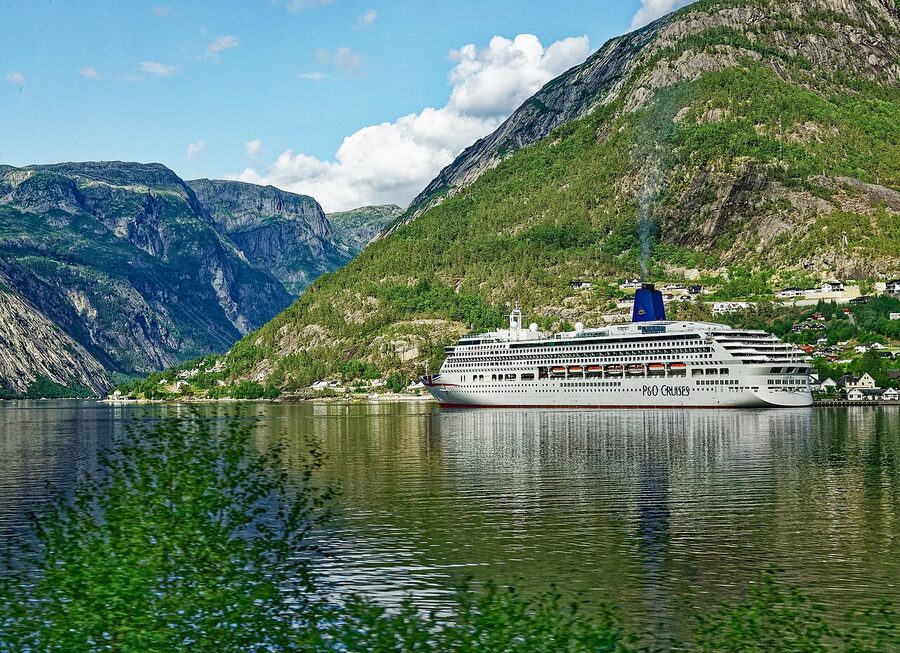
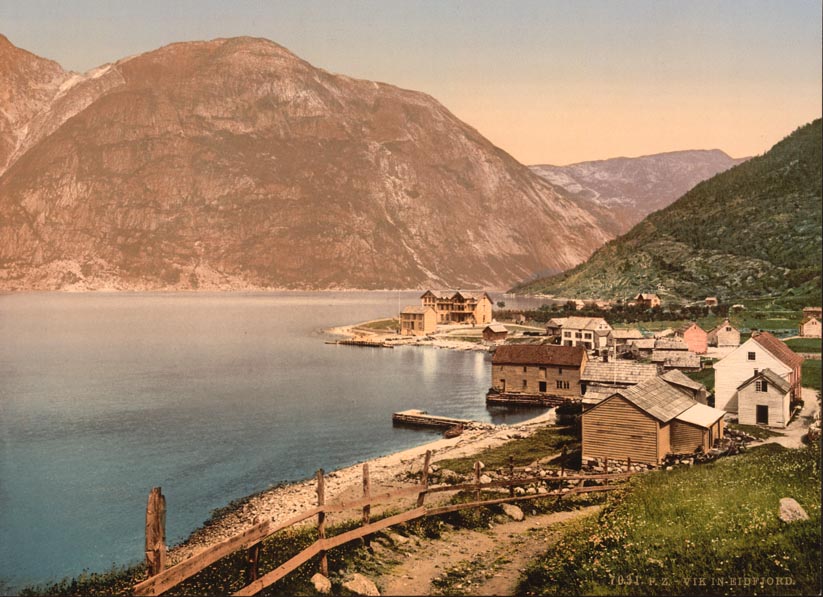
Day 4: Flåm to Voss to Bergen via Hardanger (220 km, 4h net, plan 8h). Drive west on the E16 through the Lærdal Tunnel (24.5 km, the longest road tunnel in the world, with three illuminated mid-tunnel cathedrals to break up the dark). Then south through Voss, where you can stop for lunch at Vossakos cured-meat counter or the Fleischer’s Hotel terrace. From Voss the road forks. The fast option is the E16 straight to Bergen, two hours. The slow option, which I’d take, is to drop south on the Rv13 to Granvin and then loop the Hardangerfjord clockwise through Eidfjord, Kinsarvik, and Lofthus. Add a half-day. The Hardangerfjord is the second-longest fjord in Norway and is famous for cherry and apple orchards on the south-facing slopes. In May the blossom is the photo; in August the cider farms open their doors.
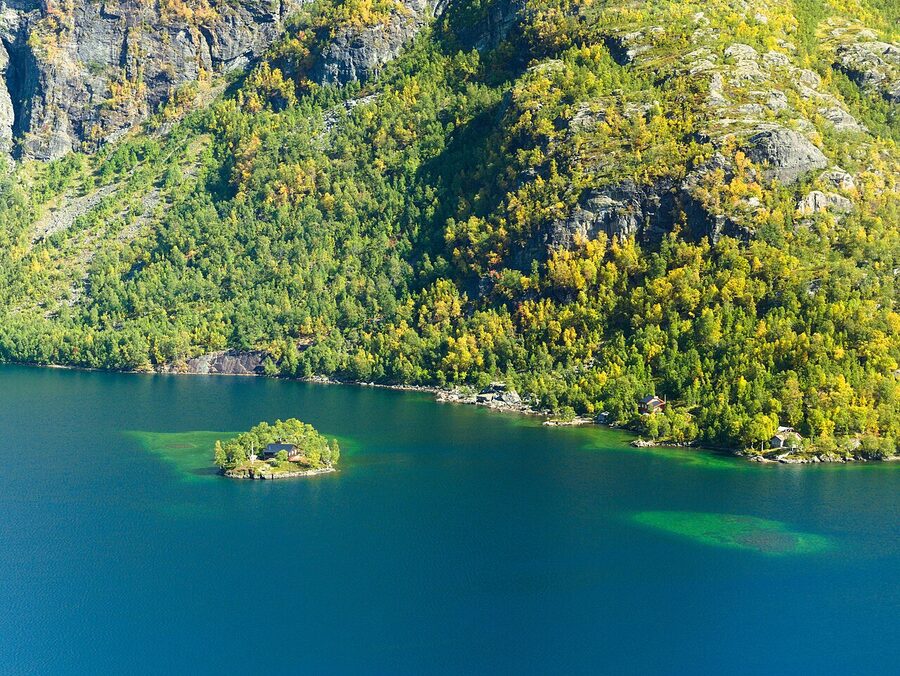
Sleep in Bergen. Three options I’d actually book: Bergen Børs in the old stock exchange building, Det Hanseatiske Hotel on Bryggen itself, or the cheaper Klosterhagen if you want a quieter base.
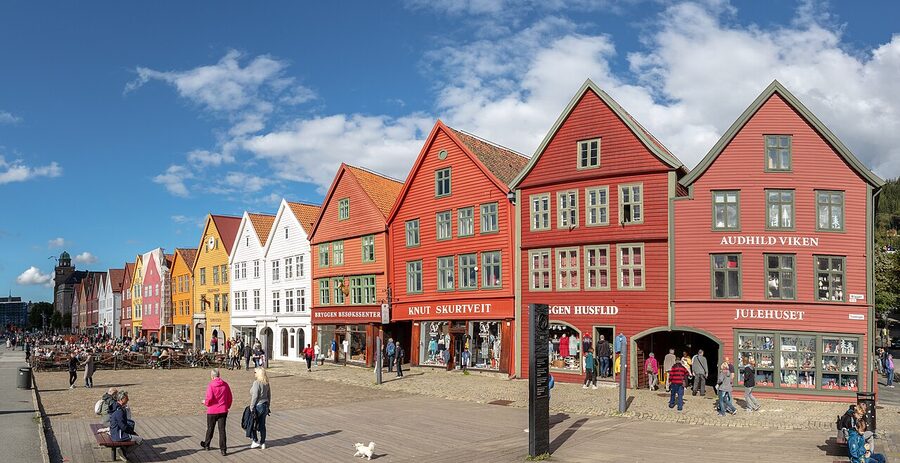
Days 5 to 7: Bergen. Park the rental at the airport on Day 7 morning, fly out. Two and a half full days in Bergen is about right for Bryggen, Fløibanen, the Fish Market split between the tourist hall and Mathallen, KODE 1 to 4 art museums, and a Sognefjord-from-Bergen day-trip if you want one. The detail belongs in a Bergen city guide rather than this article.
The 10-day fjord loop with Geiranger and the Atlantic Road
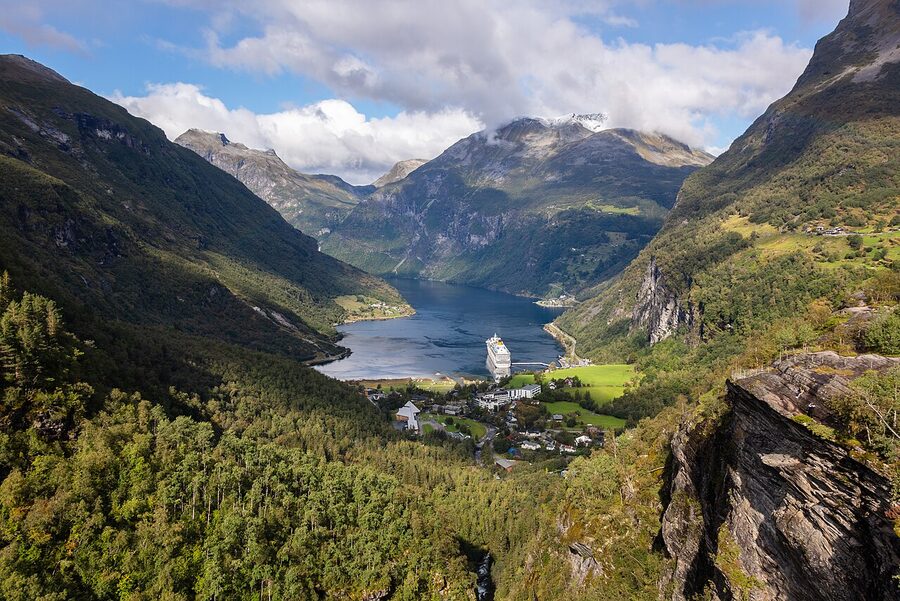
This is the loop most people are actually planning. Oslo to Oslo, ten days, the full fjord arc plus Geirangerfjord and the Atlantic Road on the way back. Total driving is around 2,400 km, real wheel time about 38 hours over eight driving days. The shape is anticlockwise: south-west to Stavanger, north up the western coast through Bergen and the fjords, north-east through Geiranger and the Atlantic Road, then south on the E6 to Oslo. The reverse works too and gets the long Oslo-to-Geiranger run done early; choose by which end you want the easy days at.
Day 1: Oslo to Stavanger (550 km via the E18 inland route, or fly). Stavanger is 8 hours by car from Oslo. Most people fly. SAS, Norwegian, and Widerøe all run multiple daily flights from Oslo to Stavanger, 55 minutes, typically 700 to 1,200 NOK one-way if booked a month out. If you fly, pick up the rental at Stavanger airport and start the drive there. If you drive, the E18 south through Kristiansand and the E39 west are workmanlike; the E39 has the world’s longest undersea road tunnel (Rogfast, opened 2026, 26.7 km, no traffic lights) which is a small thrill if you like infrastructure.
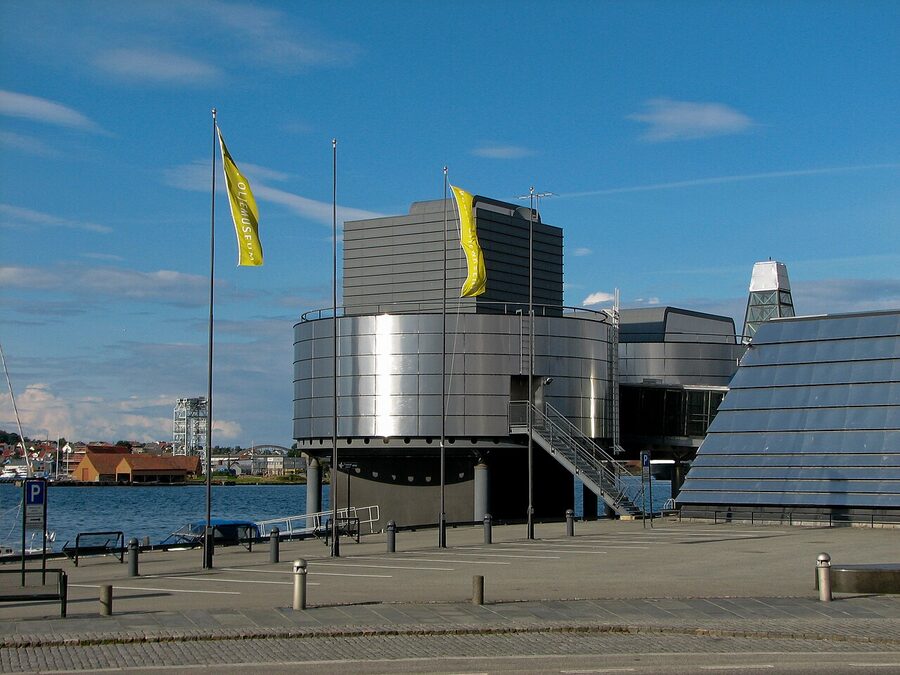
Sleep in Stavanger. Clarion Hotel Energy on the harbour, or Thon Hotel Maritim in the centre, are the practical picks.
Day 2: Stavanger and Preikestolen. The Pulpit Rock hike is 8.4 km return, 500 metres of ascent, four hours typical, the bus from Stavanger via Tau (290 NOK ~€25 return), the parking 250 NOK if you drive. Or skip the hike and take the Lysefjord cruise from Stavanger harbour, two and a half hours, around 720 NOK (~€62), better for travellers who don’t want the climb. Both are covered in detail in our Stavanger and Preikestolen guide; the verdict is that the hike beats the cruise on most days, but the cruise wins on rainy ones.
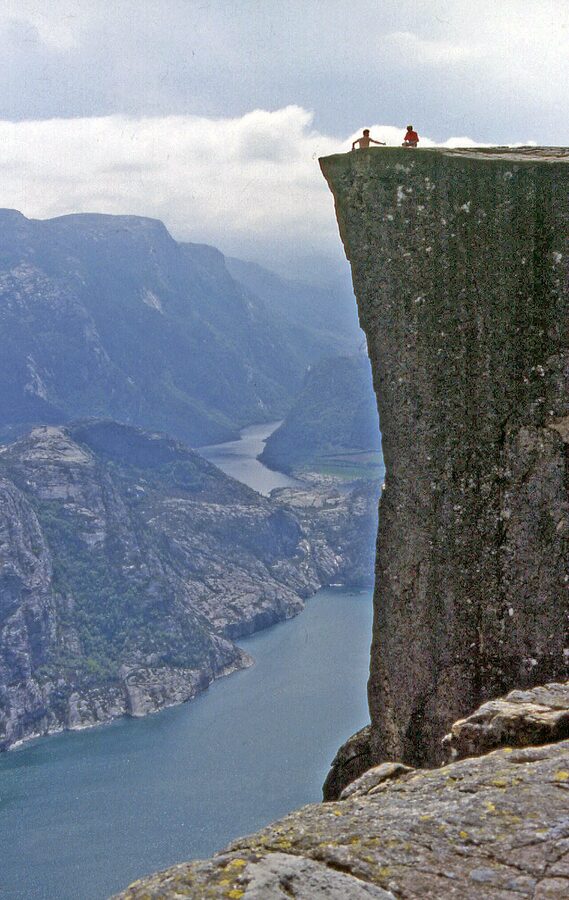
Day 3: Stavanger to Bergen via Hardangerfjord (470 km, 7h driving with two ferries). Drive north on the E39 across the Boknafjord undersea tunnel and through Haugesund, then take the Mortavika-Arsvågen ferry (25 min) and continue to Stord. Cross the Bjørnafjord ferry (40 min) and continue to Bergen. About six hours straight, eight if you turn east at Etne and detour through Odda and the Hardangerfjord. The detour is worth it on a clear day for the orchards and the upper Hardangerfjord; on a wet day the E39 is the better call.
Sleep in Bergen, two nights.
Day 4: Bergen. Bryggen, Fløibanen, Mathallen for lunch, KODE 1 to 4 in the afternoon, dinner at Lysverket or Bare Vestland. The Bergen rain is on average 240 days a year; treat it as the city’s character rather than a problem. Buy a Sydvesten waterproof if you didn’t pack one.
Day 5: Bergen to Geiranger (430 km, 7h with one ferry). The big driving day. Out of Bergen on the E16 north-east to Voss, then the E39 north through Førde to Sandane. From Sandane the F60 east climbs over the Strynefjellet pass and drops you into Stryn at the head of the Strynsvatnet lake. From Stryn it’s another 90 minutes on the F63 along Geirangerfjord’s north ridge to Geiranger village. The full day is 7 hours net, plan 9 to 10 with photos. The Strynefjellet pass closes in winter; in summer it’s open but slow with motorhome traffic.
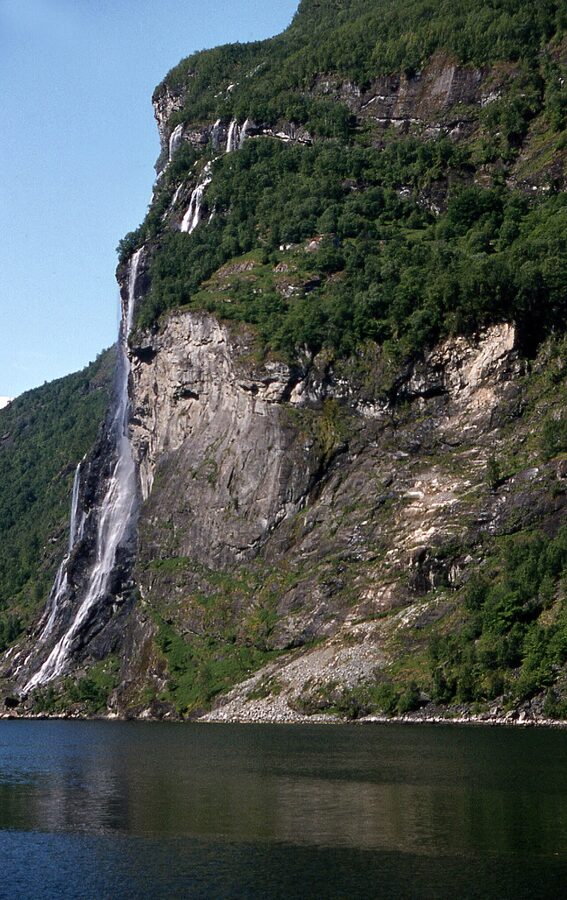
Sleep at Hotel Union Geiranger if you can afford it (the historic 1891 grand hotel, fjord-view rooms run 4,200 NOK in summer ~€360), or Westerås Gard on the hillside above the village (working farm, cabins from 1,400 NOK ~€120, the better view), or Geirangerfjorden Feriesenter in Hellesylt across the fjord (cabins from 1,100 NOK ~€95, you arrive in Geiranger by ferry the next morning, which is the better way to see the fjord).
Day 6: Geirangerfjord and the Trollstigen drive (140 km, 4h net, plan 8h). The Geiranger to Hellesylt ferry runs the length of the UNESCO-listed Geirangerfjord. One hour, around 230 NOK per car, runs four to seven times a day from May to October, and the cruise itself is the experience rather than the means of transport. Or drive east up to the Dalsnibba viewing platform first (1,500 metres, the road through Geiranger Skywalk costs 320 NOK per car at the top toll, summer only). Then back to Geiranger village, north on the F63 over Eagle’s Bend (Ørnesvingen), through Eidsdal-Linge ferry (10 min, runs hourly), and over Trollstigen to Åndalsnes. Trollstigen is the reason you came. Eleven hairpins, 405 metres of vertical, the architect-designed platform at the top, the road open mid-May to October. Drive it slowly. There’s a 100 NOK parking fee at the top; pay the machine and walk to the platform.
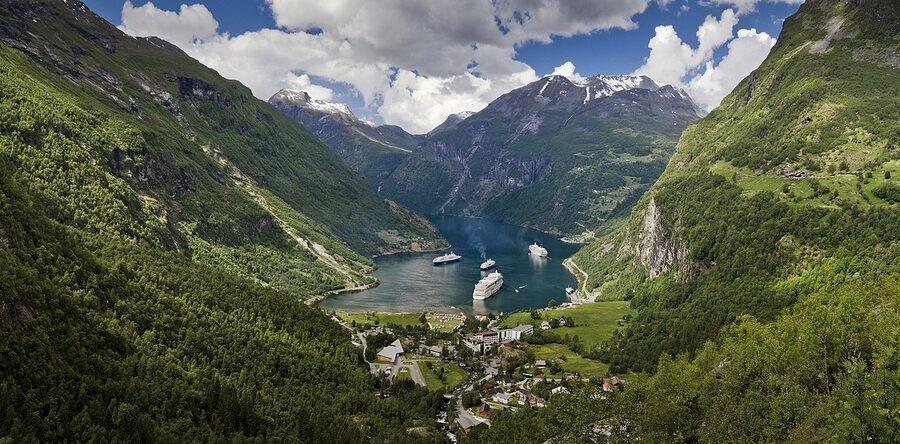
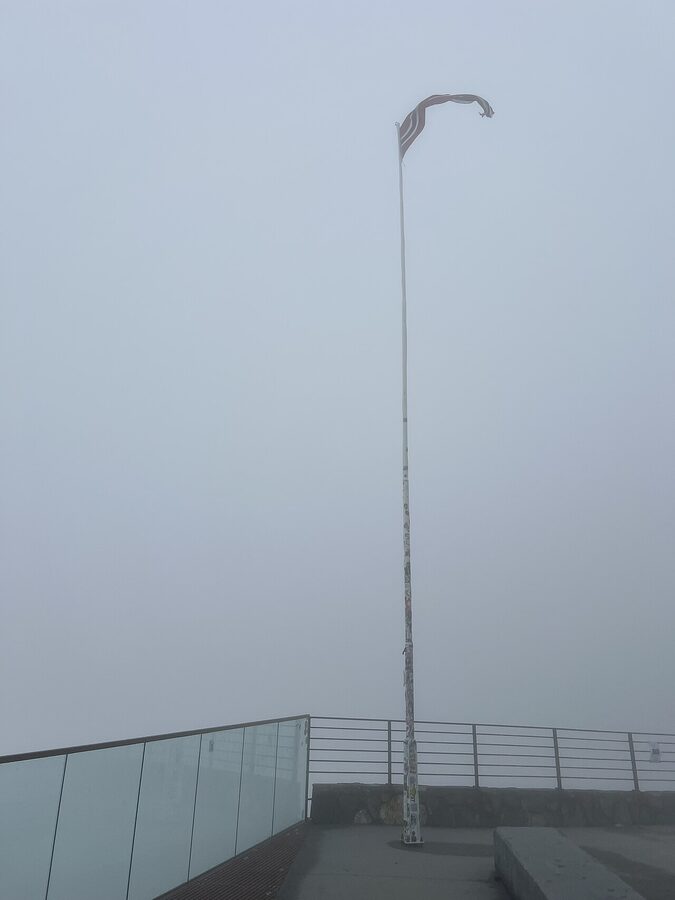
Sleep in Åndalsnes at Hotel Aak (1860 wooden hotel under the Romsdalshorn cliff, the original Norwegian climbing-tourism property), or push 60 km east on the E136 to Bjorli for cheaper farm stays.
Day 7: Åndalsnes to Ålesund and the Atlantic Road (170 km, 4h net, plan 9h). Drive west on the E136 to Vestnes, take the Vestnes-Molde ferry (35 min, every 30 minutes), continue through Molde to the Atlantic Road. The Atlantic Road is 8.3 km of bridge-and-causeway between Vevang and Kårvåg. Plan 90 minutes on the road, including the Storseisundet bridge photo. Then back to Ålesund (90 minutes south, via the Tussen-tunnel under Romsdalsfjorden). Ålesund is the Art Nouveau town rebuilt after the 1904 fire; walk the harbour and climb Aksla for the photo. Hotel Brosundet on the harbour is the upmarket pick.
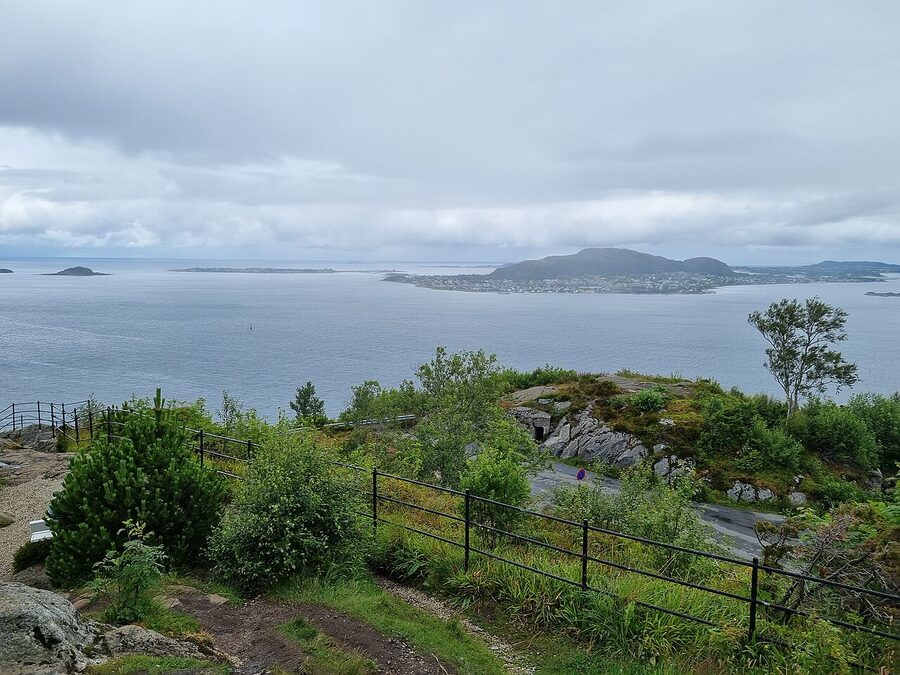
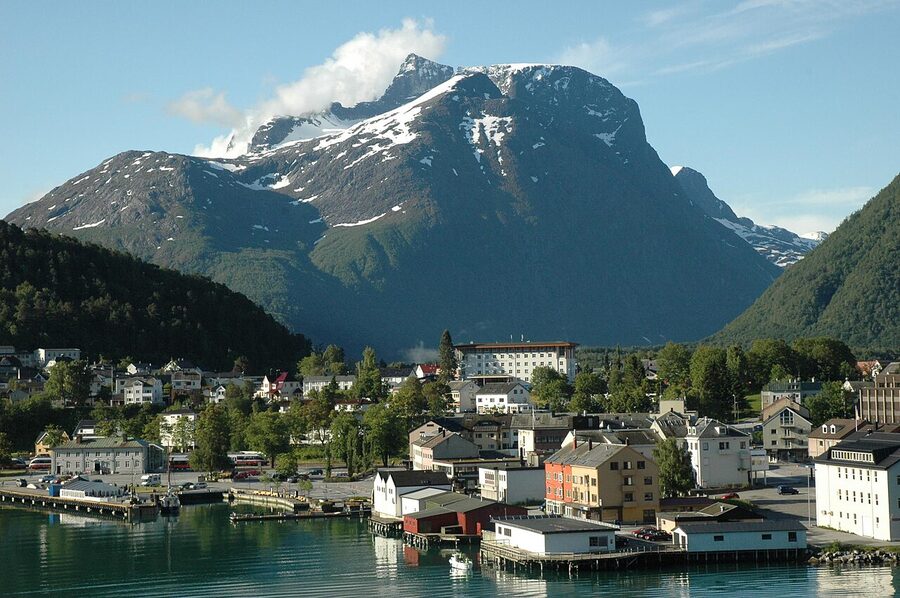
The verdict on the Atlantic Road: the engineering is genuinely interesting, the Storseisundet bridge is a single beautiful image, and the sea on a windy autumn afternoon is dramatic. But it’s 8.3 km. There is nowhere to walk to from there. People who structure a day around the Atlantic Road end up disappointed because there’s nothing else to do at Vevang. Combine it with Ålesund or with Trollstigen on the same day; don’t make it a destination by itself.
Day 8: Ålesund to Geilo via Sognefjellet (530 km, 9h, the long day). Or split it. Push east on the E136 from Ålesund to Lom (5 hours), then south over Sognefjellet to Skjolden, then the Lærdal Tunnel and Hemsedal road to Geilo. This is two long driving days fused into one if you’re in a hurry. The split version is Day 8 to Lom (sleep at Elveseter or Røisheim, see Day 1 of the 7-day loop above), Day 9 over Sognefjellet to Geilo or Hol. I’d split.
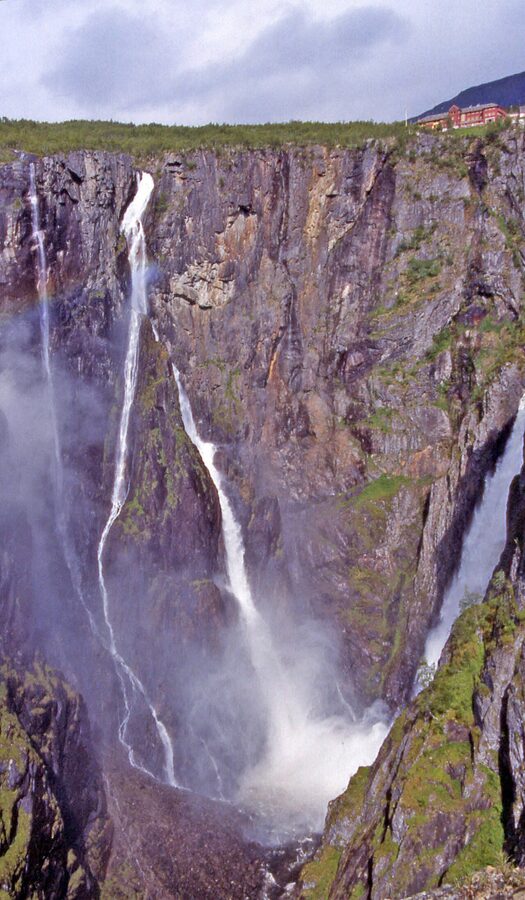
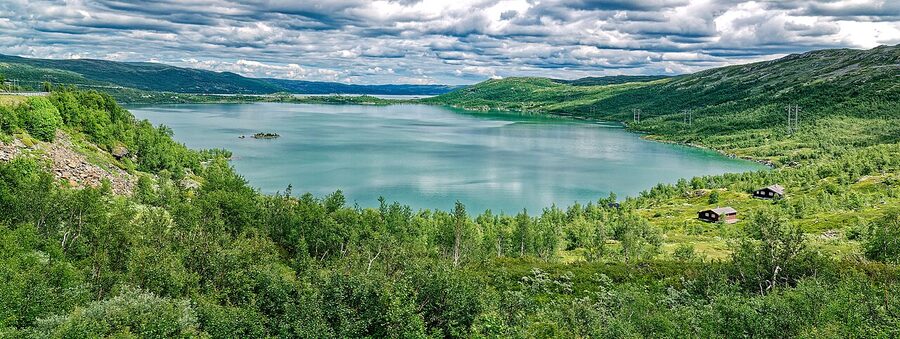
Day 9: Geilo or Hol back to Oslo (230 km, 3h30 net, plan 6h). The Hardangervidda road (Rv7) crosses the Hardangervidda mountain plateau and is the most beautiful east-west route through southern Norway. From Geilo you climb up to Haugastøl, then through the high mountain plateau (1,200 metres, snow well into June), and descend to Hønefoss and into Oslo. The plateau in late autumn is a moody barren brown; in winter it’s snow desert and the road occasionally closes. Stop at the Vøringsfossen waterfall (180 metres single drop, the new viewing platform from 2023) on the western side of the plateau if you have an hour.
Day 10: Oslo, fly out.
The 14-day version with the Lofoten extension
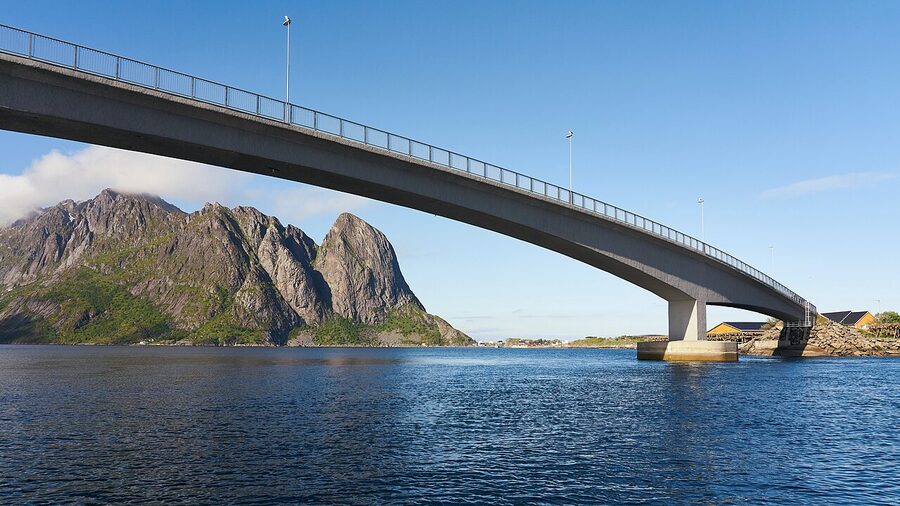
The 14-day loop is the trip if you have the time. The fjords plus Lofoten in one go. The shape: do the 10-day loop in 8 days (cut Stavanger, do Geiranger as a day-trip from Stryn rather than overnighting, and spend less time in Bergen), then push north from Geiranger / Åndalsnes through Trondheim and Mo i Rana to Bodø, ferry into Lofoten, drive the Lofoten archipelago over four days, fly out from Bodø.
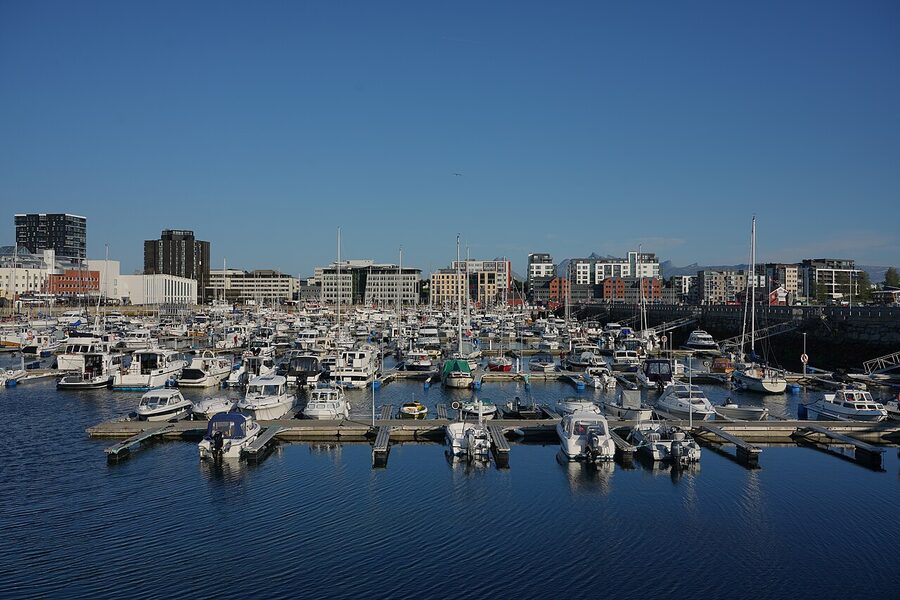
The driving reality. Trondheim to Bodø is 720 km on the E6, plan 11 hours net driving and plan to split it. Mo i Rana is the standard halfway stop. The route runs through the Saltfjellet-Svartisen National Park and crosses the Arctic Circle near Polarsirkelsenteret (the visitor centre is closed for renovation until 2027 at last check; the line itself is signposted at the layby on the E6). Bodø is a small city, dull on its own, worth one night before the ferry.
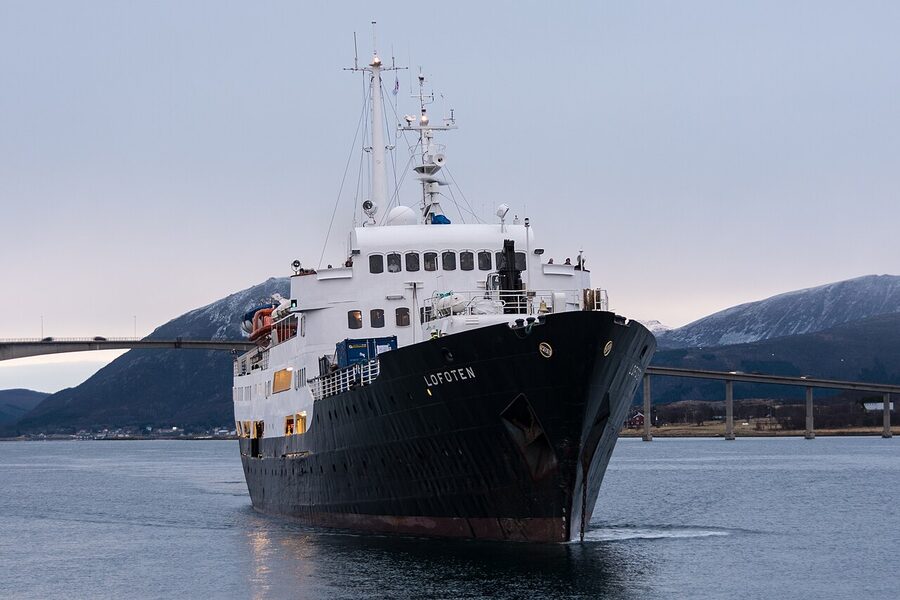
The Lofoten ferry. The Bodø-Moskenes car ferry runs five times a day in summer, three off-season, around 1,400 NOK (~€121) for a small car plus driver. Pre-booking for cars is required in July and August. The crossing is three to three and a half hours through the Vestfjord, and the wall of mountains rising out of the sea for the last hour is one of the proper Norwegian moments. The ferry does cancel in heavy weather; build a buffer into the schedule.
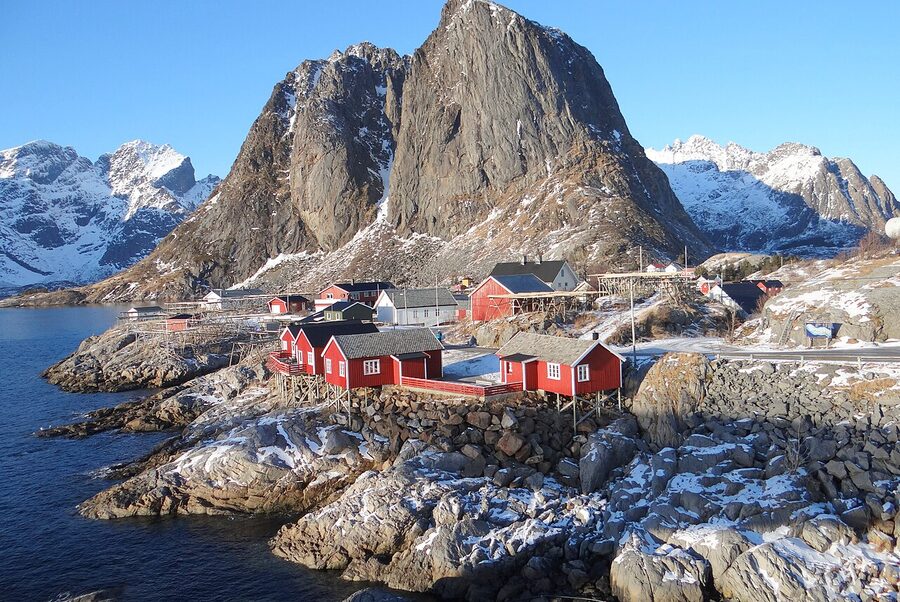
Lofoten in four days. Drive the E10 from Moskenes north through Reine, Hamnøy, Sakrisøy, Nusfjord, Haukland, Henningsvær, Svolvær. Sleep two nights in Reine area, two nights in Henningsvær or Svolvær. Fly out from Bodø (you’ll need to ferry back) or Evenes (drive north and out, no ferry). The full breakdown is in our Lofoten road trip guide.
The flight back from Bodø to Oslo is 1h35 with SAS or Norwegian, typically 800 to 1,500 NOK booked four weeks out. The flight from Evenes is more expensive but saves the ferry. Either way you pay the rental’s one-way drop fee, which on a Bergen-to-Bodø one-way is around 4,500 to 6,000 NOK extra. Painful but unavoidable if you want the Lofoten extension on a fjord-loop trip.
The skip-list
Things that show up in every other Norway road trip itinerary that you should think hard about:
Trolltunga. The 28 km return hike from Skjeggedal to the Trolltunga rock is genuinely beautiful, takes 10 to 12 hours, and ends with you queuing 90 minutes for the photo. It is overhyped to the level that the queue is the experience, not the rock. Most photos you’ve seen of Trolltunga are taken from the position of the queue waiting to step out. If you have the day and you’re a fit walker who can bear queuing in alpine cold, do it. Otherwise it’s a half-day driving each way for a hike where the photo is the same as everyone else’s. The Norwegian Trekking Association keeps it open and they do excellent route info at DNT.no.
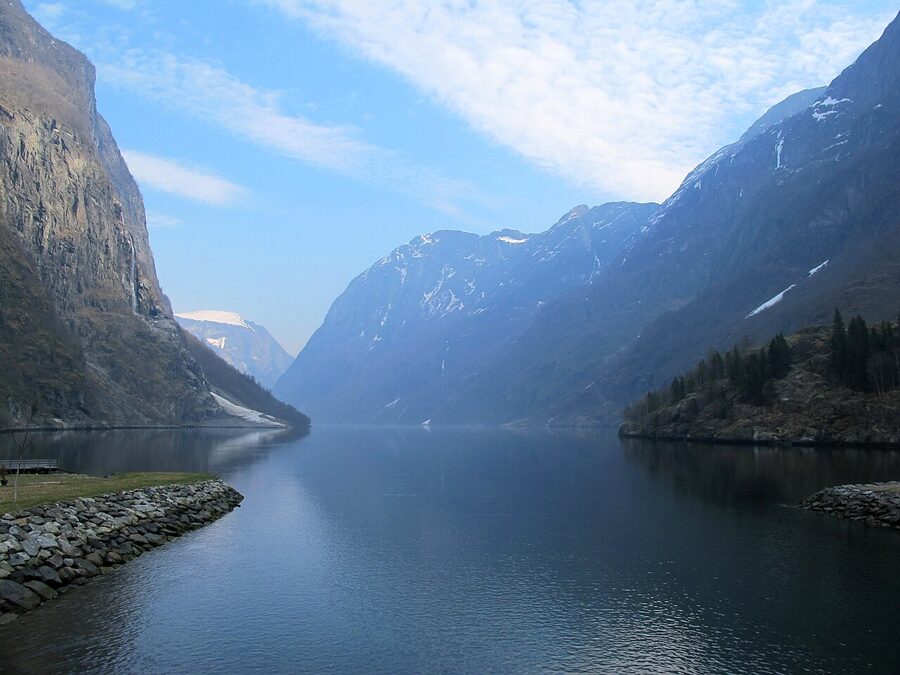
Norway in a Nutshell. This is the trademarked Fjord Tours package combining the Bergen Line, the Flåm Railway, and the Nærøyfjord cruise. It’s been running since the 1980s and they do market it heavily. The package is fine. The DIY equivalent is about 800 NOK cheaper, takes the same trains and the same boat, and you can build it into a road-trip stop at Flåm rather than buying it as a fixed-day tour. If you’re doing the road trip you don’t want the package; you want a day at Flåm with the railway and the cruise added separately.
Trondheim. Yes, Norway’s third city, yes, Nidaros Cathedral is the medieval coronation church, yes, Bakklandet is colourful, but Trondheim is a long detour from any natural fjord-loop route. If you’re doing the 14-day Lofoten extension you’ll pass through it on the E6 and a half-day works fine. If you’re not, skip it. The Bergen-Geiranger axis is more efficient.
Hurtigruten as a route. The coastal steamer is romantic and several hundred kilometres of it duplicates routes you can drive. If you want a one-leg sea segment, Bergen to Trondheim or Trondheim to Bodø is fine. Hurtigruten as the whole vacation is a different trip entirely (it’s a cruise, not a road trip), and you can read up on it in our Bergen Line guide which sketches the Bergen / Hurtigruten / Bergen Line trade-offs.
Trolltunga vs Preikestolen vs Kjerag. The three iconic photo-trips of southern Norway. Preikestolen is the best one for first-time visitors (8.4 km return, four hours, the most photogenic of the three, and the bus from Stavanger is the easiest logistics). Kjerag is harder (12 km return, 800 m ascent, and the Kjeragbolten boulder photo requires a step out onto a wedged rock with a kilometre of air below). Trolltunga is the longest and the most Instagrammed. If you want one, do Preikestolen.
Where to stay each night, in one list
The 10-day loop, ten beds, all on Booking.com:
Day 1, Lillehammer or Lom: Mølla Hotel Lillehammer (former mill, atmospheric central) or Elveseter Hotel in Bøverdalen (working farm, the better photo).
Day 2, Skjolden / Fjærland: Hotel Mundal Fjærland (1891 wooden hotel on the fjord, 30 minutes from the Jostedalsbreen glacier arm).
Day 3, Aurland or Flåm: Fretheim Hotel in Flåm (historic, on the harbour, fjord-view rooms in the new wing).
Day 4, Stavanger: Clarion Hotel Energy (modern, harbour, business-grade) or Thon Hotel Maritim (older, central, breakfast spread).
Day 5 to 6, Bergen: Bergen Børs (2018 conversion of the old stock exchange, the design pick) or Det Hanseatiske Hotel (on Bryggen itself, the location pick).
Day 7, Geiranger: Hotel Union Geiranger (the historic 1891 grand hotel) or Westerås Gard on the hillside (working farm, cabins, the better view).
Day 8, Åndalsnes or Ålesund: Hotel Aak Åndalsnes (1860, under the Romsdalshorn cliff) or Hotel Brosundet Ålesund (Art Nouveau harbour, the design pick).
Day 9, Geilo or back in Oslo: Scandic Lillehammer Hotel if you want one more night out, or push back to Oslo.
Add for the 14-day extension: Quality Hotel Saga Tromsø if you go further north on the trip back, but most travellers fly home from Bodø straight after Lofoten and don’t need a Tromsø stop.
The winter version: the southern loop only

If you want Norway in winter and you want a road trip, the practical loop is southern only. Oslo to Stavanger to Bergen and back, around five to seven days. The Hardangerfjord is reachable by car (the Måbødalen tunnel section runs year-round). The Sognefjord is reachable from Bergen as a day-trip or a night out at Voss / Flåm. Lofoten is reachable by flying to Tromsø or Evenes and renting a 4×4 with studded tyres; the local roads are ploughed but icy and the reduced daylight makes for short driving days.
The hybrid that I’d actually recommend in winter: drive Oslo to Bergen via the south (or take the Bergen Line train; see our Bergen Line guide), then board the Hurtigruten coastal steamer in Bergen for a four-day cabin-and-deck segment to Tromsø, where you base for the aurora and the winter activities. You skip the closed mountain passes, you get the dark sky north of Bodø where the lights actually appear, and the Hurtigruten leg is the comfortable way to do 1,500 km of north-going coast in winter weather. Read more in our Tromsø vs Abisko comparison.
Camping, allemannsretten, and the gravel-pull-off culture
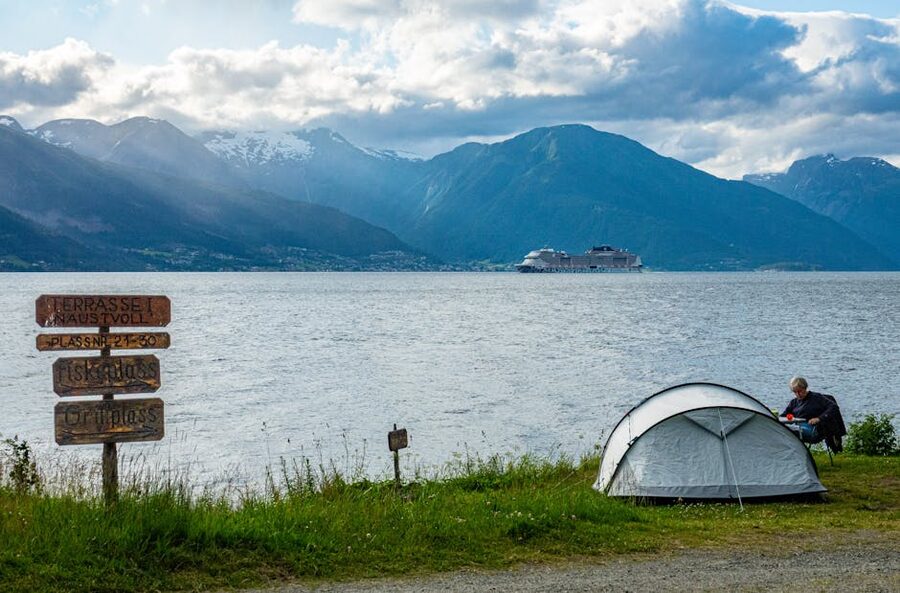
Norway’s allemannsretten is the right to access uncultivated nature. Codified in law since 1957, it lets you walk, swim, ski, ride a bike, pick berries and wild mushrooms, and camp anywhere on uncultivated land for one night, as long as you’re at least 150 metres from the nearest inhabited house. You don’t need permission. You don’t pay. You take all rubbish out. You don’t light fires from 15 April to 15 September except at designated places. This is real and it’s the reason you’ll see wild-camping motorhomes pulled off at every National Tourist Route layby in summer.
The grey area: motorhomes and campervans technically use the same right but the line between “free overnight stop” and “free campsite” gets blurry. Some municipalities have started restricting overnight motorhome stops at popular pull-offs, especially in Lofoten. Apps like park4night.com are how everyone finds the legal stops. Pay the small fee at official rest stops where one is asked; ignoring them gets the system shut down for everyone.
Proper campsites cost 250 to 450 NOK per pitch in summer. The big chains are Topcamp and NAF camping. They have hot showers, kitchens, and laundry. Cheaper than hotels, slower than driving through, and a better way to meet other road-trippers if that matters to you.
Flåm and the railway: the spur worth the day
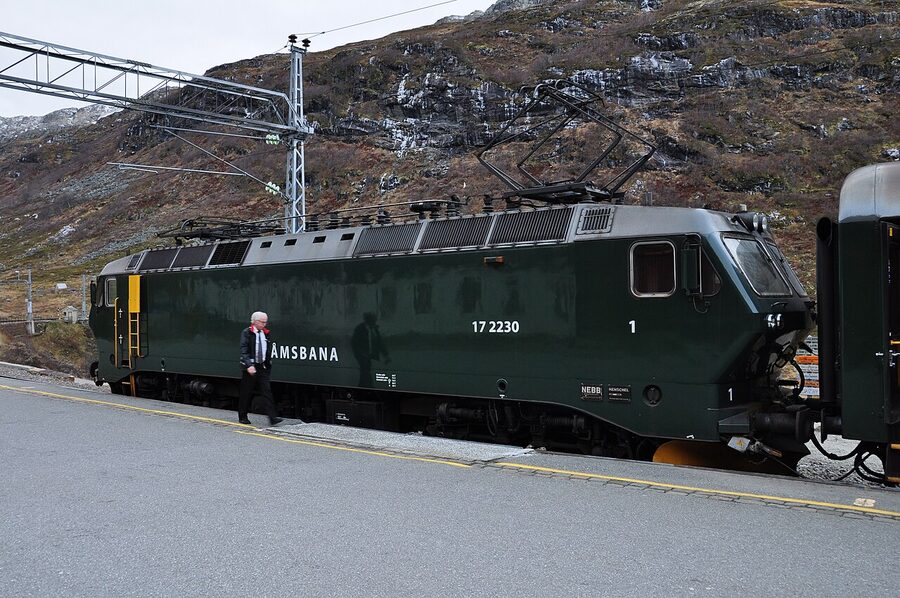
The Flåm Railway is a side-quest off the Bergen Line that’s become the single most-marketed scenic train in Norway. From Myrdal at 866 metres above sea level, it descends 866 metres in 20 km to Flåm village on the Aurlandsfjord. 20 tunnels, 50 minutes, the staged Huldra in red appearing from the Kjosfossen waterfall stop halfway. A single ticket in summer costs around 590 NOK (~€51). For a road-trip stop at Flåm, the practical add-on is a half-day train to Myrdal and back, plus an afternoon Nærøyfjord cruise from Flåm to Gudvangen on the silent electric Future of the Fjords vessel (around 950 NOK ~€82). Combined that’s a full day at Flåm and a strong case for staying overnight rather than driving on. The full breakdown is in our Flåm Railway guide.
What to pack and what not to
The packing list isn’t really about clothes. It’s about three or four small things that make Norwegian driving easier and get forgotten:
An EU-compliant warning triangle and reflective vest. Required by Norwegian law. Most rentals have them; check at pickup.
A physical phone holder for the dashboard. Norwegian roads do work with Google Maps, but the offline downloads stop covering remote valleys past Sognefjellet. CarPlay or Android Auto via the rental’s screen is the workable solution if the rental supports it; if not, a magnetic mount and a downloaded offline map of the whole western coast is the backup.
A waterproof shell jacket and proper hiking boots. Even for non-hikers. The viewing platforms involve walking, the rain comes sideways, and Norwegian weather flips in 90 minutes.
A small thermos. Norwegian rest stops have hot-water taps and most have free filtered cold water. A 500ml thermos and a tea bag turn a 9am Trollstigen photo stop into a coffee break that doesn’t cost 80 NOK at a Statoil.
EPCPLC tag for tolls if your rental doesn’t include one. Almost all do; verify.
What to leave at home: jeans (they don’t dry), heavy boots if you’re not hiking (proper road-shoe trainers handle the village-to-fjord walks), excessive electronics. Norwegian guesthouses and hotels have decent Wi-Fi and most have USB sockets in beds.
The numbers
A full 10-day Norway road trip in late August for two travellers, sharing a compact rental car, sharing a double room, eating one restaurant meal a day and self-catering breakfasts and lunches:
Flights, two return London-Oslo or Manchester-Bergen: about £400 per person, £800 total.
Compact rental for 10 days, booked 4 months out: 8,500 NOK (~€730), plus 1,500 NOK (~€129) one-way drop if Oslo to Bergen.
Fuel for 2,400 km at 24 NOK / litre, 6 L/100km consumption: about 3,500 NOK (~€300).
Tolls and AutoPASS service fee: about 1,200 NOK (~€103).
Ferries (three crossings on the 10-day loop): about 1,000 NOK (~€86).
Accommodation, 9 nights at an average of 1,800 NOK per night: 16,200 NOK (~€1,390).
Food, 10 days at 800 NOK per person per day: 16,000 NOK total (~€1,375).
Activities (Geirangerfjord cruise, Pulpit Rock parking, Trollstigen platform, Flåm Railway day, museum entries): about 4,000 NOK total (~€345).
Total per couple before flights: roughly 51,900 NOK (~€4,460), plus £800 in flights. Per person, about £2,500 to £2,700 for the trip done well. Done thriftily it can come in around £1,800 each (camping half the nights, cooking most meals, skipping the headline activities). Done badly with last-minute hotel bookings in July and the headline restaurants every night, north of £4,000 each. The spread is huge and most of it is on the accommodation line.
The cross-Norway view
Most road trips in Europe are about the destination. Norway road trips are about the road. The fjords and the cities are the bookends; the eight hours a day along the F63 or up the Sognefjellet pass or out across the Atlantic Road bridges are what you’ll remember. Drive slowly. Take the longer route. Stop at the laybys with the Snøhetta viewing platforms. Eat the brown cheese sandwich at the rest stop where the kettle works for free. The point isn’t to see Bergen, Geiranger, and Stavanger in ten days. The point is to see what’s between them, which is most of the country.
If you have a week, do the Sognefjord loop. If you have ten days, do the full fjord loop with Geiranger. If you have two weeks, add Lofoten. If you only have a long weekend, fly to Bergen, take the Bergen Line, and read our guide to that route instead. There’s no version of Norway you can do in a weekend by car that’s better than the train.