Blue Lagoon Comfort entry in early May 2026: 12,990 ISK (~€88). Sky Lagoon Saman Pass with the seven-step ritual: 11,990 ISK (~€81). Sundhöll Reykjavíkur, the city pool five minutes from Hallgrímskirkja: 1,330 ISK (~€9). I have done all three, several times across five trips, and the recommendation only sounds simple after you have spent the morning queueing for a silica mask while a tour bus from Keflavík unloads behind you. So here it is in one line. If you are arriving on a flight and you have one bag and three hours, go to the Blue Lagoon. If you are based in Reykjavík and you want a lagoon morning, go to Sky Lagoon. If you want what the Icelanders themselves do on a Tuesday in February, go to Sundhöll. The rest of this guide is the maths behind those three sentences.
In This Article
- The very short version
- The decision in four lines
- What the Blue Lagoon actually is
- The 2023 to 2025 eruptions and what they mean for your visit
- Blue Lagoon ticket tiers and what you actually get
- What Sky Lagoon actually is
- The Skjól ritual, walked through step by step
- Sky Lagoon ticket tiers
- Aesthetics, side by side
- Crowds, vibe, and what each lagoon attracts
- Getting there from Reykjavík and from the airport
- If you are staying in Reykjavík
- If you are arriving or leaving on a flight
- What each lagoon does well, what each oversells
- The third option nobody mentions
- Practical traps neither lagoon warns you about
- If you only have one morning, here is the decision tree
- Day 1, you have just landed
- You are based in Reykjavík for three nights or more
- You have already done the Blue Lagoon on a previous trip
- You have already done both
- You are travelling with a child under 12
- Comparison table, ISK and EUR
- What to bring, what to leave
- Bring
- Leave
- Food and drink at each
- Seasonality and what changes by season
- What it actually costs to do this properly
- So which one
The very short version
Both lagoons are real, both work, both deliver the photo. They are also both very expensive. Most travellers planning a week in Iceland are choosing between them, and most of the comparison guides online either hedge (“they’re both wonderful”) or quote the prices in dollars. I want to give you the answer in ISK and EUR, with the reason.
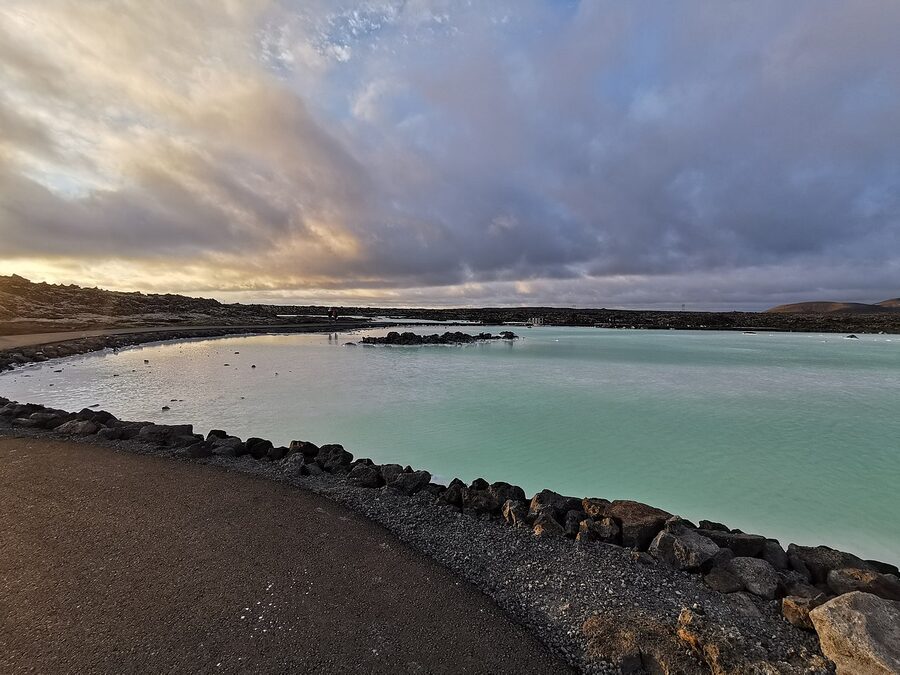
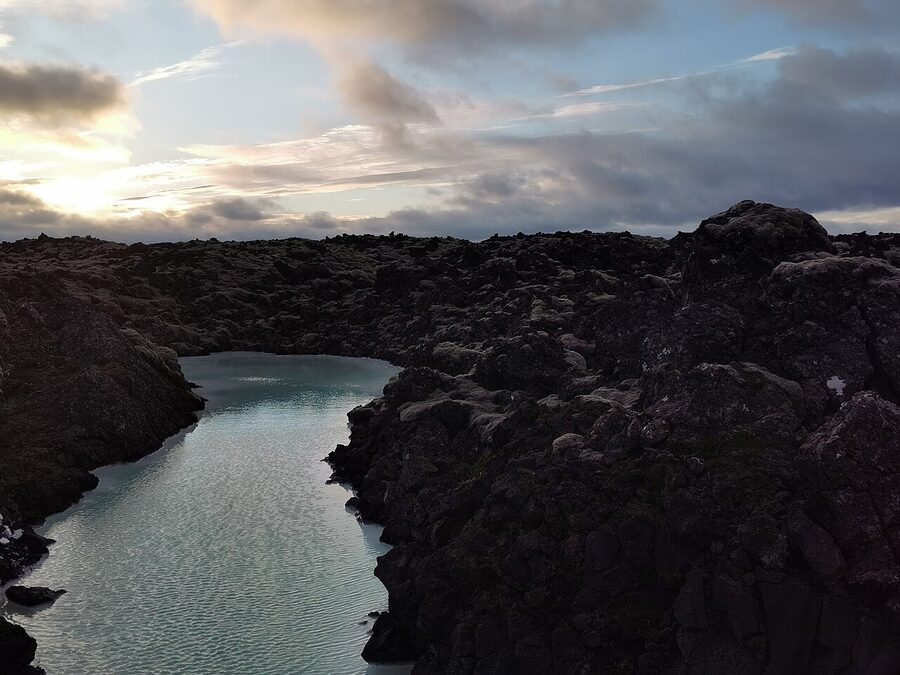
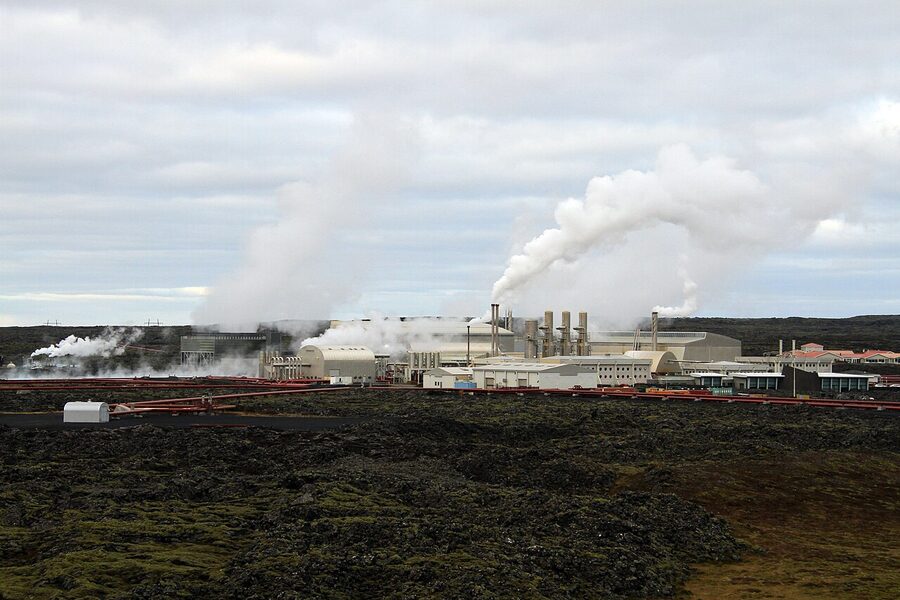
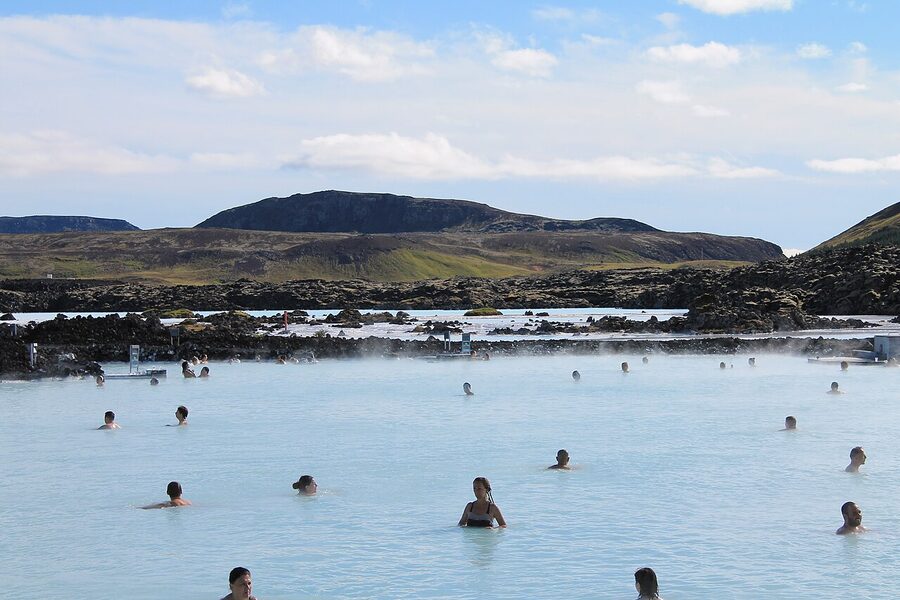
The Blue Lagoon is the older, larger, more iconic spa. It opened as a paid bathing facility in 1987, fifteen kilometres east of Keflavík airport, in the runoff pools of the Svartsengi geothermal power plant. The water is silica-rich, milky blue, salty, and it has spent two days underground at 240°C before it cools enough for you to sit in. Sky Lagoon is the new one. It opened in May 2021 on the Kársnes peninsula in Kópavogur, ten minutes from the centre of Reykjavík, with an infinity edge that looks straight out into Faxa Bay. Its water is clear, the same temperature, and the spa includes a seven-step ritual the Blue Lagoon does not have.
The decision tree for most travellers comes down to where you are sleeping and how much time you have. The decision tree for travellers who have been to Iceland before usually comes down to whether you have already done the Blue Lagoon and want a quieter alternative.
The decision in four lines
- Airport-day arrival or departure: Blue Lagoon. The drive is 23 km from Keflavík, the bag-storage system is built for this exact use case, and you are saving an hour and a half against any other option.
- Reykjavík-stay traveller with a free morning: Sky Lagoon. The 8.30am to 10am slot beats anything you can do at the Blue Lagoon by an hour each way and is materially cheaper.
- Photographer or anyone who cares about the visual: Sky Lagoon at sunset, October to April. The infinity edge with Snæfellsjökull on the horizon is the better shot.
- Families, or anyone with kids under twelve: Blue Lagoon. Sky Lagoon does not admit under-12s. It is not flexible on this.
What the Blue Lagoon actually is
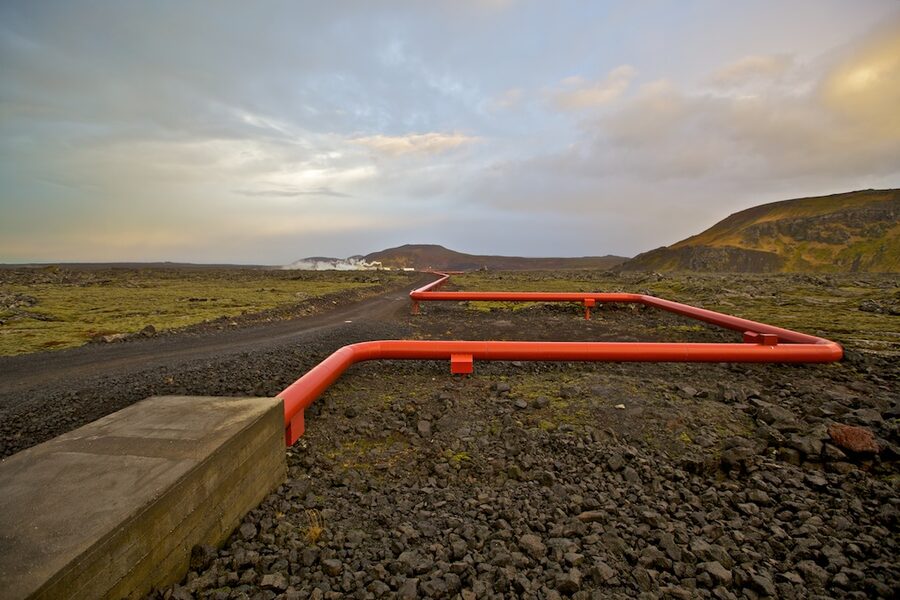
It started as an accident. The Svartsengi geothermal plant came online in 1976 to provide hot water and electricity to the towns on the Reykjanes peninsula. The runoff, mineral-rich and undrinkable, had nowhere obvious to go and pooled in the lava field. In 1981 a man with chronic psoriasis bathed in it, found his skin cleared, and the local press picked up the story. Bathing facilities opened in 1987, the company was incorporated in 1992, and a clinic for psoriasis treatment opened in 1994. By 2017 the lagoon had 1.3 million visitors a year and revenue of 102 million euros. None of this is a marketing line, it is in the company’s own annual report.
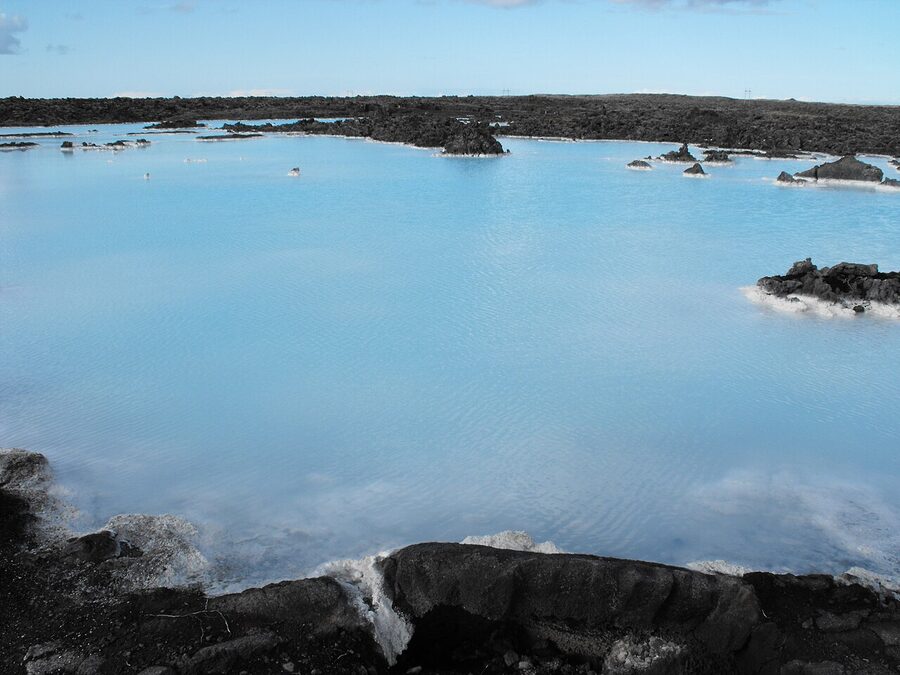
The water sits at 37 to 39°C, has a pH of 7.5, salt content around 2.5%, and is rich in silica, salts, and blue-green algae. It is not chlorinated. It does not need to be, because the high silica concentration kills almost everything. Studies in the 1990s confirmed the psoriasis benefit. Whether it does anything for normal skin in a 90-minute soak is a different question, and the answer is probably “for about a day”. My skin feels softer in the afternoon. By the next morning it is back to normal. My hair, on the other hand, takes three to five days to recover unless I have rinsed it out properly the same day, and your standard hotel shampoo will not be enough.
The 2023 to 2025 eruptions and what they mean for your visit
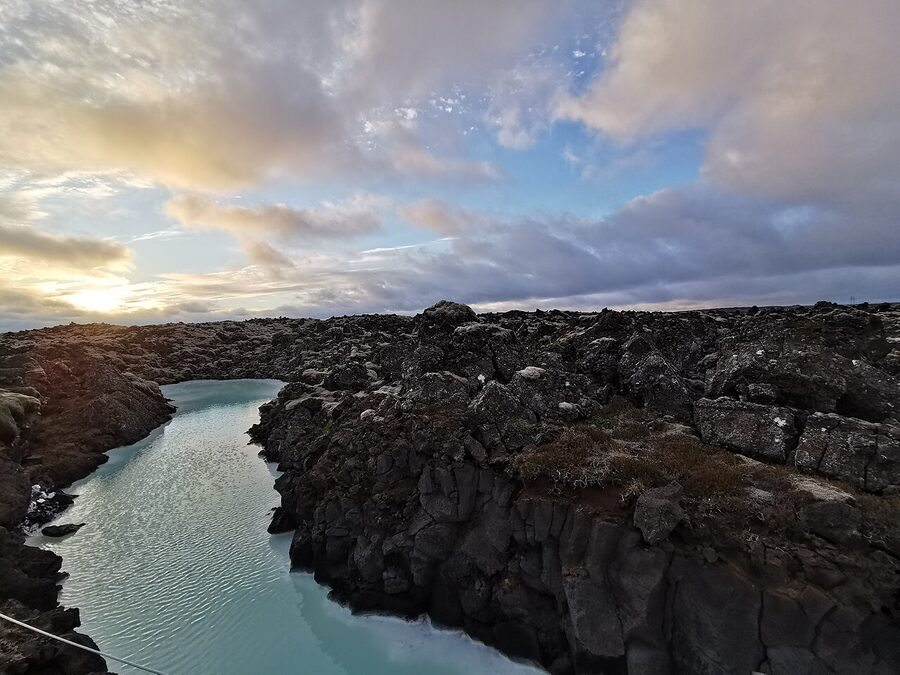
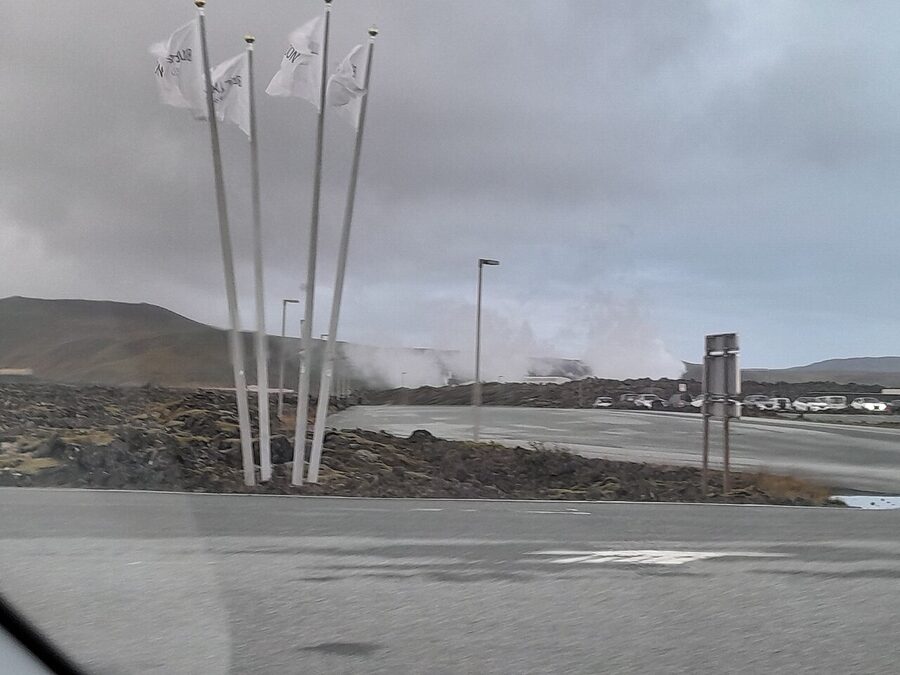
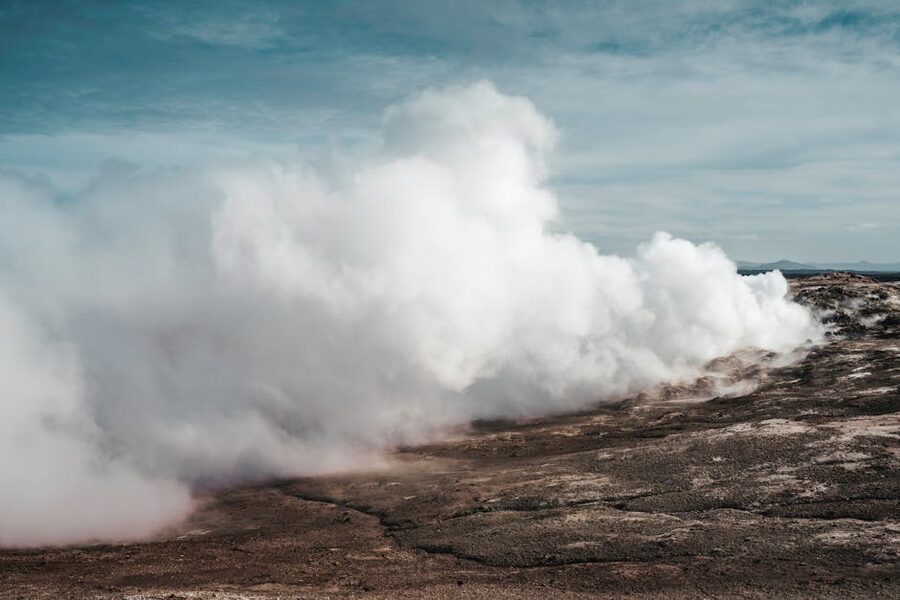
This is the bit no comparison piece written before October 2023 covers properly, and a lot of the older guides are now misleading because of it. On 23 October 2023 the Icelandic Civil Protection authority declared an “uncertainty phase” for the area around the Blue Lagoon after a seismic swarm. The lagoon stayed open. On 9 November about forty guests at the on-site Silica Hotel reportedly fled in panic during a tremor, and the company finally closed the resort for a week. The closure was extended, and on 18 December 2023 the first of seven Sundhnúkur fissure eruptions began north of the town of Grindavík.
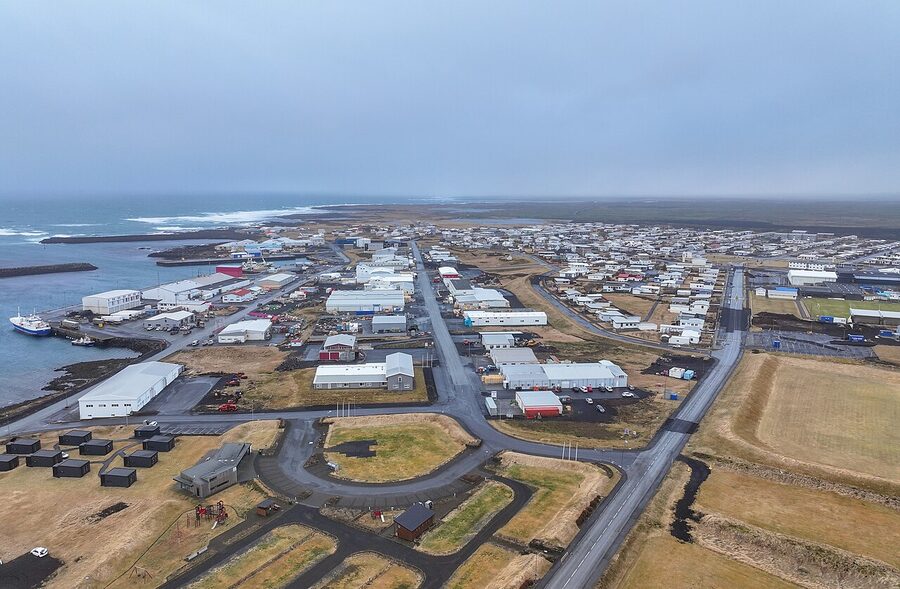
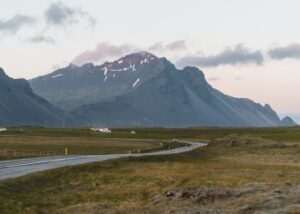
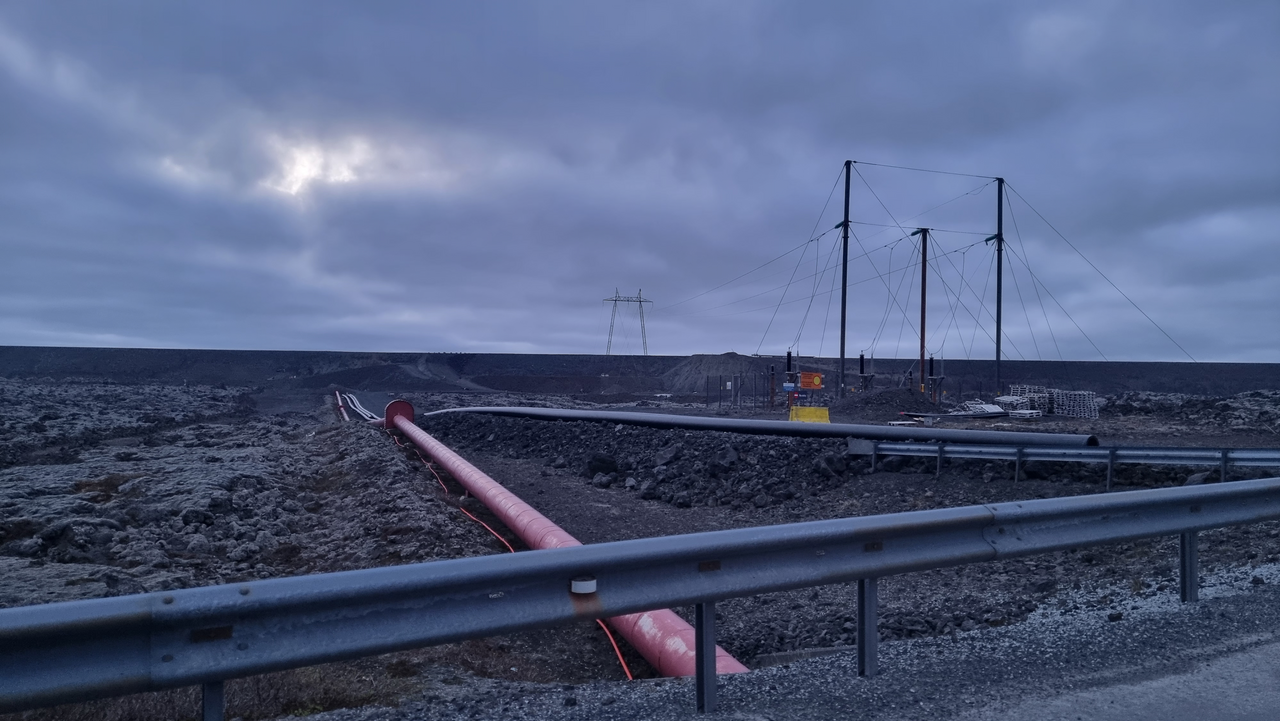
The lagoon has reopened and reclosed several times since. Lava flows reached the car park in November 2024 and destroyed it. The road in from Reykjavík has been rerouted twice. As I write this in May 2026, the lagoon is open, the road is functioning, and the small airport bus shuttles are running, but you should check the official site the morning of your visit. The town of Grindavík, six kilometres south, is largely uninhabited, and the gas-monitoring sensors around the lagoon are not decoration. None of this is a reason to skip the Blue Lagoon. It is a reason to book refundable, watch the news the week of, and take the carrier sensibly.
Blue Lagoon ticket tiers and what you actually get
The pricing changes by date and time, and the company uses dynamic demand-based slots. The numbers below are May 2026 weekday pricing taken directly from the official booking system; weekend and high-season slots run 15 to 25% higher.
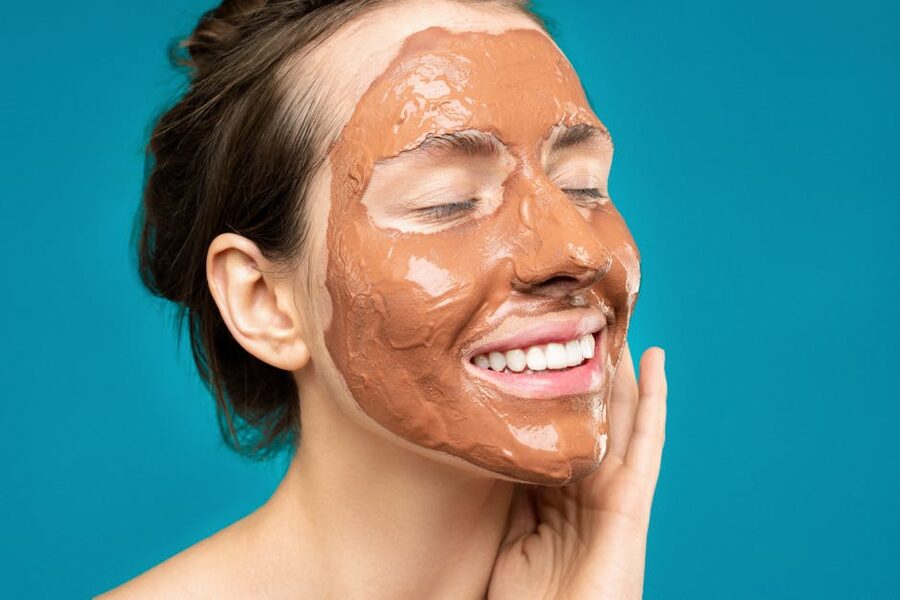
- Comfort, from 12,990 ISK (~€88). Lagoon access, towel, one drink, one silica mud mask. This is what most people book and it is enough. The drink is your choice from beer, wine, prosecco, sparkling water, or a smoothie.
- Premium, from 17,990 ISK (~€122). Adds a bathrobe, a second drink, a second face mask from the mask bar, and a complimentary glass of sparkling at the on-site Lava Restaurant if you book a table. Worth it only if you are eating at Lava and want the robe for the walk between.
- Signature, from 22,990 ISK (~€156). Same as Premium plus take-home Silica Mud and Mineral masks (30 ml each). Skip unless you are committed to the skincare brand.
- Retreat Spa, from around 90,000 ISK (~€610). A separate underground spa, a private lagoon, a five-step skincare ritual, and access to the Moss Restaurant. This is a different product, sold to a different audience, and not what most readers of this article are choosing.
Booking link: bluelagoon.com direct. The shuttle bus from Reykjavík is run by Reykjavik Excursions and called Destination Blue Lagoon, bookable as an add-on at checkout for around 4,500 ISK (~€30) one way from BSÍ bus terminal. Children aged 2 to 13 are admitted free with a paying adult; under-twos are not allowed. Children 8 and under must wear arm-floats, supplied at reception.
What Sky Lagoon actually is
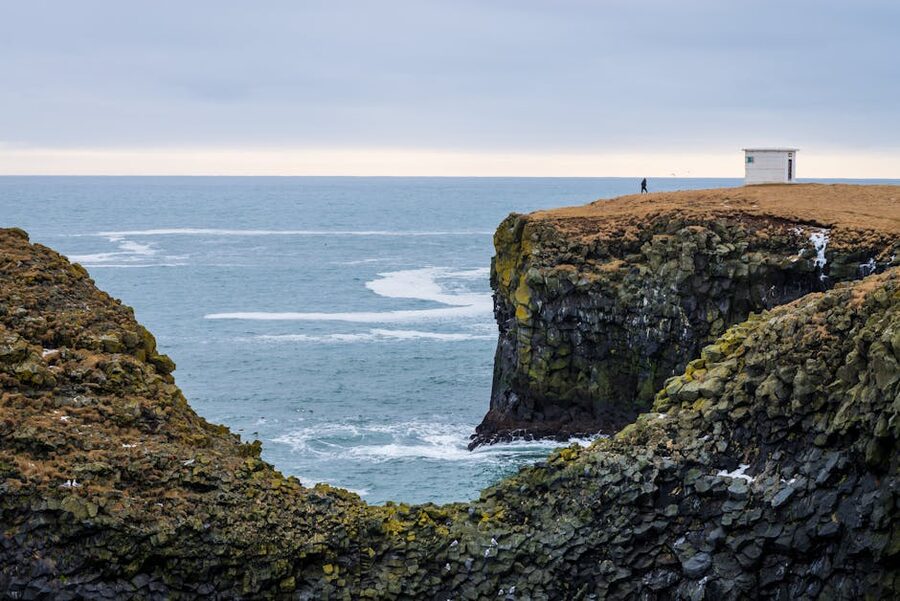
The newer one. Construction began in early 2020, the spa opened in May 2021, and the building was designed by Halldór Eiríksson to echo the turf-walled farmhouses of the Icelandic countryside. The roof is grass. The rocks around the lagoon are real Icelandic basalt brought in from quarries near Reykjavík. The infinity edge looks west across Faxa Bay toward Snæfellsjökull, the glacier-capped volcano on the Snæfellsnes peninsula. On a clear day at sunset between October and April it is the best photograph anyone takes in or near Reykjavík.
The water temperature is 38 to 40°C, similar to the Blue Lagoon. The chemistry is different. Sky Lagoon’s water is clean groundwater heated geothermally, not industrial runoff. It is clear, not milky. It will not dry your hair out. The site is in Kópavogur, technically a separate municipality from Reykjavík but functionally the southern suburb. Address: Vesturvör 44 to 48, Kópavogur. By taxi from the Hallgrímskirkja area it is around 2,500 ISK (~€17) and a 12-minute drive. The Sky Lagoon shuttle is bookable at checkout and runs from BSÍ bus terminal for around 3,500 ISK (~€24) round trip.
The Skjól ritual, walked through step by step
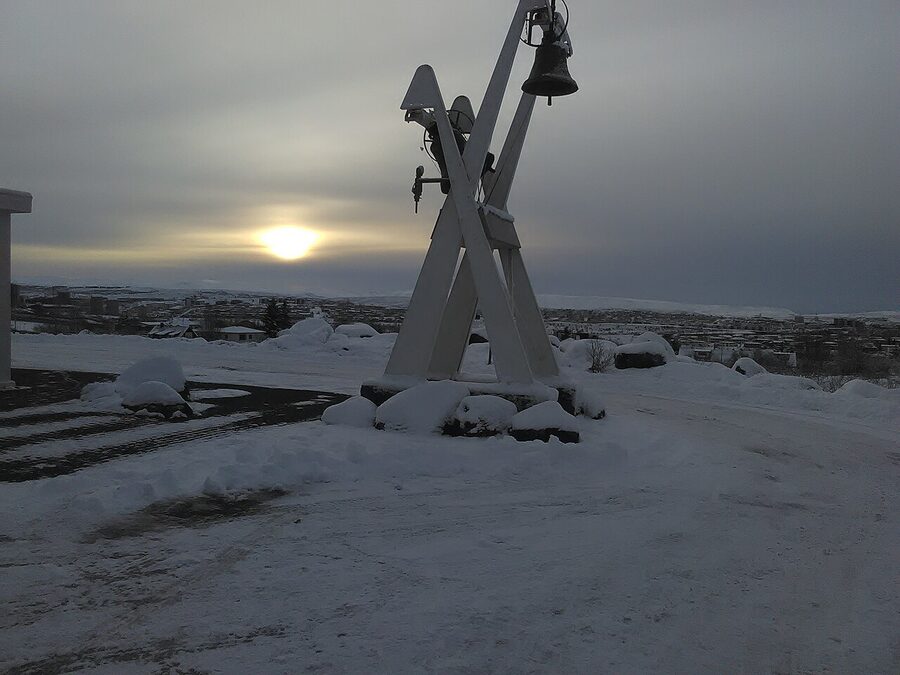
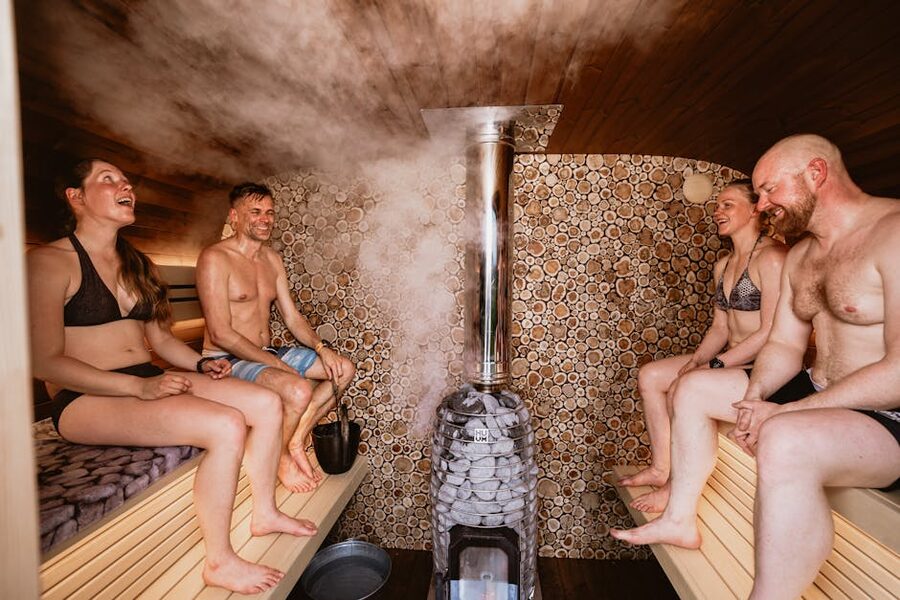
The seven-step ritual is the actual reason to come. It is included in the Saman and Sér passes (the entry-level options), self-guided, and you can repeat any step you want. Skjól is the Icelandic word for “shelter”. The whole sequence is built into a small turf-roofed building beside the main lagoon, and the recommended order is the one in which the steps are physically arranged. Most people take 45 minutes to an hour to do the whole loop once. I usually do it twice over a two-and-a-half hour visit, with a long lagoon soak between.
- Step 1: the lagoon (38 to 40°C). Start in the warm water, ideally the infinity edge. Five to fifteen minutes. The point is to warm your core fully before the cold plunge.
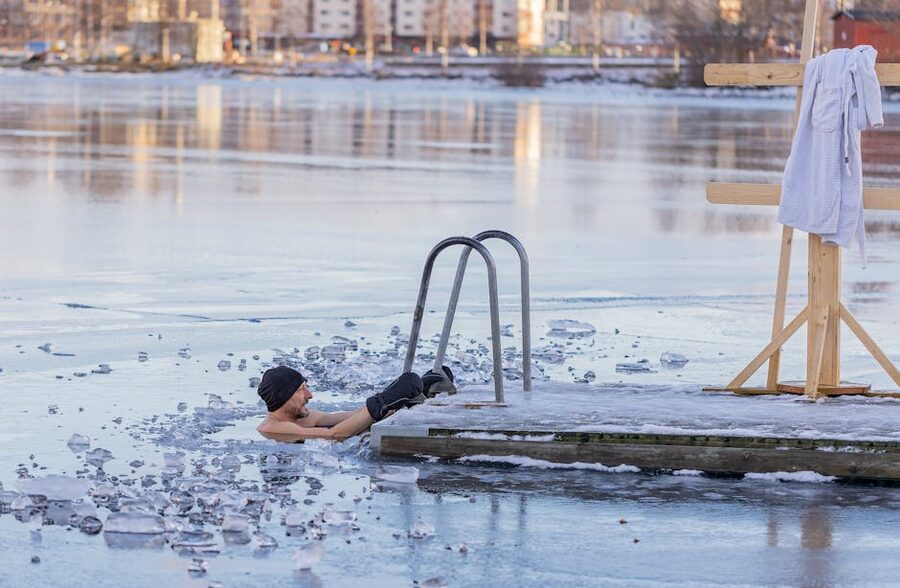
- Step 2: the cold plunge (around 5°C). A small circular tub at the back of the lagoon, with a lifeguard who will shout if you stay in too long. The recommended dwell time is one minute. The first time it is a shock. By the third loop it feels good. There is a science reason, vagal tone, and there is a fashion reason, Wim Hof, and you do not need to subscribe to either to feel it.
- Step 3: the sauna (about 80°C). A panoramic dry sauna with a glass wall facing Faxa Bay. This is the single best room in either lagoon. On a clear afternoon you can see Snæfellsjökull from inside. Eight to fifteen minutes.
- Step 4: cold mist. A small alcove with a fine ice-mist that brings your body temperature down again. Two minutes is enough. Skip if you are cold-sensitive.
- Step 5: the body scrub. A bowl of sea-salt and almond-oil scrub at the entrance to the steam room. You apply it yourself, all over, then wait. The first time you feel like you are doing it wrong. You are not.
- Step 6: the steam room (around 46°C, near 100% humidity). Five to ten minutes with the scrub on. This is where the scrub does its work. Your skin afterwards feels like a different surface.
- Step 7: rinse and return. A simple shower, then back into the main lagoon. Ideally with a drink from the swim-up bar in your hand. The whole loop ends with you at the infinity edge, looking west, in water at 39°C, watching whichever weather Iceland decided to send.
Sky Lagoon ticket tiers
- Saman Pass, from 11,990 ISK (~€81). Lagoon access, the seven-step ritual, public changing rooms with private shower stalls, towel. This is what to book. It is also cheaper than the Blue Lagoon Comfort and includes the ritual, which is the actual experience.
- Sér Pass, from 14,990 ISK (~€102). Same as Saman, plus a private changing room with your own shower and Sky Lagoon’s branded toiletries. The private changing room is genuinely nice; if you are travelling with a partner and want to get ready together, the Sér is worth the difference.
- Sky Lagoon for Two, from 38,990 ISK (~€264) per pair. Two Sér passes plus a tasting platter at Smakk Bar and a sparkling drink. Cheaper than booking the same components individually if you were going to eat at Smakk anyway.
Booking direct: skylagoon.com. Children under 12 are not admitted; ages 12 to 14 must be with a guardian. There is no on-site hotel and no airport-day option, because the airport is 50 minutes the wrong way. Storage for full-size luggage is available at reception for 990 ISK (~€7), but if your bags are at a Reykjavík hotel anyway, this is not your problem.
Aesthetics, side by side
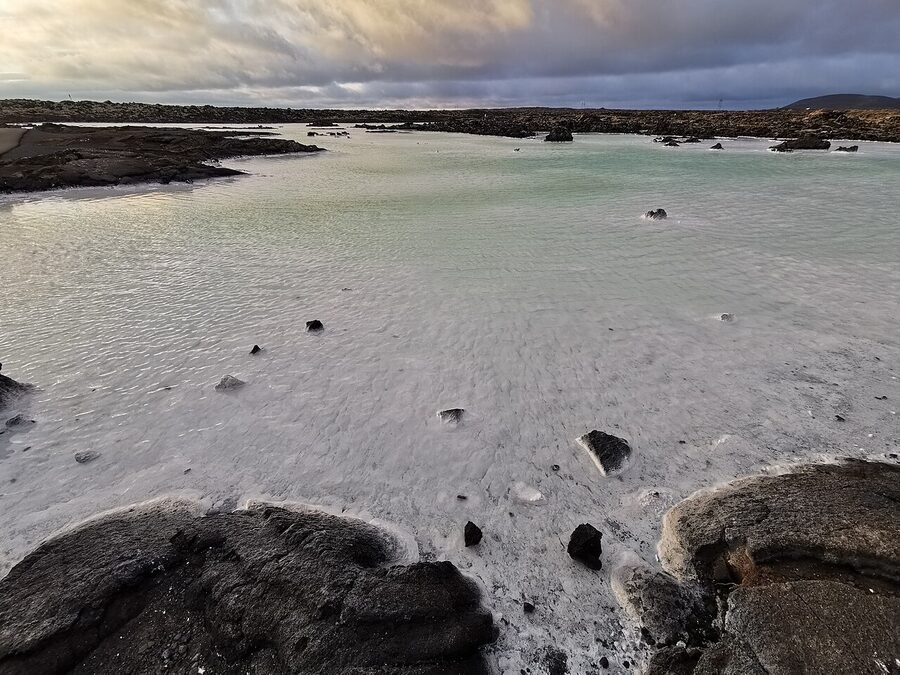
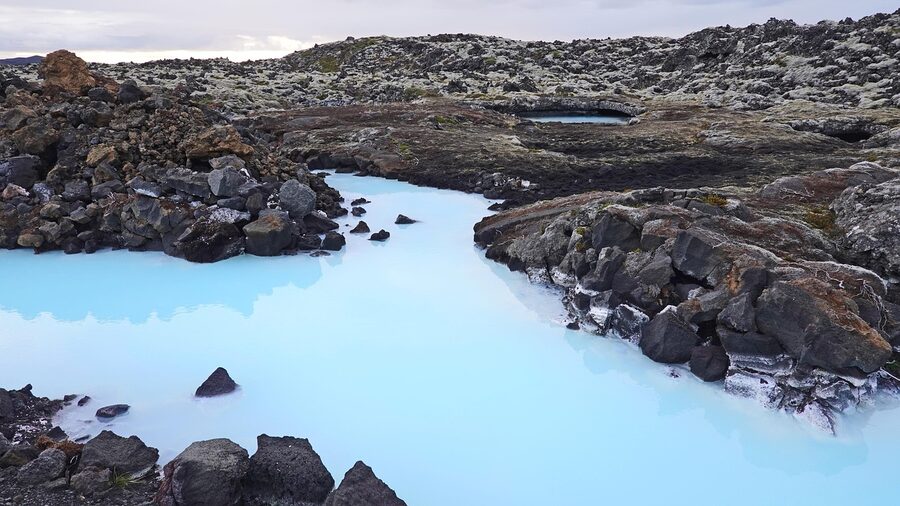
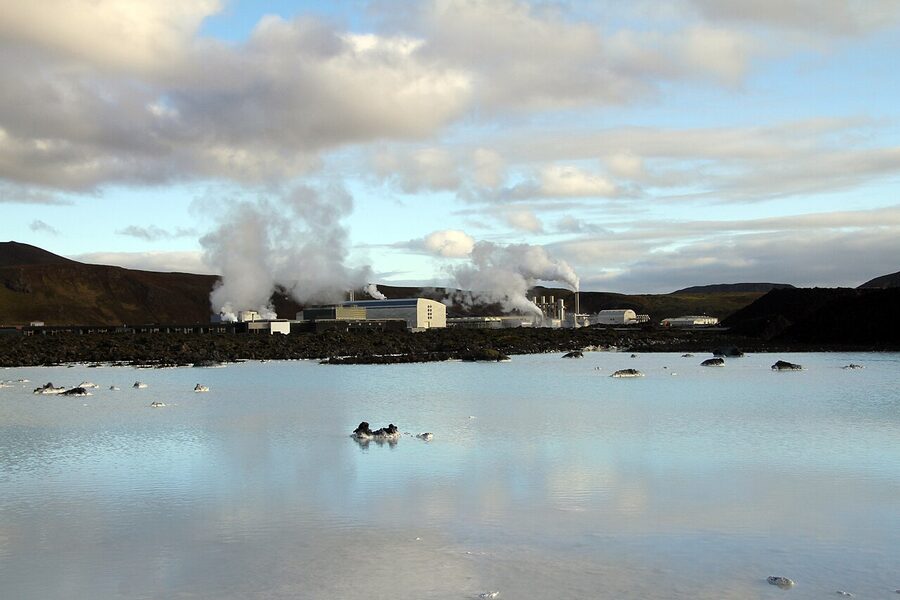
The Blue Lagoon’s defining feature is the water colour. It really is that milky pale blue, and the silica deposits that line the bottom of the lagoon really are that white, and on a sunny day with the black lava field on three sides it does the thing it does in the photos. From inside the lagoon it is a visually generous experience, especially in the upper half where the lava banks are highest.
What the photos do not show is the rest of it. The walkways are concrete. The buildings around the lagoon are large and modern and not pretty. There are bins around the perimeter. There are lifeguards on patrol with whistles. The far end has a pool of seating-shaped concrete and a swim-up bar that is functional but unremarkable. The atmosphere has the energy of a popular tourist attraction, because it is one. The 1.3 million visitors a year do not all stand quietly admiring the silica.
Sky Lagoon is the better-designed building. The single visible structure, the turf-roofed Skjól building, sits low in the landscape. The rest of the spa is set into the headland so that the dominant view from inside the lagoon is sea, not architecture. The water is not the famous milky blue, which is the one thing the Blue Lagoon does that Sky cannot. It is clear, slightly tinted by the basalt rocks beneath it, and on a grey day it photographs as a slate band against the sky. Underwater benches are built into the rocks at the edges, which sounds minor and is not. They mean you can sit at the rim, leaning on the railing, with your shoulders out of the water, in a posture you would not get at the Blue Lagoon.
The infinity edge does the rest of the work. On a clear afternoon between October and April you watch the sun set over Snæfellsjökull from a 39°C lagoon with a drink in your hand. There is no equivalent at the Blue Lagoon, which is set inland in the lava field and does not face the sea. If you only care about one photograph from your trip to Iceland, this is the one to choose.
Crowds, vibe, and what each lagoon attracts
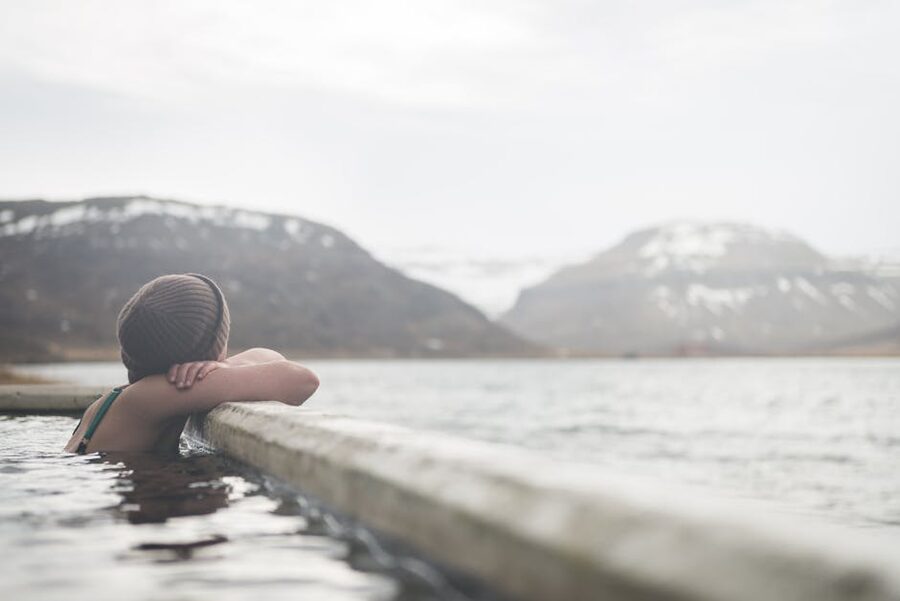
The Blue Lagoon at 10am on a January Tuesday: crowded, loud, half the room speaking English with American accents, a queue at the swim-up bar, a man drinking a second beer, two women conducting a photoshoot in matching white robes, a small child with face paint who has decided the silica mud is his birthright. The big space helps. Even with crowds you can find a corner, and the upper end with the lava banks tends to be quieter. But “quiet” is a relative word here. There is a designated silent area near the original entrance, signed and intended to be phone-free, that nobody respects.
Sky Lagoon at 9am on the same Tuesday: a third the crowd, a tenth the volume, no children at all, more couples than groups. The minimum age of 12 changes the demographic. The Skjól building enforces silence, and unlike the Blue Lagoon’s “quiet area”, this one works because it is literally indoors and bounded. There is no bar visible from the steam room. There is no signage in the lagoon shouting safety rules. The whole space is calmer, and if you are after a meditation-adjacent morning rather than a tourist landmark, this is the practical reason to choose it.
If you can only do one and the crowd matters, this is the deciding factor. If you can only do one and the photo matters more, see the previous section.
Getting there from Reykjavík and from the airport
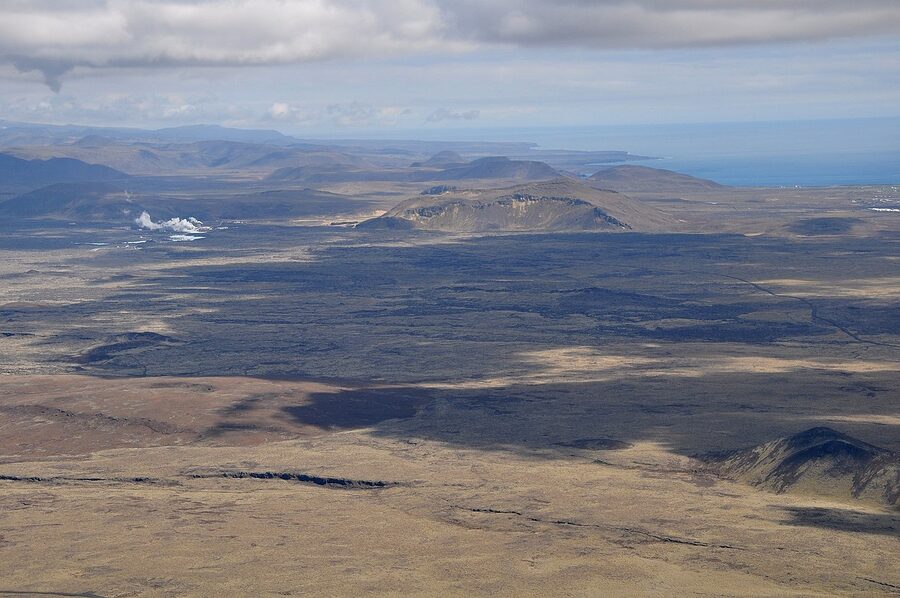
Sky Lagoon is closer. Sky Lagoon is always closer. From Hallgrímskirkja, by car or taxi, it is twelve minutes. From Keflavík airport with luggage it is fifty minutes plus changing the SIM card. The Blue Lagoon is the opposite. From Hallgrímskirkja by car it is fifty minutes through the Reykjanes lava fields. From Keflavík airport with luggage it is twenty.
If you are staying in Reykjavík
- Sky Lagoon shuttle from BSÍ: 3,500 ISK (~€24) round trip, every 90 minutes, bookable at checkout.
- Sky Lagoon by taxi: 2,500 to 3,000 ISK (~€17 to €20) one way from central Reykjavík. Hreyfill is the standard company. Apps work; ask the driver or the front desk to call back when you are ready to return.
- Sky Lagoon by Strætó city bus: Bus 35 from Hlemmur to Hafnarbraut stops two minutes from the spa entrance. 630 ISK (~€4) one way. Slow, but if you are budget-conscious this is your option.
- Blue Lagoon shuttle from BSÍ: Reykjavik Excursions runs the official Destination Blue Lagoon bus, around 4,500 ISK (~€30) one way, bookable at checkout. Departures from BSÍ are timed to specific lagoon entry slots.
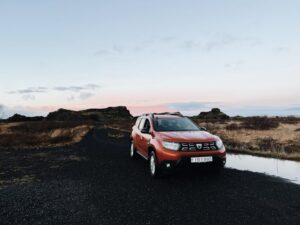
- Blue Lagoon by rental car: 50 km, 50 minutes, the road is the rerouted post-eruption A41 route. Parking at the Blue Lagoon is free.
If you are arriving or leaving on a flight
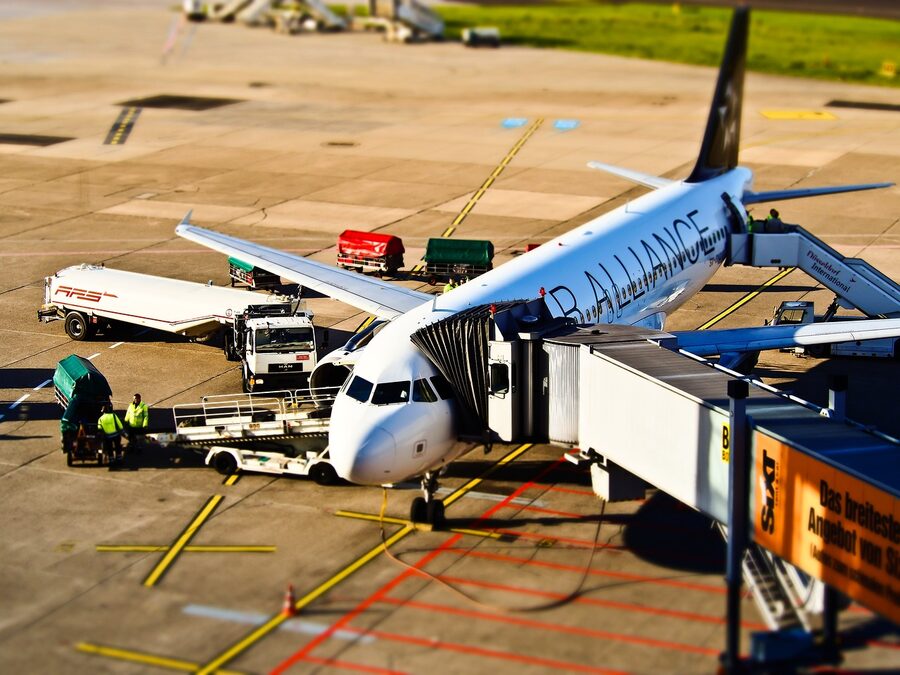
This is where the Blue Lagoon’s logic exists. You land at Keflavík, your bag is too heavy for the lagoon’s lockers, and you have a hotel check-in at 3pm. The Reykjavik Excursions FlyBus offers a “Blue Lagoon stopover” option: airport pickup, drop at the Blue Lagoon with luggage transfer to a separate guarded storage room, lagoon time, then onward bus to BSÍ Reykjavík when you are ready. The cost in May 2026 is around 12,500 ISK (~€85) on top of your lagoon ticket, and it is the single best use of an arrival or departure morning if you do not want to crash on a hotel bed for three hours.
Sky Lagoon does not work for this and does not pretend to. There is no airport bus that includes Sky Lagoon. The luggage room at Sky Lagoon costs 990 ISK per piece and is sized for cabin bags, not 23 kg checked.
What each lagoon does well, what each oversells
The Blue Lagoon does scale. It does the photograph. It does the airport-day stopover better than any spa I have used anywhere. The on-site Lava Restaurant is genuinely good Icelandic fine dining, and if you book a window table at 7pm in winter, lagoon-lit, it is a real evening. The Retreat Spa, expensive as it is, delivers something the day-pass cannot.
What it oversells is the “spa” part. The Comfort ticket is admission, a towel, one mask, and one drink. There is no ritual, no scrub, no guided experience. You queue at the mask bar, smear, rinse, and walk to the swim-up bar. The marketing photographs of robed couples in deep contemplation are sold separately, and they are the Premium and Signature tiers. If you book Comfort expecting a spa, you will get a heated swimming pool with a face mask. The water is unusual, the building is striking, and that is the experience. Adjust expectations.
It also oversells the skin benefits. The psoriasis effect is documented; for normal skin a 90-minute soak is pleasant, and the silica feels nice, and that is most of the story. The take-home masks are 8,990 ISK (~€61) for a 30 ml jar at the gift shop. They are not magic.
Sky Lagoon does the ritual. The Skjól ritual is the difference. It is well-designed, the staff are competent, the building is genuinely beautiful, and it gives you something to do with your time other than float and drink a beer. It does the better-designed lagoon. It does the better view. The Smakk Bar Icelandic tasting platter is good, in a country where most restaurant food is overpriced.
What it oversells is the seclusion. The marketing emphasises an adults-only sanctuary and a wild Atlantic edge. The lagoon is the second most-visited paid spa in Iceland after the Blue Lagoon and is on track to overtake it. The 9am slots in summer are full of cruise-ship passengers from Skarfabakki Harbour. By 11am on a July Tuesday you are not having a quiet morning. Book the first slot of the day or the 7pm slot in winter for the closest thing to the marketing image.
The third option nobody mentions
Iceland has roughly 120 public swimming pools, geothermally heated, open year-round, in nearly every settlement of any size. Reykjavík alone has seven. The entry fee at all of them, in 2026, is between 1,150 and 1,330 ISK (~€8 to €9). They include hot pots at 38, 40, 42, and 44°C, a cold plunge, often a steam room, sometimes a sauna, a 50-metre lap pool for actual swimming, and an unspoken etiquette of nakedness in the showers that the Blue Lagoon and Sky Lagoon both copy and dilute.
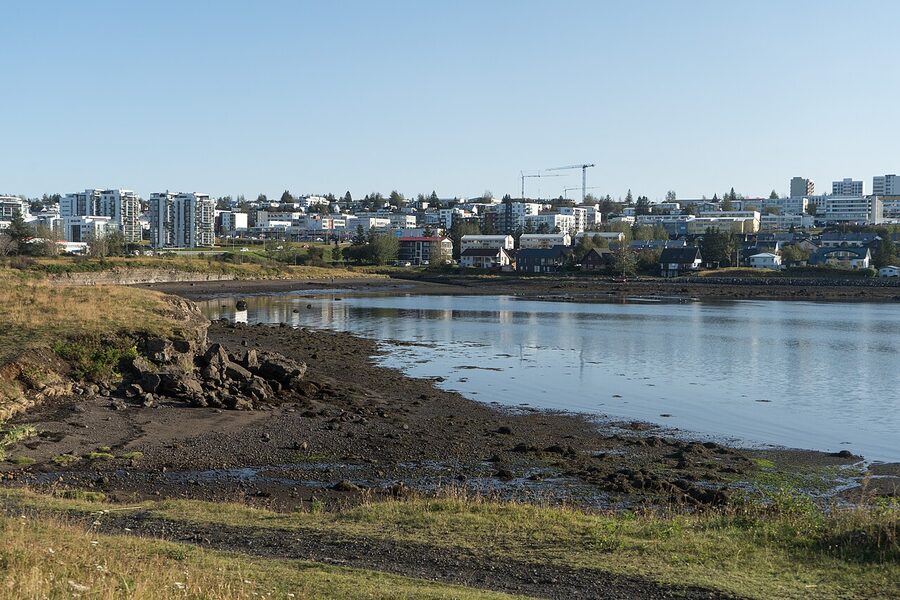
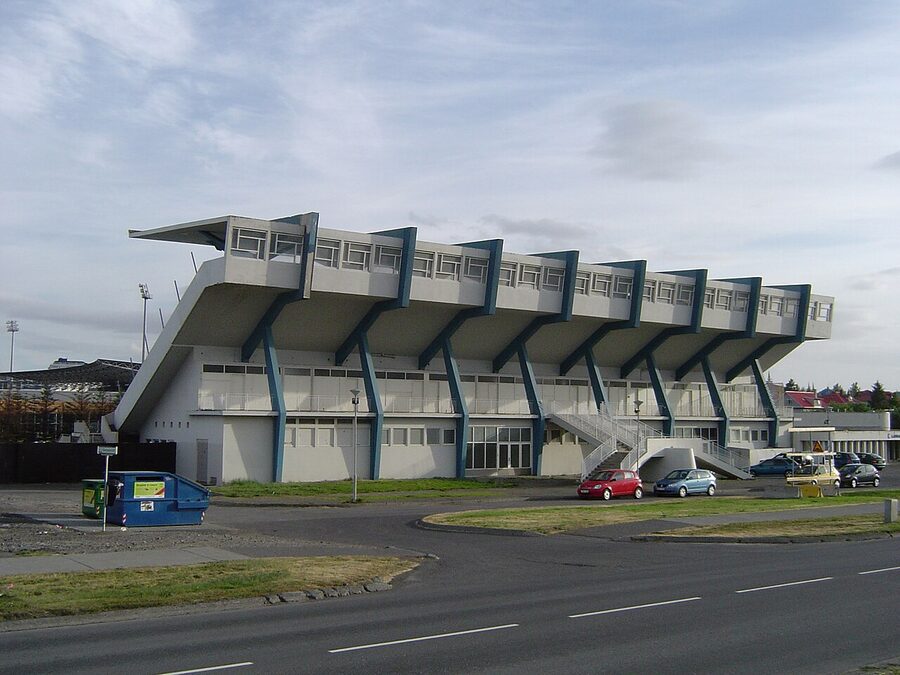
The pool I send everyone to first is Sundhöll Reykjavíkur at Barónsstígur 45a, a five-minute walk from Hallgrímskirkja. It opened in 1937, was designed by Guðjón Samúelsson (the same architect who did Hallgrímskirkja), and was renovated in 2017 to add an outdoor lap pool, an outdoor pool, two outdoor hot pots, and a cold plunge facing the cathedral. Entry is 1,330 ISK (~€9). It is open from 6.30am on weekdays and packed with locals before work. If your flight lands at 11pm and you are wide awake at 7am the next day, this is what to do for the cost of a coffee.
This is not a substitute for the Blue Lagoon or Sky Lagoon. The water is different. The marketing is non-existent. The hot pots do not have an infinity edge over the Atlantic, although Sundhöll’s outdoor pots do face Hallgrímskirkja’s spire and that is its own thing. But if you have already done one of the lagoons earlier in the trip, or if you cannot justify the price, or if you want to see what Icelanders actually do with the geothermal water, this is the answer. I have written a full guide to the Reykjavík seven and the regional pools that goes into Sundhöll’s architecture, the Hofsós infinity-edge pool, and the wild outdoor lagoons most travellers never reach.
Practical traps neither lagoon warns you about
A short list of mistakes I have either made or watched other people make.
- Do not get your hair wet at the Blue Lagoon. The silica binds to hair and dries it out for three to five days. Apply heavy conditioner before you enter and leave it in. The Blue Lagoon provides conditioner in the showers; use it twice. At Sky Lagoon hair is not an issue.
- Take off your wedding ring. The salt and silica in the Blue Lagoon water will tarnish silver, and the same minerals will dull gold over time. The locker room provides a sealable bag; use it. At Sky Lagoon the same applies but to a much lesser degree.
- Contact lenses come out. Both lagoons are non-chlorinated mineral water and not friendly to contacts. Wear glasses or take them out.
- The towel rental is included; do not pay extra. Sky Lagoon and Blue Lagoon both include a towel in the Saman / Comfort tier. Some third-party sellers charge separately for it. Book direct.
- Phones at the Blue Lagoon are common but discouraged in the silent area. Phones at Sky Lagoon are discouraged in the Skjól ritual building and forbidden in the changing rooms. Both spas sell waterproof phone pouches; if you are taking photos, the lagoon-side bar is fine, the changing rooms are not.
- Shower naked, in the shower, before you enter. This is mandatory at both lagoons and at every public pool in Iceland. The shower attendants are friendly until they are not. There are no exceptions and no swimsuit option. The private shower stalls are an option if you are uncomfortable.
- Do not skip eating. Both lagoons are 90 minutes minimum, often more, and the heat dehydrates you fast. Eat something with protein 90 minutes before. Drink the free water at the in-water fountains. The mid-pool dizziness most first-timers feel is partly heat, mostly hunger.
- Book ahead. Both lagoons are time-slot ticketed and both regularly sell out 48 hours in advance in summer. The walk-up rate is non-existent in July; for a December evening you can sometimes book the night before. Book direct, both have free cancellation up to 24 hours before.
- Watch the eruption page. Specifically for the Blue Lagoon. The Civil Protection Twitter (X, IcelandCivProt) and the Blue Lagoon’s own seismic activity page (linked from the booking footer) are the two sources to check the morning of your visit.
- Underwater benches at Sky Lagoon are real and unmarked. The lava-rock benches set into the lagoon floor at the rim are at shin height and not visible from above. I have hit them, my wife has hit them, half the people in the lagoon hit them. Walk slowly at the edges.
If you only have one morning, here is the decision tree
I get this question more than any other. The answer depends on three things: which day of your trip you have free, where you are sleeping, and whether you have done either before.
Day 1, you have just landed
Blue Lagoon. Take the FlyBus stopover from Keflavík, store the bags, soak for two hours, ride onward to Reykjavík. You will arrive at your hotel relaxed, fed, and with the trip’s most-photographed activity already in the bag. Cost in May 2026: lagoon Comfort 12,990 ISK + FlyBus stopover 12,500 ISK = 25,490 ISK (~€173) plus the airport-to-Reykjavík transfer you would have paid for anyway. Only do this if your flight lands before 1pm; later than that you are eating dinner at the lagoon and arriving in Reykjavík in the dark.
You are based in Reykjavík for three nights or more
Sky Lagoon, first slot of the day, ideally October to April so you catch sunset on the way back. Saman pass is enough. Total time door-to-door from a central hotel: three hours. Cost: 11,990 ISK + a 2,500 ISK round-trip taxi or 3,500 ISK shuttle = around 14,500 ISK (~€98). For the price of the Blue Lagoon Comfort plus the bus, you are at a more thoughtful spa, ten minutes from your hotel.
You have already done the Blue Lagoon on a previous trip
Sky Lagoon on this trip. The seven-step ritual is a different experience and worth the comparison. You will not feel you missed anything by skipping the Blue Lagoon a second time.
You have already done both
Sundhöll Reykjavíkur or one of the regional pools. The Hofsós infinity-edge pool on the Skagafjörður (a 4-hour drive north) and the Krossneslaug on the Atlantic edge of the Westfjords (a long detour) are the two I recommend if you are doing the Iceland Ring Road.
You are travelling with a child under 12
Blue Lagoon. Sky Lagoon will not admit them. The Blue Lagoon’s minimum age is 2; under 8s require arm-floats supplied free at reception. Pricing is free for children 2 to 13 with a paying adult, capped at one adult per two children.
Comparison table, ISK and EUR
For quick reference, the May 2026 numbers in one place. Pricing is dynamic, weekend slots run 15 to 25% higher, and the on-site websites are the source of truth on the day.
| Factor | Blue Lagoon | Sky Lagoon | Sundhöll Reykjavíkur |
|---|---|---|---|
| Year opened | 1987 (paid bathing) | 2021 | 1937 |
| Distance from Reykjavík | 50 km / 50 min | 5 km / 12 min | 0.5 km / 5-min walk from Hallgrímskirkja |
| Distance from Keflavík airport | 23 km / 20 min | 50 km / 50 min | 50 km / 55 min |
| Water temperature | 37 to 39°C | 38 to 40°C | Pots at 38, 40, 42, 44°C |
| Water type | Silica geothermal runoff, salt 2.5% | Geothermal groundwater, clear | Geothermal water, chlorinated lap pool |
| Entry-level ticket | Comfort, from 12,990 ISK (~€88) | Saman with ritual, from 11,990 ISK (~€81) | 1,330 ISK (~€9) |
| Premium ticket | Premium, from 17,990 ISK (~€122) | Sér Pass, from 14,990 ISK (~€102) | n/a |
| Includes ritual or scrub | No (one mask only) | Yes, seven steps | No (DIY) |
| Towel | Included | Included | Rent for 800 ISK or bring your own |
| Drink included | One drink (Comfort) | None (extra) | None |
| Minimum age | 2 | 12 | None (children supervised) |
| Phones in lagoon | Allowed | Discouraged in ritual | Allowed (changing rooms no) |
| On-site hotel | Yes (Silica, Retreat) | No | No |
| Time slot booking | Yes, mandatory | Yes, mandatory | Walk-up |
| Affected by 2023 to 2025 eruptions | Yes, multiple closures | No | No |
| Photo highlight | Milky blue water against black lava | Infinity edge facing Snæfellsjökull | Hallgrímskirkja from the outdoor hot pot |
What to bring, what to leave
Both lagoons supply almost everything. The list of what to actually bring is short and the list of what people unnecessarily bring is long.
Bring
- Swimsuit. Both lagoons require one. Both rent on-site for around 1,500 ISK (~€10) if you forget. Sky Lagoon also sells them.
- A bottle of water. Tap water in Iceland is free, drinkable, and better than most bottled. Both lagoons have free in-water drinking fountains; bring an empty bottle to refill afterwards in the changing rooms.
- A waterproof phone pouch if you are taking photos. Sold at both lagoon shops for around 2,500 ISK (~€17). Cheaper to bring one. The lagoon water will not destroy a phone instantly but will degrade speakers and gaskets if it gets in.
- A hair tie. For the Blue Lagoon especially, putting hair up out of the water materially reduces the silica damage.
Leave
- Towel (included in both Saman and Comfort).
- Robe (Sky Lagoon does not offer them on Saman; you do not need one because the lagoon is accessed directly from changing rooms. Blue Lagoon includes one in Premium and above only).
- Flip-flops (the floor surfaces at both lagoons are designed for bare feet; both spas explicitly recommend not bringing them).
- Jewellery (lockers exist; the salt is not your jewellery’s friend).
- Conditioner (Blue Lagoon supplies it free; Sky Lagoon supplies basic toiletries on Sér, branded ones on the in-house line).
- Big towels for the parking lot in winter (you will not need them; the changing rooms are heated).
Food and drink at each
The Blue Lagoon has three sit-down restaurants and a café. Lava, the headline restaurant, is fine dining built into the lava bank with floor-to-ceiling windows over the lagoon. Three-course tasting menu is around 18,500 ISK (~€125) without wine pairing. The food is good, the room is theatrical, and a window table is the deepest the Blue Lagoon goes into the spa-evening territory. The Spa Restaurant by the lagoon edge serves lighter plates in the 3,500 to 5,500 ISK range and is fine. The Blue Café is sandwiches and coffee. Bar prices in the lagoon: a Gull beer is 1,800 ISK, a glass of wine is 2,200 ISK, a smoothie is 1,650 ISK. The Comfort ticket includes one of these.
Sky Lagoon has Smakk Bar for tasting platters and Keimur Café for snacks before or after, plus the Gelmir Bar in the lagoon. Smakk Bar is the better Icelandic-flavour option of the two spas. The seven-platter Sky Platter at around 8,500 ISK (~€58) covers smoked lamb, gravlax, hardfiskur with butter, rúgbrauð with smoked trout, and a few cheeses. Two people can share it as a meal. The bar drinks are similar prices to Blue Lagoon: Gull at 1,750 ISK, wine at 2,100 ISK. Phones are not permitted in the Skjól building, which means food and drink are consumed at the lagoon edge or at the bar table, not over the steam room.
Seasonality and what changes by season
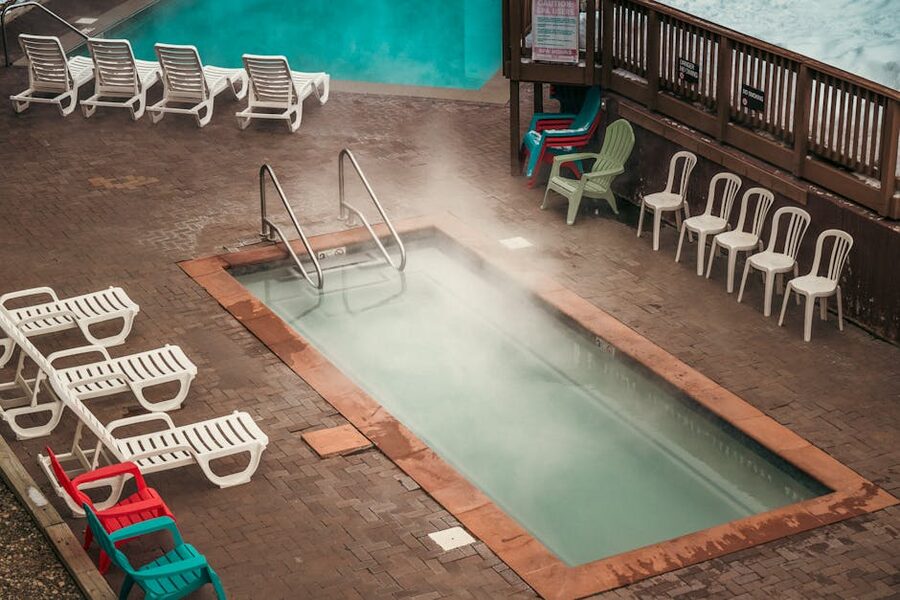
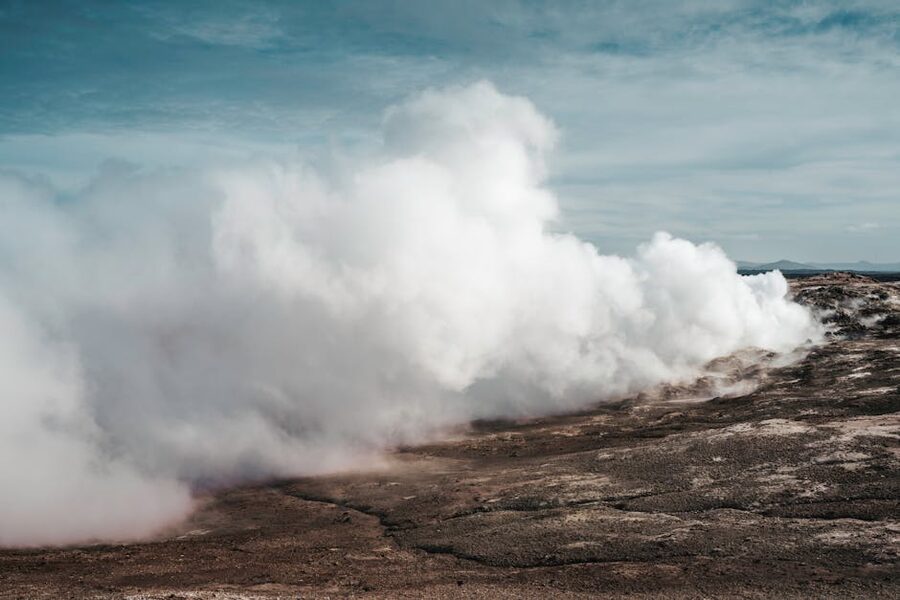
The lagoons are open year-round and are at their best in winter. The cold air against the hot water creates the steam, and the steam is the visual that sells the experience. In July at noon, with the sun overhead and the air at 14°C, the lagoon is just a pool. In December at 4pm with the air at minus eight, the steam rolls off the surface and the lava banks disappear into it. Both lagoons stay at the same water temperature year-round.
The Blue Lagoon’s opening hours change seasonally: 7am to 11pm in summer, 8am to 9pm in winter. Sky Lagoon runs 9am to 11pm year-round, with the last entry at 9pm. The Skjól ritual stops being available 30 minutes before close, so book your slot accordingly.
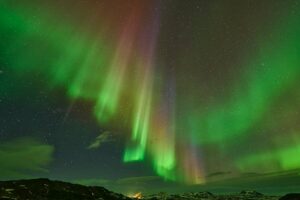
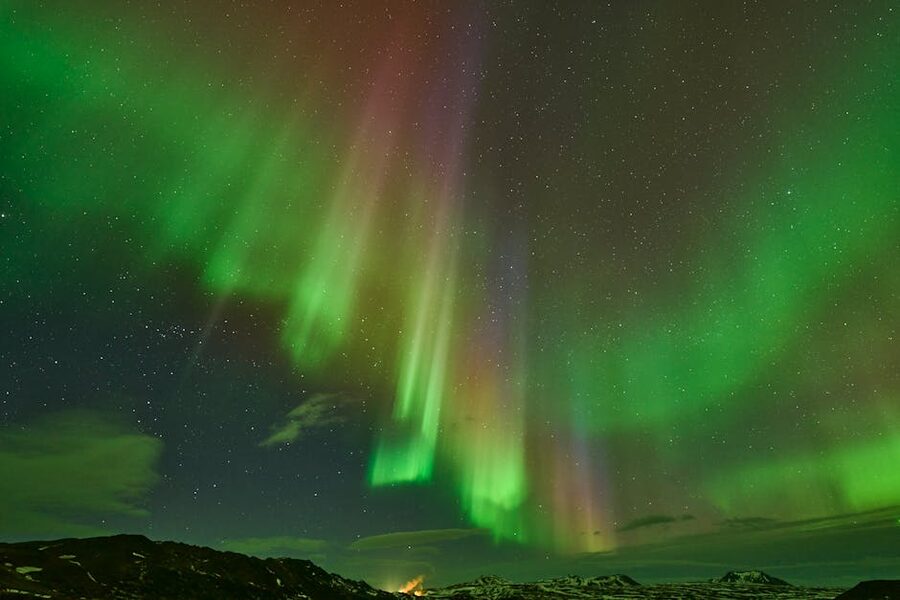
For aurora chances at Sky Lagoon, you want the late slot from October to March. The Faxa Bay edge has limited light pollution from Reykjavík. The lagoon facing west keeps the city behind you. I have seen the lights twice from the lagoon over four winter visits, both times in late February with the air at minus four. Cloud cover ruins it more often than not. If chasing the aurora is the goal, see where in Iceland to actually find them.
What it actually costs to do this properly
Adding the real numbers. A two-night Reykjavík trip with a Sky Lagoon morning and dinner at Smakk Bar: 11,990 ISK lagoon + 8,500 ISK platter + 3,500 ISK shuttle = 23,990 ISK (~€163) per person. A three-night trip with a Blue Lagoon airport-day stopover and a Sky Lagoon morning later: 25,490 ISK + 14,500 ISK = 39,990 ISK (~€271) per person. Both lagoons in one day from Reykjavík with no airport hook: 12,990 ISK + 11,990 ISK + 4,500 ISK transport = 29,480 ISK (~€200) per person, and is doable but tiring. Sundhöll alone, three mornings in a row: 3,990 ISK (~€27) per person, and is the closest thing to “what an Icelander does in a week”.
For the Reykjavík end of the trip, the city pillar guide has the broader context on areas, eating, and getting around. See the Reykjavík city guide for the rest. If the lagoon is the start or end of a longer Iceland loop, the 7-day Ring Road itinerary will tell you which days to fold the lagoon into. And if you are deciding between renting a car or relying on the airport bus, the Iceland car rental guide covers the practical economics.
So which one
If I had not done either before and I had three days in Reykjavík, I would do Sky Lagoon. The Skjól ritual is the actual experience, the building is better, the view is better, and the price is lower than the Blue Lagoon Comfort. The Blue Lagoon’s silica water is the one thing Sky cannot match, and it is striking, and if you have the airport-day window it is the better use of that time. But “iconic” and “worth your morning” are different questions. For the morning, Sky.
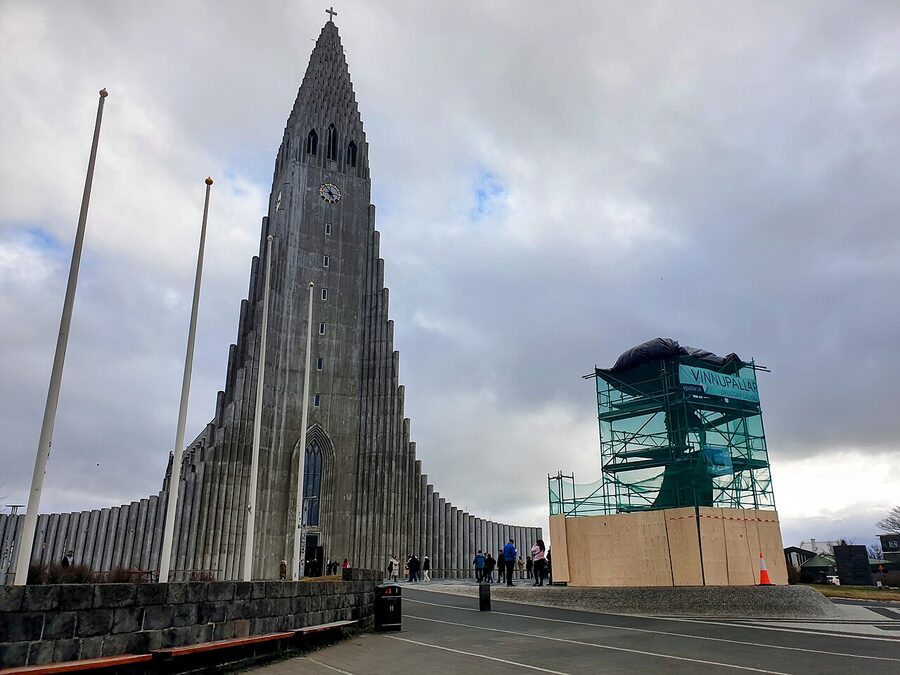
If I had been to both before and I had a fourth morning to spend, I would walk to Sundhöll. The 1937 building, the locals at 7am, the cold plunge with Hallgrímskirkja in the eyeline, the entry fee under €10. It is the answer to the question the lagoons are not asking, which is what Iceland actually does with its geothermal water on a Tuesday in February when nobody is watching.
The lagoon question is a real one and the answer is not “they are both great”. The answer depends on which day, where you are sleeping, and what you are after. Hopefully the maths above helps. Book direct, book ahead, watch the eruption page if you are going to the Blue Lagoon, and bring a hair tie.